2027 Fastest Online Bachelor's in Healthcare Management Degree Programs Ranking in Minnesota

Co-Founder and Chief Data Scientist
If you're a Minnesota student eager to advance your career in healthcare, choosing the right online bachelor's program matters. This article introduces the 2027 Fastest Online Bachelor's in Healthcare Management Degree Programs Ranking in Minnesota, created by the Research.com team of data scientists.
Designed to help you make an informed decision, this ranking highlights programs that combine quality education with speed and flexibility. Earning a healthcare management degree can open doors to rewarding roles where you make a real impact on community health and operations. Dive in to discover options that fit your goals and lifestyle.
Key benefits of getting online healthcare management degree in Minnesota
- Healthcare management graduates in Minnesota often pursue roles like medical and health services managers, with a median annual wage of about $104,280, offering a rewarding and stable income.
- Graduates from Minnesota universities can explore diverse careers including hospital administration, health information management, and healthcare consulting, providing a range of opportunities to grow and specialize.
- Completing a healthcare management degree online offers flexibility to balance work and study, often allowing faster graduation and practical learning, as experienced by graduates from popular Minnesota online programs.
- 2027 Fastest Online Bachelor's in Healthcare Management Degree Programs Ranking in Minnesota
- What can I expect from online healthcare management degree in Minnesota?
- Where can I work with online healthcare management degree in Minnesota?
What can I expect from online healthcare management degree in Minnesota?
The average cost of an online healthcare management degree in Minnesota ranges from approximately $15,000 to $35,000 for the entire program. This variation depends on whether the institution is a public university or a private college, with public universities like the University of Minnesota offering more affordable tuition rates for in-state students. Graduates from these programs frequently report that the investment is justified by the comprehensive curriculum and flexible online delivery, which accommodates working professionals.
Minnesota providers focus on practical knowledge in areas such as healthcare law, informatics, and strategic planning. Graduates often express satisfaction with the ability to balance work, family, and studies without relocating. One common scenario involves learners attending synchronous virtual sessions in the evenings while maintaining full-time roles at healthcare facilities or insurance companies.
The positive feedback centers on digital platforms that facilitate networking and hands-on projects, simulating real-world healthcare settings. These factors contribute to steady job placement rates and career advancement, emphasizing that the cost reflects not just tuition but valuable professional growth opportunities.
Where can I work with online healthcare management degree in Minnesota?
Graduates with an online healthcare management degree from institutions like the University of Minnesota and Augsburg University find strong career prospects across Minnesota's diverse healthcare sector. Many alumni secure roles in prominent hospitals such as the Mayo Clinic and University of Minnesota Medical Center, where they manage daily operations, lead teams, and ensure regulatory compliance. These positions reflect the state's median healthcare manager salary near $95,000, underscoring the field's financial appeal and stability.
Others leverage their education to work in long-term care facilities, responding to Minnesota's growing elderly population by overseeing quality care and operational budgets. Insurance companies based in Minneapolis also attract healthcare management graduates, employing them for policy oversight and claims coordination.
Public health agencies, including the Minnesota Department of Health, provide opportunities to manage community health programs and administrative functions. Finally, graduates report enthusiasm for roles in healthcare technology and consulting firms, where they implement innovations that improve patient outcomes and system efficiency.
Graduates with an online healthcare management degree in Minnesota can anticipate starting salaries typically ranging from $60,000 to $75,000 annually in entry-level roles such as administrative coordinators or assistant managers. Universities like the University of Minnesota and Metropolitan State University have seen their graduates securing these positions within major healthcare facilities, reflecting real potential to begin a rewarding career close to home.
With more experience and additional certifications, such as the Certified Healthcare Administrative Professional (cHAP), salaries often rise steadily. Mid-career professionals working at large healthcare organizations including Mayo Clinic or Allina Health report earnings between $90,000 and $130,000 per year. These figures underline the value Minnesota employers place on both education and practical leadership skills.
Healthcare managers in specialized roles overseeing finance or compliance benefit from further salary increases, illustrating the strong correlation between specialization and compensation. Students from Minnesota colleges frequently describe the growing job opportunities in these sectors as encouraging for career advancement.
- The total cost for an online bachelor's degree in healthcare management in Minnesota ranges from $25,000 to $45,000, with private institutions sometimes charging over $50,000.
- Public universities in Minnesota offer more affordable tuition rates, especially for in-state residents.
- The job market for healthcare management graduates is strong, with an expected employment growth of about 11% from 2022 to 2032.
- Early-career salaries average between $60,000 and $70,000, while experienced professionals can earn from $90,000 to $120,000 annually.
- Accreditation by bodies like CAHME or regional accreditors is important for quality education and better job prospects.
- Many programs provide internships or practicum experiences to help students gain practical skills and improve employment opportunities.
Completing an online healthcare management degree in Minnesota generally requires between two and four years, depending on factors such as prior credits and enrollment status. Graduates from prominent institutions like the University of Minnesota and Minnesota State University commonly report a four-year timeline when starting as full-time freshmen, matching the typical 120 to 130 credit hour requirement.
However, those with transferable credits from community colleges or related professional experience often accelerate their progress. For example, some students at Metropolitan State University finish in closer to two years by taking heavier course loads and participating in year-round sessions. This flexibility allows working adults to tailor their schedules around career and family commitments, reducing stress while maintaining steady advancement.
Students appreciate that asynchronous, fully online formats enable them to learn at their own pace. This autonomy fosters a positive, manageable educational experience that fits diverse lifestyles, reflecting Minnesota's expanding demand for qualified healthcare management professionals and supporting career growth within tight timelines.
Online and on-campus healthcare management degrees in Minnesota differ mainly in format and flexibility. Graduates from the University of Minnesota's online program often emphasize the convenience of accessing coursework anytime, fitting studies around full-time jobs or family needs. In contrast, those who attended on-campus at St. Catherine University highlight the value of face-to-face interactions during lectures and group projects, fostering stronger professional connections.
Cost-wise, both delivery methods can be similar in tuition, typically ranging from $9,000 to $15,000 annually for in-state students at public institutions. However, online students save on commuting, housing, and campus fees, which many find financially relieving.
Experiential learning also varies. Graduates from on-campus programs often recall hands-on internships secured through Minnesota healthcare networks, while online learners appreciate virtual support services but sometimes had to proactively seek local practicum opportunities.
Employers across Minnesota increasingly respect accredited online degrees, reflecting a 10% projected job growth in healthcare management through 2030, making flexible online options a strategic choice for many students.
The average cost of an online healthcare management degree in Minnesota centers around $54,400 in total tuition, reflecting a balanced median expense for students pursuing this field locally. Graduates from institutions like Minnesota State University and the University of Minnesota often note that while the tuition is a significant investment, the value derived from flexible online course structures and reputable faculty makes it worthwhile. These programs typically charge between $300 to $500 per credit hour for in-state students, with most bachelor's degrees requiring approximately 120 credits. This pricing aligns closely with the median total cost, offering a transparent expectation for budgeting.
Private colleges tend to charge higher tuition rates, ranging from $600 to $1,000 per credit, thus increasing the total program cost substantially. Students in these programs appreciate the additional resources and scheduling flexibility, which can contribute positively to their learning experience despite the steeper price. When evaluating Minnesota online healthcare management degree tuition fees, it's also important to consider ancillary expenses such as technology fees and course materials, which may add $1,000 to $3,000 over the degree duration.
Healthcare management students in Minnesota frequently explore financial aid and scholarships to offset these costs. Various resources including employer tuition reimbursements and state-sponsored awards can ease the financial burden. For those seeking affordable options, reviewing lists of affordable healthcare management selective schools may reveal programs that combine cost-effectiveness with quality education.
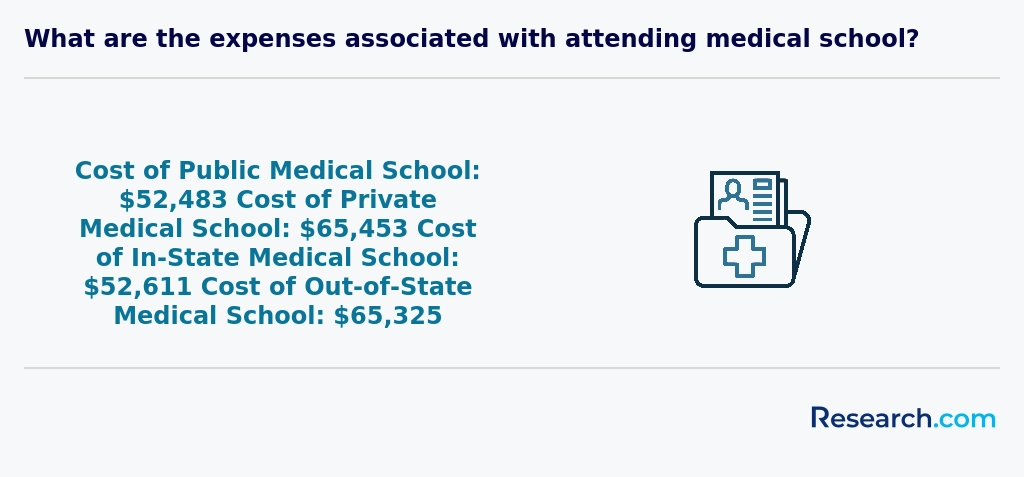
Students pursuing online healthcare management degrees in Minnesota commonly utilize federal aid, including Pell Grants and Direct Student Loans, to manage tuition costs. Approximately 35% of undergraduates in the state receive Pell Grants, averaging $4,200, which provide valuable, non-repayable funding. Direct Loans supplement this with fixed interest rates and flexible repayment, allowing students to balance education expenses effectively.
State-specific programs like the Minnesota State Grant offer need-based support to residents at institutions such as the University of Minnesota and Minnesota State system schools. Graduates often remark on how these grants and institutional scholarships-frequently updated online-significantly eased their financial burden while studying healthcare management.
Additionally, healthcare students benefit from scholarships linked to military service, academic achievement, or employment commitments in underserved areas, supported by loan repayment options through state-managed initiatives. Many working professionals leverage employer-sponsored tuition assistance, allowing part-time study without sacrificing income, a common experience among Minnesota's healthcare management students.
Professional organizations, like the American College of Healthcare Executives, also provide scholarships, creating further avenues of support that graduates appreciate for enhancing career opportunities without overwhelming debt.
Enrolling in an online healthcare management degree program in Minnesota typically requires a high school diploma or a recognized equivalent like a GED. Graduates from popular institutions such as the University of Minnesota often recall that completing college preparatory courses in English, math, and social sciences was essential for developing the critical thinking skills necessary in healthcare management.
Applicants may need to submit SAT or ACT scores, though many Minnesota colleges have adopted test-optional policies, easing admission barriers. Students with prior healthcare or administrative experience report feeling better prepared for real-world program challenges, reflecting how practical exposure enhances academic engagement.
Official transcripts from all prior education must be submitted to verify readiness and academic history. Many students appreciate programs like those at St. Catherine University, which offer flexible schedules and part-time options, allowing working professionals to balance work and study effectively.
Financial planning is key; with Minnesota's average undergraduate tuition near $10,000 annually, students often explore state-specific grants and scholarships, which past enrollees found helpful for managing costs.

Online healthcare management degree programs in Minnesota commonly include core courses such as Healthcare Systems and Policy, where students analyze the state's public health framework alongside national regulations. Graduates from institutions like the University of Minnesota highlight how this course clarified their understanding of policy impacts on real-world health systems like Mayo Clinic.
Health Services Management courses cover leadership and strategic planning, preparing students to handle administrative challenges in diverse healthcare environments. Healthcare Law and Ethics trains students to navigate patient rights and compliance, which recent graduates found essential when entering multidisciplinary teams in integrated systems such as HealthPartners.
Courses in Healthcare Finance and Accounting teach budgeting and reimbursement processes critical to maintaining operational efficiency, while Healthcare Information Systems focus on electronic health records and data management, skills graduates say were invaluable during internships.
Quality Improvement and Patient Safety classes reflect Minnesota's commitment to reducing medical errors, with students applying this knowledge to improve local healthcare outcomes. Electives further allow specialization in areas like population health management, aligning with Minnesota's evolving healthcare needs.
Minnesota's online healthcare management degree specializations offer targeted pathways that prepare students for specific roles across the healthcare sector. Popular programs focus on health informatics, healthcare finance, health policy and administration, quality improvement and patient safety, as well as long-term care management. Graduates from prominent Minnesota institutions report that these specializations provide practical skills applicable to managing electronic health records, balancing complex budgets, and improving patient outcomes in diverse settings.
For example, students pursuing specialized healthcare management programs online Minnesota praise their ability to immediately apply knowledge in real-world environments such as hospitals, public health agencies, and long-term care facilities. Many appreciate how the curriculum addresses accelerating trends like digital health records and an aging population's needs. This alignment with regional market demands enhances their employment prospects.
Costs vary but remain competitive within the US, encouraging prospective students to explore options like the accelerated healthcare management online master's for efficient completion. Such programs combine flexibility with a focus on high-demand specializations, a combination highly valued by Minnesota students balancing education with professional growth.
Choosing the best online healthcare management degree in Minnesota requires careful evaluation of accreditation, curriculum, and flexibility. Graduates from popular Minnesota universities often highlight the importance of regional accreditation and specialized certification such as CAHME for ensuring program credibility and transferability. Programs incorporating courses on Minnesota's public health initiatives and rural healthcare challenges offer targeted knowledge that resonates with local industry needs.
Cost is another critical factor; an affordable healthcare management degree Minnesota offers typically falls within the $7,000 to $25,000 annual tuition range. Successful students report balancing cost considerations with potential financial aid and total expenses, including fees and materials.
Flexibility is essential for working professionals; many students appreciate asynchronous formats and part-time enrollment that allow them to manage work and study demands. Furthermore, programs with strong local healthcare partnerships provide valuable internships and job placement, benefiting those seeking Minnesota-based careers in healthcare management. For insights on career outcomes, exploring the best jobs for masters in healthcare administration can help shape informed decisions.
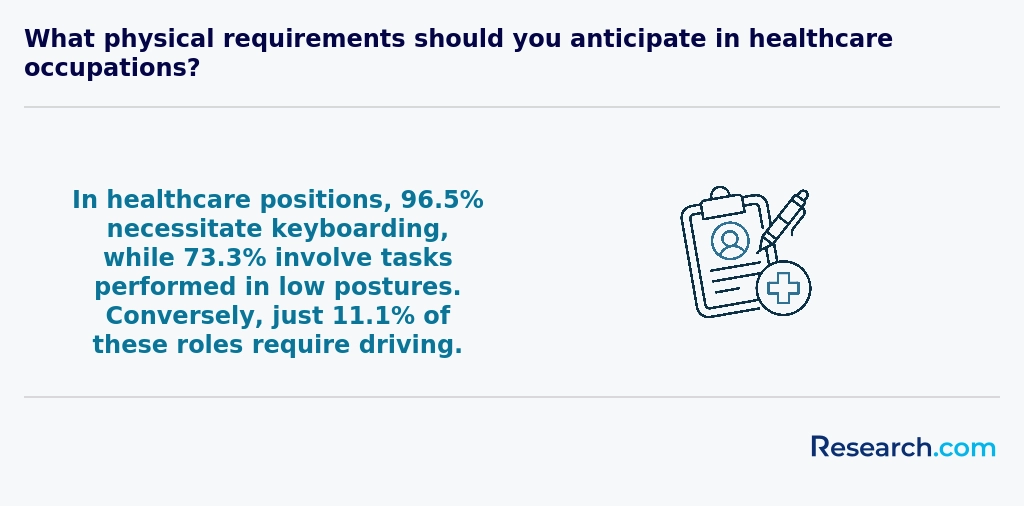
Graduates with an online healthcare management degree in Minnesota pursue diverse career paths that leverage the state's strong healthcare infrastructure. Popular roles include healthcare administrators, health services managers, and practice managers, all vital for overseeing staff, managing policies, and enhancing healthcare delivery. These roles often come with high responsibility and competitive salaries, reflecting Minnesota's emphasis on quality patient care.
Many graduates from institutions like the University of Minnesota and St. Catherine University report fulfilling careers in hospital executive positions such as chief operating officers or department directors, where they manage large operational budgets. Others choose to specialize as health information managers, ensuring data integrity and regulatory compliance, or become healthcare consultants who help improve organizational efficiency. Public health administrators focusing on community health initiatives are also in demand, especially as Minnesota's healthcare system adapts to an aging population.
The state's growing opportunities in online healthcare management careers in Minnesota offer graduates a positive outlook, supported by DEED's projection of 11% employment growth by 2032. For those seeking advanced qualifications, programs like health administration masters online combine flexibility with quality, enabling students to balance studies and career advancement.
Graduates holding online healthcare management degrees in Minnesota find a promising job market due to statewide growth in healthcare roles projected at 14% through 2030. The Minnesota healthcare management career outlook reflects demand driven by an aging population and evolving healthcare systems, particularly in hospital administration and clinical management fields. Many students at popular institutions in Minnesota report success balancing affordable in-state tuition with access to quality online programs, which enhances their employability in competitive regional facilities like outpatient centers and long-term care institutions.
Wages in the state are encouraging; health services managers earn a median salary of approximately $97,000 annually, surpassing the national average. Graduates often benefit from practical experience paired with credentials such as Certified Professional in Healthcare Management. Many find roles in health information management or insurance consulting firms, applying skills learned through reputable programs. Those exploring healthcare administrator roles note that employers increasingly accept online degrees, creating diverse opportunities within Minnesota's tight-knit healthcare networks.
2027 Fastest Online Bachelor's in Healthcare Management Degree Programs Ranking in Minnesota
Investing in your education is a significant decision that can shape your future, and the Research.com team understands the importance of making informed choices. To support prospective students in Minnesota, we have carefully developed the "2027 Fastest Online Bachelor's in Healthcare Management Degree Programs Ranking in Minnesota." Our dedication to quality, credibility, and accuracy is reflected in the thorough research and analysis behind this ranking.
We utilized the following reputable data sources to ensure a comprehensive evaluation of healthcare management programs:
By exploring this ranking, readers will gain valuable insights into the fastest online healthcare management programs available in Minnesota, empowering them to make well-informed decisions about their educational journeys. For more information on our methodology, please visit our Research.com methodology page.

# 2 position
The College of St. Scholastica
Bachelor of Health Informatics and Information Management

# 3 position
Walden University
Bachelor of Healthcare Management

Frequently Asked Questions About healthcare management
Online healthcare management degree students in Minnesota can maximize their learning by actively engaging with their coursework and utilizing available resources. Many programs offer virtual discussions and group projects; participating in these increases practical understanding and networking. Students should seek internships or volunteer opportunities with Minnesota's expansive healthcare sector, including organizations like the Mayo Clinic and HealthPartners, to gain real-world experience.
Minnesota's healthcare management field is growing rapidly, with a projected 16% increase in related occupations by 2030 according to the Bureau of Labor Statistics. Staying updated with state-specific healthcare policies and regulations helps students apply their knowledge effectively.
Finally, students should regularly consult academic advisors and career services offered by their institutions to tailor their studies toward local job opportunities and skills in demand.
Emerging niches within healthcare management reflect the evolving needs of the US and Minnesota's healthcare systems. One rapidly growing area is health informatics, which combines data management and technology to improve patient outcomes. According to the Minnesota Department of Health, there is increasing demand for managers skilled in electronic health records and data analytics.
Another niche is population health management. Professionals focus on improving the health of communities through preventive care strategies, a priority in Minnesota's public health initiatives.
Additionally, healthcare compliance and privacy management have become critical due to stricter regulations like HIPAA. This niche offers career opportunities for those knowledgeable in legal and ethical healthcare standards.
Preparing for the job market after earning an online healthcare management degree in Minnesota involves several key steps. Graduates should focus on gaining relevant experience through internships or practicum placements, which many Minnesota programs facilitate due to connections with local healthcare providers. Networking is crucial; joining professional organizations like the Minnesota Healthcare Administrators Association can open doors to job opportunities.
Additionally, obtaining certifications such as the Certified Professional in Healthcare Management (CPHM) may boost employability. According to the Minnesota Department of Employment and Economic Development, healthcare management jobs in the state are projected to grow by 12% through 2030, reflecting strong demand.
Developing skills in health informatics and data analysis also increases marketability in Minnesota's evolving healthcare sector.
Employers in Minnesota prioritize healthcare management graduates who demonstrate strong leadership and communication skills. These abilities are vital for coordinating healthcare teams and ensuring efficient patient care. Analytical skills are highly valued, as managers need to assess data to improve healthcare outcomes and reduce costs.
Familiarity with healthcare regulations and compliance, including knowledge of HIPAA and Minnesota state laws, is essential. Technical proficiency with electronic health records (EHR) systems is increasingly important given the state's push toward digital health.
According to the Minnesota Department of Employment and Economic Development, healthcare management roles grew by 12% from 2018 to 2023, emphasizing the need for adaptable candidates prepared for evolving challenges.
Finding internships in Minnesota relevant to a healthcare management degree involves leveraging both local healthcare networks and university resources. Students should start by exploring internship programs offered by major healthcare systems in the state, such as Mayo Clinic and Allina Health, which frequently recruit interns in administrative and management roles.
Additionally, Minnesota Department of Health and professional organizations like the Minnesota Healthcare Financial Management Association provide valuable internship listings. Many universities with online healthcare programs also maintain partnerships with local healthcare providers, helping students secure placements.
Engaging with platforms like Handshake or LinkedIn and attending virtual career fairs can increase opportunities. According to the Minnesota Department of Employment and Economic Development, healthcare administration roles are expected to grow 15% by 2030, highlighting strong internship potential.
An online healthcare management degree in Minnesota significantly enhances career mobility by preparing graduates for diverse roles within the state's growing healthcare sector. According to the Minnesota Department of Employment and Economic Development, healthcare management jobs are expected to grow by 15% through 2030, outpacing many other industries.
Graduates gain key skills in administration, policy, and strategic planning applicable to hospitals, clinics, and public health organizations across Minnesota. This versatile training supports advancement from entry-level positions to leadership roles such as health services manager or compliance officer.
Additionally, many employers in Minnesota value accredited online degrees, allowing students to study flexibly while maintaining work connections. This balance often leads to faster promotions and improved salary prospects. National data from the Bureau of Labor Statistics confirms that healthcare managers earn a median salary exceeding $100,000, reflecting strong incentives for career advancement.
Studying for a healthcare management degree in Minnesota equips students with skills to navigate interdisciplinary roles by blending knowledge from business, healthcare, and policy. Programs often emphasize collaboration across departments such as nursing, public health, and administration. Minnesota schools integrate case studies and projects that mirror real-world healthcare systems involving diverse teams.
The state's healthcare sector employs over 300,000 professionals, creating a demand for leaders who understand clinical and operational aspects. According to the Minnesota Department of Employment and Economic Development, healthcare management roles are expected to grow 15% from 2020 to 2030.
Online programs in Minnesota typically incorporate courses in health informatics, ethics, and finance, fostering broad competencies. This multidisciplinary education helps graduates effectively coordinate care, manage teams, and improve organizational outcomes within complex healthcare settings.
Choosing between a thesis and a non-thesis healthcare management degree program in Minnesota depends largely on career goals and learning preferences. A thesis option often suits those interested in research or pursuing graduate study, as it develops strong analytical and writing skills through an extensive project. In contrast, non-thesis programs focus more on practical skills and coursework, appealing to students aiming to enter Minnesota's healthcare industry directly.
According to the Minnesota Department of Employment and Economic Development, healthcare management jobs in the state are expected to grow by 16% through 2030, emphasizing applied knowledge. Therefore, those seeking immediate employment may favor non-thesis paths that prioritize hands-on experience.
Lastly, consider your time availability. A thesis typically requires additional months for research and writing, while non-thesis programs are often shorter. Checking university requirements and support structures is essential before deciding.
Students in Minnesota seeking online healthcare management degrees with an international focus have a few pathways to consider. While their programs are often US-based, some universities partner with global institutions, offering joint or dual degrees that provide international exposure.
Minnesota's strong healthcare sector, supported by organizations like the Minnesota Hospital Association, allows students to leverage local expertise while studying. Programs accredited by the Commission on Accreditation of Healthcare Management Education (CAHME) ensure education quality, which is recognized internationally.
For direct study abroad in healthcare management, students often explore exchange agreements through their home institutions. These opportunities may include coursework abroad or virtual international collaborations, offering insight into global healthcare systems without the need for full relocation.
Currently, no fully online programs from Minnesota institutions specifically deliver healthcare management degrees solely abroad, but hybrid models and international consortiums are growing in popularity.
Part-time job opportunities in Minnesota that complement online healthcare management degrees include administrative roles in hospitals, clinics, and long-term care facilities. Positions such as medical office assistant or health information technician provide practical experience with healthcare operations and patient data management.
According to the Minnesota Department of Employment and Economic Development, healthcare support roles are expected to grow by 15% through 2030, offering stable part-time work prospects. Additionally, roles in insurance companies and public health organizations can expose students to healthcare policy and financial management.
These jobs enhance understanding of healthcare systems, useful for students balancing work and study.
Online healthcare management students in Minnesota have access to diverse networking opportunities that can enhance their career prospects. Many programs collaborate with local hospitals and healthcare organizations, offering virtual career fairs and networking events. The Minnesota Healthcare Executives Forum provides members with access to industry leaders, webinars, and professional development, valuable for students.
Additionally, the Minnesota Chamber of Commerce holds healthcare-related networking sessions promoting connections in the state's healthcare sector, which employs over 350,000 people according to the Minnesota Department of Employment and Economic Development. Students can also join national organizations such as the American College of Healthcare Executives, which offers regional events and online forums tailored to Minnesota professionals.
Alumni networks offer significant advantages for students pursuing online healthcare management degrees in Minnesota. These networks create valuable connections within the state's healthcare industry, which is one of the fastest-growing employment sectors, according to the Minnesota Department of Employment and Economic Development.
This networking can lead to mentorship opportunities, internships, and job placements, boosting career prospects early on. Alumni often share insights about regional healthcare regulations and facility management that are specific to Minnesota's public and private health systems.
Additionally, these networks foster professional support communities, enhancing skills development and lifelong learning. Participation in alumni events increases engagement with local healthcare trends and regulatory changes, essential for students aiming to work effectively in Minnesota's healthcare environment.
Customizing an online healthcare management degree in Minnesota allows students to align their education with specific career goals. Many programs offer electives in areas such as health informatics, policy, or administration to build specialized skills. Students can often choose capstone projects or internships that focus on local healthcare challenges, increasing job readiness within the Minnesota market.
Universities frequently provide flexible course schedules, enabling working professionals to balance study and career. According to the Minnesota Department of Employment and Economic Development, healthcare management jobs are projected to grow 15% by 2030, making tailored education increasingly valuable.
Accredited programs may also offer networking opportunities with local healthcare organizations, helping students connect with future employers.
Online healthcare management students in Minnesota often face challenges related to balancing coursework with work and family responsibilities. Many learners juggle full-time jobs in healthcare settings, which can limit the time available for studies. Access to reliable internet and technology also remains a concern, especially in rural areas where broadband service may be limited. Additionally, some students report difficulty engaging fully with online material compared to in-person interaction. According to the Minnesota Department of Employment and Economic Development, the healthcare management field expects steady growth, making the demanding curriculum a necessary challenge for future professionals.
In particular, clinical or practical experience requirements pose logistical hurdles. Students must arrange local internships or practicums, which can be complicated by their work schedules or geographic location. There is often a learning curve associated with virtual platforms and resources used by Minnesota institutions, which can initially slow progress. Despite these barriers, online programs provide essential flexibility, allowing students statewide to advance their careers without relocating.
With an online healthcare management degree in Minnesota, graduates can pursue several respected professional certifications to advance their careers. Popular options include the Certified Healthcare Administrative Professional (cHAP) and the Certified Medical Manager (CMM) credentials, which validate expertise in healthcare operations.
The American College of Healthcare Executives also offers the Fellow of the American College of Healthcare Executives (FACHE) designation, recognized across Minnesota. This certification is ideal for those targeting leadership roles in hospitals and clinics.
Additionally, candidates may seek Certified Professional in Healthcare Quality (CPHQ), especially relevant in Minnesota's growing healthcare quality improvement sector. These certifications often increase job prospects and salary potential according to the Minnesota Department of Employment and Economic Development.
When applying to an online healthcare management program in Minnesota, it is important to clearly demonstrate your commitment to the field. Highlight relevant experience in healthcare settings, whether paid or volunteer, to show practical understanding. Strong academic performance, particularly in courses like biology, statistics, or business, can improve your chances.
Be sure to tailor your personal statement to Minnesota's healthcare landscape, referencing local trends such as the state's increasing demand for healthcare administrators noted by the Minnesota Department of Employment and Economic Development.
Letters of recommendation from supervisors or professors who know your abilities in leadership and healthcare contexts strengthen your application.
Finally, submit all materials before deadlines and follow each program's specific requirements carefully to stand out among applicants.
The global demand for healthcare management professionals is growing steadily, driven by aging populations and expanding healthcare systems worldwide. In the United States, including Minnesota, healthcare management offers diverse career paths in hospitals, insurance companies, and government agencies. According to the Bureau of Labor Statistics, healthcare management jobs are expected to grow 28% nationally by 2031, much faster than average.
Internationally, skills in healthcare management are highly valued for improving healthcare delivery and policy. Minnesota's strong healthcare sector, including the Mayo Clinic, provides local students opportunities to engage with global practices.
This makes an online healthcare management degree a strategic choice for those seeking both local and international career options.
Students pursuing an online healthcare management degree in Minnesota can gain practical experience through internships and externships offered by local healthcare organizations. Many Minnesota-based hospitals and clinics, such as those affiliated with the Mayo Clinic and HealthPartners, provide opportunities designed for remote or hybrid participation.
Additionally, some online programs integrate simulation labs and project-based assignments to enhance hands-on skills. The Minnesota Hospital Association supports these efforts by connecting students with industry partners. According to the U.S. Bureau of Labor Statistics, healthcare management jobs in Minnesota are projected to grow by 12% through 2030, increasing demand for practical experience.
Networking events and professional organizations like the Minnesota Healthcare Financial Management Association further help students build relevant connections during their studies.
Choosing the right concentration within an online healthcare management degree in Minnesota depends on your career goals and interests. Common concentrations include health informatics, policy management, and finance. Minnesota's growing healthcare sector, including major systems like Mayo Clinic and HealthPartners, offers diverse opportunities aligned with these specializations.
Consider job market demands: the Minnesota Department of Employment and Economic Development reports a 12% growth in healthcare administration jobs through 2028. Specializing in health informatics could be valuable, as technology integration is expanding rapidly.
Evaluate your skills and preferred work settings. For example, policy management suits those interested in regulatory roles, while financial management appeals to those focused on budgeting and operations. Reviewing program curricula at local universities online helps align your selection with Minnesota's healthcare landscape.
- 2027 Fastest Online Bachelor's in Healthcare Management Degree Programs Ranking in Wisconsin
- 2027 Fastest Online Bachelor's in Healthcare Management Degree Programs Ranking in Illinois
- 2027 Fastest Online Bachelor's in Healthcare Management Degree Programs Ranking in Missouri
- 2027 Fastest Online Bachelor's in Healthcare Management Degree Programs Ranking in Kansas
- 2027 Fastest Online Bachelor's in Healthcare Management Degree Programs Ranking in Colorado
- 2027 Fastest Online Bachelor's in Healthcare Management Degree Programs Ranking in Alabama
- 2027 Fastest Online Bachelor's in Healthcare Management Degree Programs Ranking in Texas
- 2027 Fastest Online Bachelor's in Healthcare Management Degree Programs Ranking in Florida
- 2027 Fastest Online Bachelor's in Healthcare Management Degree Programs Ranking in Virginia
- 2027 Fastest Online Bachelor's in Healthcare Management Degree Programs Ranking in Pennsylvania
- Master of Healthcare Administration (M.H.A.) Major in Healthcare Administration (Non-thesis Option) https://mycatalog.txstate.edu/graduate/health-professions/administration/mha/
- Where to study health management - EHMA https://ehma.org/where-to-study-health-management/
- Top 7 Career Paths with an International Health Management Degree | BSBI https://www.berlinsbi.com/blog/top-7-career-opportunities-after-an-international-health-management-degree
- 10 Skills Employers Are Looking for in Healthcare Management Jobs https://www.aiuniv.edu/blog/10-top-skills-for-healthcare-management-jobs
- What can you do with a healthcare management degree? | edX https://www.edx.org/resources/what-can-you-do-with-a-healthcare-management-degree
- What Can You Do with a Bachelor’s in Healthcare Management? https://www.mhaonline.com/faq/careers-with-bachelors-in-healthcare-management
- Can I Work From Home with a Healthcare Management Degree? - Healthcare Management Degree Guide https://www.healthcare-management-degree.net/faq/can-i-work-from-home-with-a-healthcare-management-degree/
- Healthcare Administration Certifications https://www.publichealthdegrees.org/careers/healthcare-administrator/certification/
- Online Healthcare Administration Bachelors Degree | CHCP https://www.chcp.edu/degrees-certificates/healthcare-administration-bachelors-degree/online/
- Key Challenges Facing Healthcare Administrators https://slchc.edu/healthcare-administrator/healthcare-administration-career/key-challenges-facing-healthcare-administrators/