2027 Easiest Online Master's in Healthcare Management Degree Programs Ranking in the USA

Co-Founder and Chief Data Scientist
Choosing the right online master's program in healthcare management can be overwhelming. This article introduces the 2027 Easiest Online Master's in Healthcare Management Degree Programs Ranking in the USA, created by the Research.com team of data scientists. Their thorough analysis helps you focus on programs that balance quality and accessibility.
By exploring this ranking, you'll discover options designed to fit your busy lifestyle while advancing your career. Earning a healthcare management degree opens doors to leadership roles and meaningful impact in the healthcare industry. This guide supports your goal with clear, trustworthy information.
Key benefits of getting online healthcare management degree in America
- Healthcare management degree graduates often enjoy strong earning potential, with many roles like medical and health services managers earning a mean annual wage around $104,280 in the US, reflecting rewarding financial prospects.
- Graduates from popular universities such as the University of Arizona pursue diverse careers in hospital administration, healthcare consulting, and policy development, offering exciting opportunities to impact the healthcare system.
- Online healthcare management degrees, like those from Arizona State University, provide flexible schedules and allow learners to balance work and study effectively, making it easier to advance careers without pausing life commitments.
- 2027 Easiest Online Master's in Healthcare Management Degree Programs Ranking in the USA
- What can I expect from online healthcare management degree in America?
- Where can I work with online healthcare management degree in America?
What can I expect from online healthcare management degree in America?
The average cost for an online healthcare management degree in America usually falls between $15,000 and $40,000, depending on the college or university you choose. For instance, graduates from well-known schools with strong healthcare programs often share how they found the investment totally worth it because of the flexible schedules and career connections they gained. Many students at popular institutions like state universities or private colleges manage to keep costs down by taking advantage of financial aid or in-state tuition discounts.
One graduate mentioned juggling a full-time job while completing coursework online, appreciating how affordable yet thorough the program was. Another praised how the quality of education, especially when it came to learning about healthcare policies and data systems, stayed top-notch without costing a small fortune. So, while prices vary, most students feel they're getting great bang for their buck given the career growth and skills they walk away with.
Where can I work with online healthcare management degree in America?
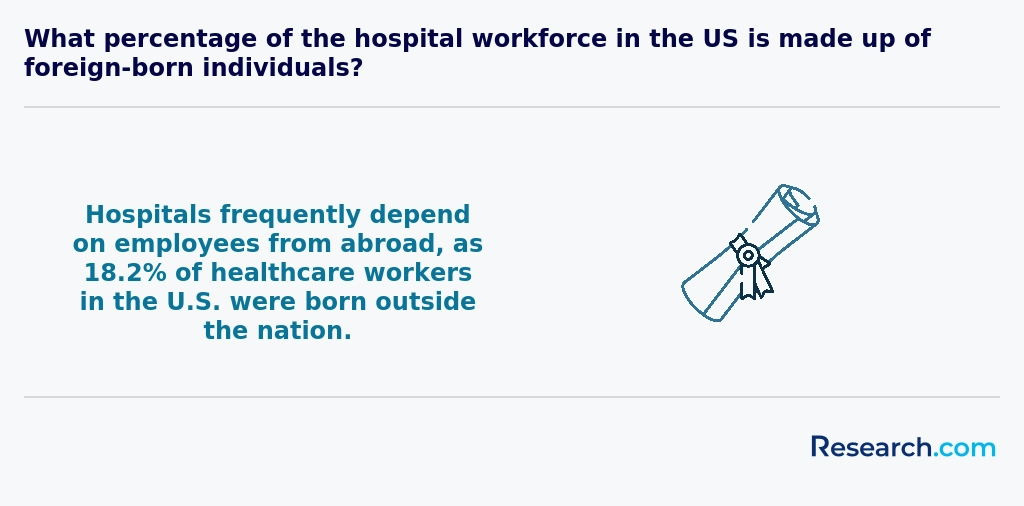
If you're wondering where you can work with an online healthcare management degree in America, the options are pretty exciting and varied. Graduates from popular schools like the University of Minnesota or George Washington University often find jobs in hospitals, which are huge employers in healthcare. Imagine managing a hospital department or streamlining operations to improve patient care-these roles really make an impact.
Other grads land roles in outpatient clinics or medical group practices, where they juggle staff coordination and policy implementation to boost patient experiences. It's rewarding to know your work helps patients get better service in less intense settings. Some even venture into nursing homes and long-term care facilities, driven by the growing need as America's population ages-that sense of contributing to elder care hits home for many.
Insurance companies and government agencies also hire healthcare managers to handle claims, improve costs, or run public health programs. Plus, consulting gigs let you advise hospitals on tech upgrades or compliance, which keeps things dynamic and fresh. Many grads from schools like Ohio State University share how their degree opened doors to these meaningful and diverse careers all over the country.
If you're wondering how much you can make with an online healthcare management degree in America, the numbers are definitely encouraging. Graduates from programs at popular schools like the University of Southern California or George Washington University often start out earning between $70,000 and $80,000 a year in entry-level roles like assistant healthcare administrators. It's pretty common to see that early salary bump as you gain experience and take on bigger responsibilities.
Many grads share that landing a role in a big city-think New York or Boston-really boosts those earnings. In those areas, salaries easily top $120,000, especially if you move up to senior management or executive positions. Plus, if you specialize, say in health informatics or compliance, you might see even higher paychecks. Many folks from these programs say the real game changer is combining their online degree with certifications, which employers love and often reward with better pay.
It's a solid path for anyone passionate about healthcare but looking to blend flexibility with strong earning potential.
- Online healthcare management degrees offer both bachelor's and master's programs, with master's degrees preferred for leadership roles.
- The total cost for an online master's degree typically ranges from $20,000 to $60,000, varying by institution and residency status.
- Starting salaries for graduates usually fall between $60,000 and $80,000, increasing to over $100,000 with experience.
- The healthcare management job market is expected to grow 28% from 2021 to 2031, driven by industry expansion and aging populations.
- Programs focus on leadership, healthcare policy, finance, and information systems to prepare students for administrative roles in various healthcare settings.
Online healthcare management degrees in America usually take about four years to finish if you're going full-time for a bachelor's. But here's the cool part: if you've already got some college credits or relevant work experience, many programs let you speed things up to two or three years. Graduates from places like the University of Southern California often share how flexibility helped them juggle work and study, making the timeline feel way more manageable.
Master's degrees in healthcare management tend to run between 18 months and three years. Most full-time students wrap it up in around two years, but part-timers might take longer, sometimes up to three years, especially if they're balancing family or jobs. Some accelerated options let students finish in as little as 12 to 18 months, especially if they're coming in with a related bachelor's.
The great thing about online programs at well-known schools like George Washington University is how adjustable schedules are. Want slower pacing? Take fewer classes per term. Need a break? No problem. This flexibility really helps students stay motivated and on track without feeling overwhelmed.
Online and on-campus healthcare management degrees in the U.S. mainly differ in how you attend classes. Imagine a graduate from a well-known university juggling a full-time job and family; they love that online programs let them study anytime, anywhere, fitting coursework around their busy life. On the flip side, on-campus students, like those at popular colleges such as the University of North Carolina or Ohio State, enjoy face-to-face time with professors and peers, hanging out after class or joining campus events.
Both paths cover the same core topics-think healthcare policy, leadership, and quality management-to meet high standards set by accreditors like CAHME. Graduates often say online programs shine because they save on commuting and campus fees, making them easier on the wallet, with public schools charging around $12,000 to $25,000 a year. But on-campus learners often value the in-person networking and access to campus resources that help boost their careers.
Whether you love the flexibility of studying from your couch or thrive in a bustling campus environment, American schools have options that fit different lifestyles and goals.
When figuring out the average cost of an online healthcare management degree in America, it's helpful to look at real numbers from popular programs. On average, you're looking at around $26,000 total, though this can vary quite a bit depending on where you go and whether you're paying in-state or out-of-state tuition. Many graduates from well-known state universities share that studying in-state offers a sweet deal around $15,000, while out-of-state students might see prices closer to $26,000. This makes finding an affordable online master's in healthcare management 2027 a bit easier for those who qualify for in-state rates.
For example, some students pursuing their online degrees at top public universities enjoy manageable per-credit costs, usually between $300 and $600. This keeps their overall expenses comfortable compared to private institutions, which can be nearly double or more per credit hour. The extra investment at private schools often comes with perks like specialized courses and strong networking opportunities, but it's good to weigh those benefits against the price tag.
Many people also discover that aside from tuition, there are small extra costs like technology fees or textbooks, but these are usually minor-especially since online formats cut out expenses like commuting or housing. If you want to explore options and compare programs in detail, you might check out healthcare administration degree online programs that fit your budget and career goals.
If you're diving into an online healthcare management degree in America, financial aid is your best friend. Many grads from schools like the University of Arizona or George Washington University say federal aid through FAFSA was a game-changer. It opens doors to grants like the Pell Grant that don't need paying back, and affordable federal loans that keep stress low compared to private ones.
Scholarships also play a huge role. For example, scholarships from groups like the American College of Healthcare Executives helped some students focus less on bills and more on their studies. State programs can be surprisingly helpful, too-imagine living in California and snagging funds just for enrolling in an in-state public university's online program!
Many grads share how employer tuition reimbursement made their education affordable while working full-time. Especially since the healthcare management field is booming, companies often want to invest in their team's growth. If there's still a gap, private loans or university payment plans exist, but most recommend maxing out federal and scholarship options first to keep costs manageable.
If you're thinking about enrolling in an online healthcare management degree in America, most programs want to see that you've got a bachelor's degree from an accredited university. It doesn't always have to be healthcare-related; some grads from business or public administration backgrounds have successfully made the switch by showing genuine interest in healthcare management. Schools like those popular in states such as Texas and California often ask for a minimum GPA, usually around 2.5 to 3.0, so keep that in mind when applying.
Many grads say that sending transcripts, letters of recommendation, and a personal statement where you share your passion for healthcare management really helps make your application stand out. Some programs might ask for GRE scores, but these days quite a few have dropped that requirement, especially after the pandemic, which is a big relief!
Work experience in healthcare or management can be a game-changer. Even a few years at a hospital or clinic can show you know the ropes and boost your confidence during interviews or application reviews. Overall, these requirements aim to make sure you're ready to dive into the fast-growing healthcare management world.

When you dive into an online healthcare management degree in America, you'll quickly find yourself juggling courses that mix business smarts with healthcare know-how. Graduates from top schools often say they loved grabbing insights on healthcare finance-because managing the millions of dollars hospitals handle yearly really puts budgeting into perspective.
You'll also get to explore healthcare policies and laws, which is super useful since the industry is always shifting with new rules. Many students from popular programs at American universities mention how the healthcare information systems classes made them feel tech-savvy, especially when dealing with electronic health records and data analytics that actually improve patient care.
Leadership courses are a big hit too. Picture yourself learning how to lead diverse teams and make smart decisions during tight situations-like managing a hospital unit during a busy flu season. Other courses often cover healthcare ethics, quality improvement, and even marketing, helping you see the big picture of running a healthcare organization smoothly and ethically.
When you dive into an online healthcare management degree in America, you'll find plenty of cool specializations to pick from that suit whatever career path you're aiming for. Graduates from popular colleges often mention how specializing in Health Informatics boosted their confidence by teaching them to handle electronic health records and apply data analysis in real-world healthcare settings.
Others highlight the value of Healthcare Policy and Administration, which really helped them understand the ins and outs of healthcare laws and regulations-super handy for managing hospitals or clinics.
Long-term care management is another popular choice, especially for those passionate about running nursing homes or assisted living facilities. Students from top American universities love how flexible these programs are, letting them juggle work and study easily while focusing on their preferred specialization.
If you're curious about how these compare to other degrees in the field, you might want to check out this handy guide on healthcare administration vs healthcare management.
Choosing the right focus really shapes your career, especially since the demand for experts in these areas keeps growing fast across the U.S.
When picking the best online healthcare management degree in America, start by checking if the program is properly accredited. Graduates from popular universities often mention how accreditation, like from CAHME or regional bodies, gave their degree real value when applying for jobs. It's the first step to making sure your hard work pays off. Also, think about what courses excite you-whether it's hospitals, health informatics, or population health. Many love programs that let them customize their studies to fit their goals.
Cost is a big deal, especially if you're hunting for affordable healthcare management master's programs America-wide. Public universities usually come in cheaper, especially if you're in-state, but private schools sometimes offer great networking opportunities that graduates rave about. Don't forget to consider how long you want to study-some schools have flexible, accelerated paths perfect for busy people balancing work or family.
For plenty of real insights, check out the best online healthcare degrees list, which can help you find options tailored to your needs.
Graduates with an online healthcare management degree in America find a ton of exciting career paths waiting for them. Many land roles as healthcare administrators or managers, running operations at hospitals, clinics, or nursing homes-picture being the person who keeps everything running smoothly behind the scenes. Others dive into health information management, handling patient data and privacy rules like HIPAA. Some grads prefer working as practice or clinical managers, overseeing physician groups or specific departments like nursing. There are also plenty of chances to be consultants who help healthcare organizations get more efficient and follow regulations.
Lots of students from well-known colleges in America, who picked an online healthcare management program, have shared how this degree opened doors in government agencies and nonprofit healthcare organizations. It's no surprise since the healthcare management career opportunities USA promises growth and rewarding experiences. For those who want to keep climbing, programs like a master's in healthcare administration online bring them closer to C-suite roles like CEO or COO.
The job market for online healthcare management jobs USA is looking really promising right now. Graduates from popular programs at places like the University of Southern California or University of Minnesota often share how their degrees opened doors to roles in hospitals, insurance companies, and consulting firms. Many find the work rewarding because they're not just managing operations-they're helping improve patient care and streamline processes.
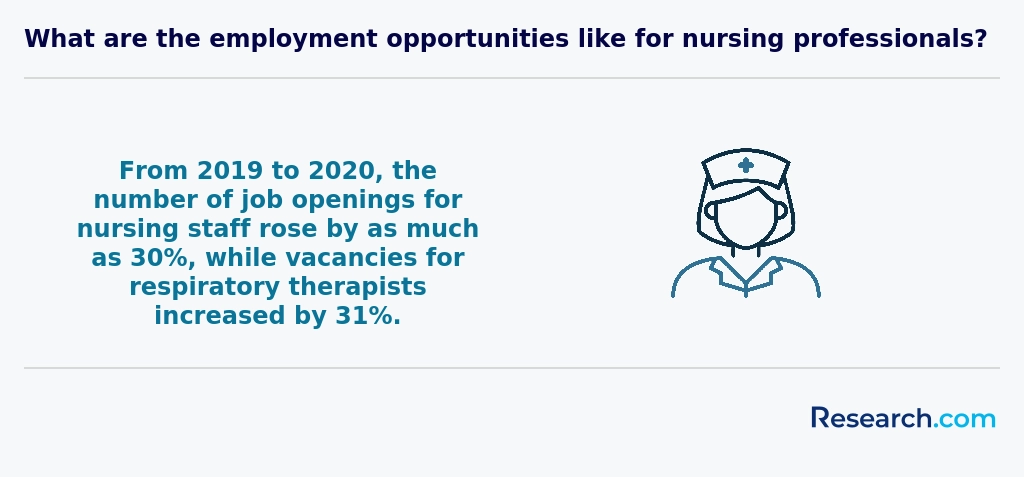
One of the biggest perks of this career is the strong demand. The growth in healthcare management career growth America is fueled by an aging population and constant changes in healthcare laws. That means more opportunities and job security for new grads. Plus, salaries can be pretty competitive, especially as you gain experience.
Students also appreciate mastering healthcare administrator responsibilities that set them apart. Whether you're interested in hospital management or healthcare policy, getting an online degree from a well-regarded school can truly boost your chances in this fast-growing field.
2027 Easiest Online Master's in Healthcare Management Degree Programs Ranking in the USA
Investing in your education is a significant decision that can shape your future, and the Research.com team understands the importance of making informed choices. To assist prospective students nationwide, we have meticulously developed the "2027 Easiest Online Master's in Healthcare Management Degree Programs Ranking in the USA." Our dedication to quality, credibility, and accuracy is demonstrated through extensive research and thorough analysis in creating this ranking.
We utilized the following reputable data sources to ensure a comprehensive evaluation of healthcare management programs:
By exploring this ranking, readers will gain valuable insights into the most accessible yet high-quality online master's programs in healthcare management, enabling them to make confident and well-informed decisions about their educational journey. For more information on our approach, please visit our Research.com methodology page.





# 15 position
Texas Woman's University
Master of Business Administration - Healthcare Administration




# 19 position
Southern Illinois University-Edwardsville
Master of Business Administration- Healthcare Administration


Frequently Asked Questions About healthcare management
Students pursuing online healthcare management degrees in America can maximize their learning by actively engaging with course materials and participating in virtual discussions. Research from the American Health Information Management Association highlights that interactive learning tools improve retention, especially in online settings.
Time management is crucial; setting a consistent study schedule helps balance coursework with personal and professional responsibilities. Additionally, connecting with peers and faculty through online forums and group projects enhances understanding of complex healthcare systems.
Utilizing resources such as the U.S. Bureau of Labor Statistics for industry trends or the Healthcare Financial Management Association for up-to-date practices supports practical knowledge relevant to the American healthcare landscape.
Lastly, seeking internships or remote practicums can provide real-world experience, which is vital given the evolving nature of healthcare management roles in the U.S.
The healthcare management field in America is evolving rapidly, with several emerging niches gaining attention. One growing area is health informatics, focusing on managing patient data and leveraging technology to improve care. According to the U.S. Bureau of Labor Statistics, health informatics jobs are projected to grow 17% from 2022 to 2032, faster than average.
Another expanding niche is telehealth management, which supports remote healthcare delivery, especially after the COVID-19 pandemic accelerated digital health adoption. Expertise in regulatory compliance and technology integration is crucial here.
Additionally, population health management is becoming vital, using data analytics to improve community health outcomes and reduce costs. This niche often requires skills in policy and analytics, reflecting healthcare's shift toward value-based care models.
After earning an online healthcare management degree in America, preparing for the job market requires strategic steps. Start by gaining relevant experience through internships or part-time roles in healthcare settings, which 70% of employers in the field highly recommend (Bureau of Labor Statistics, 2023). Networking is essential; joining professional organizations like the American College of Healthcare Executives can open doors to job opportunities and mentorship.
Additionally, obtaining certifications such as Certified Healthcare Administrator (CHA) can enhance your credentials. Familiarize yourself with healthcare laws and technologies, as these are critical skills employers seek. Tailoring your resume to highlight leadership and analytical abilities will also improve your job prospects in this growing sector.
Employers in the United States highly value a blend of technical and interpersonal skills in healthcare management graduates. Key competencies include financial management, data analysis, and knowledge of healthcare laws and regulations, essential for navigating the complex US healthcare system. According to the Bureau of Labor Statistics, leadership and communication skills are crucial as managers coordinate diverse teams and interact with patients and stakeholders.
Healthcare management professionals must also be adept at using electronic health record (EHR) systems and applying evidence-based decision-making. Problem-solving skills and adaptability to health policy changes are increasingly important amid ongoing reforms. Mastery of these areas enhances employability and career growth in this expanding field.
Finding internships relevant to a healthcare management degree in America involves a strategic approach focused on healthcare organizations and educational resources. Students should start by exploring partnerships between their online program and local hospitals, health systems, or insurance companies. According to the Bureau of Labor Statistics, healthcare managers typically need practical experience, so internships are vital for gaining industry insight.
Utilize resources like the American College of Healthcare Executives (ACHE) internship programs and Career Services offered by universities. Additionally, platforms such as Handshake and LinkedIn often list healthcare management internships across various states. Networking with alumni and professionals in healthcare administration can also uncover unadvertised positions. Securing internships at facilities with large patient volumes, such as those in metropolitan areas, may provide more comprehensive experience.
An online healthcare management degree significantly enhances career mobility and advancement opportunities in the United States. According to the U.S. Bureau of Labor Statistics, job growth for medical and health services managers is projected at 28% from 2021 to 2031, much faster than the average for all occupations. Graduates with this degree gain essential skills in healthcare policy, finance, and administration, making them attractive candidates for leadership roles.
Online programs offer flexibility, allowing working professionals to earn credentials without interrupting their careers. This accessibility supports career transitions within the healthcare sector or movement into management positions. Additionally, many employers prioritize candidates with advanced degrees, often linking them to higher salary potential and promotional pathways.
Studying for a healthcare management degree in America equips students with skills to operate effectively across various disciplines. Programs emphasize collaboration between business, public health, and clinical services, reflecting the interconnected nature of healthcare today.
Curricula often include courses in healthcare policy, finance, informatics, and ethics, preparing graduates to understand complex healthcare systems. According to the Association of University Programs in Health Administration (AUPHA), about 70% of these programs integrate interdisciplinary teamwork simulations.
This approach helps students develop leadership and communication skills useful in diverse team environments. Graduates become capable of bridging gaps between medical professionals, administrators, and policymakers, meeting the growing demand for versatile healthcare leaders in the US.
When choosing between a thesis and a non-thesis online healthcare management degree in America, consider your career goals. A thesis program requires original research and is ideal for those planning to pursue a doctoral degree or careers in academia or research.
Non-thesis programs usually focus on practical skills and coursework, which suits professionals aiming directly for leadership or management roles in healthcare organizations. According to the American Association of Colleges of Nursing (2023), about 65% of healthcare management master's students prefer non-thesis options to expedite their entry into the workforce.
Also, non-thesis paths often allow quicker program completion and less time writing extensive papers. Evaluating your interests in research versus applied practice will guide your decision effectively.
Students in America interested in studying healthcare management abroad have several online options through international universities offering accredited programs. Many global institutions partner with U.S.-based schools, enabling students to earn degrees recognized in both countries. This flexibility suits working professionals and recent graduates aiming to gain diverse perspectives.
According to the Association of University Programs in Health Administration (AUPHA), roughly 15% of accredited healthcare management programs in the U.S. have international collaborations, allowing credit transfers and joint certificates. Programs from countries like the United Kingdom, Australia, and Canada often align closely with U.S. healthcare standards and regulatory needs.
These programs typically focus on global healthcare policies, leadership, and technology management, enhancing American students' competitiveness in the expanding U.S. healthcare market, projected to grow by 16% through 2030 (Bureau of Labor Statistics). Students should verify program accreditation and curriculum relevance to American healthcare administration practice.
Part-time jobs offer valuable experience for students pursuing an online healthcare management degree in America. Roles such as medical office assistant, patient registration clerk, and healthcare administrative aide provide real-world exposure to healthcare operations.
According to the U.S. Bureau of Labor Statistics (2023), healthcare support occupations are projected to grow 14% from 2022 to 2032, reflecting strong demand for these roles.
Positions in billing and coding or working with electronic health records systems can complement coursework by enhancing technical skills. These jobs often accommodate flexible hours, suitable for students balancing studies and income.
Volunteering in hospitals or clinics also builds management insight, especially in community health programs, giving students a broader understanding of healthcare administration.
Online healthcare management students in America have growing access to numerous networking opportunities essential for career advancement. Many universities offer virtual events, webinars, and group projects designed to connect students with peers and industry professionals. According to the American College of Healthcare Executives (ACHE), nearly 10,000 members participate in networking and mentorship programs yearly, which are often open to students.
Professional organizations like ACHE and the Healthcare Financial Management Association (HFMA) provide discounted student memberships, facilitating access to conferences, local chapter meetings, and online forums. These platforms enable students to engage directly with healthcare leaders.
Online programs increasingly incorporate alumni networks, offering mentorship and job placement support. Moreover, LinkedIn groups centered on healthcare management add an informal space for discussion and connections.
Alumni networks offer significant advantages to students pursuing online healthcare management degrees in America. These networks connect current students with experienced graduates working in diverse healthcare settings, facilitating mentorship opportunities and career guidance. According to the National Association of Colleges and Employers (NACE), 70% of jobs are secured through networking, which highlights the importance of such connections.
Healthcare management alumni often provide access to job openings in hospitals, insurance companies, and public health organizations. Many networks organize events and webinars tailored to healthcare trends, enhancing students' industry knowledge.
Strong alumni ties also help students build professional credibility and stay updated with evolving healthcare regulations and technologies, essential in the rapidly changing U.S. healthcare landscape.
Customizing an online healthcare management degree in America allows you to align your education with specific career goals. Many programs offer elective courses, such as health informatics, finance, policy, or leadership, enabling you to develop targeted expertise. Some universities also provide capstone projects or internships tailored to your interests, enhancing practical skills valued by employers. According to the Bureau of Labor Statistics, healthcare management roles are expected to grow 32% from 2021 to 2031, emphasizing the importance of specialized knowledge. Additionally, choosing accredited programs ensures your credentials are recognized nationwide, supporting career advancement in diverse healthcare settings.
Online healthcare management students in America often face challenges related to balancing coursework with professional and personal responsibilities. Many students are working professionals managing demanding jobs in healthcare settings, which can limit study time. Additionally, technical difficulties with learning platforms and unreliable internet access pose obstacles, particularly in rural areas where broadband penetration is lower.
Another common challenge is limited face-to-face interaction, which can affect networking and mentorship opportunities crucial for career growth. According to the National Center for Education Statistics, nearly 35% of online learners report feelings of isolation. Moreover, navigating complex healthcare regulations and staying updated with industry changes adds pressure to coursework in this fast-evolving sector.
With an online healthcare management degree in the United States, graduates can pursue several respected professional certifications to enhance their careers. One prominent certification is the Certified Professional in Healthcare Quality (CPHQ), offered by the National Association for Healthcare Quality. It demonstrates expertise in healthcare quality management and improvement.
Another valuable credential is the Fellow of the American College of Healthcare Executives (FACHE), which signifies leadership and experience in healthcare administration. Additionally, graduates may pursue the Certified Healthcare Administrative Professional (cHAP) to gain recognition in administrative skills specific to healthcare.
According to the U.S. Bureau of Labor Statistics, healthcare management roles are projected to grow 28% by 2031, illustrating the value of such certifications for career progress.
To write a winning application for an online healthcare management program in America, start by highlighting your relevant experience and education. Admissions committees value candidates with a strong foundation in healthcare or business, so emphasize any internships, jobs, or volunteer work related to healthcare administration.
Craft a clear and focused personal statement. Explain your motivation for pursuing healthcare management and how an online degree fits your career goals. Use specific examples to demonstrate leadership and problem-solving skills.
Include up-to-date standardized test scores if required and ensure your transcripts reflect a solid academic record. According to the American College Health Association, healthcare management is a growing field expected to expand by 32% through 2030, making a compelling case for your choice.
Strong letters of recommendation from professionals who can vouch for your abilities also strengthen your application.
The global perspective on a healthcare management career highlights increasing demand for skilled professionals worldwide, including in the United States. According to the U.S. Bureau of Labor Statistics, employment for medical and health services managers is projected to grow 28% from 2021 to 2031, much faster than the average for all occupations.
This growth reflects expanding healthcare systems and aging populations globally. In America, the complexity of healthcare regulations and the rise of digital health technologies require managers with advanced knowledge.
Internationally, healthcare leaders emphasize cross-cultural competence and global health trends, encouraging U.S. graduates to study global health policy and practices within their degrees.
Gaining practical experience while studying for an online healthcare management degree in America is essential to enhance career readiness. Many programs incorporate virtual simulations and case studies to develop real-world skills remotely. Additionally, students can participate in internships or practicum placements at hospitals, clinics, or healthcare organizations, often arranged through their university's career center.
According to the U.S. Bureau of Labor Statistics, healthcare management roles are growing rapidly, emphasizing the importance of hands-on experience. Networking with professionals and joining organizations like the American College of Healthcare Executives (ACHE) can also provide valuable exposure and mentorship. These opportunities help students apply theory to practice and build professional connections.
Choosing the right concentration within an online healthcare management degree in America begins with understanding your career goals. Popular concentrations include healthcare informatics, finance, policy, and administration, each aligning with different job roles. According to the U.S. Bureau of Labor Statistics, healthcare managers are expected to grow 28% from 2021 to 2031, so selecting a concentration that matches in-demand skills boosts employability.
Consider your background and interests; for example, informatics suits those with a tech affinity, while policy appeals to those interested in healthcare systems and regulations. Reviewing course curricula and industry certifications linked to concentrations helps ensure practical, relevant training. Consulting resources like the American College of Healthcare Executives can also guide your choice.
- 5 Healthcare Management Master's Concentrations - Healthcare Management Degree Guide https://www.healthcare-management-degree.net/list-articles/healthcare-management-masters-concentrations/
- Healthcare Management: Global Perspectives https://www.routledge.com/Healthcare-Management-Global-Perspectives/Gillies/p/book/9781032765259
- Healthcare Administration Salary - Healthcare Administration Degree Programs https://www.healthcare-administration-degree.net/salary/
- 20 healthcare investment niches and 3 things to know: The evolution of ... https://blackbookmarketresearch.com/20-healthcare-investment-niches-and-3-things-to-know-the-evolution-of
- Niche Markets in Healthcare: How to Find & Target https://nechayadvisors.com/blog/niche-markets-in-healthcare
- Study Healthcare Management Abroad: The Course Every Indian Student Overlooks https://www.karangupta.com/blog/study-healthcare-management-abroad
- Online Healthcare Administration Bachelors Degree | CHCP https://www.chcp.edu/degrees-certificates/healthcare-administration-bachelors-degree/online/
- Top Health Care Management / Health Studies Courses abroad from 152 Universities https://www.hotcoursesabroad.com/india/training-degrees/international/health-care-management-health-studies-courses/cgory/pa.-4/sin/ct/programs.html
- Key Challenges Facing Healthcare Administrators https://slchc.edu/healthcare-administrator/healthcare-administration-career/key-challenges-facing-healthcare-administrators/
- How to Get a Job in Healthcare Management https://sha.edu.in/how-to-get-a-job-in-healthcare-management/