2027 Fastest Online Master's in Healthcare Management Degree Programs Ranking in the Midwest

Co-Founder and Chief Data Scientist
Exploring healthcare management degrees can be overwhelming, especially when balancing work and life. Our 2027 Fastest Online Master's in Healthcare Management Degree Programs Ranking in the Midwest helps simplify this choice. Created by the Research.com team of data scientists, this ranking highlights programs that combine quality and speed to fit your busy schedule.
Whether you're seeking career growth or a fresh start, earning a healthcare management degree opens doors to rewarding opportunities. This article guides you through trusted options, empowering you to make informed decisions with confidence.
Key benefits of getting online healthcare management degree in the Midwest
- Healthcare management graduates in the Midwest can expect competitive salaries, with roles like medical and health services managers earning median annual wages around $104,280 nationwide, reflecting strong earning potential.
- Career paths include hospital administration, healthcare consulting, and policy planning, as seen with graduates from universities like the University of Michigan successfully entering diverse leadership roles.
- Online degrees from respected institutions like Indiana University offer flexibility and affordability, allowing students to balance work and life while gaining valuable skills without relocating.
- 2027 Fastest Online Master's in Healthcare Management Degree Programs Ranking in the Midwest
- What can I expect from online healthcare management degree in the Midwest?
- Where can I work with online healthcare management degree in the Midwest?
What can I expect from online healthcare management degree in the Midwest?
The average cost of an online healthcare management degree in the Midwest typically falls between $20,000 and $40,000. Graduates from programs at universities like the University of Illinois at Chicago and Ohio State University often recall that this investment felt manageable, especially when balanced against the career advancements the degree enabled. Many found that tuition aligned well with the quality of education and the valuable practical experiences offered, such as virtual internships connected to local healthcare providers.
These costs can vary based on residency status and whether one attends a public or private institution, but the competitive pricing in the Midwest often eased financial concerns for working professionals. One graduate shared feeling encouraged by flexible tuition payment options and scholarships tailored to online students, making the pursuit of advanced healthcare leadership skills attainable without uprooting their lives.
Choosing a program with CAHME accreditation further assured many that their investment would translate into respected credentials, enhancing their confidence in the degree's long-term value within the Midwest's growing healthcare sector.
Where can I work with online healthcare management degree in the Midwest?
Graduates with an online healthcare management degree from respected Midwestern institutions often find themselves stepping into dynamic roles in hospitals, clinics, and long-term care facilities. Many remember how their studies at universities like the University of Minnesota or Ohio State prepared them to become hospital administrators or operations managers, leading teams to improve patient care and streamline hospital workflows.
Others share that working in outpatient centers in cities such as Minneapolis or Columbus allowed them to apply skills gained in budgeting and staff coordination, making real impacts on daily healthcare delivery. The aging population in the Midwest presents opportunities at nursing homes and long-term care facilities, where graduates help enhance quality of life and ensure regulatory compliance, drawing on knowledge from their online programs.
Insurance companies and public health organizations have also welcomed graduates, who bring valuable insight into policy development and healthcare financing. Alumni often express pride in contributing to health departments' community initiatives or managing insurance claims, knowing their education directly supports public wellbeing in familiar Midwestern communities.
Graduates holding an online healthcare management degree in the Midwest typically find rewarding salaries that reflect both the region's healthcare industry growth and their specialized skills. For example, those emerging from well-regarded programs at institutions such as the University of Illinois or Ohio State University often step into roles commanding median salaries between $85,000 and $110,000 annually.
Many graduates have shared how beginning their careers in smaller hospitals or clinics in states like Indiana or Missouri brought starting salaries near $65,000, which grew steadily with experience and advanced certifications. Mid-career professionals, especially those with master's degrees, often see compensation rise to $90,000-$110,000 as they take on responsibilities such as managing hospital departments or outpatient services.
In larger metro areas like Chicago or Minneapolis, healthcare leaders with online degrees can earn upward of $120,000, especially in senior roles like chief operations officers. The stability of benefits paired with these salaries makes this career path appealing to many seeking both financial security and meaningful work in healthcare administration.
- Master's degrees in healthcare management in the Midwest typically cost between $20,000 and $40,000 at public universities, with higher fees at private schools.
- Programs usually take two years for full-time students and offer part-time options for working professionals.
- The healthcare management job market is expected to grow by 28% nationally through 2031, offering strong opportunities in various healthcare settings.
- Entry-level salaries for graduates in the Midwest range from $65,000 to $80,000, with median salaries rising to around $100,000 after 5 to 10 years of experience.
- It is important to choose programs with regional accreditation and, if possible, CAHME accreditation for better job prospects.
- Many online programs include internships or capstone projects to provide practical experience and networking within local healthcare systems.
Completing an online healthcare management degree in the Midwest typically takes around two years for full-time students. Graduates from universities like the University of Minnesota and Indiana University often share how the 18 to 24 months timeframe allows them to balance rigorous coursework with personal and professional responsibilities while staying engaged and motivated.
Many programs offer flexibility, letting students adjust their pace. For example, some accelerated tracks at the University of Illinois Urbana-Champaign enable completion in just 12 to 15 months, though these demand a more intense, focused effort. Part-time students frequently take three to four years, spreading credits across terms to maintain a manageable workload without sacrificing understanding.
The credit requirement-usually between 36 and 45 hours-combined with options for transfer or experiential credits can shorten the journey. Alumni often express satisfaction with how these pathways respected their prior experience and life commitments, creating a personalized education experience tailored to their needs.
Choosing between online and on-campus healthcare management degrees in the Midwest often comes down to how you want to balance flexibility with direct engagement. Graduates from programs at institutions like the University of Minnesota or Indiana University frequently reflect on how on-campus classes fostered rich networking through face-to-face interactions, group projects, and events that connected them with Chicago and Minneapolis healthcare leaders. These opportunities often lead to internships and real-world experience unavailable elsewhere.
On the other hand, alumni of online programs from respected Midwestern colleges appreciate the ability to study on their own schedule, especially when managing work and family. Online courses provide vital flexibility without sacrificing accreditation or core curricular content, making access to leadership roles in healthcare more practical for many.
Cost is another key difference, with online tuition often 10% to 20% less than on-campus, plus savings on commuting and housing. This financial ease paired with virtual collaboration tools allows online students to build professional connections through video conferences and forums, although in-person networking remains a unique on-campus advantage.
The average cost of an online healthcare management degree in the Midwest generally centers around a median total expense of about $26,535. Graduates from popular institutions, such as those attending the University of Illinois or Ohio State University, often reflect that in-state tuition costs are more manageable, averaging near $21,060, which creates a sense of financial relief and motivation to complete their studies without overwhelming debt. Conversely, out-of-state students may encounter slightly higher fees, around $27,750, but many find the value in the quality of education and career opportunities offered by these Midwest programs worth the investment.
Many students appreciate the balance between cost and quality when they enroll in Midwest online programs, as these often compare favorably to national averages without sacrificing academic rigor. For example, some private institutions, known for their comprehensive curriculum and networking benefits, tend to have higher fees, yet their graduates often report a rewarding experience that justifies these costs. Those pursuing a degree understand the importance of exploring financial aid options and employer tuition reimbursement that help mitigate expenses, making the journey not only affordable but also personal and achievable.
When considering the average cost of online healthcare management degree Midwest programs, it's helpful to look beyond the numbers and focus on tangible outcomes and satisfaction shared by alumni. Recognizing that tuition is just one piece of the puzzle, these students frequently encourage prospective learners to research deeply, compare programs, and keep in mind unique personal goals. For a broader perspective on options available, exploring healthcare administration online degrees can be enlightening and support an informed choice.

Many students pursuing online healthcare management degrees at Midwestern institutions like the University of Illinois or Ohio State find financial aid essential in making their education affordable. Federal aid, accessed through FAFSA, is often the cornerstone-grants like Pell and federal loans such as the Direct Unsubsidized Loans help bridge significant cost gaps. Graduates frequently recount how these resources relieved their financial stress, allowing focus on studies without overwhelming debt.
Beyond federal sources, scholarships tailored to healthcare management students at universities in Michigan or Indiana can make a tangible difference. For example, employer-sponsored tuition reimbursements are common for those working in healthcare roles, turning professional experience into financial support. Graduates have shared how leveraging these programs transformed their educational journeys into achievable goals.
State initiatives in places like Minnesota also offer loan forgiveness for those committed to serving underserved communities, adding a layer of motivation and financial relief. Professional associations such as the American College of Healthcare Executives further enhance opportunities by awarding scholarships to dedicated future leaders. These varied aid avenues reflect the Midwest's deep investment in cultivating skilled healthcare managers.
Enrolling in an online healthcare management degree in the Midwest often begins with holding a bachelor's degree, preferably from an accredited institution with a background in healthcare, business, or public health. Graduates from universities such as the University of Illinois or Ohio State have shared how their diverse undergraduate experiences equipped them well, especially when supplemented with foundational healthcare courses.
Maintaining a solid undergraduate GPA-typically around 3.0-is a common prerequisite, reflecting the academic rigor programs expect. Many find that this benchmark reassures admissions committees of their readiness. For example, students from Michigan universities recall that their GPA was a key factor alongside work experience in being accepted.
Speaking of experience, one to two years in healthcare or management roles is often recommended or required. This practical exposure, whether in hospitals, clinics, or health administration offices, demonstrates genuine commitment and enhances learning outcomes, as illustrated by graduates who successfully balanced work and study.
While standardized tests like the GRE or GMAT may be waived for those with strong academic records or relevant experience, applicants must still prepare detailed letters of recommendation, statements of purpose, and resumes. These elements offer a meaningful window into their motivations and goals, resonating with admissions committees at Midwest institutions.
Graduates from online healthcare management programs at well-regarded Midwest institutions often describe their curriculum as a carefully balanced blend of healthcare knowledge and business expertise. Core courses typically include healthcare finance, where students learn to handle budgets and reimbursement strategies-skills essential for managing hospital resources effectively. Others recall the challenges and rewards of studying healthcare laws and ethics, which prepare them to navigate the complex regulations and patient rights they'll encounter in leadership roles.
Leadership and organizational behavior courses stand out as transformational, teaching students how to inspire teams and drive change within large healthcare systems common across the Midwest. Many also appreciate courses in healthcare information systems, where they gain hands-on insight into managing patient data while adhering to privacy standards like HIPAA.
- Healthcare policy reflecting regional and national impact
- Strategic planning and marketing tailored to healthcare settings
- Quality improvement and patient safety methodologies
- Data analytics empowering evidence-based decision-making
- Project management focused on healthcare-specific challenges
These courses resonate deeply with students who envision themselves leading organizations serving diverse Midwestern communities, where aging populations and expansive hospital networks create dynamic challenges and opportunities.
Online healthcare management specializations Midwest programs often include focused tracks like Healthcare Informatics, Health Policy and Administration, and Hospital and Health Systems Management. Graduates from well-known Midwestern universities express how specializing in Healthcare Informatics helped them confidently navigate the transition to electronic health records, a vital skill in today's healthcare environment. Others who chose Health Policy and Administration felt empowered to influence local healthcare systems through policy development, a growing need as regional healthcare expands.
Many students pursuing Midwest master's degree healthcare management concentrations appreciate the flexibility to tailor their studies to real-world challenges, such as managing rural hospital operations or mastering financial oversight in complex healthcare settings. Graduates frequently share stories of how Long-Term Care Management specialization prepared them for leadership roles in nursing homes, improving care quality and operational efficiency. For those uncertain about general paths, exploring detailed differences between healthcare administration vs management through resources like healthcare administration vs management can clarify their focus and align their ambitions with industry needs.
Choosing the best online healthcare management degree in the Midwest means looking beyond the basics to ensure your education translates into real-world success. Graduates from well-known Midwest universities often highlight how programs with strong regional and CAHME accreditation prepared them for dynamic roles in healthcare leadership. They appreciate curricula that balance healthcare finance, policy, and analytics with flexible scheduling-vital for those balancing full-time jobs or families.
Many found value in joining programs close to healthcare hubs like Chicago or Indianapolis, where schools maintain active partnerships with local health systems. These connections often open doors to internships and job opportunities, making networking easier. If affordability matters, exploring the best affordable healthcare management program Midwest offerings at public universities can ease financial pressure without sacrificing quality.
Reflecting on these experiences, prospective students are wise to investigate student support services and technology resources that ensure smooth online learning. For comprehensive insights into health online programs, it's helpful to review detailed information at health online programs.
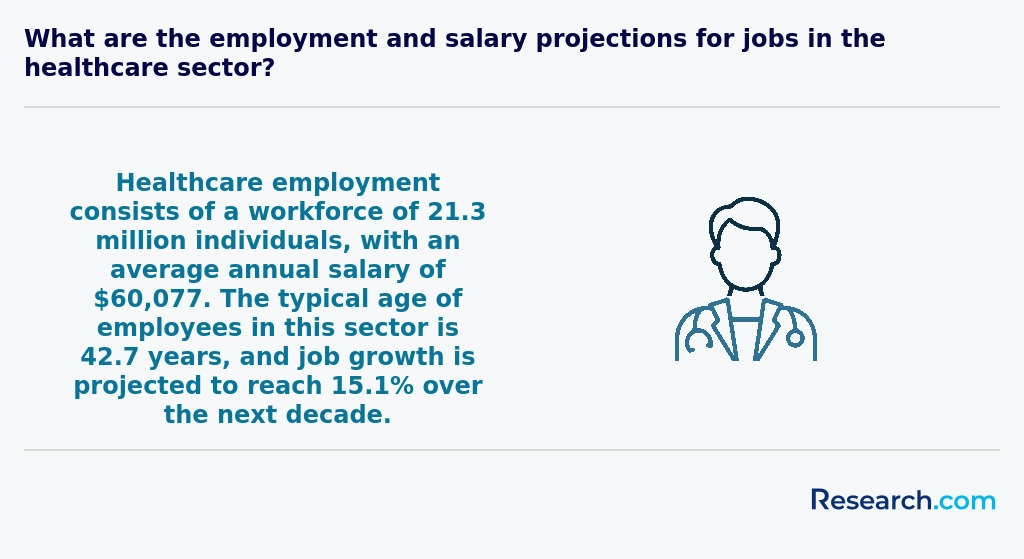
Graduates of online healthcare management degree programs in the Midwest often find diverse and fulfilling career paths awaiting them. Many step into roles as healthcare administrators, managing operations at rural hospitals or community health centers where their work directly impacts patient care quality and community well-being. Others pursue careers as healthcare consultants, utilizing skills honed through programs at respected institutions like the University of Michigan or Ohio State University to help facilities modernize workflows and comply with evolving regulations.
Health information management is another promising avenue, especially as facilities increase their focus on data privacy and cybersecurity. Graduates report feeling empowered to handle complex challenges in patient data management, thanks to training aligned with regional job opportunities. Those considering an online route appreciate programs that blend flexibility with real-world relevance, as seen in many well-regarded Midwest schools.
Choosing an online healthcare administration master's degree equips students with the insight needed to navigate the expanding job market. The combination of strong analytical skills and practical experience opens doors across hospitals, insurance companies, and public health organizations, fulfilling the growing demand in this vital sector.
The job market for online healthcare management degree graduates in the Midwest is both vibrant and promising. Many who have earned their degrees from well-regarded institutions like the University of Michigan or Indiana University find themselves stepping into key leadership roles within hospitals or public health organizations. These graduates often share how the flexibility of online learning allowed them to balance work and study, making it easier to advance their careers without pausing their professional lives. The Midwest's strong healthcare industry, particularly in states like Illinois and Minnesota, means positions in hospital administration, health informatics, and policy development are increasingly available.
Midwest healthcare management career opportunities are especially appealing due to competitive salaries-Ohio's market, for example, supports roles with median wages near $101,000. Graduates also report that supplementing their degrees with certifications enhances their prospects. One can explore how much does a healthcare administrator make through trusted sources to better gauge the financial outlook while considering these regional options.
2027 Fastest Online Master's in Healthcare Management Degree Programs Ranking in the Midwest
Investing in your education is a significant decision that can shape your future, and the Research.com team understands the importance of making informed choices. To support prospective students seeking advanced education in healthcare management, we have carefully developed the "2027 Fastest Online Master's in Healthcare Management Degree Programs Ranking in the Midwest." Our dedication to quality, credibility, and accuracy is demonstrated through extensive research and rigorous analysis carried out to produce this ranking.
We utilized the following reputable data sources to ensure a comprehensive evaluation of programs:
By exploring this ranking, readers will gain valuable insights into the fastest online master's programs in healthcare management available in the Midwest, enabling well-informed decisions aligned with their career goals. For more details on how this ranking was created, please visit our Research.com methodology page.
# 1 position
University of Cincinnati
Master of Pharmaceutical Science in Health Outcomes and Pharmacoeconomics


# 4 position
Southern Illinois University-Edwardsville
Master of Business Administration- Healthcare Administration

# 5 position
The Ohio State University at Columbus
Master of Pharmaceutical Sciences with a Specialization in Health-System Pharmacy Administration and Leadership






# 18 position
Walden University
Master of Healthcare Administration

Frequently Asked Questions About healthcare management
Students pursuing online healthcare management degrees in the Midwest can maximize their learning by actively engaging with interactive course materials and participating in virtual discussions. Many accredited Midwestern universities incorporate real-world case studies relevant to regional healthcare challenges, enhancing practical understanding. Utilizing resources offered by professional organizations, such as the American College of Healthcare Executives, supports networking and career growth. Additionally, Midwest students should seek internships and practicum opportunities within local healthcare systems, which have grown by 8% over the past five years according to the U.S. Bureau of Labor Statistics. Balancing study schedules with consistent hands-on experience is key to success.
The healthcare management field is evolving rapidly, with several emerging niches gaining prominence, especially in the Midwest. One key area is healthcare informatics, where professionals analyze health data to improve patient outcomes and operational efficiency. According to the Bureau of Labor Statistics, roles in this niche are expected to grow by 15% nationally through 2032, and the Midwest's large hospital networks support this trend.
Another growth sector is telehealth administration, accelerated by increased remote care demand. Midwest institutions are investing in virtual care platforms to reach rural populations, creating new opportunities for managers skilled in digital health technologies.
Additionally, population health management is becoming vital as organizations focus on preventive care and reducing chronic diseases, which are prevalent in Midwestern states like Ohio and Indiana. This niche emphasizes data-driven strategies to serve community health needs efficiently.
Graduates with an online healthcare management degree in the Midwest should start by building relevant professional experience. Internships and fellowships with local hospitals, clinics, or health systems provide practical skills essential for this competitive field.
Networking is vital. Joining regional associations such as the Midwest Healthcare Executives Forum or the American College of Healthcare Executives (ACHE) can connect you with employers and mentors. According to the U.S. Bureau of Labor Statistics, healthcare management jobs in the Midwest are expected to grow by 18% from 2022 to 2032, signaling strong demand.
Obtaining certifications like the Certified Healthcare Administrative Professional (cHAP) or Fellow of the American College of Healthcare Executives (FACHE) often improves job prospects and salary potential.
Employers in the Midwest prioritize healthcare management graduates who demonstrate strong leadership and communication skills. These are crucial for overseeing staff and coordinating between departments effectively. According to the Bureau of Labor Statistics, healthcare management roles in the Midwest require a solid understanding of healthcare laws and regulations, ensuring compliance within organizations.
Analytical skills are also highly valued, as managers must interpret data to improve service quality and operational efficiency. Proficiency in healthcare technology, including electronic health records systems, is increasingly important in this digital age. The Illinois Health and Hospital Association emphasizes that adaptability and problem-solving abilities are key, particularly in response to ongoing healthcare challenges.
Finding internships in the Midwest relevant to a healthcare management degree involves targeted research and proactive outreach. Begin by exploring healthcare systems and hospitals in states like Illinois, Ohio, and Minnesota, which are known for strong healthcare sectors. For example, the Illinois Department of Public Health lists accredited organizations offering internships.
University career centers often maintain partnerships with local healthcare providers, facilitating internship placements for students enrolled in online programs. Networking through professional associations such as the American College of Healthcare Executives (ACHE) Midwest Chapter can also connect students to regional opportunities.
Additionally, online job platforms like Handshake and LinkedIn frequently advertise internships tailored to healthcare management roles in the Midwest. According to the Bureau of Labor Statistics, healthcare administration roles in this region are expected to grow by 15% by 2030, increasing available internships.
An online healthcare management degree significantly enhances career mobility and advancement opportunities in the Midwest. Employers in states like Illinois, Ohio, and Michigan increasingly prefer candidates with formal education in healthcare administration due to the sector's rapid growth and regulatory complexity. According to the U.S. Bureau of Labor Statistics, healthcare management jobs in the Midwest are projected to grow by 18% from 2022 to 2032, faster than the average for all occupations.
This degree provides essential skills in leadership, finance, and healthcare laws, preparing graduates for leadership roles in hospitals, clinics, and insurance firms. Moreover, many online programs offer flexible schedules and accredited curricula recognized by regional employers, enabling working professionals to advance without relocating.
Regional professional networks and connections fostered through online programs can further enhance job prospects, making an online healthcare management degree a valuable investment for career growth in the Midwest.
Studying for an online healthcare management degree in the Midwest equips students with skills to navigate interdisciplinary roles effectively. Programs emphasize collaboration among healthcare professionals, administrators, and policymakers, reflecting the integrated nature of modern healthcare systems. The curriculum often includes courses in business, public health, and information technology, fostering a broad understanding of multiple fields.
Midwestern institutions benefit from partnerships with local hospitals and health organizations, providing practical experience essential for interdisciplinary teamwork. According to the Association of American Medical Colleges, healthcare roles in the Midwest grew by 15% from 2018 to 2023, highlighting demand for versatile managers.
This regional focus allows graduates to address unique community health challenges through multifaceted approaches, a critical asset in diverse healthcare environments.
Choosing between a thesis and a non-thesis healthcare management degree program in the Midwest depends largely on your career goals and learning preferences. Thesis programs typically emphasize research skills, preparing students for roles in policy analysis, academic work, or doctoral studies. Non-thesis options focus more on practical management skills, suitable for professionals aiming at leadership positions in hospitals or health organizations.
Regional data from the Midwest shows a growing demand for healthcare administrators with strong operational expertise, favoring non-thesis tracks for immediate employment. However, thesis programs may offer deeper analytical training if you plan to contribute to healthcare innovation or pursue further education.
Consider also the program length and workload: thesis routes often require more time due to research commitments. Verify accreditation and faculty expertise, as institutions in states like Illinois and Ohio offer diverse tailored pathways.
Students based in the Midwest seeking online healthcare management degrees with an international focus have several pathways to consider. While fully abroad online programs are rare, many Midwestern universities offer partnerships or exchange programs with foreign institutions, allowing students to gain global perspectives without leaving the U.S.
According to the National Center for Education Statistics, approximately 15% of Midwestern institutions provide study abroad opportunities linked to healthcare management. These programs often include virtual collaborations or short-term overseas experiences.
Institutions like the University of Minnesota and Ohio State University emphasize global health leadership within their online healthcare management curricula, preparing students for international careers.
In the Midwest, part-time jobs that complement a healthcare management degree include administrative assistant roles in hospitals and clinics, medical billing, and healthcare data analysis positions. According to the U.S. Bureau of Labor Statistics (2023), healthcare administration jobs are growing faster than average, especially in cities like Chicago, Minneapolis, and Indianapolis, offering practical experience to students.
Additionally, internships or administrative support roles in long-term care facilities provide insight into patient management and regulatory compliance. Many of these part-time positions offer flexible hours suitable for online students. Gaining experience in these roles can reinforce academic learning and improve future employability in healthcare management.
Online healthcare management students in the Midwest benefit from a variety of networking opportunities tailored to their region and field. Many programs partner with local healthcare organizations, providing virtual access to internships and mentorships. According to the Healthcare Financial Management Association, Midwestern states like Illinois and Ohio host numerous professional groups that regularly offer online seminars and local chapter meetings.
Students can also join associations such as the American College of Healthcare Executives (ACHE), which has active Midwest chapters encouraging virtual and in-person events. Additionally, universities often facilitate alumni networks and career fairs accessible online to boost connections within Midwestern healthcare industries.
Alumni networks offer significant advantages for students pursuing online healthcare management degrees in the Midwest. These networks provide connections to professionals working in hospitals, clinics, and healthcare organizations throughout the region. According to the Midwest Healthcare Executives Network, over 70% of job placements in healthcare management involve referrals from alumni contacts.
Students benefit from mentorship opportunities, which can improve career guidance and professional development. Alumni often share insights on local healthcare trends, helping graduates adapt to the shifting regulatory environment common in states like Illinois and Ohio.
Engaging with an active alumni network can also open doors to internships and leadership roles, boosting long-term career success in the competitive Midwest healthcare market.
Many online healthcare management degree programs in the Midwest offer customizable options to align with your career goals. Students often choose electives or concentrations such as health informatics, policy, or finance. This flexibility allows for specialization based on individual interests and regional industry demand.
According to the U.S. Bureau of Labor Statistics, healthcare management jobs in the Midwest are projected to grow by 15% through 2031, creating diverse opportunities. Programs accredited by CAHME or regionally can ensure relevant curriculum quality. Additionally, some schools offer capstone projects or internships with local health systems to provide practical experience tailored to your career path.
Online healthcare management students in the Midwest commonly face challenges related to balancing work, family, and studies. Many are working professionals who must juggle demanding healthcare roles with coursework, causing time management difficulties. According to the National Center for Education Statistics, nearly 60% of online learners in the US are employed full-time, which applies to many Midwestern students as well.
Connectivity issues can also hinder their online experience, especially in rural areas where broadband access is limited. The Federal Communications Commission reports that about 23% of rural Americans lack access to high-speed internet, affecting remote learning quality.
Finally, limited local networking opportunities can impede professional growth. Many programs lack structured in-person components, which may reduce chances for valuable regional industry connections and internships.
With an online healthcare management degree, professionals in the Midwest can pursue several recognized certifications to enhance their careers. Popular options include the Certified Professional in Healthcare Management (CPHM) and the Certified Healthcare Administrative Professional (cHAP), both valued across hospital systems.
The American College of Healthcare Executives (ACHE) offers the Fellow of the American College of Healthcare Executives (FACHE) credential, highly regarded in Midwest healthcare organizations, emphasizing leadership and ethics.
Another key certification is the Healthcare Financial Management Association's Certified Healthcare Financial Professional (CHFP), targeting those focusing on financial roles within healthcare.
These certifications typically require a combination of education, experience, and passing an exam, improving job prospects and salary potential in the Midwest's growing healthcare sector.
Applying to an online healthcare management program in the Midwest requires a clear and focused approach. Start by highlighting your healthcare or management experience, as many programs value practical knowledge. Emphasize skills like leadership, decision-making, and data analysis. According to the American College of Healthcare Executives, leadership skills are crucial in this field.
Include a well-crafted personal statement that explains your career goals and why you chose healthcare management online in the Midwest.
Be sure to meet all application deadlines and submit transcripts from accredited institutions. Some Midwestern states, like Illinois and Ohio, have specific regional accreditation requirements.
Strong letters of recommendation from healthcare professionals or academic mentors can boost your application.
Lastly, ensure your resume reflects any achievements relevant to healthcare administration or policy.
Healthcare management careers reflect a growing global emphasis on efficient, quality healthcare delivery. Professionals with management degrees are increasingly sought after to address complex challenges in health systems worldwide.
In the US, particularly in the Midwest, healthcare management is a fast-growing field. According to the Bureau of Labor Statistics, healthcare management jobs are expected to grow 32% from 2021 to 2031, much faster than average. This growth aligns with global trends emphasizing improved healthcare infrastructure and organization.
Globally, healthcare managers play a vital role in navigating regulatory, financial, and technological changes. Midwestern online programs often incorporate international healthcare perspectives, preparing students to address both domestic and global challenges in the sector.
Gaining practical experience while studying for an online healthcare management degree in the Midwest is essential for career readiness. Many programs collaborate with local hospitals, clinics, and healthcare organizations to offer virtual internships or externships. These opportunities allow students to apply management theories in real-world settings without relocating.
The Midwest is home to over 5,000 healthcare facilities, providing diverse options for hands-on learning, according to the American Hospital Association. Additionally, some universities encourage participation in case competitions and simulation labs that reflect current healthcare challenges.
Networking with regional healthcare leaders through online events can further enhance professional skills.
Choosing the right concentration within an online healthcare management degree in the Midwest involves evaluating your career goals and regional industry needs. Healthcare management covers diverse areas such as health informatics, policy, finance, and administration. According to the U.S. Bureau of Labor Statistics, healthcare occupations in the Midwest are expected to grow by over 15% through 2031, emphasizing demand for leadership roles in hospital administration and health information technology.
Consider concentrations that align with these trends and your interests. For example, if you aim to work with data systems, health informatics might be ideal. Resources like the Midwest Healthcare Executives Forum provide insights on in-demand skills. Checking program accreditation and faculty expertise also helps ensure quality education.
- Healthcare Management: Global Perspectives https://www.routledge.com/Healthcare-Management-Global-Perspectives/Gillies/p/book/9781032765259
- Five Résumé Tips for Health Care Management Graduates - Healthcare Management Degree Guide https://www.healthcare-management-degree.net/list-articles/five-resume-tips-for-health-care-management-graduates/
- Iowa Health Administration Degree Programs https://www.healthadministrationdegrees.com/states/iowa/
- Preparing for a Career in Healthcare Management: What You Need to Know https://www.merco.co.uk/blog/preparing-for-a-career-in-healthcare-management-what-you-need-to-know
- 5 Concentrations for a Bachelor’s of Healthcare Administration - Healthcare Administration Degree Programs https://www.healthcare-administration-degree.net/lists/5-concentrations-for-a-bachelors-of-healthcare-administration/
- How a Healthcare Management Degree Can Boost Your Career https://www.straighterline.com/blog/how-a-healthcare-management-degree-can-boost-your-career-prospects
- Healthcare Management Degree - Central Penn College https://www.centralpenn.edu/academics/healthcare-management/
- What can you do with a healthcare management degree? | edX https://www.edx.org/resources/what-can-you-do-with-a-healthcare-management-degree
- Top Challenges Facing Healthcare Management Professionals Today - Asia Pacific https://www.asiapacific.edu/blog/mba/top-challenges-facing-healthcare-management-professionals-today/
- Top 7 Career Paths with an International Health Management Degree | BSBI https://www.berlinsbi.com/blog/top-7-career-opportunities-after-an-international-health-management-degree