2027 Easiest Online Healthcare Management Degree Programs Ranking in the Northeast

Co-Founder and Chief Data Scientist
Choosing the right healthcare management degree can be overwhelming, especially when balancing work and life. This article introduces the 2027 Easiest Online Healthcare Management Degree Programs Ranking in the Northeast, thoughtfully crafted by the Research.com team of data scientists to help guide your decision.
By exploring this ranking, you'll discover programs that fit your goals and lifestyle, making the journey toward a rewarding career more approachable. Earning a healthcare management degree opens doors to meaningful work, stability, and growth in an essential industry.
Let this guide inspire your next step toward success.
Key benefits of getting online healthcare management degree in the Northeast
- Healthcare management graduates in the Northeast often enjoy competitive salaries, with median annual wages in related US healthcare management roles typically ranging from $70,000 to $100,000, offering strong financial stability.
- Graduates from popular Northeastern universities commonly pursue careers as hospital administrators, health services managers, or healthcare consultants, providing diverse and rewarding opportunities in a growing field.
- Obtaining an online healthcare management degree from a reputable Northeastern school offers flexibility to balance work and study, while gaining the same valuable skills and network as traditional programs, making career advancement more accessible.
- 2027 Easiest Online Healthcare Management Degree Programs Ranking in the Northeast
- What can I expect from online healthcare management degree in the Northeast?
- Where can I work with online healthcare management degree in the Northeast?
What can I expect from online healthcare management degree in the Northeast?
The average cost of an online healthcare management degree in the Northeast typically ranges between $25,000 and $50,000, depending on the institution and program length. Graduates from well-regarded schools like those in New York or Massachusetts often reflect on the investment as worthwhile, given the region's higher median salaries for healthcare managers. These costs often include access to accredited curricula focused on leadership, healthcare law, and data management, which prepare students to confidently navigate the complex healthcare systems in the Northeast.
Many students appreciate the flexibility allowing them to balance work and study, especially when pursuing degrees from institutions known for asynchronous courses. They often share how practicum opportunities included in the programs brought real-world scenarios to life, deepening practical skills without needing to relocate. This hands-on experience feels invaluable when entering a competitive job market driven by dense populations and evolving healthcare demands.
While some programs may have higher tuition due to their prestige or additional resources, many graduates emphasize that careful planning and financial aid options available at these universities can ease the burden. Ultimately, this investment offers a stepping stone to rewarding careers in hospitals, insurance, or government healthcare agencies within the Northeast.
Where can I work with online healthcare management degree in the Northeast?
Graduates from online healthcare management programs at well-known Northeastern institutions often find themselves stepping confidently into diverse roles across the region's healthcare landscape. Many begin their careers in bustling hospitals throughout New York, Massachusetts, or Pennsylvania, managing complex operations where their skills make an immediate impact on patient care and organizational efficiency. The hands-on coursework and flexible study options offered by universities in Boston or Philadelphia prepare them well for such fast-paced environments.
Others discover fulfilling paths in long-term care or assisted living facilities, particularly in states like New Jersey or Connecticut, where managing the needs of an aging population requires both compassion and sharp management skills. Alumni frequently mention how their programs fostered a deep understanding of regulatory compliance and patient services, which proved invaluable in those settings.
Additionally, many graduates appreciate the variety offered by outpatient clinics and specialty care centers, where they coordinate patient scheduling and billing-skills honed during practical assignments included in their coursework. Some find rewarding work with health insurance companies or local health departments, contributing to policy oversight and improving community health initiatives, especially in urban hubs like Hartford or New York City.
Graduates with an online healthcare management degree in the Northeast often find themselves stepping into roles with starting salaries around $65,000 to $75,000, especially in bustling metropolitan areas such as Boston and New York City. Those who studied at well-regarded institutions like Northeastern University or the University of Massachusetts have shared how their education helped them quickly secure competitive positions at hospitals or healthcare systems.
With experience, many rise to managerial roles where salaries exceed $120,000, reflecting the region's strong demand for skilled leaders. For example, alumni working in New York have reported median earnings closer to $120,000, a figure that speaks to the region's premium on healthcare expertise. Employers in larger hospitals and healthcare networks tend to offer even higher compensation, rewarding specialized skills and leadership abilities.
Students often feel encouraged remembering how advanced degrees, such as an online Master of Healthcare Administration, opened doors to senior roles and greater income stability in a rapidly growing industry. These success stories highlight the financial and professional rewards possible when investing in healthcare management education in the Northeast.
- The average cost for a bachelor's degree in healthcare management online in the Northeast ranges from $25,000 to $45,000.
- Public universities generally offer more affordable tuition rates, especially for in-state students.
- Employment in healthcare management in the Northeast is projected to grow about 15% by 2030, faster than most other fields.
- Starting salaries typically range from $55,000 to $65,000 per year, with experienced professionals earning $85,000 or more.
- Metropolitan areas like New York City, Boston, and Philadelphia usually offer higher salaries due to cost of living and demand.
- Many programs are accredited by the Commission on Accreditation of Healthcare Management Education (CAHME), ensuring quality education standards.
Completing an online healthcare management degree in the Northeast typically takes four years for full-time undergraduate students, as seen in programs offered by respected institutions like Northeastern University and Rutgers. Many graduates appreciate the flexibility provided by accelerated tracks, which reduce completion time to about three years, perfectly fitting those eager to advance quickly in their careers.
For graduate degrees such as the MHA or MBA with healthcare management focus, the journey usually spans two years full-time. Some regional schools offer executive formats allowing completion within 12 to 18 months, a feature praised by working professionals balancing demanding schedules. Graduates often describe the balance between coursework and internships as a meaningful challenge that enriches their practical skills.
Part-time study options extend the timeline but enable steady progress alongside work or family commitments, often stretching completion to five or six years. Many alumni reflect on how credit transfer opportunities shortened their programs, highlighting the importance of thoughtful planning when enrolling in these flexible online options.
One significant difference between online and on-campus healthcare management degrees in the Northeast lies in how students experience their education. Graduates from well-known programs at universities in New York and Massachusetts often reflect on the rich face-to-face interaction they had on campus, appreciating networking moments during group projects and hands-on training in nearby healthcare facilities. These experiences foster strong professional relationships that can open career doors immediately after graduation.
On the other hand, many online graduates cherish the flexibility that comes with virtual learning. Juggling family responsibilities or full-time jobs, these students value asynchronous classes and digital platforms that allow them to study on their own schedule without relocating from their local communities. Tuition, often ranging between $400 and $600 per credit hour, aligns well with or even undercuts traditional on-campus costs, offering a practical route without sacrificing accreditation or curriculum quality.
Ultimately, the choice depends on how much weight you place on in-person connections versus adaptable timing, especially in a region where commute challenges and career demands often shape student life.
The average cost of an online healthcare management degree in the Northeast typically centers around a median total of $37,006, with in-state students paying slightly less, about $36,580, and out-of-state students facing a higher median cost near $41,640. Graduates from well-regarded institutions in this region often recall balancing these tuition fees with careful financial planning, appreciating the value of rigorous curricula delivered remotely while navigating the pricing differences between public and private universities.
Many students choose Northeast universities known for their healthcare programs, taking comfort in programs that often include technology fees and necessary materials, which add to the overall expense but also enhance the online learning experience. These details are vital when estimating what the average cost of online healthcare management degree northeast will mean for one's budget, helping avoid surprises related to books, supplies, or occasional in-person requirements.
One shared insight from alumni includes the importance of exploring tuition discounts available at state universities across New York, Massachusetts, and Pennsylvania, where some online learners benefit from in-state rates or flat-rate tuition models designed to ease financial burdens. These practical options resonate with hopeful students looking for affordable pathways.
Beyond the fees, many graduates emphasize the emotional reward and career growth opportunity that come from earning a degree in this field, especially when guided by resources explaining what jobs can you get with a healthcare management mba degree, helping them envision a promising future despite the investment required.
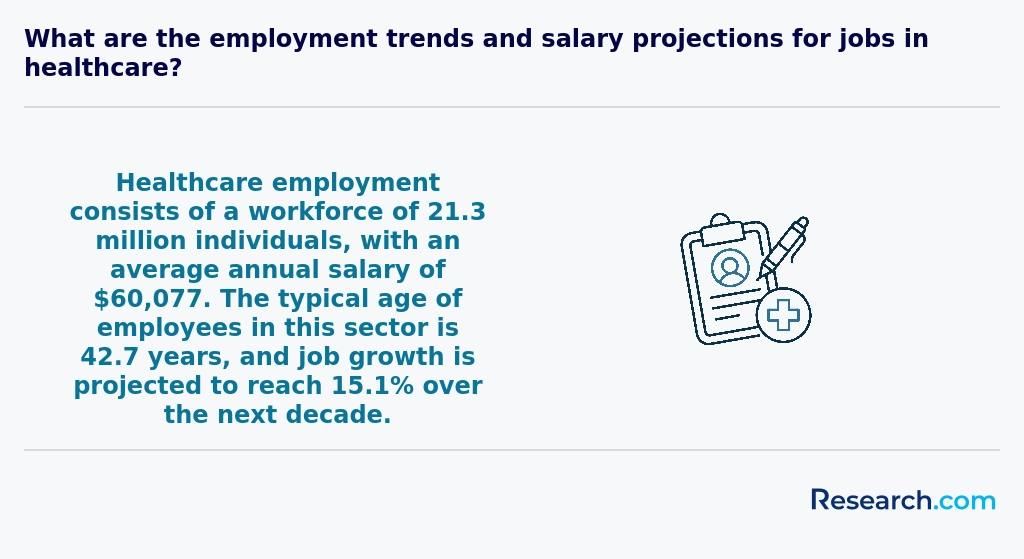
Students pursuing online healthcare management degrees in the Northeast often find federal aid indispensable in easing financial burdens. Pell Grants, for example, have been a game-changer for many graduates from well-known institutions like Northeastern University and University of Pennsylvania, covering up to $7,395 annually without the pressure of repayment. This kind of support feels like a tangible reassurance during stressful exam seasons and project deadlines.
Beyond grants, Federal Direct Loans provide flexible repayment options, including income-driven plans that have helped working professionals balance their studies with family and job responsibilities. State-specific aid, such as New York's Tuition Assistance Program (TAP), further brightens the financial outlook for local residents attending the likes of Fordham University or Syracuse University.
Institutional scholarships are another lifeline. Alumni fondly recall how merit-based awards from their schools offered not only financial relief but also a confidence boost, affirming their hard work. Employer tuition reimbursement programs, common among healthcare workers in the region, have also turned aspirations into reality, making degree completion more attainable and rewarding.
Enrolling in an online healthcare management degree in the Northeast often begins with meeting key academic and technical prerequisites that set the stage for success. Graduates from well-regarded institutions in this region recall how having a high school diploma or equivalent was essential, and for bachelor's programs, submitting official transcripts demonstrated their readiness. Many schools like those known for healthcare excellence in the Northeast look for a solid GPA, typically around 2.5 to 3.0, reflecting consistent academic effort.
For those aiming at master's degrees, graduates frequently highlight the importance of holding a bachelor's degree, often appreciating how their background in health sciences or business helped them engage deeply with course material. Work experience in healthcare settings is valued, with one to three years often required, providing practical insights that enrich online learning.
Beyond academics, reliable internet access and basic tech skills are crucial for navigating the virtual classroom environment smoothly. Some programs emphasize completing prerequisite courses in biology or statistics to build confidence early on. These steps, familiar to many students across Northeast universities, foster a rewarding and achievable educational journey.
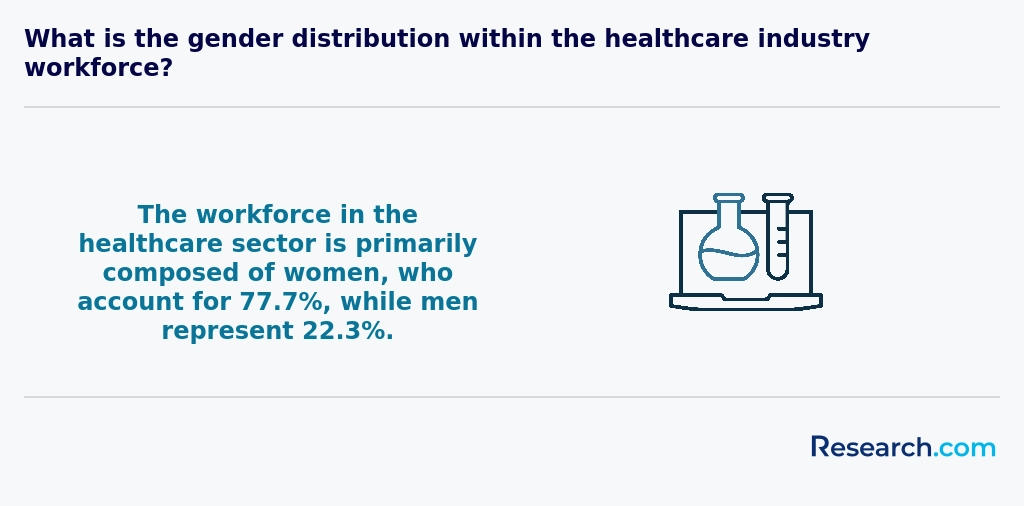
Online healthcare management degree programs in the Northeast typically include courses that deeply prepare students for the region's complex healthcare landscape. Graduates from well-known institutions like those in New York or Massachusetts often reflect on how courses such as Healthcare Law and Ethics illuminated the real-world legal challenges they faced during internships in bustling hospital systems.
Core classes like Healthcare Finance and Accounting prove indispensable when managing tight budgets in large healthcare networks common to Pennsylvania and nearby states. These students frequently mention that understanding financial reports closely mirrors the daily responsibilities of healthcare administrators in these areas.
Courses on Healthcare Information Systems are especially relevant given the Northeast's advanced health IT infrastructure, where graduates recall balancing data security with operational needs at local health centers. Leadership and Organizational Behavior classes equip students to tackle workforce challenges in large hospital environments.
Quality Improvement and Patient Safety modules often inspire a proactive mindset, helping future managers drive safer, more effective care in fast-paced clinical settings typical of this region's healthcare market.
Online healthcare management specializations Northeast programs frequently include healthcare informatics, health policy and management, nursing home administration, public health leadership, and health services management. Graduates from well-regarded institutions in Boston and New York City often describe their experience focusing on healthcare informatics as empowering, given the region's emphasis on integrating advanced health IT systems into large hospital networks. This specialization offers a clear path to roles managing electronic health records and telehealth platforms.
Others pursuing healthcare management degree focus areas Northeast value the chance to influence policy and system improvement through health policy and management tracks. Graduates find meaningful work in governmental or nonprofit sectors across states like New Jersey and Massachusetts, where public health initiatives shape urban healthcare delivery.
For students passionate about eldercare, nursing home administration specializations address the aging demographic prevalent in Maine and Vermont, preparing them to manage facilities with empathy and strong leadership.
Public health leadership courses, often highlighted by graduates in Philadelphia and New York City, equip students to manage community health programs and crisis preparedness effectively. Those seeking versatile online paths can explore these options via reputable programs known for their quality, such as the fastest online mba programs in healthcare management, which balance rigor with flexibility.
When selecting the best online healthcare management degree in the Northeast, accreditation should be your top priority. Graduates from well-regarded universities in this region often emphasize how CAHME accreditation or recognition by regional bodies lends credibility and opens doors in competitive job markets like New York and Massachusetts. Beyond that, affordability is a crucial factor; many find that balancing quality and cost takes research, especially among affordable healthcare management programs Northeast provides. Financial aid and scholarships can make a significant difference, as experienced by students attending private institutions who nonetheless work while studying.
Flexibility ranks high as well-working professionals appreciate programs offering asynchronous courses combined with strong academic support tailored for online learners. Graduates frequently highlight how curricula focused on Northeast-specific policies and local healthcare regulations helped them feel prepared for real-world challenges. Networking through local internships or partnerships has been invaluable to many, connecting them with hospitals and clinics nearby.
For those exploring options, reviewing graduation and employment rates is essential. A helpful resource for comparing costs and offerings is the cheapest online mba programs healthcare management, which can guide you to programs that align both with your budget and career goals.
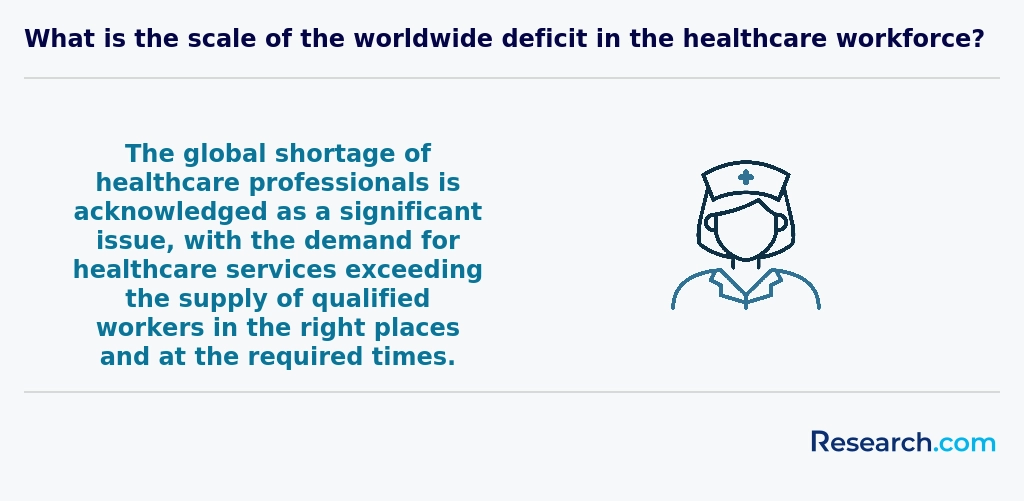
Graduates pursuing online healthcare management careers Northeast often find themselves stepping into diverse roles that blend leadership with healthcare expertise. Many from popular institutions like Northeastern University or the University of Massachusetts leverage their degrees to excel as healthcare administrators, clinical managers, or hospital operations directors. These positions allow them to directly influence patient care efficiency and staff coordination, instilling a sense of fulfillment and pride in their daily impact.
In the midst of growing demand fueled by demographic shifts and expanding healthcare networks, graduates discover opportunities in public health agencies, insurance companies, and consulting firms. Those embarking on healthcare management degree job opportunities Northeast frequently share that their online studies provided flexible balance while preparing them for complex roles such as health services managers overseeing compliance and budgeting.
For prospective students weighing costs and quality, many praise programs recognized by accreditation bodies found through resources like the cheapest online healthcare administration program listings, which help align affordable options with career goals.
The job market for online healthcare management degree graduates in the Northeast is notably strong, driven by the region's dense population and extensive healthcare networks. Graduates from well-regarded institutions in states like New York, Massachusetts, and Pennsylvania often find themselves quickly filling roles in hospitals, outpatient care, and public health organizations. Many share stories of securing positions soon after graduation, appreciating the balance their online studies provided to continue working while advancing their careers.
The healthcare management career outlook Northeast is particularly positive, supported by consistent demand for skilled administrators who understand the complexities of modern healthcare systems. Salaries in this region typically range between $110,000 and $140,000 annually, making the investment in an online degree worthwhile. For those curious about exact earning potential, exploring the salary with mba in healthcare administration offers valuable insights.
2027 Easiest Online Healthcare Management Degree Programs Ranking in the Northeast
Investing in your education is a significant decision that can shape your future, and the Research.com team is committed to providing trustworthy and accurate guidance. To support prospective students interested in healthcare management in the Northeast, we have carefully developed the "2027 Easiest Online Healthcare Management Degree Programs Ranking." Our dedication to quality, credibility, and precision is demonstrated through thorough research and analysis.
We utilized the following reputable data sources to ensure a comprehensive evaluation of programs:
By exploring this ranking, readers will gain valuable insights into the easiest online healthcare management degree programs in the Northeast, empowering them to make informed decisions about their educational paths. For further information on how the ranking was created, please visit our Research.com methodology page.


# 3 position
Hofstra University
Master of Strategic Business Management and Strategic Healthcare Management
# 4 position
St. Joseph's University, Brooklyn Campus
Master of Health Administration/Health Care Management


# 6 position
State University of New York Polytechnic Institute
Bachelor of Health Information Management


# 9 position
Slippery Rock University of Pennsylvania
Bachelor of Healthcare Administration and Management

# 10 position
SUNY Empire State College
Master of Healthcare Leadership


# 12 position
University of Massachusetts Lowell
Master of Health Information Management: Health Service Management Option


# 15 position
University of Massachusetts Dartmouth
Bachelor of Economics-Healthcare Services Administration

# 16 position
Peirce College
Master of Healthcare Administration


Frequently Asked Questions About healthcare management
Students pursuing online healthcare management degrees in the Northeast can enhance their learning by actively engaging with regional healthcare organizations. Many programs recommend internships or practicum experiences in local hospitals or clinics to gain real-world insights. According to the Bureau of Labor Statistics, the Northeast employs nearly 20% of the nation's healthcare managers, highlighting abundant networking opportunities.
Taking advantage of virtual study groups and faculty office hours is crucial for personalized support. Research by the National Center for Education Statistics shows that students who utilize such resources have higher retention rates in online programs. Additionally, staying updated on state-specific healthcare policies can deepen understanding of industry regulations unique to the Northeast.
The healthcare management field is rapidly evolving, with emerging niches driven by technological advances and changing patient needs. One key area is telehealth administration, which has grown significantly in the Northeast due to expanded digital infrastructure and pandemic-driven demand. According to the New England Journal of Medicine, telehealth visits increased by over 300% between 2019 and 2022 in this region.
Another niche is healthcare data analytics, where professionals analyze large datasets to improve patient outcomes and streamline operations. The Bureau of Labor Statistics notes a growing need for managers skilled in data interpretation. Finally, population health management is gaining traction, especially in urban centers like Boston and New York, focusing on community wellness and preventive care strategies.
After completing an online healthcare management degree in the Northeast, graduates should focus on building practical skills and professional connections. Many employers value experience with healthcare software and familiarity with regional healthcare regulations, such as those from the New York State Department of Health or Massachusetts Department of Public Health.
Internships or practicum placements, often required by accredited programs, provide valuable hands-on experience. According to the U.S. Bureau of Labor Statistics, healthcare management roles in the Northeast are growing nearly 15% faster than the national average, highlighting strong demand.
Networking through local professional associations and attending industry conferences in cities like Boston or Philadelphia can increase job prospects.
Employers in the Northeast value healthcare management graduates who combine strong leadership with technical healthcare knowledge. Key skills include proficiency in health information systems, reflecting the region's growing investment in electronic medical records. According to the New England Healthcare Institute, analytical thinking and data-driven decision-making are critical, as healthcare providers seek efficiency and quality improvements.
Communication skills rank highly, given the need to coordinate across diverse teams in hospitals and clinics. Knowledge of healthcare laws and regulations, including HIPAA compliance, is essential to navigate complex legal environments prevalent in states like New York and Massachusetts.
Financial management abilities, especially budgeting and resource allocation, are also in demand to sustain healthcare organizations amid rising costs.
Finding internships relevant to a healthcare management degree in the Northeast involves leveraging multiple strategies focused on both education and regional healthcare networks. Start by utilizing your school's career services, as many institutions maintain partnerships with major healthcare systems like Massachusetts General Hospital or NewYork-Presbyterian. These partnerships often offer structured internship programs tailored for healthcare management students.
Online platforms, such as Handshake and LinkedIn, also list internship openings specific to healthcare administration, especially in Northeast urban centers like Boston, New York City, and Philadelphia.
The U.S. Bureau of Labor Statistics notes that the Northeast is a hub for healthcare employment, increasing internship opportunities. Contacting local chapters of professional associations, like the American College of Healthcare Executives (ACHE), can provide networking opportunities and access to exclusive internships.
Online healthcare management degrees significantly enhance career mobility and advancement in the Northeast, where the healthcare sector is a major employer. According to the U.S. Bureau of Labor Statistics (BLS), healthcare management jobs in states like New York and Massachusetts are projected to grow by 15% by 2030, faster than the national average. Completing an online program provides flexibility, allowing professionals to upskill without leaving their current roles.
Employers in the region increasingly value formal education in healthcare management, linking degrees to higher leadership opportunities and salary increases. A 2023 report from the Northeast Health Workforce Initiative notes that graduates often transition into managerial roles within 2-3 years of program completion.
Moreover, online degrees from regionally accredited institutions enable networking with local healthcare organizations, which supports job placement and professional growth.
Studying for a healthcare management degree online in the Northeast equips students with skills essential for interdisciplinary roles across health systems. Programs emphasize collaboration between clinical, administrative, and policy disciplines, reflecting the region's complex healthcare environment. According to the National Center for Education Statistics (NCES), many Northeastern institutions integrate courses in public health, health informatics, and business administration, which broadens expertise beyond traditional management.
The Northeast's healthcare sector is diverse, with a mix of large hospitals, research centers, and community clinics. This diversity encourages students to engage with varied healthcare models, preparing them to work effectively with professionals like doctors, IT experts, and policymakers. Graduates are thus well-positioned to lead initiatives that require cross-disciplinary communication and innovation.
Choosing between a thesis and a non-thesis healthcare management degree program in the Northeast depends largely on your career goals and learning preferences. Thesis programs usually involve conducting original research, which can be valuable if you plan to pursue a doctoral degree or work in policy development. Non-thesis tracks often focus more on coursework and practical skills, ideal for professionals aiming to enter or advance in management roles quickly.
According to the National Center for Education Statistics, about 40% of healthcare management master's programs in the Northeast offer both options, giving students flexibility. Programs at universities such as the University of Massachusetts and Rutgers emphasize real-world applications in non-thesis paths, reflecting local healthcare industry needs.
Consider workload, interests in research, and long-term plans when deciding between these formats.
Students in the Northeast seeking to study healthcare management abroad through online programs have limited but specialized options. Many U.S. institutions collaborate with international universities for dual-degree programs, allowing students to earn credits from both schools remotely. This hybrid model often combines Northeast-based online courses with international internships or research. According to the National Center for Education Statistics, about 12% of healthcare management graduate students participate in study-abroad programs, although fewer do so online. Popular partnerships tend to be with Canadian and European institutions, reflecting regional healthcare similarities that benefit curriculum relevance.
For fully online foreign degrees, accreditation and transferability remain crucial considerations. Agencies like the Council for Higher Education Accreditation (CHEA) advise students to verify if international programs meet U.S. standards. Some Northeast-based universities also offer global healthcare management certificates online, complementing degree paths with global perspectives useful for careers in multinational healthcare organizations.
Students pursuing online healthcare management degrees in the Northeast can benefit from part-time jobs that provide practical experience aligned with their studies. Common roles include medical administrative assistant, patient services coordinator, and health information technician. These positions help develop skills in healthcare operations, data management, and patient communication.
The Bureau of Labor Statistics projects a 32% growth in healthcare management jobs nationally through 2030, making related part-time roles especially valuable. In states like New York and Massachusetts, healthcare supports over 2 million jobs, underscoring opportunities for students to engage with diverse healthcare systems locally.
Employers in major metropolitan areas often offer flexible schedules, fitting well with academic commitments. Additionally, roles in insurance companies or outpatient clinics provide insight into insurance billing and healthcare policy-key subjects in healthcare management programs.
Online healthcare management students in the Northeast benefit from robust networking opportunities through regional professional associations such as the New England Healthcare Executives Network and the Healthcare Financial Management Association's New York chapter. These groups often host virtual events, webinars, and local meetups, allowing students to connect with industry professionals and peers. Many universities also provide exclusive access to alumni networks and virtual career fairs tailored to healthcare management fields.
Additionally, the Northeast is home to numerous hospitals and healthcare systems, including Mass General and NYU Langone, which often collaborate with academic programs to offer internships and mentorships. According to the Bureau of Labor Statistics, the Northeast employed over 120,000 healthcare managers in 2022, indicating a strong local market for connections and job prospects.
Alumni networks offer significant advantages for students pursuing online healthcare management degrees in the Northeast. These networks provide access to a wide range of professional contacts, including healthcare administrators, policy makers, and industry leaders primarily located in states like New York, Massachusetts, and Pennsylvania, where healthcare management jobs are concentrated.
By connecting with graduates working in Northeast hospitals and organizations, students gain valuable mentorship, job leads, and insights into regional healthcare trends. According to the Bureau of Labor Statistics, healthcare management employment in the Northeast is expected to grow by 10% through 2031, emphasizing the importance of strong professional relationships.
Furthermore, alumni events and online platforms facilitate collaboration and continuing education, essential for keeping pace with evolving regulations and technology. This network support notably enhances career development and job placement opportunities in the competitive healthcare management field.
Customizing an online healthcare management degree in the Northeast allows students to tailor their education to specific career goals. Many programs offer elective courses focusing on areas like hospital administration, health informatics, or policy and compliance. This lets students develop expertise aligned with growing regional healthcare sectors.
Internships and practicum options are increasingly available remotely or through local healthcare institutions, providing real-world experience tailored to individual interests. Universities such as Northeastern and Rutgers often collaborate with nearby hospitals, enhancing hands-on learning.
Additionally, some programs offer flexible pacing and certificate add-ons in leadership or data analytics, helping students meet evolving industry demands. Aligning coursework with labor market trends in the Northeast, where healthcare management jobs are expected to grow 18% through 2030 (BLS), boosts employability and career success.
Online healthcare management students in the Northeast often face challenges related to balancing their studies with professional and personal commitments. Many students are working adults who must manage their coursework alongside full-time jobs, leading to time management difficulties. According to the National Center for Education Statistics, part-time enrollment is common in this region's online programs.
Technology access and digital literacy also pose obstacles. Reliable internet and familiarity with learning platforms are vital but not universal. Additionally, limited local clinical internship opportunities can hinder practical experience, which is essential for healthcare management careers. These issues can affect student engagement and course completion rates.
Graduates with an online healthcare management degree in the Northeast can pursue several professional certifications to enhance their careers. Popular options include the Certified Healthcare Manager (CHM), offered by the American Hospital Association, which validates leadership skills and industry knowledge.
The Certified in Healthcare Compliance (CHC) credential is also valuable, focusing on regulatory standards. Another key certification is the Fellow of the American College of Healthcare Executives (FACHE), which demonstrates advanced management expertise.
According to the New England Journal of Medicine, professionals holding these certifications often experience a salary increase of 10-15% compared to non-certified peers.
Writing a winning application for an online healthcare management program in the Northeast requires careful attention to detail and clear communication. Start by highlighting your relevant academic background and any healthcare or management experience. Admissions committees value candidates who demonstrate a solid understanding of healthcare systems, particularly those operating in states like New York and Massachusetts, where the industry is robust.
Emphasize your motivation for pursuing healthcare management, supported by specific career goals aligned with the region's growing healthcare market. Research shows the Northeast employs approximately 1.4 million healthcare managers, making it competitive yet rich in opportunities (Bureau of Labor Statistics, 2023).
Additionally, tailor your personal statement to reflect knowledge of regional healthcare challenges and innovations. Strong letters of recommendation from professionals familiar with your skills and commitment can also boost your application.
Healthcare management careers offer significant opportunities globally, driven by increasing demand for skilled leaders in health systems. In the United States, including the Northeast, healthcare managers are essential for coordinating operations, improving patient outcomes, and ensuring regulatory compliance. According to the U.S. Bureau of Labor Statistics, employment for medical and health services managers is projected to grow 32% from 2021 to 2031, much faster than average.
The global perspective emphasizes adaptability, as healthcare systems face challenges like aging populations and technological integration. Professionals with degrees that include international health policy have a competitive edge. Northeast institutions often incorporate these global trends into online healthcare management programs, aligning education with both U.S. and international standards of practice.
Gaining practical experience while studying for an online healthcare management degree in the Northeast is essential for career readiness. Many programs partner with local hospitals, clinics, and health organizations to offer virtual or in-person internships.
Students can also engage in simulation labs provided by universities, which replicate real-world healthcare management scenarios. Additionally, some schools incorporate capstone projects that require collaboration with healthcare providers in the region.
The Northeast hosts over 25% of U.S. healthcare jobs, according to the Bureau of Labor Statistics, creating ample opportunities for hands-on learning even remotely.
Networking events and professional associations based in cities like Boston and New York further support practical engagement.
Choosing the right concentration within an online healthcare management degree in the Northeast begins with assessing your career goals. Common concentrations include health informatics, policy, finance, and administration. Each offers distinct career paths-health informatics centers on managing patient data, while policy focuses on healthcare laws affecting the region.
Consider the demand for specific skills in Northeast healthcare markets. According to the U.S. Bureau of Labor Statistics, healthcare administration jobs in states like New York and Massachusetts are projected to grow by over 15% through 2030, especially in hospital management and policy roles.
Review program curriculum details and faculty expertise to ensure alignment with your interests. Additionally, verify that the program is accredited, such as by CAHME, ensuring credibility and quality education.
- 20 healthcare investment niches and 3 things to know: The evolution of ... https://blackbookmarketresearch.com/20-healthcare-investment-niches-and-3-things-to-know-the-evolution-of
- Networking https://www.whcm.org/networking/
- Healthcare Management https://ntcc.edu/academics/programs-study/health-sciences/healthcare-management
- Top Health Care Management / Health Studies Courses abroad from 152 Universities https://www.hotcoursesabroad.com/india/training-degrees/international/health-care-management-health-studies-courses/cgory/pa.-4/sin/ct/programs.html
- Master of Healthcare Administration (M.H.A.) Major in Healthcare Administration (Non-thesis Option) https://mycatalog.txstate.edu/graduate/health-professions/administration/mha/
- How to Get a Job in Healthcare Management https://sha.edu.in/how-to-get-a-job-in-healthcare-management/
- The Biggest Challenges Healthcare Managers Face Today - Oxford Training Centre https://oxfordcentre.uk/resources/healthcare-management/the-biggest-challenges-healthcare-managers-face-today/
- What can you do with a healthcare management degree? | edX https://www.edx.org/resources/what-can-you-do-with-a-healthcare-management-degree
- Interdisciplinary Healthcare and Management https://www.haw-hamburg.de/en/bachelor-interdisciplinary-healthcare-and-management/
- Business Administration: Healthcare Management, MBA Online https://www.nec.edu/programs/business-administration-healthcare-management-concentration-m-b-a