
2027 Most Valuable Fine Arts Degree Programs Ranking in Norfolk

Co-Founder and Chief Data Scientist
Choosing the right fine arts degree program can shape your future in meaningful ways. This article introduces the 2027 Most Valuable Fine Arts Degree Programs Ranking in Norfolk, created by the Research.com team of data scientists to help you make an informed decision.
By exploring this ranking, you'll discover which programs offer the best opportunities for growth and success. Pursuing a fine arts degree is not just about skills-it's about unlocking creativity and passion that can lead to a fulfilling career.
Key benefits of getting fine arts degree in Norfolk
- Fine arts degree graduates in Norfolk can earn competitive salaries, with illustrators making around $71,420 annually and animators earning about $109,630, offering rewarding financial prospects.
- Graduates from Norfolk's universities often explore diverse career paths, such as graphic artists or art therapists, combining creativity with meaningful work in various industries.
- Online fine arts degrees offer flexibility and accessibility, allowing Norfolk students to balance studies with personal commitments while gaining skills valued by employers.
- 2027 Most Valuable Fine Arts Degree Programs Ranking in Norfolk
- What can I expect from fine arts degree in Norfolk?
- Where can I work with fine arts degree in Norfolk?
What can I expect from fine arts degree in Norfolk?
Fine arts students in Norfolk can typically expect tuition costs that are competitive with other regional institutions, often ranging from moderate to affordable depending on the university or college they choose. Many graduates share that balancing tuition with available scholarships specific to art students made their education financially manageable. For example, those attending fine arts programs at local schools found that smaller class sizes and personalized faculty mentorship added significant value beyond just cost.
Students often describe hands-on studio time and internships at places like the Chrysler Museum of Art as invaluable parts of their education, experiences that complement the tuition investment. This real-world exposure helps justify costs because it builds practical skills and professional connections. Planning ahead to apply for these scholarships and community partnerships can greatly reduce the financial burden and enhance the overall program benefits.
Ultimately, understanding the interplay between tuition, scholarships, and internship opportunities in Norfolk's vibrant arts scene enables prospective students to make informed financial decisions for their fine arts education.
Where can I work with fine arts degree in Norfolk?
Graduates from fine arts programs at Norfolk institutions like Old Dominion University often find rewarding careers in local galleries, museums, and cultural organizations. Many secure positions at places such as the Chrysler Museum of Art, where roles like curators or conservators require the specialized skills they honed during their studies. These jobs offer the chance to work closely with art collections and engage with the community, creating a fulfilling day-to-day experience.
Others pursue teaching careers in Norfolk's public schools, addressing a rising demand for art educators who integrate digital art techniques. This pathway allows graduates to inspire younger students while staying connected to evolving creative technologies.
Many also thrive in Norfolk's design and advertising sectors, using their portfolios to land jobs in graphic design and multimedia production. Freelance opportunities are plentiful too, with local theaters and public art programs often commissioning independent artists, helping graduates build flexible, self-driven careers.
For those aiming higher, academic positions at universities provide options to teach or conduct research, especially for graduates with advanced degrees and a passion for innovation in fine arts education.
Fine arts graduates in Norfolk commonly secure positions with salaries ranging broadly based on specialization and experience. For instance, graphic artists typically earn a mean annual wage near $64,700, while illustrators can expect about $71,420, according to national data aligned with Norfolk's market. This makes positions in design and illustration promising paths for those graduating from institutions like Old Dominion University or Norfolk State University.
Graduates who pursue animation often achieve significantly higher earnings; animators nationally average $109,630 yearly. Norfolk's growing digital media sector provides fertile ground for such careers, blending creative skill with technology, a strategy many successful graduates embrace.
Similarly, art therapists who integrate psychology with fine arts report average wages around $75,660. This highlights the advantage of combining artistic talents with complementary fields to boost employability and salary.
Overall, fine arts students in Norfolk are encouraged to build diverse skill sets and networks through local galleries and studios. With practical experience and continued learning, annual earnings can steadily climb, reflecting the dynamic opportunities within Norfolk's thriving creative community.
- Norfolk offers fine arts programs at accredited public and private colleges with specializations like painting, sculpture, graphic design, and digital media arts.
- In-state tuition for a four-year fine arts degree at public colleges ranges from $10,000 to $15,000 per year, while private colleges cost between $25,000 and $35,000 annually.
- Additional costs for supplies and studio fees are common and can increase the total expense of fine arts education.
- Entry-level salaries for fine arts graduates in Norfolk average between $35,000 and $40,000 per year, depending on the career path.
- Mid-career fine arts professionals typically earn around $55,000 annually, reflecting greater experience and portfolio development.
- Job opportunities exist in galleries, museums, design firms, and related fields such as marketing and multimedia production, but competition can be strong.
The typical time to complete a fine arts bachelor's degree in Norfolk is four years of full-time study, matching national standards. At institutions like Norfolk State University and Batten University, students follow a structured path, completing around 120 credit hours that span general education and specialized art courses. Graduates often describe the experience as challenging yet rewarding, appreciating how the curriculum balances creativity with technical skill development.
For those balancing work or family commitments, part-time study is an option, extending the degree duration to five or six years. Many students find this flexibility essential and enjoy the chance to apply their learning progressively without overwhelming pressure. Academic advisors at Norfolk schools are valuable resources for tailoring these plans and ensuring steady progress.
Students aiming for advanced professional growth consider a Master of Fine Arts, adding two to three years post-bachelor's. Overall, understanding these timelines helps set realistic expectations and encourages proactive planning to make the most of a fine arts education in Norfolk.
When choosing a Fine Arts degree program, verifying accreditation and assessing the institution’s reputation are crucial steps to ensure a high-quality education and long-term career success. Accredited programs adhere to strict academic and professional standards, offering students confidence that their training is recognized and respected in the industry. Prospective students should review accreditation details from reputable agencies-such as the National Association of Schools of Art and Design (NASAD)-to confirm that the curriculum and faculty meet high standards of excellence. Additionally, examining alumni outcomes, industry partnerships, and independent rankings can provide valuable insights into the overall credibility of the program. Often, institutions associated with a valuable fine arts school in virginia not only offer rigorous academic training but also foster a supportive environment that propels graduates toward successful careers. By researching these key factors, students can confidently select a program that aligns with their creative goals and professional aspirations.
Choosing between an online and on-campus fine arts degree in Norfolk hinges on your preferred learning style and lifestyle. On-campus programs at local institutions offer hands-on access to studios and equipment like pottery wheels and printmaking presses, which graduates often describe as invaluable for their creative growth. Being physically present fosters meaningful collaborations through workshops and critiques within vibrant campus communities.
Conversely, online fine arts degrees provide flexibility, ideal for students balancing jobs or family. Graduates appreciate the convenience of remote lectures but note that practical work requires setting up a home studio or occasional visits to campus. Virtual critiques and video calls help maintain peer connections, though spontaneous in-person interaction is limited.
Financially, on-campus students face about $9,000 in in-state tuition plus commuting or housing costs, while online learners might save on these but need to budget for personal art supplies. Both options hold regional accreditation, ensuring your Norfolk fine arts degree is respected.
The average cost of a fine arts degree in Norfolk typically hovers around $34,273, reflecting a composite of tuition fees, supplies, and other academic expenses. For in-state students at institutions like Old Dominion University, the expenses are more manageable, with median costs near $10,180. Graduates often share that carefully budgeting for materials, studio fees, and living costs has a big impact on how smoothly their education finances flow. Knowing these totals helps future fine arts students create realistic financial plans early on.
Private art schools, while offering unique creative resources and intimate class settings, generally command higher fees. Balancing these costs can feel daunting initially, but many find that the specialized training and networking opportunities make the investment worthwhile. It's common for Norfolk fine arts students to seek financial aid options-scholarships, grants, or work-study programs-which are crucial for easing the burden. Checking with your specific school about tailored financial support can open doors to scholarships especially suited for fine arts candidates.
Considering the total expenses for Norfolk fine arts programs beyond tuition is vital. Art supplies, equipment rentals, and living expenses can add up quickly. Many students incorporate cost-saving strategies such as purchasing secondhand materials or sharing studio space with peers to keep expenses under control. Engaging with campus resources and financial planning early optimizes preparedness and success across the four-year journey.
Prospective students interested in further diversifying their educational pathway might explore online childdevelopment master's programs as complementary options. This versatile approach can sometimes provide additional scholarship opportunities and broaden career prospects alongside a fine arts degree.

A vibrant campus life is integral to a comprehensive Fine Arts education in Norfolk, VA. Alongside rigorous academics, students benefit immensely from creative communities and engaging extracurricular activities that inspire artistic growth. Many institutions organize student-run galleries, collaborative workshops, and art festivals, which offer hands-on experiences that extend learning beyond the classroom. This interactive environment helps build lasting relationships with peers and mentors, fostering a network that supports both artistic and professional development. At campuses such as those recognized as a valuable fine arts school in virginia, students often report opportunities to participate in local exhibitions, community art projects, and professional networking events. These experiences provide real-world insights into the art industry, and they enhance portfolios through practical work-from organizing pop-up art shows to collaborating on community murals. Art clubs, university-sponsored initiatives, and access to state-of-the-art studios play a crucial role in nurturing creativity, allowing students to experiment, receive feedback, and ultimately cycle their passion into practical skills. In addition, many schools encourage interdisciplinary projects where Fine Arts students can work with peers from complementary fields such as technology, design, and marketing. This cross-disciplinary collaboration not only broadens creative horizons but also simulates the diverse work environment found in today’s creative industries. Faculty advisors and dedicated student services further ensure that each student’s journey is enriched by cultural events, mentorship programs, and alumni connections-key factors that contribute to long-term success in the competitive arts landscape.
Fine arts students in Norfolk often rely on a mix of federal, state, and institutional financial aid to make their education affordable. Many take advantage of Pell Grants, which can provide up to $7,395 per year without the burden of repayment. Alongside this, Federal Supplemental Educational Opportunity Grants (FSEOG) offer additional funds up to $4,000 based on financial need, easing the cost at popular local colleges.
Loans are a realistic option too; federal Direct Subsidized and Unsubsidized Loans let students borrow up to $5,500 annually with manageable repayment terms. Graduates from Norfolk's well-known fine arts programs share how these loans helped them manage tuition while focusing on developing their craft.
Institutional scholarships are another key resource. For example, students at renowned Norfolk art schools often receive merit awards ranging from $1,000 to more than $10,000, rewarding talent and portfolio strength. State aid like Virginia's Tuition Assistance Grant further reduces costs, especially at private colleges.
Work-study opportunities also provide hands-on experience in arts departments and campus galleries, enabling students to earn while learning without accumulating debt, a benefit many Norfolk fine arts students appreciate.
Accreditation is a vital indicator of program quality and institutional credibility. In Norfolk, VA, leading Fine Arts programs hold regional accreditation from the Southern Association of Colleges and Schools Commission on Colleges (SACSCOC) as well as specialized recognition from the National Association of Schools of Art and Design (NASAD). These endorsements ensure that curricula meet rigorous academic standards, that facilities are state-of-the-art, and that graduates are eligible for licensure and professional certifications. Equally important are industry partnerships, which bridge academic learning with real-world experience. Norfolk’s Fine Arts departments maintain formal collaborations with local cultural institutions-such as the Chrysler Museum of Art-and professional studios, offering students exclusive internship placements, guest-lecturer series, and portfolio reviews. For example, Old Dominion University’s animation track partners with regional studios to provide hands-on training that prepares students for 3d animation careers, ensuring a smooth transition from campus projects to commercial production pipelines. By choosing a program with robust accreditation and active industry connections, prospective students can be confident in both the validity of their degree and the breadth of professional opportunities available upon graduation.
To enroll in a fine arts degree program in Norfolk, you'll first need at least a high school diploma or GED. This basic credential is a must-have for institutions like Norfolk State University or The Art Institute of Virginia Beach, which many local students choose.
Equally crucial is preparing a strong portfolio that clearly shows your creativity and range. Many Norfolk applicants recall spending weeks compiling diverse pieces-paintings, sculptures, digital art-that highlight both technical skill and originality, impressing admissions during portfolio review sessions.
While some programs might ask for SAT or ACT scores, a growing number of schools waive these if your portfolio and personal statement convincingly demonstrate your potential. Norfolk graduates often say building a heartfelt personal essay about their artistic journey helped them stand out.
Letters of recommendation from art teachers or mentors also matter. Such endorsements provide admissions teams insight into your dedication and growth. Taking these steps ensures you're well-prepared to join Norfolk's vibrant fine arts community with confidence.

Ensuring a Fine Arts degree carries recognized accreditation and is taught by experienced faculty is crucial for both academic rigor and career credibility. All top-ranked programs in Norfolk, VA, are regionally accredited by the Southern Association of Colleges and Schools Commission on Colleges (SACSCOC) and hold specialized approval from the National Association of Schools of Art and Design (NASAD). This dual accreditation guarantees that graduates meet industry standards and are eligible for licensure, advanced study, and competitive employment. • Faculty Credentials: Professors typically hold MFAs, PhDs, or terminal studio degrees and maintain active exhibition or publication records. Their professional networks often translate into internship and collaborative opportunities for students. • Student-Faculty Ratio: Small class sizes (often 12–15 students) ensure personalized mentorship, portfolio reviews, and portfolio development workshops led by faculty experts. • Ongoing Professional Development: Instructors regularly participate in national conferences (College Art Association, Virginia Museum of Fine Arts symposia) and integrate emerging practices-such as digital fabrication and interdisciplinary collaboration-into course offerings. When comparing program value, prospective students should also consider affordability alongside accreditation. For a broader cost-comparison framework, explore our Most Affordable Fine Arts Degree Programs Ranking in Denver, CO to see how Norfolk institutions measure up against budget-friendly alternatives.
Fine arts degrees in Norfolk typically include a mix of studio and academic courses designed to build practical skills and creative confidence. Graduates from well-known Norfolk colleges often highlight how courses like drawing and painting helped them perfect techniques using charcoal, acrylics, and oils, enabling personal artistic expression.
Hands-on classes in sculpture introduce students to materials such as clay, metal, and wood, helping them bring ideas into three-dimensional form. Printmaking courses cover etching, lithography, and screen printing, allowing for experimentation with different visual styles.
Students often praise the comprehensive art history classes, which contextualize their work within broader movements and cultural influences. Digital arts sessions, including graphic design and animation, prepare students for modern creative industries, while photography courses emphasize both technical mastery and creative composition.
Theory and criticism classes regularly challenge students to articulate their artistic vision clearly, often through group critiques and writing assignments. Electives like ceramics or filmmaking allow tailoring studies to personal interests, useful for building a unique portfolio valued by local galleries and employers.
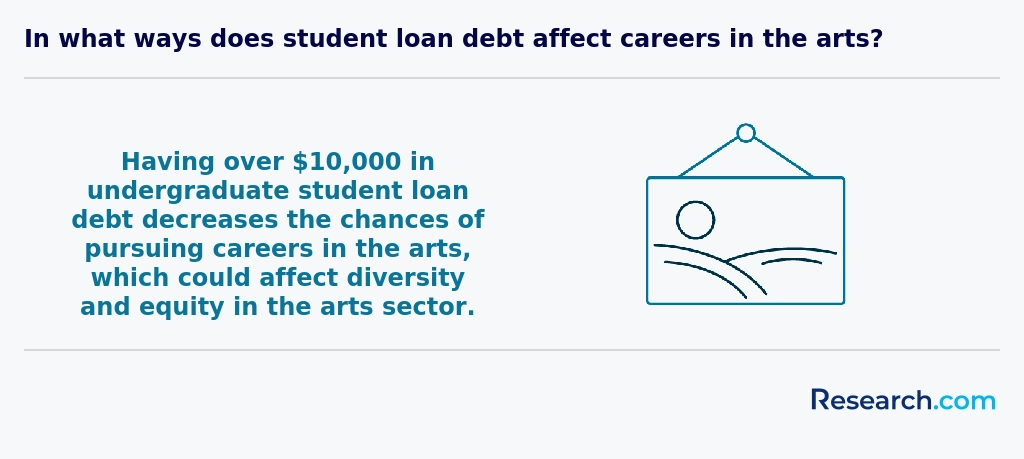
Fine arts degree specializations in Norfolk cater to a range of creative interests, allowing students to tailor their studies for a successful career. Popular concentrations include Studio Art, where graduates gain hands-on skills in drawing, painting, and sculpture, reflecting the diverse artistic environment of Norfolk's colleges. For those interested in digital creativity, Graphic Design offers practical training in typography, web design, and multimedia, preparing students for roles in branding and communication.
Photography and Animation and Multimedia Arts are also prominent, with graduates sharing enthusiasm about mastering both technical and artistic skills like digital editing and interactive media production. These programs often connect students with Norfolk's vibrant cultural scene, enhancing real-world experience. Additionally, Art History and Criticism appeals to students focused on theory and research, opening paths in curation and arts administration. Prospective students benefit from exploring these Norfolk fine arts programs and concentrations to find a specialization that fuels their passion.
To balance your creative journey, it's useful to consider financial support options and the long-term benefits of combining fine arts studies with other interests, such as those offered in the best online master's in reading and literacy programs, which some Norfolk graduates pursue to expand their career versatility.
When choosing the best fine arts degree programs in Norfolk, focus on programs that blend theory with hands-on experiences. Graduates from local universities often highlight how access to state-of-the-art studios and community galleries boosted their creativity and confidence. For example, students at Norfolk's fine arts colleges appreciate faculty mentors who actively work in the arts scene, providing not just guidance but vital industry connections.
Affordability is key when selecting affordable fine arts colleges Norfolk VA offers. Keep in mind tuition aligns with Virginia's averages, but don't overlook extra costs like art supplies, which can exceed $1,000 annually. Graduates recommend exploring financial aid options early and visiting campuses to get a true feel for the environment and available resources.
Additionally, strong career services and networks can open doors after graduation. Many students find success through internships and alumni events that connect them with local galleries and design firms. For those balancing art with other interests, Norfolk also features top-ranked online special education programs as alternative pathways within education-related arts fields.
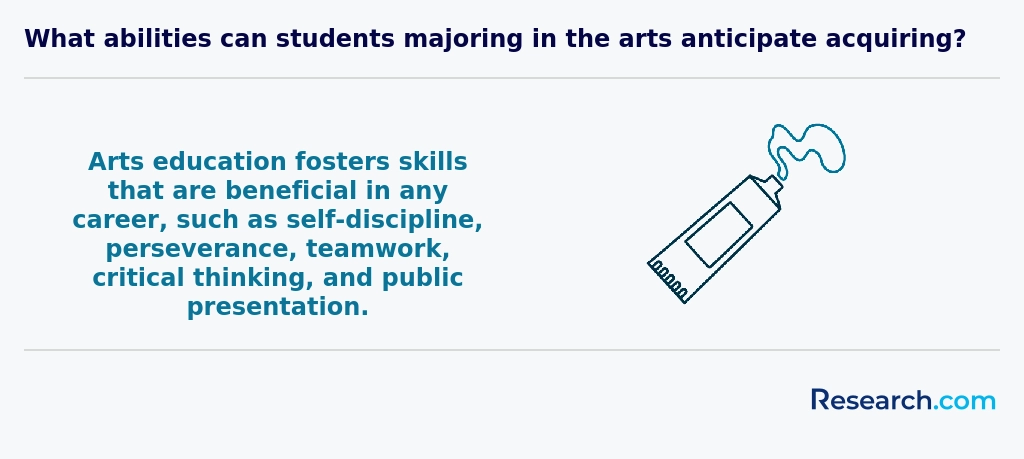
Graduates with a fine arts degree in Norfolk find diverse and fulfilling career paths that blend creativity with practical skills. Many become visual artists, exhibiting paintings or sculptures in local galleries or public spaces supported by Norfolk's thriving arts scene. Others work as graphic designers in advertising or media companies, leveraging technical abilities gained at Norfolk's art colleges to secure dynamic roles. Art educators contribute by teaching in schools or community programs, nurturing new talent through hands-on workshops and classes.
Norfolk fine arts job opportunities also include art therapists who use creative methods to support mental health, and curators or gallery managers who organize exhibitions at institutions like the Chrysler Museum of Art. Graduates from Norfolk's universities appreciate that these roles often come with community connections that open doors to production design for regional theater, film, and television projects. For those seeking salary insights in a different educational track, consider exploring the elementary education degree salary.

The fine arts degree job opportunities Norfolk offers are diverse, extending beyond traditional studio roles. Graduates from local universities often find satisfying careers in graphic design, arts administration, and museum curation. Many report engaging with Norfolk's vibrant arts scene, where community-driven projects and partnerships with cultural institutions provide steady work and valuable networking. For those pursuing a fine arts degree, gaining experience through internships and freelance work is key to standing out in this competitive market.
Norfolk fine arts career outlook 2027 includes growth in creative sectors fueled by the city's active support for public art and cultural programming. Graduates share positive stories of collaborating with organizations like the Chrysler Museum of Art, which helps bridge academic learning with real-world opportunities. Wages vary, so maintaining multiple income streams from teaching or digital media often improves financial stability for fine arts professionals.
To manage educational costs, students consider enrolling at the valuable fine arts school in Virginia with affordable tuition and scholarships designed for creative students. This practical approach maximizes both career prospects and financial resources when pursuing a fine arts degree in Norfolk.
2027 Most Valuable Fine Arts Degree Programs Ranking in Norfolk
Investing in your education is a significant decision that can shape your future, and the Research.com team understands the importance of making informed choices. To assist prospective students interested in fine arts, we have meticulously developed the "2027 Most Valuable Fine Arts Degree Programs Ranking in Norfolk." Our commitment to quality, credibility, and accuracy is demonstrated through rigorous research and thorough analysis underpinning this ranking.
We utilized the following reputable data sources to ensure a comprehensive evaluation of fine arts degree programs:
By exploring this ranking, readers will gain valuable insights to identify the most valuable fine arts programs in Norfolk, enabling informed decisions tailored to their goals. For more details on our methodology, please visit our Research.com methodology page.


Frequently Asked Questions About fine arts
Fine arts degree students in Norfolk can maximize their learning by engaging actively with local museums and galleries, such as the Chrysler Museum of Art. These institutions offer access to diverse collections and occasional workshops, enriching practical knowledge.
Participating in community art projects and exhibitions helps students build portfolios and network professionally. Norfolk also hosts various arts festivals where emerging talents display their work, providing valuable exposure.
Collaborating with faculty on research or creative projects enhances critical thinking and technical skills. In addition, students should seek internships with local studios or cultural organizations to gain real-world experience.
According to the National Endowment for the Arts, students involved in practical experiences demonstrate higher employment rates post-graduation, emphasizing the importance of active engagement throughout their studies.
Emerging niches within the fine arts field reflect evolving technologies and expanding career opportunities. In Norfolk, students increasingly explore digital arts, including animation and virtual reality, which combine traditional artistic skills with cutting-edge software. According to the 2023 Virginia Workforce Report, job growth in digital media within the Hampton Roads region is expected to increase by 12% over the next five years.
Another growing area is arts management, where graduates support cultural institutions and museums, a sector significant in Norfolk due to its rich history and vibrant arts scene. Additionally, socially engaged art practices that focus on community collaboration are gaining prominence.
These niches offer fine arts students diverse pathways beyond conventional studio work, addressing both creative and professional market demands.
After completing a fine arts degree in Norfolk, it is important to develop a strong portfolio showcasing your best work. Employers and galleries often prioritize practical experience and creative diversity. Engaging in internships at local art institutions or studios can provide valuable hands-on experience and networking opportunities. According to the National Endowment for the Arts, artist employment in Virginia, including Norfolk, grew by 3.5% from 2019 to 2022. Additionally, joining professional organizations such as the Virginia Museum of Fine Arts Guild can help expand your contacts. Learning digital arts skills is increasingly vital for adapting to today's job market in fine arts.
Employers in Norfolk prioritize a combination of creative and technical skills when hiring fine arts graduates. Strong proficiency in traditional art techniques, such as drawing and painting, remains essential, alongside digital skills like graphic design and multimedia production. According to the National Endowment for the Arts, nearly 60% of fine arts employers value adaptability and innovation highly.
Communication skills are also critical, as artists often collaborate with clients or teams. In Norfolk, the growing cultural sector emphasizes project management and interpersonal skills, enabling graduates to navigate gallery exhibitions and public art projects effectively. Employers seek versatility combined with a professional portfolio demonstrating a wide range of competencies.
Finding internships in Norfolk related to a fine arts degree involves leveraging both local institutions and broader networks. Norfolk is home to institutions like Old Dominion University, which frequently posts internship opportunities connected to their fine arts programs. Students can also explore partnerships with local art galleries, museums such as the Chrysler Museum of Art, and community arts organizations that offer practical experience.
Additionally, checking city arts councils and nonprofit organizations can uncover unpaid or paid internships. Online platforms like Handshake or the National Art Education Association's job board may list relevant openings. Networking at local art events and exhibitions is essential-nearly 30% of Norfolk fine arts interns secure positions through personal contacts, according to a 2023 survey by the Virginia Arts Commission.
A fine arts degree in Norfolk can significantly enhance career mobility and advancement within the region's creative industries. Graduates often find opportunities in local galleries, museums, and design firms, which prioritize candidates with formal arts education. According to the National Endowment for the Arts, artists with degrees have a 15% higher employment rate nationwide, a trend reflected in Norfolk's growing cultural sector.
Furthermore, a fine arts degree cultivates critical skills such as creativity, project management, and digital proficiency, all valued by employers beyond traditional art roles. This versatility allows graduates to pivot into education, marketing, or media careers in Norfolk.
Emerging partnerships between Norfolk institutions and local businesses provide internship and networking opportunities, supporting upward mobility for degree holders. Therefore, obtaining a fine arts degree in Norfolk not just furthers artistic development but also opens pathways to diverse professional growth.
Studying for a fine arts degree in Norfolk equips students with diverse skills particularly suited for interdisciplinary roles. Local programs emphasize collaboration across media, combining traditional art techniques with digital design, technology, and communication studies. This approach aligns with employment trends showing creative jobs increasingly demand versatility.
Norfolk's institutions often partner with tech firms and cultural organizations, providing students real-world project experience. According to the National Endowment for the Arts, around 35% of arts graduates in Virginia engage in multidisciplinary careers, reflecting the area's focus on adaptable skill sets.
Courses commonly include critical thinking, visual storytelling, and multimedia production-all essential for careers blending arts with business, education, or digital media sectors.
When choosing between a thesis and a non-thesis fine arts degree program in Norfolk, consider your career goals first. A thesis program typically involves original research or a substantial creative project, which may suit students aiming for academic or research careers. Non-thesis programs focus more on practical skills and coursework, appealing to those seeking to enter the creative workforce quickly.
According to recent data from the National Center for Education Statistics, about 40% of Norfolk fine arts graduates pursue graduate studies where a thesis is often required. Meanwhile, non-thesis programs may allow faster completion, with an average of two to three years reported by regional colleges.
Evaluate available resources at Norfolk institutions; thesis options often require faculty mentorship and access to research facilities. Non-thesis paths may emphasize internships and portfolio development, important for local art markets. Understanding these factors helps ensure the program matches your personal and professional needs.
Students based in Norfolk who wish to study fine arts abroad have several pathways through U.S. higher education exchange programs and partnerships. Many universities in Norfolk, such as Old Dominion University, offer study abroad opportunities in countries renowned for their arts heritage, including Italy and France. These programs typically last a semester or a full academic year, allowing students to earn credits toward their fine arts degree at home.
According to the Institute of International Education, about 15% of U.S. students who study abroad pursue majors in arts and humanities, reflecting a growing interest in global fine arts exposure.
Students should explore programs accredited by the National Association of Schools of Art and Design (NASAD) to ensure quality and credit transferability.
Students pursuing fine arts degrees in Norfolk can benefit from various part-time job opportunities that enhance their education and skills. Local art galleries often seek assistants to help with exhibitions and sales, providing valuable industry experience. Norfolk's vibrant arts community, including venues like the Chrysler Museum of Art, offers internships and event staff positions that support professional networking and portfolio building.
Additionally, many students find roles in local art supply stores or community centers, where they can engage directly with materials and art education programs. According to the Norfolk Economic Development office, part-time arts-related jobs have increased by 8% over the past five years, reflecting a growing market for creative skills.
Fine arts students in Norfolk benefit from a variety of networking opportunities that support their academic and professional growth. Local institutions such as Old Dominion University offer art exhibitions and workshops where students can interact with established artists and faculty. Additionally, Norfolk's vibrant arts community hosts gallery openings and art walks, providing informal settings for students to connect with peers and industry professionals.
Organizations like the Chrysler Museum of Art frequently collaborate with educational programs, offering internships and artist talks that enhance networking. According to the Virginia Commission for the Arts, these events contribute significantly to students' career readiness in the local fine arts sector.
Alumni networks play a vital role for fine arts degree students in Norfolk by providing valuable professional connections. Graduates of Norfolk's institutions often join these networks, which offer opportunities for mentorship and career guidance. According to the National Association of Colleges and Employers, 85% of jobs are filled via networking, highlighting the importance of these connections.
In Norfolk, alumni networks help students access local galleries, studios, and arts organizations. This access often leads to internships and exhibitions-key steps for building a career in fine arts. Additionally, alumni events and online platforms foster collaboration and knowledge-sharing among artists.
For students, participating actively in alumni networks can improve job prospects and expand their understanding of the regional art market, essential in Norfolk's dynamic arts community.
Customizing a fine arts degree program in Norfolk allows students to align their education with specific career goals. Many local institutions offer flexible curricula where you can choose specialized courses such as digital media, painting, sculpture, or art history. Norfolk's colleges often provide opportunities for internships and community art projects, essential for building practical experience and professional networks.
Students can also select electives or minors that complement their main focus, such as marketing or business, to prepare for varied job markets. According to the National Center for Education Statistics, tailoring coursework improves employment prospects for arts graduates nationwide.
Fine arts students in Norfolk face several common challenges that can impact their academic and professional journeys. One major issue is funding; art supplies, studio space, and exhibition costs often exceed typical student budgets. According to the National Endowment for the Arts, about 42% of art students nationwide report financial stress related to these expenses, which is reflected in Norfolk's community as well.
Access to local internship opportunities in Norfolk can also be limited, as the fine arts sector is smaller compared to larger metropolitan areas. This affects practical experience and networking possibilities.
Additionally, students often struggle with balancing creative development and meeting academic requirements, sometimes finding standardized curricula restrictive to artistic expression.
Graduates with a fine arts degree in Norfolk can pursue several professional certifications to enhance their careers. One common option is becoming a Certified Art Therapist through the Art Therapy Credentials Board, which combines art with psychology to support mental health. This certification requires relevant graduate education and clinical experience.
Another valuable credential is the National Art Educator Certification offered by the National Board for Professional Teaching Standards. It is ideal for those aiming to teach art in public schools and can improve job prospects and salary potential.
Additionally, some fine arts graduates pursue certificates in digital media or graphic design to broaden technical skills, supporting careers in Norfolk's growing creative industries. These certifications, available through local institutions or online, supplement artistic expertise with practical abilities.
When applying to fine arts programs in Norfolk, crafting a compelling portfolio is essential. Schools often prioritize visual evidence of your skills, creativity, and unique style. Include varied works such as drawings, paintings, or digital media to showcase versatility.
Focus on writing a clear personal statement that explains your passion for fine arts and how Norfolk's community or specific programs align with your goals. Admission committees appreciate authenticity and clarity.
Research shows that programs in Virginia, including Norfolk, receive thousands of applications annually, making strong recommendations from art instructors valuable in distinguishing candidates.
Be sure to meet all deadlines and follow submission instructions carefully, as competitive programs often reject incomplete applications.
Fine arts careers in the United States, including Norfolk, are increasingly seen through a global lens. Many graduates pursue opportunities that extend beyond local art scenes, engaging with international galleries, exhibitions, and markets. According to the National Endowment for the Arts, about 12% of US artists work primarily outside their home country, reflecting a growing trend of global mobility.
In Norfolk, students benefit from access to diverse cultural institutions such as the Chrysler Museum of Art, fostering connections to worldwide art movements. The US Bureau of Labor Statistics projects 4% employment growth for artists nationwide through 2031, emphasizing steady demand within a globalized economy.
A fine arts degree in Norfolk prepares students to navigate diverse cultural influences and build international networks, vital for thriving in a competitive global marketplace.
Gaining practical experience while studying for a fine arts degree in Norfolk is essential for career readiness. Many local colleges, such as Old Dominion University, offer community-based projects and internships that allow students to apply their skills in real-world settings.
Students can engage with Norfolk's vibrant arts scene by participating in exhibitions at the Creative Alliance or volunteering with the Chrysler Museum of Art. These opportunities help develop portfolios and professional networks.
Additionally, coursework often includes studio classes focused on hands-on creation, complemented by workshops led by practicing artists. According to the National Endowment for the Arts, internships improve job prospects for 65% of fine arts graduates in similar cities.
Choosing the right concentration within a fine arts degree program in Norfolk involves careful consideration of your interests and career goals. Norfolk offers various options, including painting, sculpture, digital media, and graphic design, tailored to different creative strengths. According to the National Center for Education Statistics, nearly 45% of fine arts students nationwide focus on digital arts, reflecting growing industry demand.
Evaluate local programs' faculty expertise and available facilities. For example, Old Dominion University in Norfolk provides specialized studios and technology labs to support certain concentrations. Additionally, consider internships and partnerships with Norfolk's vibrant arts scene, which can enhance practical experience.
Financial aid availability and program length are also important factors to review before making a decision.
- 2027 Most Valuable Fine Arts Degree Programs Ranking in Washington
- 2027 Most Valuable Fine Arts Degree Programs Ranking in Raleigh
- 2027 Most Valuable Fine Arts Degree Programs Ranking in Lynchburg
- 2027 Most Valuable Fine Arts Degree Programs Ranking in Baltimore
- 2027 Most Valuable Fine Arts Degree Programs Ranking in Greensboro
- 2027 Most Valuable Fine Arts Degree Programs Ranking in Brooklyn
- 2027 Most Valuable Fine Arts Degree Programs Ranking in New York
- 2027 Most Valuable Fine Arts Degree Programs Ranking in Pittsburgh
- 2027 Most Valuable Fine Arts Degree Programs Ranking in New Haven
- 2027 Most Valuable Fine Arts Degree Programs Ranking in Ithaca
- Study Fine Arts Abroad – Top Universities & Careers https://thearchinternational.com/fine-arts/
- Create a Niche Market for Your Art in a Sea of Artists https://lorimcnee.com/create-a-niche-market-for-your-art-in-a-sea-of-artists/
- MFA Statement of Purpose: The Artist Statement + Academic Goals Hybrid https://gradpilot.com/news/mfa-statement-of-purpose-artist-statement-guide
- Careers in the Arts: Who Stays and Who Leaves? https://snaaparts.org/findings/reports/careers-in-the-arts-who-stays-and-who-leaves
- Norwich University of the Arts: what it's really like https://www.unifrog.org/know-how/norwich-university-of-the-arts-what-its-really-like
- Programs https://www.nsu.edu/fine-arts/programs
- Tips for beginning a career in the art industry for sixth formers - should you or shouldn't you go to art college? - GB https://www.gabriellabuckingham.com/blog/2018/3/20/tips-for-beginning-a-career-in-the-art-industry-for-sixth-formers
- Fine Arts https://www.wits.ac.za/course-finder/undergraduate/humanities/fine-arts/
- Application writing tips for individual artists https://www.affta.ab.ca/funding/help-and-resources/resources-individual-artists/application-writing-tips-individual-artists
- Bachelor of Arts in Fine Arts and Graphic Design https://catalog.nsu.edu/undergraduate/liberal-arts/visual-performing-arts/fine-arts-graphic-design-ba/


