2027 Most Affordable Engineering Degree Programs Ranking in San Francisco

Co-Founder and Chief Data Scientist
Choosing the right engineering degree program is an important step toward a successful future, especially in a vibrant city like San Francisco. Our article provides a detailed 2027 Most Affordable Engineering Degree Programs Ranking in San Francisco created by the Research.com team of data scientists. This ranking aims to help you make an informed decision based on affordability and quality.
Exploring these options can guide you toward an education that fits your goals and budget. Earning an engineering degree opens doors to rewarding careers, personal growth, and exciting challenges. Dive in to discover which programs offer the best value for your investment.
Key benefits of getting engineering degree in San Francisco
- Salary Potential: Engineering graduates in San Francisco can earn competitive salaries, with electrical engineers making around $117,680 annually, mechanical engineers $105,220, and civil engineers $101,160, offering strong financial rewards for their skills.
- Career Paths: Graduates from local universities, such as San Francisco State University, enjoy diverse roles in industries like technology, construction, and manufacturing, providing exciting opportunities to innovate and grow professionally.
- Online Degree Benefits: Earning an engineering degree online from a reputable San Francisco university allows flexible learning schedules and access to the same career opportunities as traditional degrees, helping students balance education with personal commitments.
- 2027 Most Affordable Engineering Degree Programs Ranking in San Francisco
- What can I expect from engineering degree in San Francisco?
- Where can I work with engineering degree in San Francisco?
What can I expect from engineering degree in San Francisco?
The average cost of an engineering degree in San Francisco varies notably between public and private institutions. Graduates from San Francisco State University often recall managing tuition fees around $8,000 to $10,000 annually for in-state students, which many found reasonable given the quality of ABET-accredited programs they accessed. Conversely, those attending private universities like the University of San Francisco faced significantly higher tuition, sometimes exceeding $45,000 per year, a financial challenge that required careful planning or scholarships.
Students frequently appreciate that despite the higher cost at private schools, the curriculum often integrates hands-on labs, internships, and industry connections, which some graduates felt justified the investment. Public university attendees similarly value affordable tuition combined with access to Silicon Valley's networking opportunities, often leveraging local co-op programs to gain real-world experience without accumulating overwhelming debt.
Overall, prospective students should weigh the immediate financial burden against potential long-term career benefits, recognizing that costs reflect different educational models rather than a simple measure of quality or opportunity.
Where can I work with engineering degree in San Francisco?
Graduates from engineering programs at San Francisco State University or the University of San Francisco often find themselves drawn into the city's thriving tech ecosystem. Many peers secure roles as software developers or hardware engineers within Silicon Valley startups or established tech giants, thriving in fast-paced environments that fuel professional growth and innovation. Yet, it is important to recognize that opportunities don't end there.
Civil engineers from these institutions frequently engage in local infrastructure projects, contributing to urban renewal and sustainable development efforts that shape daily city life. These roles provide a rewarding balance of technical work and public impact, which some graduates find genuinely fulfilling beyond high-tech settings.
Mechanical and aerospace engineering graduates often leverage connections with manufacturing and defense companies nearby. This diversity allows for career flexibility, with positions ranging from robotics design to advanced systems integration. While encouraging, students should be mindful of fluctuating market demands in these sectors.
Moreover, some graduates embrace emerging biotech fields, developing biomedical devices or environmental technologies, reflecting San Francisco's growing commitment to clean energy and healthcare innovation. This range of paths illustrates the varied landscape a local engineering degree opens, inviting students to envision a future aligned with their passions and the city's dynamic economy.
Graduates with engineering degrees from San Francisco universities often see strong earning potential immediately after completing their studies, reflecting the city's vibrant tech ecosystem. For example, mechanical engineers typically earn around $105,220 annually in the area, while electrical engineers fare even better, with mean wages near $117,680. Civil engineers, frequently employed by infrastructure firms, earn about $101,160 per year.
Personal experiences from graduates reveal that salaries can vary based on specialization and practical experience gained during internships or projects. For instance, a graduate from a popular San Francisco college who focused on electrical engineering might start near the $117,000 mark but could quickly move higher with relevant tech industry exposure.
Nevertheless, it's important to consider the high cost of living in San Francisco, which impacts the real value of these salaries. Graduates report that although compensation is competitive, budgeting carefully remains crucial. Pursuing additional certifications or advanced degrees often leads to better offers, aligning with employer preferences in this dynamic job market.
- Tuition at public universities in San Francisco ranges from $7,000 to $10,000 per year for in-state students, while private schools often charge over $45,000 annually.
- Community colleges offer more affordable engineering-related programs, costing about $5,000 per year.
- Starting salaries for early-career engineers in San Francisco are between $80,000 and $95,000, with experienced engineers earning averages of $130,000 or more.
- Engineering jobs in software, electrical, and computer engineering are growing faster than the national average due to high demand in tech, biotech, and clean energy sectors.
- Many programs have partnerships with local businesses and tech companies, providing valuable internships and work experience for students.
- ABET accreditation is important to ensure the quality of engineering programs and help with professional licensure.
Completing an engineering degree in San Francisco typically takes about four years of full-time study, a timeline followed by graduates from institutions like San Francisco State University and the University of San Francisco. Many students find the structured progression-from foundational math and science courses in the early years to hands-on engineering projects later-both challenging and rewarding.
However, this four-year norm isn't universal. Some graduates share how cooperative education programs and internships extended their studies but enriched their learning with critical real-world experience, making the extra time feel worthwhile. Others who attend part-time or transfer credits from community colleges often require more than four years to graduate.
Graduate degrees add complexity: a master's usually needs one to two more years, with part-time options tailored for working professionals. This flexibility reflects the practical realities of balancing study, work, and life in a vibrant city like San Francisco, where engineering students are motivated by both ambition and the dynamic tech environment around them.
Students pursuing engineering degrees in San Francisco quickly notice distinct differences between online and on-campus options. Graduates from University of San Francisco and San Francisco State University often highlight how on-campus programs provide hands-on access to advanced labs and direct interaction with professors, which cultivates teamwork and practical skills vital in local tech firms.
Conversely, those taking online courses appreciate the flexibility to balance work and family while still engaging with rigorous coursework. However, some express missing the spontaneous collaboration common in physical classrooms. For example, a graduate from an online ABET-accredited engineering program described the challenge of coordinating virtual group projects versus the dynamic discussions they experienced on campus.
Tuition in the Bay Area varies widely, but online and on-campus programs tend to align in cost, though some online students pay extra for technology fees or lab kits. In a city where engineering salaries average near $110,000, the decision often hinges on whether a student values immediate networking and hands-on learning or the adaptability of remote study.
The average cost of obtaining an engineering degree in San Francisco presents a mixed picture depending on residency and institution type. For in-state students, the median total cost is around $7,950, offering an accessible path to a coveted degree. Graduates from public universities nearby often recall balancing moderate tuition fees with living expenses, managing to pursue their studies without overwhelming debt. Out-of-state students, however, face considerably higher median totals near $43,880, reflecting the premium placed on non-resident admission and the city's elevated living costs.
Students attending renowned institutions such as those in the University of California system experience a blend of quality education and a higher overall financial commitment. This is especially relevant for those seeking affordable engineering degrees San Francisco 2027 and beyond, where tuition, fees, and living costs converge. Graduates frequently mention how scholarship opportunities and employer tuition assistance helped navigate these costs, making their educational journey feel more rewarding and feasible.
For those interested in finding the cheapest engineering school in california in the region, options like San Francisco State University provide significant savings. Their tuition rates and fees, notably lower than private colleges, contribute to a more manageable total expense while still allowing engagement with the vibrant engineering community in the city. This balance between affordability and quality is key for a successful engineering education in San Francisco.
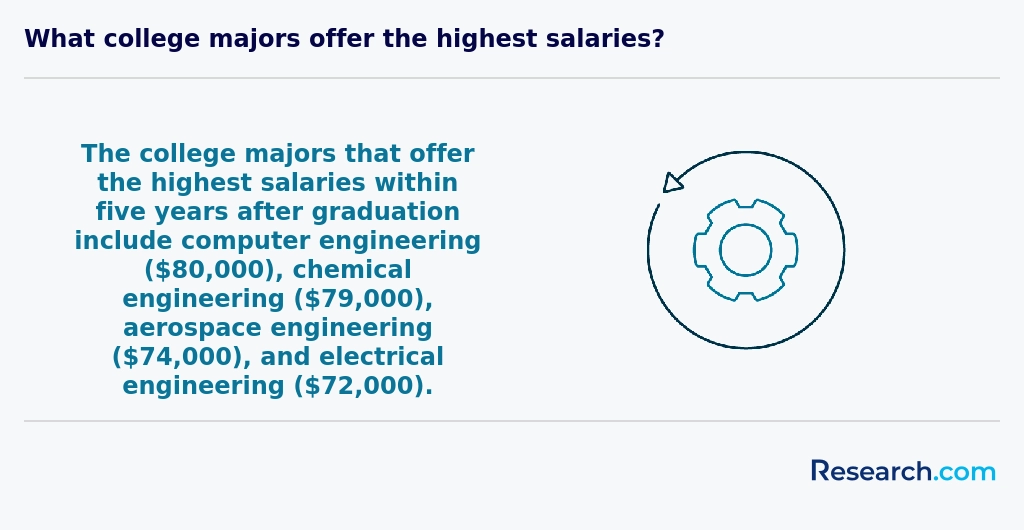
Engineering students in San Francisco often rely on a mix of financial aid sources to manage the cost of their education, which can be substantial given the city's living expenses and tuition fees that range broadly at California public universities. Graduates from schools like San Francisco State University share how completing the FAFSA opened doors to Pell Grants-federal funds that don't require repayment and can cover several thousand dollars annually, easing immediate financial pressures.
For those meeting residency and academic requirements, California's Cal Grant acts as a critical supplement, sometimes covering up to $12,630 for tuition and fees at local institutions. This aid is often the difference between working multiple jobs and focusing more on coursework.
Many students express relief receiving merit-based scholarships from their universities, especially competitive awards from the engineering departments, which have become more accessible through alumni and industry sponsorships.
Additionally, industry-related scholarships from groups such as the Society of Women Engineers provide not just funding but also a supportive network.
Work-study programs are also frequently cited by engineering students as valuable for gaining experience while earning income, blending financial relief with professional growth.
San Francisco’s engineering programs offer a rich and dynamic campus life that goes beyond the classroom. Students are encouraged to engage with a variety of extracurricular clubs, workshops, and networking events that enhance both personal growth and professional development. Many institutions host hackathons, innovation labs, and mentorship programs that allow students to work on collaborative projects, further developing their technical skills and industry connections. In addition, ample resources such as modern libraries, cutting-edge laboratories, and career counseling services play a pivotal role in shaping an enriching academic journey. A vibrant community atmosphere is fostered through student organizations and campus events that celebrate diversity and encourage creative problem-solving, ensuring that each student experiences a well-rounded educational setting. For those particularly looking for cost-effective options without compromising on quality, exploring what constitutes the cheapest engineering school in california can be a great starting point. This blend of academic excellence and supportive campus culture significantly boosts both the educational experience and future career opportunities in the competitive field of engineering.
To enroll in an engineering degree program in San Francisco, students typically need a strong foundation in math and science, which often means completing high school coursework in algebra, geometry, trigonometry, calculus, physics, and chemistry. Graduates from popular local universities like San Francisco State University share how this background helped them confidently tackle early college classes.
Although some programs still consider SAT or ACT scores, many schools now offer test-optional policies, reflecting a growing awareness that standardized tests may not fully capture a student's potential. Students who excel in STEM courses tend to have a competitive edge, with a GPA around 3.0 generally expected. Transcripts, personal statements, and letters of recommendation often play key roles in demonstrating academic readiness and motivation.
Some programs even encourage completing college-level prerequisites such as introductory calculus or physics before full admission. This approach prepares students for the challenging problem-solving that defines engineering fields in a tech-driven city like San Francisco, making the experience both rewarding and motivating.
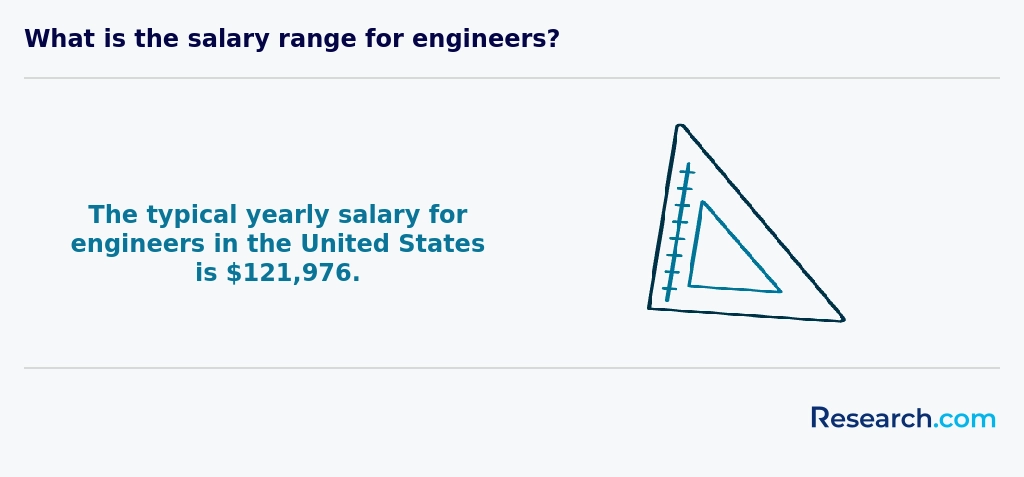
Understanding the true value of an engineering degree requires more than just comparing tuition figures-it hinges on balancing educational costs with long-term earning potential. In San Francisco, where annual tuition for in-state public universities can range from $10,000 to $15,000 and private institutions may exceed $50,000, assessing payback periods and debt‐to‐income ratios is essential for prospective students. On average, graduates with a bachelor’s in engineering from San Francisco institutions report starting salaries between $75,000 and $90,000. When factoring in living expenses-rent, transportation, and supplies-most students break even within five to seven years post-graduation. Comparing your program’s net price and anticipated salary against our [Most Affordable Engineering Degree Programs Ranking in the South](https://research.com/rankings/engineering/most-affordable-engineering-south) can help you pinpoint nuanced cost‐benefit advantages beyond regional norms. To calculate your own ROI: • Estimate total educational debt, including interest, upon graduation. • Compare this figure to median entry-level salaries in your chosen specialization (e.g., mechanical, civil, electrical). • Divide your anticipated annual net income (after taxes and living costs) by your total debt to derive a simplified payback timeline. By rigorously evaluating both sticker price and salary trajectories, you’ll make an informed decision that ensures your engineering degree is not only affordable but also financially rewarding over the long haul.
Engineering degree programs in San Francisco consistently include core courses like calculus, physics, and chemistry, forming the backbone of technical knowledge that graduates repeatedly praise for building their confidence. Students at institutions such as San Francisco State University often find the rigorous math and science groundwork challenging but rewarding when applied to real-world problems in labs or internships.
Beyond foundational courses, programs quickly branch into specialization-specific subjects. For example, graduates from Bay Area colleges recall how electrical engineering courses in circuit analysis and signal processing felt directly relevant during their internships at tech firms, fueling enthusiasm for their chosen field. Meanwhile, mechanical engineering students appreciate deep dives into thermodynamics and materials science for their hands-on labs, which simulate real-life engineering challenges.
Many local programs also emphasize software skills with classes on algorithms and programming languages like Python, reflecting the Bay Area's tech-driven environment. This integration helps graduates feel equipped for competitive job markets, where applying both theoretical concepts and practical skills is essential.
Engineering degree specializations in San Francisco typically cover both established fields and emerging areas, reflecting the city's dynamic tech and infrastructure needs. Graduates from well-known institutions like San Francisco State University often highlight Software Engineering as a dominant track, where students engage deeply with software development projects that prepare them to contribute to Silicon Valley startups or tech giants. This specialization taps into San Francisco's global reputation as a tech epicenter, offering strong employment prospects compared to other regions.
Civil Engineering is another major focus, especially relevant given San Francisco's urban development and seismic challenges. Students frequently mention hands-on opportunities in environmental systems and construction management, skills critical to maintaining the city's infrastructure. Electrical Engineering also draws attention, with many enjoying work on renewable energy initiatives or IoT device design, linking to the broader sustainability goals prevalent in the region. These options illustrate the best engineering majors San Francisco programs present for students balancing tradition and innovation.
Some graduates value specializations in Mechanical or Environmental Engineering for their blend of design, materials science, and a commitment to sustainable solutions-an increasingly vital area given California's strict environmental policies. For students exploring diverse paths, understanding how these disciplines connect to local industries can clarify decisions. Researching college majors and careers helps applicants gauge how their choices align with the city's evolving economy.
Choosing the best engineering degree in San Francisco requires balancing personal goals with practical realities. Graduates from local institutions often highlight the value of programs that blend strong theoretical foundations with hands-on experience, especially through internships linked to Silicon Valley's vibrant tech scene. While top-ranked universities like UC Berkeley attract many because of their reputation in electrical and software engineering, some students prioritize best affordable engineering degrees San Francisco offers, including public schools such as San Francisco State University, which provide quality education without overwhelming debt.
Accreditation, such as ABET, stands out as a non-negotiable factor ensuring a program meets industry standards and supports licensure. However, graduates caution that focusing solely on prestige or cost overlooks opportunities like cooperative education and faculty mentorship, which greatly impact practical skills and job readiness. Evaluating these elements alongside graduation rates and local salary prospects offers a nuanced perspective for decision-making.
Ultimately, exploring less conventional routes, such as enrolling in an open enrollment online college, might appeal to those seeking flexibility without compromising accreditation. Understanding these trade-offs helps align one's education with career ambitions and financial constraints.
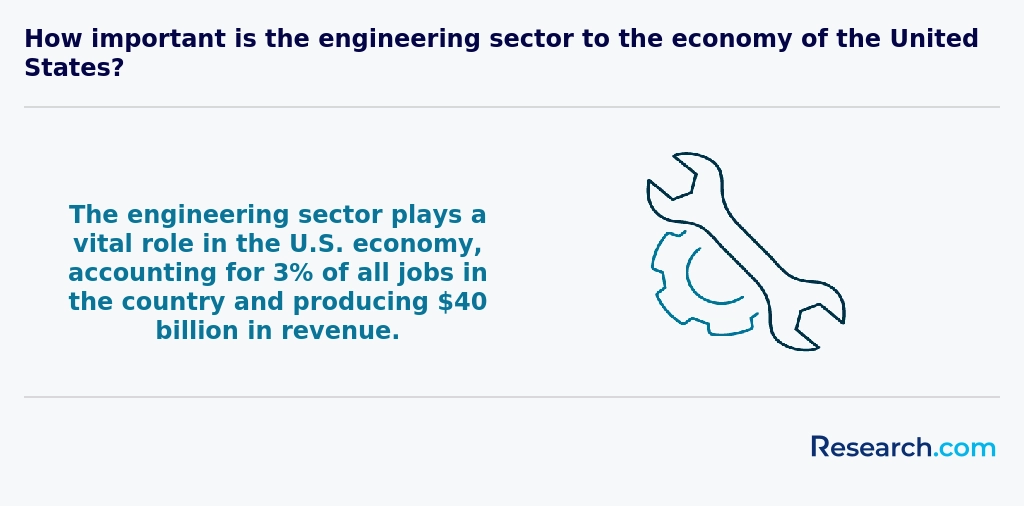
Graduates holding an engineering degree in San Francisco encounter diverse career paths shaped by the city's evolving industries. Many found their footing in software engineering, contributing to product development and AI initiatives at leading firms, which exemplifies rich engineering career opportunities in San Francisco's tech ecosystem. Others, especially from institutions like San Francisco State University or local private colleges, pursued civil or environmental engineering, engaging with urban planning and sustainability projects that reflect the city's commitment to green growth.
However, some graduates recall that breaking into sectors like mechanical or electrical engineering requires persistence due to competitive job markets and specialized skill demands. Despite these challenges, professionals often leverage strong internship networks provided by San Francisco colleges to secure roles spanning manufacturing to clean energy. This dynamic job landscape is mirrored in salary data and the high demand for talent, suggesting that students weighing a degree should consider cost versus opportunity carefully. Those uncertain about financing may explore affordable online associate degree programs as a stepping stone, balancing cost with promising San Francisco engineering degree job prospects.
The engineering job outlook in San Francisco remains strong, buoyed by the city's status as a hub for technology and innovation. Graduates from universities like San Francisco State University often find themselves in competitive positions within software, biotechnology, and renewable energy sectors, thanks to the proximity of industry leaders and startups. Many report feeling optimistic about their career prospects, reflecting a local market that values specialized skills.
However, the high starting salaries come with the reality of a significant cost of living and education. While tuition at public universities can be manageable, some students consider regionally accredited online colleges with no application fee as cost-effective alternatives. Graduates often weigh these educational investments against salary trends, which in San Francisco tend to be higher than the national average but vary by engineering discipline.
San Francisco's dynamic economy offers diverse opportunities, particularly for those who stay current with industry trends and keep close ties to internships. This practical engagement enhances the relevance of their degrees in a competitive landscape.
2027 Most Affordable Engineering Degree Programs Ranking in San Francisco
Investing in your education is a significant decision that can profoundly impact your future, and the Research.com team recognizes the importance of making well-informed choices. To guide prospective students interested in engineering studies, we have diligently developed the "2027 Most Affordable Engineering Degree Programs Ranking in San Francisco." Our dedication to quality, credibility, and accuracy is demonstrated through thorough research and analysis underpinning this ranking.
We utilized the following reputable data sources to ensure a comprehensive evaluation of engineering programs:
By exploring this ranking, readers will gain valuable insights into affordable, high-quality engineering degree programs in San Francisco, empowering them to make informed decisions about their educational investments. For more details about how this ranking was created, please visit our Research.com methodology page.

# 2 position
San Francisco State University
Master of Science in Electrical and Computer Engineering

# 4 position
University of California-San Francisco
Master of Science in Civil Engineering

# 5 position
University of California-San Francisco
Ph.D. in Bioengineering
Frequently Asked Questions About engineering
Engineering students in San Francisco can maximize their learning by engaging with the city's robust tech ecosystem. Internships at leading companies such as Google, Tesla, and smaller innovative startups provide practical experience alongside academic knowledge. According to the National Association of Colleges and Employers, internships increase employment chances by over 60% for engineering graduates.
Students should also leverage resources at local universities like San Francisco State University and University of San Francisco, which offer specialized workshops and networking events. Participating in engineering clubs and competitions helps develop teamwork and problem-solving skills.
Moreover, staying updated on industry trends through professional organizations such as the American Society of Civil Engineers or IEEE supports continuous learning and career growth.
Emerging niches within the engineering field in San Francisco reflect the city's strong focus on innovation and technology. Renewable energy engineering is growing rapidly, driven by California's commitment to reducing carbon emissions and increasing sustainable infrastructure. According to the California Energy Commission, jobs in renewable energy are expected to grow by 15% statewide through 2030.
Another expanding area is artificial intelligence (AI) and machine learning engineering. San Francisco hosts numerous tech startups and established companies investing heavily in AI research and its applications in robotics, healthcare, and autonomous vehicles. The US Bureau of Labor Statistics projects a 19% growth in AI-related engineering roles nationwide by 2030.
Bioengineering also presents significant opportunities, fueled by the proximity to leading biotechnology firms and medical research institutions. According to the National Science Foundation, bioengineering degrees have increased by over 12% in California communities, including the Bay Area, over the past five years.
Cybersecurity engineering is critical, as San Francisco's tech industry prioritizes protecting digital infrastructure. The demand for cybersecurity specialists with engineering backgrounds is expected to grow faster than average through the next decade.
Graduates with engineering degrees in San Francisco should prioritize gaining practical experience to enhance their employability. Internships and co-op programs offered by local tech companies provide valuable on-the-job training, boosting resumes significantly. According to the U.S. Bureau of Labor Statistics, engineering roles in the Bay Area are expected to grow by 8% through 2029, suggesting a competitive but expanding job market.
Networking plays a crucial role; joining professional organizations like the Silicon Valley Engineering Council can connect job seekers with industry leaders. Also, familiarity with software and tools commonly used in regional startups and corporations, such as CAD and programming languages, is essential.
San Francisco's proximity to major technology firms means graduates should leverage campus career services and local job fairs specifically targeting engineering disciplines. Continual skill development through certifications is another effective strategy to stand out in the competitive landscape.
Employers in San Francisco seek engineering graduates who possess strong technical skills combined with practical problem-solving abilities. Key competencies include proficiency in software development, data analysis, and systems design, which are vital in the region's technology-driven economy. According to the National Association of Colleges and Employers (NACE), 85% of employers prioritize teamwork and communication skills, reflecting the collaborative nature of engineering projects in Silicon Valley.
Additionally, adaptability and continuous learning are highly valued due to rapid technological changes. Familiarity with coding languages like Python and Java, as well as knowledge of emerging fields such as artificial intelligence and renewable energy, increase graduate employability. San Francisco's engineering employers increasingly prefer candidates adept in both technical and interpersonal skills.
Finding internships in San Francisco related to an engineering degree involves several strategic steps. Start by utilizing your university's career center, which often partners with local tech companies and startups offering internships to engineering students.
San Francisco hosts a concentration of tech firms, including giants like Google, Apple, and Tesla, which collectively offer thousands of engineering internship positions annually. Websites such as Handshake and LinkedIn are key platforms for discovering these opportunities.
Engaging with professional organizations like the Silicon Valley Engineering Council or attending local industry meetups can also expand your network. According to the National Association of Colleges and Employers (NACE), about 62% of engineering internships in California convert into full-time roles, underscoring the importance of gaining practical experience.
In San Francisco, an engineering degree significantly enhances career mobility and advancement opportunities. The city's tech-driven economy values formal engineering education, with employers often preferring candidates holding a Bachelor's or higher in engineering fields. According to the Bureau of Labor Statistics (2023), engineers in the San Francisco metropolitan area earn a median annual wage of approximately $125,000, notably higher than the national average.
Holding an engineering degree also facilitates access to a vast network of technology firms, startups, and established companies, fostering rapid career progression. Additionally, many local employers support continuous professional development, which can lead to leadership roles faster for degree holders.
San Francisco's strong emphasis on innovation means that engineers with formal education and practical skills often receive priority for promotions and specialized projects, enhancing long-term career growth prospects.
Studying engineering in San Francisco offers students unique access to interdisciplinary learning due to the city's vibrant tech ecosystem. Many programs collaborate with industries in software, biotechnology, and environmental engineering, encouraging students to work across fields. For example, the University of California, Berkeley, nearby, integrates data science and mechanical engineering, preparing graduates for diverse roles.
Engineering programs often emphasize teamwork, communication, and problem-solving in projects spanning multiple disciplines. According to the National Science Foundation, interdisciplinary skills increase employability by over 30% in STEM fields.
San Francisco's numerous startups and established companies provide internships where students apply technical knowledge alongside business and design thinking.
When choosing between a thesis and a non-thesis engineering degree program in San Francisco, consider your career goals and interests. A thesis program typically involves original research and a formal written document, which suits students aiming for advanced research roles or PhD studies.
Non-thesis programs often require coursework and may include a final project or exam, designed for those pursuing professional engineering careers. In San Francisco, institutions like San Francisco State University offer both options, allowing flexibility based on student needs.
The demand for engineering professionals in the Bay Area grew by 8% from 2019 to 2023, according to the U.S. Bureau of Labor Statistics. Students seeking industry employment might prefer non-thesis programs to enter the workforce more quickly.
Evaluate faculty expertise, research facilities, and your time commitment before deciding. Consulting with academic advisors in San Francisco can provide additional guidance tailored to your ambitions and local job market conditions.
Students in San Francisco seeking to study engineering abroad have several options through U.S. universities' international programs. Many local institutions, including San Francisco State University, offer exchange programs with partner schools worldwide. These programs typically last a semester or a year and allow students to earn credits toward their engineering degrees while experiencing global perspectives.
Additionally, students can consider study-abroad opportunities facilitated by organizations like the Institute of International Education, which reported that about 15% of U.S. engineering students participate in such programs. Popular destinations include Canada, Germany, and Singapore, known for strong engineering curricula.
Financial aid and scholarships are often available specifically for study abroad, easing the cost for San Francisco students.
San Francisco offers a variety of part-time job opportunities that complement engineering degree education. Many students find internships or co-op positions in tech firms, startups, and established companies like Tesla, Google, and Facebook, which have offices nearby. According to the Bay Area Council Economic Institute, the technology sector employs over 1.5 million workers, providing ample chances for practical experience.
Roles such as software development assistant, lab technician, or CAD drafter help students apply theoretical knowledge on the job. Freelance coding and tutoring can also supplement income while honing technical skills.
Local universities often partner with businesses, creating campus job openings aligned with engineering curricula. These opportunities improve both technical abilities and professional networking, crucial for career advancement in this competitive region.
Engineering students in San Francisco benefit from rich networking opportunities due to the city's status as a global technology hub. Numerous professional organizations, such as the Silicon Valley Engineering Council and the Society of Women Engineers, hold regular events that connect students with industry leaders.
Local universities often collaborate with tech companies, offering students internships and mentorship programs. According to the National Association of Colleges and Employers, 72% of engineering students in the Bay Area secure internships before graduating, boosting their professional networks.
Additionally, annual conferences like the Grace Hopper Celebration and local meetups provide valuable chances to meet peers and recruiters. These platforms allow students to engage directly with startups and Fortune 500 firms headquartered in the region.
Alumni networks play a crucial role for engineering students in San Francisco by providing valuable professional connections. Graduates from local institutions often stay active in these networks, helping current students access internships and job opportunities in the Bay Area's competitive tech industry. According to the National Association of Colleges and Employers, 80% of jobs are obtained through networking, making alumni contacts particularly important.
Many San Francisco engineering schools host alumni mentoring programs, which offer guidance on career paths and industry trends. These connections often result in collaborative projects and research partnerships, enhancing students' practical skills and employment prospects.
Customizing an engineering degree program in San Francisco allows students to align their education with specific career objectives. Many universities offer flexible curricula where students can choose electives focused on key San Francisco industries like technology, renewable energy, or biotechnology.
Students should explore programs that provide internship opportunities with local companies, as San Francisco hosts numerous engineering firms. According to the National Center for Education Statistics, practical experience enhances employability by 20%.
Additionally, engaging in interdisciplinary courses combining engineering with business or data science can prepare graduates for leadership roles. Tailoring research projects and capstone assignments toward emerging local technologies is also common.
Consulting academic advisors and departmental resources can help identify relevant courses and experiential learning options within the city's academic institutions.
Engineering students in San Francisco face several challenges unique to the region. The high cost of living is a primary concern. According to the U.S. Bureau of Labor Statistics, the San Francisco area has one of the highest average rents in the nation, which can strain student budgets significantly.
Another challenge is the competitive job market. While Silicon Valley offers many internships and job opportunities, students often compete with top graduates from prestigious universities across the country.
Additionally, balancing rigorous coursework with networking and professional development demands time management skills.
Access to affordable housing and transportation can also impact students' overall experience and success.
With an engineering degree in San Francisco, several professional certifications can enhance career opportunities and credibility. The most recognized certification is the Professional Engineer (PE) license, which requires passing the Fundamentals of Engineering (FE) exam followed by gaining relevant work experience and passing the PE exam. This license is crucial for roles involving public safety and engineering design approvals.
Other certifications include Certified Manufacturing Engineer (CMfgE) and Project Management Professional (PMP), valuable for engineers working in technology and management sectors common in the Bay Area. According to the National Society of Professional Engineers, obtaining a PE license can increase salary prospects by 10-20% nationally.
To write a winning application for an engineering program in San Francisco, begin by highlighting your academic achievements, especially in math and science courses. Programs here often look for strong GPA and relevant coursework. Include standardized test scores if required, although many schools have test-optional policies since 2020.
Effective application essays should clearly explain your motivation for engineering and connection to San Francisco's tech-driven economy, referencing major local industries like software and biotech. Demonstrate practical experience through internships or projects when possible, as hands-on skills are valued.
Letters of recommendation from teachers or professionals who know your technical abilities can strengthen your profile. According to College Board data, emphasizing your problem-solving skills and teamwork aligns well with San Francisco's competitive engineering programs. Checking specific school requirements and deadlines is essential.
Engineering careers in San Francisco are influenced by a global demand for innovation and technology development. The U.S. Bureau of Labor Statistics projects a 4% employment growth for engineers nationally from 2022 to 2032, with the Bay Area experiencing even stronger demand due to its tech ecosystem. Globally, engineering skills are highly transferable, allowing professionals to work across diverse markets and industries.
The city's proximity to Silicon Valley provides access to leading companies in software, biotech, and clean energy, making it a hub for cutting-edge engineering work. According to the National Science Foundation, the U.S. awards over 120,000 engineering degrees annually, with California producing a significant share.
In an interconnected world, San Francisco engineers often collaborate on international projects, reflecting global priorities like sustainability and digital infrastructure. This enhances career opportunities and encourages continuous learning to meet evolving technological challenges.
Gaining practical experience while studying for an engineering degree in San Francisco is key to career success. Many local universities, such as San Francisco State University and University of San Francisco, offer cooperative education (co-op) programs that integrate paid, real-world work experiences with academic study. According to the National Association of Colleges and Employers, approximately 65% of engineering students secure internships before graduation, significantly boosting employability.
The San Francisco Bay Area is home to numerous tech companies and startups, providing abundant internship opportunities. Participating in these internships allows students to apply theoretical knowledge in real projects, develop professional networks, and improve technical skills. Additionally, students can engage in hands-on research projects or engineering clubs on campus to gain practical exposure.
Choosing the right concentration within an engineering degree program in San Francisco starts with understanding your interests and career goals. The city's strong tech presence encourages specializations like software, electrical, and biomedical engineering, which are rapidly growing fields locally. According to the U.S. Bureau of Labor Statistics, software engineering jobs in the San Francisco metro area are expected to grow by 22% through 2030, highlighting demand for expertise in this area.
Next, evaluate the specific curriculum offered by universities and colleges, noting available labs, research opportunities, and industry partnerships. San Francisco State University and University of San Francisco provide concentrations aligned with local industry needs.
Lastly, consider internship and employment prospects in the Bay Area, given its competitive job market and high salary potential for engineers.
- 2027 Most Affordable Engineering Degree Programs Ranking in Berkeley
- 2027 Most Affordable Engineering Degree Programs Ranking in Santa Clara
- 2027 Most Affordable Engineering Degree Programs Ranking in Santa Cruz
- 2027 Most Affordable Engineering Degree Programs Ranking in Davis
- 2027 Most Affordable Engineering Degree Programs Ranking in Santa Barbara
- 2027 Most Affordable Engineering Degree Programs Ranking in Pasadena
- 2027 Most Affordable Engineering Degree Programs Ranking in Los Angeles
- 2027 Most Affordable Engineering Degree Programs Ranking in Claremont
- 2027 Most Affordable Engineering Degree Programs Ranking in Irvine
- 2027 Most Affordable Engineering Degree Programs Ranking in La Jolla
See What Experts Have To Say About Studying Engineering
Read our interview with Engineering experts

Jasna Jankovic
Engineering Expert
Associate Professor
University of Connecticut


Bohdan W. Oppenheim
Engineering Expert
Professor Emeritus of Healthcare Systems Engineering
Loyola Marymount University

- targetjobs https://targetjobs.co.uk/careers-advice/engineering/what-skills-do-engineering-employers-look
- Top 5 Demanding Engineering Fields in 2025: Future-Proof Your Career - MEC https://mailamengg.ac.in/top-5-demanding-engineering-fields-2025/
- 6+ Engineering Cover Letter Examples (with In-Depth Guidance) https://www.tealhq.com/cover-letter-examples/engineering
- Interdisciplinary Engineering Education: Difficult, but not Impossible https://engineeringedu.press/2020/02/16/interdisciplinary-engineering-education-difficult-but-not-impossible/
- Engineering Study Abroad Programs | Go Overseas https://www.gooverseas.com/study-abroad/engineering
- The engineering career mobility report: Who gets promoted? https://www.signalfire.com/blog/engineering-career-trends-pt1
- Financial Aid for Engineering School | All Engineering Schools https://www.allengineeringschools.com/engineering-careers/article/financial-aid/
- Get experience in engineering with an internship https://gradireland.com/careers-advice/engineering/get-experience-engineering-internship
- Tuition Scholarships and Financial Aid https://www.sfbu.edu/financial-support/tuition-scholarships-and-financial-aid
- Challenges, difficulties and barriers for engineering higher education https://www.jotse.org/index.php/jotse/article/view/1696/645