
2027 Most Affordable Engineering Degree Programs Ranking in Pasadena

Co-Founder and Chief Data Scientist
Choosing the right engineering degree is a big step toward a successful future. For students in Pasadena, finding affordable programs without sacrificing quality can be challenging.
This article features the 2027 Most Affordable Engineering Degree Programs Ranking in Pasadena, created by the Research.com team of data scientists. It's designed to help you make an informed decision by highlighting programs that balance cost and value.
Explore options that align with your goals and enjoy the benefits of an engineering career. Your future starts here.
Key benefits of getting engineering degree in Pasadena
- Engineering graduates in Pasadena can expect competitive salaries, with Mechanical Engineers earning around $105,220 annually and Electrical Engineers making about $117,680, reflecting strong financial rewards in the field.
- Graduates have diverse career paths, from civil engineering projects shaping Pasadena's infrastructure to industrial engineering roles optimizing local manufacturing and business processes, offering exciting opportunities.
- Online engineering degrees provide flexible learning schedules and access to Pasadena's top schools, helping students balance work and study while opening doors to innovative tech careers without relocating.
- 2027 Most Affordable Engineering Degree Programs Ranking in Pasadena
- What can I expect from engineering degree in Pasadena?
- Where can I work with engineering degree in Pasadena?
What can I expect from engineering degree in Pasadena?
The average cost of an engineering degree in Pasadena varies widely depending on the type of institution chosen. Graduates from local community colleges often highlight how affordable their first two years were, sometimes under $5,000 annually, which helped them transfer to four-year universities without overwhelming debt. In contrast, attending Pasadena's notable universities for engineering can come with tuition fees upwards of $20,000 per year, though many students report that scholarships and financial aid geared toward STEM fields significantly ease this burden.
Students frequently share how balancing part-time work and internships, especially with Pasadena's proximity to aerospace and tech firms, not only offsets costs but also enhances practical learning. Some graduates emphasize that while public institutions offer financial relief, private universities provide cutting-edge research opportunities that justify their steeper costs. Ultimately, while the sticker price may seem daunting, many find that Pasadena's diverse educational landscape and targeted financial support make an engineering degree an attainable and rewarding investment.
Where can I work with engineering degree in Pasadena?
Engineering graduates in Pasadena often find themselves working in the aerospace sector, thanks to prominent employers like the Jet Propulsion Laboratory linked to Caltech. Many graduates recall the excitement of collaborating on real-world projects involving spacecraft or satellite design, which fuels a sense of purpose and achievement. However, while aerospace offers high salaries and specialized roles, it also demands rigorous technical expertise and adaptability to rapid innovation.
Others from local institutions such as Pasadena City College or Caltech have pursued careers in tech startups or established companies in the Silicon Beach area, engaging in software, systems, or hardware engineering. Graduates often describe the dynamic, fast-paced work environment that fosters creativity but also requires continuous learning to keep up with evolving technologies.
Research roles at Caltech and affiliated labs provide opportunities to contribute to cutting-edge fields like environmental engineering or nanotechnology, appealing to those who thrive on intellectual challenge and innovation. Meanwhile, some choose civil or environmental engineering paths tied to Pasadena's urban development projects, experiencing the satisfaction of shaping sustainable communities firsthand.
In sum, while employment opportunities in Pasadena's engineering landscape are diverse and promising, each path involves distinct challenges and rewards shaped by the city's unique mix of industries and institutions.
Graduates with engineering degrees from Pasadena's top institutions, such as Caltech, often find themselves earning competitive salaries compared to national averages. For example, mechanical engineers in the city enjoy average annual wages around $105,220, which aligns well with the U.S. Bureau of Labor Statistics data. Electrical engineers fare even better, with mean salaries close to $117,680, reflecting Pasadena's strong presence in tech and aerospace sectors.
These figures resonate with many recent graduates who share experiences of starting salaries between $65,000 and $75,000, increasing as they gain specialized skills or pursue advanced degrees. Civil engineering graduates report typical earnings near $101,160 annually, often appreciating a balance between rewarding work and steady income. Industrial engineering roles also offer solid compensation, averaging about $103,150 per year, which appeals to those interested in optimizing systems at Pasadena's numerous innovative companies.
While individual salaries vary by discipline and experience, the city's rich network of research institutions and industry ties tends to boost earning potential. This dynamic makes Pasadena an exciting place for aspiring engineers looking to turn their education into meaningful, well-paid careers.
- Public universities in Pasadena charge between $10,000 and $15,000 per year for in-state engineering students, while private schools can cost over $40,000 annually.
- Early-career engineers in Pasadena earn between $70,000 and $85,000, with experienced engineers making $100,000 to $130,000 or more.
- The local job market is strong, especially in aerospace, technology, and infrastructure, with electrical and software engineering expected to grow faster than average.
- Admissions typically require a competitive GPA and specific prerequisite courses, and many schools offer internship or co-op programs for practical experience.
- Graduates benefit from active industry networks and alumni connections that support job opportunities both locally and nationally.
Completing an engineering degree in Pasadena typically takes about four years for full-time students, especially at institutions like Caltech or Pasadena City College. Graduates often reflect on this timeline as both challenging and rewarding, supported by a well-structured curriculum that balances general education with specialized engineering courses. However, actual timeframes can shift based on individual choices, such as enrolling part-time or participating in internships, which some find invaluable despite potentially extending the degree duration.
A graduate who balanced a co-op program shared how the hands-on experience enriched their learning and confidence, even if it meant taking an extra semester. Others, starting with transfer credits or AP classes, found opportunities to accelerate their studies, finishing sooner than expected.
Pasadena's diverse educational offerings create a flexible environment where students can tailor their pace. These nuanced pathways suggest that while four years is the norm, personal strategy and circumstances significantly influence how long it truly takes to earn an engineering degree here.
Online and on-campus engineering degrees in Pasadena differ notably in how education is delivered and experienced. Graduates from Caltech often emphasize the value of direct, hands-on access to laboratories and cutting-edge equipment that on-campus programs provide. This face-to-face interaction with professors and peers fosters a collaborative environment essential for mastering complex engineering concepts. Conversely, online students appreciate the flexibility to balance work and study, especially those unable to relocate. They rely heavily on virtual labs and simulations, which, while innovative, may not fully replicate the tactile learning crucial in fields like mechanical or civil engineering.
Pasadena-based students express mixed feelings about cost and convenience. On-campus tuition at private institutions can be steep, but living nearby eliminates commuting stress. Online students save on housing and travel but may miss networking opportunities vital in local industries favoring practical experience. Ultimately, both paths offer accredited education, yet the choice impacts daily life, learning style, and career preparation in Pasadena's engineering landscape.
The average cost of an engineering degree in Pasadena varies significantly depending on where you study, highlighting the importance of considering your options thoughtfully. Students pursuing an engineering degree at Caltech face tuition and fees around $63,000 annually, excluding living expenses that can add roughly $20,000 more each year. This is typical of private institutions with cutting-edge programs, where graduates often reflect on the intense but rewarding academic environment that justifies the investment. Meanwhile, Pasadena City College offers a notably affordable alternative for those looking at early coursework or associate degrees, charging about $1,000 annually for residents. This pathway appeals to students who want to keep costs low while building a foundation before transferring to a four-year university.
Across California's public universities, the average cost for an engineering degree typically falls between $15,000 and $25,000 annually for in-state students. Graduates who chose these schools often highlight the balanced mix of quality education and manageable expenses, especially when budgeting for living costs and supplies. Understanding the average cost of engineering degree in Pasadena is crucial, especially given how much living expenses and study materials can increase overall costs by 30% to 50%.
For students concerned about finances, exploring financial aid or scholarships is essential, as many find substantial relief through these opportunities. Moreover, some opt for simple degree programs to keep their investment practical while still pursuing their engineering ambitions in Pasadena's diverse academic landscape.
Engineering students in Pasadena often rely on a combination of federal, state, and local financial aid to manage the significant costs associated with their programs. For example, graduates from Caltech or Pasadena City College recall how completing the FAFSA opened doors to Pell Grants, providing up to $7,395 annually and easing their financial stress during tough semesters. However, it's important to note that these grants primarily support low-income students, meaning others might need to seek additional aid.
State programs like the Cal Grant are a game-changer for many California residents enrolled locally. Graduates mention how Cal Grant's tuition reduction at UCLA Extension and private Pasadena institutions helped them stay enrolled without accumulating heavy debt. Still, meeting eligibility criteria can be competitive, so planning ahead is crucial.
Local scholarships from organizations such as the Pasadena Engineering Association also play a key role. These awards, often based on merit and community involvement, range from $1,000 to $5,000, and many students find them a rewarding acknowledgment of their efforts beyond academics.
Work-study options at Pasadena campuses provide both income and valuable hands-on experience, though availability varies by semester. Some students appreciate the chance to work in engineering labs, which enhances their resumes while managing expenses.
Finally, while federal and private loans remain accessible, graduates caution that accumulating debt should be a last resort after exhausting grants and scholarships. Thoughtful financial planning and early consultation with financial aid offices can make the difference in enjoying a successful, less stressful engineering education in Pasadena.
Determining the true value of an engineering degree goes beyond tuition costs-it requires an analysis of salary outcomes, employment rates, and payback periods. On average, Pasadena engineering graduates earn between $97,380 (Civil) and $114,050 (Electrical) annually. Assuming a four-year bachelor’s degree at $15,000 per year, the break-even point-when cumulative earnings offset total educational expenses-occurs in roughly 2.5 to 3 years post-graduation. Comparing these figures to national benchmarks reveals Pasadena’s competitiveness. For instance, graduates in the San Jose metro area command mean annual earnings of $140,750, which shortens payback to under two years. However, Pasadena’s lower living costs and proximity to tech hubs still yield a robust ROI. Students should also consider community college transfers, where annual tuition as low as $5,000 can extend the payback period by only an additional 6–12 months while reducing debt significantly. Beyond salary, job placement rates and internship opportunities impact ROI. Pasadena institutions report over 85% placement within six months, aided by partnerships with local aerospace and tech firms. Internships often translate into full-time offers, reducing underemployment risks and enhancing long-term earnings. For a comparative perspective on affordability, explore our Most Affordable Engineering Degree Programs Ranking in District of Columbia. Analyzing cost versus career outcomes empowers you to choose a Pasadena program that maximizes both your learning experience and financial return.
To enroll in an engineering degree program in Pasadena, applicants must meet several key prerequisites that ensure readiness for the challenging coursework ahead. Graduates from local universities often recall beginning with solid foundations in high school mathematics, including algebra, geometry, and notably calculus or precalculus. These subjects are indispensable, as engineering heavily relies on mathematical problem-solving skills.
Laboratory sciences, such as physics and chemistry, also form crucial prerequisites, providing hands-on experience that helps students understand theoretical concepts. Many Pasadena colleges expect satisfactory SAT or ACT scores, especially in the math sections, reflecting genuine academic preparation. Applicants typically submit letters of recommendation, underscoring their dedication and capability from educators familiar with their work.
Some Pasadena engineering programs further request a personal statement to assess a student's passion for engineering and alignment with career goals. Graduates often describe this as an opportunity to reveal their motivation beyond grades. While these requirements might seem demanding, they prepare applicants to thrive in Pasadena's competitive engineering environment, making the initial effort a rewarding step toward a fulfilling career.

Prospective engineering students in Pasadena, CA, not only seek an affordable education but also a vibrant campus life that enriches their academic journey. In addition to state-of-the-art laboratories and dynamic classroom experiences, many schools offer a variety of extracurricular activities such as engineering clubs, innovation challenges, and networking events that foster collaboration and personal growth. Campus facilities often include career centers, mentorship programs, and tech fairs where students interact with industry leaders and local innovators, all of which contribute to an environment that blends rigorous academics with a lively social and professional network. Engaging in these activities enables students to develop practical skills, build lasting relationships, and prepare effectively for the job market-all crucial elements in today’s competitive landscape. For more insights into programs that offer these opportunities while maintaining cost efficiency, explore our list of affordable engineering programs in california, which highlight institutions that strike the perfect balance between quality education and a supportive, vibrant campus community.
Engineering degree programs in Pasadena typically start with rigorous foundational courses in mathematics and sciences. Graduates from institutions like Caltech often recall their early semesters filled with calculus, linear algebra, and physics, which laid the groundwork for complex problem-solving in later years.
Building on this base, students progress to specialized engineering subjects such as statics, dynamics, thermodynamics, fluid mechanics, and circuits. For example, Pasadena City College students frequently mention their engaging hands-on labs in materials science or fluid mechanics that helped them connect theory with real-world applications.
Many programs also incorporate computer programming, data structures, and systems engineering, reflecting the growing importance of technology in the field. Graduates highlight how these classes prepared them for today's tech-driven projects, from designing robotics to working on aerospace challenges near NASA's Jet Propulsion Laboratory.
Pasadena engineering courses often emphasize teamwork and practical experience, with numerous projects and internships integrated into the curriculum. This approach fosters confidence and excitement as students see the direct impact of their learning in tangible outcomes, making their educational journey both challenging and rewarding.
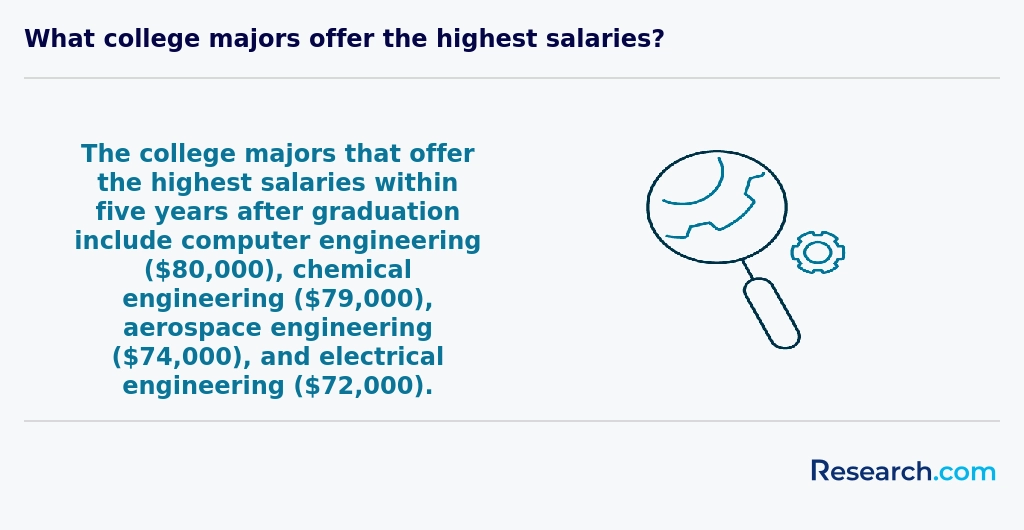
Engineering degrees in Pasadena typically offer a range of specializations reflecting both longstanding fields and areas influenced by the city's unique industry landscape. Graduates from local universities often highlight how mechanical engineering, with its focus on design and manufacturing, prepares them for hands-on work in robotics or automotive sectors that thrive nearby. Electrical engineering attracts students drawn to telecommunications and sustainable energy projects, benefiting from Pasadena's evolving tech scene.
Aerospace engineering stands out due to Pasadena's proximity to major research centers, allowing students to engage with real-world spacecraft and defense technology challenges. Civil engineering remains relevant for those interested in urban development, especially as Pasadena undertakes infrastructure projects fostering sustainable community growth. Meanwhile, environmental engineering appeals to students prioritizing sustainability and resource management.
Students also embrace the rapid growth in computer engineering, blending hardware and software skills essential for careers close to Silicon Valley. For those considering alternative paths, programs sometimes offer an online BSc incomputer science as a complementary or parallel option. Pasadena provides affordable engineering specializations in Pasadena that align well with its industrial context, making these top Pasadena engineering degree concentrations both practical and motivating.
Choosing the best engineering degree in Pasadena often starts with assessing accreditation and specialization. Graduates from well-known Pasadena colleges consistently highlight how ABET accreditation made their degrees valuable during job searches and licensure processes. Yet, it's wise to consider if the program's focus aligns with local industry needs-especially given Pasadena's proximity to aerospace hubs like NASA's Jet Propulsion Laboratory. This real-world connection offers hands-on experience critical for many students.
Cost remains a pragmatic concern. Pasadena schools' tuition varies widely, so identifying the best affordable engineering degrees Pasadena offers can prevent surprises. Many students share how financial aid and scholarships helped them manage expenses beyond tuition, including living costs and lab fees. Exploring work-study programs is also crucial to reduce debt.
Considering post-graduation outcomes is equally important. Graduates often praise Pasadena's strong internship and networking opportunities that boost job placement rates. For those unsure about the value of a specific program, reviewing resources here can offer clarity.
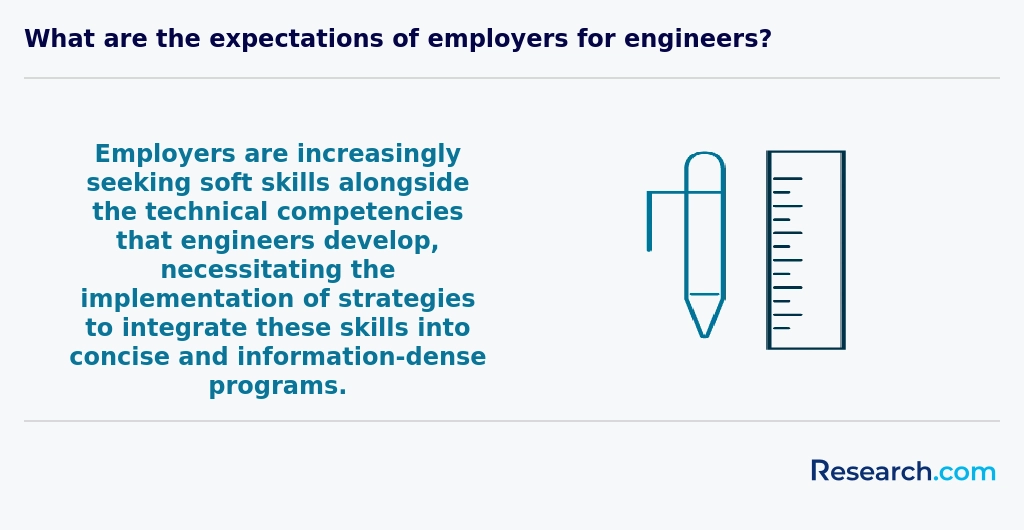
Career paths available for an engineering degree in Pasadena are diverse, reflecting the city's unique blend of industries and technological innovation. Many graduates find opportunities as aerospace engineers, particularly given Pasadena's proximity to NASA's Jet Propulsion Laboratory, which offers real-world experience in space exploration. Others gravitate toward civil engineering roles, working on Southern California infrastructure projects that shape urban living. Software engineering positions are also prominent as the local tech ecosystem grows, attracting graduates versed in computer and systems engineering. Additionally, mechanical and electrical engineering jobs abound in manufacturing, robotics, renewable energy, and communication sectors. Graduates from well-known Pasadena institutions often emphasize how these opportunities enable them to engage directly with cutting-edge projects, a relief from more theoretical programs elsewhere.
Nonetheless, those considering jobs with engineering degree Pasadena should weigh the competitive nature of these fields and the need for continual skill development. While many report satisfaction with their roles, the local market occasionally demands niche specializations. For those concerned about costs, exploring affordable engineering programs in california can provide viable pathways without sacrificing career potential.

Engineering job opportunities in Pasadena remain promising, with sectors like aerospace, IT, and urban infrastructure driving demand. Graduates from Pasadena's well-regarded engineering programs often find themselves employed by local companies such as the Jet Propulsion Laboratory or Raytheon, where innovative projects spark enthusiasm and career growth. However, the market, while strong, is competitive; many graduates emphasize the importance of internships and networking to secure these positions.
Salary expectations typically range from $80,000 to $110,000, which aligns well with the area's living costs and presents an attractive pathway for recent graduates. Many students appreciate how this competitive compensation offsets tuition costs, which average about $15,000 per year in state public universities nearby. Still, some students weigh these expenses carefully and explore financial aid or scholarship options. Those seeking more cost-effective paths might consult the Most Affordable Engineering Degree Programs Ranking in District of Columbia for comparative insights.
Pasadena engineering degree career outlooks suggest a steady 7% growth over the coming decade, reflecting regional investments in technology and infrastructure. Graduates from local colleges often share positive experiences regarding hands-on training and industry connections, which help them navigate this dynamic job market effectively.
2027 Most Affordable Engineering Degree Programs Ranking in Pasadena
Investing in your education is a significant decision that can shape your future, and the Research.com team understands the importance of making informed choices. To assist prospective students in Pasadena, we have meticulously crafted the "2027 Most Affordable Engineering Degree Programs Ranking in Pasadena." Our commitment to quality, credibility, and accuracy is reflected in the extensive research and analysis conducted to compile this ranking.
We utilized the following reputable data sources to ensure a comprehensive evaluation of engineering degree programs:
By exploring this ranking, readers will gain valuable insights into the most affordable engineering degree options in Pasadena, enabling them to make well-informed educational decisions tailored to their financial and academic goals. For more details on our methodology, please visit our Research.com methodology page.

Frequently Asked Questions About engineering
Engineering degree students in Pasadena can enhance their learning experience by actively engaging in hands-on projects and internships. Local institutions such as Caltech and Pasadena City College offer strong industry connections, allowing students to work with nearby tech companies. Collaborating in student organizations and engineering competitions also develops practical skills and teamwork. According to the U.S. Bureau of Labor Statistics, engineering internships increase employment chances by nearly 15%. Using Pasadena's growing tech ecosystem to network can open up opportunities for mentorship and career growth. Additionally, students should take advantage of workshops and tutoring services frequently available on campus to strengthen core subjects.
The engineering field is rapidly evolving, with several emerging niches gaining traction in Pasadena and nationwide. One notable area is renewable energy engineering, driven by California's commitment to clean energy and climate goals. This specialization focuses on solar, wind, and battery technologies, offering promising career prospects.
Another growing niche is biomedical engineering, with Pasadena's proximity to leading research institutions fueling advancements in medical devices and biotechnology. Additionally, aerospace engineering remains strong due to local ties with organizations like NASA's Jet Propulsion Laboratory.
Data science and artificial intelligence engineering are also expanding, reflecting broader industry trends in automation and smart technologies.
Preparing for the job market after completing an engineering degree in Pasadena involves several strategic steps. Pasadena is near major tech hubs like Los Angeles and Silicon Valley, offering diverse career opportunities in aerospace, civil, and software engineering. According to the U.S. Bureau of Labor Statistics, engineering jobs in California are expected to grow by 6% from 2021 to 2031.
Graduates should gain relevant internships during their studies to build practical experience. Networking through local professional organizations, such as the Pasadena Engineering Council, can also be beneficial.
Additionally, earning certifications like the Fundamentals of Engineering (FE) exam strengthens a resume.
Employers in Pasadena highly value engineering graduates who demonstrate strong technical skills, particularly in software proficiency and data analysis. According to the U.S. Bureau of Labor Statistics and Pasadena Economic Reports, expertise in CAD software, programming languages like Python or MATLAB, and familiarity with emerging technologies such as AI and IoT are in demand.
Additionally, problem-solving capabilities and critical thinking rank among the top soft skills sought by local employers. Communication skills are also essential, as engineers often work in interdisciplinary teams and must convey complex ideas clearly.
Pasadena's tech-driven industries particularly emphasize adaptability and continuous learning to keep pace with rapid innovation.
Finding internships in Pasadena relevant to an engineering degree involves several strategic steps. Pasadena is home to technology firms and research institutions like Caltech, which frequently offer internships or co-op programs in engineering fields. Students should utilize their university's career services, as many local employers post engineering internships through these channels.
Additionally, online platforms such as Handshake and LinkedIn list Pasadena-specific opportunities. Joining professional engineering organizations, such as the Pasadena Section of the American Society of Civil Engineers (ASCE), can provide networking events and internship leads.
According to Pasadena's Workforce Development Board, STEM internships in the region have grown by 12% annually, reflecting increasing opportunities for engineering students.
An engineering degree significantly enhances career mobility and advancement opportunities in Pasadena's competitive job market. According to the U.S. Bureau of Labor Statistics, Pasadena's engineering sector has grown over 7% in recent years, driven by industries such as aerospace and technology. Graduates with engineering credentials often access higher starting salaries and benefit from a broad range of job roles, from project management to specialized technical positions.
Employers in Pasadena highly value accredited degrees, which signal competence and readiness for advancing project responsibilities. A report by the Pasadena Economic Development Division notes that professionals with engineering degrees experience a 15% faster promotion rate compared to non-degree holders in similar technical fields.
Additionally, networking through local engineering societies and continued education frequently accelerates career progression, making an engineering degree a key asset in Pasadena's evolving economy.
Studying for an engineering degree in Pasadena offers strong preparation for interdisciplinary roles due to the integration of diverse technical and collaborative skills within local programs. Many Pasadena institutions emphasize project-based learning, where students work on teams involving multiple engineering fields, fostering practical experience in communication and problem-solving beyond a single discipline.
Pasadena's proximity to tech hubs like Pasadena's Jet Propulsion Laboratory encourages partnerships between academia and industry, providing students exposure to real-world challenges requiring cross-disciplinary approaches. According to the National Center for Education Statistics, about 40% of engineering graduates in the region participate in internships or cooperative education, sharpening their versatility.
Additionally, coursework often includes elements of computer science, business, and design, reflecting industry needs for engineers who understand systems holistically. This approach helps graduates navigate roles that combine mechanical, electrical, and software engineering, enhancing employability in dynamic work environments.
Choosing between a thesis and a non-thesis engineering degree program in Pasadena depends on your career goals and time commitment. Thesis programs generally suit students interested in research or pursuing a PhD, as they involve conducting original research and writing a formal thesis under faculty supervision. Non-thesis programs focus more on coursework and practical skills, often appealing to those aiming to enter the workforce sooner or advance professionally without the research component.
According to the Pasadena City College and Caltech course catalogs, thesis options may take an additional semester or two, while non-thesis tracks typically require fewer credits. Consider whether your future employer values research experience or practical project work when deciding.
Students in Pasadena interested in studying engineering abroad have several pathways through U.S. universities that offer international exchange programs. Pasadena is home to institutions like the California Institute of Technology (Caltech), which maintain partnerships with top global universities. These programs allow students to spend a semester or year overseas while earning credits toward their degree.
Additionally, students can apply to U.S. engineering programs with established study-abroad options, including destinations in Europe and Asia, providing exposure to different engineering practices and cultures.
Data from the Institute of International Education shows that engineering is among the top fields for study abroad, with over 20,000 U.S. engineering students going abroad annually, highlighting the popularity and accessibility of these options.
Pasadena offers various part-time job opportunities that effectively complement engineering degree studies. Local technology firms and research institutions often seek interns and assistants for roles in CAD modeling, software testing, and hardware assembly, allowing students to gain practical experience.
Additionally, retail positions at specialized electronics stores provide exposure to engineering-related products and customer problem-solving. Opportunities also exist in tutoring centers, where students can reinforce their knowledge by teaching mathematics or physics to peers.
According to the Pasadena Chamber of Commerce, engineering-related employment in part-time capacities has grown by 8% over the past three years, reflecting an increasing demand for technical skills. These roles help build both practical skills and professional networks while pursuing a degree.
Engineering students in Pasadena have access to numerous networking opportunities that enhance their academic and professional growth. Institutions like the California Institute of Technology (Caltech) offer engineering-focused events, career fairs, and research symposiums where students connect with industry leaders and alumni. Pasadena's proximity to tech hubs and aerospace companies creates additional avenues for internships and mentorships.
Professional organizations such as the Pasadena chapter of the Society of Women Engineers and the Institute of Electrical and Electronics Engineers (IEEE) host regular meetings and workshops. These provide valuable chances to build relationships with peers and experts. According to Pasadena's Economic Development Office, over 500 engineering firms operate locally, increasing opportunities for student engagement.
Alumni networks play a significant role in supporting engineering degree students in Pasadena. These networks connect current students with graduates who have valuable industry experience and insights. According to the National Association of Colleges and Employers, 80% of engineering jobs are filled through networking, highlighting the importance of alumni connections.
In Pasadena, where engineering firms and tech companies are concentrated, alumni often provide mentorship, internship opportunities, and job referrals. They can also share advice on navigating local job markets, which is crucial for career development.
Furthermore, active alumni groups frequently organize workshops and seminars that enhance students' practical skills beyond the classroom.
Customizing your engineering degree in Pasadena to align with career goals begins by selecting a program that offers diverse specializations such as mechanical, electrical, civil, or computer engineering. Many Pasadena institutions allow students to choose electives or concentrate on emerging fields like renewable energy or robotics.
Internships and cooperative education programs are vital since Pasadena hosts numerous engineering firms and tech companies, giving students practical experience and networking opportunities. According to the Pasadena Chamber of Commerce, local internships have grown by 15% over the past five years, enhancing job readiness.
Additionally, students can pursue certificate programs or minor in complementary areas such as business or data analytics to broaden skill sets and increase employability in competitive markets.
Engineering students in Pasadena often face a demanding curriculum that requires strong time management skills. Courses in math, physics, and computer science are challenging, frequently leading to high stress levels. According to the American Society for Engineering Education, about 40% of engineering students nationwide struggle to balance coursework with internships and part-time jobs, a trend seen in Pasadena as well.
Access to affordable resources can also be a hurdle. Many students find textbooks and software expensive, adding financial pressure on top of tuition costs. Furthermore, Pasadena's competitive job market can make securing relevant internships difficult, which is crucial for practical experience.
Lastly, adapting to rapid technological advancements requires continuous learning beyond classroom lectures. Students must stay updated on industry standards and tools to remain competitive after graduation.
With an engineering degree earned in Pasadena, graduates have various professional certifications available to boost their careers. One of the most recognized is the Professional Engineer (PE) license, which permits engineers to sign off on projects and offer services to the public.
To obtain the PE, candidates must pass the Fundamentals of Engineering (FE) exam, complete relevant work experience, then pass the PE exam. The National Society of Professional Engineers (NSPE) reports that licensed engineers often earn significantly higher salaries.
Other options include certifications in specialties like project management, such as the Project Management Professional (PMP), or industry-specific certificates from organizations like the American Society of Civil Engineers (ASCE).
Local Pasadena employers often prefer these certifications for engineering roles, reflecting their importance in the competitive Southern California job market.
Applying to an engineering program in Pasadena requires a clear, focused application that highlights your academic achievements and relevant experiences. Pasadena is home to respected institutions like the California Institute of Technology, which look for strong STEM backgrounds, including high grades in math and science courses. According to the National Center for Education Statistics, engineering programs in the area often expect applicants to submit SAT or ACT scores demonstrating proficiency in quantitative sections.
Include any internships, projects, or volunteer work related to engineering to strengthen your profile. Pasadena's growing tech industry values hands-on experience, so showcasing practical skills is beneficial. Also, carefully crafted personal statements that convey passion for engineering and career goals can set you apart.
Letters of recommendation from science or math teachers or professionals in engineering provide valuable third-party insights into your abilities and commitment. Finally, meet application deadlines and review each school's specific requirements, as Pasadena institutions can vary in their expectations.
The engineering field is recognized globally for its critical role in innovation and infrastructure. In the United States, especially in regions like Pasadena, engineering careers are valued for combining technical skills with problem-solving abilities.
According to the U.S. Bureau of Labor Statistics, engineering jobs are projected to grow by 7% from 2021 to 2031, reflecting steady demand worldwide. Pasadena, with its proximity to numerous tech companies and research institutions such as Caltech, offers unique opportunities for hands-on experience and networking.
Globally, engineers are essential in addressing challenges like sustainability, technology integration, and urban development. American engineering degrees, including those offered in Pasadena colleges, emphasize both theoretical knowledge and practical application, making graduates competitive internationally.
Gaining practical experience while studying for an engineering degree in Pasadena is essential for building skills and improving employability. Many local universities encourage internships by partnering with Pasadena's technology firms and aerospace companies. For example, Caltech and Pasadena City College have strong ties with nearby industries, offering students cooperative education programs.
Additionally, students can join engineering clubs and participate in design competitions to apply classroom knowledge to real-world challenges. Pasadena's engineering students often benefit from research assistant positions, which provide hands-on experience in labs.
According to the National Association of Colleges and Employers, 60% of engineering students who complete internships receive job offers prior to graduation.
Choosing the right concentration within an engineering degree program in Pasadena involves evaluating your interests and local industry demands. Pasadena hosts a variety of engineering disciplines, including mechanical, electrical, and civil engineering, which align with the needs of nearby tech and aerospace companies. According to the U.S. Bureau of Labor Statistics and Pasadena Economic Development reports, aerospace and technology sectors are growing, suggesting strong opportunities in those fields.
Students should consider their strengths in mathematics and sciences, career goals, and internship availability. Local universities often provide data on job placement rates for specific concentrations, helping guide the decision. Exploring course offerings and faculty expertise can also clarify which concentration matches your aspirations.
- 2027 Most Affordable Engineering Degree Programs Ranking in Los Angeles
- 2027 Most Affordable Engineering Degree Programs Ranking in Claremont
- 2027 Most Affordable Engineering Degree Programs Ranking in Irvine
- 2027 Most Affordable Engineering Degree Programs Ranking in Santa Barbara
- 2027 Most Affordable Engineering Degree Programs Ranking in La Jolla
- 2027 Most Affordable Engineering Degree Programs Ranking in San Diego
- 2027 Most Affordable Engineering Degree Programs Ranking in Riverside
- 2027 Most Affordable Engineering Degree Programs Ranking in Santa Clara
- 2027 Most Affordable Engineering Degree Programs Ranking in Santa Cruz
- 2027 Most Affordable Engineering Degree Programs Ranking in Berkeley
See What Experts Have To Say About Studying Engineering
Read our interview with Engineering experts


Bohdan W. Oppenheim
Engineering Expert
Professor Emeritus of Healthcare Systems Engineering
Loyola Marymount University

Joseph Reichenberger
Engineering Expert
Professor of Civil Engineering & Environmental Science
Loyola Marymount University

- The engineering career mobility report: Who gets promoted? https://www.signalfire.com/blog/engineering-career-trends-pt1
- How to Hire Civil Engineers in Pasadena https://www.amtec.co/hire/civil-engineers-in-pasadena
- Study Engineering Abroad: Top Colleges, Costs, & Careers https://www.aeccglobal.com/study-abroad/courses/engineering
- 2026-2027 Academic Catalog https://curriculum.pasadena.edu/academic-programs/engineering/engineering-electrical-engineering-emphasis-as/
- Engineering https://pasadena.edu/academics/divisions/natural-sciences/areas-of-study/engineering.php
- Engineering Students' Challenges And Ways To Overcome Them - Bgi Bhopal https://bgibhopal.com/overcoming-challenges-as-an-engineering-student/
- The Rise of the Niche Engineer https://www.sterling-engineering.com/niche-engineer/
- Art Center College of Design https://www.unipage.net/en/29939/art_center_college_of_design
- targetjobs https://targetjobs.co.uk/careers-advice/engineering/what-skills-do-engineering-employers-look
- How important is College Alumni Networks https://talk.collegeconfidential.com/t/how-important-is-college-alumni-networks/1964579


