2027 Most Affordable Engineering Degree Programs Ranking in Berkeley

Co-Founder and Chief Data Scientist
Choosing the right engineering program can shape your future in exciting ways. If you're a student in Berkeley looking to combine quality education with affordability, this article is here to guide you.
The article features the 2027 Most Affordable Engineering Degree Programs Ranking in Berkeley, created by the Research.com team of data scientists to help you make an informed decision about which programs truly stand out.
Discover options that fit your budget and career goals while exploring the rewarding path of engineering. Your journey starts here with trusted insights.
Key benefits of getting engineering degree in Berkeley
- Salary benefits: Engineering graduates in Berkeley can expect strong earnings, with mean annual wages such as $117,680 for Electrical Engineers and $105,220 for Mechanical Engineers, highlighting lucrative career opportunities.
- Career paths: Graduates from Berkeley often find diverse roles in industries like tech, construction, and manufacturing, allowing flexibility and growth in areas such as civil, industrial, or electrical engineering.
- Online degree advantages: Earning an engineering degree online from a Berkeley institution offers flexibility to balance work and study, often accelerating readiness for job markets while saving on commuting and housing costs.
- 2027 Most Affordable Engineering Degree Programs Ranking in Berkeley
- What can I expect from engineering degree in Berkeley?
- Where can I work with engineering degree in Berkeley?
What can I expect from engineering degree in Berkeley?
The average cost of pursuing an engineering degree in Berkeley, particularly at the University of California, Berkeley's College of Engineering, stands at approximately $17,880 annually for resident undergraduates in the 2023-2024 academic year. Non-resident students should anticipate higher tuition rates, reflecting the premium on California's public flagship institution. Graduates often recall balancing rigorous coursework in mathematics, physics, and specialized engineering fields with the financial commitment required, making available scholarships and work-study programs invaluable in easing this burden.
In addition to tuition, students invest in hands-on laboratory sessions and design projects that simulate real-world engineering challenges, reinforcing both theoretical knowledge and practical skills. The manageable student-to-faculty ratio-about 16:1-creates a supportive academic environment that many graduates highlight as a key factor in their successful studies and eventual career entry.
This blend of quality education, research opportunities, and manageable costs fosters a rewarding experience for engineering students in Berkeley, preparing them well for the competitive job market near Silicon Valley.
Where can I work with engineering degree in Berkeley?
Graduates with an engineering degree from renowned institutions like the University of California, Berkeley, benefit from direct access to Silicon Valley's dynamic job market. Many find rewarding roles in software development, hardware design, biotechnology, and clean energy industries, leveraging the region's cutting-edge technology environment. Several alumni secure internships and early career positions at leading companies such as Tesla, Intel, Google, and Lawrence Berkeley National Laboratory, reflecting strong ties between academic programs and prominent employers.
Engineers here often engage in projects involving renewable energy innovation and artificial intelligence, gaining hands-on experience that fuels career growth and job satisfaction. Moreover, public sector opportunities abound in areas like infrastructure development, environmental planning, and transportation management within Berkeley and the wider Bay Area, offering diverse pathways beyond private industry.
Entrepreneurship also thrives among Berkeley engineering graduates. Many harness their skills to launch start-ups, contributing to one of the nation's most vibrant innovation ecosystems. This blend of corporate and start-up experiences creates an inspiring environment where graduates feel empowered to impact technology and society profoundly.
Graduates holding engineering degrees from institutions like UC Berkeley consistently achieve competitive salaries, reflective of the region's robust technology sector. For example, electrical engineers often start with annual salaries around $117,680, leveraging Berkeley's proximity to Silicon Valley and its extensive tech network.
Mechanical engineers graduate with mean annual wages near $105,220, enabling them to pursue roles in manufacturing or design with strong earning potential. Civil engineers typically begin their careers earning about $101,160 yearly, often contributing to vital infrastructure projects in the Bay Area.
Berkeley engineering alumni report early career salaries that not only surpass national averages but also open doors to rapid professional growth. Many graduates express pride in securing positions within prominent Bay Area companies, benefiting from the university's career services and alumni network.
This financial advantage, combined with Berkeley's specialized programs and regional innovation hub, allows engineering professionals to thrive. While the high cost of living presents challenges, the rewarding salaries and job placement rates provide reassurance to those investing in their education here.
- Berkeley offers engineering programs in electrical, mechanical, civil, and computer engineering with access to advanced research opportunities.
- Four-year tuition for California residents ranges from $40,000 to $50,000, while out-of-state students pay between $130,000 and $150,000.
- Graduate engineering programs have higher tuition but provide more financial aid and research assistantships.
- Starting salaries for engineering graduates range from $70,000 to $90,000 annually, with experienced engineers earning over $120,000.
- Berkeley's location near Silicon Valley provides strong job prospects in software, biotech, clean energy, and hardware industries.
Engineering degrees at UC Berkeley are typically designed to be completed within four years for full-time students pursuing a Bachelor of Science in fields like electrical, mechanical, civil, or computer engineering. This four-year timeline is a realistic goal for many students who follow the recommended course sequence, beginning with core subjects such as mathematics, physics, and chemistry in their early years, and advancing to specialized engineering classes later on.
Graduates often share how adhering to this plan allows them to enter the workforce promptly and with confidence. However, some students experience extended timelines when participating in co-op programs or internships, which may add one or two semesters but enrich their practical experience. Similarly, those opting for double majors or minors might take additional time to complete their studies.
Many students at Berkeley's College of Engineering find academic advising invaluable, helping them stay on track and manage course loads effectively. Balancing these elements can transform a challenging schedule into a rewarding journey, leading to timely graduation and early career opportunities.
Engineering students attending on-campus programs at Berkeley, such as those at UC Berkeley's College of Engineering, often share how immersive lab sessions and direct collaboration with professors enrich their learning experience. Handling specialized equipment firsthand and engaging in real-time teamwork fosters deeper understanding and a sense of community. For example, graduates frequently highlight the value of face-to-face mentorship that helps navigate complex engineering problems efficiently.
Conversely, those pursuing online engineering degrees appreciate the flexibility to balance studies with personal and professional commitments. Online programs typically offer digital coursework and virtual simulations, enabling learners to progress at their own pace without relocating. Graduates often find relief in reduced living costs and the ability to access education while managing family or work responsibilities.
Financially, Berkeley's on-campus tuition reaches approximately $14,000 annually for residents, reflecting extensive facilities and direct faculty engagement. Online programs nationwide vary but generally present a lower overall cost, mainly due to the absence of campus-related expenses while maintaining accredited curricula.
The average cost of an engineering degree in Berkeley reflects distinct differences between in-state and out-of-state students, with the median total cost estimated around $16,347 for residents and approximately $70,399 for non-residents. Graduates from local institutions such as the University of California, Berkeley often recount balancing academic rigor with financial planning, emphasizing the importance of understanding these figures early in their educational journey.
Berkeley's robust engineering programs, while prestigious and resource-rich, come with significant tuition and fees, which contribute heavily to the total cost of engineering degree in Berkeley. Many students highlight that beyond tuition, expenses related to housing, lab materials, and everyday living add layers of financial consideration. Despite this, the experience of learning alongside cutting-edge technology and research leaders in such an innovative environment often justifies the investment emotionally and professionally.
Prospective students also explore various financial support options to manage expenses. Scholarships and grants tailored to engineering disciplines can offer essential relief. For those weighing options for affordability and long-term benefit, reviewing the computer science degree return on investment may provide additional insight into making informed choices related to their education and career paths.
Students who have completed their engineering education in Berkeley frequently describe a rewarding sense of accomplishment that balances the financial challenges. The median costs serve as a realistic guide for those planning their education, with the understanding that investing in a degree from Berkeley can open doors within the tech and engineering sectors nationally and globally.
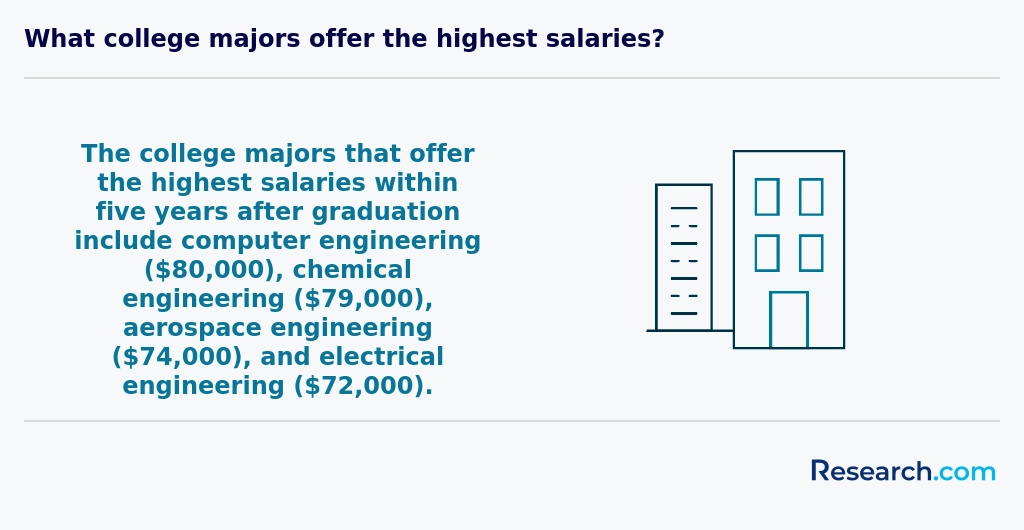
Planning your finances early can make an engineering degree in Berkeley far more manageable. Start by creating a detailed budget that accounts for tuition, housing, textbooks, and daily expenses. Seek out campus resources like used-book exchanges and tool libraries to reduce material costs. Apply for need- and merit-based scholarships offered by UC Berkeley and external foundations; many deadlines fall early in the academic year. Consider part-time on-campus jobs or paid internships to offset living expenses while gaining practical experience. If you’re open to exploring cost-effective alternatives beyond California, compare tuition rates and living costs by checking our Low Cost Engineering Degree Programs Ranking in Denver, CO. Transferring credits from local community colleges or enrolling in accredited online coursework can also lower overall expenses without delaying graduation. Finally, regularly review federal aid options-such as Direct Subsidized Loans-and file the FAFSA as soon as it opens to maximize your eligibility. Implementing these strategies will help you focus on coursework and research rather than financial stress.
Engineering students at the University of California, Berkeley benefit from a variety of financial aid options designed to reduce the burden of tuition and living expenses. For many, completing the Free Application for Federal Student Aid (FAFSA) opens opportunities to receive federal grants like the Pell Grant, which provide essential no-repayment funding for low-income students. In addition, the Cal Grant program supports eligible California residents with awards linked to both financial need and academic merit, easing access to one of Berkeley's most competitive engineering programs.
Graduates often recall how targeted scholarships funded by alumni and industry sponsors played a critical role in their ability to focus on challenging coursework without overwhelming financial stress. Teaching and research assistantships are another valuable resource, providing tuition remission and stipends while allowing students to build hands-on experience within Berkeley's engineering labs and research centers.
Students also appreciate the university's financial counseling services, which guide them in making informed decisions about federal student loans-commonly chosen due to their favorable interest rates and repayment terms. This comprehensive support system reflects Berkeley's commitment to empowering aspiring engineers to succeed both academically and financially.
Enrolling in an engineering degree at the University of California, Berkeley, requires a strong academic foundation focused on mathematics and sciences. Graduates often recall how mastering advanced calculus, physics, and chemistry prepared them for the demanding coursework in Berkeley's College of Engineering. Completing the University of California "A-G" subject requirements is essential, including four years of college-preparatory English, three years of math through Algebra II, and two years of laboratory science. This preparation mirrors the rigorous problem-solving and design challenges faced in classes and labs.
Applicants must also submit standardized test scores if required, though recent admissions cycles have embraced a holistic review process that values extracurricular leadership, personal statements, and overcoming adversity. Transfer students typically demonstrate success in community college STEM courses with a minimum GPA around 3.5, ensuring readiness for Berkeley's curricula. Such thorough preparation not only meets Berkeley's standards but also instills confidence and resilience in aspiring engineers.

Entering an engineering program in Berkeley, CA, can be both exciting and challenging. To thrive academically and professionally, students should focus on cultivating robust study habits, seeking mentorship, and taking advantage of available extracurricular activities. Developing strong time-management skills is essential-balancing lab work, group projects, and internships while staying on top of coursework is key to long-term success. Networking is also crucial; attending industry events, participating in student organizations, and engaging with professors can lead to mentorship opportunities and practical insights into the engineering field. Additionally, prospective students should leverage resources that help identify cost-effective programs, such as our comprehensive guide to most affordable engineering schools in california, that offer quality education combined with value. Embracing innovative learning methods, like collaborative projects and online courses, will enhance technical skills and boost confidence, setting a strong foundation for a prosperous engineering career.
Engineering degree programs at Berkeley, especially within its renowned College of Engineering, integrate a comprehensive range of courses designed to build a solid foundation in mathematics, physics, and chemistry. Graduates often recall the challenge and satisfaction of mastering calculus and differential equations, essential for analytical problem-solving in real engineering contexts.
Core courses delve into engineering fundamentals such as mechanics, thermodynamics, circuits, and materials science. Students frequently engage in rigorous programming classes that prepare them for software applications in engineering fields. Many recall hands-on laboratory sessions where theoretical knowledge meets practice, like assembling circuits or testing materials, which foster teamwork and technical confidence.
Specialization is supported through electives in cutting-edge areas, including artificial intelligence, renewable energy systems, and bioengineering. These options reflect the innovative spirit of Berkeley's programs and the evolving demands of Silicon Valley. Graduates describe this diversity as empowering, allowing them to pursue their specific interests while developing broad expertise that benefits their future careers.
Engineering degree specializations in Berkeley encompass a diverse range of focused areas tailored to meet the demands of an evolving technological landscape. Graduates from renowned institutions such as those in Berkeley often highlight Electrical Engineering and Computer Sciences (EECS) as a favorite, blending robotics, AI, and software development into real-world applications that inspire innovation. Equally compelling are programs in Civil and Environmental Engineering, where students work on sustainable urban projects, directly addressing climate resilience and infrastructure challenges.
Other students share enthusiasm for Mechanical Engineering, which deals with designing complex mechanical systems, and Bioengineering, an interdisciplinary field linking healthcare technologies with engineering solutions. Industrial Engineering and Operations Research attract those eager to optimize manufacturing and supply chains, reflecting the practical, outcome-driven training Berkeley students receive. These varied paths mirror the comprehensive educational approach Berkeley offers, supporting students' ambitions through engaged, applicable experiences. Those interested in exploring more affordable, flexible study models can also investigate the best online schools for engineering programs tailored to diverse needs.
Choosing the best affordable engineering degrees Berkeley offers involves weighing factors like program specialization, cost, and career prospects. Graduates from UC Berkeley often highlight how selecting a field aligned with local industry demands-such as computer engineering-has led to rewarding internships and job opportunities in Silicon Valley. This connection not only equips students with practical skills but also fosters confidence and excitement about their future roles.
Another key aspect is the reputation of the institution's engineering programs in Berkeley, which consistently rank among the top engineering programs in Berkeley. Students appreciate the rigor and access to cutting-edge research facilities, which enhance their learning experience and prepare them well for professional success.
Practical experience through co-op or internships is highly valued, as graduates report that hands-on projects contribute significantly to their skills and employability. Understanding this dynamic can increase satisfaction in roles, such as a software engineer job satisfaction, by bridging academic knowledge with real-world application.
Finally, evaluating tuition alongside accreditation, like ABET certification, ensures your investment leads to recognized credentials, facilitating licensure and career advancement in the competitive Berkeley engineering landscape.
Graduates holding an engineering degree in Berkeley encounter diverse engineering career opportunities in Berkeley, benefiting from the city's proximity to Silicon Valley and its dynamic tech ecosystem. Many alumni secure roles in software development, hardware engineering, and product design, reflecting the region's strong demand for innovation. For example, graduates from the University of California, Berkeley, often enter fields like biomedical and environmental engineering, leveraging the institution's cutting-edge research to engage in health technology and sustainable solutions.
Traditional sectors remain robust, with career prospects in civil, mechanical, and electrical engineering supporting industries such as infrastructure, manufacturing, and energy. Graduates also pursue research and development in academia or private firms, project management, consulting, and entrepreneurship, fueled by Berkeley's vibrant startup community. Many students gain competitive advantages through internships and cooperative education programs offered by Berkeley-area colleges.
Those exploring specialized pathways may find relevant information on automotive technology degree requirements, which complement broader engineering career opportunities in Berkeley and provide additional options for technical expertise and innovation.

The engineering job market Berkeley graduates encounter is notably vibrant, fueled by the city's close connection to Silicon Valley and the wider San Francisco Bay Area. Graduates from institutions like the University of California, Berkeley benefit from an ecosystem rich with innovation and tech firms, which translates into abundant career opportunities. Many graduates share that their educational experience was enhanced by internships offered through local companies, smoothing their transition into roles within electrical, computer, or environmental engineering sectors.
Berkeley engineering degree career opportunities are diverse, with sustainability and renewable energy serving as growing fields. Starting salaries in the region often surpass national averages due to the concentration of high-tech firms, helping graduates feel confident about their financial prospects despite the area's living costs. Students often find that the university acts as a powerful nexus for networking, complementing hands-on project experience with vital industry contacts to access competitive positions.
Many graduates also explore roles in data science that merge engineering skills with analytics, opening additional pathways in the evolving job market. This dynamic landscape makes Berkeley an exceptional place to launch an engineering career, combining practical training with a thriving employment environment.
2027 Most Affordable Engineering Degree Programs Ranking in Berkeley
Investing in your education is a significant decision that can shape your future, and the Research.com team understands the importance of making informed choices. To assist prospective students in Berkeley, we have meticulously crafted the "2027 Most Affordable Engineering Degree Programs Ranking in Berkeley." Our commitment to quality, credibility, and accuracy is reflected in the extensive research and analysis conducted to compile this ranking.
We utilized the following reputable data sources to ensure a comprehensive evaluation of engineering programs:
By exploring this ranking, readers will gain valuable insights into the most affordable and high-quality engineering degree programs in Berkeley, empowering them to make well-informed decisions about their educational paths. For more details on our methodology, please visit our Research.com methodology page.

Frequently Asked Questions About engineering
Engineering students in Berkeley can maximize their learning by actively engaging in both academic and practical experiences. Taking advantage of research opportunities is key; the University of California, Berkeley consistently ranks among the top engineering schools nationwide, with over 200 research labs covering fields like electrical, civil, and mechanical engineering. Participating in internships with local tech companies and startups in the Bay Area also enhances real-world skills and networking.
Joining student organizations related to engineering provides collaboration and leadership opportunities. Moreover, leveraging Berkeley's career services and attending engineering-focused workshops can improve job readiness. Staying current with industry trends through seminars and conferences further supports a strong educational foundation.
Emerging niches within the engineering field in Berkeley reflect broader trends in technology and sustainability. Areas like renewable energy engineering are expanding rapidly, driven by California's commitment to reduce carbon emissions. According to the California Energy Commission, jobs in solar and wind engineering are expected to grow by over 15% through 2030.
Another growing niche is bioengineering, where Berkeley's research institutions focus on developing medical devices and synthetic biology. This field often overlaps with data science and materials engineering, creating interdisciplinary opportunities.
Additionally, software engineering with a focus on artificial intelligence and cyber-physical systems sees strong demand. The local tech industry's growth fuels internships and employment for graduates in these specialties.
After completing an engineering degree in Berkeley, preparing for the job market involves several strategic steps. First, gaining hands-on experience through internships or cooperative education programs is crucial. Berkeley's proximity to Silicon Valley offers access to internships with leading tech firms, increasing employability. According to the National Association of Colleges and Employers (NACE), engineering graduates with internship experience have a 15% higher job placement rate within six months of graduation.
Building a professional network through campus career fairs and events hosted by UC Berkeley's Career Center is valuable. Graduates should also develop soft skills like communication and teamwork to complement technical abilities, as these are highly sought by employers.
Finally, obtaining relevant certifications or pursuing graduate studies can enhance competitiveness in specialized fields such as software development or environmental engineering.
Employers in Berkeley highly value engineering graduates who demonstrate strong technical proficiency along with practical problem-solving skills. According to the National Association of Colleges and Employers (NACE), 85% of employers seek candidates proficient in software tools relevant to their engineering discipline, such as CAD and programming languages.
Communication skills are also crucial. A 2023 survey by the Berkeley Economic Review found that 78% of local employers prioritize engineers who can clearly convey complex ideas to diverse teams and stakeholders. Additionally, teamwork and collaboration are essential, reflecting the interdisciplinary nature of engineering projects in the Bay Area.
Critical thinking and adaptability stand out too, especially given the rapid technological advancements in this region. Employers look for graduates who can learn continuously and innovate in dynamic environments, qualities supported by data from the Silicon Valley Leadership Group's 2022 report.
Finding internships in Berkeley relevant to an engineering degree involves leveraging both academic resources and local industry connections. The University of California, Berkeley, offers a robust Career Center that provides listings, workshops, and networking events specifically targeted to engineering students. According to the UC Berkeley Career Center, over 70% of engineering students secure internships before graduation.
Local companies in the San Francisco Bay Area, including tech giants like Tesla and smaller startups, frequently offer internship opportunities. Websites such as Handshake and LinkedIn can also help students find positions aligned with their engineering focus.
Students should start early, tailor resumes to job descriptions, and attend career fairs hosted by Berkeley's College of Engineering. Collaboration with faculty for research projects often leads to internship referrals, as reported by Berkeley Engineering's official reports in 2023.
An engineering degree in Berkeley significantly enhances career mobility and advancement opportunities. The region's strong technology sector, including firms like Tesla and Apple nearby, offers abundant job openings for graduates. According to the U.S. Bureau of Labor Statistics, engineering professions in California are projected to grow by 6% from 2021 to 2031, faster than the national average. Employers in Berkeley often seek candidates with solid technical skills and practical experience, making an engineering degree a valuable credential.
Graduates benefit from the University of California, Berkeley's reputation, which is highly regarded by local industries. This connection aids networking and access to internships, further boosting career progression. Engineering majors here also earn higher median starting salaries-approximately $75,000 annually as reported by the National Association of Colleges and Employers-that support financial and professional advancement in the competitive Bay Area job market.
Studying for an engineering degree in Berkeley offers strong preparation for interdisciplinary roles through a curriculum that integrates multiple fields of study. The university emphasizes collaboration between engineering, computer science, business, and environmental sciences. This approach reflects industry demands where engineers must solve complex problems involving diverse knowledge areas.
Berkeley's College of Engineering provides access to over 30 interdisciplinary research centers, promoting hands-on experience with real-world projects. According to the National Science Foundation, Berkeley ranks in the top 5 for engineering research expenditures, highlighting its strong investment in innovative, cross-disciplinary learning.
Students develop skills in teamwork, communication, and problem-solving across engineering domains, making them adaptable in dynamic work environments.
When deciding between a thesis and a non-thesis engineering degree program in Berkeley, students should consider their career goals. A thesis option involves original research and is ideal for those aiming for doctoral studies or research-focused roles. It typically requires completion of a substantial project and a written dissertation, demonstrating strong analytical skills.
Alternatively, non-thesis programs emphasize coursework and practical skills, often appealing to professionals seeking advanced technical knowledge for industry jobs. According to the University of California, Berkeley's College of Engineering data, about 40% of graduate engineering students opt for thesis tracks, reflecting research-oriented ambitions.
Cost, time commitment, and faculty mentorship availability also influence the choice. Thesis programs may take longer but offer deeper expertise, while non-thesis paths are usually shorter and more flexible. Prospective students should review specific program requirements and consult advisors to align their choice with future plans.
Students based in Berkeley who wish to study engineering abroad have several avenues to explore. Many universities, including the University of California, Berkeley, offer exchange programs with international institutions, enabling students to spend a semester or year overseas while earning credits toward their engineering degree.
Popular destinations include Europe and Asia, where students can experience diverse engineering practices and innovations. Programs often cover fields such as electrical, mechanical, and civil engineering, providing exposure to global industry standards.
Furthermore, scholarships and financial aid are frequently available for eligible students, sometimes covering tuition and travel costs. According to UC Berkeley's Study Abroad Office, roughly 10% of engineering students participate in these international opportunities, highlighting a growing trend toward global academic experiences.
Berkeley offers various part-time job opportunities that can enhance an engineering degree education. Many students find internships and research assistant positions at the University of California, Berkeley, which is renowned for its engineering programs. According to the university's 2023 career center report, approximately 35% of engineering students engage in on-campus research jobs, gaining hands-on experience with cutting-edge technology.
Local tech startups in Berkeley and nearby Silicon Valley also provide part-time roles such as software development, testing, and hardware prototyping. These roles allow students to apply theoretical knowledge in practical settings.
Additionally, tutoring engineering subjects is popular among students and helps develop communication skills critical to engineering careers. The Berkeley Public Library and community centers sometimes seek STEM tutors for youth programs.
Engineering students in Berkeley benefit from extensive networking opportunities through the University of California, Berkeley, which hosts over 100 engineering-focused clubs and student organizations. These groups allow students to connect with peers, faculty, and industry professionals. The university's annual Engineering Expo attracts more than 10,000 visitors, providing a platform for students to showcase projects and collaborate with Silicon Valley companies.
The Berkeley Engineering Career Center regularly organizes career fairs, workshops, and employer info sessions, with over 300 companies recruiting each year. Students also access mentorship programs linking them with alumni working in various engineering sectors. According to UC Berkeley's 2023 career report, 85% of engineering graduates secured internships through these events.
Alumni networks offer substantial benefits to engineering students in Berkeley by providing valuable professional connections. Graduates often share industry insights, mentorship, and job opportunities, which can significantly enhance a student's career prospects. According to the University of California, Berkeley College of Engineering, their alumni network exceeds 30,000 members worldwide, creating a broad base of contacts.
These networks also host regular events, workshops, and panels, helping students stay updated on industry trends and innovations. For engineering students, access to such resources supports skill development and may improve employment outcomes post-graduation. Many employers prefer candidates recommended through alumni channels, which strengthens students' chances in competitive job markets.
Students pursuing engineering degrees in Berkeley can customize their programs by selecting from a variety of specializations and elective courses that align with their career goals. For example, UC Berkeley's College of Engineering offers more than a dozen major fields such as civil, electrical, and mechanical engineering, allowing students to focus on their area of interest.
Additionally, many programs provide opportunities for undergraduate research, internships, and cooperative education experiences, which help tailor practical skills to specific industries. According to the National Center for Education Statistics, about 35% of engineering students in California engage in internships before graduation, enhancing employability.
Berkeley also supports interdisciplinary studies, enabling students to combine engineering with business, environmental science, or computer science. Academic advisors play a vital role in helping students navigate course options and career pathways, ensuring the degree suits individual professional ambitions.
Engineering students in Berkeley commonly face a range of academic and practical challenges. The rigorous curriculum demands strong math and science skills, with heavy coursework in subjects like calculus, physics, and computer science. According to the University of California, Berkeley's College of Engineering, the average workload can reach 15-20 hours of study weekly outside of classes.
Additionally, students often experience high competition for internships and research opportunities due to the program's reputation. The cost of living in the Bay Area also poses financial challenges. Many students balance part-time jobs or seek scholarships to manage expenses. Time management and maintaining mental health remain critical concerns, as reported by campus counseling services.
With an engineering degree in Berkeley, graduates can pursue several professional certifications to advance their careers. The most recognized is the Professional Engineer (PE) license, which signifies expertise and allows engineers to approve projects officially. To earn a PE license, candidates must pass the Fundamentals of Engineering (FE) exam, gain work experience, and pass the PE exam. According to the National Society of Professional Engineers, about 70% of practicing engineers in California hold a PE license.
Other certifications include the Certified Manufacturing Engineer (CMfgE) and the Project Management Professional (PMP), both valuable for specialized and managerial roles. Berkeley's strong ties to industry provide support for exam preparation and continuing education.
To write a winning application for an engineering program in Berkeley, start by demonstrating strong academic performance in math and science courses. Berkeley's College of Engineering is highly selective, with an acceptance rate around 15%, so competitive grades and test scores matter.
Highlight relevant extracurricular activities such as robotics clubs, internships, or research projects. Berkeley values practical experience and leadership in technical fields.
Compose a clear, focused personal statement explaining your passion for engineering and specific interests aligned with Berkeley's specialties, like electrical engineering or bioengineering.
Also, secure strong letters of recommendation from teachers who can attest to your skills and dedication.
Engineering careers are highly regarded worldwide, and the United States remains a leading hub for innovation and development in this field. Graduates from Berkeley's engineering programs benefit from a strong global reputation, as the city hosts top research institutions like UC Berkeley, ranked among the best engineering schools nationally by U.S. News & World Report (2024).
The demand for engineers is growing worldwide, with the U.S. Bureau of Labor Statistics projecting a 7% growth in engineering jobs from 2021 to 2031, faster than the average for all occupations.
Internationally, engineering graduates from Berkeley often find opportunities in multinational companies focused on technology, infrastructure, and sustainability, reflecting global trends toward green energy and digital innovation.
Furthermore, the multicultural environment in Berkeley enriches students' understanding of global challenges, preparing them for collaboration in diverse engineering projects around the world.
Students pursuing engineering degrees in Berkeley can gain practical experience through several key opportunities available locally. The University of California, Berkeley, offers extensive internships and cooperative education programs connecting students with prominent tech firms in Silicon Valley. According to the university's career center, over 70% of engineering students secure internships before graduation, enhancing their real-world skills.
Engaging in research projects under faculty mentorship is another common pathway. Berkeley's College of Engineering hosts numerous labs where students contribute to cutting-edge innovations, gaining hands-on expertise. Additionally, student-led engineering clubs frequently collaborate on projects and competitions, fostering teamwork and applied learning. These combined experiences prepare students for the technical demands of their future careers.
Choosing the right concentration within an engineering degree program in Berkeley involves understanding both your interests and the local industry demands. Berkeley is known for strong programs in electrical, civil, and computer engineering, reflecting Silicon Valley's tech focus. According to the University of California, Berkeley enrollment data, about 40% of engineering students pursue computer-related fields, indicating high demand and robust job opportunities.
Students should assess their strengths and career goals carefully. For instance, electrical engineering suits those interested in circuits and communications, while civil engineering appeals to those drawn to infrastructure and urban development. Berkeley's College of Engineering provides detailed course descriptions and faculty research profiles which can help guide students in their decision-making.
Networking with current students or attending campus information sessions can also be beneficial. The local job market favors graduates with experience in emerging technologies like AI and sustainable engineering, so students might prioritize programs offering hands-on projects or internships within the Bay Area.
- 2027 Most Affordable Engineering Degree Programs Ranking in San Francisco
- 2027 Most Affordable Engineering Degree Programs Ranking in Santa Clara
- 2027 Most Affordable Engineering Degree Programs Ranking in Davis
- 2027 Most Affordable Engineering Degree Programs Ranking in Santa Cruz
- 2027 Most Affordable Engineering Degree Programs Ranking in Santa Barbara
- 2027 Most Affordable Engineering Degree Programs Ranking in Pasadena
- 2027 Most Affordable Engineering Degree Programs Ranking in Los Angeles
- 2027 Most Affordable Engineering Degree Programs Ranking in Claremont
- 2027 Most Affordable Engineering Degree Programs Ranking in Irvine
- 2027 Most Affordable Engineering Degree Programs Ranking in La Jolla
See What Experts Have To Say About Studying Engineering
Read our interview with Engineering experts

Jasna Jankovic
Engineering Expert
Associate Professor
University of Connecticut


Joseph Reichenberger
Engineering Expert
Professor of Civil Engineering & Environmental Science
Loyola Marymount University

- Study Engineering Degree Careers and Salary in Europe in Europe - 2026 - StudyinEurope.eu https://www.studyineurope.eu/engineering/engineering-degree-careers-salary-europe/
- Arya College | Best B.Tech College in Jaipur, Rajasthan, India https://www.aryacollege.org/resources/common-challenges-faced-by-engineering-students/
- Top 5 Demanding Engineering Fields in 2025: Future-Proof Your Career - MEC https://mailamengg.ac.in/top-5-demanding-engineering-fields-2025/
- Guide to Engineering Internships https://www.internwise.co.uk/candidate-journey/industry-internships/guide-to-engineering-internships
- UC Berkeley College of Engineering: How to Get Accepted https://pathivy.com/blog/uc-berkeley-college-of-engineering-how-to-get-accepted
- targetjobs https://targetjobs.co.uk/careers-advice/engineering/what-skills-do-engineering-employers-look
- Engineering Study Abroad Programs - Civil, Chemical, Mechanical https://www.ceastudyabroad.com/academic-discipline/engineering
- Bachelor of Engineering – kierunki i perspektywy kariery https://educat.study/pl/bachelor-of-engineering/
- Berkeley MET Application Secrets: Step-by-Step Success Guide https://www.ivyscholars.com/how-to-get-into-berkeley-m-e-t-by-reverse-engineering-their-application/
- How Do You Decide Which Engineering Career is Right for You? https://www.straighterline.com/blog/which-engineering-career-right-for-you