
2027 Most Affordable Engineering Degree Programs Ranking in Claremont

Co-Founder and Chief Data Scientist
Choosing the right engineering degree program in Claremont can be overwhelming. To help simplify this decision, the article presents the 2027 Most Affordable Engineering Degree Programs Ranking in Claremont, created by the Research.com team of data scientists. This ranking highlights quality options that won't break the bank.
By reading the article, you'll gain valuable insights to confidently select a program that fits your goals and budget. Pursuing an engineering degree opens doors to exciting careers and personal growth, making it a rewarding investment in your future.
Key benefits of getting engineering degree in Claremont
- Salary for engineering graduates: Mechanical engineers in Claremont can earn a mean annual wage of $105,220, while electrical engineers typically make around $117,680, showcasing strong earning potential in these fields.
- Career paths: Graduates from Claremont's Harvey Mudd College often find rewarding roles in diverse areas such as civil, industrial, and electrical engineering, enabling flexible and fulfilling career choices.
- Online degree benefits: Earning an engineering degree online offers greater flexibility and convenience, allowing students to balance work and study effectively while accessing high-quality programs like those offered by Claremont Graduate University.
- 2027 Most Affordable Engineering Degree Programs Ranking in Claremont
- What can I expect from engineering degree in Claremont?
- Where can I work with engineering degree in Claremont?
What can I expect from engineering degree in Claremont?
Engineering students in Claremont quickly learn that pursuing their degree locally means embracing a journey beyond the city's immediate offerings. The average cost is often deceptive if one only considers Claremont itself, as the path usually begins at affordable community colleges like Mt. San Antonio College, where tuition runs about $1,200 per semester for in-county students. Graduates fondly recall the relief of handling foundational courses here, knowing this choice made their engineering dreams financially accessible.
From there, many transfer to renowned nearby institutions like Caltech in Pasadena, where tuition and living expenses can rise significantly but bring unmatched research opportunities and industry connections. Those who once hesitated now feel energized by the challenge, appreciating how clusters of innovation so close to home elevate their ambitions. This blend of affordability at the start and high-caliber advanced study embodies the unique engineering education experience connected to Claremont's location-not a typical single-campus journey, but a deliberate investment in layered opportunities.
Where can I work with engineering degree in Claremont?
Graduates with an engineering degree from Claremont's well-regarded universities often find themselves navigating a landscape far richer than the typical job descriptions suggest. Imagine working on transportation projects that reshape daily commutes or joining small firms pioneering renewable energy solutions central to California's bold environmental goals. These roles aren't abstract; they reflect the city's unique position near Los Angeles and its Inland Empire setting, opening doors to sectors like civil engineering for infrastructure improvements or mechanical engineering in advanced manufacturing.
Many alumni speak passionately about landing roles in research collaborations between Claremont's colleges and industry partners, tackling challenges in robotics or materials innovation-experiences that blend classroom theory with real-world problem solving. Others thrive in biomedical engineering, designing devices that improve hospital care right in the region. The promise isn't just employment; it's engaging in meaningful work within a vibrant community where technical skills meet emerging technologies and sustainability.
Graduates from engineering programs in Claremont often find their starting salaries range around $65,000 to $75,000, reflecting the strong local demand seen in sectors like technology and manufacturing. For example, a recent mechanical engineering graduate from a well-regarded Claremont college secured a position earning close to the mean annual wage of $105,220 typical for mechanical engineers in California. This shows how local educational excellence translates directly to competitive pay.
Electrical engineering graduates may anticipate even higher earnings, with average annual salaries near $117,680. Alumni specializing in electrical engineering describe a sense of optimism as they step into roles that are crucial for Southern California's electric and tech industries, with hourly wages above $56, making practical use of their hard-earned skills.
Civil engineers in Claremont can typically expect salaries around $101,160 annually. Stories shared by recent civil engineering graduates highlight meaningful projects in infrastructure, inspiring pride and motivation tied to their impact on local communities.
Mid-career engineers often see their value rise substantially, reflecting years of cultivated skills and sometimes leadership positions. These real-life trajectories underscore the robust earning potential for those who persevere within Claremont's dynamic engineering landscape.
- Tuition at private colleges in Claremont ranges from $50,000 to $60,000 per year, totaling about $150,000 to $180,000 for a four-year engineering degree.
- Public universities nearby may have lower tuition but often require commuting or relocating outside Claremont.
- Starting salaries for engineering graduates in the area range between $65,000 and $75,000 annually.
- Mid-career engineers can expect to earn between $90,000 and $120,000 or more per year.
- Job growth is strong in aerospace, electronics, civil infrastructure, and renewable energy sectors.
- Students benefit from internships and industry partnerships that improve job prospects after graduation.
Completing an engineering degree in Claremont typically takes about four years, much like at most U.S. universities. Graduates from local institutions like Harvey Mudd College often describe this period as an intense yet fulfilling journey, where every semester builds on foundational knowledge toward specialized expertise. The four-year timeline usually includes general education, core engineering courses, and hands-on projects that make the learning experience dynamic and engaging.
However, this standard timeline can bend depending on individual choices. For example, some students leverage Advanced Placement credits from high school to skip early courses and dive right into advanced topics, accelerating their path. Others opt for co-op programs or internships that add invaluable real-world experience but may extend their study beyond four years.
Interestingly, graduates frequently mention the exhilarating challenge of combining majors or pursuing accelerated master's tracks, turning what some see as "just a degree" into a thrilling multi-year adventure. Claremont's accredited programs encourage such flexibility, pushing students to think beyond fixed timelines and truly tailor their journey.
Choosing between online and on-campus engineering degrees in Claremont reveals sharp contrasts in experience and opportunity. Graduates from on-campus programs at well-known Claremont institutions often describe the thrill of hands-on lab work and face-to-face collaboration as irreplaceable. Imagine tackling a complex robotics project in a campus lab alongside peers, where spontaneous brainstorming fuels breakthroughs-this immersive environment shapes both skills and lasting professional networks.
Conversely, online students embrace flexibility, weaving classes around jobs or family life without sacrificing rigorous coursework. One online graduate recalls late-night problem sets balanced with daytime work, a rhythm impossible in traditional settings. Yet, this convenience demands exceptional self-motivation and time management, traits critical in engineering careers.
Cost adds another layer: on-campus tuition in California varies widely, and commuting or housing inflate expenses. Online programs can lighten this burden but might limit direct access to resources. Both pathways require ABET accreditation, underscoring a shared foundation of quality despite delivery differences.
Ultimately, the decision hinges on personal learning style, commitment, and how you envision your journey amid Claremont's unique academic landscape.
The average cost of a engineering degree in Claremont typically totals around $88,886, reflecting both in-state and out-of-state expenses. This figure represents a significant investment compared to the national scene, largely influenced by prestigious institutions like Harvey Mudd College that are part of the Claremont Colleges consortium. Graduates often recall the financial commitment as daunting yet ultimately rewarding, as the quality of education and career opportunities create a strong sense of achievement and excitement about the future.
While the tuition alone is substantial, additional costs like room and board, books, supplies, and personal expenses add thousands more annually. Many engineering students in Claremont find themselves balancing budget management with a vibrant campus life, which can feel both challenging and invigorating. Some students report that the presence of nearby community colleges offers a strategic advantage; starting at a community college dramatically lowers initial costs before transferring to a four-year program, making an affordable engineering degree tuition Claremont pursuit more realistic.
Several graduates emphasize how scholarships, grants, and financial aid transform what might seem like a prohibitive cost into an attainable dream. By creatively combining financial support options, including carefully considering pathways at less costly institutions or exploring low-cost alternatives like low tuition computer science programs, students shape their unique journeys toward an engineering degree without overwhelming debt.

A thriving campus environment plays a crucial role in shaping an engineer's academic and personal development. In Claremont, CA, beyond rigorous coursework, students benefit from vibrant campus life that offers state-of-the-art facilities, engaging extracurricular activities, and robust student support services. These include dedicated career counseling centers, mentorship programs with industry professionals, and clubs dedicated to innovative projects and community outreach-elements that enhance both academic learning and soft skills development. Many prospective students consider the overall student experience as a decisive factor in their decision-making process. For instance, visiting an affordable engineering school in california provides insight into not only the curriculum but also the supportive community and hands-on opportunities available on campus. These vibrant communities often organize workshops, networking events, and partnerships with local industries, making it easier for students to bridge classroom theory with real-world applications. This seamless integration of academic excellence and campus life ensures that graduates are not only technically proficient but also well-rounded individuals ready to tackle the challenges of modern engineering fields.
Engineering students in Claremont often confront the staggering cost of education, but many discover that financial aid can transform that burden into opportunity. At Claremont Colleges, federal aid programs like Pell Grants and Work-Study positions are lifelines, allowing students to focus more on their projects and less on bills. One graduate recalls how the Federal Supplemental Educational Opportunity Grant helped cover vital expenses during a demanding internship semester.
State-level support, such as California's Cal Grant, further bridges financial gaps, rewarding both merit and need. Imagine a Claremont engineering student able to access tuition relief just by meeting academic milestones and residency requirements-this kind of aid turns aspirations into achievable realities.
Meanwhile, scholarships aimed specifically at women and minority engineers-from organizations like the Society of Women Engineers and local community foundations-bring a sense of belonging and motivation. Graduates often express gratitude for these resources, emphasizing how targeted scholarships eased their path through such a competitive field.
Blending multiple aid forms is not just prudent-it's empowering, revealing that with persistence, supporting structures thrive within the Claremont engineering community.
For Claremont engineering graduates seeking to deepen their expertise without incurring hefty expenses, pursuing an online master’s degree can be an ideal path. Affordable online programs offer flexibility, smaller per-credit costs, and the ability to balance work or family commitments while advancing technical skills in areas like systems engineering, renewable energy, or robotics. By enrolling in such programs, students can tap into specialized curricula-often taught by industry professionals-and gain credentials that boost their competitiveness in the job market. Key advantages of online master’s degrees include: • Lower Overall Cost: Many institutions price online graduate courses more economically than their on-campus counterparts, eliminating fees for campus facilities and reducing living expenses. • Scheduling Flexibility: Evening and weekend classes allow working engineers to continue full-time employment, minimizing income disruption. • Broader Course Selection: Online platforms often pool resources across campuses, giving access to niche electives-from advanced materials science to AI integration. • Accelerated Timelines: Some programs offer accelerated tracks that can be completed in as little as 12–18 months, expediting career advancement. Prospective students should compare accreditation status, technology support, and internship or capstone project opportunities. For a comprehensive look at competitively priced online master’s engineering programs in California, consult the Inexpensive Online Master’s in Engineering Degree Programs Ranking in California. This resource highlights institutions that combine affordability with rigorous academic standards, ensuring Claremont graduates can pursue advanced credentials without sacrificing quality or budget.
To embark on an engineering degree in Claremont, the bar is set high, reflecting the discipline's demanding nature. Graduates from local colleges often recall their foundation was built on a rigorous mastery of mathematics-Algebra, Geometry, Trigonometry, and especially Calculus. Many found that excelling in AP Calculus AB or BC became their gateway, proving readiness for the challenging coursework ahead. Science, particularly Physics and Chemistry, wasn't just a checkbox; it was the lens through which they began to see engineering as a living, breathing problem-solving art.
Beyond academics, professors at Claremont's institutions emphasize communication skills. Whether drafting reports or collaborating on design projects, the ability to articulate complex ideas clearly is often the unexpected key to success.
Interestingly, many graduates highlight how participation in robotics clubs or local science fairs energized their passion and set them apart in admissions. These experiences illuminated their commitment beyond transcripts, revealing a real spark for innovation.
While some schools still consider SAT or ACT scores, many have adopted test-optional policies, challenging applicants to demonstrate potential through substance and story rather than just numbers.

Engineering degrees in Claremont focus on a core curriculum that grounds students in essential sciences like mathematics, physics, and chemistry, shaping analytical minds ready to tackle real-world problems. Graduates from Claremont colleges often recall how early courses such as Statics and Dynamics transformed abstract formulas into vivid examples-like calculating forces on a pedestrian bridge in nearby urban environments-making theory tangible and exciting.
Courses like Thermodynamics and Electrical Circuits challenge students but also spark a sense of accomplishment when they apply concepts to design efficient energy systems or troubleshoot circuit boards, experiences commonly shared by mechanical and electrical engineering majors alike. At institutions known for hands-on learning, Engineering Design Project classes stand out, fostering collaboration and creative problem-solving as students develop solutions for companies in the Claremont community.
Specialized paths add further depth; civil engineering students dive into structural analysis by examining local infrastructure, while mechanical engineering peers explore manufacturing processes through internships at regional firms. This tailored approach not only builds technical skills but nurtures strong professional confidence and lasting enthusiasm for innovation.

Students pursuing an engineering degree in Claremont encounter a rich variety of specializations, reflecting both well-established fields and innovative branches that challenge traditional academic routes. Popular areas like mechanical and electrical engineering provide foundational skills that graduates from nearby colleges recall using extensively in real-world projects, from designing energy-efficient automotive parts to developing next-gen telecom systems. These experiences bring a thrilling sense of accomplishment and practical relevance that makes the hard work worthwhile.
In Claremont affordable engineering programs specialties include civil engineering, focused on shaping sustainable infrastructure crucial to community growth. Graduates often describe the satisfaction of seeing their designs become integral parts of the cityscape. Meanwhile, computer engineering intertwines hardware know-how with software creativity, equipping students to drive digital transformation firsthand. For those seeking cutting-edge impact, environmental and biomedical engineering offer pathways to innovate at the intersection of technology and societal wellbeing, aligning with California's environmental vision.
Students also explore interdisciplinary fields, often enhanced by connections to accredited cyber security programs, highlighting Claremont's deep commitment to evolving industry demands. These specializations inspire a broader view, encouraging reflection on how engineers shape the future while deeply rooting education in personal and community relevance.
Choosing the best affordable engineering degrees in Claremont means looking beyond reputations and focusing on what truly shapes your future. Graduates from the Claremont Colleges consortium often recall how discovering the unique curriculum depth and hands-on research opportunities in mechanical or civil engineering transformed their academic confidence and career paths. Rather than fixating solely on brand names, consider programs that offer strong ABET accreditation and meaningful internship access nearby-these factors define the real-world value of your degree.
Cost transparency is crucial. Many students navigating top engineering programs Claremont cost comparison find public institutions offer competitive tuition ranging between $8,000 to $12,000 annually, an attractive option without compromising quality. They share stories of how scholarship and assistantship options made high-caliber education attainable, turning daunting finances into manageable steps. Exploring these options with intention can prevent surprises and stress.
Finally, immerse yourself in the ecosystem supporting student success-career counseling and local networking are game-changers. Grads who leveraged these resources often find themselves seamlessly connected to internships and full-time roles. Claremont's collaborative environment spurs a unique momentum you can tap into. For those curious about the professional landscape, visiting computer science job listings highlights the diverse opportunities awaiting engineering graduates.
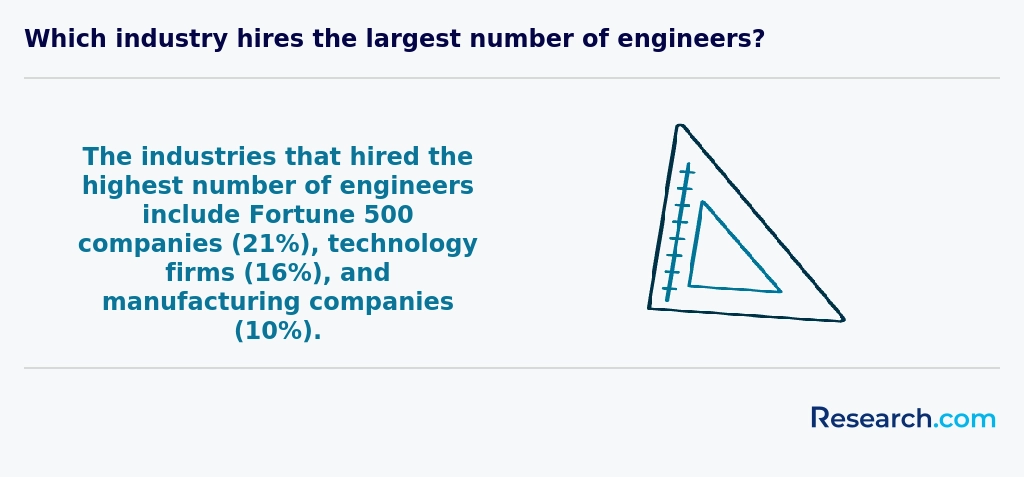
Engineering career opportunities in Claremont extend far beyond traditional roles, inviting graduates to redefine what it means to apply their skills. At local universities and community colleges, graduates have found themselves thriving in fields as diverse as civil engineering, mechanical systems, and environmental innovation. Picture a graduate designing sustainable water treatment solutions, balancing California's regulatory demands with cutting-edge technology.
Claremont's engineering degree job prospects reflect the vibrant synergy between education and industry nearby. Aerospace hubs attract graduates eager to push the boundaries of flight technology, while electrical engineers contribute to renewable energy projects shaping California's future. Many graduates recall how hands-on projects at their colleges prepared them for real-world challenges, transforming abstract concepts into impactful career paths.
For those curious about alternative avenues within engineering, understanding evolving roles is crucial. Exploring data scientist job requirements can complement an engineering background, opening doors to interdisciplinary innovation and problem-solving.

The engineering degree job prospects Claremont offers are a blend of local opportunity and wide regional reach, challenging the notion that smaller cities limit career options. Graduates from Claremont's colleges often find themselves drawn to local startups and infrastructure firms, but they also gain a unique advantage from proximity to larger markets such as Los Angeles and Riverside. This creates a dynamic job environment where diverse specializations like civil, mechanical, and software engineering are equally valued.
Many graduates from popular Claremont institutions share how internships and cooperative programs were crucial in opening doors to high-paying roles, highlighting the importance of hands-on experience. With median salaries ranging from $85,000 in civil engineering to over $110,000 in electrical engineering, the Claremont engineering career opportunities encourage students to envision strong returns on their educational investment.
Costs can be daunting, but some students discover pathways like community college transfers that ease financial burdens. Exploring options at an affordable engineering school in california increases accessibility without sacrificing quality. This approach not only bolsters employability but also helps graduates start their careers with less debt-an emotional and practical advantage often overlooked.
2027 Most Affordable Engineering Degree Programs Ranking in Claremont
Investing in your education is a significant decision that can greatly influence your future, and the Research.com team is committed to helping you make well-informed choices. To support prospective students in Claremont, we have carefully developed the "2027 Most Affordable Engineering Degree Programs Ranking in Claremont." Our dedication to quality, credibility, and accuracy is demonstrated through thorough research and rigorous analysis behind this ranking.
We utilized the following reputable data sources to ensure a comprehensive evaluation of affordable engineering degree programs:
By engaging with this ranking, readers will receive valuable insights into affordable and quality engineering education options in Claremont, enabling them to select programs that align with their career and financial goals. For more information on our methodology, please visit our Research.com methodology page.


# 4 position
Keck Graduate Institute
Master of Engineering in Biopharmaceutical

Frequently Asked Questions About engineering
Engineering students in Claremont can maximize their learning by actively engaging in hands-on projects and internships. Local industry partnerships, often facilitated through the Claremont Colleges consortium, provide valuable real-world experience.
Utilizing campus resources such as research labs and engineering clubs helps deepen technical skills. According to the National Center for Education Statistics, students involved in extracurricular STEM activities typically report higher satisfaction and job placement rates.
Additionally, networking with faculty and attending workshops can expose students to emerging technologies and career trends. Seeking interdisciplinary courses available in Claremont can broaden problem-solving abilities, an advantage in diverse engineering fields.
Emerging niches within the engineering field in Claremont reflect broader national trends emphasizing sustainability and advanced technology. Areas like renewable energy engineering, focusing on solar and wind power systems, are gaining attention due to California's commitment to clean energy. Additionally, biomedical engineering shows promise, driven by innovations in medical devices and healthcare technologies. Data from the U.S. Bureau of Labor Statistics highlights that jobs in these sectors are projected to grow faster than average through 2030.
Environmental engineering also features strongly, given the region's interest in water management and pollution control. Furthermore, robotics and automation engineering are expanding as industries adopt smart manufacturing practices influenced by advances in AI and machine learning.
Preparing for the job market after completing an engineering degree in Claremont involves several strategic steps. Start by gaining relevant experience through internships or cooperative education programs, which are highly valued by employers in Southern California's tech and manufacturing sectors. According to the Bureau of Labor Statistics, engineering fields related to software and mechanical design are growing steadily in this region.
Networking is crucial; attend local career fairs and join professional organizations like the American Society of Mechanical Engineers (ASME) chapters nearby. Developing strong technical skills and proficiency in tools like CAD software or programming languages will enhance your employability. Additionally, Claremont's proximity to industry hubs such as Los Angeles expands opportunities for entry-level engineers.
Consider seeking guidance from your college's career services to prepare effective resumes and practice interviews tailored to engineering roles. Continuous learning through certifications can also help you stay competitive in this evolving field.
Employers in Claremont highly value engineering graduates who demonstrate strong problem-solving skills, as these are crucial for tackling real-world technical challenges. According to the National Association of Colleges and Employers (NACE), 85% of engineering employers seek candidates with effective teamwork abilities. Communication skills also rank prominently, with employers emphasizing clear writing and verbal explanations to collaborate across diverse teams.
Technical proficiency remains essential; familiarity with software such as MATLAB, AutoCAD, and programming languages enhances employability. Claremont's proximity to innovative industries means adaptability and continuous learning are prized, ensuring engineers keep pace with evolving technologies. Additionally, ethical responsibility and project management knowledge help graduates align with professional standards and deliver successful outcomes.
Finding engineering internships in Claremont involves leveraging local resources and institutional support. Students enrolled in engineering programs at Claremont Colleges should first consult their school's career services, which often maintain partnerships with nearby tech firms and manufacturing companies.
The Claremont area benefits from proximity to the Los Angeles tech corridor and aerospace industries, which offer numerous internship opportunities. According to the National Association of Colleges and Employers (NACE), about 60% of engineering students nationwide secure internships through direct employer outreach or school career fairs.
Networking remains vital: attending local STEM-focused events or workshops can connect students with professionals. Online platforms like Handshake, commonly used by Claremont institutions, list internships specific to the region's engineering sectors.
Additionally, applying early and preparing tailored resumes aligned with engineering disciplines increases chances of selection in a competitive market.
Obtaining an engineering degree in Claremont significantly enhances career mobility and advancement opportunities. Many local employers in industries such as manufacturing, aerospace, and technology actively seek graduates with engineering backgrounds. According to the U.S. Bureau of Labor Statistics, engineers in California earn a median annual wage of around $105,000, higher than many other professions, which supports upward career movement.
Additionally, Claremont's proximity to major tech hubs offers engineers access to continuous professional development and networking events. The region's growth in engineering-related sectors means graduates often find both entry-level and advanced positions more readily.
Employers value the problem-solving and technical skills learned in engineering programs, facilitating promotions and salary increases over time.
Studying for an engineering degree in Claremont offers a solid foundation for interdisciplinary roles by combining technical expertise with broad-based problem-solving skills. Many local programs incorporate coursework in business, environmental science, and data analysis to prepare students for collaborative work environments. For example, Claremont McKenna College encourages cross-campus collaboration, fostering skills in project management and communication.
Industry connections in Claremont also give students access to internships at firms specializing in diverse fields such as renewable energy and biotechnology. According to the U.S. Bureau of Labor Statistics, engineers with interdisciplinary skills are 15% more likely to advance into leadership positions within five years, highlighting the value of this approach.
Choosing between a thesis and a non-thesis engineering degree in Claremont depends primarily on your career goals and learning preferences. Thesis programs require research work, culminating in a written thesis, suiting students aiming for a PhD or research-based roles. Non-thesis programs often focus on coursework and practical training, better for those seeking direct industry employment.
The Claremont Colleges do not currently offer engineering programs with thesis options; however, nearby institutions such as California State Polytechnic University, Pomona, provide both. According to the National Center for Education Statistics, about 40% of engineering master's students nationwide choose thesis tracks. This figure helps indicate interests toward research careers.
Cost and duration also influence this choice. Thesis degrees can extend study time by 6 to 12 months. Non-thesis paths often finish faster, reducing tuition and living expenses. Consider local industry demands, such as aerospace and manufacturing, prevalent in Southern California when selecting your program structure.
Students in Claremont interested in studying engineering abroad have several pathways through US higher education partnerships. While Claremont Colleges themselves do not offer direct engineering degrees, nearby universities often collaborate with international institutions to provide exchange programs and dual-degree options. These programs typically last one semester to a full academic year, exposing students to global engineering practices.
Popular destinations include European countries with strong engineering traditions, such as Germany and the Netherlands. According to the Institute of International Education, over 10,000 US engineering students participate annually in study abroad programs focused on STEM fields.
Financial aid and scholarships specifically for engineering students can help offset costs. Students should consult their home institutions' study abroad offices and engineering departments for tailored opportunities.
Students pursuing engineering degrees in Claremont can find numerous part-time job opportunities that enhance their academic experience. Local engineering firms and manufacturing companies often seek interns or assistants, providing hands-on experience with real-world projects. According to the U.S. Bureau of Labor Statistics, internships and related jobs help engineering students develop critical skills like CAD design and data analysis, which improve employability.
Additionally, research assistant positions at Claremont Colleges offer exposure to advanced engineering topics while earning income. Retail or technical support roles in nearby tech stores can also build customer service and problem-solving skills valuable in engineering careers. These jobs complement classroom learning by applying theory to practical tasks.
Engineering students in Claremont benefit from strong networking opportunities through local institutions like the Claremont Colleges consortium. This unique setup encourages interaction across campuses, amplifying access to faculty, industry experts, and research projects. Students often connect via engineering and technology clubs, which host regular workshops and guest speaker events.
Additionally, regional career fairs and internships in Greater Los Angeles provide hands-on experience and professional contacts. According to the National Society of Professional Engineers, engaging in local chapters can boost employment prospects by up to 30% in competitive engineering fields.
Overall, Claremont's community fosters collaborative learning and professional growth for engineering students.
Alumni networks provide valuable support for engineering degree students in Claremont by offering professional connections and mentorship opportunities. Graduates often share insights on job market trends, internships, and research projects, which can enhance students' career readiness. The Claremont Colleges Alumni Association reports that over 60% of engineering students find internships through alumni referrals, highlighting the network's effectiveness.
These connections also facilitate access to local tech companies and engineering firms around Claremont and the Greater Los Angeles area. Networking events and workshops hosted by alumni help students develop soft skills and stay updated on industry innovations.
Engagement with alumni can lead to collaborative projects and potential funding sources for senior design work, increasing hands-on experience crucial for employment after graduation.
Engineering degree programs in Claremont often allow students to tailor their studies to match specific career goals through elective courses and interdisciplinary options. Many institutions offer tracks or concentrations such as mechanical, electrical, or civil engineering, enabling focused expertise. Students can also engage in research projects or internships with local industries, providing practical experience aligned with professional ambitions. According to the Claremont Colleges consortium, collaboration among schools broadens access to diverse courses not limited to engineering alone. Academic advising plays a key role in customizing curricula, helping students balance core requirements with specialized subjects unique to their intended career path.
Engineering students in Claremont often face high academic demands that require strong time management skills. Intensive coursework in math, science, and technology can be challenging, especially when combined with lab work and group projects. According to the U.S. Department of Education, engineering programs nationwide report retention rates near 60%, reflecting difficulty in maintaining pace with rigorous studies.
Many students also encounter financial stress. Tuition costs in California public colleges average over $7,000 annually for in-state students, not including living expenses, which can be significant given Claremont's cost of living. Balancing part-time work and study is a common challenge.
Access to internships and industry connections is essential but competitive, with students needing to build strong networks early. Additionally, transitioning theoretical knowledge to real-world applications often requires extra effort and resources.
Graduates with an engineering degree in Claremont can enhance their careers by pursuing various professional certifications recognized nationwide. One of the most valued is the Professional Engineer (PE) license, which allows engineers to sign off on projects and provide services to the public. Obtaining a PE license typically requires passing the Fundamentals of Engineering (FE) exam, gaining relevant work experience, and passing the PE exam.
Additional certifications include the Certified Manufacturing Engineer (CMfgE) and the Project Management Professional (PMP), both respected in industries prominent in Southern California. These credentials can improve job prospects and earning potential.
According to the National Society of Professional Engineers, over 50% of engineering graduates nationwide aim for licensure, which is commonly emphasized in local Claremont engineering programs.
To write a winning application for an engineering program in Claremont, start by highlighting your strong academic background in math and science. Most programs require a solid GPA, typically above 3.0, with higher scores improving your chances. Include standardized test scores like the SAT or ACT if requested, focusing on math sections.
Demonstrate your interest in engineering through extracurricular activities, internships, or projects. Claremont's institutions value hands-on experience and problem-solving skills.
Prepare a clear, concise personal statement explaining why you want to study engineering and how you plan to contribute to the field. Be specific about your goals.
Request strong letters of recommendation from teachers familiar with your work ethic and skills in STEM disciplines.
Engineering careers are increasingly valued worldwide for their role in innovation, economic growth, and technological advancement. In the United States, including regions like Claremont, engineering degrees often lead to strong job prospects with a median annual wage of around $80,000 according to the U.S. Bureau of Labor Statistics (2023). Globally, engineers tackle challenges from sustainable energy to infrastructure modernization, making their skills highly transferable.
Many engineering programs in Claremont emphasize global competence, preparing students to work effectively across cultures and industries. The demand for engineers in emerging fields, such as renewable energy and biotechnology, continues to grow internationally. Understanding global engineering standards and practices is essential for success in this evolving landscape.
Gaining practical experience while studying for an engineering degree in Claremont is essential for career readiness. Many programs encourage students to participate in internships with local industries and research institutions. Claremont's proximity to Los Angeles provides access to numerous technology firms and engineering companies offering valuable internship opportunities.
Colleges often have partnerships that help students secure hands-on experience in fields such as civil, mechanical, and electrical engineering. Additionally, cooperative education (co-op) programs combine classroom learning with paid work placements, allowing students to gain real-world skills while earning academic credit.
Joining engineering clubs or student organizations can also provide project-based experience, fostering teamwork and practical problem-solving skills important in the engineering field.
Choosing the right concentration within an engineering degree program in Claremont involves evaluating your interests and career goals. Engineering fields such as mechanical, electrical, and civil engineering each offer distinct career paths. Local data from the National Center for Education Statistics (NCES) shows Claremont colleges typically provide strong programs in mechanical and environmental engineering, reflecting regional industry demand.
Consider factors like faculty expertise, available internships, and research opportunities at specific schools. Engaging with academic advisors and reviewing employment rates for graduates in your concentration can also guide your choice. Focusing on areas with steady job growth, like renewable energy, may increase future employability in the Claremont region.
- 2027 Most Affordable Engineering Degree Programs Ranking in Pasadena
- 2027 Most Affordable Engineering Degree Programs Ranking in Irvine
- 2027 Most Affordable Engineering Degree Programs Ranking in Los Angeles
- 2027 Most Affordable Engineering Degree Programs Ranking in La Jolla
- 2027 Most Affordable Engineering Degree Programs Ranking in Riverside
- 2027 Most Affordable Engineering Degree Programs Ranking in San Diego
- 2027 Most Affordable Engineering Degree Programs Ranking in Santa Barbara
- 2027 Most Affordable Engineering Degree Programs Ranking in Santa Clara
- 2027 Most Affordable Engineering Degree Programs Ranking in Santa Cruz
- 2027 Most Affordable Engineering Degree Programs Ranking in Berkeley
See What Experts Have To Say About Studying Engineering
Read our interview with Engineering experts


Joseph Reichenberger
Engineering Expert
Professor of Civil Engineering & Environmental Science
Loyola Marymount University

Jasna Jankovic
Engineering Expert
Associate Professor
University of Connecticut

- The Rise of the Niche Engineer https://www.sterling-engineering.com/niche-engineer/
- The 3-2 Program https://www.cmc.edu/campaign-for-responsible-leadership/impact/3-2-program
- Top Certification Courses for Advancing Engineering Careers - IJOER Engineering Journal Blog https://ijoer.com/blog/top-certification-courses-for-advancing-engineering-careers
- Should Engineering Degrees Require More Hands-On Experience? - Trueline https://wearetrueline.com/should-engineering-degrees-require-more-hands-on-experience/
- Guide to Engineering Internships https://www.internwise.co.uk/candidate-journey/industry-internships/guide-to-engineering-internships
- Interdisciplinary Engineering Education: Difficult, but not Impossible https://engineeringedu.press/2020/02/16/interdisciplinary-engineering-education-difficult-but-not-impossible/
- Top 5 Demanding Engineering Fields in 2025: Future-Proof Your Career - MEC https://mailamengg.ac.in/top-5-demanding-engineering-fields-2025/
- Arya College | Best B.Tech College in Jaipur, Rajasthan, India https://www.aryacollege.org/resources/common-challenges-faced-by-engineering-students/
- Engineering Internships Abroad | Go Overseas https://www.gooverseas.com/internships-abroad/engineering
- Engineering Students' Challenges And Ways To Overcome Them - Bgi Bhopal https://bgibhopal.com/overcoming-challenges-as-an-engineering-student/



