
2027 Most Valuable Online Master's in Education Degree Programs Ranking in St. Paul, MN

Co-Founder and Chief Data Scientist
Choosing the right online master's in education degree can be challenging, especially when you want the best value for your time and investment. This article presents the 2027 Most Valuable Online Master's in Education Degree Programs Ranking in St. Paul, MN, developed by the Research.com team of data scientists.
It's designed to help you navigate your options with trusted data and insights, making your decision easier and more confident. Pursuing an education degree can open doors to rewarding opportunities and personal growth. Let this guide be your first step toward a brighter future in education.
Key benefits of getting online education degree in St. Paul
- Salary benefits: Graduates with education degrees in St. Paul can expect strong earning potential, with roles like Education Manager averaging $129,330 annually and Education Program Manager earning about $104,920 per year.
- Career paths: For example, a graduate from the University of St. Thomas can pursue diverse roles such as Curriculum Specialist or Education Consultant, enjoying rewarding work that impacts communities positively.
- Online degree advantages: Completing an education degree online from a local institution like Hamline University offers flexible scheduling and personalized learning, which helps balance work and study without sacrificing quality.
- 2027 Most Valuable Online Master's in Education Degree Programs Ranking in St. Paul, MN
- What can I expect from online education degree in St. Paul?
- Where can I work with online education degree in St. Paul?
What can I expect from online education degree in St. Paul?
Students pursuing an online education degree in St. Paul often find that tuition costs are competitive and manageable compared to national averages. For example, graduates from Hamline University and the University of St. Thomas report tuition ranges typically between $15,000 and $30,000 for complete online master's programs in education. Many of these students balance work and family, appreciating programs that offer flexible payment plans and access to state grants or institutional scholarships dedicated to education majors.
Graduates frequently mention their ability to reduce expenses by studying part-time and taking advantage of federal financial aid. One common strategy is to apply early for Minnesota state grants designed to support local learners, which many St. Paul residents successfully leverage. Some students highlight how such financial support eased their stress, allowing them to focus on coursework while completing practicum requirements in nearby schools.
Choosing programs accredited and aligned with Minnesota's licensing boards also helps ensure the value of their investment, making the degree cost-effective in the long run by facilitating a smoother path to certification and employment within St. Paul's education system.
Where can I work with online education degree in St. Paul?
Graduates with online education degrees from institutions like Hamline University or the University of St. Thomas often find rewarding careers in St. Paul's public schools, such as St. Paul Public Schools (SPPS). Many quickly secure roles as licensed teachers or curriculum developers, benefiting from the district's consistent demand for educators. Some graduates share how earning a master's degree online allowed them to balance work and study while preparing for specialized jobs like literacy specialists or instructional coaches.
Others have found fulfilling positions in St. Paul's private and charter schools, where advanced digital teaching skills learned during their online programs enhance classroom engagement. These schools appreciate educators who integrate modern learning technologies and provide personalized student support.
For graduates interested in higher education, community colleges and universities in St. Paul offer roles in academic advising and online program coordination. Many have successfully leveraged their master's credentials to support students and help expand digital learning options.
Additionally, online education graduates often secure jobs with local nonprofits or government agencies focused on youth development, like the Wilder Foundation, applying their expertise to program management and educational outreach.
Graduates with an online education degree in St. Paul often step into rewarding careers with competitive salaries. For instance, those aiming for roles as Higher Education Professors can expect a mean annual wage around $96,570, reflecting the strong demand for qualified educators at local institutions like the University of St. Thomas or Hamline University. Graduates pursuing leadership paths, such as Education Managers, may earn an average of $129,330 per year, a promising return for those who leverage advanced degrees and administrative skills.
Program management roles, common among education graduates, offer salaries near $104,920 annually. This makes positions such as Education Program Manager excellent targets for those interested in shaping educational experiences beyond the classroom. Similarly, Curriculum Specialists in St. Paul report mean wages close to $77,200, aligning well with educators who enjoy developing innovative lesson plans or training materials.
Education Consultants with an online degree typically earn around $95,600 yearly by providing expert advice to schools and districts, highlighting diverse career opportunities for graduates. These earnings, combined with St. Paul's focus on educational growth, create clear, motivating pathways for online learners ready to boost their income and impact.
- Online education degrees in St. Paul offer flexible learning with fully online or hybrid programs suitable for working professionals.
- Tuition for master's programs typically ranges from $12,000 to $25,000, with public universities charging lower rates for in-state residents.
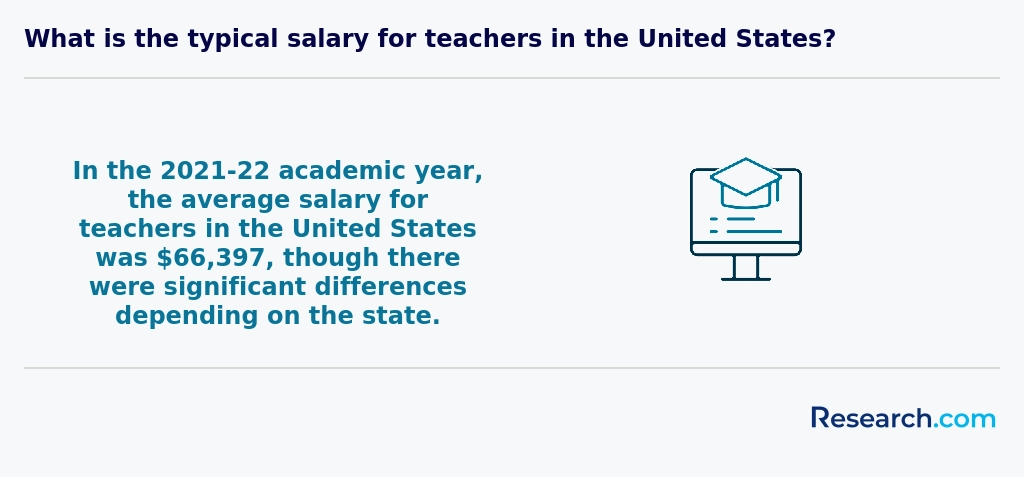
- Early-career educators earn between $45,000 and $55,000 annually, with potential to exceed $70,000 in advanced or administrative roles.
- Minnesota projects a 6% growth in teaching jobs over the next decade, increasing demand for qualified education professionals.
- Many programs support state licensure preparation and provide career services to connect graduates with local schools and employers.
Completing an online education degree in St. Paul typically takes about four years for a full-time bachelor's program, while master's degrees usually require between 18 months and three years. Graduates from well-known local institutions, like the University of St. Thomas and Hamline University, often share how flexible scheduling helped them balance family and work commitments while steadily progressing toward their degree.
Many students start full-time to finish more quickly but switch to part-time during challenging periods, extending their timeline without sacrificing progress. For example, a teacher pursuing a master's at Hamline took advantage of cohort-based learning formats, completing key projects collaboratively, which sped up her journey and built a strong support network.
Factors affecting completion time include credit hour requirements (usually 30 to 45 credits for master's programs), enrollment status, and whether the program offers accelerated options. By choosing flexible courses and planning tuition carefully, students in St. Paul find it possible to earn their degrees efficiently while managing life's demands.
Choosing between online and on-campus education degrees in St. Paul hinges on flexibility and experience. Online programs at local institutions like the University of Minnesota Twin Cities let students fit studies around busy jobs or family life, providing 24/7 access to lectures and assignments. Graduates often praise the convenience of logging in from home without the hassle of commuting or parking fees.
In contrast, on-campus education students benefit from immediate, face-to-face interactions with professors and classmates, creating strong networks and real-time feedback. At colleges such as Hamline University, this immersive setting helps some learners thrive through personal connection and campus resources.
Technology plays a key role online, so students comfortable with digital tools enjoy a smoother experience. However, those who prefer hands-on engagement may find on-campus classes more rewarding. Tuition tends to be lower online by up to 20%, but some feel campus life adds valuable depth that justifies higher costs. Deciding depends on whether convenience or community better matches your lifestyle in St. Paul.
The average cost of an online education degree in St. Paul typically centers around $18,645, reflecting a balanced estimate between public and private institutions. Graduates from local universities often report manageable tuition expenses alongside additional fees for technology, online materials, and textbooks. This cost allows many students to pursue their master's degrees without overwhelming financial strain, especially when combined with financial aid opportunities.
St. Paul MN online master's in education tuition fees vary by institution, but public colleges usually offer more affordable options ranging roughly from $12,000 to $22,000 for the entire program. Private colleges can be more costly but often provide smaller class sizes and additional resources, which some students find invaluable. By researching the cost structures of popular local schools like those well-regarded for education degrees, students can find programs that fit both their academic and budgetary needs.
Many students enhance affordability by exploring scholarships, grants, and federal loans offered through their schools or state programs. In addition, some employers in St. Paul support continuing education through tuition reimbursement plans, significantly easing out-of-pocket costs. It's smart to plan ahead and actively seek these opportunities to minimize debt.
For those still exploring options, consider checking out the easiest bachelor's degrees to get, which may complement education goals or reduce overall time to degree completion.
Students pursuing online education degrees in St. Paul can tap into a variety of financial aid options to make their studies more affordable. Many graduates from popular institutions like the University of St. Thomas or Hamline University have successfully used federal Pell Grants, which provide up to $7,395 per year without repayment requirements. Additionally, the Federal Supplemental Educational Opportunity Grant (FSEOG) supports those with exceptional financial need, offering extra relief.
On the state level, Minnesota's State Grant Program and Self-Help Grants have been essential resources for St. Paul residents, often layered on top of federal aid. Graduates often share how these state-specific programs significantly reduced their tuition burden while attending local colleges.
Scholarships and tuition discounts targeted at current educators or academic achievers are commonly available at St. Paul's universities, helping students save further. Employers in the area also frequently offer tuition reimbursement, making it easier for working professionals to advance their degrees without financial strain.
- Federal Pell Grants and FSEOG based on financial need
- Minnesota State Grant Program and Self-Help Grants
- Institution-specific scholarships and tuition discounts
- Employer tuition reimbursement programs
To maximize aid, completing the FAFSA early is critical, enabling students to confidently plan their education journey in St. Paul's competitive and supportive learning environment.
To enroll in an online education degree program in St. Paul, you'll need to have completed an accredited bachelor's degree, which forms the academic foundation for many local institutions like the University of St. Thomas or Hamline University. Graduates often share that submitting official transcripts early helped their application process run smoothly, as these documents confirm your readiness for graduate-level work.
While some programs may request GRE scores, many schools in St. Paul waive this requirement, especially for candidates with professional teaching experience. This flexibility supports working adults who balance career and studies. Having a teaching license or relevant professional experience is a strong advantage, providing practical context during applied learning phases.
Applicants are also advised to prepare a thoughtful personal statement outlining career goals and gather letters of recommendation from academic or professional contacts. Graduates often reflect on how these elements allowed admission committees to see their motivation clearly, boosting confidence in the process.
Lastly, reliable internet and digital skills are essential for success in St. Paul's online courses, with universities typically offering orientation to ease this transition.
Courses in online education degrees in St. Paul typically focus on building practical skills to succeed in teaching and leadership roles. Graduates from well-known St. Paul universities often mention how Foundations of Education helped them understand the social and historical context of schooling, which made lesson planning more meaningful.
Many programs include Instructional Strategies, where students learn hands-on methods to engage diverse classrooms-something one graduate found invaluable when adjusting lessons for students with different learning styles.
Assessment and Evaluation courses train you to create reliable tests and interpret results, essential for tracking student progress effectively. Meanwhile, courses like Educational Technology show how to integrate digital tools smoothly, a skill highly praised by those balancing online teaching challenges.
Classroom Management strategies are also featured prominently, teaching you to maintain a positive learning environment. Graduates say these skills translate directly into their first years of teaching in St. Paul schools, helping them feel confident and prepared.
Online education degree specializations in St. Paul commonly include Curriculum and Instruction, Educational Leadership and Administration, Special Education, Reading and Literacy, and Higher Education Administration. These options address key areas like improving teaching methods, preparing for school leadership roles, and supporting diverse learners. Graduates from popular St. Paul institutions frequently share how focusing on Educational Leadership enhanced their confidence in managing school challenges and leading teams effectively.
Another graduate mentioned that specializing in Reading and Literacy helped them design targeted programs that raised student success rates in nearby schools. For those interested in a comprehensive path, programs often align with state licensure requirements, making the transition to certified teacher or administrator roles smoother. Many students in St. Paul's top colleges appreciate how practicum placements with local districts allow real-world application of their coursework, making the learning process more rewarding and practical.
Prospective students should explore St. Paul MN master's in education concentration options carefully to find what fits their career goals best. Also, it's useful to review the best dual degree combinations to enhance flexibility and marketability in education careers.
When choosing the best online education degree in St. Paul, focus first on accreditation to ensure your degree holds value locally and nationally. Graduates from institutions like the University of St. Thomas often highlight how regional accreditation helped them secure teaching positions quickly. Considering cost is vital; many students find affordable master's in education programs in St. Paul charging between $800 and $1,200 per credit, making budgeting straightforward. Look for programs offering flexible schedules-working professionals appreciate asynchronous courses that fit busy lives without sacrificing interaction, as seen in successful alumni stories from Hamline University.
Specializations matter-picking a focus like educational leadership or special education that aligns with your goals can open targeted career pathways. Top programs also provide strong student support services, which many graduates credit for their smooth navigation through licensure processes. Some students explore options such as the fastest associates degree online before advancing to a master's. Assess graduation rates and job placement statistics to ensure your investment leads to real opportunities in the St. Paul education sector.

Graduates with an online education degree in St. Paul find diverse career paths tailored to their interests and skills. Many pursue teaching jobs with online education degree St. Paul credentials, working in elementary, middle, or high schools throughout the area. These roles give them the rewarding chance to shape young minds in well-respected districts, often supported by strong community ties.
Others move into educational administration roles such as principals or curriculum designers, combining leadership skills with passion for school improvement. For example, those who studied at popular institutions in St. Paul share how their programs emphasized both practical classroom strategies and administrative know-how, boosting their confidence and readiness for these roles.
Adult education and corporate training also attract graduates who enjoy creating impactful programs beyond traditional classrooms. Some even specialize in special education, addressing diverse learning needs with compassion and skill. Another growing area involves online instructional design, where graduates apply digital expertise to develop innovative learning experiences.
Students often explore financing options through scholarships and aid offered locally, plus resources like online college fafsa accepted schools to manage tuition effectively.
The job market for online education jobs in St. Paul MN is steadily growing, driven by a strong demand for qualified educators in public schools and specialized roles. Graduates from local programs, particularly those offered by popular institutions such as University of St. Thomas and Hamline University, often find rewarding careers in early childhood and special education within St. Paul Public Schools. These districts value online degrees combined with state licensure, especially as roles expand in response to diverse student needs and increasing integration of technology.
Many graduates share positive experiences of quickly securing roles that leverage skills gained from their studies, including culturally responsive teaching and digital learning methods. Salaries around $60,000 annually make these positions attractive in the region, with advanced degrees in administration or counseling offering even higher earning potential. Those seeking efficient timelines to enter the workforce often explore programs like the shortest masters program that balance quality and affordability.
Understanding the St. Paul education degree career outlook, candidates should target roles in curriculum development and education technology, where online training and adaptability offer competitive advantages in this evolving job market.
2027 Most Valuable Online Master's in Education Degree Programs Ranking in St. Paul, MN
Investing in your education is a significant decision that can impact your career and personal growth, and the Research.com team understands the importance of making well-informed choices. To support prospective students in St. Paul, MN, we have carefully developed the "2027 Most Valuable Online Master's in Education Degree Programs Ranking." Our dedication to quality, credibility, and accuracy is demonstrated through rigorous research and thorough analysis.
We utilized the following reputable data sources to ensure a comprehensive evaluation of online education master's programs:
By reviewing this ranking, readers will gain valuable insights to select the most suitable and high-quality programs tailored to their professional goals. For further information on our ranking process, please visit our Research.com methodology page.
# 1 position
Bethel University, Minnesota
Master of Education K-12

Frequently Asked Questions About education
Online education degree students in St. Paul can maximize their learning experience by establishing a consistent study schedule and utilizing local academic resources. The University of St. Thomas and Hamline University offer virtual tutoring and library services accessible to remote learners, enhancing research and coursework. Engaging actively in online discussions and reaching out to faculty during virtual office hours also supports deeper understanding.
Students should leverage technology tools to stay organized and connected, including calendar apps and collaboration platforms. According to the Minnesota Office of Higher Education, nearly 30% of graduate students in the state are enrolled online, emphasizing the importance of disciplined time management and self-motivation in these programs.
The education field is evolving rapidly, creating new niches within online degree programs, especially relevant for St. Paul students. One emerging area is educational technology, where professionals design and implement digital tools to enhance learning experiences. According to the Minnesota Department of Employment and Economic Development, jobs in this sector are expected to grow by 12% through 2030.
Another niche gaining attention is special education focused on inclusive practices for diverse learners. Demand for educators skilled in this area has increased locally due to St. Paul's diverse school population.
Additionally, leadership roles in education administration are expanding as schools adopt new policies and technologies, making online degrees in educational leadership popular choices.
After completing an online education degree in St. Paul, preparing for the job market involves several key steps. First, graduates should leverage local resources such as the Minnesota Job Skills Partnership, which offers employer connections and career development tailored to education professionals. Networking with local school districts, including St. Paul Public Schools, can open opportunities for internships or job placements.
Additionally, acquiring relevant teaching licenses or certifications is critical. In Minnesota, candidates must meet state licensing requirements through the Professional Educator Licensing and Standards Board (PELSB).
Building a strong resume showcasing online learning adaptability and practical skills also helps. According to the Minnesota Department of Employment and Economic Development, education jobs in St. Paul are projected to grow 5% by 2028, emphasizing the importance of readiness.
Employers in St. Paul seeking education degree graduates prioritize several key skills. Strong classroom management and communication abilities are essential, as they enable teachers to create effective learning environments. According to the Minnesota Department of Education, adaptability and cultural competency are increasingly valuable, reflecting the area's diverse student population. Graduates must also demonstrate proficiency in digital tools and online instruction, a growing demand highlighted by St. Paul Public Schools' integration of technology in classrooms. Critical thinking and continuous professional development are equally important, as they prepare educators to address evolving educational standards and student needs in this competitive job market.
Finding internships in St. Paul relevant to an education degree involves leveraging local school districts and educational organizations. The St. Paul Public Schools system, serving over 37,000 students, often partners with universities to provide internship opportunities for education students.
Students should check with university career centers and online portals like Handshake or Internships.com, which list local positions. Minnesota's Department of Education also offers resources for teaching internships and licensure programs.
Networking with local teachers and attending education job fairs in the metro area can improve placement chances. Many internships focus on classroom experience, curriculum development, and special education support.
An online education degree can significantly enhance career mobility and advancement for professionals in St. Paul. With Minnesota ranking among the top states for teacher employment growth according to the Bureau of Labor Statistics, earning an advanced degree online provides flexible access to higher qualifications without interrupting current employment.
Many school districts in St. Paul prioritize candidates with master's degrees for leadership roles and salary increases. The Minnesota Department of Education reports that educators holding a master's degree can earn up to 20% more than those with only a bachelor's degree. Online programs also allow for upskilling in specialized areas like curriculum development and administration, making candidates more competitive locally.
The convenience of accredited online degrees enables working educators to align their studies with local licensing requirements, facilitating smooth career progression within the St. Paul school system.
Studying for an education degree in St. Paul equips students with skills to work across various academic and community settings. Many online programs emphasize interdisciplinary approaches, integrating subjects like psychology, technology, and social sciences. This prepares graduates to adapt to diverse roles such as curriculum design, educational leadership, and special education.
St. Paul's universities often collaborate with local schools and organizations, providing practical experiences that bridge theory and real-world challenges. According to the Minnesota Office of Higher Education, educators trained in such environments show higher competence in managing inclusive classrooms and developing innovative teaching strategies.
This broad foundation enhances a graduate's ability to function effectively in interdisciplinary teams within educational and social service fields.
When choosing between a thesis and a non-thesis online education degree program in St. Paul, consider your career goals and learning preferences. Thesis programs require original research and are suited for students interested in pursuing doctoral studies or research roles. Non-thesis programs focus on coursework and practical skills, better for professionals aiming to advance in teaching or administrative positions.
Data from the Minnesota Office of Higher Education shows that St. Paul students increasingly favor flexible non-thesis tracks for quicker graduation. However, thesis options remain valuable for those targeting academia.
Evaluate program structure, faculty expertise, and your professional timeline before deciding.
Students based in St. Paul seeking to study education abroad through online programs have several options through U.S. institutions offering international-focused curricula. Many online master's programs include global education components, allowing learners to engage with international teaching methods and policies without leaving Minnesota. Schools accredited by the Council for the Accreditation of Educator Preparation (CAEP) ensure quality and recognition. According to the Minnesota Office of Higher Education, nearly 20% of graduate education students in the state enroll in online courses, reflecting growing accessibility.
Additionally, partnerships between St. Paul colleges and global universities can provide hybrid opportunities combining study abroad with online learning. This flexibility benefits working professionals balancing career and education.
In St. Paul, several part-time jobs can effectively complement an education degree pursued online. Working as a teacher's aide or paraprofessional in local schools provides practical classroom experience, helping students apply theories learned in their courses. According to the Minnesota Department of Education, St. Paul public schools frequently hire assistants, offering flexible hours suitable for part-time workers.
Positions such as after-school program coordinators or tutors are also prevalent. Tutoring in subjects like math or reading can sharpen a candidate's instructional skills while earning supplemental income. The Twin Cities have numerous nonprofit organizations that regularly seek education-focused part-time staff.
Additionally, roles in libraries and community centers provide opportunities to engage with youth and adults in educational programming, further enhancing skill sets relevant to future teaching careers.
Online education students in St. Paul benefit from several structured networking opportunities designed to connect them with local professionals and peers. Many Minnesota universities, including those with online programs, offer virtual events, webinars, and discussion forums that promote interaction. The University of Minnesota, with a strong presence in St. Paul, reports that its online education students participate in career panels and local meetups organized by education-focused student groups.
Additionally, St. Paul hosts numerous regional education conferences and workshops where online students can attend in person or virtually. Local chapters of professional organizations, such as the Minnesota Education Association, provide networking platforms through mentoring and advocacy events open to all education students.
Alumni networks play a vital role for students pursuing online education degrees in St. Paul by offering ongoing support and valuable connections. These networks provide access to experienced professionals and local educators, which can help students secure internships, job placements, and mentorship opportunities within Minnesota's education sector. According to the University of St. Thomas, active alumni groups contribute to increased graduate employment rates, benefiting online learners who may lack traditional campus engagement. Furthermore, alumni often share insights about regional education trends, helping students tailor their skills to meet St. Paul's evolving school district needs and state education policies.
Customizing an online education degree program in St. Paul begins with selecting a school that offers flexible course options aligned with career goals. Many accredited institutions allow students to choose electives or concentrations in areas like curriculum design, special education, or educational leadership.
Students can often tailor practicum experiences or research projects to focus on specific educational settings or student populations. According to the Minnesota Office of Higher Education, programs frequently provide personalized advising to help align academic choices with regional job market demands.
Additionally, St. Paul's proximity to numerous school districts offers opportunities for practical experience and networking, which can be integrated into some online degree formats. Credit transfer and accelerated options also help students progress according to their schedules and career timelines.
Online education students in St. Paul often face challenges related to balancing their studies with work and family responsibilities. According to the Minnesota Office of Higher Education, many learners juggle multiple commitments, which can impact their ability to stay engaged and complete coursework on time.
Another common issue is digital access. While St. Paul generally has good internet coverage, some students report difficulties with reliable broadband connections, affecting participation in live classes and timely submission of assignments.
Additionally, students may experience feelings of isolation or limited interaction, as online formats reduce face-to-face communication with peers and instructors. This can affect motivation and academic support.
With an online education degree in St. Paul, you can pursue several professional certifications that enhance your teaching credentials. Common options include the Minnesota Professional Educator License (PEL), which is required to teach in public schools across the state.
Other certifications available include Reading Specialist, ESL (English as a Second Language) licensure, and special education credentials. These certifications often require additional coursework or exams beyond the master's degree but can improve job prospects and salary potential.
The Minnesota Department of Education provides up-to-date guidance on certification requirements, valuable for St. Paul educators navigating career advancement.
According to data from the Minnesota Office of Higher Education, nearly 65% of teachers in St. Paul hold advanced certifications, reflecting their commitment to professional growth.
To write a winning application for an online education program in St. Paul, start by researching accredited institutions recognized by the Higher Learning Commission. Highlight relevant teaching or educational experience clearly, as most programs value practical knowledge.
Focus on crafting a compelling personal statement that explains your motivation to pursue the degree, linking it to career goals within the St. Paul educational community. Incorporate any knowledge of local education challenges or initiatives to show awareness of your intended environment.
Additionally, ensure all application materials are error-free and submit letters of recommendation from supervisors or professors who know your academic or professional work well. According to the Minnesota Office of Higher Education, programs here generally look for applicants who demonstrate clear communication and commitment to lifelong learning.
Globally, education careers are increasingly valued for their role in shaping future generations. In the United States, teaching remains a stable profession, with the Bureau of Labor Statistics projecting a 7% growth in education jobs from 2021 to 2031. For students in St. Paul, MN, pursuing online education degrees offers flexibility and access to programs recognized nationwide. St. Paul's education system emphasizes culturally responsive teaching and equity, aligning with international trends that prioritize inclusive education practices. Additionally, earning an education degree online in St. Paul can prepare candidates to meet diverse classroom needs and adapt to global educational challenges.
Gaining practical experience while pursuing an online education degree in St. Paul is essential for applying theory to real classrooms. Many programs incorporate practicum or student teaching placements in local schools, often arranged through partnerships with the St. Paul Public Schools district, which serves over 37,000 students. This hands-on experience allows students to work directly with educators and diverse student populations.
Additionally, some programs offer virtual internships or collaboration with educational organizations for remote teaching practice. Prospective students should check if their program supports licensure pathways, as Minnesota requires specific clinical hours for teacher certification, ensuring practical experience meets state standards.
Choosing the right concentration within an online education degree program in St. Paul begins by assessing your career goals. Popular focuses include curriculum design, educational leadership, and special education. According to the Minnesota Office of Higher Education, programs in these areas reflect local demand and align with statewide trends in K-12 staffing.
Consider the student demographic you'll work with, as some concentrations specialize in early childhood or adult education. Also, review program accreditation and course flexibility, important for balancing work and study. Schools like Hamline University and Saint Mary's University offer various concentrations accessible online with tailored support for St. Paul residents.
Research program outcomes and alumni networks to understand professional prospects tied to each concentration.
- 2027 Most Valuable Online Education Degree Programs Ranking in Minneapolis, MN
- 2027 Most Valuable Online Education Degree Programs Ranking in Madison, SD
- 2027 Most Valuable Online Education Degree Programs Ranking in Valley City, ND
- 2027 Most Valuable Online Doctorate in Education Degree Programs Ranking in Omaha, NE
- 2027 Most Valuable Online Education Degree Programs Ranking in Chicago, IL
- 2027 Most Valuable Online Education Degree Programs Ranking in Columbia, MO
- 2027 Most Valuable Online Education Degree Programs Ranking in Manhattan, KS
- 2027 Most Valuable Online Education Degree Programs Ranking in Emporia, KS
- 2027 Most Valuable Online Education Degree Programs Ranking in Muncie, IN
- 2027 Most Valuable Online Education Degree Programs Ranking in Bloomington, IN
See What Experts Have To Say About Studying Education
Read our interview with Education experts

Alan J. Singer
Education Expert
Professor of Teaching, Learning and Technology
Hofstra University

Nooshan Ashtari
Education Expert
Professor & Book Author
University of Southern California

- Why Is Education Important in Your Career Advancement? - KWSP Malaysia https://www.kwsp.gov.my/en/w/article/career-advancement
- Comprehensive Guide to Choosing the Right Educational Program https://veritaseedcenter.gr/blog/comprehensive-guide-to-choosing-the-right-educational-program
- Interdisciplinary Higher Education - Teaching and Teacher Learning https://researchblog.iclon.nl/interdisciplinary-higher-education/
- Finding Networking Opportunities as a Student | National Society of High School Scholars https://www.nshss.org/resources/blog/blog-posts/how-to-find-networking-opportunities-as-a-student/
- 10 Reasons Why Education Helps to Advance Your Career - Insight Training https://insight.edu.au/blog/career-advancement-through-education/
- What Employers Actually Want From Graduates https://bodyswaps.co/resources/blog/what-employers-actually-want-from-graduates
- Online Degree vs. Traditional: Choosing the Right Path https://beal.edu/online-degree-vs-traditional/
- How To Write A Great Cover Letter For Teacher Training - Engage Education https://engage-education.com/blog/how-to-write-a-great-cover-letter-for-teacher-training/
- Get the skills employers want | Study UK https://study-uk.britishcouncil.org/why-study/succeed-your-career/get-skills-employers-want
- Networking Tips and Advice for Students https://schoolshouldbe.com/post/networking-tips-and-advice-for-students/


