
2027 Most Valuable Online Master's in Education Degree Programs Ranking in District of Columbia

Co-Founder and Chief Data Scientist
Choosing the right online master's in education degree program can be a big step, especially for students in the District of Columbia. This article features the 2027 Most Valuable Online Master's in Education Degree Programs Ranking in District of Columbia, created by the Research.com team of data scientists.
It's designed to help you make an informed choice by highlighting programs that offer real value. Pursuing an education degree can open doors to rewarding career opportunities and personal growth.
Explore this ranking to find the best fit for your goals and take a confident step forward in your educational journey.
Key benefits of getting online education degree in District of Columbia
- Graduates with an education degree in the District of Columbia can earn competitive salaries, such as Education Managers with a mean annual wage of $129,330 and Education Program Managers earning about $104,920 annually.
- Career paths often include roles like Higher Education Professor or Education Consultant, offering diverse opportunities for growth and impact within DC's vibrant academic community.
- Online education degrees provide flexibility and convenience, allowing students to balance work and study while accessing quality programs from universities like George Washington University without relocating.
- 2027 Most Valuable Online Master's in Education Degree Programs Ranking in District of Columbia
- What can I expect from online education degree in District of Columbia?
- Where can I work with online education degree in District of Columbia?
What can I expect from online education degree in District of Columbia?
The average cost of an online education degree in the District of Columbia varies widely, but students often find state universities offer more competitive tuition compared to out-of-state programs. Graduates from institutions like George Washington University and Howard University report tuition fees that generally range from moderate to high, reflecting the quality and reputation of these accredited programs.
Many students experience relief knowing financial aid and employer tuition reimbursement options are commonly accessible, helping to offset expenses. For example, a graduate from Howard's online education program noted that combining employer support with federal aid made the cost manageable, enabling focus on coursework without financial stress.
Despite higher tuition rates compared to some states, the value tied to DC-based programs includes alignment with local education policies and licensure standards set by OSSE. This connection adds relevant career value, helping graduates feel confident and prepared when advancing into roles like educational leadership or policy development.
Where can I work with online education degree in District of Columbia?
Graduates with an online education degree in the District of Columbia frequently secure positions in public K-12 schools, charter schools, government agencies, and nonprofit organizations. The District employs over 10,000 teachers, many with advanced degrees, creating strong demand for qualified educators. Schools like those affiliated with the District of Columbia Public Schools (DCPS) or local charter networks actively seek educators with online master's degrees for roles such as classroom teaching, curriculum design, and educational leadership.
Charter schools, which enroll nearly 46% of public school students in D.C., value the flexibility and specialized skills of online education graduates, offering roles that accommodate varied schedules. Government agencies and federal organizations also provide career paths in education policy, program coordination, or training development. Graduates from programs at popular institutions like George Washington University or University of the District of Columbia often share positive experiences transitioning into positions within these sectors.
Private education companies and early childhood centers in D.C. create additional opportunities, including program director and instructional designer roles. With a growing emphasis on lifelong learning, graduates often find rewarding work in tutoring, consulting, or professional development coordination, reflecting the diverse career paths an online education degree supports in the district.
Graduates with an online education degree in the District of Columbia can expect strong earning potential, reflecting the region's demand for skilled educators and administrators. For instance, education managers in D.C. earn a mean annual wage of approximately $129,330, according to the latest Bureau of Labor Statistics data. Education program managers also report competitive salaries, averaging $104,920 per year. These roles often require a master's degree, which students can conveniently obtain through online programs offered by institutions such as the University of the District of Columbia and George Washington University.
Curriculum specialists with an education degree make around $77,200 annually, while education consultants earn a mean wage of $95,600. Higher education professors in D.C. typically earn about $96,570, reflecting the value placed on specialized teaching and research roles within local universities.
Graduates frequently share positive feedback about balancing work and study through online programs, noting that this flexibility enables quick career advancement and access to these lucrative positions within the District's robust education sector.
- Tuition for online master's education degrees in D.C. ranges from $20,000 to $40,000, higher than the national average due to location and specialized programs.
- Entry-level educators in D.C. earn about $55,000 annually, with median salaries rising to $75,000 or more for those with a master's degree or higher.
- D.C.'s job market remains strong with demand for teachers, administrators, and curriculum specialists supported by public reform and private organizations.
- Many online programs meet state licensure requirements and offer alternative certification paths, helping graduates quickly enter teaching roles.
- Proximity to education policy centers and research institutions provides valuable internship and networking opportunities for students.
- Scholarships, grants, and employer tuition reimbursement plans are commonly available to help reduce the cost of earning an online degree.
Completing an online education degree in the District of Columbia typically ranges from 1 to 3 years, depending heavily on enrollment status and program level. For instance, full-time master's students at institutions like the University of the District of Columbia usually finish in about two years, while part-time learners might spread their courses over three years or more to balance work and family responsibilities. Graduates often express satisfaction with this flexibility, enabling them to pursue their degree without sacrificing personal commitments.
Most programs require 30 to 36 credit hours, but graduates with prior graduate credits sometimes accelerate completion through transfers. A graduate from a prominent D.C. college shared how leveraging transferred credits helped reduce study time significantly. Additionally, students tackling required internships or clinical hours find that many programs incorporate these components concurrently, streamlining their path to licensure.
Graduates aiming to teach in D.C. must secure state licensure through the Office of the State Superintendent of Education (OSSE). Key steps include:
- Complete a master’s degree from a CAEP-accredited program
- Finish supervised student teaching or internship hours (usually 6–12 credits)
- Pass required exams: Praxis Core Academic Skills and Praxis II content assessment
- Submit application, official transcripts, background clearance and fees to OSSE
Renewal depends on annual professional development and maintaining continuing education credits. For students building foundational knowledge before graduate work, exploring the easiest bachelor degree to get online can help streamline progress toward certification.
Online education degrees in the District of Columbia, such as those offered by the University of the District of Columbia, provide working professionals the flexibility to attend virtual classes on their own schedules. Graduates often describe the convenience of accessing coursework from home while balancing jobs or family, emphasizing how this format fosters strong time-management skills. In contrast, traditional on-campus programs require physical presence, enabling direct interaction with professors and classmates, which many students find energizing and motivating. This face-to-face environment at local institutions promotes networking opportunities and hands-on experiences through partnerships with nearby school districts.
Cost considerations further differentiate the two. Online students frequently avoid additional campus fees, potentially lowering overall expenses, but tuition still varies widely depending on the university. Both modalities maintain rigorous academic standards and accreditation by CAEP, ensuring that graduates-regardless of format-are prepared for teacher certification and success in District of Columbia schools.
One of the most critical factors in selecting an online Master’s in Education is program accreditation and ongoing quality assurance. In the District of Columbia, reputable institutions hold regional accreditation through the Middle States Commission on Higher Education (MSCHE) and program-specific recognition from the Council for the Accreditation of Educator Preparation (CAEP). Accreditation ensures that coursework, faculty credentials, and student outcomes meet rigorous national standards, which in turn enhances licensure reciprocity and employer recognition. Prospective students should verify that courses align with DC teacher licensure requirements and check whether credits transfer smoothly into doctoral pathways or complementary associate degree programs in education. Many universities also undergo annual program reviews, employ external auditors to validate learning outcomes, and publish annual reports on graduation and employment rates. Confirming accreditation status safeguards your investment, guarantees access to federal financial aid, and ensures your degree remains valued across school districts, nonprofits, and government agencies. When accreditation is up to date and transparently documented, you can confidently pursue an online Education degree that withstands future changes in educational policy and workforce demands.
The average cost of an online education degree in the District of Columbia typically centers around a median total cost of $33,690. This figure reflects tuition and mandatory fees reported by local institutions, which often balance between public and private university pricing strategies. Graduates from these programs frequently share that while the investment is substantial, the quality of instruction and access to expert faculty, especially from renowned universities like the University of the District of Columbia, enhance their educational experience and career prospects.
In practical terms, many students pursuing an education degree in D.C. encounter tuition rates that fall between $400 and $700 per credit hour. Considering that master's degrees require about 30 to 36 credits, these rates align with the median total cost. Public universities in the area generally offer lower rates, providing more affordable pathways for residents, while private institutions may command higher fees that reflect specialized coursework and additional resources.
For those evaluating the total tuition and fees for online master's in education DC, it's important to note how additional costs such as technology fees or course materials may influence the overall price. Many graduates find that financial aid, scholarships, and tuition assistance programs can alleviate these expenses, making the pursuit of an education degree more accessible and rewarding.
Prospective students looking for the cheapest education programs in district of columbia can explore various institutions, weighing program reputation, academic support, and career outcomes. This holistic assessment helps ensure the investment aligns well with personal and professional goals.
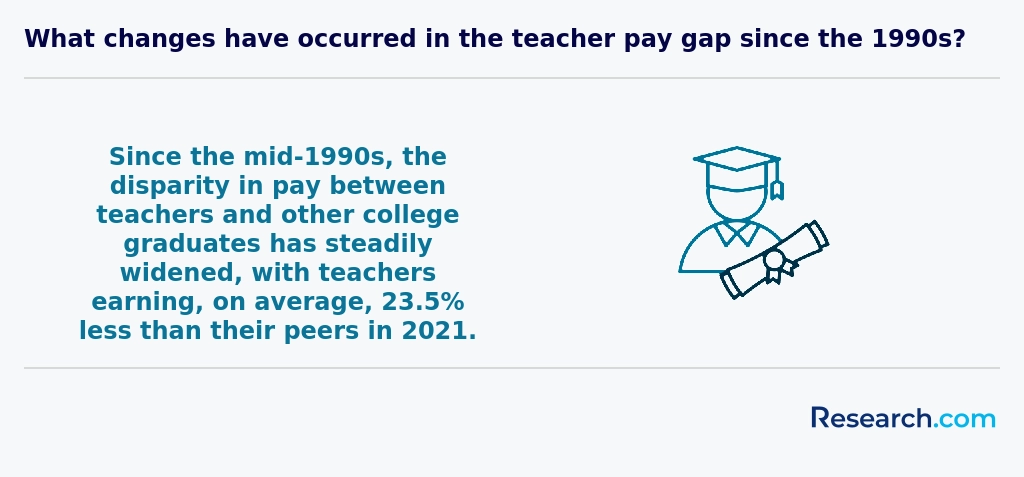
Graduates of online education programs in DC must secure state certification before entering classrooms. Key steps include:
- Enroll in a DC OSSE-approved program accredited by agencies like CAEP
- Pass required Praxis exams (Core Academic Skills and subject-specific tests)
- Complete a supervised practicum or internship (typically 500 hours)
- Submit fingerprinting, background check, and application via the DC OSSE portal
- Fulfill additional endorsements (e.g., special education, ESOL) as needed to match school requirements
- Renew certification every two years with continuing education credits; explore fast-track credentials through online degrees to enhance skills.
Students pursuing online education degrees in the District of Columbia can access multiple financial aid sources to manage average graduate tuition costs ranging from $15,000 to over $30,000 annually. Federal aid through FAFSA remains a cornerstone, offering Pell Grants up to $7,395 (2023-2024) that require no repayment, and unsubsidized Direct Loans up to $20,500 annually. Graduates from local institutions like those in DC report that these federal options significantly ease upfront expenses.
At the state level, DC residents benefit from programs like the DC Tuition Assistance Grant (DCTAG), primarily for undergraduates but sometimes extended via institution-specific scholarships to graduate contenders. Workforce Investment Council scholarships further support working professionals advancing in education, a relief frequently mentioned by students balancing jobs and study.
Institutional scholarships and residency discounts are common at universities renowned for education degrees in DC, helping graduates reduce debt burdens. Professional organizations such as the NEA and AFT offer targeted scholarships that online learners pursuing advanced teaching credentials regularly cite as essential financial resources.
Online Education degree affordability varies significantly by region, and understanding these differences can help prospective students in the District of Columbia maximize their return on investment. While the median total cost for an online Education degree in DC is approximately $19,890, some states offer substantially lower tuition and fees. For example, Nebraska’s higher education institutions consistently rank among the most budget-friendly, with average program costs up to 30% below the national median. To explore how Nebraska’s institutions compare, see the Cheapest Online Education Degree Programs Ranking in Nebraska, which highlights programs with exceptionally low per-credit rates, minimal ancillary fees, and streamlined pathways to licensure. By benchmarking DC program costs against Nebraska’s most affordable options, students can identify strategies to reduce overall expenses-such as leveraging reciprocity agreements, enrolling in regional compacts, or transferring in-state credits. Additionally, understanding these cross-state cost differentials empowers learners to:
- Evaluate total cost of attendance, including technology and practicum fees
- Compare per-credit pricing models and accelerated course formats
- Investigate tuition caps for non-resident online learners
- Optimize financial aid by targeting states with robust grant and scholarship offerings Armed with this comparative data, District of Columbia students can make informed decisions that balance academic quality with financial sustainability, transforming an online Education degree into both an educational and economic asset.
Applicants seeking admission to online education degree programs in the District of Columbia must typically hold a bachelor's degree from an accredited institution, meeting standards approved by the U.S. Department of Education. Graduates from D.C.-based universities often emphasize how this prerequisite ensures a solid academic foundation, essential for success in rigorous graduate-level coursework.
Official transcripts reflecting a cumulative GPA around 3.0 are commonly required, though some programs may allow conditional admission for slightly lower GPAs, contingent upon completing supplemental courses. For example, many students from local colleges find this flexibility encouraging, as it provides a pathway to meet program expectations without immediate disqualification.
Standardized tests like the GRE are frequently requested but are becoming more flexible or waived, particularly if an applicant has relevant teaching experience or professional expertise. Graduates from popular institutions in D.C. stress that showcasing concrete experience in education settings can significantly strengthen applications.
Supporting materials such as letters of recommendation and a statement of purpose play a vital role. Prospective students have reported these components help them express commitment and personal goals, resonating well with admissions committees focused on educational leadership in the D.C. context.
Online education degree programs in the District of Columbia typically include courses such as Foundations of Education, Educational Psychology, Curriculum Design and Instructional Methods, Assessment and Evaluation, Educational Technology, Special Education, Classroom Management, and Educational Leadership and Policy. Graduates from institutions like George Washington University and the University of the District of Columbia often highlight how these courses provided both theoretical grounding and practical tools essential for their teaching careers.
For example, students appreciate learning Educational Psychology through case studies that mirror diverse classroom behaviors, helping them tailor teaching methods effectively. Curriculum Design classes train students in creating lesson plans adaptable to various grade levels, a skill former students say boosted their confidence in real classrooms.
Practicum or field experiences, arranged locally, allow students to apply classroom management strategies firsthand. Courses on Educational Technology prepare students to incorporate digital tools, especially valuable given the rise of blended and online learning environments in D.C. schools.
Such comprehensive coursework equips students to meet local licensure standards and thrive in dynamic educational roles across the Washington metropolitan area.
Online education degree specializations District of Columbia offer diverse options to meet local educational demands. Graduates from prominent colleges in DC often highlight specializations such as Curriculum and Instruction, which equips educators to innovate classroom teaching and improve student engagement. This focus is especially beneficial for professionals aiming to influence curriculum design within the district's dynamic school systems.
Programs typically include a robust track in Educational Leadership and Administration, preparing students for management roles essential in DC's public and charter schools. Graduates report feeling empowered to lead educational organizations effectively, aligning with district priorities on school performance and accountability. Another critical specialization is Special Education, reflecting DC's commitment to inclusive teaching strategies for students with diverse learning needs.
For those interested in technological integration, Instructional Technology provides practical skills to enhance remote and hybrid learning environments, a growing trend emphasized by DC institutions. Prospective students can explore these options and more by reviewing associate degree programs in education, which also often prepare candidates for certification roles such as literacy coaching, adding real-world career value.
To choose the best online education degree in District of Columbia, verify that the program is regionally accredited by recognized agencies to ensure quality and employer acceptance. Graduates from popular D.C. colleges often emphasize how specialized tracks-like educational leadership or special education-aligned with their career ambitions, especially in securing roles within local school systems. Cost is a major consideration; average tuition for graduate education degrees in D.C. ranges from $15,000 to $40,000 annually, so exploring financial aid and tuition benefits is essential for affordability. Many students praise programs offering asynchronous courses, which allow balancing work and study conveniently. Successful alumni frequently highlight strong academic advising and career support provided by their universities, which boost graduation rates and employment outcomes in the region. For those seeking an affordable online master's in education DC, comparing options carefully with data-driven tools and resources is key. Explore the Cheapest Online Education Degree Programs Ranking in Nebraska as a starting point for cost-conscious choices.

Graduates holding an online education degree in the District of Columbia can access diverse job opportunities tailored to this dynamic field. Common roles include K-12 teaching positions across elementary, secondary, and special education settings, particularly within the District of Columbia Public Schools, which frequently hires candidates balancing flexible, online learning backgrounds. This is a core pathway for those seeking traditional classroom roles and reflects strong demand in local educational markets related to education degree job opportunities DC.
Further career advancement often entails educational administration, with positions such as school principal or district administrator offering median salaries near $115,000 annually in DC. Such roles typically require advanced certifications but provide leadership experience and significantly higher compensation, making them appealing to motivated graduates from institutions like Georgetown University or The George Washington University.
Other promising avenues include instructional design and educational technology, where professionals develop digital tools and e-learning platforms to meet rising technology-driven training needs. Some graduates find fulfillment contributing to education reform and community programs via policy analysis or advocacy roles at local government agencies or nonprofits. Many D.C. students weigh these prospects alongside affordable tuition and support by exploring certification programs that pay well to enhance their career readiness.
The job market for graduates with an online education degree in the District of Columbia remains robust, fueled by continuous investment in education reform and expanding access to public learning. Graduates from popular local universities often find rewarding opportunities teaching in D.C.'s diverse public, charter, and private schools, where demand for skilled educators and administrators is steady. These roles frequently leverage the graduates' ability to adapt innovative teaching methods learned through their programs.
Many graduates pursuing online education degrees emphasize how balancing work and study allowed them to build careers while advancing their skills in curriculum development and leadership. This flexibility is a key advantage in the competitive education degree career opportunities DC offers. The city's higher salary prospects-such as an average $72,000 annual wage for elementary teachers-make the investment in an education degree particularly attractive for locals.
Continued professional growth is also supported through various specialized roles including counseling, special education, and workforce training, highly relevant to those seeking online education jobs in District of Columbia. Prospective students should consider programs like 1 year masters degree programs to expedite entry into this positive and expanding job market.
2027 Most Valuable Online Master's in Education Degree Programs Ranking in District of Columbia
Investing in your education is a significant decision that can profoundly impact your future, and the Research.com team recognizes the importance of making well-informed choices. To support prospective students in the District of Columbia, we have carefully developed the "2027 Most Valuable Online Master's in Education Degree Programs Ranking in District of Columbia." Our dedication to quality, credibility, and accuracy is demonstrated through rigorous research and thorough analysis backing this ranking.
We utilized the following reputable data sources to ensure a comprehensive evaluation of online education master's programs:
By exploring this ranking, readers will discover valuable insights into the most worthwhile online master's programs in education available in the District of Columbia, empowering them to make decisions that align with their academic and professional goals. For more information about how this ranking was created, please visit our Research.com methodology page.

# 2 position
The George Washington University
Master of Special Education for Culturally & Linguistically Diverse Learners

Frequently Asked Questions About education
Students pursuing online education degrees in the District of Columbia can maximize their learning by leveraging local resources alongside digital tools. The DC area boasts a high concentration of accredited universities offering online programs, which often include access to virtual libraries and research databases, such as those provided by the DC Public Library system.
Active participation in online discussions and timely communication with instructors help improve comprehension and engagement. Time management is critical; a report from the National Center for Education Statistics shows that successful online learners spend at least 10-15 hours weekly on coursework.
Additionally, many programs in DC provide virtual networking opportunities, enabling students to connect with education professionals and peers locally and nationally. Utilizing these can enhance practical knowledge and career prospects.
Emerging niches in the education field reflect growing societal needs and technological advances. In the District of Columbia, there is increasing demand for expertise in educational technology, as schools adopt digital learning tools more rapidly than the national average. According to the DC Office of the State Superintendent of Education, over 70% of public schools have integrated blended learning models.
Another expanding area is special education, with a particular focus on inclusive practices for diverse learners. The city's commitment to equitable education drives the need for specialists skilled in supporting students with disabilities.
Additionally, leadership roles in education administration are growing as schools seek professionals trained to manage evolving policies and community engagement effectively.
After completing an online education degree in the District of Columbia, preparing for the job market involves several key steps. First, graduates should obtain any required teaching certifications specific to D.C., such as those overseen by the Office of the State Superintendent of Education (OSSE). According to OSSE, many education positions require licensure aligned with local standards.
Networking is essential; connecting with local schools, education organizations, and attending virtual career fairs can improve job prospects. Additionally, gaining practical experience through internships or substitute teaching helps build a competitive resume.
Understanding salary trends in D.C. is important-recent data from the Bureau of Labor Statistics shows that education professionals in the area earn median wages higher than the national average, reflecting local demand.
Finally, graduates should consider continuing professional development to stay current with educational best practices and technologies commonly used in D.C. schools.
Employers in the District of Columbia seek education degree graduates who demonstrate strong classroom management and effective communication skills. According to the D.C. Office of the State Superintendent of Education, proficiency in culturally responsive teaching is particularly valued due to the city's diverse student population.
Additionally, graduates with the ability to integrate technology into lesson planning are increasingly in demand, reflecting national trends toward digital learning environments. Critical thinking and adaptability are also essential, as D.C. schools emphasize innovative approaches to education.
Leadership and collaboration skills rank high as well, preparing candidates to work well within multidisciplinary teams. Research from the National Center for Education Statistics highlights that graduates who combine subject expertise with interpersonal skills find better employment opportunities locally.
Finding internships in the District of Columbia related to education degrees involves leveraging local resources and networks. Many schools and education organizations in D.C. offer internship opportunities for students pursuing education careers. According to the DC Office of the State Superintendent of Education, partnerships with public schools and nonprofits often provide hands-on experiences essential for certification requirements.
Students should explore listings on platforms like Handshake, which many D.C. universities use to connect students with internships. Additionally, contacting D.C. Public Schools and local education-focused nonprofits directly can uncover unadvertised positions.
Completing an online education degree with in-state connections can increase access to these opportunities.
In the District of Columbia, earning an online education degree can significantly enhance career mobility and advancement opportunities. The region's education sector values advanced credentials, especially for roles in administration, curriculum development, and specialized teaching. According to the District of Columbia Office of the State Superintendent of Education (OSSE), educators holding master's degrees often see an increase in salary and eligibility for leadership positions.
Online degree programs also offer flexibility, enabling working professionals in DC to gain qualifications without interrupting their employment. This accessibility supports continuous professional development, a key factor in career growth within the district's competitive education market.
Furthermore, many DC schools and charter organizations prioritize candidates with advanced degrees for promotion. Graduates from accredited online programs are frequently considered equally qualified as those from traditional programs, supporting upward mobility in public and private education sectors.
Studying for an education degree online in the District of Columbia offers a strong foundation for interdisciplinary roles by emphasizing collaboration across various fields. Many programs integrate courses in psychology, technology, and sociology, equipping students to address complex educational challenges.
DC's education degrees often align with national standards and local needs, reflecting the city's diverse student population. According to the DC Office of the State Superintendent of Education, schools increasingly seek educators skilled in multiple disciplines to support inclusive and adaptive learning environments.
Additionally, online programs frequently include practical experiences and projects that involve community engagement, fostering skills in communication and leadership essential for interdisciplinary work.
Choosing between a thesis and a non-thesis education degree program in the District of Columbia depends largely on your career goals and learning preferences. Thesis programs require original research and are typically suited for students interested in academic or research positions. Non-thesis programs focus more on coursework and practical skills, ideal for those aiming at administrative or teaching roles.
DC's educational institutions often align thesis options with research-academic tracks, supported by resources like the District's Office of the State Superintendent of Education. According to NCES data, about 40% of education graduate students nationwide choose thesis routes, reflecting commitment to research depth, while 60% prefer coursework-heavy paths for flexibility.
Consider program demands, time commitment, and whether you want to contribute new knowledge or focus on applied skills. Financial aid eligibility and future employer preferences in DC's competitive education sector are also key factors to review carefully.
Students based in the District of Columbia interested in studying education abroad have several options through partnerships between local universities and international institutions. While most online education degrees offered in D.C. focus on domestic accreditation, some programs include global perspectives or exchange opportunities.
For example, The George Washington University and American University sometimes offer collaborative courses with overseas universities, allowing students to earn credits transferable toward their U.S.-accredited degree. These programs blend online learning with short-term study abroad experiences.
According to the National Center for Education Statistics, about 8% of graduate education students in D.C. participate in some form of international study or research, reflecting moderate engagement with global learning.
Students should verify program accreditation and the recognition of international credits to ensure degree validity upon completion.
Part-time job opportunities in the District of Columbia can significantly complement online education degree studies by providing practical experience. Many students work as teacher aides in public and charter schools, gaining classroom skills while supporting lead teachers. According to the DC Office of the State Superintendent of Education, these roles often pay between $15 and $20 per hour.
Additionally, tutoring positions are common, especially for subjects like math and literacy. The demand for tutors in DC aligns with the city's focus on improving student outcomes, making it a valuable job for education majors.
Local libraries and community centers also offer roles in youth education programs, providing hands-on learning environments.
Online education students in the District of Columbia have access to many networking opportunities despite physical distance. Local universities often offer virtual events, such as webinars and discussion forums, providing platforms to connect with peers and faculty. For example, George Washington University and American University support online student groups for collaboration and professional growth.
The District's extensive concentration of education professionals and organizations, including the D.C. Public Schools system, allows online learners to join local education associations and attend regional conferences.
Additionally, LinkedIn groups and virtual meetups tailored to D.C.-based educators help students build connections relevant to their career goals.
Alumni networks play an important role for online education degree students in the District of Columbia. These networks help graduates stay connected with peers and professionals, offering valuable opportunities for mentorship and career advancement.
In Washington, D.C., many universities have active alumni associations that host virtual events, job fairs, and webinars. These platforms allow online students to build relationships despite geographical distance.
Research shows that networking through alumni groups can increase job placement rates and salary prospects. According to a 2023 report by the DC Higher Education Commission, 68% of graduates found their current jobs through alumni referrals or connections.
Alumni networks also provide access to exclusive resources, such as scholarships, internships, and continuing education discounts, which enhance the overall value of online degrees for students in the region.
Customizing an online education degree program in the District of Columbia allows students to align their studies with specific career goals. Many accredited universities in DC offer flexible curriculum options, including elective courses, specializations, and concentrations tailored to areas like curriculum development, educational leadership, or special education.
Students can often choose from part-time or accelerated schedules to balance work and study. According to NCES data, DC boasts several institutions providing online master's degrees in education with strong ties to local school systems, enhancing practical experience opportunities.
Engaging with academic advisors helps in selecting courses relevant to licensure or certification requirements specific to DC's public schools, ensuring degrees support career advancement effectively.
Online education students in the District of Columbia commonly face challenges related to balancing work, family, and study commitments. Many students report difficulty managing time effectively, especially as D.C. has a high percentage of working adults pursuing degrees. Limited access to reliable high-speed internet can also interrupt coursework, despite the district's widespread connectivity.
Another significant challenge includes adapting to online learning platforms and technologies, which can be a barrier for those less familiar with digital tools. Additionally, students sometimes experience feelings of isolation due to reduced face-to-face interaction. According to the National Center for Education Statistics, these factors contribute to lower engagement and higher dropout rates in virtual programs.
With an online education degree, individuals in the District of Columbia can pursue several professional certifications that enhance their teaching and leadership credentials. Common certifications include the Professional Educator License (PEL) issued by the D.C. Office of the State Superintendent of Education (OSSE). This license qualifies educators to teach in public and public charter schools throughout the district.
Additionally, candidates may seek National Board Certification, a prestigious credential recognized nationwide for demonstrating advanced teaching skills. For those interested in administration, the Educational Leadership Certification is available for roles such as principals or district supervisors.
Specialty certifications, such as reading specialist or special education credentials, are also attainable with an online master's in education. Certifications improve job prospects in the competitive D.C. education market, where nearly 80% of teachers hold advanced degrees according to OSSE data.
Applying for an online education degree program in the District of Columbia requires careful preparation. Start by researching programs accredited by recognized agencies such as the Council for the Accreditation of Educator Preparation (CAEP), which ensures quality standards. Admissions committees often prioritize applicants with clear academic goals and relevant experience in education or related fields. Carefully craft your personal statement to explain why you want to pursue teaching or educational leadership in DC, referencing local education challenges or initiatives when possible.
Highlight any professional experience that demonstrates your commitment to education. Use specific examples to showcase your skills and growth.
Meet all application deadlines and include official transcripts from accredited institutions. For DC residents, emphasizing a desire to contribute to the city's 89 public schools may strengthen your application. According to the DC Office of the State Superintendent of Education, teacher shortages remain a focus area, so programs appreciate applicants ready to make an impact.
The global perspective on an education career emphasizes the growing importance of adaptable teaching skills and cultural awareness. In the United States, including the District of Columbia, educators increasingly engage with diverse student populations, reflecting global trends toward inclusivity and international collaboration. According to the U.S. Bureau of Labor Statistics, employment of postsecondary teachers is projected to grow 12% from 2022 to 2032, showing sustained demand for education professionals.
District of Columbia's focus on education equity through initiatives like the Office of the State Superintendent of Education highlights a commitment to preparing teachers for global challenges in multilingual and multicultural classrooms. Online education degrees in the District often include coursework on these evolving global standards.
Gaining practical experience while pursuing an online education degree in the District of Columbia is essential for building skills and enhancing employability. Many programs incorporate student teaching or practicum opportunities arranged in local schools, allowing candidates to apply theory in real classrooms. Since D.C. hosts diverse public and charter schools, students can find placements that match their career goals and interests.
Additionally, online students often engage in virtual simulations and collaborative projects with peers, fostering hands-on learning despite remote study. According to the D.C. Office of the State Superintendent of Education, about 70% of education graduates complete fieldwork as part of their degrees, reflecting the city's emphasis on practical training.
Networking with local educators and participating in educational workshops or seminars also support practical growth during online studies.
Choosing the right concentration within an online education degree in the District of Columbia requires understanding both your career goals and the local educational landscape. D.C. has a strong emphasis on urban education, special education, and educational leadership, reflecting its diverse student population and public school needs. According to the D.C. Office of the State Superintendent of Education, there is a growing demand for specialists in special education and school administration.
Evaluate concentrations that align with workforce trends and job openings in D.C. School districts often prioritize candidates with expertise in bilingual education or STEM teaching. Research program outcomes and local certification compatibility to ensure your concentration advances your employability within D.C.
- 2027 Most Valuable Online Master's in Education Degree Programs Ranking in California
- 2027 Most Valuable Online Master's in Education Degree Programs Ranking in Arizona
- 2027 Most Valuable Online Master's in Education Degree Programs Ranking in Colorado
- 2027 Most Valuable Online Master's in Education Degree Programs Ranking in Kansas
- 2027 Most Valuable Online Master's in Education Degree Programs Ranking in Texas
- 2027 Most Valuable Online Master's in Education Degree Programs Ranking in Minnesota
- 2027 Most Valuable Online Master's in Education Degree Programs Ranking in Iowa
- 2027 Most Valuable Online Master's in Education Degree Programs Ranking in Missouri
- 2027 Most Valuable Online Master's in Education Degree Programs Ranking in Wisconsin
- 2027 Most Valuable Online Master's in Education Degree Programs Ranking in Illinois
See What Experts Have To Say About Studying Education
Read our interview with Education experts

Nooshan Ashtari
Education Expert
Professor & Book Author
University of Southern California


- The Future of Education: Emerging Trends Reshaping Learning Environments http://www.gesseducation.com/gess-talks/articles/future-education-emerging-trends-reshaping-learning-environments
- Online EdD Programs in Washington, DC - 2025 District of Columbia Doctor of Education https://www.onlineeddprograms.com/states/district-of-columbia
- The Advantages of Studying an Online Degree https://www.falmouth.ac.uk/news/advantages-studying-online-degree
- Know more about thesis vs non- thesis: what is the difference? https://studyfans.com/en/blogs/816
- Community Education, B.A. - Trinity Washington University | Washington, DC https://www2.trinitydc.edu/academic_program/community-education-degree/
- Online vs. Traditional College: The Honest Cost, Time, and Outcomes Comparison https://www.decidemycampus.com/blog/online-vs-traditional-college-honest-comparison
- DC’s Education Through Employment Data System https://educationtoworkforce.org/dcs-education-through-employment-data-system
- Finding Your Path: How to Align Studies with Career Goals https://www.alfabetaglobal.com/blogs/finding-your-path-how-to-align-your-studies-with-your-career-goals
- The importance of networking in the education sector https://www.tlclive.com/blog/the-importance-of-networking-in-the-education-sector
- Home https://www.teachercertificationdegrees.com/





