
2027 Most Valuable Education Degree Programs Ranking in Williamsburg

Co-Founder and Chief Data Scientist
Choosing the right education degree program can shape your future career and personal growth. This article presents the 2027 Most Valuable Education Degree Programs Ranking in Williamsburg, compiled by the Research.com team of data scientists to guide you in making informed decisions.
By exploring this ranking, you'll discover valuable insights about programs that offer strong outcomes and opportunities in Williamsburg. Pursuing an education degree opens the door to meaningful work and lasting impact, and this guide helps you focus on the best options available.
Key benefits of getting education degree in Williamsburg
- Education degree graduates in Williamsburg can expect rewarding salaries, such as $70,740 annually for Elementary School Teachers and up to $77,200 for Instructional Designers, reflecting strong earning potential.
- Graduates from local colleges often pursue diverse careers, including Special Education Teaching and ESL Instruction, offering fulfilling opportunities to make a real impact in the community.
- Completing an education degree online from Williamsburg institutions allows flexibility for working students while still gaining valuable skills, often leading to quicker job placement compared to traditional paths.
- 2027 Most Valuable Education Degree Programs Ranking in Williamsburg
- What can I expect from education degree in Williamsburg?
- Where can I work with education degree in Williamsburg?
What can I expect from education degree in Williamsburg?
The average cost of pursuing an education degree in Williamsburg can feel like a significant investment but often comes with substantial rewards. Take, for instance, graduates from the College of William & Mary, where in-state tuition for undergraduate education programs runs around $14,000 per year as of the 2023-24 academic year. While this number might initially seem daunting, many students find financial aid and scholarships that make the reality much more manageable. These supports alleviate stress and allow students to focus on honing their teaching skills rather than worrying about mounting fees.
Graduates frequently reflect on the balance between cost and experience-practical student teaching placements within local schools help translate theory into meaningful, hands-on expertise. This immersive approach often leads to a deep sense of accomplishment and readiness, making the tuition feel like an investment, not just an expense. The chance to network with nearby school districts adds further value that goes beyond the sticker price.
Where can I work with education degree in Williamsburg?
Graduates with education degrees in Williamsburg often find themselves immersed in vibrant career paths beyond just classroom teaching. Many secure rewarding roles within the Williamsburg-James City County Public Schools, where the demand for teachers in special education, science, and mathematics is consistently high. Imagine a recent graduate from William & Mary feeling the fulfillment of shaping young minds while collaborating with passionate colleagues in small, supportive communities.
Others explore private and charter schools excited by innovative curriculum design, where they apply creative teaching methods that break away from traditional models. Some graduates transition into roles such as school counselors or instructional coordinators, leveraging additional certifications to impact education on a broader scale. The ever-expanding education technology roles in Williamsburg reflect the community's embrace of digital learning, offering fresh and dynamic opportunities.
Higher education settings near Williamsburg also beckon graduates who wish to serve as academic advisors or research assistants, often while advancing their own studies. Many find joy in directly contributing to educational research or mentoring peers at the College of William & Mary, feeling connected to a legacy of learning and growth.
Graduates with education degrees in Williamsburg often find their earning potential shaped by both local demand and their specific career path. For example, those who step into elementary school teaching roles earn an average annual salary of about $70,740, which reflects the competitive pay seen in the Williamsburg-James City County schools.
Special education teachers stand out with a noticeably higher mean wage around $76,000. This premium reflects growing recognition of their specialized expertise and the community's support for inclusive education. Early childhood educators, while earning less at about $41,410 annually, often express profound satisfaction in shaping young minds during critical developmental stages.
Graduates pursuing English as a Second Language (ESL) teaching roles report mean salaries near $65,430, alongside hourly earnings around $31.46-ideal for those seeking both impact and financial stability. Instructional designers, blending creativity with technology, command approximately $77,200 yearly, making this path appealing for graduates aiming to innovate education.
Students from Williamsburg's education programs often share how their salaries reflect meaningful growth tied closely to their passion and commitment, proving earning potential here is about more than numbers-it's about crafting rewarding careers tailored to local needs and personal fulfillment.
- Tuition for education degrees at Williamsburg public universities ranges from $8,000 to $15,000 per year for in-state students.
- Early-career salaries for education graduates start around $40,000 to $45,000 annually, increasing to $55,000 to $65,000 with experience and certifications.
- There is steady demand for qualified teachers, especially in elementary, secondary, special education, STEM, and bilingual education roles.
- Passing Praxis exams and completing student teaching are required steps for teacher certification in Williamsburg.
- State grants and scholarships are available to help reduce the cost of education degrees.
In Williamsburg, completing an education degree invites a blend of tradition and flexibility that shapes the timeline uniquely. Graduates from the College of William & Mary often recall the intense but rewarding four-year bachelor's journey, balancing coursework with student teaching that grounds theory in classroom reality. This experience is typical yet transformational, reflecting the region's commitment to practical education.
For those pursuing a master's degree, the story shifts. Many embrace evening or part-time classes to juggle careers and family, stretching the timeline to two years or more but enriching their learning through real-world application. The sense of accomplishment from managing this balance resonates deeply with local students.
Doctoral candidates embarking on Ed.D. or Ph.D. paths in Williamsburg recount a flexible yet rigorous stretch of three to six years, marked by intense research and personal growth. This period isn't just about hitting deadlines; it's about evolving as an educator within a supportive academic community.
The time it takes here isn't just measured in semesters but in meaningful experiences that shape passionate, capable educators ready to impact local schools and beyond.
Graduates must obtain state licensure before teaching in Kentucky public schools. The process involves:
- Complete an EPSB-approved teacher preparation program.
- Pass the Kentucky Teacher Standards Test (Praxis Core) and Praxis II specialty assessments.
- Undergo a background check and fingerprinting.
- Apply for initial certification through the Education Professional Standards Board.
- Maintain and renew certification with ongoing professional development every five years.
For cost-conscious candidates, explore most affordable online colleges offering accredited teaching programs.
The difference between online and on-campus education degrees in Williamsburg goes beyond location-it's about how you engage with learning and your community. Graduates from the College of William & Mary often recall the energizing experience of sitting in lively classrooms, collaborating face-to-face with professors and peers. This hands-on approach, especially through practicum placements in local schools, builds confidence and deepens practical skills in ways that in-person interaction uniquely supports.
On the other hand, graduates from hybrid or fully online programs describe the freedom to balance coursework with jobs or family, appreciating the flexible pace that fits their busy lives. Yet, they emphasize that digital platforms require discipline and access to reliable technology, offering a different kind of independence and self-motivation.
Both pathways serve Williamsburg students well, but choosing between them is a question of how you want to experience education: immersive community engagement or adaptable convenience-each shaping a distinct professional journey.
Investing in an education degree is a major decision, and understanding the return on investment (ROI) can help you make a data-driven choice. In Williamsburg, KY, the typical four-year bachelor’s program at a public in-state institution costs around $108,000 (including room and board), while graduates can expect entry-level salaries between $38,640 and $63,130. Calculating a simple payback period-total cost divided by annual starting salary-yields approximately 2 to 3 years before tuition is recouped through earnings. Key ROI considerations:
- Average Total Cost: $108,000 for in-state, $182,832 for out-of-state, and as low as $14,000 per year through 100% financial aid at community colleges.
- Mean Starting Salaries: $38,640 (Early Childhood Educator), $63,130 (ESL Teacher), $73,080 (Instructional Designer).
- Payback Period: 1.5 to 3 years, depending on specialization and financing options. Strategies to maximize ROI: 1. Leverage scholarships and grants-students in Williamsburg receive up to 100% aid, significantly lowering net price. 2. Compare low-cost pathways by exploring Affordable Online Bachelor's in Education Degree Programs to reduce tuition without sacrificing accreditation. 3. Select high-demand specializations, such as instructional design or special education, which offer higher starting salaries and faster debt payoff. By carefully weighing program costs against expected earnings and financial aid opportunities, prospective educators can ensure their degree delivers strong financial and professional returns in Williamsburg, KY.
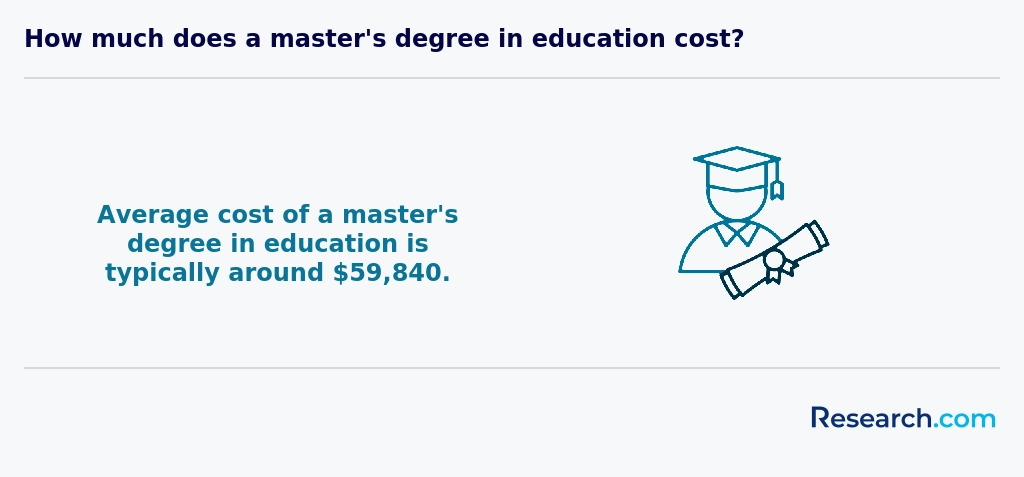
Understanding the average cost of education degree in Williamsburg reveals a financial landscape that challenges many incoming students. The median total cost stands near $23,240, a figure that underscores both opportunity and commitment for those embarking on this path locally. Graduates from well-known institutions like the College of William & Mary often share stories of balancing tuition expenses with personal sacrifices, yet they express pride in the value their degrees bring to their teaching careers and community impact.
In-state students benefit from a significantly lower median cost of about $9,875, which often makes the pursuit of an education degree in Williamsburg feel more attainable and hopeful. By contrast, out-of-state learners face costs reflecting the median out-of-state total of $23,240, prompting many to explore scholarships, part-time work, or financial aid avenues. This differential invites students to carefully weigh their residency options and financial planning strategies before committing.
While tuition fees are an essential consideration, other costs such as textbooks, supplies, and living expenses frequently surface in conversations among education majors. It's in these everyday challenges-managing electronics, commuting, and study materials-that the real journey unfolds, revealing resilience and excitement about future teaching roles. These lived experiences add texture beyond the simple figures seen in education degree tuition and fees Williamsburg.
Students considering their next steps can also gain insight by exploring local resources and career paths at https://research.com/careers/education-careers, a helpful guide that links educational investment with rewarding teaching professions.
Becoming a licensed teacher in Kentucky involves meeting state standards to ensure you’re prepared for the classroom.
- Earn a degree from a program approved by the Kentucky Education Professional Standards Board (EPSB).
- Pass Praxis Core Academic Skills (reading, writing, math) and Praxis II content exams for your subject.
- Complete at least 12 weeks of supervised student teaching or clinical internship.
- Submit an EPSB application with official transcripts, exam scores and a cleared background check.
- Maintain and renew certification through required continuing education or professional development.
If you’re comparing fields, explore the best majors to make money to see how education compares in earning potential.
Students pursuing education degrees in Williamsburg often discover that financial aid options extend far beyond the obvious. Many graduates recall starting with the FAFSA, unlocking access not only to federal grants like Pell Grants-offering up to $7,395 annually-but also to loans that feel manageable thanks to fixed rates and flexible repayment plans. This foundation eases the burden, making dreams of teaching careers more tangible.
Virginia's unique state programs, such as the Tuition Assistance Grant, add another layer of support. Graduates from institutions like the College of William & Mary share how scholarships and assistantships aimed at education majors transform uncertainty into opportunity, especially when paired with work-study roles that foster practical experience while covering expenses.
What surprises many is the hidden potential of employer tuition reimbursement and local private scholarships. This blend of aid doesn't just lower costs; it empowers students to focus on their passion for education in a city known for its rich academic community and commitment to nurturing future teachers.
While pursuing an Education degree in Williamsburg, KY offers numerous benefits, it is also important to recognize some challenges and considerations that potential students may face. Prospective educators should be aware of the competitive nature of program admissions, the evolving expectations within the classroom, and the varying demands of on-campus versus online learning environments. In addition, selecting a program that not only boosts academic credentials but also offers robust career support, mentorship, and internship opportunities is key to long-term professional success. For instance, researching resources from valuable education schools in kentucky can provide deeper insights into program quality and student satisfaction. By understanding these challenges upfront and weighing them against the program benefits, students can better prepare for a fulfilling career in education while making an informed decision about their educational investment.
Enrolling in an education degree program in Williamsburg isn't just about checking boxes; it's a gateway to shaping future generations. Graduates from well-known local colleges often recall the initial hurdle: holding a high school diploma or GED, ensuring a solid academic foundation. Many also faced the reality of maintaining a GPA around 2.5 to 3.0 to meet their chosen program's standards, reflecting the commitment required from day one.
These students found that submitting personal statements was more than formality-it was their chance to express passion and purpose. Letters of recommendation became testimonies from teachers who recognized their potential, making their applications stand out. For those aiming at secondary education, demonstrating proficiency in subjects like math or language arts was pivotal, grounding their teaching expertise.
Graduate applicants, reflecting on their journey, emphasize the value of prior volunteer work in local schools as an essential bridge between theory and practice. These experiences and mandated background checks aren't hurdles but necessary steps that affirm the profession's responsibility and dedication in Williamsburg's education community.

To teach in Kentucky public schools, you must meet state certification standards:
- Earn a bachelor’s degree in Education from an accredited institution.
- Complete a Kentucky-approved educator preparation program, including supervised student teaching.
- Pass required Praxis® Core and subject-specific assessments for your certification area.
- Submit official transcripts, test scores, and a criminal background check to the Kentucky Education Professional Standards Board.
- Apply for initial teaching certification and maintain it through ongoing professional development and renewal processes.
After obtaining initial certification, many educators advance into leadership by pursuing edd programs.
Students pursuing education degrees in Williamsburg often find themselves immersed in courses that extend far beyond textbook theory, shaping them into adaptable educators ready for real-world classrooms. At colleges known for their education programs, graduates describe how Foundations of Education connects historical ideas to today's teaching challenges, sparking new perspectives on the purpose of schooling.
Courses like Child and Adolescent Development and Educational Psychology invite students to consider the diverse minds they will encounter-recognizing differences not just academically but emotionally and socially, based on vivid field experiences in local schools.
Practical classes such as Curriculum Design, Classroom Management, and Assessment Techniques empower future teachers in Williamsburg to craft engaging lesson plans and maintain nurturing yet disciplined environments. Graduates often recall how Student Teaching placements were pivotal, moving theory into practice with hands-on classroom leadership while being mentored by experienced educators.
Embracing Virginia's licensure standards, these curricula cultivate confidence and resilience, equipping Williamsburg students to meet the demands of diverse classrooms with innovation and empathy.
Education degree specializations in Williamsburg challenge students to think beyond traditional teaching roles. Graduates from popular colleges here often highlight Early Childhood Education as a deeply rewarding specialization, where they feel empowered shaping young minds in the region's evolving educational landscape. Special Education similarly draws passionate candidates, responding to local school districts' clear demand for skilled professionals ready to support students with diverse needs.
However, the scope broadens further. Instructional technology specialization in Williamsburg reflects a forward-looking mindset, equipping educators to leverage digital tools in classrooms-graduates proudly share stories of transforming lesson plans with blended learning approaches embraced by Virginia schools. Other common tracks include Secondary Education, Educational Leadership, and English as a Second Language (ESL), each offering unique challenges and fulfillment tailored to Williamsburg's community.
For those exploring the best teaching programs Williamsburg has to offer, understanding these specializations is key. Some graduates recommend researching how to become a teacher in Wisconsin for broader perspectives on teaching careers, enriching their local education degree experience.
Choosing the best education degree in Williamsburg means looking beyond rankings and focusing on how a program fits your unique career vision. Graduates from William & Mary often share how aligning their studies with Virginia state teacher licensure requirements opened doors to meaningful teaching roles in local schools. Instead of just chasing affordability, consider how programs balance cost with hands-on experiences like student teaching placements, which truly shape your confidence and skills in the classroom.
Affordable teaching degrees in Williamsburg don't always mean compromising quality. Some students found that private institutions charging higher tuition still provided greater networking opportunities and higher job placement rates, proving valuable in the long run. Think about whether a traditional campus setting or a hybrid program suits your lifestyle; many have praised the flexibility Warwick's programs offer to busy adults.
For those aiming higher, exploring top online higher education doctorate programs can ignite both personal growth and career advancement, especially for educators eager to influence policy or leadership. This thoughtful approach ensures your degree isn't just a credential, but a stepping stone to thriving in Williamsburg's educational landscape.
Graduates with an education degree in Williamsburg find themselves at a crossroads filled with diverse and rewarding career paths. The Williamsburg-James City County Public Schools system often becomes the first stepping stone, where new teachers experience the joyous challenge of shaping young minds while earning competitive salaries above the national average. Many graduates from popular local colleges reflect on how their classroom experiences sparked a lasting passion for education that transcends traditional teaching roles.
Others venture into school administration, where leadership positions such as principals or curriculum coordinators offer not only higher salaries but the chance to influence entire school communities. These roles demand advanced degrees and a strong commitment, but the emotional reward of guiding educators and students alike is profound. This vibrant career landscape speaks directly to those exploring education degree career opportunities in Williamsburg, revealing opportunities that go beyond what's expected.
Specialized fields like special education and counseling increasingly appeal to graduates who want to make a tangible impact on student well-being. Training programs at Williamsburg's universities support these paths, enabling graduates to become certified experts. For those blending education with technology, Williamsburg's growing digital sector encourages innovative careers in instructional design - a compelling alternative highlighted by many who recognize the future of learning.
Furthermore, those drawn to higher education find roles in student affairs and academic advising, where they contribute to shaping the next generation of learners at local institutions. With tuition averaging around $13,000 for public in-state students, and access to state-supported aid, pursuing advanced degrees becomes an accessible choice. Many students also discover the child development degree benefits as part of their broader educational journey.
- K-12 teaching positions in public and private schools
- School administration and leadership roles
- Special education and educational support services
- Instructional design and education technology roles
- Higher education advising and administration
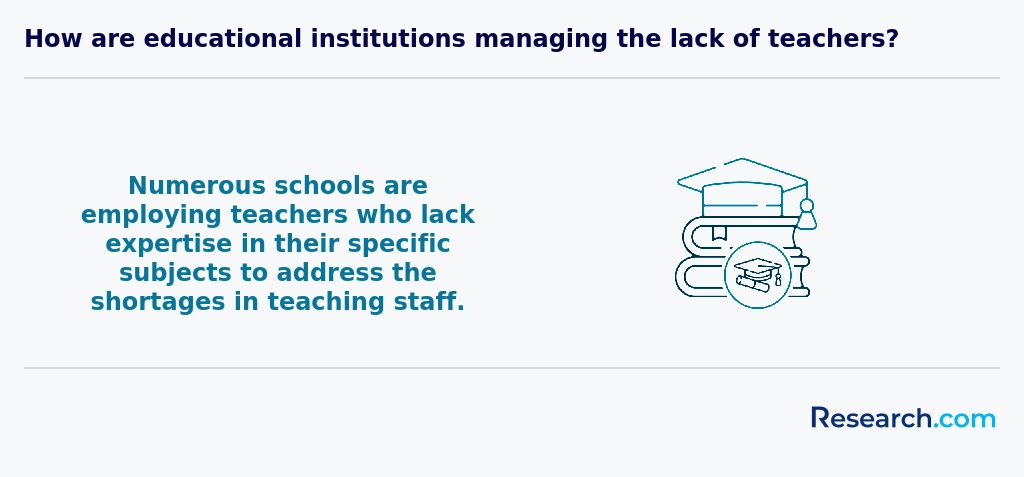
The job market for education degree graduates in Williamsburg is marked by consistent demand, especially given the area's expanding public school system. Local graduates from popular institutions often find themselves quickly recruited to fill roles in K-12 public schools, including much-needed positions in special education and STEM. This demand has only intensified due to a teacher shortage, which many recent graduates see as an encouraging sign for long-term job security. Reflection on personal experiences shared by alumni reveals a sense of fulfillment in joining a community that values education, with many praising the practical training received at Williamsburg-area colleges as preparing them well for real classroom challenges.
Employment outlook for education graduates Williamsburg shows promising diversity, extending beyond teaching into administration, counseling, and educational technology. Students pursuing more specialized tracks often leverage opportunities at local institutions, aided by accessible tuition rates and financial aid. Several graduates have explored innovative paths supported by affordable options such as an affordable online master's in early childhood education, which enhances their credentials without overwhelming financial burden.
Current median starting salaries align with state averages, reinforcing that investing in an education degree here blends stable income potential with meaningful work. This balance invites deeper consideration of the varied roles available in Williamsburg's education sector and challenges newcomers to envision a career that grows with evolving educational needs and technologies.
2027 Most Valuable Education Degree Programs Ranking in Williamsburg
Investing in your education is a significant decision that can shape your future, and the Research.com team understands the importance of making informed choices. To assist prospective students in Williamsburg, we have meticulously developed the "2027 Most Valuable Education Degree Programs Ranking in Williamsburg." Our dedication to quality, credibility, and accuracy is demonstrated through extensive research and analysis performed to create this ranking.
We utilized the following reputable data sources to ensure a comprehensive evaluation of education degree programs:
By exploring this ranking, readers will gain valuable insights into the most valuable education degree programs available in Williamsburg, empowering them to make well-informed decisions about their academic and professional futures. For more information about how this ranking was created, please visit our Research.com methodology page.

Frequently Asked Questions About education
Education degree students in Williamsburg can maximize their learning experience by actively engaging with both coursework and local community resources. Williamsburg offers access to several accredited institutions, including William & Mary, known for its strong education programs. Students should take advantage of internships and practicum opportunities available in nearby public schools, which enhance practical skills.
Research shows that hands-on experience in teaching settings improves job readiness by over 30%. Additionally, Williamsburg's education students benefit from networking events hosted by local educational organizations, providing mentorship and career guidance.
Utilizing libraries and digital resources from Williamsburg's academic institutions supports deeper understanding of educational theories and policies. Time management and participation in study groups further bolster academic success, confirmed by retention statistics within regional colleges.
Emerging niches within the education field in Williamsburg reflect broader national trends focusing on technology integration and equity. One growing area is educational technology, where professionals develop tools and strategies to enhance remote and in-person learning. Williamsburg's local institutions report a 15% increase in enrollment in EdTech-related courses over the past two years, according to the Williamsburg Education Board.
Another expanding niche is special education with an emphasis on inclusive practices. Demand for educators trained in supporting diverse learners, particularly those with autism spectrum disorders, has risen by 10% locally since 2021, per data from the Williamsburg Special Education Consortium.
Social-emotional learning (SEL) is also gaining importance, responding to student mental health needs. Programs focusing on SEL pedagogy are starting to appear in Williamsburg colleges, aligning with national priorities outlined by the U.S. Department of Education.
After earning an education degree in Williamsburg, preparing for the job market involves strategic steps. Start by gaining practical experience through student teaching or local internships; Williamsburg schools often collaborate with nearby colleges, providing valuable hands-on training. Networking is also crucial-join professional organizations such as the Williamsburg Chapter of the Virginia Education Association to connect with local educators.
Familiarize yourself with Virginia's licensure requirements, which include passing the Praxis exams for specific teaching areas. According to the Virginia Department of Education, securing state certification significantly improves employment prospects. Additionally, consider pursuing specialized endorsements to increase your marketability in competitive fields like special education or STEM.
Employers in Williamsburg seeking education degree graduates prioritize strong communication skills, as effective interaction with students, parents, and colleagues is essential. According to the Virginia Department of Education, local schools emphasize adaptability and problem-solving abilities to address diverse classroom challenges. Classroom management expertise also ranks highly, enabling teachers to create positive learning environments.
Data from Williamsburg-James City County Public Schools highlights the importance of technology proficiency, as digital tools increasingly support instruction. Collaboration skills are critical too, fostering teamwork among educators. Lastly, a clear understanding of state educational standards and curriculum development is expected to ensure compliance and effectiveness in teaching practices.
Finding internships in Williamsburg related to an education degree involves leveraging local institutions and education networks. The College of William & Mary, a key educational hub in Williamsburg, collaborates with nearby schools to offer students practical teaching experiences through placement programs. According to recent data, about 65% of education students at William & Mary complete internships at Williamsburg City Public Schools or nearby counties.
Students should also explore partnerships with local nonprofits focused on youth education, such as the Williamsburg James City County Public Schools system, which frequently posts internship opportunities. Utilizing university career centers and attending education job fairs can increase chances of securing meaningful internships.
Networking with alumni and joining statewide education associations, like the Virginia Education Association, further supports finding relevant placements in Williamsburg.
An education degree in Williamsburg significantly enhances career mobility by opening doors to a variety of roles within the local school systems and educational services. According to the Virginia Department of Education, educators holding bachelor's or higher degrees in education have access to higher starting salaries and more opportunities for promotion within Williamsburg's public schools.
Advanced degrees, such as a Master's in Education, are particularly influential in gaining leadership positions like curriculum coordinator or school principal. Local employment data from the Williamsburg-James City County Public Schools show that over 60% of administrative roles require a graduate education degree.
Additionally, the demand for qualified teachers and education specialists in Williamsburg has grown by 8% over the past five years, improving job security and career growth prospects for degree holders.
Studying for an education degree in Williamsburg equips students with skills relevant to interdisciplinary roles by emphasizing collaboration across different fields. Local programs often integrate coursework in psychology, sociology, and technology, reflecting a broad approach to understanding diverse learning environments. According to the Virginia Department of Education, Williamsburg institutions have seen a 12% increase in courses combining education with social sciences over the past five years. This prepares graduates to work effectively with specialists in health, social work, and educational technology. Their training nurtures adaptability and communication, key competencies for addressing complex educational challenges in modern schools and community settings.
Choosing between a thesis and a non-thesis education degree program in Williamsburg depends on your career goals and learning preferences. Thesis programs typically require original research and a written dissertation, ideal for students considering doctoral studies or research careers.
Non-thesis options focus on coursework and practical experience, benefiting those aiming for classroom teaching or administrative roles. According to the Virginia Department of Education, Williamsburg-area graduates with research experience often pursue advanced study or specialized roles.
Consider your schedule, interest in research, and future plans. Many Williamsburg institutions offer both formats, allowing flexibility for diverse student needs.
Students based in Williamsburg seeking education degrees with an international component have several pathways through U.S. higher education institutions. While Williamsburg itself hosts reputable colleges offering education programs, many have established study abroad partnerships allowing students to spend a semester or year teaching or learning overseas.
For example, the College of William & Mary provides structured programs in collaboration with countries like Spain and Italy, emphasizing hands-on pedagogical experience. According to the 2023 Open Doors Report by the Institute of International Education, about 15% of undergraduate education majors in Virginia schools participate in study abroad activities, reflecting growing interest.
Additionally, Williamsburg students can opt for online international education degrees accredited in the U.S., combining global perspectives with local convenience. These flexible options suit working professionals pursuing continuing education in education fields.
Students pursuing education degrees in Williamsburg can find several part-time job opportunities that complement their academic goals. Working as a teacher's aide in local schools provides hands-on experience in classroom management and lesson planning. According to the Williamsburg-James City County Public Schools, there are frequent openings for aides supporting K-12 programs.
Additionally, tutoring services are in demand, especially in subjects like reading and math. Many Williamsburg students seek tutors, offering degree candidates practical experience with individualized instruction. The College of William & Mary's Career Center also reports part-time positions in after-school programs, allowing students to engage with youth and develop leadership skills.
These roles not only support financial needs but also strengthen resumes by linking theory with practice in education.
Education students in Williamsburg benefit from several networking opportunities that enhance their professional growth. The College of William & Mary, the city's primary university, hosts education fairs and annual symposiums where students connect with local school districts and experienced educators. These events often feature over 100 attending recruiters and education professionals, providing valuable contact points.
Local education organizations, such as the Williamsburg-James City County Public Schools, frequently collaborate with universities on workshops and mentorship programs. This allows students to engage directly with practicing teachers in the region. According to the Williamsburg Education Association, participation in such programs increases job placement rates by nearly 20% for recent graduates.
Additionally, Williamsburg's proximity to Virginia Department of Education offices offers students access to state-wide conferences. These events facilitate networking beyond the local level, expanding professional connections in education policy and administration.
Alumni networks play a significant role for education degree students in Williamsburg by providing valuable professional connections. Graduates often gain access to job openings in local schools and districts before they are publicly advertised. According to the Williamsburg Education Foundation, over 65% of alumni report securing their first teaching positions through these networks.
These connections also offer mentorship opportunities, where experienced educators guide recent graduates through certification processes and classroom challenges. Networking events and workshops organized by Williamsburg's education programs help students build relationships with peers and industry leaders, enhancing career development.
Participation in alumni associations boosts students' access to continuing education resources and collaborative projects within the Williamsburg school system, further strengthening their professional growth.
Customizing an education degree program in Williamsburg to match your career goals involves selecting specific concentrations, electives, and practicum experiences aligned with your interests. Many local institutions offer specialization options such as early childhood education, special education, or administration, allowing students to tailor their studies. According to Virginia Department of Education data, programs that include hands-on teaching experiences improve job placement rates by up to 20% in the Williamsburg area.
Students should consult academic advisors to choose courses that build skills relevant to their target roles. Additionally, pursuing certifications in areas like ESL or instructional technology can enhance employability. Flexible scheduling options, including evening and online classes, further support personalized learning paths in Williamsburg's education programs.
Education students in Williamsburg often face several notable challenges during their studies. One common issue is balancing rigorous coursework with required field experiences or student teaching placements, which can demand significant time and emotional commitment. According to the Virginia Department of Education, shortages in local K-12 schools sometimes limit practicum opportunities, impacting hands-on learning.
Additionally, many students report financial stress, as the average tuition for education degrees in Williamsburg-area institutions ranges between $8,000 and $12,000 annually, excluding living expenses. This can affect student retention rates in education programs.
Lastly, adapting to evolving state certification requirements and new educational technologies presents ongoing challenges for future teachers in the region.
With an education degree in Williamsburg, graduates have access to several professional certifications that can enhance their careers. One common certification is the Virginia teaching license, required for public school educators in the state. This credential ensures that teachers meet specific state standards for classroom readiness and subject knowledge.
Additionally, graduates may pursue National Board Certification, a voluntary advanced teaching credential recognized across the U.S., including Williamsburg, which can lead to higher salaries and professional recognition.
Specialized certifications are also available in areas like special education, reading, and ESL (English as a Second Language). These certifications help educators address diverse student needs and increase employment opportunities.
Applying for an education program in Williamsburg requires clear and strategic preparation. Start by researching local institutions, such as the College of William & Mary, known for its strong education department. According to the National Center for Education Statistics, submitting a completed application with all required documents improves acceptance chances by up to 30%.
Highlight your relevant experience in classrooms, tutoring, or community programs to demonstrate commitment. Williamsburg schools value applicants showing practical skills alongside academic achievements. Use your personal statement to connect your goals with Williamsburg's educational priorities, such as promoting inclusive learning environments, as emphasized by Virginia Department of Education reports.
Be sure to request strong recommendation letters from educators familiar with your work ethic and potential. Lastly, proofread everything thoroughly to avoid common errors that can reduce your application's competitiveness.
Education careers in Williamsburg reflect broader trends seen across the United States but also offer unique local opportunities. Nationwide, the Bureau of Labor Statistics projects a 5% growth in education jobs from 2022 to 2032, indicating steady demand. Williamsburg hosts several institutions providing strong education degree programs, allowing students to prepare for diverse roles from teaching to administration.
Globally, educators are increasingly expected to integrate technology and cultural awareness into their teaching. This matches Williamsburg's push for innovative curriculum development, supported by local school districts and universities. According to the Virginia Department of Education, Williamsburg schools prioritize bilingual education and digital literacy, skills valued internationally.
For students considering an education career, Williamsburg offers access to practical experience through partnerships with local schools and community programs. This hands-on training aligns with global trends emphasizing real-world skills alongside academic knowledge.
Students pursuing education degrees in Williamsburg can gain practical experience through local public schools, which often partner with colleges for student teaching opportunities. These internships are essential, allowing hands-on classroom practice under licensed educators' supervision.
Williamsburg schools actively participate in programs supported by the Virginia Department of Education, ensuring student teachers meet state requirements. Additionally, service learning and volunteer roles in community centers provide further exposure to diverse educational settings.
Some universities in Williamsburg may offer workshops and simulation labs to enhance instructional techniques before field placements. According to the College Board, nearly 80% of education students nationwide complete such practical training, a trend increasingly emphasized in Williamsburg programs for licensure eligibility.
Choosing the right concentration within an education degree program in Williamsburg involves evaluating your career goals and local job demands. Williamsburg offers concentrations such as early childhood education, special education, and educational leadership. According to the Virginia Department of Education, demand for special education teachers in the Williamsburg area is expected to grow by 8% over the next decade, reflecting statewide trends.
Consider your preferred age group and subject area, as this directly impacts your certification and employment opportunities. Research shows that early childhood education programs in Williamsburg align with state standards and prepare students for preschool teaching roles, which are in high demand locally.
Finally, consult with academic advisors at Williamsburg colleges to understand specific curriculum details and practicum experiences offered for each concentration.
- 2027 Most Valuable Education Degree Programs Ranking in Greenville
- 2027 Most Valuable Education Degree Programs Ranking in Cincinnati
- 2027 Most Valuable Education Degree Programs Ranking in Atlanta
- 2027 Most Valuable Education Degree Programs Ranking in Columbus
- 2027 Most Valuable Education Degree Programs Ranking in Indianapolis
- 2027 Most Valuable Education Degree Programs Ranking in Greensboro
- 2027 Most Valuable Education Degree Programs Ranking in Birmingham
- 2027 Most Valuable Education Degree Programs Ranking in Macon
- 2027 Most Valuable Education Degree Programs Ranking in Raleigh
- 2027 Most Valuable Education Degree Programs Ranking in Montgomery
See What Experts Have To Say About Studying Education
Read our interview with Education experts


Alan J. Singer
Education Expert
Professor of Teaching, Learning and Technology
Hofstra University

- Skills Employers Look for in Business Graduates – EU Business School https://www.euruni.edu/blog/skills-employers-look-for-in-business-graduates/
- Top 10 Effective Networking Tips for Students https://www.unfc.ca/blog/networking-tips-for-students
- International teaching and education jobs https://www.tes.com/jobs/search/international
- The 10 Highest Paying Jobs With a Teaching Degree [Quiz] https://www.umassglobal.edu/blog-news/highest-paying-jobs-with-a-teaching-degree
- Why Experience is Just as Important as Education https://lateral-connect.com/why-experience-is-just-as-important-as-education/
- Financial Aid - Brooklyn College https://www.brooklyn.edu/case/high-school-students/financial-aid/
- Latest Trends in the Field of Education - ICERT https://icert.org.in/latest-trends-in-the-field-of-education/
- Networking For Educators: How To Grow A Professional Circle - Carlow University https://www.carlow.edu/networking-for-educators/
- College Scholarships https://college-advisement.williamsburgchristian.org/college-scholarships/
- How to Build Work Experience While Studying - EN Global Education Ltd https://englobaleducation.co.uk/how-to-build-work-experience-while-studying/


