
2027 Most Affordable Education Degree Programs Ranking in Auburn

Co-Founder and Chief Data Scientist
Choosing the right education degree program can be overwhelming, especially when cost is a major concern. This article introduces the 2027 Most Affordable Education Degree Programs Ranking in Auburn, carefully created by the Research.com team of data scientists.
Designed to support your decision-making, this ranking highlights affordable yet quality options available locally. Pursuing an education degree opens doors to rewarding careers and lifelong impact.
Explore this guide to find programs that suit your goals and budget, making your journey toward becoming an educator both achievable and exciting.
Key benefits of getting education degree in Auburn
- Graduates with an education degree in Auburn can expect rewarding salaries, such as $70,740 annually for elementary school teachers and $76,000 for special education teachers, reflecting strong earning potential in meaningful careers.
- Education degree holders from Auburn universities have diverse career paths including teaching, instructional design, and early childhood education, offering flexibility to find a role that fits their passion and skills.
- Completing an education degree online in Auburn provides convenience and balance, allowing graduates to gain valuable skills while managing work or family commitments, leading to successful careers like online program graduates who achieve $77,200 yearly as instructional designers.
- 2027 Most Affordable Education Degree Programs Ranking in Auburn
- What can I expect from education degree in Auburn?
- Where can I work with education degree in Auburn?
What can I expect from education degree in Auburn?
The average cost of pursuing an education degree in Auburn, especially at Auburn University, is quite manageable compared to many other universities. For in-state students, tuition typically runs around $11,000 per year for undergraduate programs, while out-of-state students might pay about $31,000 annually. Graduates often recall how financial aid and scholarships helped ease the burden, allowing them to focus more on their studies and practical training.
Many who have earned their degrees here emphasize the value they received-not just classroom learning but immersive fieldwork and student-teaching internships within local schools. These experiences bring real-world challenges and rewards to life, making every dollar invested feel worthwhile. The supportive community around Auburn's College of Education, coupled with strong state endorsement, reassures students that their education is a gateway to meaningful careers both locally and beyond.
Where can I work with education degree in Auburn?
With an education degree earned from institutions like Auburn University, you have a broad spectrum of rewarding career paths right here in Auburn. Many graduates find fulfilling roles in local public and private K-12 schools, where the demand for skilled teachers-especially in special education, math, and science-is growing steadily. Imagine yourself shaping young minds in vibrant classrooms, knowing the community relies on passionate educators like you.
Some education graduates from Auburn take on leadership roles such as school principals or instructional coaches, stepping into administration where their advanced degrees open doors to meaningful impact and higher salaries. Others thrive in early childhood centers, supporting vital developmental stages for little learners, reflecting the expanding network of licensed facilities in Lee County.
Beyond schools, education majors often contribute through tutoring centers or consulting companies near Auburn, fueled by the city's connection to Auburn University. Graduates working in academic advising or student support roles find joy in guiding others along their educational journeys-experiences that feel just as rewarding as teaching itself.
If you earn an education degree in Auburn, you can anticipate rewarding salary opportunities that reflect your dedication and passion for teaching. Graduates from well-known Auburn institutions often start as early childhood educators earning around $41,410 annually. This role is a meaningful entry point, allowing you to build classroom skills and impact young learners' lives daily.
As you gain experience, many Auburn graduates move into roles such as elementary school teachers, who earn a mean annual wage of about $70,740. This increase is encouraging and mirrors the growth seen by peers across Alabama's schools. Those passionate about specialized instruction might pursue special education teaching, with salaries averaging $76,000, reflecting the vital expertise required for this work.
Other graduates transitioning to roles like instructional designers can earn upwards of $77,200. Such positions often blend your teaching insights with technology to create innovative learning environments, a perfect match for those seeking leadership beyond traditional classrooms.
One common thread among Auburn education graduates is the steady salary growth tied to their expanding skills and certifications, alongside the personal fulfillment of shaping future generations in their community.
- In Auburn, annual tuition for education bachelor's programs ranges from $11,000 to $12,500 for in-state students and can exceed $30,000 for out-of-state students.
- Master's degrees in education typically cost between $13,000 and $16,000 per year for in-state students, excluding additional expenses like books and living costs.
- Financial aid, scholarships, and federal loans are commonly available to help with education degree costs.
- Starting salaries for new teachers in Auburn are between $40,000 and $45,000 annually, with potential growth to around $55,000 or more with experience and certifications.
- Job opportunities are strong in elementary, secondary, special education, and administration roles due to steady student enrollment and education initiatives.
Completing an education degree in Auburn usually fits within the typical U.S. timeline, with a bachelor's degree taking about four years of dedicated full-time study. Many graduates from Auburn University share how this period includes a rich mix of lectures, hands-on teaching experiences, and student teaching lasting a full semester, which brings classroom theories to vibrant life. Imagine yourself stepping into a local school, guiding students with the skills you've gained-that's the real payoff of this journey.
If you're considering a master's degree, plan for one to two years beyond your bachelor's, depending on whether you study full- or part-time. Many graduates appreciate the flexible scheduling offered, which makes it possible to balance school with work or family. Doctoral studies can stretch from three to six years, focusing deeply on research and original contributions to education.
Remember, accelerated programs and part-time options provide pathways tailored to your life's rhythm-whether you're eager to dive in or need a steady pace while managing other commitments in Auburn.
Choosing between online and on-campus education degrees in Auburn means weighing how you want to experience your learning journey. Graduates from Auburn University often share how attending classes in person enriched their experience-connecting face-to-face with professors, collaborating with peers, and enjoying campus resources like libraries and student teaching opportunities nearby. This hands-on environment builds confidence and a strong professional network right in your community.
On the other hand, graduates from online education programs appreciate the freedom to study on their own schedule, balancing work, family, and classes through flexible, asynchronous lessons. Many local schools design these programs to meet Alabama's teacher certification requirements, ensuring your degree remains respected while you manage life's demands. Online students often find creative ways to complete practicums in Auburn-area schools, gaining meaningful in-classroom experience at times that work best for them.
This choice isn't just about location-it's about finding the right fit for your lifestyle and learning style while preparing to make a real impact in education.
To become a certified teacher in Alabama, complete these state-mandated steps:
- Graduate from a CAEP-accredited teacher preparation program.
- Pass the Praxis Core Academic Skills for Educators (reading, writing, mathematics).
- Pass the Praxis Subject Assessment in your teaching specialty.
- Submit your application and official transcripts to the Alabama State Department of Education.
- Complete fingerprinting and a criminal background check.
- Earn your Class B Professional Educator Certificate.
- Renew your certification every five years through continuing education or graduate coursework.
For flexible scheduling and reduced costs, consider online degrees that meet state requirements.
The average cost of a education degree in Auburn typically reflects a balance between quality and affordability. On average, students pursuing education degrees in this city can expect total costs around $51,558, with in-state students benefiting from significantly lower median expenses near $12,890. Many graduates from Auburn University, a leading institution recognized for its robust education programs, share how this investment has been manageable and well worth the growth they experienced both personally and professionally.
When considering Auburn affordable education degree tuition fees, it's important to remember that these figures often include tuition, fees, and other mandatory expenses but may exclude books or living costs. For example, a graduate student focusing on Instructional Leadership at Auburn University found the tuition competitive, allowing them to focus more on gaining practical classroom skills rather than financial stress. It's the kind of environment where students feel supported in turning their passion for education into lasting careers.
If you're looking to map out your journey toward becoming an educator, keep in mind that scholarships, assistantships, and financial aid are commonly available, reducing the actual costs you'll face. Many students have secured such opportunities by demonstrating dedication and academic promise. For further guidance tailored to your aspirations, exploring resources like https://research.com/careers/education-careers can provide valuable insights into education paths and financial planning.
The average cost of education degree programs in Auburn varies but remains within reach for motivated students ready to embrace the rewarding challenges of teaching and educational leadership. Controlling expenses while experiencing the support of well-established education programs makes Auburn an appealing choice for future educators.
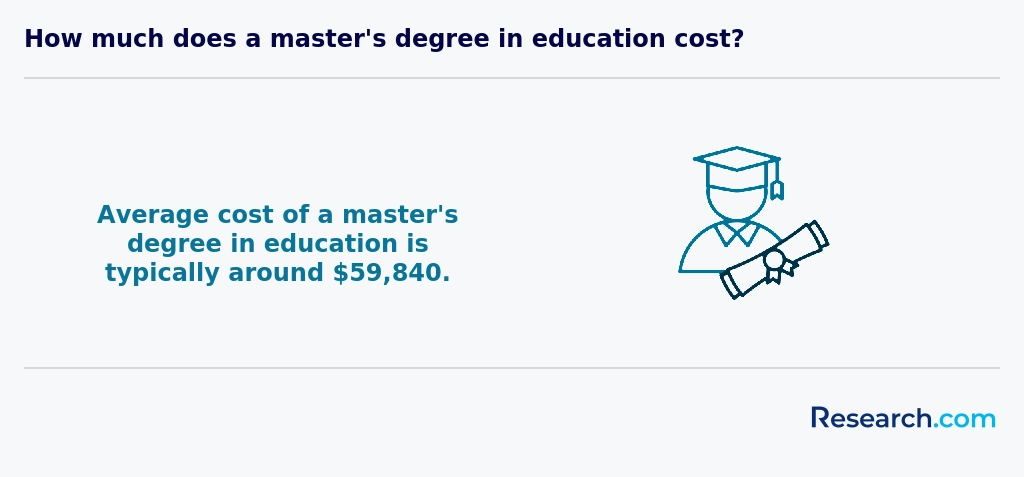
Exploring alternative programs can help you find the best balance of cost, flexibility, and academic quality when pursuing an education degree. While Auburn, AL, offers competitive tuition rates and robust support services, comparing similar offerings in other regions or fully online formats can uncover additional cost-saving opportunities and specialized resources. For instance, you may consider reviewing the Most Affordable Online Education Degree Programs Ranking in Springfield, MO, which highlights online options with lower per-credit fees and accelerated pathways. These programs often provide 24/7 access to digital libraries, virtual tutoring, and streamlined accreditation that matches Auburn’s rigorous standards-ideal for learners who need maximum schedule flexibility without sacrificing program credibility. When evaluating regional and online alternatives, pay close attention to hidden fees (technology, residency, materials), student-to-faculty ratios, and the availability of synchronous versus asynchronous coursework. Comparing these factors side by side with Auburn’s offerings ensures you select an education program that aligns with your budget, learning style, and long-term career goals.
Students pursuing education degrees in Auburn often find financial aid as a crucial ally in their academic journey. At institutions like Auburn University, many graduates recall how completing the FAFSA unlocked federal aid including the Pell Grant, which can provide up to $7,395 annually to ease tuition costs. This support made it possible for them to focus more on learning rather than financial stress.
State-specific resources also play a big role. The Alabama Student Assistance Program offers grants that many local students rely on to cover part of their expenses, especially those attending schools like Auburn University or Auburn University at Montgomery. These grants are need-based, offering much-needed relief to Alabama residents.
Scholarships targeted at future educators, such as those offered by the Alabama Education Association or merit scholarships from local colleges, provide additional encouragement. Many education students have shared how these awards boosted their confidence and motivation.
Work-study opportunities on campus or in nearby schools bring both income and hands-on experience, which graduates describe as invaluable while earning their degree. Some graduates have even benefited from employer tuition reimbursement or loan forgiveness programs, especially when teaching in high-need Alabama schools, turning their service into financial freedom.
By leveraging these diverse financial aid paths, Auburn's education students are empowered to pursue their dreams with optimism and practical support.
To become a licensed K–12 teacher in Alabama, you must complete each of the following steps:
- Earn a bachelor’s degree from an accredited education program (consider an accelerated fast track bachelor degree to meet requirements faster)
- Pass the Praxis Core Academic Skills for Educators tests (reading, writing, mathematics)
- Pass the Praxis Subject Assessment in your chosen teaching field (e.g., Elementary Education, Secondary Math)
- Complete a state-approved student teaching internship (minimum 12-week supervised placement)
- Apply for initial certification through the Alabama State Department of Education (ALSDE) online portal
- Submit a fingerprint-based background check and official transcripts to ALSDE
To begin your journey toward an education degree in Auburn, you must first hold a high school diploma or GED, a foundational step that every successful graduate has started with. For those aiming at undergraduate programs at Auburn's community colleges or universities, submitting SAT or ACT scores is often part of the process-though some schools have embraced test-optional policies, many still weigh these exams heavily, especially in competitive education tracks.
Maintaining a GPA between 2.5 and 3.0 demonstrates your academic readiness; many graduates recall how reaching this benchmark gave them the confidence to tackle challenging coursework in education theory and practice. Admissions committees also expect engaging personal statements and recommendation letters, which have helped past students showcase their passion for teaching and dedication to serving Auburn's diverse classrooms.
If you're looking beyond undergraduate studies to graduate programs, like a Master's in Education, expect to present a completed bachelor's degree with a GPA around 3.0, and sometimes relevant professional experience. Many graduates found that preparing these materials made their applications shine well in Auburn's vibrant educational community.
Finally, remember that background checks and immunization records are common requirements, reflecting Auburn's commitment to safe and supportive learning environments for all students and those they will eventually teach.

After earning your Education degree in Auburn, AL, you must secure state licensure to teach in public schools. Alabama requires candidates to:
- Complete a CAEP-accredited teacher preparation program
- Pass the Praxis Core Academic Skills for Educators and Praxis Subject Assessments
- Undergo a criminal background check and fingerprinting
- Apply for certification through the Alabama State Department of Education and pay required fees
Many online college programs integrate certification prep, helping you meet exam and application deadlines while completing coursework.
Diving into an education degree in Auburn means embracing a curriculum designed not just to teach, but to inspire future educators. Graduates from the University of Auburn often share how foundational courses like Foundations of Education helped them understand the rich history and social impact of teaching in the U.S., making their classroom experiences more meaningful.
Courses such as Educational Psychology reveal how students develop and learn, equipping you to tailor your approach to every learner's unique needs. Imagine mastering Instructional Strategies that enable you to confidently engage diverse classrooms, a skill every local college graduate treasures.
Beyond theory, practical subjects like Classroom Management and Assessment and Evaluation prepare you to create respectful, productive learning environments and accurately gauge student success-a vital skill shared by many successful Auburn alumni.
Specialized classes in Special Education and Literacy Development reflect Auburn's commitment to diversity, ensuring you're ready for the real-world challenges of today's schools. Hands-on student teaching placements offered by Auburn's programs immerse you in genuine classroom settings, turning knowledge into confidence.

Education degree specializations in Auburn offer a variety of focused paths that cater to different passions within teaching and school leadership. Many students at Auburn University and local colleges choose Elementary Education, where they learn how to create engaging literacy and numeracy lessons for young learners. Others find fulfillment in Secondary Education, preparing to teach subjects like math or science to middle and high school students, often sharing how their hands-on experiences in Auburn classrooms sparked their enthusiasm for impacting adolescent learners.
Special Education is another inspiring specialization. Graduates often describe the rewarding challenge of developing tailored strategies to support students with disabilities, a demand that reflects Auburn's commitment to inclusive education. Meanwhile, Educational Leadership attracts those who envision themselves shaping school policies or curriculum as future principals or coordinators. The affordable Auburn education degree options make it easier for many to pursue these goals without overwhelming debt.
For those drawn to early years or wellness, Early Childhood and Physical Education specializations are popular. Graduates frequently talk about how learning developmentally appropriate techniques or promoting student health fuels their motivation. To navigate certification and career paths smoothly, Auburn students benefit from resources like Washington teacher certificationrenewal insights, ensuring their studies align with real-world teaching standards.
To choose the best education degree in Auburn, start by pinpointing the specialization that excites you, whether it's early childhood, special education, or leadership roles. Graduates from Auburn's well-regarded programs often praise how choosing a focus early helped them stay motivated and confident throughout their studies. Accreditation matters greatly; look for programs endorsed by CAEP, ensuring your education meets top national standards and smooths your path to licensure in Alabama.
Cost is another key consideration. Many find Auburn University offers some of the best affordable education degree programs Auburn, balancing quality and tuition rates close to the national average. Beyond tuition, account for all expenses like fees and living costs to avoid surprises. Flexibility also plays a crucial role-working adults benefit immensely from programs offering online or evening classes, just like those who pursue an online master's in teaching ESL at Auburn institutions.
Finally, learn from graduates who highlight the impact of expert faculty and hands-on student teaching placements. Their experience shows that programs investing in student resources and strong local partnerships often produce highly successful teachers. When you prioritize these factors, you're not just choosing a degree-you're starting a fulfilling career in education.
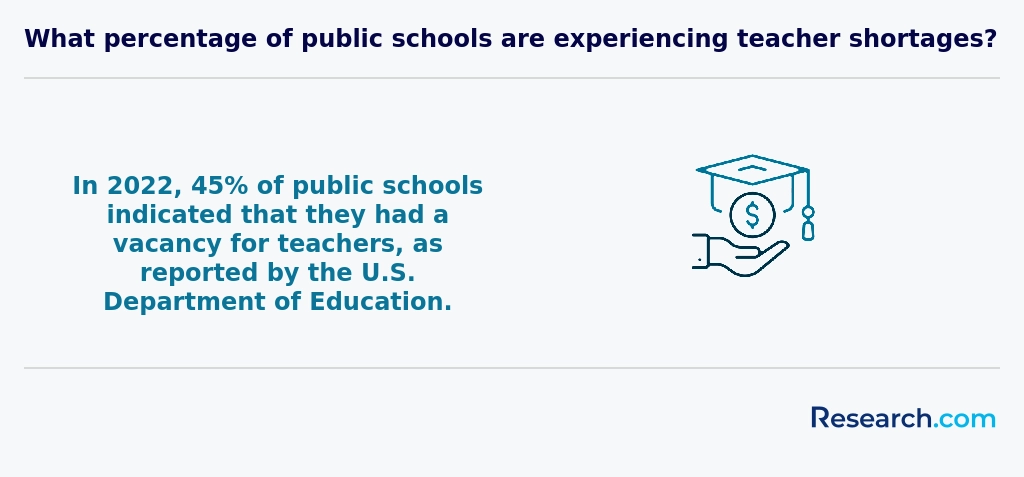
Graduates with an education degree in Auburn discover a range of fulfilling career paths that go well beyond traditional classroom teaching. Many find rewarding roles as K-12 teachers in public or private schools after completing licensure programs at Auburn University, where hands-on experiences with local schools prepare them well for the challenges ahead. Those passionate about leadership often pursue educational administration, stepping into roles like principals or instructional coordinators, guiding schools toward growth and innovation. This path offers not only competitive salaries but also a real chance to shape the educational landscape.
Others who value specialized support work become special education teachers, counselors, or reading specialists, eagerly addressing diverse student needs with compassion and expertise. Beyond schools, education graduates explore vibrant opportunities in educational technology, corporate training, or nonprofit organizations, applying their knowledge in fresh, impactful ways. For students seeking versatility, Auburn's programs open doors to exciting job prospects with education degree Auburn graduates often reflect on how the practical skills gained at local universities set them up for success. Those interested in advancing their credentials might also consider the best low-cost online MFA degrees to expand their career horizons.
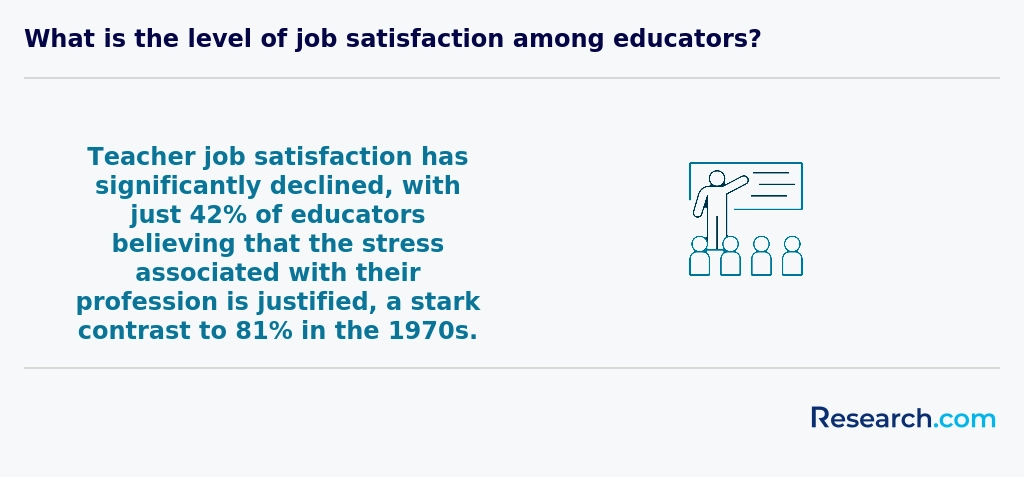
The job market for education degree holders in Auburn remains promising, especially for those seeking education degree job opportunities Auburn. Graduates from Auburn's well-regarded institutions often find roles in K-12 schools, where the demand for qualified educators in STEM and special education is particularly strong. Many alumni share how securing teaching positions or school counseling roles felt rewarding, knowing they contribute directly to a growing student body while experiencing a supportive community and affordable living costs.
Career prospects for education graduates Auburn extend beyond classrooms. Some graduates move into educational administration or design innovative instructional programs, benefiting from local schools' commitment to hiring certified professionals. Navigating state licensing requirements can initially feel daunting, but graduates who complete accredited programs in Auburn typically report a smooth entry into the workforce, buoyed by practical training and a network of peers.
For those exploring specialized paths, Auburn also offers access to resources like top online child development programs, providing flexible options to enhance qualifications and meet evolving market needs.
2027 Most Affordable Education Degree Programs Ranking in Auburn
Investing in your education is a significant decision that can shape your future, and the Research.com team understands the importance of making informed choices. To support prospective students in Auburn, we have carefully developed the "2027 Most Affordable Education Degree Programs Ranking in Auburn." Our dedication to quality, credibility, and accuracy is demonstrated through rigorous research and thorough analysis.
We utilized the following reputable data sources to ensure a comprehensive evaluation of affordable education degree programs:
By reviewing this ranking, readers will gain valuable insights into affordable education degree options in Auburn, empowering them to make well-informed decisions about their academic journeys. For more information on how this ranking was created, please visit our Research.com methodology page.

Frequently Asked Questions About education
Education degree students in Auburn can maximize their learning experience by actively engaging with both academic and practical opportunities offered by local institutions. Auburn University, home to one of the region's leading education programs, encourages students to participate in hands-on teaching internships, which reflect real classroom environments. According to Auburn University's College of Education, these internships significantly improve teaching skills and employment prospects.
Utilizing campus resources such as tutoring centers, education clubs, and research projects can deepen understanding of educational theories and practices. Networking with faculty and local school districts also provides insights into current educational challenges in Alabama.
Additionally, maintaining high academic performance helps qualify students for scholarships and grants, reducing financial burdens while enabling focus on studies. Staying updated on state certification requirements ensures students meet licensure standards promptly after graduation.
Emerging niches within the education field reflect growing technological and social trends influencing teaching and learning. In Auburn, there is increasing interest in educational technology, with programs focusing on digital learning tools and online curriculum development. According to the Auburn University College of Education, enrollment in instructional design and technology courses has risen by 20% in the past three years.
Another growing area is special education with an emphasis on inclusive practices for diverse learners, addressing needs related to autism and behavioral supports. Data from the Alabama State Department of Education highlights a 15% district-wide increase in special education employment since 2020.
Finally, adult education and workforce development remain crucial, as Auburn's local economy demands skill retraining and lifelong learning opportunities to meet shifting market needs.
After earning an education degree in Auburn, preparing for the job market involves several key steps. First, gaining practical experience through student teaching or internships is essential; this is often required by Alabama's teacher certification process. Auburn graduates benefit from the state's high demand for qualified educators, with Alabama projected to experience a 6% growth in education jobs through 2030, according to the Alabama Department of Labor.
Networking is vital-attending local education job fairs and joining professional organizations like the Alabama Education Association can connect graduates with employers.
Additionally, obtaining certification by passing the Praxis exams is necessary for many teaching positions in Alabama public schools.
Continuing education and workshops can increase competitiveness in the job market, as Auburn offers various resources supporting new teachers post-graduation.
Employers in Auburn seek education degree graduates who demonstrate strong communication skills, adaptability, and classroom management abilities. According to the Alabama State Department of Education, effective verbal and written communication is essential for collaborating with students, parents, and colleagues. Graduates should also be prepared to work with diverse student populations, reflecting Auburn's growing cultural variety.
Critical thinking and problem-solving skills are highly valued, as teachers often face unique challenges that require quick, informed decisions. Additionally, proficiency with educational technology is increasingly important in Auburn's schools, where digital tools support teaching and learning.
Data from the National Center for Education Statistics highlights that Auburn-area schools emphasize professional ethics and ongoing learning, expecting graduates to commit to continuous development to meet evolving educational standards.
Finding internships in Auburn related to an education degree involves a combination of university resources and local opportunities. Auburn University, the primary institution offering education degrees, provides dedicated career services and internship placement programs specifically for education students. These offices connect students with local schools and educational organizations in Auburn and the broader Lee County area.
Additionally, students should explore partnerships between Auburn's College of Education and surrounding school districts, which often offer practicum experiences and paid internships. Websites like Handshake, commonly used by Auburn University students, list various education-centric internships updated regularly.
Networking at local education events and reaching out to the Alabama State Department of Education can also provide leads on internships. According to Auburn University's recent career report, nearly 70% of education students secure internships through university-facilitated connections, highlighting the value of utilizing institutional support.
Obtaining an education degree in Auburn significantly enhances career mobility and opportunities for advancement within the local and regional job markets. According to the Alabama State Department of Education, educators with bachelor's or master's degrees typically see faster promotion rates and access to specialized roles such as curriculum coordinators or instructional coaches.
The demand for qualified teachers in Auburn and surrounding areas continues to grow, fueled by school district expansions and a focus on improving student outcomes. This growth increases job stability for degree holders and offers pathways into administrative positions that require advanced credentials.
Furthermore, data from Auburn University show that graduates with education degrees often earn salaries 10-15% higher than those without formal qualifications. This financial incentive encourages continuing education and certification, which further supports upward career movement.
Certification and licensure requirements in Alabama also favor applicants with accredited education degrees, facilitating easier transitions between public schools and districts within the state. This flexibility is a crucial factor in long-term career development for educators based in Auburn and beyond.
Studying for an education degree in Auburn offers strong preparation for interdisciplinary roles by integrating curriculum that crosses multiple fields. Programs often combine education theory with practical training in psychology, sociology, and technology, equipping students with diverse skill sets.
According to Auburn University's College of Education, students engage in collaborative projects that emphasize problem-solving across different disciplines. This approach helps graduates adapt to various educational environments, including special education, counseling, and administration.
Additionally, Auburn's partnerships with local schools and organizations provide hands-on experiences that foster teamwork with professionals from other sectors.
When choosing between a thesis and a non-thesis education degree program in Auburn, consider your career goals carefully. Thesis programs often suit students interested in research, academia, or pursuing a doctoral degree. These programs typically require original research and a formal thesis, which can take extra time but provide strong analytical skills.
Non-thesis programs focus more on practical knowledge and coursework. They may include internships or projects instead of research, appealing to those aiming for immediate employment in schools or educational administration. Auburn University offers both options in education, allowing flexibility based on professional needs. According to Auburn's Graduate School, about 40% of education graduates opt for thesis tracks, indicating a balanced demand.
Consider your learning style and time commitment as well, since thesis programs usually extend study duration.
Students based in Auburn interested in studying education abroad have several options through local universities' study abroad programs. Auburn University, for example, offers partnerships with institutions in countries like the United Kingdom, Spain, and Japan, allowing education majors to earn credit while gaining international experience.
These programs typically last from a summer term to a full academic year, providing opportunities to explore diverse teaching methods and educational systems. According to Auburn University's Office of Study Abroad, over 200 Auburn students annually participate in such exchanges, with education majors comprising a growing share.
Students can also access scholarships and financial aid specifically for study abroad, helping offset costs. Many programs include fieldwork or classroom observations abroad, enhancing practical skills alongside coursework. Nationally, around 6% of U.S. education students engage in study abroad before graduation, signaling a valuable but less common path.
Part-time jobs in Auburn that complement education degree studies often include roles such as teacher's aides, tutoring assistants, and daycare helpers. These positions allow students to gain valuable hands-on experience while managing coursework. For instance, Auburn City Schools and Auburn University's Child Development Center frequently offer part-time opportunities for education students. According to the Alabama Department of Labor, education-related part-time roles in Auburn typically pay between $10 and $15 per hour, providing both income and practical insight into classroom management and student interaction.
Education students in Auburn benefit from numerous networking opportunities designed to connect them with local schools, educators, and education professionals. Auburn University's College of Education offers active student organizations such as the Auburn Student Education Association, which hosts events and workshops fostering peer connections and professional development.
Additionally, students can attend career fairs and teaching conferences held in the Auburn area, where they meet potential employers and mentors. The Alabama State Department of Education partners with local universities, including Auburn, to provide internship and practicum placements. These real-world experiences help students build networks with practicing teachers and administrators.
These opportunities give education students a strong foundation for building professional relationships before graduation, positioning them well for future employment in Alabama schools.
Alumni networks provide significant benefits to education degree students in Auburn by offering valuable professional connections and support. These networks often facilitate mentorship opportunities, allowing current students to learn from graduates who have successfully entered teaching and administrative roles in Alabama schools.
Access to job postings and exclusive events through alumni associations increases employment prospects after graduation. According to the Alabama Commission on Higher Education, Auburn University's alumni engagement contributes to higher post-graduation employment rates in education fields compared to state averages.
Additionally, alumni networks foster a sense of community, encouraging collaboration and knowledge sharing. This connectivity helps students navigate challenges unique to the education profession in Auburn and broader Alabama.
Students pursuing education degrees in Auburn have a variety of options to tailor their programs to match career goals. Many institutions allow selection of specializations such as early childhood, secondary education, or educational leadership. Auburn University, for example, offers flexible course schedules and elective choices enabling focus on specific teaching fields or administrative roles.
Additionally, students can incorporate practical experience through internships or practicum placements in local schools, which enhances job readiness. Some programs also support pathways for certification in high-demand areas, including special education or English as a Second Language (ESL), meeting regional workforce needs.
Consulting academic advisors and reviewing course catalogs helps align coursework with professional objectives. According to the National Center for Education Statistics, personalized education plans improve graduation rates and career satisfaction, making customization an important consideration.
Education students in Auburn commonly face challenges balancing rigorous coursework with practical field experiences. Many programs require extensive student teaching hours, which can be demanding alongside academic responsibilities. According to the Alabama Commission on Higher Education (2023), close to 40% of education majors in Auburn report time management as a major hurdle.
Financial strain is another concern, as tighter budgets and rising tuition impact many students. The cost of textbooks, classroom materials, and certification exams adds to expenses. Additionally, adapting to diverse classroom environments during internships requires strong cultural competence and flexibility, which students often find challenging early in their training.
These factors collectively influence retention and graduation rates among education majors in the area.
Graduates with an education degree in Auburn can pursue several professional certifications to enhance their careers. The most common certification is the Alabama State Teaching Certificate, which qualifies individuals to teach in public schools across the state.
Other certification options include becoming a National Board Certified Teacher, a credential recognized nationwide for advanced teaching skills. Specialty areas such as special education, reading instruction, or school counseling also offer certifications that can broaden career opportunities.
According to the Alabama State Department of Education, approximately 3,200 teachers in the Auburn area hold active certifications, indicating strong local demand for qualified educators.
Professional certifications can significantly improve job prospects and salary potential for Auburn graduates with education degrees.
Writing a winning application for an education program in Auburn starts with understanding the specific admission requirements of the universities and colleges in the area. Most programs require a formal application, official transcripts, and letters of recommendation. Auburn University, for example, values a strong academic record, especially in relevant subjects like social sciences and English.
Including a well-crafted personal statement is crucial. This should clearly explain your motivation to pursue an education degree, your career goals, and how the program suits your needs.
Applicants should also highlight any practical experience in education or community service, as these strengthen the profile.
The latest Auburn University admissions data shows that successful candidates often have a GPA above 3.0 and competitive standardized test scores, where applicable.
Finally, early submission and following all guidelines meticulously can considerably improve your chances of acceptance.
The global perspective on a career in education highlights its vital role in shaping societies and economies worldwide. In the United States, including Auburn, education careers are valued for their direct impact on community development and lifelong learning. According to the National Center for Education Statistics, teaching jobs are expected to grow by 5% from 2020 to 2030, reflecting steady demand.
Internationally, educators are seen as key agents in promoting cultural understanding and global citizenship. Auburn's education programs often emphasize these global competencies, preparing students to work in diverse classrooms.
Data from Auburn University show that graduates with education degrees find roles not only in teaching but also in administration, counseling, and curriculum design, aligning with worldwide trends toward multidisciplinary education careers.
Gaining practical experience while studying for an education degree in Auburn is essential for developing teaching skills and classroom confidence. Most education programs in Auburn, including those at Auburn University, require field experiences such as student teaching or practicum placements. These opportunities allow students to work directly in local K-12 schools under the supervision of experienced educators.
According to Auburn University's College of Education, these hands-on experiences typically begin in the junior year and increase in intensity throughout the program. Students can expect to complete hundreds of hours in diverse classrooms, gaining exposure to different teaching methods and student needs.
In addition, Auburn offers partnerships with public and private schools in Lee County, where students may participate in tutoring, after-school programs, and community education initiatives. These practical components are crucial for licensure and better job preparedness.
Choosing the right concentration within an education degree program in Auburn requires careful consideration of your career goals and interests. Auburn University offers various concentrations such as elementary education, special education, and educational leadership. Research local job market demands; for instance, Alabama's Department of Education reports a strong need for special education teachers. Evaluating available courses and practicum opportunities is essential because hands-on experience enhances learning and employability. Additionally, consider program accreditation, as this affects certification eligibility. Talking to advisors or current students in Auburn's programs can provide valuable insights. Aligning your passion with market needs leads to a successful education career.
- 2027 Most Affordable Education Degree Programs Ranking in Montgomery
- 2027 Most Affordable Education Degree Programs Ranking in Birmingham
- 2027 Most Affordable Education Degree Programs Ranking in Atlanta
- 2027 Most Affordable Education Degree Programs Ranking in Macon
- 2027 Most Affordable Education Degree Programs Ranking in Tallahassee
- 2027 Most Affordable Education Degree Programs Ranking in Mobile
- 2027 Most Affordable Education Degree Programs Ranking in Greenville
- 2027 Most Affordable Education Degree Programs Ranking in Knoxville
- 2027 Most Affordable Education Degree Programs Ranking in Nashville
- 2027 Most Affordable Education Degree Programs Ranking in Columbia
See What Experts Have To Say About Studying Education
Read our interview with Education experts

Nooshan Ashtari
Education Expert
Professor & Book Author
University of Southern California


- Home | ACE https://ace.edu/
- Tips for Choosing Your Graduate Concentration - Graduate Programs for Educators https://www.graduateprogram.org/blog/tips-for-choosing-your-graduate-concentration/
- Teaching Job Roles | Teach For Life https://www.teachforlife.com/teachingjobs/global-perspectives-teacher
- MONPERATOTO Jati Diri Situs Togel Online Resmi Bersama Agen Toto Togel 4D Terpercaya https://writerslife.org/educational-markets/
- Your career at KIDS&Co. - dwujęzyczne przedszkola KIDS&Co. https://kids-co.pl/en/career/
- Top 15 Skills Employers Look for in College Graduates https://www.vupune.ac.in/blog/top-15-skills-employers-look-for-in-college-graduates
- Top 10 Effective Networking Tips for Students https://www.unfc.ca/blog/networking-tips-for-students
- Education degree - Tłumaczenie po angielsku - Słownik angielsko-polski Diki https://www.diki.pl/slownik-angielskiego
- Networking For Educators: How To Grow A Professional Circle - Carlow University https://www.carlow.edu/networking-for-educators/
- Education Cover Letter: 6 Steps to Write a Job-Winning One [+Example & Template] | Cake https://www.cake.me/resources/cover-letter/education-cover-letter


