
2027 Fastest Online Master's in Education Degree Programs Ranking in Colorado

Co-Founder and Chief Data Scientist
For Colorado students eager to advance their teaching careers, choosing the right online master's program can be overwhelming. This article presents the 2027 Fastest Online Master's in Education Degree Programs Ranking in Colorado, crafted by the Research.com team of data scientists to help you make a well-informed decision.
Exploring these top programs will save you time and effort while guiding you toward reputable options that fit your goals. Earning a master's in education opens doors to new opportunities and personal growth, making it a rewarding journey worth taking.
Key benefits of getting online education degree in Colorado
- Education degree graduates in Colorado can earn competitive salaries, with roles like Education Managers averaging $129,330 annually and Education Program Managers about $104,920, making it a financially rewarding path.
- Graduates often pursue diverse careers such as Higher Education Professors, Curriculum Specialists, or Education Consultants, benefiting from a broad range of opportunities at Colorado universities.
- Online education degrees offer flexibility and convenience, allowing students to balance work and life while gaining quality education from reputable Colorado institutions, often accelerating their career growth.
- 2027 Fastest Online Master's in Education Degree Programs Ranking in Colorado
- What can I expect from online education degree in Colorado?
- Where can I work with online education degree in Colorado?
What can I expect from online education degree in Colorado?
Paying for an online education degree in Colorado often feels like a manageable adventure rather than a daunting challenge. Public universities like the University of Colorado and Colorado State University typically offer tuition rates that feel friendly to in-state residents, making the dream of earning a degree more accessible. Graduates often share how they balanced coursework with work and family, appreciating that the tuition reflected real value in flexible, high-quality programs.
Most students find that their total cost depends on the program's length and format, but many report spending significantly less compared to traditional, on-campus options. They also highlight the boost from state-supported grants and scholarships aimed at educators, which can lighten the financial load.
Imagine diving into asynchronous lessons from home, tackling assignments on your schedule, all while knowing the investment in tuition supports rigorous training recognized across Colorado's school districts. For many, that makes every dollar worth it.
Where can I work with online education degree in Colorado?
Graduates with an online education degree in Colorado often find themselves stepping into vibrant classrooms across Denver, Boulder, and beyond, joining the ranks of approximately 67,500 teachers shaping young minds in public and private K-12 schools. Imagine the thrill of a new teacher at the University of Colorado who proudly lands a role in a rapidly growing school district, enjoying both the security and higher salary a master's degree brings.
Others venture into curriculum design or become instructional coordinators, transforming educational programs statewide while collaborating with colleagues they met during their program at Colorado State University. These roles let them blend creativity and leadership, guiding fellow educators and shaping future learning experiences.
Colorado's charter schools and online learning platforms beckon, too, drawing graduates excited to innovate in digital classrooms, often supported by insights gained through institutions like the University of Northern Colorado. Picture the satisfaction of implementing cutting-edge strategies that engage 43,000+ charter school students statewide.
Finally, some find fulfillment in college advising or corporate training, weaving their expertise into community-driven projects that uplift Colorado's educational landscape. The journey from online learner to education professional here sparks a genuine sense of purpose and opportunity.
Graduates from online education programs in Colorado step into a world of promising salaries that reflect both their expertise and the state's strong emphasis on quality education. Imagine earning a mean annual wage of $129,330 as an education manager, or guiding programs with a salary around $104,920-figures that many who studied at renowned institutions like the University of Colorado Boulder celebrate as a true reward for their dedication.
For those enchanted by shaping curriculum and fostering innovation, becoming a curriculum specialist offers an exciting career path with an average salary of $77,200. Education consultants, often shaping policies or advising schools, enjoy mean wages near $95,600, showcasing the value of real-world impact combined with flexible, online learning.
Even higher education roles, common paths for Colorado graduates, bring in impressive salaries around $96,570. Graduates from Colorado State University's online programs often share how their degree opened doors to these fulfilling careers, blending passion and financial stability under Colorado's vibrant skies.
- Online education degrees in Colorado cover bachelor's to doctoral levels and meet state licensure requirements for teaching and administration.
- Master's degree tuition ranges from $15,000 to $30,000, with public universities offering lower rates for in-state students than private institutions.
- The median starting salary for education graduates in Colorado is around $45,000 annually, rising to about $70,000 for advanced roles like principals or coordinators.
- High demand exists in special education, early childhood education, and STEM teaching, along with jobs in educational technology and curriculum development.
- Accreditation and alignment with Colorado certification standards are crucial for employability in public schools across the state.
Graduates from the University of Colorado system describe the flexible schedules as empowering, allowing them to take accelerated summer sessions that shave months off their timeline. Part-time students, who dive into studies alongside other commitments, often delight in tailoring their journey, even if it stretches to double the time. The adventure includes capstone projects or internships that enrich the learning experience and bring real-world excitement.
This flexibility sparks a sense of control and optimism in students, who feel ready to transform their careers while managing life in Colorado's vibrant communities.
Investing in an online Master’s in Education in Colorado means weighing tuition against future earnings. On average, a Colorado online master’s program costs about $59,840, while graduates entering administrative roles report starting salaries between $70,000 and $80,000. This suggests a payback period of roughly one year when you move directly into leadership positions. For teacher roles with starting salaries of $50,000, the break-even point extends to about 1.2 years-still a strong return compared to many graduate paths. Beyond base salary, factor in career advancement: instructional coordinators earn up to $60,000 initially, climbing above $75,000 within five years. If you prioritize minimizing upfront costs, consider comparing Colorado’s programs with lower‐tuition alternatives. For example, the Inexpensive Online Education Degree Programs Ranking in Georgia highlights options where average master’s costs dip below $40,000, potentially reducing payback to under eight months in administrative roles. Additional ROI boosters include:
- Employer Tuition Reimbursement: Many districts in Denver and Boulder offer up to 100% reimbursement for advanced degrees.
- Grants and Scholarships: Targeted awards like TEACH Colorado can lower net costs by $5,000–$10,000 annually.
- Accelerated Tracks: Fastest programs (12–18 months) reduce living and opportunity costs. By analyzing net cost, salary trajectory, and time to completion, you’ll make an ROI-driven choice that maximizes both your financial and professional returns.
Imagine juggling a full-time job while earning your education degree from the University of Colorado-online programs make this a reality. Graduates marvel at the flexibility of asynchronous classes, fitting lectures and assignments around family dinners or late-night study bursts. Colorado's online degrees cut costly commutes and campus fees, saving you money and stress.
Contrast that with stepping onto the vibrant campus of Colorado State University, where tradition thrives in face-to-face classes. Here, students build close-knit connections with professors during real-time discussions and thrive in bustling libraries. The lively campus fosters a structured rhythm-perfect for those who thrive with set schedules and hands-on interaction.
Both paths boast quality, but online students embrace self-discipline and digital tools to stay engaged, like virtual office hours and discussion boards, made stronger through Colorado's growing digital infrastructure. Meanwhile, on-campus students soak in the energizing atmosphere and rich campus resources that shape their college journey.
When considering an online Education degree in Colorado, preparing for success starts with building a strategy that aligns with your lifestyle and academic goals. Start by establishing a dedicated study space and consistent schedule to help manage your time effectively. It can be beneficial to map out your coursework objectives and create a weekly plan that incorporates time for both study sessions and breaks. Additionally, engaging with both classmates and instructors through discussion boards and virtual meet-ups not only enriches your learning experience but also helps build a supportive network that can offer guidance and insight throughout your program. Leverage available university resources-such as tutoring services, career counseling, and technical support-to maximize your academic potential. For those who are budget-conscious but determined to further their education, be sure to explore options like cheap masters programs which can provide quality instruction without breaking the bank. Also, actively seek out internships, webinars, and online workshops to stay updated on the latest trends in education technology and innovative teaching methods. Finally, regularly review your progress and adjust your study routine as needed, ensuring that you remain motivated and on track to meet your career aspirations. This proactive approach not only enhances your learning experience but also equips you with the practical skills needed to thrive in Colorado's dynamic educational landscape.
For many who pursue an online education degree in Colorado, the journey often starts with understanding the average cost involved. The median total cost sits near $20,052, but this changes dramatically based on residency status-Colorado residents typically pay around $12,816 for their entire degree, while out-of-state learners might see figures closer to $43,452. These numbers reflect the dedication of students attending well-known institutions such as the University of Colorado or Colorado State University, where graduates express excitement over affordable tuition paired with flexible online formats.
One graduate from a popular Colorado-based program recalls feeling empowered by balancing work and study, appreciating how the online master's in education tuition fees Colorado support this blended lifestyle without breaking the bank. This affordability opens doors for many ambitious educators eager to deepen their expertise while managing personal commitments. Unlike on-campus paths, these programs erase commuting stress and dorm costs, though students do account for books and tech essentials to fully engage with course materials.
If you're navigating choices amid these costs, exploring the most affordable education programs in Colorado can uncover surprising opportunities that match your goals and budget. Colorado's range of institutions encourages learners to dream bigger, knowing the investment balances well with the future impact they'll have on classrooms across and beyond the state.
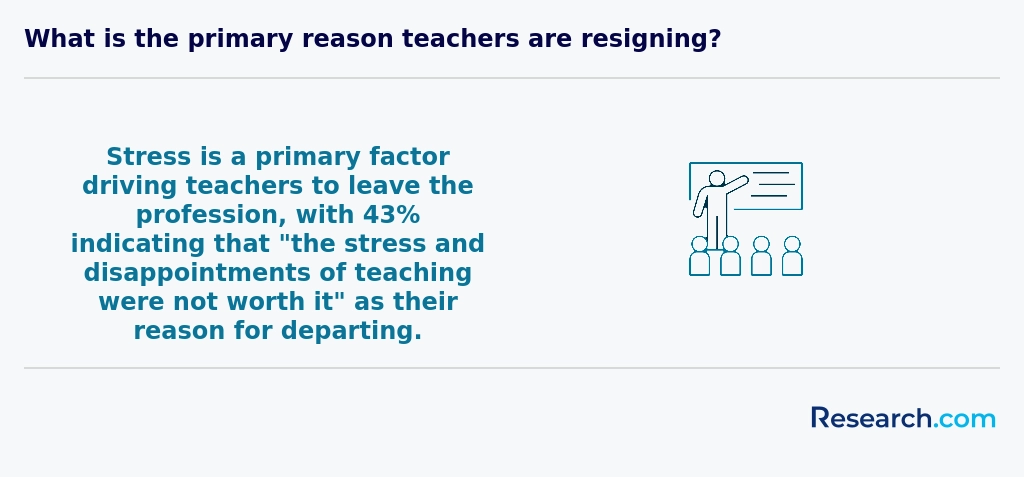
Navigating the path to teacher certification in Colorado involves several key steps after completing your online Master’s in Education. First, ensure your program is accredited by the Council for the Accreditation of Educator Preparation (CAEP) or approved by the Colorado Department of Education (CDE), which guarantees that you’ve met the state’s rigorous academic standards. Next, you’ll need to pass the required PRAXIS exams: Core Academic Skills for Educators (CAS) and the relevant content-specific assessment, such as Elementary Education or Secondary Mathematics. Preparation resources and official score benchmarks are available on the CDE website, helping you plan study schedules around your coursework. Once exam scores are in hand, submit your formal application for an Initial License through the Colorado Electronic Licensing Database (ELD). You’ll need to upload official transcripts, exam score reports, and complete a background check, which includes fingerprinting. Most programs incorporate a supervised student teaching component of at least 12 weeks, fulfilling Colorado’s practical experience requirement. Upon approval, your Initial License is valid for five years, during which you must complete 24 semester hours of professional development or approved graduate coursework to advance to a Professional License. To maintain and renew your license, Colorado educators must accrue renewal credits through workshops, continuing education units (CEUs), or district-sponsored training on topics like inclusive education, classroom management, and technology integration. Many graduates find that their online program’s alumni network and career services provide valuable guidance on choosing high-impact professional learning opportunities. If affordability is a top concern, you might also explore programs outside Colorado without compromising quality. For example, our Inexpensive Online Education Degree Programs Ranking in Georgia highlights cost-effective options that meet national accreditation and licensure standards, giving you flexibility and peace of mind as you pursue your career in education.
Imagine starting your online education degree at a top Colorado university like the University of Colorado Denver or Colorado State University and discovering a treasure trove of financial aid options that lighten the financial load. Many graduates recall how federal Pell Grants, awarded through FAFSA, provided up to $7,395 annually-turning daunting tuition costs into manageable steps toward their dreams.
State programs like the Colorado Graduate Grant further support learners diving into education fields, offering targeted help to graduates pursuing advanced studies. Picture a student balancing coursework while benefiting from assistantships offered by their institution, allowing them to focus on teaching research without worrying about tuition.
Some even share excitement over employer tuition reimbursement plans, especially those employed in education roles eager to grow. For the adventurous who commit to teaching in underserved Colorado communities, federal TEACH Grants can be a game-changer-both financially and professionally.
Earning your online master’s in education is only the first step; securing Colorado teacher licensure ensures you can apply your skills in K–12 settings across the state. Colorado’s Teacher Licensure Program requires: 1. Completion of an Accredited Educator Preparation Program – Your online master’s must be state-approved. Verify that the program’s curriculum aligns with the Colorado Department of Education (CDE) standards for pedagogy, content knowledge, and clinical practice. 2. Content and Pedagogical Assessments – You must pass the PLACE (Proprietary Assessments for Licensure and Education) content assessment in your specialist area (e.g., Elementary Education, Mathematics). Many candidates also take the PPAT (Praxis Performance Assessment for Teachers) or the edTPA to demonstrate classroom readiness. 3. Background Checks and Fingerprinting – Colorado requires an FBI fingerprint check and a Colorado Bureau of Investigation (CBI) report. Start this process early through the CDE’s online portal to avoid delays. 4. Application and Fee Submission – Submit your licensure application via the CDE’s eLicensing system, including official transcripts, test scores, and verification of supervised teaching hours. The standard application fee is $64 for each licensure type. Once licensed, you’ll enter the renewal cycle every five years. Renewal requires 45 professional development clock hours, which can include coursework, workshops, or in-service training. Many online graduates satisfy these requirements by enrolling in on-demand webinars or advanced certificate courses offered by their alma mater. Balancing cost and quality is crucial: if you’re exploring budget-friendly options or comparing out-of-state programs before relocating, see our Inexpensive Online Education Degree Programs Ranking in Georgia for insight into affordable, accredited pathways that may also meet Colorado’s licensure standards.
Diving into online education degrees in Colorado often starts with holding a high school diploma or GED when aiming for a bachelor's program. Many eager learners at universities like the University of Colorado Boulder share how meeting a minimum GPA around 2.5 to 3.0 was a clear milestone, making their journey feel achievable and motivating. Some even found joy navigating test-optional paths, embracing a less stressful application process after 2020's policy shifts.
Graduate hopefuls from popular institutions such as Colorado State University recall the excitement of submitting official transcripts and meaningful letters of recommendation, which painted their academic stories vividly. Holding a bachelor's degree-preferably in education or a related discipline-often opens doors, but diverse backgrounds can qualify with the right spark of passion and experience.
Picture preparing statements of purpose brimming with aspirations or reflecting on teaching experiences while imagining yourself impacting future learners. Several programs may ask for background checks or proof of eligibility, especially if licensure is on your horizon, adding a responsible and professional touch to the adventure of becoming an educator in Colorado's dynamic online learning scene.

Pursuing an online education degree in Colorado can be a significant investment, but there are several financial aid options and scholarships available to help make your educational goals more affordable. To find the most affordable options, consider exploring the most affordable education programs in Colorado, which can provide you with a comprehensive list of available programs and their respective costs. When applying for financial aid, start by filling out the FAFSA, which can qualify you for federal grants and loans, as well as state-specific initiatives. Many Colorado colleges also offer Promise Programs that cover tuition for qualifying students, and there are scholarships specifically for education students, such as those from TEACH Colorado, aimed at future educators in high-need areas. Additionally, some institutions provide scholarships and grants, so it's essential to explore these options when choosing your online education program. By understanding the financial aid options and scholarships available, you can make informed decisions about your educational path and minimize your financial burden.
Diving into an online education degree in Colorado means exploring courses designed to spark both passion and expertise. Graduates from well-known Colorado universities often recall how Educational Psychology gave them eye-opening insights into how diverse students learn, helping them connect deeply in their classrooms. Instructional Design courses feel like creative workshops where you craft lesson plans that actually engage students, not just follow a syllabus.
Many find Classroom Management classes essential, sharing stories of how these lessons transformed their approach into creating calm, focused learning spaces even in bustling urban schools. Schools such as those in Denver often highlight Special Education courses tailored to meet the needs of diverse learners-this resonates strongly as Colorado's classrooms grow more bilingual and multicultural every year.
Technology in Education is another exciting area, with students eagerly experimenting with new digital tools to bring lessons to life. And those pursuing administration speak highly of courses on educational leadership and policy analysis, appreciating how these prepare them to lead with confidence and innovation across Colorado's unique school settings.
Exploring online education degree specializations in Colorado opens doors to diverse career paths that excite and inspire. Graduates from Colorado State University often share how the Educational Leadership and Administration track transformed their approach to school management, empowering them to become visionary principals or district leaders. Meanwhile, those drawn to creativity find the Curriculum and Instruction specialization thrilling, crafting innovative lesson plans that truly engage students across the state.
Imagine a graduate from the University of Colorado system who chose Special Education after witnessing firsthand the impact of personalized learning plans for children with disabilities. Others embrace the Counseling and School Psychology concentration, gaining tools to support student mental health in challenging times. For those passionate about early learners, Early Childhood Education offers rewarding strategies that resonate in preschool classrooms throughout Colorado's communities.
Coloradans eager to connect with diverse classrooms often opt for English as a Second Language concentrations. Many of these students balance study with life, benefitting from flexible programs priced competitively compared to national averages. If you're dreaming big but budget-conscious, exploring cheap masters programs could be your perfect next step on this adventurous career journey.
Diving into the journey of earning an education degree online in Colorado, it's crucial to first confirm your program's accreditation. Graduates from well-known universities here often share relief in knowing their degrees meet standards set by bodies like CAEP or the Higher Learning Commission, ensuring their hard work translates into real career value. Imagine yourself balancing work and study, choosing a program with the right blend of asynchronous and synchronous classes that respects your rhythm, just like many busy professionals in Denver or Boulder do.
Affordability plays a big role too. Many find that comparing total costs-including hidden fees-helps avoid surprises. For those chasing the fastest online education degrees Colorado has to offer, weighing these expenses against the flexibility can make or break the experience. One savvy graduate recommends exploring Inexpensive Online Education Degree Programs Ranking in Georgia for a fresh perspective on value.
Finally, choose a program that aligns with your career dreams. Whether focusing on special education or curriculum development, finding a curriculum that speaks to your goals turns studying into an inspiring adventure rather than a chore. Those aiming for an affordable online master's in education Colorado know well the joy of picking courses tailored for Colorado's educator licensing requirements, blending passion with practicality.
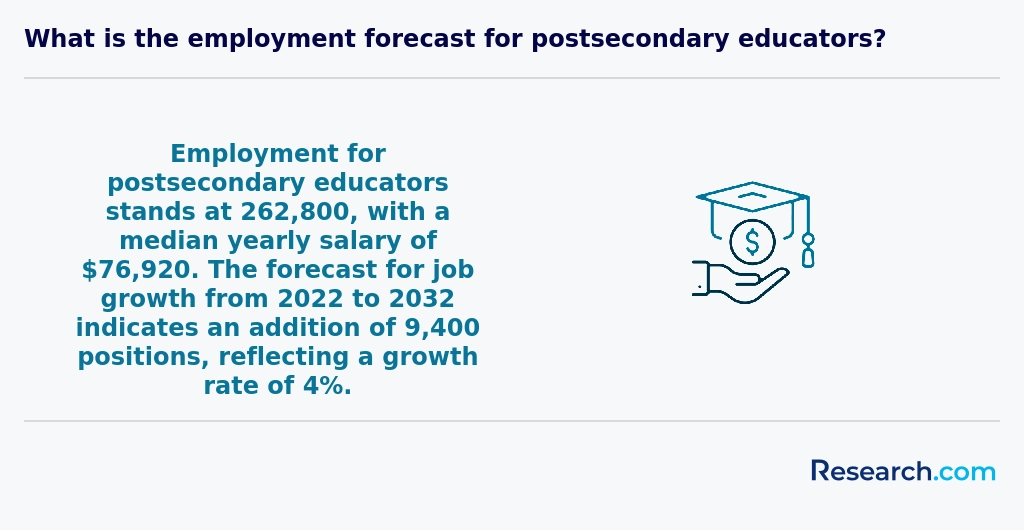
Career paths for graduates with an online education degree in Colorado are as diverse as the state's vibrant educational community. Many find themselves stepping into K-12 teaching roles across public and private schools, armed with state licensure gained through programs at popular institutions like the University of Colorado or Colorado State University. Graduates describe the thrill of their first classroom experiences, knowing their efforts directly shape young minds. Exploring online education degree jobs in Colorado opens doors to school administration positions, such as principals or instructional coordinators, where leadership meets educational innovation.
Others venture into educational counseling or special education, roles filled with rewarding moments of personal growth and support for diverse learners. These graduates often reflect on how programs emphasize real-world skills and certifications that boost their confidence and impact. For those excited by technology and curriculum design, Colorado's online degree options offer training that keeps pace with digital learning trends-perfect for roles as educational technology specialists.
Student stories from thriving colleges reveal how affordability and flexibility encouraged some to pursue these paths alongside full-time jobs. If you're curious about alternative routes, exploring easy associate degrees to get might be a helpful stepping stone on this adventurous journey into education.
The online education degree job market Colorado offers is vibrant and full of opportunity. Graduates from well-known institutions such as the University of Colorado Boulder or Colorado State University often find themselves stepping into roles as classroom teachers, instructional coordinators, and education administrators, fueled by a growing demand for qualified professionals. These roles are especially promising as school districts across the state expand their teams to embrace innovative, technology-driven learning environments.
Many graduates share the excitement of joining this evolving landscape, where skill in online instruction and educational technology is highly valued. Whether they're designing curricula or leading classrooms, they find their education degrees open doors to rewarding careers. The teaching careers demand in Colorado supports competitive salaries, often higher than the national average, enhancing the appeal of these paths. Aspiring educators should explore how their online degrees can translate into licenses and certifications to maximize their potential in this dynamic field.
For those curious about the financials, many Colorado programs offer master's degrees with tuition between $10,000 and $25,000-an investment that balances well with the promising employment outlook. Curious students can also explore the best majors for making money to understand how education fits into wider career trends.
2027 Fastest Online Master's in Education Degree Programs Ranking in Colorado
Investing in your education is a significant decision that can shape your future, and the Research.com team understands the importance of making informed choices. To assist prospective students in Colorado, we have meticulously crafted the "2027 Fastest Online Master's in Education Degree Programs Ranking in Colorado." Our commitment to quality, credibility, and accuracy is reflected in the extensive research and analysis conducted to compile this ranking.
We utilized the following reputable data sources to ensure a comprehensive evaluation of programs:
By exploring this ranking, readers will gain valuable insights into the fastest online master's in education programs available in Colorado, enabling them to make well-informed decisions about their educational paths. For more details on how we create our rankings, please visit our Research.com methodology page.


# 3 position
University of Colorado Denver/Anschutz Medical Campus
Master of Early Childhood Education

# 4 position
Colorado Christian University
Master of Curriculum and Instruction


Frequently Asked Questions About education
Online education degree students in Colorado can maximize their learning experience by actively engaging with their coursework and instructors. Maintaining a consistent study schedule helps manage time effectively while balancing work and personal life. Students should utilize available resources such as virtual libraries and tutoring services offered by Colorado institutions.
Connecting with peers through discussion boards and group projects enhances understanding and builds a support network. According to the Colorado Department of Higher Education, institutions like the University of Colorado and Colorado State University provide strong online platforms designed for flexible yet rigorous learning.
Additionally, students benefit from setting clear academic goals and seeking regular feedback to track progress. Staying informed about Colorado's state licensure requirements is crucial for education professionals planning to teach in public schools after graduation.
Emerging niches within the education field reflect shifts in technology, policy, and student needs. In Colorado, there is growing demand for specialists in educational technology, driven by the rise of remote learning and digital classrooms. Programs focusing on instructional design and e-learning development are increasingly popular. Another niche gaining traction is special education, addressing diverse student populations including those with disabilities and behavioral challenges. Colorado's Department of Education highlights a steady increase in demand for special education teachers, projecting growth of over 10% through 2030. Additionally, culturally responsive teaching and bilingual education are critical areas responding to Colorado's diverse demographics.
After completing an online education degree in Colorado, preparing for the job market involves several focused steps. First, graduates should seek professional licensure, especially if they plan to teach in public schools. Colorado requires educators to hold a valid teaching license issued by the Colorado Department of Education (CDE).
Building a strong resume that highlights both online learning achievements and practical experiences, such as internships or student teaching, is vital. Networking through local education associations like the Colorado Education Association can connect graduates with job opportunities. According to the U.S. Bureau of Labor Statistics, Colorado's educational employment is projected to grow by 6% through 2031, indicating steady demand.
Additionally, graduates should utilize online job platforms focused on Colorado schools and districts to find openings. Continuing professional development is also key, as many districts favor candidates taking additional certifications or advanced training.
Employers in Colorado prioritize several key skills when hiring graduates with education degrees. According to the Colorado Department of Education, strong communication skills rank highly, as teachers must effectively engage diverse student populations. Additionally, classroom management expertise is essential, reflecting Colorado's emphasis on creating inclusive and supportive learning environments.
Analytical and technological proficiencies are increasingly important. The Colorado Education Initiative highlights that educators adept in digital tools and data-driven instruction better meet modern educational demands. Collaboration skills are also valued, as teamwork with colleagues and families strengthens student outcomes.
These competencies align with broader trends in U.S. education but reflect Colorado's commitment to innovative and equitable schooling.
Finding internships in Colorado related to an education degree involves exploring opportunities within local school districts, educational nonprofits, and state agencies. Many online programs require practicum hours which can be completed through partnerships with Colorado institutions. The Colorado Department of Education offers resources and listings for internship and field experience placements for future educators.
The Denver Public Schools and surrounding districts regularly post openings for student teacher internships and assistant roles. Additionally, Colorado's Education Leadership Council and the Colorado Education Initiative provide networking events that connect education students with potential internship hosts.
Utilizing your university's career services is essential, as they often maintain exclusive internship listings with Colorado schools. The Colorado Department of Labor Statistics reports that education-related internships have grown by 10% in recent years, reflecting increased demand for hands-on experience in the state's evolving education system.
In Colorado, earning an online education degree can significantly enhance career mobility and advancement opportunities. The state's education sector values advanced degrees for leadership and specialized roles, especially in public schools governed by the Colorado Department of Education. According to the Colorado Department of Higher Education, teachers with master's degrees earn approximately 15-25% more than those with only a bachelor's degree.
Online education degrees offer flexibility for working professionals to gain advanced credentials without interrupting their careers. This allows educators to pursue roles such as curriculum specialists, instructional coordinators, or administrative positions more quickly. Additionally, Colorado's growing demand for qualified education professionals increases job prospects for degree holders.
Studies by the National Center for Education Statistics highlight that advanced degrees correlate with higher retention, promotion rates, and salary increases. Thus, an online education degree not only broadens career paths but also supports long-term professional growth within Colorado's education system.
Studying for an education degree in Colorado equips students with skills that extend beyond traditional teaching roles, promoting interdisciplinary competencies. Online programs emphasize collaboration across fields such as psychology, technology, and social sciences, preparing graduates to address diverse educational challenges. Colorado's higher education system encourages integration of data analysis and curriculum design, fostering adaptability in various settings.
According to the Colorado Department of Higher Education, over 50% of education graduates engage in roles requiring cross-disciplinary knowledge. This reflects a growing demand for educators proficient in integrating multiple perspectives, which helps improve student outcomes statewide. Through flexible online coursework, learners gain practical experience applicable in counseling, administration, and policy development.
Choosing between a thesis and a non-thesis education degree program in Colorado depends on your career goals and learning preferences. Thesis programs require original research and a formal document, ideal if you plan to pursue a doctorate or a research-oriented career. Non-thesis paths focus more on coursework and practical skills, suited for teachers or administrators aiming for immediate professional application.
Colorado schools like the University of Colorado offer both options in their online master's degrees. According to the Colorado Department of Higher Education, about 40% of graduate students choose non-thesis programs for faster completion. Consider your available time, interest in research, and future plans when deciding.
Students based in Colorado looking to study education abroad through online programs have several options. Many U.S. universities with strong international partnerships offer online degrees that include global education components. These programs allow Colorado residents to gain international perspectives without leaving the country.
While Colorado institutions such as the University of Colorado System emphasize online education, students can also enroll in regionally accredited programs nationwide that offer international study opportunities or research. According to the Colorado Department of Higher Education, over 50% of graduate students pursue some form of remote or hybrid learning, increasing access to global education experiences.
Additionally, some online master's programs include virtual exchange projects with schools worldwide, helping Colorado students develop cross-cultural skills essential for modern educators.
Part-time job opportunities in Colorado that complement education degree studies often align closely with practical teaching experience and educational support roles. Positions such as teacher assistants, substitute teachers, and tutors allow students to apply pedagogical theories learned in online courses.
According to the Colorado Department of Education, demand for substitute teachers grew by 5% in 2023, reflecting district needs for flexible staffing. Tutoring roles, particularly in subjects like math and reading, also offer flexible hours suitable for students' schedules.
Additionally, working as a library assistant or youth program coordinator can enhance skills in educational materials management and child development, key areas in education degrees.
These roles provide relevant experience, networking opportunities, and income, supporting students pursuing online education degrees effectively.
Online education students in Colorado can access a variety of networking opportunities to enhance their academic and professional growth. Many Colorado institutions offer virtual events, such as webinars and discussion groups, that connect students across campuses. Organizations like the Colorado Education Association provide statewide networking events and professional development tailored to educators.
Additionally, local chapters of national education groups, such as the American Association of Colleges for Teacher Education, hold meetings and conferences accessible to online learners. Colorado ranks in the top 20 states for educational technology use, supporting platforms that facilitate student collaboration. These resources help online students build connections despite physical distances.
Alumni networks provide essential support for online education degree students in Colorado by fostering professional connections. These networks offer access to mentors and industry leaders, helping graduates navigate the education job market more effectively. According to the Colorado Department of Higher Education, strong alumni engagement increases employment opportunities in education-related fields by up to 20%.
Online students benefit from virtual networking events, discussion forums, and career resources coordinated through alumni groups. This connectivity can be especially valuable in Colorado, where education professionals often rely on local partnerships for career advancement.
Additionally, alumni networks encourage ongoing professional development and sharing of best practices, enhancing graduates' skills in a competitive market.
Customizing an online education degree program in Colorado allows you to tailor your studies to match your career objectives effectively. Many universities in Colorado offer flexible course selections, enabling students to choose specializations such as curriculum design, educational technology, or school leadership. For example, the Colorado Department of Higher Education highlights that focusing on specific teacher endorsements or administrative credentials can increase job prospects. Additionally, most programs offer elective options and practicum placements, giving you practical experience aligned with your professional goals. Using academic advising services helps ensure your course choices meet licensure requirements and industry needs within Colorado's education system.
Online education students in Colorado often face challenges related to time management and balancing coursework with personal and professional responsibilities. According to the Colorado Department of Higher Education, many adult learners juggle jobs and families while pursuing degrees. Connectivity issues also impact students in rural areas, where internet infrastructure may be less reliable.
Another common difficulty is limited access to on-campus resources, which can affect academic support and social interaction. Additionally, some students report challenges with self-motivation and staying engaged in virtual classrooms. These factors can contribute to higher dropout rates among distance learners in the state.
With an online education degree in Colorado, you can pursue several key professional certifications that enhance your career opportunities. One common path is the Colorado Teacher Licensure, which requires passing specific Praxis exams and completing a state-approved program. This certification allows graduates to teach in Colorado's public schools.
Other valuable credentials include the National Board Certification, a prestigious credential recognized nationwide that many Colorado educators aim for to advance their expertise and salary potential.
In addition, there are specialized certifications such as Special Education and English as a Second Language (ESL) endorsements, both in high demand throughout Colorado school districts. The Colorado Department of Education offers clear guidelines and requirements for these certifications.
According to the Colorado Department of Higher Education, nearly 25% of teachers in the state hold additional endorsements, highlighting the value of these qualifications.
When applying for an online education degree program in Colorado, it is crucial to craft a clear, well-organized application. Start by thoroughly researching each institution's specific requirements, as they can vary. Highlight your academic background and professional experience related to education, demonstrating your preparedness and commitment.
Include strong letters of recommendation, preferably from education professionals familiar with your skills. Colorado's education system values practical experience and leadership evidence, so mention any relevant roles or projects. Additionally, write a concise personal statement that clearly explains your goals and how the program aligns with them.
According to the Colorado Department of Higher Education, applicants with documented work experience and clear career objectives have higher acceptance rates.
Globally, education careers are increasingly valued for their role in shaping societies and economies. In the United States, and specifically in Colorado, the demand for skilled educators remains strong. According to the Colorado Department of Education, the state projects a growth rate of 8% in education-related jobs through 2030, faster than many other sectors.
Internationally, education professionals often face varied expectations but share a common goal: improving student outcomes. Online education degrees in Colorado offer flexibility and access to advanced training that aligns with global standards, preparing graduates for diverse roles worldwide.
These degrees emphasize skills in technology integration, cultural competence, and policy analysis, reflecting global trends in education careers.
Gaining practical experience while studying for an online education degree in Colorado is essential for career readiness. Many programs incorporate fieldwork or student teaching requirements that can be completed in local schools, allowing students to apply their skills in real classrooms. The Colorado Department of Education supports partnerships between universities and K-12 schools to facilitate these placements. Additionally, students can seek internships or volunteer positions in educational organizations across Colorado, which help build experience and professional networks. According to recent data, nearly 70% of online education students in Colorado participate in some form of practical training during their programs.
Choosing the right concentration within an online education degree program in Colorado involves aligning your career goals with the state's educational needs. Colorado's Department of Education reports a growing demand for teachers specializing in STEM, special education, and bilingual education. Prospective students should consider their interests and job market trends in Colorado, where nearly 60% of districts report shortages in these areas.
Research each concentration's curriculum and career pathways. For example, special education teachers in Colorado earn an average salary of around $62,000, higher than the state's average for educators. Additionally, check if the program offers licensure pathways recognized by Colorado's Teacher Licensing Office.
Gather insights from regional employment data, program accreditation, and potential growth sectors to make an informed decision.
- 2027 Fastest Online Master's in Education Degree Programs Ranking in Kansas
- 2027 Fastest Online Master's in Education Degree Programs Ranking in Arizona
- 2027 Fastest Online Master's in Education Degree Programs Ranking in Texas
- 2027 Fastest Online Master's in Education Degree Programs Ranking in Missouri
- 2027 Fastest Online Master's in Education Degree Programs Ranking in Iowa
- 2027 Fastest Online Master's in Education Degree Programs Ranking in California
- 2027 Fastest Online Master's in Education Degree Programs Ranking in Minnesota
- 2027 Fastest Online Master's in Education Degree Programs Ranking in Illinois
- 2027 Fastest Online Master's in Education Degree Programs Ranking in Wisconsin
- 2027 Fastest Online Master's in Education Degree Programs Ranking in Indiana
See What Experts Have To Say About Studying Education
Read our interview with Education experts

Alan J. Singer
Education Expert
Professor of Teaching, Learning and Technology
Hofstra University

Nooshan Ashtari
Education Expert
Professor & Book Author
University of Southern California

- Teaching Job Roles | Teach For Life https://www.teachforlife.com/teachingjobs/global-perspectives-teacher
- Aligning Colorado’s Education-to-Workforce Ecosystem https://www.attainmentnetwork.org/aligning-colorados-education-to-workforce-ecosystem
- Online Colleges in Colorado https://www.onlineschools.org/guides/colorado/
- How to Pick Your Concentration for Your M.Ed. Degree | ACE Blog https://ace.edu/blog/how-to-pick-your-med-concentration/
- Best Choice: Affordable & Flexible Online Degrees - MSU Denver https://www.msudenver.edu/online/
- Benefits of Networking for Students https://www.melioeducation.com/blog/benefits-of-networking-for-students/
- Education Technology Trends to Watch in 2065: 10 Innovations Shaping the Future of Learning https://www.digitallearninginstitute.com/blog/education-technology-trends-to-watch-in-2026
- How to maximize your education benefits and supercharge your career - Colorado State University Global https://csuglobal.edu/blog/how-maximize-your-education-benefits-and-supercharge-your-career
- Interdisciplinary Higher Education - Teaching and Teacher Learning https://researchblog.iclon.nl/interdisciplinary-higher-education/
- Events & Opportunities https://connect.teachforall.org/events-opportunities


