
2027 Most Affordable Education Degree Programs Ranking in Carolina

Co-Founder and Chief Data Scientist
Choosing the right education degree program in Carolina can be overwhelming. To help you navigate this important decision, the Research.com team of data scientists has created the 2027 Most Affordable Education Degree Programs Ranking in Carolina. This ranking highlights quality programs that provide great value without breaking the bank.
By exploring this article, you'll discover affordable options that align with your goals and budget. Earning an education degree opens doors to rewarding careers and meaningful contributions to your community.
Take a confident step toward your future with insights designed to support your success.
Key benefits of getting education degree in Carolina
- Graduates with an education degree in Carolina can earn competitive salaries, such as $70,740 annually for elementary school teachers and $76,000 for special education teachers, offering financial stability and rewarding careers.
- Career paths include teaching roles like ESL teacher, earning around $65,430 a year, or pursuing instructional design with average wages of $77,200, highlighting diverse opportunities from classroom to design-based education careers.
- Online education degrees from trusted Carolina universities provide flexibility, allowing graduates to balance work and study while unlocking higher-paying career options, all without sacrificing quality compared to traditional programs.
- 2027 Most Affordable Education Degree Programs Ranking in Carolina
- What can I expect from education degree in Carolina?
- Where can I work with education degree in Carolina?
What can I expect from education degree in Carolina?
The average cost of pursuing an education degree in Carolina feels surprisingly accessible for many eager students. At public universities like UNC Chapel Hill or Clemson University, in-state tuition typically hovers around $9,500 to $10,000 per year. Imagine a student from a small town in North Carolina feeling hopeful as they discover this affordability-it's a gateway to their dream of becoming a licensed teacher without overwhelming debt. Many graduates share how financial aid and scholarships made this adventure even more manageable, allowing them to focus on hands-on learning and classroom experience.
Picture entering UNC Greensboro's vibrant campus, excited to dive into state-specific licensure prep, knowing the costs reflect a genuine investment in your future. South Carolina students attending the University of South Carolina often find similar support, with practical training aligned with local education standards. This balance of cost and quality paints a reassuring picture for anyone ready to ignite their passion for teaching right here in Carolina.
Where can I work with education degree in Carolina?
With an education degree in Carolina, your career options unfold like an exciting map. Many graduates find themselves shaping young minds as teachers in bustling public schools across North Carolina or in charming rural communities in South Carolina. Imagine stepping into a classroom in the University of North Carolina's neighborhood, where new teachers bring fresh energy to math or special education classes eagerly awaiting skilled professionals.
Others dive into leadership roles, stepping up as school principals or curriculum specialists after completing leadership programs endorsed by North Carolina's education system. Those who studied at Clemson University often speak with pride about transitioning into administrative careers, guiding schools toward innovation and excellence.
Beyond schools, education graduates become essential at universities, advising students or designing engaging programs that make learning irresistible. Some apply their expertise to nonprofits or government initiatives, championing equity and digital learning-work that feels deeply rewarding.
Corporate training is another thrilling avenue; companies like Bank of America in Charlotte eagerly welcome education grads who craft impactful employee development programs.
With an education degree in Carolina, graduates quickly discover a range of earning possibilities that excite and motivate. For instance, those stepping into roles as elementary school teachers can expect a mean annual wage of about $70,740, a rewarding start nurtured by institutions like the University of North Carolina. Imagine the satisfaction of guiding young learners while earning a solid income that grows with experience.
For those drawn to specialize, becoming a Special Education Teacher offers a higher mean annual wage of $76,000, revealing the value and impact of this critical role. Similarly, graduates working as ESL teachers in Carolina find themselves earning around $65,430 annually, perfectly blending cultural exploration with a fulfilling career.
Early Childhood Educators, often starting their journey in places like Clemson University, may earn about $41,410, setting a foundation for meaningful work with young children. Meanwhile, educational innovators such as Instructional Designers command a mean annual wage of $77,200, reflecting Carolina's vibrant embrace of education technology and evolving learning methods.
These figures echo stories from Carolina graduates who feel energized by not just the paycheck but the difference they make every day-turning passion into paycheck while exploring the diverse educational landscape of the Carolinas.
- Annual tuition for a bachelor's degree in education at public universities in Carolina ranges from $7,000 to $12,000, while private schools can cost over $25,000 per year.
- Early-career salaries for education graduates typically range from $42,000 to $48,000 annually, increasing up to $70,000 for experienced educators and administrators.
- Job demand is steady in public and private schools, with areas like special education and STEM showing particular growth.
- Teaching jobs in Carolina are projected to grow at about the national average rate over the next decade.
- Licensing requires completing a state-approved teacher preparation program, passing Praxis exams, and meeting ongoing professional development requirements.
Completing an education degree in Carolina typically feels like an exciting journey lasting around four years for a bachelor's, a timeframe many graduates at universities like the University of North Carolina at Chapel Hill enjoy. This period blends general education with hands-on teaching courses, creating a balanced and engaging path. Imagine balancing your studies with campus events, knowing you're steadily moving toward becoming an educator.
For those diving deeper, master's students often spend one to two years honing specialized skills, sometimes juggling online or part-time classes offered by schools across both North and South Carolina. Graduates often recall the flexibility allowing them to work or explore passions while advancing their careers.
Doctoral candidates embark on a longer adventure-three to six years exploring research and leadership at places like Clemson University. Their stories are filled with moments of discovery, late-night breakthroughs, and lasting connections with peers and mentors. In Carolina, student experiences reflect a vibrant, supportive community guiding you through every stage.
On the flip side, another graduate from a respected state college in Charlotte savors the freedom of an online program, balancing coursework around a busy job and family life. They study late at night or during lunch breaks, mastering digital platforms and connecting with classmates through virtual discussions. The flexibility here is a game-changer for many, especially those who live far from campus or need a self-paced approach.
Cost differences reflect these experiences: on-campus learners often pay around $6,300 yearly in tuition, while online peers might see closer to $4,500, embracing savings from fewer fees and no commutes. Both routes require hands-on field experience, but on-campus students often enjoy quicker access to local schools for their teaching practicum, adding another layer to their immersive journey.
The average cost of an education degree in Carolina hovers around $7,750 for in-state students, presenting a welcoming opportunity for those eager to enter the teaching profession without overwhelming debt. Graduates from universities like those in the University of North Carolina System often describe their experience as both affordable and enriching, balancing quality instruction with manageable tuition costs. This accessibility encourages many prospective educators to explore programs deeply, knowing that education doesn't have to come with a daunting financial burden.
For out-of-state students, the cost rises but still remains within an understandable range around $17,450, reflecting the higher tuition but also the rich academic environment found throughout both North and South Carolina. Popular institutions such as Clemson University and the University of South Carolina offer in-state tuition fees that align well with these averages, making them attractive options for those seeking affordable education degree tuition fees Carolina has to offer. Students often share stories of securing scholarships or financial aid that further lightens their investment in education.
Beyond tuition, aspiring educators should consider additional expenses like books, materials, and living costs. Many find that budgeting an extra $5,000 to $8,000 per year is a realistic approach. Meanwhile, flexible pathways such as part-time and online programs cater to diverse lifestyles and budgets, with some students enjoying the freedom of per-credit fees between $300 and $600. For those specifically interested in language teaching, exploring a best online master's in teachingESL can open specialized, affordable routes.
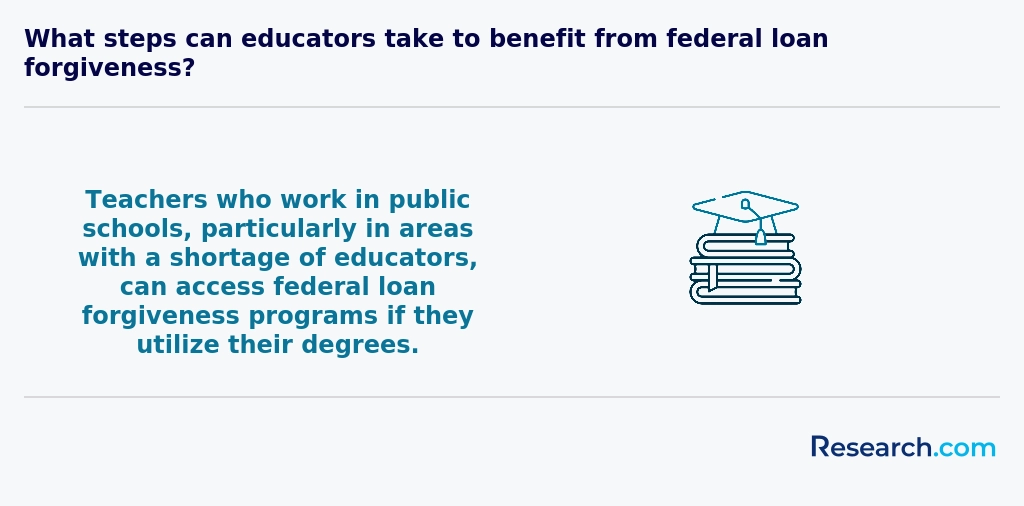
Exploring financial aid for education degrees in Carolina feels like uncovering a treasure chest full of opportunities. Graduates from universities like the University of North Carolina or Clemson often mention how the FAFSA was their first key to unlocking support through federal grants, especially the Pell Grant that can cover up to $7,395 annually. Imagine receiving this boost as you focus on your studies rather than stressing about tuition fees.
At the state level, many have discovered that scholarships like the Carolina Teacher Scholarship transform dreams into reality by offering funding in exchange for teaching in high-need local schools. It's a rewarding pact that helps shape the future while easing financial pressure.
On campus, education majors frequently share stories about winning merit-based scholarships and grants that recognize their leadership and dedication, sometimes funded by alumni or foundations passionate about future educators. Many also find part-time work-study jobs within education departments-earning while gaining hands-on teaching experience, creating a dynamic learning atmosphere.
Private scholarships from local groups such as the Carolina Education Association add another layer of support, encouraging early research and applications to maximize every available dollar.
When stepping into the world of education degrees in Carolina, the journey begins with proving you're ready for adventure-starting with a high school diploma or GED as your ticket. Imagine sitting in the bustling admissions office of a well-known Carolina university, feeling that thrilling mix of nerves and excitement as you submit your SAT or ACT scores; these tests reveal your readiness for the challenges ahead. Some students recall achieving the minimum GPA of about 2.5 as a satisfying milestone that helped open doors to their dreams.
For those diving deeper, into a Master of Education or career-changer teaching programs, the landscape shifts. Graduates from Carolina's respected colleges often share how their completed bachelor's degree-sometimes outside education-paired with prerequisite courses or relevant experience, shaped their unique path.
Letters of recommendation and personal essays become stories that bring your passion alive, while background checks ensure a safe environment for future learners. Many students discover the Praxis Core exams as a rite of passage, energizing their commitment to becoming exceptional educators in Carolina's vibrant classrooms.

Diving into education degree programs at universities like the University of South Carolina or Clemson, students quickly discover a treasure trove of courses designed to spark curiosity and build real teaching skills. Imagine sitting in a lively Educational Psychology class, exploring how kids' minds grow and social skills flourish-graduates often recall moments when theory came alive, making classrooms feel like vibrant ecosystems of learning.
Courses such as Foundations of Education unfold the rich history and philosophy behind the U.S. school system, while Instructional Methods offer hands-on strategies that graduates used during student teaching to engage diverse learners with creative lesson plans.
Classroom Management classes give future teachers practical tools to craft supportive, joyful learning environments, a skill many describe as the heart of their success in schools across South Carolina.
Field experiences at familiar Carolina colleges bring these lessons into real classrooms, blending theory with impactful teaching moments. The curriculum also includes Curriculum Development and Assessment and Evaluation, helping students design meaningful lessons and track progress-key steps on the adventure of becoming a confident, effective educator.

In Carolina, education degrees open doors to diverse specializations, each inviting a unique adventure in teaching. Many graduates from popular universities in the region describe diving into Elementary Education, where they craft creative lessons that light up the curiosity of young learners from kindergarten to sixth grade. Meanwhile, others explore Secondary Education, mastering subjects like math or science, ready to engage middle and high school students with vibrant classroom experiences tailored to their passions.
Those drawn to making a profound impact often pursue Special Education, developing skills to support children with diverse learning needs-a path that resonates deeply with many Carolina educators. Plus, with schools growing more dynamic, concentrations in Instructional Technology and Educational Leadership offer fresh ways to innovate, manage, and inspire within educational communities.
Prospective students eager to grasp affordable education degree specializations in Carolina also find programs that balance cost with value. Many reflect on the meaningful career trajectories they uncovered, sometimes spurred by insights into child development salary potential, which highlights promising futures aligned with their chosen fields.
- Elementary Education
- Secondary Education (subject-specific)
- Special Education
- Educational Leadership and Administration
- Instructional Technology
- English as a Second Language (ESL)
Choosing the best education degree in Carolina starts with envisioning your future self in the classroom, counseling office, or school administration. Graduates from the University of South Carolina recall how focusing on accredited programs gave them confidence in their career path. Reputation matters here, as programs meeting CAEP standards align with state licensure requirements and provide a solid foundation for success. Exploring flexible options, like online or hybrid courses at Appalachian State University, lets busy students balance work and study without losing momentum.
Affordability is a real adventure too. Many find that affordable education degree programs in Carolina open doors to rewarding careers without overwhelming debt. Graduates often praise the financial aid and in-state tuition benefits at schools like East Carolina University that make the journey feasible and fulfilling.
Finally, diving into job placement rates and support services reveals the full picture. With strong mentoring, internships, and career counseling, students feel equipped to navigate challenges ahead. For those curious about opportunities beyond Carolina, researching Montana teaching license reciprocity can expand horizons and inspire bold, new directions.
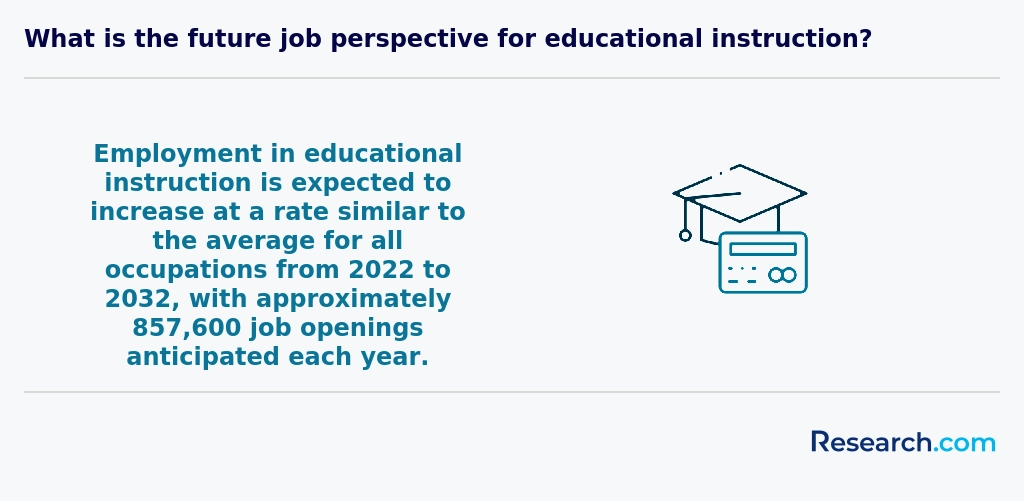
Graduates with an education degree in Carolina find themselves standing at a crossroads brimming with exciting career possibilities. Many start their journeys as certified teachers in elementary, middle, or high schools across the state, where subjects like math, science, and special education are especially sought after. Imagine the hands-on student teaching experiences at universities such as the University of North Carolina, where future educators discover the thrill of guiding young minds and preparing for licensure. These experiences shape their confidence and passion, opening doors to classroom teaching and beyond.
For those eager to explore, education degree career opportunities in Carolina extend into roles like school administration, curriculum developing, or even educational consulting. Graduates often share inspiring stories of advancing into principals or instructional coordinators after further graduate studies. Others venture into nonprofit educational organizations or corporate training, enjoying diverse ways to impact learning. Understanding the local landscape, including the state's teacher certification necessities, helps new professionals navigate these paths, often referencing resources such as teaching requirements Arkansas for comparative insights.
With such variety and vibrant demand, teaching jobs with education degree in Carolina offer not just careers, but fulfilling journeys of growth and change.

The job market for education degree holders in Carolina unfolds as an inviting landscape filled with diverse opportunities. Graduates from well-known universities across North and South Carolina often find rewarding teaching careers and salaries in Carolina that reflect a sincere community commitment to education. Many report excitement when stepping into rural schools where their impact feels immediate, especially in subjects like special education and STEM fields. The demand here isn't just steady; it's growing, fueled by state efforts to bolster underserved districts and expand early childhood programs.
Graduates recall how state certification boosts their employment prospects, while affordable tuition at Carolina public universities eases the path to entering this dynamic field. For those exploring options beyond classroom roles, roles such as instructional coordinators or counselors expand career horizons. Some students even discover low-cost online SLP degree programs in the region, blending affordability with flexibility.
With initiatives promoting higher starting salaries and grants supporting teacher training, the environment cultivates enthusiasm and stability. Understanding education degree job opportunities in Carolina means imagining yourself shaping young minds while thriving in communities eager to welcome passionate educators.
2027 Most Affordable Education Degree Programs Ranking in Carolina
Investing in your education is a significant decision that can shape your future, and the Research.com team is keenly aware of the importance of making well-informed choices. To support prospective students in Carolina, we have carefully developed the "2027 Most Affordable Education Degree Programs Ranking in Carolina." Our dedication to quality, credibility, and accuracy is demonstrated through detailed research and rigorous analysis. We leveraged the following trusted data sources to provide a thorough and reliable ranking:
By reviewing this ranking, readers will gain valuable insight into affordable education degree programs available in Carolina, empowering them to make wise and cost-effective educational decisions. For a deeper understanding of how this ranking was developed, please visit our Research.com methodology page.
# 1 position
Universidad Ana G. Mendez-Carolina Campus
Bachelor of Science in Education
# 2 position
Universidad Ana G. Mendez-Carolina Campus
Master of Education

Frequently Asked Questions About education
Education degree students in Carolina can maximize their learning experience by actively engaging in both theoretical and practical components of their programs. Many universities in the state, including the University of North Carolina system, emphasize field experience through internships and student teaching placements, which are crucial for real-world skill development. According to the National Center for Education Statistics, over 75% of Carolina education students participate in hands-on classroom settings before graduating.
Students should also utilize campus resources such as tutoring centers and faculty office hours to deepen their understanding. Joining education clubs and attending workshops can enhance professional networks and expose students to diverse teaching strategies.
Research indicates that Carolina's education programs incorporate current technology and inclusive teaching methods, which students should embrace to stay competitive in modern classrooms.
Emerging niches within the education field in Carolina reflect growing trends in technology integration and specialized student support. One fast-growing area is educational technology, where professionals design and implement digital tools to enhance learning. The use of learning management systems and virtual classrooms has expanded, especially after remote schooling during the pandemic. According to the North Carolina Department of Public Instruction, job openings in educational technology support are expected to grow by 15% through 2028.
Another niche gaining importance is special education, focusing on individualized instruction for diverse learners, including students with disabilities and behavioral challenges. The demand for qualified special education teachers continues to rise, with South Carolina reporting a 10% increase in special education positions since 2020.
Additionally, early childhood education remains critical, with an emphasis on developmental psychology and family engagement strategies. These niches offer promising career paths for students pursuing education degrees in Carolina.
After completing an education degree in Carolina, preparing for the job market starts with understanding local demand. The Carolina Department of Education reports a steady need for qualified teachers, especially in STEM and special education areas. Graduates should pursue teaching certifications valid in their state, which often involve passing exams like Praxis. Networking is essential; joining organizations such as the North Carolina Association of Educators can open doors to job opportunities.
Gaining practical experience through internships or substitute teaching improves employability. Updating resumes with clear evidence of classroom management and lesson planning skills attracts employers. According to the U.S. Bureau of Labor Statistics, education jobs in North Carolina are projected to grow 6% by 2031, signaling positive prospects for new graduates.
Employers in Carolina seek education degree graduates with strong classroom management skills, crucial for maintaining effective learning environments. According to the South Carolina Department of Education, candidates who demonstrate the ability to engage diverse student populations rank highly. Communication skills are also vital, enabling teachers to interact clearly with students, parents, and colleagues.
Technological proficiency has become increasingly important, as local schools incorporate digital tools. Data from the North Carolina Department of Public Instruction highlights a growing demand for educators adept in virtual learning platforms.
Additionally, critical thinking and adaptability are essential, helping educators meet evolving curriculum standards and student needs in dynamic settings.
Finding internships in Carolina relevant to an education degree involves utilizing multiple resources. Many universities in North and South Carolina offer dedicated career centers that connect education students with local schools and educational programs for hands-on experience. For example, the University of North Carolina system collaborates with public schools to provide over 1,000 internship placements annually, according to UNC's Office of Student Success.
Additionally, websites like Handshake and state department of education portals list internship openings specifically for aspiring educators in Carolina. Networking through local educational associations, such as the North Carolina Association of Educators, can also help secure internships. These opportunities often provide practical skills alongside academic learning, improving job prospects after graduation.
In Carolina, obtaining an education degree significantly enhances career mobility and advancement opportunities within the state's education sector. According to the South Carolina Department of Education, teachers with a bachelor's degree in education often qualify for higher starting salaries compared to those with alternative certifications. Additionally, educators holding advanced degrees, such as a master's or specialist degree, tend to secure leadership roles like curriculum coordinators or school administrators more quickly.
Furthermore, the demand for qualified teachers in Carolina remains strong, with the Bureau of Labor Statistics projecting a 6% growth in educational careers over the next decade. This growth creates fertile ground for degree holders to advance into specialized or higher-paying positions. Continuous professional development linked to higher education credentials also contributes to career longevity and adaptability in changing school environments.
Studying for an education degree in Carolina offers a strong foundation for interdisciplinary roles by combining pedagogical theory with practical application across various fields. Universities in Carolina incorporate coursework in psychology, technology, and sociology, reflecting the diverse demands of modern education careers. According to the National Center for Education Statistics, over 60% of Carolina's education programs include collaborative experiences that engage students in multiple disciplines.
Students develop skills in communication, critical thinking, and problem-solving, essential for roles that cross traditional subject boundaries. Additionally, partnerships between Carolina institutions and local schools provide real-world interdisciplinary teaching practice.
Choosing between a thesis and a non-thesis education degree program in Carolina depends largely on your career goals and interests. Thesis programs typically require original research and a formal defense, appealing to students aiming for doctoral studies or research-oriented careers.
Non-thesis programs focus more on coursework and practical application, suitable for those pursuing teaching or administrative roles. According to the National Center for Education Statistics, many programs in North and South Carolina offer both options, with tuition varying accordingly.
Students should consider time commitments as thesis tracks often take longer to complete. It is also important to review specific program requirements at Carolina institutions to align with personal objectives.
Students based in Carolina seeking education degrees abroad have several pathways to explore. Many universities in Carolina, such as the University of North Carolina and Clemson University, offer study abroad programs tailored to education majors. These programs often include partnerships with universities in countries like the United Kingdom and Australia, allowing students to gain international experience while earning credit toward their degrees.
Additionally, organizations such as the Carolina Global Education Program provide resources and funding to support education students studying overseas. According to the Institute of International Education, nearly 15% of Carolina's higher education students participate in study abroad annually, with education as a popular field.
Programs range from short-term summer experiences to full semester exchanges, focusing on areas like comparative education and global teaching methods.
Part-time job opportunities in Carolina that complement education degree studies are diverse and practical. Many students find roles as teacher assistants in local public and private schools, gaining hands-on experience while supporting classroom activities. According to the North Carolina Department of Public Instruction, over 1.5 million K-12 students benefit from support staff, indicating strong demand for such positions.
Working as a tutoring specialist is another common option. These roles often pay between $15 and $25 per hour, allowing students to apply educational theories in real-life contexts. Additionally, childcare provider jobs in after-school programs offer exposure to early childhood education practices.
Campus positions such as peer mentors or writing center assistants also align well with education degrees by enhancing communication and instructional skills.
Education students in Carolina have access to various networking opportunities through university-affiliated organizations and professional groups. Many institutions in both North and South Carolina offer chapters of the Future Educators Association (FEA), connecting students with peers and experienced teachers.
Additionally, schools often host career fairs and workshops focused on education careers, providing chances to meet school district representatives and education professionals. For example, the University of North Carolina system reports that over 70% of education students participate in such events annually (UNC Office of Institutional Research, 2023).
Statewide education conferences, like the North Carolina Association for Colleges of Teacher Education annual meeting, also support networking, allowing students to engage with educators and policymakers across Carolina.
Alumni networks play a crucial role for education degree students in Carolina by providing access to valuable professional connections. According to the University of North Carolina System, nearly 90% of graduates find their first job through networking opportunities, including alumni contacts. These networks offer mentoring, job referrals, and internships, which are essential for entering the education field.
In addition, active alumni groups often host workshops, webinars, and career fairs specifically for education majors, enhancing students' skills beyond the classroom. South Carolina's alumni associations, for example, have been recognized for organizing statewide conferences that promote best practices in teaching.
Such engagements help students stay informed about trends and job openings in local school districts, improving their employment prospects.
Students seeking education degrees in Carolina can tailor their programs to align with specific career goals through various curriculum options. Many universities offer customizable tracks or concentrations such as early childhood education, special education, or educational leadership. This flexibility allows learners to focus on areas most relevant to their professional ambitions.
Additionally, practical components like internships and student teaching placements can be selected in settings that match desired career environments, such as urban or rural schools. According to the South Carolina Commission on Higher Education, nearly 70% of education graduates in 2023 chose specialization options to better prepare for their target roles.
Online courses and evening classes also provide adaptability for working professionals. This modular approach enables students in Carolina to efficiently balance work, life, and study while advancing their qualifications in education.
Education students in Carolina frequently encounter several challenges throughout their academic journey. One primary issue involves balancing rigorous coursework with practical teaching experiences, as field placements demand significant time and adaptability. According to the South Carolina Commission on Higher Education, nearly 40% of education majors report difficulty managing these dual responsibilities.
Furthermore, many students face financial pressures. The increasing cost of tuition and related expenses lead to stress and sometimes extended time to graduation. The National Center for Education Statistics notes that Carolina's public schools have an average tuition of around $9,000 annually, which can be burdensome despite state aid programs.
Another challenge is meeting certification requirements, which vary across districts and create uncertainty. Lastly, keeping pace with evolving education technologies and inclusive teaching strategies can be demanding but essential for career readiness.
With an education degree in Carolina, you can pursue various professional certifications to enhance your career prospects. Many graduates become licensed teachers by obtaining state certification, which allows them to work in public schools. The North Carolina Department of Public Instruction oversees teacher licensure, requiring completion of an approved program and passing relevant exams.
Additionally, certifications like National Board Certification offer advanced credentials that can lead to higher salaries and leadership roles. Other options include special education certification, reading specialist, and administrator licenses, depending on your career goals.
These certifications are essential for professional growth in Carolina's education system.
Applying to an education degree program in Carolina requires clear, focused preparation. Start by thoroughly researching programs; North and South Carolina offer a variety of accredited universities with strong education departments. According to the National Center for Education Statistics, institutions like the University of North Carolina and Clemson University have rigorous admission standards.
Craft a compelling personal statement that highlights your passion for teaching, relevant experiences, and understanding of educational challenges in Carolina schools. Include any volunteer or professional work that demonstrates your commitment. Additionally, strong letters of recommendation from educators or supervisors can reinforce your application.
Standardized test scores and GPA remain important; aim for competitive results aligned with program averages, often around a 3.0 GPA. Finally, ensure all application materials are complete and submitted before deadlines, typically between January and March for fall admission. This thorough approach improves your chances of acceptance into Carolina's education programs.
The global perspective on an education career highlights its essential role in shaping societies worldwide. Within the United States, and specifically in Carolina, education degrees are viewed as foundational to addressing diverse learning needs and advancing social equity. According to the National Center for Education Statistics (NCES), Carolina's teacher preparation programs have steadily increased enrollment by 12% over the past five years, reflecting growing interest in this field.
Globally, educators are expected to be culturally competent and equipped to integrate technology in classrooms. In Carolina, institutions emphasize these skills, aligning with national trends showing that 65% of education jobs require digital literacy.
Additionally, international organizations like UNESCO underscore the demand for qualified teachers to meet Sustainable Development Goals, reinforcing education as a vital, globally recognized career path.
Gaining practical experience while studying for an education degree in Carolina is essential for career readiness. Many universities across North and South Carolina incorporate fieldwork or student teaching into their curriculum. For example, the University of North Carolina system mandates supervised classroom hours, often exceeding 300 hours, to prepare future educators.
Students can also participate in internships or volunteer with local schools, providing hands-on teaching opportunities. South Carolina's Department of Education highlights that partnerships between teacher education programs and public schools enhance practical training and improve job placement rates.
Additionally, educational technology labs and simulation programs offer innovative ways to build classroom skills. Engaging in these experiences allows students to apply theory in real-world settings while meeting state licensure requirements.
Choosing the right concentration within an education degree program in Carolina involves understanding your career goals and the local job market. Popular areas include early childhood, special education, and secondary education. According to the South Carolina Department of Education, demand is growing for special education teachers, reflecting statewide needs. Engage with advisors to align concentrations with certification requirements, which vary between North and South Carolina. Additionally, research regional schools and districts to see which expertise they prioritize. Hands-on experience through internships can clarify your interests and strengths. Gathering this information helps ensure your concentration supports both your ambitions and Carolina's educational landscape.
See What Experts Have To Say About Studying Education
Read our interview with Education experts

Nooshan Ashtari
Education Expert
Professor & Book Author
University of Southern California


- Elementary Education https://scsu.edu/academics/programs/elementary-education.php
- Teaching Job Roles | Teach For Life https://www.teachforlife.com/teachingjobs/global-perspectives-teacher
- How to Choose a Concentration for Your Master of Education 3 Questions to Consider https://www.aiuniv.edu/degrees/education/articles/how-to-choose-an-education-specialization
- South Carolina Teacher Certification Guide | All Education Schools https://www.alleducationschools.com/teacher-certification/south-carolina/
- Navigating Challenges In Education, Learning & Development - those who can https://www.thosewhocan.org/navigating-challenges-in-education-learning-and-development/
- Why Experience is Just as Important as Education https://lateral-connect.com/why-experience-is-just-as-important-as-education/
- Education Study Abroad Programs | Go Overseas https://www.gooverseas.com/study-abroad/education
- Is a thesis always mandatory in a master's degree program? - EFMU: The Euler-Franeker Memorial University and Institute https://euler.euclid.int/is-a-thesis-always-mandatory-in-masters-degree-program/
- Networking Tips and Advice for Students https://schoolshouldbe.com/post/networking-tips-and-advice-for-students/
- Skills Employers Look for in Business Graduates – EU Business School https://www.euruni.edu/blog/skills-employers-look-for-in-business-graduates/


