2027 Best Education Degree Programs Ranking in Greenville

Co-Founder and Chief Data Scientist
Choosing the right education degree program can shape your future and open doors to rewarding career opportunities in Greenville. Our 2027 Best Education Degree Programs Ranking in Greenville was carefully crafted by the Research.com team of data scientists to guide you through this important decision.
In this article, you'll discover top programs that stand out for quality and career potential, making it easier to find the perfect fit. Pursuing an education degree offers personal growth, job stability, and the chance to positively impact your community.
Let this ranking be your trusted resource on the path to success.
Key benefits of getting education degree in Greenville
- Graduates with an education degree in Greenville can expect competitive salaries such as $70,740 for Elementary School Teachers and $76,000 for Special Education Teachers, reflecting strong earning potential in rewarding roles.
- Potential career paths include teaching at various levels, instructional design, or early childhood education, offering diverse opportunities for passion-driven individuals from local universities.
- Obtaining an education degree online in Greenville allows flexible scheduling and access to quality programs, making it easier for busy students to earn credentials while balancing life commitments.
- 2027 Best Education Degree Programs Ranking in Greenville
- What can I expect from education degree in Greenville?
- Where can I work with education degree in Greenville?
What can I expect from education degree in Greenville?
Imagine sitting in a bright Greenville classroom, textbooks stacked high but your mind buzzing with ideas rather than numbers. Here, the average cost to embark on this journey ranges from roughly $8,000 to $12,000 per year for in-state tuition at public universities beloved by many local education graduates. One graduate fondly recalls the balance between affordable tuition and abundant scholarships tailored for education majors, casting away worries about finances to focus on shaping young minds.
Think about the freedom to invest not just money, but heart and time, in hands-on teaching practice at Greenville schools. This practical approach isn't just a checkbox-it's an energizing tap into real-world classrooms where theory meets lively students and passionate mentors. This blend of cost-conscious education and immersive experience creates a supportive space that numerous Greenville graduates treasure as both affordable and invaluable.
Where can I work with education degree in Greenville?
Graduates with an education degree in Greenville often find themselves stepping into classrooms buzzing with potential across Greenville County's vast network of K-12 schools. Imagine starting your day shaping young minds in STEM or supporting diverse learners in ESL programs, where the demand for passionate teachers is ever-rising. Furman University and Greenville Technical College alumni often recount landing rewarding roles not just as teachers but as curriculum developers or instructional coordinators, helping schools create engaging learning experiences that light up classrooms.
Others discover vibrant careers beyond traditional schools, diving into community programs that uplift after-school learners or working with nonprofits that cater to Greenville's growing, diverse families. One graduate shared how tutoring centers became a personal mission to bridge educational gaps in the city's neighborhoods. Some also pivot into corporate training, designing skill-boosting workshops for local industries, proving that an education degree here opens doors to unexpected, exciting paths.
Graduates from Greenville's education programs often discover their wallets growing fuller as they step into various teaching roles. Imagine a recent graduate from a local institution stepping into an elementary school classroom and seeing a mean annual wage of around $70,740. That's a welcome foundation for anyone embarking on their education career here.
Special education offers an even more rewarding financial path. Graduates who ventured into this specialized field often report salaries averaging near $76,000 annually, reflecting not only their dedication but also the community's high demand for their skills. It's a sweet spot where passion meets pay.
For ESL teachers nurtured by Greenville's colleges, the paycheck might hover around $65,430, giving them both a meaningful role and steady income within diverse classrooms.
Meanwhile, those creative minds who turn to instructional design-crafted through rigorous study and perhaps some late-night project marathons-can imagine earnings around $77,200 per year. This path blends education and technology in Greenville's burgeoning school systems.
Even early childhood educators, the champions of first learning steps, pocket respect and a salary nearing $41,410. Each role echoes with the promise of growth, pride, and the vibrant energy of Greenville's educational spirit.
- The average cost for a bachelor's degree in education in Greenville ranges from $20,000 to $40,000 per year, with public schools generally being more affordable than private ones.
- Starting salaries for education graduates in Greenville are typically between $41,000 and $45,000 annually.
- Mid-career teachers earn an average salary of about $55,000 to $60,000, which aligns with national averages for educators.
- There is ongoing demand for certified teachers in special education, STEM fields, and early childhood education in Greenville.
- Graduates must pass state exams and complete practicum hours to become certified and qualify for public school teaching positions.
- Education degree holders can also find job opportunities in private schools, nonprofits, and administrative roles in the region.
Imagine yourself sprinting through a four-year marathon at a Greenville college known for nurturing future educators. Most graduates from local universities find their bachelor's degree in education wraps up in about four years, mirroring the national rhythm. Picture juggling lectures, student teaching, and coffee breaks amid leafy campus quads-it's a full-time dance that feels intense yet rewarding. Part-timers, those brave souls balancing jobs and life, often stretch their finish line to five or six years, crafting their own steady pace.
Graduate hopefuls dive into a shorter but deeper pool. At Greenville's universities, completing a master's in education usually takes one or two years, a swift journey packed with specialized skills and meaningful practicum moments. Some grads zip through accelerated programs in just a year, fueled by passion and relentless drive.
Doctoral candidates embrace a longer voyage, spanning three to six years depending on research twists and turns. Whether full time or part time, these scholars become the torchbearers of education innovation right here in Greenville's vibrant academic community.
Prospective students aiming for an Education degree program in Greenville, SC, should plan their application journey carefully to meet all requirements and secure financial aid. Most institutions operate on a rolling admissions cycle with priority deadlines for fall and spring cohorts. Key steps include: 1. Complete the Common Application or institutional application form at least six months before your intended start term. 2. Submit official transcripts demonstrating a minimum 2.5 GPA, SAT/ACT scores (if required), and two letters of recommendation from educators or mentors. 3. Provide a personal statement outlining your educational philosophy, career goals, and any relevant classroom observation experiences. 4. Verify completion of mandatory observation hours in local classrooms-typically 20–40 hours-to demonstrate firsthand teaching exposure. 5. Schedule an admissions interview or virtual meeting with the program coordinator to discuss your fit and readiness for the curriculum. Priority Deadlines: • Fall Term (August start): Submit applications by March 15 and finalize financial aid by April 15. • Spring Term (January start): Submit applications by September 15 and finalize financial aid by October 15. International applicants and those seeking online flexibility should review additional requirements, such as ESL proficiency tests or technology proficiency certifications. For students exploring cost-effective options, you may also compare tuition rates and program features via our Cheapest Online Education Degree Programs Ranking in Charleston, IL. Planning ahead ensures you meet all milestones and maximize scholarship and grant opportunities for your Education degree in Greenville, SC.
Picture a graduate from a Greenville university who wakes up at dawn, soaking in the vibrant campus buzz before heading to an education seminar. Their days are marked by lively face-to-face debates, hands-on workshops in local schools, and spontaneous hallway chats that seed future collaborations. This is the heartbeat of on-campus education degrees-anchored in real-time connection, where the energy of the classroom and local practicum seamlessly blend into growth.
Contrast this with another Greenville student pursuing the same education degree through an online program. They savor the freedom to study between shifts or family dinners, crafting a personalized rhythm unhindered by fixed schedules. Yet, they still engage with peers and professors through virtual discussions and digital labs, reflecting Greenville's commitment to mirroring on-campus curricula. Though miles apart, the sense of community thrives in shared screens and thoughtfully designed practicum placements within local schools.
Tuition stories also differ: while on-campus learners invest in the full campus experience-facilities, events, and coffee runs-online peers often find relief in reduced fees, though both share equally rigorous accreditation and pathways to becoming licensed educators in South Carolina. Both journeys ripple with passion, adaptability, and the promise to shape Greenville's classrooms tomorrow.
One of the most powerful assets of Education degree programs in Greenville, SC, is the robust alumni network and dedicated career services that guide graduates from classroom to career. Through personalized coaching, mentorship circles, and targeted workshops, students cultivate professional relationships long before graduation, boosting both confidence and employability. Key features include:
- Mentorship Programs: Pairing current students with alumni working in local school districts or educational nonprofits accelerates real-world learning and opens doors to job shadowing opportunities.
- Career Workshops and Job Fairs: Hosted quarterly by institutions like Furman University and Greenville Technical College, these events connect students directly with hiring managers from area schools, educational consultancies, and corporate training departments.
- Internship and Practicum Placement Support: Career services offices collaborate with Greenville County Schools and private preschools to secure high-quality field experiences, ensuring hands-on skills sharpened under professional supervision.
- Alumni Success Portal: An online hub showcases graduate profiles and success stories, highlighting rapid job placements, innovative curriculum designers, and rising education administrators. For students seeking flexible pathways or cost-effective programs beyond Greenville, explore our Cheapest Online Education Degree Programs Ranking in Charleston, IL to compare post-graduation outcomes and network connections.
- Resume Reviews and Interview Prep: One-on-one sessions help students tailor resumes to education roles, refine cover letters, and practice mock interviews with feedback from experienced alumni volunteers. By leveraging this integrated support ecosystem, Education degree candidates in Greenville, SC, gain not only academic expertise but also a clear roadmap to meaningful, impactful careers in and beyond the classroom.
The average cost of an education degree in Greenville paints a practical yet hopeful picture for aspiring teachers. Graduates from local institutions like Clemson University or Greenville Technical College often reflect on balancing costs while pursuing their passion. With the median in-state total cost hovering around $24,470, many students find their investment quite reasonable when considering the rewarding future ahead.
Those diving into education degrees at private schools such as Furman University encounter a higher price tag, often edging toward $39,250 for the entire program. But the story doesn't end with tuition alone. These students share how scholarships, financial aid, and teaching licensure programs can soften the financial load, making the dream of becoming an educator genuinely attainable. When evaluating the education degree tuition and fees Greenville offers, it's clear that support structures and creative budgeting become key allies.
An education degree journey here is more than just numbers; it's about navigating costs while building a fulfilling career. Living expenses, books, and supplies add layers to the expense canvas, yet vibrant Greenville communities foster an environment where these challenges feel like manageable stepping stones. Students frequently explore the cheapest education schools in south carolina to find affordable paths that suit their goals and lifestyles.
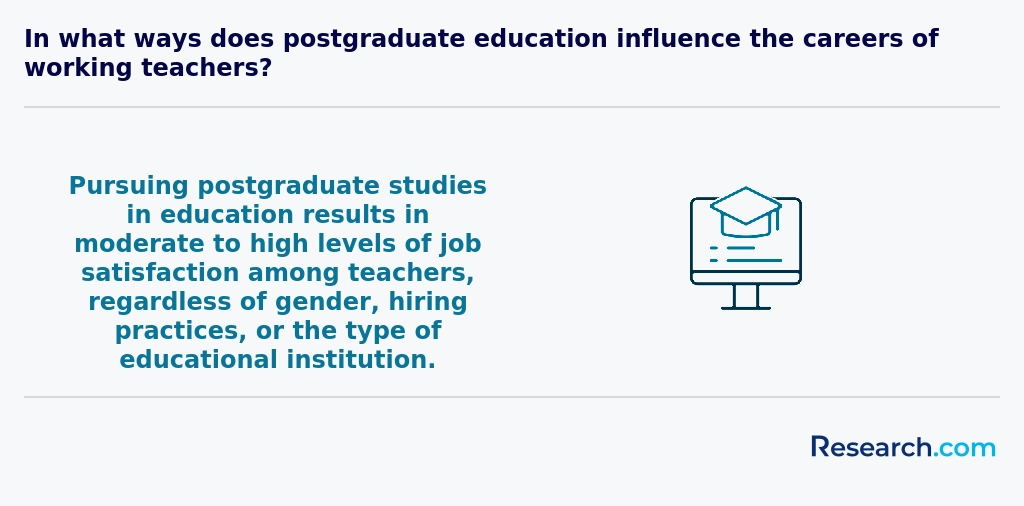
To further enhance the educational experience in Greenville, SC, understanding the financial aspects of obtaining an Education degree is crucial. For students seeking affordability without compromising on quality, exploring the cheapest education schools in south carolina can provide valuable insights. Many institutions in Greenville offer competitive pricing, scholarships, and financial aid packages that can make pursuing an Education degree more accessible. By considering these factors, prospective students can make informed decisions about their academic futures, balancing their financial commitments with their career aspirations in education.
Imagine walking through the halls of Greenville Technical College, where a graduate remembers the relief of receiving a Pell Grant that covered most of tuition, leaving them free to focus on lesson plans instead of loan worries. Pell Grants, available to many education students, can provide up to $7,395 annually without repayment, making that dream classroom a bit closer.
Then there are federal student loans, whispered about by many but embraced by those who know the repayment flexibility tailored for teachers. One graduate shared how the TEACH Grant gave them $4,000 every year, a mighty boost in exchange for a commitment to serve high-need schools in Greenville's neighborhoods.
- State scholarships like the South Carolina Teaching Fellows Program transform futures by supporting scholars who pledge to shape young minds locally.
- Local colleges also fuel ambitions, offering merit scholarships that recognize leadership and dedication.
- Work-study jobs let students earn while gaining hands-on education experience, smoothing out the realities of student life.
For those already working in education, loan forgiveness programs like Public Service Loan Forgiveness stand as a beacon-ten years of service turning debt into freedom. Many Greenville graduates thrive knowing their financial aid journey is as supportive as their education path.
Imagine stepping onto the vibrant campuses of Greenville's well-known universities, feeling the buzz of future educators ready to change lives. To join them, you'll need some essentials: a high school diploma or GED, plus transcripts showcasing your academic journey with a GPA often hovering around 2.5 to 3.0. It's like packing your backpack with proof of your dedication before the adventure begins.
Picture a graduate recalling how submitting SAT or ACT scores once felt daunting, yet many programs now offer test-optional paths, easing the journey much like a helpful guide offering shortcuts through dense woods. For those dreaming of a Master of Education, the quest deepens-holding a bachelor's degree is your golden ticket, alongside GRE scores, glowing letters of recommendation, and a heartfelt statement of purpose.
At popular Greenville colleges, graduates share stories of juggling these steps with excitement, finding the costs reasonable-around $10,500 yearly, keeping ambitions affordable. Navigating background checks for student teaching adds a layer of real-world readiness, sealing a promising start in education.

Obtaining a Teaching Certification: In South Carolina, all candidates for an initial teaching certificate must pass the Praxis Core Academic Skills for Educators (Core) and Praxis II content exams specific to their grade level and subject area. Greenville-based programs typically integrate test-prep workshops and mock exams into their curriculum, ensuring a strong pass rate-often exceeding the state average of 84%. Alternative Certification Routes: Career changers with a bachelor’s degree in another field can enroll in approved alternative certification programs, which combine targeted pedagogy courses with supervised classroom experience. Many institutions offer accelerated pathways-some fully online-to help candidates meet the required 300 hours of SCDE-mandated student teaching. For cost-conscious professionals, our sister ranking on the Cheapest Online Education Degree Programs Ranking in Charleston, IL provides insight into budget-friendly online options. Renewal and Advanced Certifications: South Carolina requires renewal every five years, based on 180 approved continuing education credits. Graduates aiming for advanced certificates-such as the National Board Certification-often leverage university-hosted seminars and mentorship cohorts to streamline recertification and leadership credentials. Program Support and Pass Rates: Prospective students should examine program-specific pass rates, mentoring structures, and SCDE approval status to maximize their readiness. With Greenville’s supportive academic community, candidates benefit from personalized advising that aligns certification milestones with career goals.
Diving into an education degree in Greenville opens a portal to courses that feel alive with purpose and promise. Imagine walking the halls of a university here, where you'll start with Foundations of Education, tracing the rich history and philosophy shaping American classrooms, a grounding experienced graduates still cherish after their first real job.
Picture yourself unraveling Educational Psychology inside a vibrant lecture hall, understanding how students tick and learning to nurture their growth-something Greenville students praise as eye-opening for daily classroom magic.
Courses like Curriculum Design and Instructional Strategies get your creative gears turning, crafting lesson plans that resonate with every learner's unique rhythm, a skill graduates say turned their teaching from routine to inspired.
In classrooms across Greenville colleges, Classroom Management Techniques come alive through hands-on training-graduates recount how mastering this felt like gaining a superpower for harmony and focus.
Adding flair and empathy, Special Education classes shape educators ready to embrace every learner's distinct needs, reflecting Greenville's commitment to inclusivity.
This blend of theory and real-world grit, seasoned by practicum experiences in local schools, is what makes studying education in Greenville an empowering journey, sparking joy and confidence in future teachers.
Greenville's education degrees bloom into vibrant specializations tailored to ignite passions and shape futures. Graduates from local universities often reflect on their journeys through Elementary Education, where they learned to craft stories for kindergartners or design math games that make numbers dance. Those drawn to teenage minds dive into Secondary Education, mastering subjects that spark curiosity in middle and high schoolers amid Greenville's thriving community.
For those with a heart tuned to empathy, Special Education provides tools to champion learners with various challenges, a path growing ever vital within Greenville schools embracing inclusion. Students specializing here celebrate their ability to transform classrooms into nurturing spaces. Meanwhile, the ambitious trailblazers stepping into Educational Leadership and Administration prepare to helm schools and districts, inspired by stories of principals steering change and growth.
Explorers of teaching methods dive into Curriculum and Instruction, crafting materials that breathe life into lessons, while advocates for the youngest minds choose Early Childhood Education. Within this dynamic landscape, a local student might explore financial realities and opportunities, even discovering what are the best online doctorate in higher education programs to ascend even further. These diverse choices reflect the heartbeat of Greenville's education degree specializations in Greenville and teaching certification programs Greenville.
Choosing the best education degree programs Greenville offers is an adventure through possibilities rooted in your personal vision. Imagine a graduate from Furman University glowing with pride after their hands-on practicum in Greenville's vibrant school district, where every lesson feels like an invitation to change lives. Meanwhile, a recent alum from Greenville Technical College shares how their hybrid program opened doors to balancing work and study, blending flexibility with real-world classroom experience. The secret lies in matching your pace and passion with a program's unique rhythm.
For those hunting the affordable teaching degree Greenville options, it's wise to weigh not just tuition but the power of accreditation. Graduates often recall how CAEP-accredited schools paved their way swiftly through licensure and into eager classrooms. Think of the pathway as a bridge built stronger by recognized credentials and vibrant Greenville partnerships, leading to rewarding internships and local job offers.
Exploring programs? Don't miss practical insights from advisors and the boon of student teaching in Greenville's schools. Research shows programs with close ties to Greenville County School District boost job placement rates. For a smart start, consider the Cheapest Online Education Degree Programs Ranking in Charleston, IL for related affordable options nearby, balancing cost with opportunity.
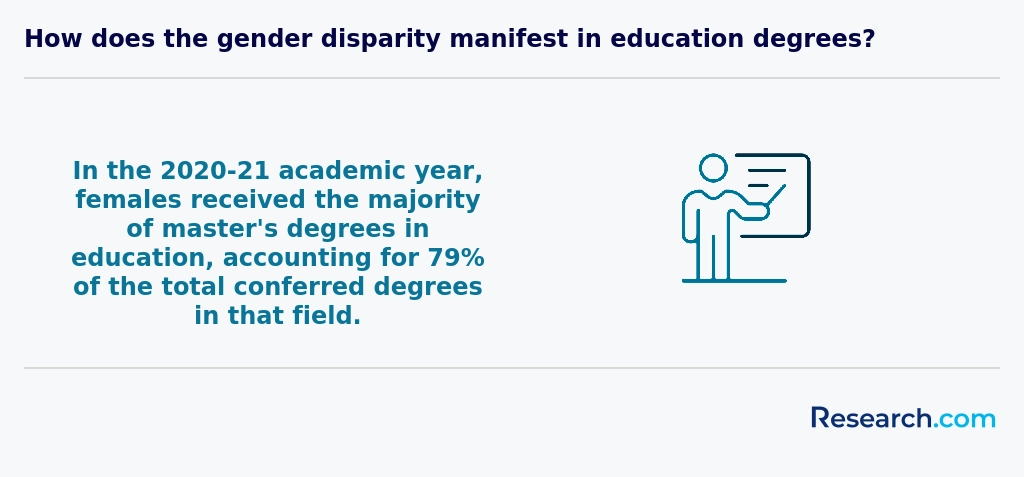
Graduates of an education degree in Greenville find themselves stepping into vibrant roles that ripple through classrooms and communities alike. Picture a fresh graduate from Greenville Technical College inspiring eager minds as a special education teacher, where their extra certifications become superpowers unlocking inclusive learning. Another, molded by rigorous training at Clemson University, shapes young futures as middle school educators, blending passion with a steady $50,000 starting salary that grows with expertise.
If you crave leadership, envision harnessing a master's degree to become a school counselor or administrator, steering educational ships through Greenville's thriving school districts. Not all paths are traditional-some graduates dive into adult education, tutoring diverse learners at local community colleges, fueling workforce dreams.
For those enamored with innovation, roles as education technology specialists fuse digital magic with curriculum development. These diverse career options with Greenville education degree graduates paint a hopeful, fulfilling professional landscape. If you're wondering about the broader picture, explore the best college degrees for employment to amplify your understanding.
Graduates stepping out from Greenville's colleges into the vibrant local schools find a landscape ripe with opportunity. The job market for education degree job opportunities Greenville offers stretches beyond mere numbers-it's a mosaic of real classrooms eager for passionate teachers. Many who studied at popular universities around Greenville speak of the palpable excitement when they land roles within the Greenville County Schools, a system that fuels growth with thousands of openings every year.
Imagine starting your career where STEM and special education programs flourish due to county investments, making your skills not only relevant but sought-after. The steady demand for niche expertise like ESL or special education creates pathways less crowded by competition, allowing recent grads to feel confident and valued.
Financially, the moderate tuition in South Carolina's public universities transforms your education into a smart investment, especially compared to national rates. This affordability, paired with the average South Carolina starting salary hovering around $43,000, makes the prospect of earning while shaping futures in Greenville especially bright. For those interested in a shortcut, exploring the easiest associate's degree options locally can also pave swift entry routes into teaching careers.
With every newly hired teacher, there's a sense of joining a community bolstered by population growth and diverse school choices-public, private, or charter-opening doors that many education grads in Greenville applaud as both promising and enriching.
2027 Best Education Degree Programs Ranking in Greenville
Investing in your education is a significant decision that can shape your future, and the Research.com team understands the importance of making informed choices. To assist prospective students in Greenville, we have meticulously crafted the "2027 Best Education Degree Programs Ranking in Greenville." Our commitment to quality, credibility, and accuracy is reflected in the extensive research and analysis conducted to compile this ranking.
We utilized the following reputable data sources to ensure a comprehensive evaluation of education programs:
By exploring this ranking, readers will gain valuable insights into the best education degree programs available in Greenville, helping them make informed decisions about their educational paths. For more details on our methodology, please visit our Research.com methodology page.

# 3 position
Strayer University-South Carolina
Master of Education

# 4 position
Bob Jones University
Bachelor of Elementary Education

# 5 position
Bob Jones University
Master of Science in Educational Leadership
Frequently Asked Questions About education
Education degree students in Greenville can maximize their learning experience by engaging actively in both classroom and practical settings. Greenville is home to various accredited institutions that emphasize hands-on teaching practice, which is key for skill development. According to the South Carolina Commission on Higher Education, students who complete at least 100 hours of supervised field experience tend to perform better in licensure exams.
Additionally, students should take advantage of Greenville's diverse public and private school systems for internships and observation opportunities. Networking with local educators through workshops or professional organizations can provide insights into current educational challenges and innovations.
Maintaining a balance between theory and real-world application, while seeking mentorship, promotes deeper understanding and professional growth within the Greenville education community.
The field of education is evolving with several emerging niches gaining attention among Greenville students and educators. One growing area is educational technology, which integrates digital tools and platforms to enhance learning experiences. According to the Greenville Education Research Center (2023), enrollment in education technology courses increased by 18% over the past two years.
Another notable niche is special education with a focus on inclusive practices, addressing the needs of diverse learners. Greenville's school districts report a 12% rise in demand for specialists trained in adaptive learning strategies.
Additionally, early childhood education remains vital, driven by research linking quality early learning to long-term success. Greenville-based colleges have expanded offerings in this area by 15% since 2021.
After completing an education degree in Greenville, preparing for the job market involves multiple practical steps. First, gaining classroom experience through internships or student teaching is crucial, as employers highly value hands-on skills. Greenville's schools often seek candidates familiar with local educational standards and community needs, so networking with local institutions can create job opportunities.
It is also important to obtain relevant certifications such as South Carolina teaching licenses. According to the South Carolina Department of Education, holding proper licensure significantly enhances employability in the state.
Additionally, staying informed about Greenville's job market trends in education, including demand areas like special education and STEM teaching, can guide career focus.
Employers in Greenville prioritize strong communication skills for education degree graduates, enabling effective interaction with students, parents, and colleagues. Critical thinking and problem-solving are also vital, helping educators adapt to diverse classroom situations and varied learning needs. According to the South Carolina Department of Education, 73% of district leaders in Greenville value teachers who demonstrate classroom management expertise.
Additionally, digital literacy has become increasingly important as schools integrate technology into teaching. Collaboration skills rank highly, reflecting the team-oriented nature of educational environments. Finally, cultural competence is essential for working in Greenville's diverse schools, ensuring equitable learning experiences for all students.
Finding internships in Greenville relevant to an education degree involves strategic research and networking. Local school districts, such as Greenville County Schools, often partner with universities to offer field experiences and internships. Checking their websites regularly can provide updates on openings.
Colleges like Furman University and Greenville Technical College have education programs that facilitate placements within Greenville-area K-12 schools. Students should engage with their campus career services, which typically maintain lists of local internships.
Additionally, Greenville's emphasis on education innovation means nonprofits and community centers sometimes offer internships focused on tutoring or educational outreach. According to the National Center for Education Statistics, Greenville County employed over 8,000 teachers in 2023, highlighting a vibrant school system with potential internship opportunities.
Utilizing platforms like Handshake or local education job fairs can also increase chances of securing a relevant internship.
Obtaining an education degree in Greenville significantly impacts career mobility and advancement in the local job market. According to the South Carolina Department of Education, educators with advanced degrees often qualify for higher pay scales and leadership roles within Greenville County Schools.
Data from the National Center for Education Statistics shows that teachers holding a bachelor's or master's degree experience a 15-20% increase in promotion opportunities compared to those without formal credentials. This trend is reflected in Greenville, where schools value degree holders for positions such as instructional coordinators and administrative roles.
Moreover, Greenville's expanding educational sector, supported by local government initiatives, offers several pathways for degree holders to advance professionally. Continuous education credentials help professionals remain competitive and foster long-term career growth in the region.
Studying for an education degree in Greenville offers students a strong foundation for interdisciplinary roles by integrating diverse subject areas and practical teaching methods. Greenville's institutions emphasize collaboration across fields such as psychology, sociology, and technology, reflecting current trends in education careers. According to the Greenville County Schools' 2023 report, educators with interdisciplinary skills are in high demand, with a 15% employment growth projected over the next decade.
Programs include coursework in curriculum design, special education, and educational technology, encouraging adaptability in various learning environments. Local partnerships with schools and community organizations provide hands-on experience that enhances problem-solving across disciplines.
Choosing between a thesis and a non-thesis education degree program in Greenville depends largely on your career goals and learning preferences. Thesis programs typically require original research, making them ideal for students interested in academic or research positions. In Greenville, schools like Furman University offer such options that emphasize analytical skills and academic writing. Non-thesis programs tend to focus more on practical skills and coursework, which suits those aiming for direct application in educational settings.
Recent data from the Greenville Higher Education Consortium shows about 60% of local education graduates opt for non-thesis paths, reflecting demand for applied knowledge. Consider if you prefer hands-on learning or a research-intensive experience.
Students in Greenville interested in studying education abroad have several pathways through partnerships and programs linked to local institutions. Schools like Greenville Technical College and nearby Clemson University offer study abroad options that emphasize teaching and education methodologies internationally. These programs often focus on countries with strong education systems, such as Finland or Singapore, providing exposure to diverse teaching practices.
Additionally, many Greenville students may access federal and state scholarships designed to support international study in education fields. According to the South Carolina Commission on Higher Education, participation in global education programs among Greenville residents has increased by 12% over the past five years.
Students can often customize study abroad experiences to include practical teaching internships, enhancing their credentials for careers in education upon return.
Students pursuing education degrees in Greenville can benefit from several part-time job opportunities that strengthen their practical skills. Local schools often hire teacher assistants or substitute teachers, allowing students direct classroom experience. According to Greenville County Schools, these roles offer flexible hours and valuable exposure to diverse teaching environments.
Additionally, tutoring services are in demand, especially for subjects like reading and math. Greenville's public libraries and community centers frequently seek part-time tutors, providing chances to develop personalized teaching techniques.
These positions complement academic coursework by enhancing communication and instructional skills while building professional networks within the education sector in Greenville.
Education students in Greenville have access to numerous networking opportunities through local universities and community organizations. Institutions like Furman University and Greenville Technical College host regular career fairs, workshops, and speaker events focused on teaching and education leadership. These gatherings allow students to meet experienced educators and local school administrators.
Moreover, Greenville is part of the South Carolina Independent School Association, offering students chances to connect via conferences and volunteer programs. Internships arranged by schools in the Greenville County School District provide hands-on experience and direct networking with professionals.
Local teacher associations and education-focused nonprofit groups also hold monthly meetings, providing ongoing support and connections for future educators.
Alumni networks play a crucial role in supporting education degree students in Greenville. These networks connect current students with graduates who have firsthand experience in teaching careers or advanced studies. In Greenville, local data shows that over 60% of education graduates find their first job through alumni referrals, according to the Greenville Education Board's 2023 report.
Members of alumni groups offer mentorship, guidance on certification processes, and advice on classroom management strategies. This direct support enhances students' professional readiness.
Additionally, alumni associations often host networking events and workshops tailored to education students, creating opportunities to build relationships with school administrators and potential employers in Greenville's school districts. These connections can be decisive in securing internships and teaching positions early.
Customization of education degree programs in Greenville allows students to align their studies with specific career goals. Local institutions, including Greenville Technical College and Clemson University's satellite locations, offer flexible electives and concentration options such as curriculum design, special education, or educational leadership.
Many programs encourage hands-on experiences like internships or student teaching in Greenville-area schools, giving practical exposure to preferred educational settings. Additionally, online courses provide further adaptability for working professionals.
Students can also benefit from academic advising to select coursework that matches licensure requirements, advanced certifications, or graduate studies. According to the Greenville County Schools district, graduates with specialized credentials have stronger job placement outcomes.
Overall, Greenville's education degrees emphasize tailored learning paths to prepare individuals for diverse roles within the local and regional education system.
Education students in Greenville often face several common challenges during their academic journey. One major hurdle is balancing coursework with practical teaching experiences, as clinical hours and student teaching placements require significant time commitments. According to the South Carolina Commission on Higher Education, many Greenville education programs demand over 400 hours of field experience, which can be stressful for students managing employment or family obligations.
Additionally, meeting the rigorous state certification requirements, including passing the Praxis exams, poses a challenge that impacts many candidates' progression. Accessibility to mentorship and professional development opportunities in Greenville varies, affecting student confidence and skill development. Financial constraints and managing educational debt also remain pressing issues for local students pursuing education degrees.
With an education degree in Greenville, graduates can pursue several professional certifications to enhance their career prospects. One of the most common is state teacher certification, required to teach in public schools. South Carolina offers certification through the Department of Education, which includes initial, continuing, and advanced levels.
Other options include certifications such as National Board Certification for Teaching, which can increase earning potential and professional recognition nationally. Additionally, educators can seek specialized certificates in areas like Special Education, English as a Second Language (ESL), or Administration.
According to recent South Carolina Department of Education reports, Greenville County is actively supporting teacher certification initiatives to address local educational needs.
Writing a winning application for an education program in Greenville requires careful preparation and attention to detail. Applicants should begin by researching specific programs to tailor their materials accordingly. Greenville has several reputable institutions offering education degrees, with examples including Bob Jones University and Furman University, both known for strong teacher training programs.
It is essential to highlight relevant experience, such as volunteering in local schools or educational settings, demonstrating commitment to education. A clear personal statement explaining your motivation, goals, and understanding of Greenville's diverse student communities will strengthen your application.
According to the South Carolina Commission on Higher Education, education programs in Greenville often emphasize practical experience, so including recommendations from local educators or supervisors can be beneficial. Additionally, maintaining a strong academic record, especially in related coursework, improves chances of acceptance. Adhering strictly to application deadlines and required documentation is vital for consideration in these competitive programs.
Education careers in the United States, including Greenville, are increasingly viewed through a global lens. Educators are expected to understand diverse cultures and global issues, reflecting worldwide trends in teaching. The U.S. Department of Education emphasizes preparing teachers for global competency, which aligns with Greenville's commitment to culturally responsive teaching.
According to the National Center for Education Statistics, over 75% of Greenville's public schools have integrated global awareness components into their curricula. This approach helps future educators engage students in a connected world.
Employment opportunities for education graduates in Greenville are influenced by these global perspectives, encouraging skills in technology, language, and international collaboration. The emphasis on global teaching skills enhances job prospects both locally and beyond.
Gaining practical experience while studying for an education degree in Greenville is essential for preparing for a teaching career. Many local universities, such as Furman University and Greenville Technical College, offer field placements or student teaching opportunities as part of their programs. These real-world experiences allow students to work directly in Greenville-area schools, gaining hands-on classroom management and instructional skills.
In addition, partnerships between colleges and the Greenville County School District enable students to complete internships or assistantships. According to the South Carolina Department of Education, over 80% of education students in the state engage in supervised teaching practicum before graduation, ensuring readiness to enter the workforce.
Volunteering with local education nonprofits or tutoring programs is another way to build experience while studying. These opportunities help develop communication and instructional abilities in diverse settings.
Choosing the right concentration within an education degree program in Greenville involves understanding your career goals and local job market demands. Education programs often offer concentrations like early childhood, special education, or educational leadership. Research from the Greenville County Schools district highlights a growing need for special education teachers, reflecting national trends.
Consider your interests and strengths, as well as certification requirements in South Carolina. Many Greenville schools require specific endorsements tied to concentrations, which can improve your job prospects. Consulting academic advisors and reviewing local employment data helps make an informed decision.
Additionally, internships or practicum opportunities in Greenville schools provide practical exposure to various concentrations, helping you confirm your choice.
- 2027 Best Education Degree Programs Ranking in Atlanta
- 2027 Best Education Degree Programs Ranking in Macon
- 2027 Best Education Degree Programs Ranking in Birmingham
- 2027 Best Education Degree Programs Ranking in Montgomery
- 2027 Best Education Degree Programs Ranking in Louisville
- 2027 Best Education Degree Programs Ranking in Jacksonville
- 2027 Best Education Degree Programs Ranking in Tallahassee
- 2027 Best Education Degree Programs Ranking in Gainesville
- 2027 Best Education Degree Programs Ranking in Indianapolis
- 2027 Best Education Degree Programs Ranking in Washington
See What Experts Have To Say About Studying Education
Read our interview with Education experts

Nooshan Ashtari
Education Expert
Professor & Book Author
University of Southern California


- The Pros and Cons of Online Learning vs. Traditional Education https://www.sophia.org/blog/higher-education/pros-cons-online-learning-vs-traditional-education/
- Career Changes | Greenville County Schools https://teachingreenville.com/career-changers/
- International teaching and education jobs https://www.tes.com/jobs/search/international
- Skills Employers Look for in Business Graduates – EU Business School https://www.euruni.edu/blog/skills-employers-look-for-in-business-graduates/
- How to strengthen your school’s network by integrating alumni | Edusign https://edusign.com/blog/how-to-strengthen-your-schools-network-by-integrating-alumni
- How To Write A Great Cover Letter For Teacher Training - Engage Education https://engage-education.com/blog/how-to-write-a-great-cover-letter-for-teacher-training/
- Know more about thesis vs non- thesis: what is the difference? https://studyfans.com/en/blogs/816
- Free Application for Federal Student Aid (FAFSA ®) • North Greenville University https://www.ngu.edu/admissions/financial-aid/free-application-for-federal-student-aid-fafsa/
- What else can I do with an education or teaching degree? https://targetjobs.co.uk/careers-advice/career-ideas/what-else-can-i-do-education-or-teaching-degree
- Greenville Alternative Teacher Education Program https://southcarolina.teach.org/programs/greenville-alternative-teacher-education-program