
2027 Best Education Degree Programs Ranking in Duluth

Co-Founder and Chief Data Scientist
Choosing the right education degree program can shape your future in meaningful ways. For students in Duluth, discovering the best options available is key to making a confident decision.
This article features the 2027 Best Education Degree Programs Ranking in Duluth, created by the Research.com team of data scientists. Their expert analysis aims to guide you toward programs that truly stand out.
By exploring this ranking, you'll gain valuable insight into programs worth considering, helping you pursue a rewarding career in education with assurance and enthusiasm.
Key benefits of getting education degree in Duluth
- Education degree graduates in Duluth can earn competitive salaries, such as $70,740 for elementary school teachers and $76,000 for special education teachers, reflecting strong job value and financial stability.
- Graduates often pursue rewarding careers in teaching, instructional design, or early childhood education, with diverse opportunities available from local schools to educational organizations.
- Obtaining an education degree online offers flexibility for busy students in Duluth, allowing them to balance studies and life while gaining credentials from respected institutions without commuting stress.
- Key benefits of getting education degree in Duluth
- What can I expect from education degree in Duluth?
- Where can I work with education degree in Duluth?
- How much can I make with education degree in Duluth?
- 2027 Best Education Degree Programs Ranking in Duluth
- Key Findings
- How long does it take to complete education degree in Duluth?
- Certification Requirements and Licensure Success Rates
- What's the difference between online and on-campus education degree?
- Certification and Licensure Requirements in Minnesota
- What is the average cost of education degree in Duluth?
- What financial aid is available to education degree students in Duluth?
- Licensing and Certification Requirements for Education Graduates in Duluth, MN
- What are the prerequisites for enrolling in education degree program in Duluth?
- Making Informed Decisions: Considering Affordable Education Options in Duluth, MN
- What courses are typically in education degree programs in Duluth?
- What types of specializations are available in education degree programs in Duluth?
- How do you choose the best education degree in Duluth?
- What career paths are available for education degree students in Duluth?
- What is the job market for education degree in Duluth?
- Top Trending Education Rankings
- See What Experts Have To Say About Studying Education
What can I expect from education degree in Duluth?
Studying education in Duluth at institutions like the University of Minnesota Duluth offers many exciting possibilities, but it's natural to wonder about the cost. For in-state students diving into an education degree, tuition typically hovers around $13,500 per year. Graduates often recall juggling classes, hands-on teaching experiences, and budgeting, all while taking advantage of financial aid aimed specifically at education majors. Out-of-state students, eager to embrace Duluth's community and campus life, usually face higher tuition, around $29,000 annually, though many find it worth the investment for the rich practicum opportunities and tailored coursework that prepare them for licensure in Minnesota.
Imagine spending your semesters not just learning theories, but stepping into Duluth classrooms with supportive mentors, knowing your tuition supports this immersive training. Many recent graduates celebrate how these costs matched the practical, rewarding experiences that opened doors to fulfilling teaching careers across Minnesota's schools.
Where can I work with education degree in Duluth?
Graduates from education programs in Duluth often step confidently into roles within Duluth Public Schools, where they bring classrooms to life in elementary, middle, and high schools. Imagine starting your career shaping young minds, maybe as a special education teacher or leading early childhood classrooms-these positions offer hands-on growth and meaningful impact. Many alumni from the University of Minnesota Duluth share stories of finding fulfilling work here, feeling valued as they contribute to their community.
Others explore private or charter schools, where innovation in teaching methods sparks daily excitement. Education grads from local colleges find joy running educational programs at places like the Duluth Area Family YMCA, blending leadership with community connection. For those drawn to counseling or advising, Duluth's university settings provide dynamic careers supporting student success beyond the classroom.
Whether diving into early childhood education or pioneering youth-focused nonprofits, Duluth's diverse opportunities invite graduates to explore, adapt, and thrive in a range of rewarding careers.
How much can I make with education degree in Duluth?
Graduates from education programs in Duluth often find themselves stepping into rewarding roles with salaries that inspire both security and excitement about their futures. For instance, an elementary school teacher can expect to earn around $70,740 annually, a figure that brings a sense of pride and validation after years of dedicated study at institutions like the University of Minnesota Duluth.
Those venturing into special education positions discover even more promising paychecks, averaging about $76,000 per year-an encouraging sign for those passionate about making a unique impact. Meanwhile, ESL teachers in Duluth earn around $65,430 annually, offering a fulfilling pathway for graduates who cherish cultural exchange and language diversity.
Early childhood educators start their careers with approximately $41,410 annually, a humble yet meaningful beginning that often grows with experience and further qualifications. Instructional designers, combining creativity and technology, enjoy salaries near $77,200, a lucrative option for graduates eager to innovate learning experiences.
These figures, paired with strong local school support and benefits, transform dreams of working in education into thriving, hopeful adventures right here in Duluth.
2027 Best Education Degree Programs Ranking in Duluth
How do we rank schools?
Investing in your education is a significant decision that can shape your future, and the Research.com team understands the importance of making informed choices. To assist prospective students in Duluth, we have meticulously crafted the "2027 Best Education Degree Programs Ranking in Duluth." Our commitment to quality, credibility, and accuracy is reflected in the extensive research and analysis conducted to compile this ranking.
We utilized the following reputable data sources to ensure a comprehensive evaluation of education programs:
By exploring this ranking, readers will gain valuable insights into the best education degree programs available in Duluth, helping them make informed decisions about their educational paths. For more details on our methodology, please visit our Research.com methodology page.


Key Findings
- The University of Minnesota Duluth offers both undergraduate and graduate education degree programs.
- In-state tuition for a bachelor's degree in education typically ranges from $15,000 to $20,000 per year, with higher costs for out-of-state students.
- Entry-level teachers in Duluth earn around $40,000 to $45,000 annually, while experienced educators can make between $55,000 and $65,000 per year.
- Job growth is strong in special education, STEM subjects, and early childhood education due to steady demand.
- Licensure requires completing an approved program, passing certification exams, and undergoing background checks.
How long does it take to complete education degree in Duluth?
For those driven by curiosity and a passion for research, embarking on a Doctor of Education might mean 3 to 6 years filled with original work and deep dives into educational theory. No matter the path, Duluth's accredited programs offer a supportive, dynamic environment where every step feels like an exciting chapter in your educational journey.
Certification Requirements and Licensure Success Rates
Earning an Education degree in Duluth, MN, not only prepares you for the classroom but also equips you to navigate Minnesota’s teacher licensure process with confidence. Graduates must pass the Minnesota Teacher Licensure Examinations (MTLE), which include content, pedagogy, and basic skills assessments. Local programs at the University of Minnesota Duluth and the College of St. Scholastica report first-attempt MTLE pass rates exceeding 85%, reflecting rigorous curriculum alignment with state standards. • Licensure Pathway: After completing a state-approved teacher preparation program, candidates apply for a Tier 4 license, submit fingerprints, and pass all MTLE subtests within five years. Program advisors guide students through each step, from registering for exams to submitting transcripts and background checks. • Exam Preparation: Coursework integrates targeted MTLE practice exams, cohort study groups, and workshops led by faculty who have served on Minnesota licensure panels. One recent graduate noted, “The simulated MTLE questions we tackled in class mirrored the real exam so closely, I felt fully prepared on test day.” • Success Metrics: Average scores for Duluth graduates on MTLE Content Assessment hover around the 90th percentile, while the Pedagogy Assessment average is 88%. These metrics not only demonstrate individual student readiness but also contribute to program accreditation reviews by the Professional Educator Licensing and Standards Board (PELSB). • Continuous Support: Even after graduation, alumni can access free licensure refreshers and one-on-one coaching through university career centers. Prospective students interested in comparative affordability and online flexibility can also explore our Affordable Online Education Degree Programs Ranking in Greeley, CO for additional options. By emphasizing licensure success, Duluth’s education programs showcase their commitment to both academic excellence and professional readiness.
What's the difference between online and on-campus education degree?
Choosing between online and on-campus education degrees in Duluth opens up a world of possibilities depending on your lifestyle and learning preferences. Imagine a busy professional enrolling with the University of Minnesota Duluth who treasures the freedom to study late at night or weekends-online classes let them dive into lectures wherever life takes them, making education fit seamlessly around work and family.
On the flip side, graduates from on-campus programs often recall the energizing buzz of face-to-face interactions. Picture lively group discussions, hands-on teaching practice, and spontaneous chats after class at cozy campus spots. This environment fosters networking and friendships that many find invaluable for their careers.
While online studies cherish flexibility and cost savings, on-campus students enjoy vibrant access to libraries, career services, and events that enrich the college experience. For Duluth's aspiring educators, these distinctive paths offer tailored adventures in learning-each with its own rewards and rhythms.
Certification and Licensure Requirements in Minnesota
Graduates with an Education degree in Duluth, MN must obtain a Professional Educator License (PEL) from the Minnesota Department of Education (MDE) before entering the classroom. The licensure process involves: 1. Minnesota Tests for Teacher Licensure (MTLE): Candidates must pass the Basic Skills, Pedagogy, and Content Knowledge exams in their chosen field. Many programs integrate test prep into their curriculum to ensure success. 2. Background Check and Fingerprinting: State law requires a clean criminal record and fingerprint submission via the FBI’s Rap Back service. 3. Application and Documentation: Submit official transcripts, MTLE scores, and verification of student teaching to the MDE’s online licensing portal. 4. Professional Development and Renewal: Licenses in Minnesota are valid for five years. Educators must complete 125 continuing education hours or hold a graduate-level degree in education to renew. To keep costs manageable while fulfilling licensure prerequisites, consider programs featured in our Affordable Online Education Degree Programs Ranking in Greeley, CO, which offer targeted support for MTLE preparation and streamlined application guidance. This ensures that Duluth graduates not only earn a top-ranked Education degree but also meet Minnesota’s certification standards efficiently.
What is the average cost of education degree in Duluth?
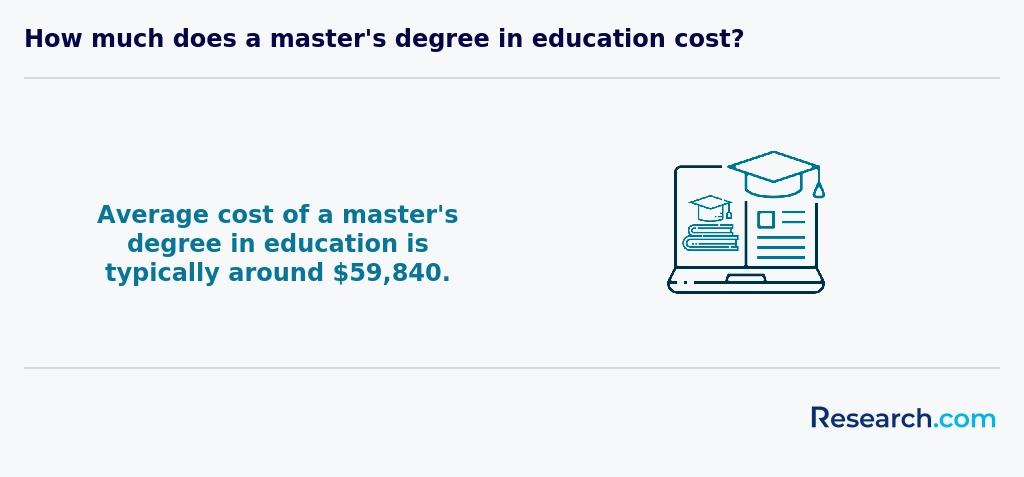
The average cost of obtaining an education degree in Duluth offers a clear picture for those ready to embark on this rewarding journey. Graduates from institutions like the University of Minnesota Duluth find themselves investing around $28,194 if they qualify as in-state students - a figure that captures the total expenses of tuition, fees, and other essentials. This median total cost reflects a balance between quality and affordability that many local students appreciate as they pursue their passion for teaching.
Imagine a graduate juggling classes, practicums, and lively campus events, knowing their financial commitment aligns with their long-term dream. While out-of-state students face higher bills-reaching a median of $43,079-the vibrant Duluth education community creates opportunities for cost-saving scholarships and assistantships, making the path more accessible and less daunting.
For those mapping out the average cost of education degree Duluth students know well, it's essential to look beyond numbers. Living expenses and supplies weave into the experience: cozy apartments, textbooks, and everyday life in this northern city shape the adventure. Curious students often explore affordable education schools in Minnesota to find the best fit-both academically and financially-infusing their educational quest with confidence and hope.
What financial aid is available to education degree students in Duluth?
Venturing into an education degree at a Duluth institution like the University of Minnesota Duluth brings exciting opportunities-and financial aid options that many graduates recall as game-changers. Federal Pell Grants, for example, often spark relief, covering up to $7,395 in the 2023-2024 year for students facing financial challenges. Many alumni describe how this support lifted a heavy financial weight, allowing them to focus on learning and classroom experience.
State grants from programs like the Minnesota State Grant offer another layer of assistance, granting between $500 and $1,700 annually based on family income and enrollment. Graduates from local colleges credit these grants with bridging gaps when tuition bills arose unexpectedly.
Stories abound of Duluth-based scholarships awarded by community groups, where applicants' passion for teaching and local involvement shine. These scholarships don't just ease costs-they affirm a student's commitment to education in the region.
- Federal Pell Grants and Direct Subsidized Loans spark foundational support rooted in financial need.
- Minnesota State Grants ease the journey for in-state education students with qualifying budgets.
- Community scholarships reward dedication to future teaching in Duluth.
- Work-study roles provide hands-on experience and steady income while studying.
Many students appreciate flexible payment plans and emergency aid offered by Duluth's education programs, turning financial stress into manageable steps that keep ambitions alive.
Licensing and Certification Requirements for Education Graduates in Duluth, MN
Earning an Education degree in Duluth, MN is only the first step toward a fulfilling teaching career; graduates must also obtain licensure through the Minnesota Board of Teaching. To qualify for an initial license, candidates must:
- Complete a state‐approved teacher preparation program with at least 120 credit hours and a successful student teaching practicum.
- Pass the Minnesota Teacher Licensure Examinations (MTLE), including both the Foundations of Reading and the content‐specific assessments aligned with your endorsement area.
- Undergo a background study pursuant to Minnesota Statutes, Section 123B.03, ensuring compliance with fingerprinting and fingerprint-based record checks.
- Submit official transcripts and verification of program completion, along with a completed licensure application through the online eLicensing system. After securing an initial license, educators must pursue a professional license within five years by completing one of the following:
- A master’s degree in education or a related field;
- 125 continuing education credits in approved professional development courses;
- National Board Certification in a teaching specialty. For candidates balancing work responsibilities or seeking cost-effective options, exploring online degree pathways can streamline both degree completion and licensure preparation-see our Affordable Online Education Degree Programs Ranking in Greeley, CO for models that integrate MTLE study resources with flexible coursework. Understanding and planning for these licensure steps will ensure you transition smoothly from diploma to classroom-ready professional.
What are the prerequisites for enrolling in education degree program in Duluth?
Diving into education degrees in Duluth is an exciting journey that begins with meeting some fundamental prerequisites. Graduates from local institutions like the University of Minnesota Duluth often recall how having a high school diploma or GED was their first stepping stone-it's the key that unlocks admission to these programs.
Academic readiness is crucial, too. Many aspiring educators share how maintaining a GPA between 2.5 and 3.0 helped them confidently apply, knowing their transcripts reflected the dedication needed to thrive. Some remember submitting strong SAT or ACT scores, while others appreciated test-optional policies that allowed their passion to shine through other application materials.
Beyond grades and tests, the personal journey matters. Writing heartfelt essays or personal statements enabled hopeful students to express their drive to nurture future generations. Letters of recommendation added a layer of support, painting a fuller picture of character and commitment.
A background check was often a shared experience, ensuring safety during invaluable fieldwork like student teaching. These steps, familiar to many Duluth graduates, transform a hopeful candidate into a prepared future educator ready to embrace the adventure that lies ahead.

Making Informed Decisions: Considering Affordable Education Options in Duluth, MN
To make the most out of their education degree, prospective students in Duluth, MN, should also consider the affordability of their chosen program. Exploring options such as affordable education schools in Minnesota can be a prudent step, as it allows students to balance their educational aspirations with financial realities, thereby ensuring a more sustainable and fulfilling educational journey. This consideration is especially important for those who are intent on maximizing their return on investment and securing a stable financial future in their chosen career path within education.
What courses are typically in education degree programs in Duluth?
Diving into an education degree in Duluth means immersing yourself in courses that spark both curiosity and confidence. At the University of Minnesota Duluth, graduates often recall how Foundations of Education opened their eyes to the rich history and philosophy shaping teaching today, turning theory into tangible moments of understanding.
Imagine sitting in class discussing how children learn-this is what Educational Psychology feels like, helping you connect deeply with your future students' minds and hearts. Instructional Methods courses then equip you with creative lesson planning skills, so you're ready to lead dynamic classrooms.
Many students treasure developing hands-on skills through Assessment and Evaluation, practicing ways to tailor feedback that boosts learning. Others find Special Education courses hugely rewarding, discovering compassionate ways to support all learners' unique journeys.
In Duluth's education programs, technology isn't an afterthought; it's woven in, making Classroom Technology classes exciting labs for exploring digital tools. Plus, Multicultural Education fosters openness and respect, essential for teaching in Minnesota's diverse school environments.
What types of specializations are available in education degree programs in Duluth?
Choosing an education degree in Duluth means diving into an array of specializations crafted to match both local community needs and evolving educational landscapes. At institutions like the University of Minnesota Duluth, students frequently explore paths such as Elementary Education, where graduates recount inspiring moments guiding young learners through their earliest academic steps with creativity and warmth. Others find their calling in Secondary Education, mastering subject-specific teaching methods that prepare them to energize middle and high school classrooms with confidence.
For those drawn to making a difference in diverse learning environments, Special Education offers tools to support students with unique challenges, fostering rewarding connections that many graduates cherish deeply. Early Childhood Education focuses on nurturing developmental milestones from birth to age 8, creating foundational skills that build brighter futures. Then there's Educational Leadership and Administration, a path for emerging leaders eager to shape school environments and policies.
Students exploring teaching certification programs Duluth find these comprehensive specializations mirror their ambitions and reflect the city's educational heartbeat. For those thinking beyond the classroom, resources like Best Jobs You Can Get with an Education Degree That Aren't Teaching reveal exciting career possibilities that broaden the traditional education degree journey.
How do you choose the best education degree in Duluth?
Choosing the best education degree in Duluth is a thrilling journey where practical needs meet personal dreams. Imagine yourself walking the halls of the University of Minnesota Duluth, listening to graduates share how the program's strong ties to local schools opened doors for rewarding teaching positions. These real connections matter when hunting for the best education degree programs Duluth offers-programs that blend hands-on experiences with respected accreditation, ensuring your certification holds weight in Minnesota's job market.
Many students cherish the flexibility found in Duluth's education programs-whether taking evening classes after work or engaging in online coursework that fits family life. Graduates often highlight how affordable education degrees in Duluth, combined with financial aid options, make pursuing a teaching passion feel within reach and deeply rewarding. Knowing that local districts actively seek graduates means hope and excitement for your future job prospects.
If budget is on your mind, don't overlook the Affordable Online Education Degree Programs Ranking in Greeley, CO, which can inspire creative ways to manage costs while advancing your career goals.

What career paths are available for education degree students in Duluth?
Graduates with an education degree in Duluth find a variety of exciting career paths awaiting them. Many jump straight into the teaching profession opportunities Duluth offers, from elementary classrooms to specialized STEM subjects, where passionate teachers are highly sought after. For example, graduates from the University of Minnesota Duluth often share how rewarding it is to shape young minds in local public schools while living in a vibrant community.
Others explore roles as education administrators, stepping into leadership positions like principals or curriculum coordinators, fueled by experience and additional studies. Instructional coordinators and educational consultants provide another adventurous route, helping schools implement the latest teaching methods and technologies, creating dynamic learning environments.
Some graduates embrace adult education and community-focused training opportunities, appreciating the flexible schedules and meaningful connections fostered at local colleges. For those looking to start with a shorter timeline, enrolling in a fast-track online associates degree can be an excellent gateway.
Whatever path they choose, education degree career options in Duluth open doors to fulfilling roles with strong local support and growth potential.
What is the job market for education degree in Duluth?
The job market for education degree graduates in Duluth is both vibrant and full of possibility. Many graduates from local institutions find themselves stepping confidently into roles within Duluth Public Schools or nearby districts, where passionate teaching careers are in demand. This environment is especially favorable for those drawn to special education, STEM subjects, or English as a Second Language, areas where the community urgently seeks talent. The steady growth in student enrollment and retirements create a ripple of opportunities that recent graduates eagerly explore.
Imagine starting your career with a rewarding salary range from $45,000 to $50,000, climbing steadily as experience grows-this reflects the real experience of graduates who have embraced the educational landscape here. Thanks to the strong support networks offered by popular universities in Duluth, these new educators feel ready to impact classrooms and also pursue paths in administration or curriculum development. For those budget-conscious, exploring the cheapest associate degrees online can further open doors to accessible education.
Exploring education degree job outlook Duluth means tapping into a community that not only values qualified educators but fosters a sense of adventure in teaching careers. The rewarding career opportunities in Duluth inspire graduates to grow, lead, and innovate within the local educational system.
Frequently Asked Questions About education
Education degree students in Duluth can enhance their learning by engaging actively in both classroom and practical experiences. Local universities like the University of Minnesota Duluth offer access to diverse teaching practicum opportunities within nearby public schools, allowing students to apply theory in real settings. According to the National Center for Education Statistics, hands-on experience significantly improves student outcomes in education programs.
Furthermore, students should take advantage of Duluth's rich community resources, such as mentoring programs and educational workshops offered through regional education centers. Networking with local educators and participating in professional organizations can provide valuable insights and career guidance.
Finally, embracing technology and online learning platforms available through Duluth institutions helps students keep pace with innovative teaching methods and curricular advancements, ensuring a well-rounded educational training.
The education field is rapidly evolving, with several emerging niches gaining prominence in Duluth and across the United States. One growing area is educational technology, which integrates digital tools to improve learning experiences. According to recent data from the Minnesota Department of Education, programs focusing on tech integration have expanded enrollment by over 15% in the last two years.
Another niche is special education, especially with increased demand for qualified teachers to support students with disabilities. Duluth schools report a steady rise in the need for specialists in this area.
Environmental education also shows promise, aligning with Duluth's strong emphasis on sustainability and outdoor learning initiatives. Local universities collaborate with schools to develop curricula that address climate change and conservation topics.
After completing an education degree in Duluth, preparing for the job market requires a strategic approach. First, obtaining state licensure through Minnesota's Teacher Licensing Examinations is essential to qualify for K-12 teaching positions. Duluth's schools often seek candidates with hands-on experience, so taking advantage of student teaching placements or internships during your studies can improve employability.
Networking in Duluth's education community, including attending events held by the Duluth Area School District and local education conferences, also enhances job prospects. According to the Minnesota Department of Employment and Economic Development, teacher demand in the Duluth area is expected to grow by 5% through 2030, particularly in special education and STEM subjects.
Continued professional development and familiarity with educational technology further strengthen candidates' market readiness in this evolving field.
Employers in Duluth value education degree graduates who demonstrate strong communication skills, both verbal and written. This ability is essential for interacting effectively with students, parents, and colleagues. According to the Minnesota Department of Education, collaborative skills are equally important, as teachers often work in teams to develop curricula and solve classroom challenges.
Classroom management expertise is another top priority. Duluth schools emphasize practical strategies to maintain a positive learning environment, which improves student engagement and outcomes. Additionally, technological proficiency is increasingly vital, with many districts incorporating digital tools into daily instruction.
Understanding diverse learner needs is also crucial, especially as Duluth's student population becomes more varied. Finally, critical thinking and adaptability help graduates respond to evolving educational standards and policies in the region.
Students pursuing education degrees in Duluth can find internships by connecting with local school districts such as Duluth Public Schools, which collaborates with universities to offer practical classroom experiences. The University of Minnesota Duluth, a key institution in the area, provides structured field placements and internship programs that meet state licensure requirements. Additionally, students should explore the Minnesota Department of Education's online resources for approved internship opportunities in the region.
Networking through educational events and job fairs in Duluth increases access to internships. Research shows that over 70% of education internships in Minnesota lead to employment offers, highlighting their value for career entry.
Obtaining an education degree in Duluth significantly enhances career mobility and advancement opportunities within the region's growing educational sector. According to the Minnesota Department of Employment and Economic Development, educators with bachelor's or higher degrees have a 10% higher employment rate locally compared to those without formal qualifications.
In Duluth, school districts often require state licensure, which depends on completing accredited education programs. This ensures degree holders qualify for various teaching roles, leadership positions, and specialized support jobs.
Furthermore, a degree facilitates upward movement from entry-level teaching to administrative roles. The U.S. Bureau of Labor Statistics projects a 7% growth in education-related jobs in Minnesota by 2030, highlighting sustained demand.
Local professional development linked to degree programs also offers networking benefits, crucial for career progression in Duluth's educational community.
Studying for an education degree in Duluth equips students with skills suited for interdisciplinary roles by emphasizing collaboration across various fields. Programs often integrate coursework from psychology, sociology, and technology, reflecting the complex environments educators face today. According to the University of Minnesota Duluth's College of Education, this cross-disciplinary focus helps future educators address diverse student needs and adapt to evolving educational technologies.
Local institutions prioritize community partnerships, providing hands-on experiences that blend teaching with social services and health education. This practical approach, combined with coursework, builds competencies beyond traditional teaching methods.
With Duluth's growing demand for professionals capable of navigating multiple disciplines, graduates find themselves well-prepared for roles in inclusive classrooms, curriculum development, and education policy.
Choosing between a thesis and a non-thesis education degree program in Duluth depends on your career goals and learning preferences. A thesis program emphasizes research, requiring you to design and complete a substantial study. This path suits students interested in pursuing doctoral studies or research-related careers.
Non-thesis options focus more on coursework and practical application, ideal for those aiming for immediate employment in teaching or administration roles. Duluth's universities, like the University of Minnesota Duluth, offer both formats to accommodate diverse student needs. According to the National Center for Education Statistics, about 40% of graduate education students choose thesis options nationwide, reflecting diverse career paths.
Students based in Duluth who wish to study education abroad have several pathways through U.S. universities offering international exchange programs. The University of Minnesota Duluth, a key local institution, participates in study abroad opportunities allowing education majors to spend a semester or year at partner institutions worldwide. These programs provide practical teaching experience in diverse cultural settings.
Additionally, students can access federal and state-supported scholarships such as the Gilman Scholarship, specifically designed to support undergraduates pursuing international study, including education fields. According to the Institute of International Education, Minnesota ranks among states with a growing number of students participating in study abroad, reflecting increased interest from Duluth learners.
Online education degree programs with global internships also offer flexible options combining U.S. credentials with international exposure. Such program choices help Duluth-based students integrate global perspectives necessary for modern education careers.
Part-time job opportunities in Duluth that complement education degree studies often include roles such as teaching assistants, tutors, and childcare providers. Local schools and community centers frequently seek education students for these positions, allowing practical experience alongside academic learning. According to the Minnesota Department of Employment and Economic Development, tutoring and teacher aide jobs have seen steady growth in Duluth, reflecting demand in the education sector.
Additionally, positions at the Duluth Public Library, like program assistants, offer valuable exposure to educational content delivery. These roles help develop skills in communication, lesson planning, and child engagement, beneficial for future educators. Working while studying can enhance both resumes and professional networks in the local education field.
Education students in Duluth benefit from various networking opportunities that can enhance their professional growth. Local universities like the University of Minnesota Duluth offer education majors access to student organizations such as the Education Club, which connects peers and faculty. These forums encourage collaboration, mentorship, and event participation.
Additionally, Duluth's public school district frequently partners with higher education institutions, enabling student teachers to build relationships with practicing educators. This direct engagement helps students gain practical experience and contacts for future employment.
Regional conferences and workshops hosted by organizations like the Minnesota Education Association also provide forums for networking beyond campus. According to data from Minnesota's Office of Higher Education, approximately 20% of Duluth education graduates secure jobs through such local professional connections within six months of graduation.
Alumni networks in Duluth provide valuable support to education degree students by connecting them with experienced professionals and recent graduates. These networks offer mentorship opportunities that can help students navigate their academic paths and future careers.
Many programs in Duluth emphasize the importance of community engagement, and alumni often contribute by hosting workshops or advising on teaching strategies. According to the University of Minnesota Duluth's College of Education, over 70% of education majors engage with alumni during their studies.
This interaction can lead to internships, job placements, and professional recommendations within Duluth's school districts, enhancing students' employment prospects after graduation.
In Duluth, customizing an education degree to fit your career goals typically involves selecting specialized tracks and electives that align with your interests. Local institutions often offer concentrations such as early childhood, special education, or educational leadership, allowing students to tailor their studies accordingly.
Many programs also provide practicum opportunities in Duluth-area schools, which help build specific skills and professional networks. Additionally, some schools allow students to pursue dual certifications to increase job marketability.
Data from the Minnesota Office of Higher Education indicates that flexible degree options and internship placements improve employment outcomes for education graduates in Duluth by up to 20%.
Education students in Duluth often face challenges related to balancing coursework with field experiences. Practical teaching placements in local schools require significant time, often alongside full class loads. This can lead to stress and time management difficulties. According to the Minnesota Office of Higher Education, 65% of education majors report financial pressures, partly due to unpaid internships and limited part-time job opportunities.
Another issue is adapting to diverse classroom environments. Duluth's schools serve varied populations, including Indigenous students and children from rural backgrounds, requiring culturally responsive teaching skills. Additionally, students must stay current with state licensure requirements, which can be complex and change periodically.
With an education degree in Duluth, you can pursue several professional certifications that enhance your teaching credentials and career opportunities. A common certification is the Minnesota K-12 Teaching License, required for public school teachers in the state. This license covers different grade levels and subject areas, depending on your specialization.
Beyond initial licensure, you may pursue endorsements such as special education, English as a second language (ESL), or reading specialist credentials. These endorsements help address specific student needs and improve employment prospects in Duluth schools.
Additionally, national certifications like the National Board Certification offer recognition of advanced teaching expertise. According to the Minnesota Department of Education, over 20% of teachers in Duluth hold some form of advanced certification, reflecting a strong local commitment to professional growth.
Writing a winning application for an education program in Duluth starts with thorough research of local institutions like the University of Minnesota Duluth, which offers respected education degrees. Applicants should carefully follow specific program requirements, including prerequisites and application deadlines.
Strong recommendations from professionals familiar with your academic or teaching potential can significantly boost your chances. Highlight your passion for education and relevant experiences, such as volunteer work or student teaching, in a clear, concise personal statement.
According to the National Center for Education Statistics, emphasizing your commitment to community engagement is valuable in Duluth's collaborative educational environment. Lastly, ensure all standardized test scores and transcripts are submitted on time to avoid delays in processing.
Education careers in the United States offer diverse opportunities within a global context. In Duluth, earning an education degree aligns with national trends emphasizing teacher quality and professional development. According to the National Center for Education Statistics, U.S. educators are increasingly focused on integrating multicultural perspectives, which reflects a worldwide push for inclusive teaching practices.
Globally, education professionals face similar challenges: adapting to technology, meeting diverse student needs, and supporting equity. In Duluth, local institutions support these goals by offering programs that incorporate global education standards. For prospective students, this means acquiring skills relevant both locally and internationally.
Furthermore, teaching remains a stable profession with a projected growth rate of about 5% through 2030 in the U.S. This steady demand is mirrored in Duluth's school districts, which actively recruit qualified educators prepared to work in diverse classrooms.
Students pursuing an education degree in Duluth can gain practical experience through local school partnerships and clinical placements. Many Duluth programs, including those at the University of Minnesota Duluth, require supervised student teaching, offering direct classroom involvement. This hands-on training is essential to understanding real-world teaching challenges and strategies.
Additionally, some institutions collaborate with Duluth Public Schools and surrounding districts to provide internships and practicum opportunities. These experiences help future educators develop classroom management and lesson planning skills under professional guidance.
According to the Minnesota Office of Higher Education, over 80% of education degree students complete field experiences before graduation, ensuring readiness for licensure and employment.
Choosing the right concentration within an education degree program in Duluth begins with understanding your career goals and interests. Duluth offers programs focusing on areas like early childhood, special education, and secondary education, tailored to meet diverse student needs.
It is important to review the specific curriculum and certification options of institutions such as the University of Minnesota Duluth, which aligns its programs with Minnesota state licensure requirements. For example, special education concentrations prepare students for roles in inclusive classrooms, reflecting the state's growing demand for qualified special educators.
Additionally, consider local employment trends. According to the Minnesota Department of Employment and Economic Development, the Duluth region anticipates steady growth in public school teaching positions through 2030, with particular increases in STEM education.
Evaluating accredited programs recognized by the Council for the Accreditation of Educator Preparation (CAEP) ensures quality and better job prospects.
Related Education Rankings for Nearby Cities
- 2027 Best Education Degree Programs Ranking in Saint Paul
- 2027 Best Education Degree Programs Ranking in Minneapolis
- 2027 Best Education Degree Programs Ranking in Winona
- 2027 Best Education Degree Programs Ranking in Dubuque
- 2027 Best Education Degree Programs Ranking in Des Moines
- 2027 Best Education Degree Programs Ranking in River Forest
- 2027 Best Education Degree Programs Ranking in Chicago
- 2027 Best Education Degree Programs Ranking in Grand Rapids
- 2027 Best Education Degree Programs Ranking in Ann Arbor
- 2027 Best Education Degree Programs Ranking in Columbia
Top Trending Education Rankings
See What Experts Have To Say About Studying Education
Read our interview with Education experts


Nooshan Ashtari
Education Expert
Professor & Book Author
University of Southern California

References
- International teaching and education jobs https://www.tes.com/jobs/search/international
- Top 10 Effective Networking Tips for Students https://www.unfc.ca/blog/networking-tips-for-students
- Navigating Challenges In Education, Learning & Development - those who can https://www.thosewhocan.org/navigating-challenges-in-education-learning-and-development/
- 5 Tips on Choosing the Right Course or Study Program - Edunation https://www.edunation.co/5-tips-on-choosing-the-right-course-or-study-program/
- Teacher of Global Perspectives (IGCSE) https://www.scie.com.cn/jobs-global-perspectives/
- How to Choose a Concentration for Your Master of Education 3 Questions to Consider https://www.aiuniv.edu/degrees/education/articles/how-to-choose-an-education-specialization
- Bachelor of Education Degree (Here's What To Expect) https://www.alleducationschools.com/teaching-degrees/bachelors-in-education/
- The Future of Education: Emerging Trends Reshaping Learning Environments http://www.gesseducation.com/gess-talks/articles/future-education-emerging-trends-reshaping-learning-environments
- How To Write A Great Cover Letter For Teacher Training - Engage Education https://engage-education.com/blog/how-to-write-a-great-cover-letter-for-teacher-training/
- Teaching Degree Requirements in 2023 | Teachers of Tomorrow https://www.teachersoftomorrow.org/blog/insights/teaching-degree-requirements/


