2027 BS in Business Administration for Community Health Organizations: Which Business Courses Should You Prioritize?
Audited and Verified:
Our Editorial and Data Verification Process
Research.com uses government datasets, official education statistics and primary institutional information to support its career and degree guides. Our review process checks factual accuracy, occupational definitions, source dates and the requirements associated with the credentials discussed.
How This Article Was Fact-Checked
Our editorial team verifies salary estimates, employment projections, education requirements and program information against original data providers and official organizations. Salary figures are checked against the relevant occupational definitions and reporting periods. Information about licensure, accreditation and required in-person training is reviewed separately.
Fact-checked and verified on:

Co-Founder and Chief Data Scientist
Community health organizations need people who can manage limited budgets, coordinate services, support staff, and report results without losing sight of the people they serve. A BS in Business Administration can build those skills, but a standard business curriculum may not address the funding, privacy, and operational constraints of this sector.
This guide is for students and working professionals choosing courses for nonprofit clinics, outreach programs, and similar organizations. It identifies the most useful subjects, shows where applied experience matters more than another elective, and helps you assess whether a full degree fits your goal.
Key Things You Should Know
- Prioritize managerial accounting, operations or project management, data analysis, and nonprofit finance; add HR or communications courses based on the role you want.
- Choose courses by their assignments, not their titles: a budget, service-workflow analysis, or reporting dashboard is more relevant when it reflects community health constraints and uses data you are authorized to access.
- A business degree is preparation, not appointment to management. For context, the U.S. Bureau of Labor Statistics projects 6% employment growth for human resources specialists from 2025 to 2035, but that occupation-wide figure does not predict a graduate's prospects at a community health organization.
What Is a BS in Business Administration for Community Health Organizations?
It is typically a general undergraduate business degree whose courses and projects a student directs toward community health work - not necessarily a separately named "community health" degree or concentration. The business core may cover accounting, finance, management, marketing, operations, and statistics. Relevant employers include nonprofit health organizations, community clinics, outreach programs, and organizations that administer health-related grants.
The fit depends on your intended responsibility. A future operations coordinator may benefit most from budgeting and process improvement; someone supporting outreach may need communications and measurement. Business methods also need adapting: service access and funder restrictions matter alongside cost. If your main goal is supervising teams rather than managing finances or operations, you might explore shorter organizational leadership bachelor's programs, then compare their actual curricula and remaining degree requirements.
Which Business Courses Best Prepare You for Community Health Management?
Start with managerial accounting and budgeting, operations, and statistics or business analytics. Together, they help you understand resource limits, improve service delivery, and evaluate results. The table distinguishes each course's contribution so you can judge electives against the work you want to do.
| Course area | Community health application | Important limitation |
| Managerial accounting and nonprofit finance | Build operating budgets and understand costs, restricted funds, and financial reports. | Standard corporate accounting may not cover grant restrictions or nonprofit reporting. |
| Operations and project management | Map referral workflows, coordinate outreach schedules, and track deliverables. | A class project does not establish authority to change a clinic's procedures. |
| Statistics and business analytics | Interpret service volumes, missed appointments, and program measures. | Descriptive trends alone cannot prove that a program improved health outcomes. |
| Human resources and organizational behavior | Support hiring processes, training, supervision, and volunteer coordination. | Employment rules and clinical staffing requirements need specialized guidance. |
| Marketing and communication | Plan accessible outreach and explain services to community partners. | Commercial marketing tactics may be unsuitable for sensitive health topics. |
Check prerequisites before choosing an elective: analytics may follow statistics, while finance may require accounting. If slots are limited, select the course that produces evidence for your target role. A supervised operating-budget exercise may be more valuable for grant administration than another general management survey. Conversely, someone focused specifically on project coordination can compare business electives with economical project management education online; an entire second degree is not automatically necessary.
For a capstone, propose a bounded deliverable - such as a referral-process map with defined measures - rather than promising improved patient outcomes. Use public or approved, de-identified information unless the organization and school authorize other data use.
What Accreditation Should You Look for in a Business Administration Program?
First, confirm that the institution holds recognized institutional accreditation. Then check whether the business program is covered by any claimed AACSB, ACBSP, or IACBE accreditation; a school-wide claim does not establish the accreditation status of every degree or location. Accreditation helps assess academic oversight, but it does not guarantee community health placements or employment.
Ask the program for its current catalog and confirm which nonprofit finance, healthcare operations, or analytics electives are offered in your delivery format and enrollment term. Also check whether you can arrange an approved community organization project. If affordability is central, compare accredited online business administration study with aid eligibility, while verifying each institution's accreditation and your own financial-aid eligibility directly.
The degree can develop a useful combination of budget literacy, scheduling, staff coordination, communication, and performance measurement. Its strongest career value comes when you can connect those skills to a specific responsibility: for example, explaining how you prepared a budget variance analysis or documented a service process. Coursework alone does not demonstrate that you have supervised clinical staff or managed a grant.
Relevant work or volunteering can provide context, but a school must approve any internship or capstone credit. Ask a potential supervisor and faculty adviser what tasks, oversight, and deliverables are permissible before relying on a workplace project. If you already perform substantial administrative work, accelerated business education for working adults may be worth comparing with a conventional schedule; faster pacing does not replace required learning or experience.
Choose the format that lets you complete the relevant courses and applied work, not simply the one with the more convenient label. Online delivery may help someone employed at a community organization keep working, but group meetings, timed exams, fixed deadlines, and internships can still constrain the week. Campus study may make local partnerships easier to pursue, though those opportunities are not guaranteed.
Request a sample course schedule and ask whether the electives you want run online, whether projects can use an approved local site, and whether any visits or live sessions are required. Compare part-time pacing with accelerated degree options for working adults against your actual work and caregiving commitments. An accelerated calendar concentrates assignments; it does not necessarily reduce total tuition or study hours.
Requirements vary by institution and by whether you apply as a first-year or transfer student. Schools commonly request prior academic records; some business majors have separate entry or progression requirements in mathematics, accounting, economics, or GPA. A non-business background does not automatically rule you out.
Before applying, request a current degree plan and ask admissions which prerequisites must be completed before entry versus after enrollment. If you have college credit, ask for an official evaluation showing what applies to general education, the business core, and electives; accepted credits do not necessarily satisfy major requirements. For a closer look at possible preparation gaps, review qualifying for a business administration college program.
A bachelor's degree commonly represents about four years of full-time undergraduate study, but the time remaining depends on applicable transfer credits, course sequencing, and enrollment pace. An elective available only occasionally can delay completion even when most credits are finished. Obtain a degree audit and a term-by-term plan before estimating your graduation date.
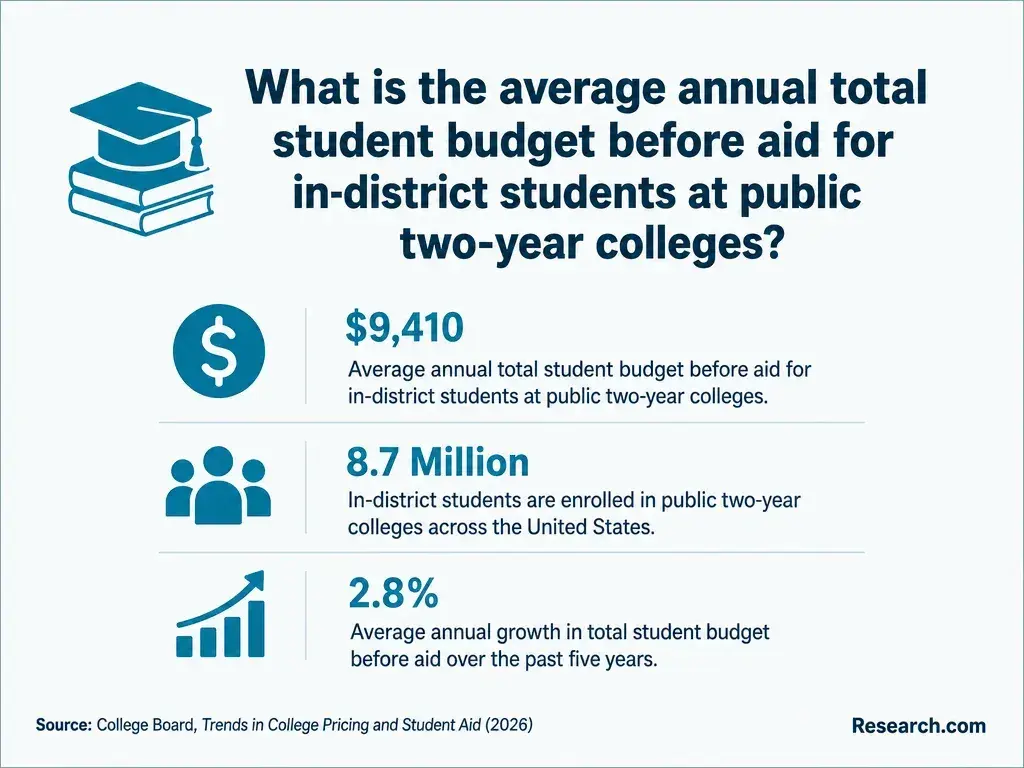
Compare total remaining tuition and required fees - not just the advertised price per credit. Include books, software, travel or proctoring costs, and any income affected by fieldwork. Ask whether a proposed concentration adds courses or merely organizes electives you already need. Economical online business administration college programs can provide comparison candidates, but only a school's evaluation of your credits and charges can establish your likely completion cost.
Possible starting points include operations or program coordinator, administrative specialist, outreach coordinator, grant-support assistant, and HR assistant. Responsibilities differ: an operations coordinator may track scheduling and referrals, while a grant-support assistant may organize budgets and reporting deadlines. Employers may also require sector experience, particular software skills, or knowledge of their funding rules.
Match applications to demonstrated tasks rather than assuming "administrator" means a management position. An internship, paid role, or authorized project can help show what you have actually done. If HR operations is your target and you have prior college coursework, human resources bachelor's credit transfer options offer a more specialized comparison; confirm how credits apply before changing degree plans.
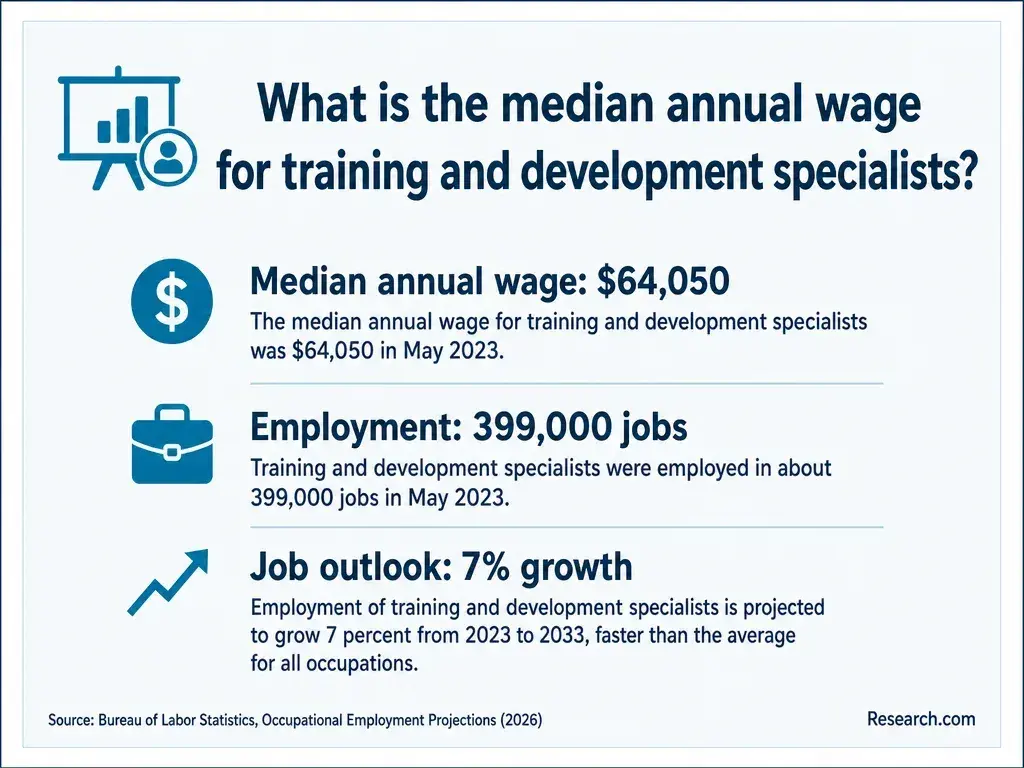
There is no single salary or growth rate for "community health business administration graduates." As one relevant benchmark, the U.S. Bureau of Labor Statistics reports a $75,940 median annual wage for human resources specialists in May 2025 and projects 6% employment growth for that occupation from 2025 to 2035. These figures cover the occupation across industries and experience levels - not entry-level pay or openings at community health nonprofits.
Use the title and duties in local job postings to find a suitable occupational comparison, then weigh the posted pay against required experience and your remaining education cost. A specialized HR path may warrant comparing the costs of an HR degree with a general business program; neither degree guarantees the occupation-wide median or a promotion.
Do Community Health Administrators Need Licenses or Certifications?
General administrative and coordination roles do not have one universal professional license. Requirements depend on the actual duties and jurisdiction. A business degree does not authorize clinical practice, and positions involving regulated services may require separately qualified clinical personnel. Employers may value training in grants, HR, project management, or health information privacy without requiring the same credential for every role.
Read target job descriptions before paying for a certification. Distinguish an employer-preferred skill from a mandatory credential, and check the issuing organization's eligibility rules. If project coordination is your goal, an accredited online project management tuition guide can help compare formal study costs; completing a project management course or degree does not automatically award a professional certification.
Other Things You Should Know About Business Administration
Do not assume you can. Obtain the required organizational and academic permissions, follow applicable privacy rules, and use a fictionalized scenario when permission is unavailable. Removing a name alone may not make a story safe to share.
No. Both may serve community health goals, but their governance, funding, hiring rules, and decision authority can differ. Study job descriptions from the type of organization you want to join.
Usually not for an administrative goal. Community health worker preparation focuses on direct community-facing work and may be governed by state or employer requirements; business coursework focuses on organizational functions. Choose according to the duties you want to perform.
Use public information to create a clearly labeled academic sample, such as a proposed outreach budget or process map. State your assumptions and limitations, and do not present it as work commissioned or implemented by an organization.
- Community Planning: Frameworks & Tools | Public Health Infrastructure Center | CDC https://www.cdc.gov/infrastructure/public-health-systems-emerging-practices/frameworks-tools.html
- Essential Skill and Knowledge Required for Health Data Professionals: A Content Analysis of Job Advertisements | nih.gov https://pmc.ncbi.nlm.nih.gov/articles/PMC11605378/
- Grants Training and Management Resources, Online Grants Training Courses | U.S. Department of Education http://www.ed.gov/grants-and-programs/manage-your-grant/grant-training-and-risk-management/grants-training-and-management-resources-online-grants-training-courses
- 5 Laws Impacting Healthcare Compliance You Should Know | School of Professional Studies at Wake Forest University https://sps.wfu.edu/articles/laws-impacting-healthcare-compliance/
- 5 Skills You Need to Succeed in the Health Data Industry | Online Health Informatics and Health Information Management https://healthinformatics.uic.edu/news-stories/5-health-data-skills/
- Community Health Centers and Value-Based Payment | Penn LDI https://ldi.upenn.edu/our-work/research-updates/community-health-centers-and-value-based-payment/
- Bachelor of Science in Healthcare Administration | Chattanooga College https://chattanoogacollege.edu/programs/medical/bachelor-of-science-in-healthcare-administration/
- Healthcare Data Analytics: Tools, Skills & Careers | UNCW https://onlinedegree.uncw.edu/programs/business/ms-business-analytics/healthcare-data-analyst-guide/
- Regulatory Healthcare Compliance | MLS at Western State https://www.wsulaw.edu/news/why-regulatory-compliance-in-healthcare-is-more-important-than-ever/
- Data Analyst Career Guide: Skills, Salary & More | SIUE https://online.siue.edu/degrees/undergraduate/bsba/data-analytics-spec/analyst-job-description-and-skills/