2027 Organizational Leadership vs. Business Development for a Business Administration BS: Which Fits?
Audited and Verified:
Our Editorial and Data Verification Process
Research.com uses government datasets, official education statistics and primary institutional information to support its career and degree guides. Our review process checks factual accuracy, occupational definitions, source dates and the requirements associated with the credentials discussed.
How This Article Was Fact-Checked
Our editorial team verifies salary estimates, employment projections, education requirements and program information against original data providers and official organizations. Salary figures are checked against the relevant occupational definitions and reporting periods. Information about licensure, accreditation and required in-person training is reviewed separately.
Fact-checked and verified on:

Co-Founder and Chief Data Scientist
Choosing a business administration concentration shapes the projects you complete and the roles you can credibly pursue after graduation. Organizational leadership focuses on how people and teams work; business development focuses on finding and growing opportunities with customers or partners. If you are comparing these paths, the useful question is not which sounds more senior, but which builds evidence for the work you want to do.
This guide compares their courses, practical skills, career routes, and costs so you can choose a concentration - or decide that a different focus fits better.
Key Things You Should Know
- Choose organizational leadership for team coordination, workplace change, and people-focused operations; choose business development for customer research, partnerships, and revenue-growth work.
- Neither concentration makes a new graduate a manager. For context, the U.S. Bureau of Labor Statistics reports a May 2025 median wage of $75,940 for human resources specialists, an occupation-wide figure rather than a starting salary.
- Compare required courses, approved projects, extra credits, and the official degree audit before committing: programs may use the same concentration name for substantially different curricula.
What is the difference between organizational leadership and business development in a business administration BS?
Organizational leadership studies how to coordinate people, improve team performance, communicate change, and make responsible decisions within an organization. Business development studies how an organization identifies opportunities, develops customer or partner relationships, and evaluates ways to grow. Both usually sit alongside a shared business core in accounting, marketing, finance, and operations.
The distinction is internal versus outward-facing work, though real jobs often combine both. A leadership student might analyze an employee onboarding process; a business development student might assess a potential customer segment. Neither classroom project proves that an employer adopted the recommendation or that it produced results.
Leadership is not automatically an HR qualification: HR roles may require more specific knowledge of employment practices and systems. If HR is your target, compare the concentration with HR degree requirements and job opportunities before choosing.
Which business administration concentration best matches your career goals?
Start with the work you want to perform in your next role, not a distant executive title. Your existing experience matters: customer-facing work can support a business development move, while experience coordinating schedules, training, or processes can support a leadership-focused move.
The comparison below identifies the stronger starting fit; it does not imply that either concentration is required for the role.
| Near-term goal | Stronger fit | What to verify |
| Coordinate teams or improve internal processes | Organizational leadership | Change-management, operations, and supervised project options |
| Support partnerships, sales planning, or customer growth | Business development | Market research, sales, and customer-analysis assignments |
| Enter a specialized HR function | Possibly neither | Whether an HR major or concentration offers more relevant coursework |
| Plan and control complex projects | Possibly neither | Project scheduling, budgets, risk, and relevant work experience |
If project coordination is the actual goal, compare both concentrations with affordable online project management degrees; a specialized program may offer more functional depth.
What careers can you pursue with organizational leadership or business development?
Organizational leadership can support applications for operations coordinator, training coordinator, administrative specialist, or HR assistant roles. Business development can support sales development, account coordination, partnership support, or market research assistant roles. These are possible entry routes, not jobs awarded by a concentration.
Look at responsibilities before relying on titles. A sales development role may emphasize prospect outreach and customer records, while a market research role may require stronger quantitative analysis. An operations coordinator may manage schedules and process documentation without supervising anyone. Internships, relevant employment, and work samples help demonstrate readiness for those tasks.
Project coordinator roles can draw on either path, but employers may also expect scheduling tools and budget tracking. If that is your priority, compare the course requirements and total cost of affordable online project management degrees with your business administration options. Compare the additional tuition and financial aid available for that alternative, including paying for project management bachelor's study with grants, before assuming a new degree is worth the switch.
Both concentrations generally build on the same BS in Business Administration core. The difference lies in the required upper-level courses, electives, and applied assignments - not necessarily in the degree printed on the diploma. Schools may define or name these concentrations differently.
An organizational leadership sequence might include organizational behavior, leadership, change management, conflict resolution, and workforce-related topics. Business development might emphasize marketing research, sales, negotiation, entrepreneurship, and customer or partner strategy. Check whether a course is required or merely available as an elective, and whether prerequisites affect when you can take it.
Compare applied work as closely as course titles. A leadership capstone that evaluates a feasible process change differs from a business development project that researches a market and tests assumptions. If you are weighing either against a specialized project-management curriculum, budgeting for online project management college study can help frame the cost of that alternative alongside its course content.
Leadership coursework can strengthen meeting facilitation, feedback, conflict analysis, process improvement, and ethical decisions involving employees. Business development coursework can strengthen customer discovery, market analysis, proposals, relationship management, and basic sales forecasting. Both benefit from spreadsheets, clear writing, financial literacy, and sound judgment about uncertain data.
Seek assignments that produce evidence of those skills: a process map and implementation proposal for leadership, or a sourced customer-segment analysis and proposal for business development. Label forecasts as projections, document assumptions, and obtain permission before using employer, customer, or employee information. A polished class project is evidence of learning, not verified business impact.
An accelerated schedule may limit the time available for substantial projects or feedback. When comparing fastest online business bachelor's programs in the US, check whether the pace still allows you to complete relevant work samples.
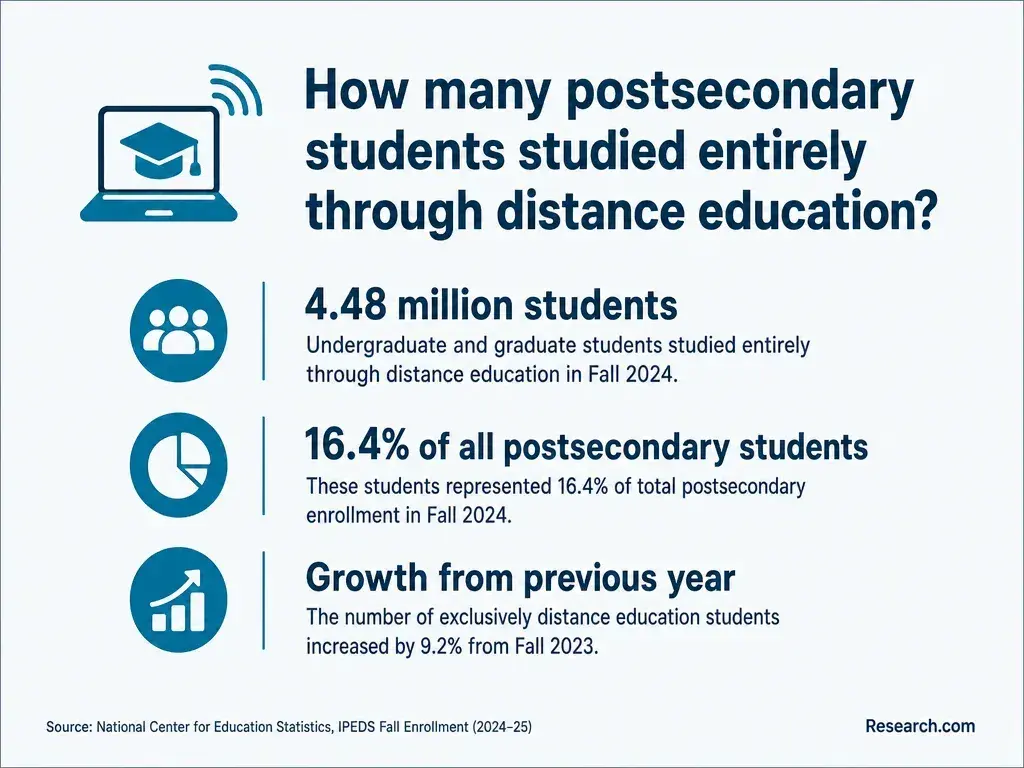
Neither format is inherently better for these concentrations. Online study can help students who work or live far from campus; campus study may make scheduled collaboration and local employer events easier. The better choice is the one that lets you complete the specific courses, group assignments, and applied work you need.
Ask about live attendance, presentation times, group-project scheduling, exam proctoring, internship access, and any campus visits. Online does not necessarily mean self-paced. Students balancing employment or caregiving should compare actual weekly commitments, not just the delivery label. Online business administration programs with work-compatible schedules offer a useful starting point, but confirm current schedules with each school.
Requirements vary by institution and by whether you are a first-year or transfer applicant. Schools commonly review prior transcripts and may have separate standards for entry to the university and to the business major. A concentration may be chosen at admission or after introductory coursework; do not assume either arrangement.
Check the school's published rules for mathematics, accounting, economics, or other prerequisites, along with any minimum grades and application deadlines. Transfer applicants should request an official evaluation showing which credits apply to general education, the business core, and the proposed concentration. Accepted elective credit does not necessarily satisfy a required course. For a closer look at possible preparation, see prerequisites for a business administration degree.
A full-time bachelor's pathway is commonly planned over four academic years, but a transfer student's remaining time depends on the official degree audit, course availability, and enrollment pace. Choosing a concentration need not add time if its courses fit existing elective slots; missing prerequisites or infrequently offered requirements can change that calculation.
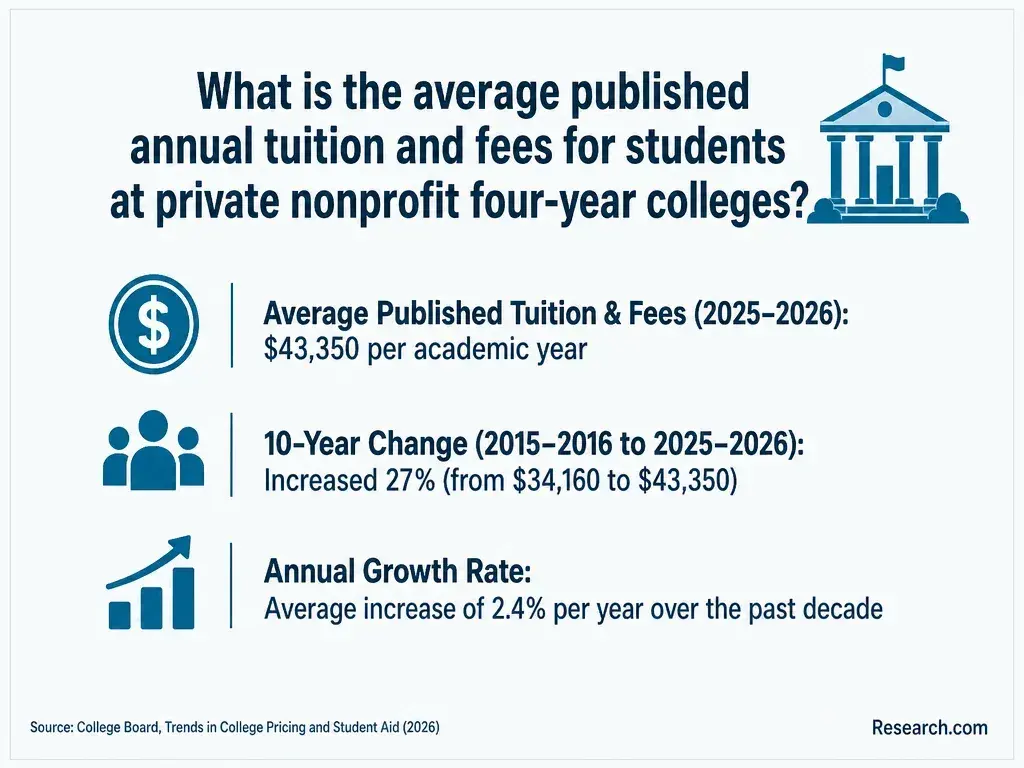
Compare the cost to finish, not just advertised tuition: remaining credits, mandatory fees, materials, travel or technology costs, and potential lost work hours all matter. Ask each school for a concentration-specific course plan and an aid estimate. Business administration degree costs after FAFSA-based assistance can help frame that comparison, but aid eligibility and the final bill depend on your circumstances and the institution.
No national wage figure measures what graduates of either concentration earn. The U.S. Bureau of Labor Statistics instead reports wages and projections by occupation. These selected occupations illustrate possible directions, including roles that often require experience beyond a bachelor's degree.
| Occupation | Median annual wage, May 2025 | Projected employment growth, 2025-2035 |
| Human resources specialist | $75,940 | 6% |
| Training and development specialist | $69,280 | 11% |
| Market research analyst | $78,760 | 7% |
| Sales manager | $148,270 | 5% |
These are occupation-wide medians, not entry-level offers or concentration-specific outcomes. Sales manager pay, in particular, reflects a management occupation whose jobs commonly depend on substantial relevant experience. Compare local postings for your intended first role and their stated skills before using any national figure in a return-on-investment calculation. If a faster graduation date is part of that calculation, accelerated bachelor's program comparisons can help you examine the time trade-off without assuming faster completion raises pay.
How can you choose an accredited business administration program?
First confirm that the institution holds recognized institutional accreditation. Then check whether it claims business-specific accreditation through AACSB, ACBSP, or IACBE, and verify the accreditor's actual scope and whether the program you are considering is covered. Business-specific accreditation is distinct from institutional accreditation and does not, by itself, establish career outcomes.
Request the current catalog and degree audit for each concentration. Compare required courses, faculty access, internship or capstone rules, course rotation, career support, total remaining cost, and any published outcomes with their cohort definitions. For lower-cost candidates, budget-conscious online business administration education is a starting point; confirm prices and accreditation directly before applying.
Choose the path that supplies relevant coursework and a feasible way to demonstrate skills at a cost you can justify. If neither concentration addresses the main requirements in your target job postings, a different specialization - or targeted training alongside relevant experience - may be the better investment.
Other Things You Should Know About Business Administration
Not necessarily. Schools may record a concentration on the transcript, diploma, both, or neither. Ask the registrar how completion is officially documented.
Often, but a change can alter remaining requirements. Ask an adviser to run a new degree audit before switching.
Only if the program permits it and approves the work, supervision, and learning objectives. Employment alone does not award internship credit.
Usually not to earn the BS. A particular job or voluntary credential may have separate experience, examination, or education requirements; check those independently.
- Program: Management B.S., with Organizational Leadership Concentration - University of South Florida https://cloud.usf.edu/catalog/undergrad/management-bs-with-organizational-leadership-concentration
- 10 Essential Organizational Leadership Skills (With Examples) | App State Online https://onlineprograms.appstate.edu/blog/organizational-leadership-skills/
- Organizational Leadership: What It Is & Why It's Important | Harvard Business School https://online.hbs.edu/blog/post/what-is-organizational-leadership
- Business Development vs. Sales: Comparing the Career Options | MACU https://www.macu.edu/blog/business-development-vs-sales/
- What Is Organizational Development? Why Leaders Need It | Edgewood College https://online.edgewood.edu/blog/what-is-organizational-development/
- Six Departments That Benefit From Organizational Leadership Expertise | UC News https://www.online.uc.edu/blog/six-departments-that-benefit-from-organizational-leadership-expertise.html
- OECD Employment Outlook 2025 https://www.oecd.org/en/publications/2025/07/oecd-employment-outlook-2025_5345f034.html
- Career Options - UN Careers https://careers.un.org/job-level
- Online Organizational Leadership Bachelor's Degree | usnews.com https://www.usnews.com/education/online-education/organizational-leadership-bachelors-degree