2027 Is an Online BS in Business Administration the Right Next Step for Recreation Program Coordinators?
Audited and Verified:
Our Editorial and Data Verification Process
Research.com uses government datasets, official education statistics and primary institutional information to support its career and degree guides. Our review process checks factual accuracy, occupational definitions, source dates and the requirements associated with the credentials discussed.
How This Article Was Fact-Checked
Our editorial team verifies salary estimates, employment projections, education requirements and program information against original data providers and official organizations. Salary figures are checked against the relevant occupational definitions and reporting periods. Information about licensure, accreditation and required in-person training is reviewed separately.
Fact-checked and verified on:

Co-Founder and Chief Data Scientist
Recreation program coordinators already manage schedules, participants, vendors, and unexpected problems. Moving into responsibility for budgets, staff, or multiple sites may require a different set of skills - and sometimes a bachelor's degree.
An online BS in Business Administration can build those skills while you keep working, but it is not the best route for every recreation career. This guide helps you weigh the degree against your target role, existing education, work schedule, and lower-cost alternatives before you enroll.
Key Things You Should Know
- An online business BS is most useful when your next role calls for budgeting, operations, staffing, or organization-wide decisions - not simply more experience delivering recreation activities.
- It does not confer a management title. For context, the U.S. Bureau of Labor Statistics reports a May 2025 median annual wage of $61,160 for meeting and event planners; that occupation-wide figure is not a starting salary for business graduates.
- Before enrolling, obtain a degree audit and verify the program's actual live-session, project, and campus requirements against your busiest recreation season.
Is an online BS in Business Administration right for recreation program coordinators?
It may be the right next step if you want broader responsibility for a recreation organization's finances, people, and operations - and a bachelor's degree is required or preferred for the roles you are targeting. Your experience coordinating programs gives you a practical foundation. The degree can help you explain costs, assess demand, manage processes, and make decisions beyond a single activity or season.
The answer changes if your goal is more specialized. A municipal recreation leadership role may place particular value on public budgeting and government procedures. A role focused on instruction, aquatics, or a specific activity may depend more on field credentials and supervised experience. If you already have a bachelor's degree, a full second undergraduate degree may add less value than targeted coursework or employer training.
Compare the pathways by the work you want to do, rather than by degree title alone. The distinctions below are starting points; job postings and individual curricula should settle the choice.
| Pathway | Potential fit for a recreation coordinator | Important limitation |
| BS in Business Administration | Broad budgeting, operations, marketing, and people-management preparation for nonprofit, private, or public-facing organizations | May offer limited coverage of public-sector rules or specialized recreation practice |
| Public administration or recreation-focused degree | Closer alignment with government administration or recreation-service delivery | May offer less transferable general-business coursework, depending on the program |
| Targeted courses or certificates | A narrower skill gap, such as spreadsheets, budgeting, or supervision | May not satisfy a bachelor's-degree requirement |
Use target job postings to test whether the credential matters, then compare curricula and transfer policies among ranked American online business degree options. A ranking is a starting point, not evidence that a particular program fits recreation work or your schedule.
How can a business administration degree advance a recreation coordinator's career?
The strongest case for the degree is a move from running programs to making decisions about how programs are funded and operated. A coordinator who already handles registration and schedules could use accounting and operations coursework to build a defensible program budget, compare participation with staffing capacity, or explain a vendor decision to a supervisor.
Those examples become more persuasive when paired with documented responsibility. Keep a record of budgets you helped prepare, staff or volunteers you trained, purchasing decisions you supported, and changes your employer actually approved. Do not describe a classroom proposal as an implemented improvement. If you want to use workplace information in an assignment, obtain permission and remove participant, employee, and confidential financial details.
A degree can also help you compete where an employer screens for a bachelor's credential, but promotion still depends on openings, performance, and the duties you have demonstrated. For ways to evaluate online business administration pathways alongside an existing career, pay particular attention to whether assignments can address approved challenges at your workplace.
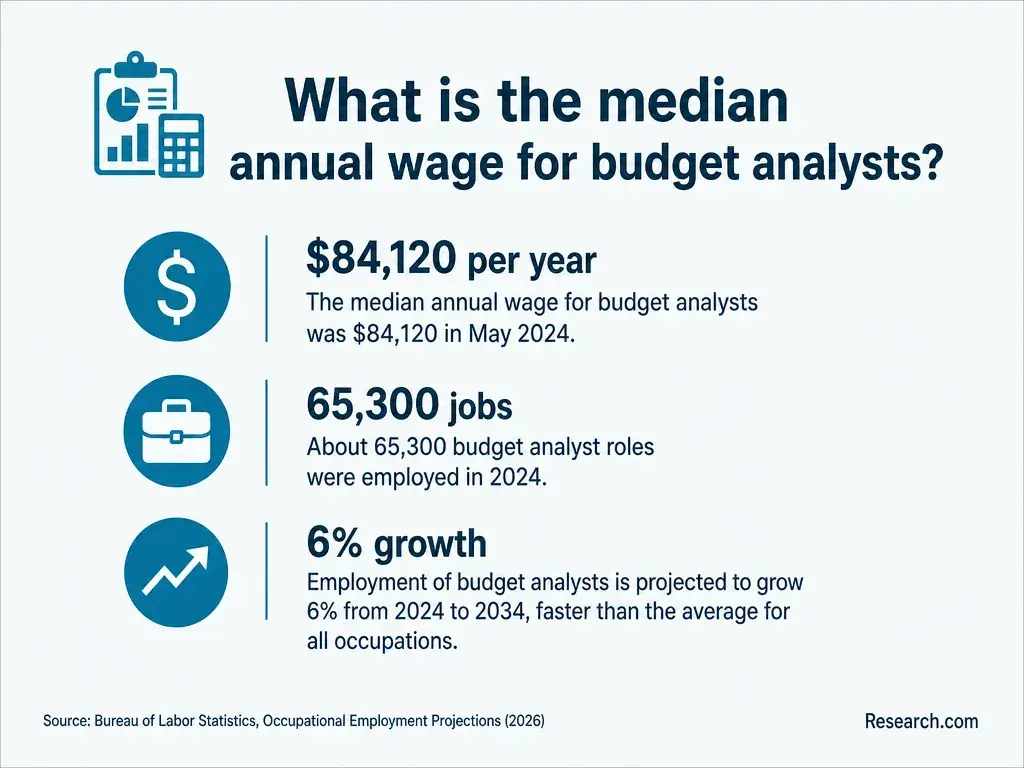
What careers can recreation program coordinators pursue with a business degree?
The most realistic next role is usually adjacent to your existing work, not an immediate leap into senior management. These paths differ in what an employer will expect you to have done:
| Potential role | Transferable recreation experience | Evidence or skill to add |
| Recreation program supervisor or operations coordinator | Scheduling, participant service, vendor coordination | Budget ownership, staff supervision, and performance reporting |
| Meeting and event planner | Event logistics and communication with participants | Contracts, event budgets, and experience with larger or different event types |
| Nonprofit program manager | Community partnerships and program delivery | Grant reporting, outcomes measurement, and staff oversight |
| HR or training coordinator | Volunteer onboarding and staff scheduling | HR processes, employment-law awareness, and training documentation |
The Bureau of Labor Statistics reports a May 2025 median annual wage of $61,160 for meeting and event planners. This covers workers across experience levels and industries; it is not a forecast of what a recreation coordinator would earn after graduation. Compare local postings by duties and experience, not title alone. If the HR route interests you, review human resources education and career options before assuming a general business degree supplies enough HR-specific preparation.
A BS in Business Administration generally combines general education with a business core, but schools set different requirements. For recreation professionals, the most relevant subjects are managerial accounting and budgeting, operations and project management, marketing, organizational behavior, and statistics or business analytics. These can support decisions about program costs, seasonal staffing, outreach, and participation patterns.
Look beyond course titles. An assignment that asks you to justify a staffing plan or interpret a budget is more relevant to a supervisory goal than one that only tests terminology. Ask whether the program offers an official concentration, suitable electives, and a capstone you can complete without disclosing restricted workplace data. An elective cluster is not automatically a named concentration, and a class project is not automatically an internship.
If your goal is to coordinate larger initiatives rather than manage an entire organization, compare the business curriculum with project-focused study. The project management schools with competitive tuition offer a useful comparison point, but check the specific degree, course depth, and total remaining cost rather than assuming a project management course provides a professional credential.
Completion time depends chiefly on credits that apply to the degree, the courses offered each term, and how many you can take while working. A student entering without college credit will generally need substantially more time than a coordinator whose prior coursework satisfies general education and business requirements. Accepted transfer credits that count only as electives may do little to shorten the path.
Ask for a written degree audit and a term-by-term plan covering prerequisites, upper-level business courses, residency rules, and any capstone. Then compare that plan with peak-season evenings and weekends. Some US fast-track undergraduate business degree options use shorter terms, but compressed deadlines do not reduce the work required. Taking fewer courses during summer programming may be more sustainable than choosing the shortest advertised timeline.
There is no reliable single price for this decision. Your cost depends on the school's tuition structure, how prior credits apply, required remaining courses, fees, materials, and the number of terms you need. Compare an official cost estimate with your degree audit; a low per-credit price can still produce a higher total if you must repeat or add courses.
For a useful comparison, request tuition and mandatory fees for all remaining requirements, including online, technology, proctoring, and graduation charges where applicable. Ask about employer education assistance, its reimbursement timing and conditions, and whether your enrollment qualifies for the financial aid you expect. Aid eligibility is not the same as an individual aid award. You can use accredited online business administration study with aid eligibility to identify possibilities, then confirm costs and eligibility directly with each institution.
Finally, account for cash flow and time. Reducing work hours to accommodate courses, waiting for employer reimbursement, or extending enrollment can matter more to your household budget than a small difference in advertised tuition.
Requirements vary by institution and by whether you are applying as a first-year, transfer, or returning student. Schools commonly request prior academic records; some business majors also have separate entry rules or require preparatory coursework in mathematics, accounting, or economics. Relevant recreation experience may strengthen an application, but it does not automatically waive academic requirements or award credit.
Gather transcripts from every college attended and ask admissions whether entry to the institution also means entry to the business major. Then ask the transfer office for a course-by-course evaluation showing what satisfies general education, the business core, electives, and residency requirements. If you are weighing an HR-focused alternative, HR bachelor's transfer credit evaluation deserves a separate review: the same prior course may apply differently to two majors.
Online delivery can eliminate a commute and make continued employment easier. It does not necessarily mean self-paced study: classes may have fixed deadlines, live discussions, group presentations, proctored exams, or scheduled meetings. Campus study may make in-person collaboration and local networking easier, but its class times and travel demands can conflict with recreation programs held after school, in the evening, or on weekends.
Request sample course schedules in both formats, including required rather than elective classes. Check whether online students can use advising and career services, whether any campus visits or internships are required, and how group work is scheduled. Compare undergraduate programs with faster pacing only after checking their weekly workload: a shorter calendar can be a poor fit during your busiest season.
Start with institutional accreditation: confirm the school's current status through the accreditor or the U.S. Department of Education's accreditation database, and check that the institution and location listed match your intended enrollment. This is a separate question from whether a business school or program has AACSB, ACBSP, or IACBE accreditation.
If a school advertises business accreditation, use the business accreditor's directory and the institution's documentation to confirm its current scope. Do not assume every degree, delivery format, or campus is covered by a broad marketing statement. Accreditation is an important screening check, not proof of affordable tuition, convenient course access, or a job outcome. When you compare accredited schools with no application charge, assess the program itself as carefully as the absence of an application fee.
What certifications or skills help recreation coordinators qualify for management roles?
Employers assessing a prospective manager will look for evidence that you can supervise people, control resources, resolve problems, and communicate decisions. Depending on the setting, relevant preparation may include first aid and CPR, activity-specific safety credentials, training in public purchasing or grant reporting, and stronger spreadsheet, budgeting, and staff-coaching skills. Check postings and your employer's policies before paying for a credential; requirements vary by role.
Project management training can help you plan a new program or facility initiative, but an academic course and a professional certification are different credentials. Compare any certification's eligibility rules with the responsibilities you have actually held.
If project delivery is your immediate gap, a focused course or mentor may be more direct than a whole degree; if bachelor's-level education and broad operational judgment are the gaps, the BS has a stronger case. Use business administration education length and salary outlook guide for broader context, while judging your decision against local job requirements rather than advertised earnings.
Other Things You Should Know About Business Administration
Possibly, if a school offers prior-learning assessment or approves the work for a specific academic requirement. Employment alone does not award credit. Ask what documentation and evaluation the school requires before relying on it in a completion plan.
Only with the necessary employer and academic permissions. A safer option may be an approved, de-identified summary or a hypothetical dataset. Never upload identifiable participant information to a course platform without authorization.
No. Recreational therapy is a distinct occupation with its own education and credential expectations. Check the applicable employer and credentialing requirements if that is your goal.
Not necessarily. You can compare likely openings and degree requirements now, then decide whether to enroll, take a targeted course, or seek documented leadership duties first. An employer's job descriptions can make that choice more concrete.
- DAPIP | Homepage - Office of Postsecondary Education (OPE) https://ope.ed.gov/dapip/
- Fast Facts: Employment after degree (1157) | ed.gov https://nces.ed.gov/fastfacts/display.asp
- Career Outlook - Recreation Management https://www.canyons.edu/academics/recreation/careeroutlook.php
- The credential boom is here, but which ones actually help workers? | Brookings https://www.brookings.edu/articles/credential-boom-which-ones-help-workers/
- Recreation Managment | UT Online | Utah Tech University https://online.utahtech.edu/recreation/
- Recreation Coordinator: Salary and Job Description | Maryville University Online https://online.maryville.edu/online-bachelors-degrees/exercise-science/careers/recreation-coordinator/
- What is a business administration degree? | Northwest Media Center https://www.nwmissouri.edu/media/news/2025/07/what-is-a-business-administration-degree.htm
- Program Coordinator Job Description [Updated for 2026] | indeed.com https://www.indeed.com/hire/job-description/program-coordinator
- Parks/Recreation Jobs - Association of Washington Cities https://jobnet.wacities.org/parks-recreation
- Recreation Management - FireUp - Career Pathways https://career-pathways.fire-up.net/pathways/recreation_management/