
2027 Best Education Degree Programs Ranking in District of Columbia

Co-Founder and Chief Data Scientist
Choosing the right education degree program is an important step toward a rewarding career in teaching or educational leadership. Our 2027 Best Education Degree Programs Ranking in District of Columbia was carefully developed by the Research.com team of data scientists to guide students like you.
This article will help you explore top programs, making it easier to find one that fits your goals and aspirations. Pursuing an education degree opens doors to making a lasting impact, and this ranking supports your journey with trusted insights.
Key benefits of getting education degree in District of Columbia
- Education degree graduates in the District of Columbia can expect strong salaries, such as $76,000 for special education teachers and $77,200 for instructional designers, reflecting rewarding financial prospects.
- Graduates from institutions like George Washington University have diverse career paths available, including roles in teaching, curriculum design, and educational leadership, offering flexibility and growth.
- Obtaining a degree online from schools like American University allows flexibility and convenience, helping students balance study with life commitments while gaining valuable qualifications.
- Key benefits of getting education degree in District of Columbia
- What can I expect from education degree in District of Columbia?
- Where can I work with education degree in District of Columbia?
- How much can I make with education degree in District of Columbia?
- 2027 Best Education Degree Programs Ranking in District of Columbia
- Key Findings
- How long does it take to complete education degree in District of Columbia?
- Why Considering Affordable Options is Crucial for Education Degree Students in District of Columbia
- What's the difference between online and on-campus education degree?
- Teacher Certification Requirements in the District of Columbia
- What is the average cost of education degree in District of Columbia?
- Student Life and Campus Culture: Enhancing Your Educational Journey
- What financial aid is available to education degree students in District of Columbia?
- Program Duration and Time to Degree Completion
- What are the prerequisites for enrolling in education degree program in District of Columbia?
- State Certification and Licensure Requirements in the District of Columbia
- What courses are typically in education degree programs in District of Columbia?
- What types of specializations are available in education degree programs in District of Columbia?
- How do you choose the best education degree in District of Columbia?
- What career paths are available for education degree students in District of Columbia?
- What is the job market for education degree in District of Columbia?
- Related Education Rankings for Nearby States
- Top Trending Education Rankings
- See What Experts Have To Say About Studying Education
What can I expect from education degree in District of Columbia?
Expect to invest between $20,000 and $40,000 per year when pursuing an education degree in the District of Columbia, a range reflecting the dynamic mix of public and private institutions scattered across the city's vibrant neighborhoods. Imagine a graduate from a well-known D.C. university recounting late-night study sessions fueled by coffee and conversations about equity in urban classrooms-this financial commitment not only covers tuition but opens doors to immersive, hands-on experiences with local schools.
At these universities, students often find themselves balancing theory with action, engaging directly with public schools in the city through supervised teaching placements. The cost feels purposeful when learning to navigate the challenges of diverse classrooms or collaborating on policy initiatives that echo through Capitol Hill just blocks away.
This investment resonates deeper than numbers; it's about joining a community of passionate educators shaping the future of Washington, D.C.'s schools. Many graduates speak of the intangible value-networking with federal agencies, advocacy groups, and nonprofit leaders-that enriches their education far beyond the classroom walls.
Where can I work with education degree in District of Columbia?
Graduates from education programs in the District of Columbia find themselves woven into the city's vibrant educational tapestry, stepping beyond classroom walls. Picture a recent graduate from a well-known DC university eagerly shaping STEM lessons in a bustling public elementary school, while another innovates curricula within a local charter school serving nearly half of the city's public students. These experiences reveal that employment here is as diverse as the neighborhoods themselves.
Some graduates channel their passion into leadership roles-becoming assistant principals or education program directors, leading change from behind the scenes with keen insights gained through DC's leadership initiatives. Others gravitate toward special education, guiding children with unique needs in public schools or nonprofits, buoyed by the city's strong support and competitive salaries that acknowledge their vital impact.
Beyond teaching, many find fulfilling paths as educational consultants or policy analysts, collaborating with federal agencies nestled in DC to drive reform, curriculum design, or educator training. Early childhood educators are equally celebrated, nurturing readiness in community programs and pre-K centers, making every day an opportunity to foster growth and joy.
How much can I make with education degree in District of Columbia?
Graduates from education programs in the District of Columbia quickly realize their degree carries weight beyond the classroom. Imagine a fresh graduate from a well-known DC college stepping into an elementary school and earning around $70,740 annually-far above many national averages. That first paycheck can spark a genuine sense of achievement, fueling passion to make a lasting impact.
Those with a heart for special education find their efforts rewarded with a mean salary near $76,000, reflecting both the importance of their role and DC's commitment to specialized instruction. Picture a graduate developing individualized learning plans, knowing their salary supports both stability and career growth.
Meanwhile, graduates interested in instructional design-perhaps from George Washington University's education labs-can anticipate salaries around $77,200. Envision crafting innovative curricula while earning a competitive wage that mirrors this creative challenge.
Even ESL educators, crucial in a diverse city like DC, begin their careers making about $65,430, enough to feel confident stepping into vibrant multicultural classrooms. These figures demonstrate that an education degree here is not just a diploma, but a gateway to meaningful, well-paid careers.
2027 Best Education Degree Programs Ranking in District of Columbia
How do we rank schools?
Investing in your education is a significant decision that can shape your future, and the Research.com team understands the importance of making informed choices. To assist prospective students in the District of Columbia, we have meticulously crafted the "2027 Best Education Degree Programs Ranking in District of Columbia." Our commitment to quality, credibility, and accuracy is reflected in the extensive research and analysis conducted to compile this ranking.
We utilized the following reputable data sources to ensure a comprehensive evaluation of education programs:
By exploring this ranking, readers will gain valuable insights into the top education degree programs offered in the District of Columbia, helping them make well-informed decisions about their academic and professional futures. For more details on our methodology, please visit our Research.com methodology page.


Key Findings
- The average tuition for education degree programs in the District of Columbia ranges from $20,000 to $45,000 per year depending on the type of institution.
- Early-career education degree holders in the District earn a median annual salary of about $52,000, with experienced educators making around $75,000 or more.
- Job growth for education-related positions in the District is expected to grow at a rate of 5% over the next decade.
- Teaching in public schools requires passing certification exams and completing approved preparation programs with supervised experience.
- Additional costs like books, supplies, and exam fees add several thousand dollars to the total cost of obtaining an education degree.
How long does it take to complete education degree in District of Columbia?
If you're diving into an education degree in the District of Columbia, picture yourself stepping into a four-year journey at the University of the District of Columbia, where full-time undergraduates eagerly track their progress semester by semester. These students often feel a mix of anticipation and accomplishment as they cross the traditional timeline that mirrors the rest of the country's pace for bachelor's degrees.
For those chasing a Master of Education, imagine balancing late-night lesson planning with part-time classes stretching over two to three years, embracing the flexibility many D.C. institutions offer. This lets working professionals advance their dreams without hitting pause on their careers, creating a unique rhythm of growth and determination.
Doctoral candidates, meanwhile, embark on a longer, winding path of three to six years, weaving original research and comprehensive exams into their every day. Whether full-time or part-time, they navigate this extended voyage with a blend of patience and purpose, often supported by the vibrant academic community around D.C.'s education hubs.
And throughout all these stages, the blend of in-person, hybrid, and online courses crafts an experience that fits personal lives and ambitions, turning the challenge of time into a milestone of meaningful progress.
Why Considering Affordable Options is Crucial for Education Degree Students in District of Columbia
When pursuing an education degree in the District of Columbia, affordability is a crucial factor to consider. The cost of tuition, living expenses, and other fees can quickly add up, making it challenging for students to complete their degree without accumulating significant debt. However, there are ways to make an education degree more affordable, such as exploring affordable education programs in district of columbia, which can provide students with a quality education at a lower cost. By considering these options, students can reduce their financial burden and focus on their studies, ultimately leading to a more successful and fulfilling career in education. Additionally, many institutions in D.C. offer financial aid, scholarships, and grants to help students cover the costs of their education degree, making it more accessible to a wider range of students.
What's the difference between online and on-campus education degree?
Graduates from on-campus education programs at local institutions often recall bustling hallways at universities in D.C., where spontaneous study groups form amid the campus café aroma. These face-to-face interactions foster a vibrant student-teacher rapport and hands-on practice, like stepping into nearby classrooms for real-world teaching experience. Imagine sitting in a library nook at George Washington University, debating lesson plans with peers, energized by immediate feedback and the hum of campus life.
Conversely, online education students in D.C. often celebrate a different kind of freedom-logging in from their favorite neighborhood spot or home, crafting lessons between family dinners. Institutions like American University offer digital classrooms alive with discussion boards and recorded lectures, blending rigorous coursework with the flexibility to pause, rewind, or rewatch. Though the commute vanishes, occasional in-person practicums anchor their learning to local schools, ensuring real connections despite the virtual veil.
Both paths, accredited and respected, shape educators uniquely. One thrives on tangible presence and camaraderie; the other on adaptable rhythms and digital innovation, reflecting the diverse pulse of D.C. itself.
Teacher Certification Requirements in the District of Columbia
Becoming a licensed teacher in D.C. involves several clear steps designed to ensure you’re fully prepared for the classroom. First, candidates must earn a bachelor’s degree from an accredited institution and complete an OSSE-approved educator preparation program. Next, you’ll need to pass the required certification exams: Praxis Core Academic Skills for Educators (covering reading, writing and math) and a content-specific Praxis II assessment-or alternatively, the edTPA performance assessment in lieu of Praxis II. After exam completion, submit your application through the DC Office of the State Superintendent of Education (OSSE) Educator Licensure Management System. This includes: • Official transcripts verifying degree conferral and program completion • Passing scores for Praxis Core and Praxis II or edTPA • Fingerprint‐based criminal background check (conducted via Live Scan) • Proof of U.S. citizenship or authorized presence • Application fee (currently $80 for initial licensure) Applicants may also choose alternative routes such as the D.C. Teaching Residency or Troops to Teachers, which pair classroom experience with mentorship while you fulfill licensure requirements. Once approved, candidates receive a standard teaching license, valid for five years and renewable upon completion of 90 hours of continuing professional development. For those exploring flexible, cost-effective pathways to certification, consider online programs that balance affordability and quality-our Inexpensive Online Education Degree Programs Ranking in New York highlights top options that meet rigorous state standards while keeping tuition low.
What is the average cost of education degree in District of Columbia?
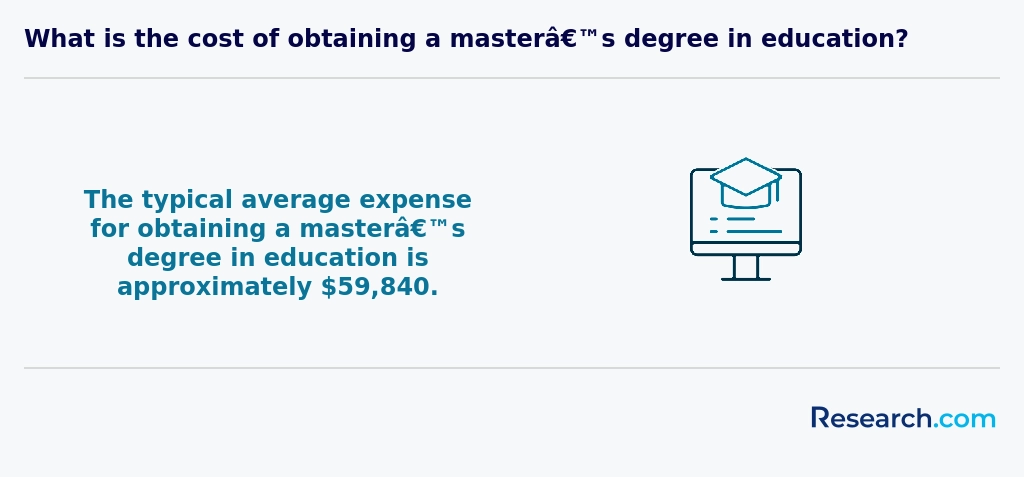
The journey toward an education degree in the District of Columbia carries a price tag that hovers around $61,504 on average, a figure that echoes through the experiences of many graduates who have walked its vibrant academic halls. This sum, reflecting the median total expenses, encompasses tuition, fees, and those often unexpected costs like books and supplies. Students at institutions like American University or The George Washington University might feel the weight of this total cost firsthand, yet they often recall their investment as one that unlocked doors to transformative career opportunities.
In-state students attending public schools such as the University of the District of Columbia typically enjoy a lighter financial load, with median costs around $35,810. These students often share stories of balancing ambition with budgeting, grateful for the in-state tuition benefits that bring their dreams closer within reach, especially when navigating the notable living expenses of DC.
For those curious about the average cost of education degree District of Columbia, it's essential to see beyond mere numbers and consider the rich network and resources these institutions provide. Graduates often speak of their time in classrooms and internships as priceless, experiences where the initial financial strain transforms into professional fulfillment. To explore tailored options for balancing costs and quality, many prospective students turn to resources highlighting affordable education programs in district of columbia that fit their unique goals and financial situations.
Understanding the total expenses for education degree DC also means embracing the long-term benefits and diverse financial aid possibilities that can ease the path, making the pursuit of an education degree a compelling venture well worth the investment.
Student Life and Campus Culture: Enhancing Your Educational Journey
While rankings, costs, and career outcomes are important, a crucial aspect that often goes overlooked is the vibrant student life and campus culture that accompany an education degree in the District of Columbia. Prospective students seeking a well-rounded academic experience should consider the everyday campus dynamics, extracurricular activities, mentorship opportunities, and community engagement that can enrich their education. A lively and supportive campus environment not only fosters academic excellence but also develops the soft skills needed for success in the classroom and beyond. Students often share how participation in clubs, workshops, and peer-led initiatives builds long-term connections and creates a sense of belonging. Engaging with diverse groups on campus enhances your understanding of cultural, social, and ethical issues in education, making you a more empathetic and versatile educator. Additionally, networking events hosted by the institution and local educational organizations present practical opportunities to meet influential figures in the field and discover dynamic internship placements. For those exploring alternative pathways and considering the financial aspects of further education, checking out our detailed guide on cheapest edd programs can offer valuable insights into balancing quality education with affordability. Ultimately, a thriving student life coupled with a nurturing campus culture equips graduates with the resilience and interpersonal skills necessary to excel in the competitive landscape of education.
What financial aid is available to education degree students in District of Columbia?
Imagine stepping onto the campus of a well-known D.C. university, clutching the hope of becoming a transformative educator-and finding financial aid that feels like a tailored lifeline. Many education students in the District discover federal treasures like the Pell Grant, which can ease tuition pain by up to $7,395, or the TEACH Grant offering $4,000 annually in exchange for a commitment to teach where the need hits hardest. One graduate recalls how this grant turned financial stress into excitement, fueling their passion to impact underserved classrooms.
Beyond federal aid, the DC Tuition Assistance Grant acts like a hometown hero, giving D.C. residents between $1,000 and $2,500 annually to study at local public colleges. Alongside these, the DC Educator Equity Fund champions students pledging to teach in schools battling shortages, wrapping support around those eager to make a real difference right here in the city.
Don't forget the magic of Public Service Loan Forgiveness-after a decade of dedicated service in D.C. public schools, burdensome loans can vanish, freeing graduates to focus fully on inspiring the next generation. Many students also tap into campus merit scholarships and work-study programs that combine paychecks with hands-on experience, proving that education degrees in D.C. are not just a dream but an achievable reality.
Program Duration and Time to Degree Completion
Most Education degree programs in the District of Columbia are structured around credit‐hour requirements and field experiences, with timelines varying by enrollment status and program level. A full-time bachelor’s in Education usually spans 120 credit hours completed over four academic years, while part-time students often take five to six years, depending on course load. Accelerated pathways allow highly motivated candidates to finish in three years by enrolling in summer and winter sessions. For graduate candidates, a Master of Education typically requires 30–36 credit hours. Full-time students can complete this in two years, whereas part-time or working professionals might extend to three or four years. Many institutions offer cohort models or hybrid formats-combining online and in-person instruction-to accommodate busy schedules, which can influence overall duration. Remember that student teaching placements and state licensure exams may add an extra six to twelve months beyond coursework. If you’re weighing the trade-offs between program length and cost, consider exploring the Inexpensive Online Education Degree Programs Ranking in New York to see how accelerated online options compare in both affordability and completion time. By understanding these timelines up front, you can better plan tuition payments, financial aid applications, and career entry points without surprises.
What are the prerequisites for enrolling in education degree program in District of Columbia?
To embark on an education degree journey in the District of Columbia, imagine stepping into the bustling academic halls of a renowned local university, clutching your high school diploma or GED like a key to a new world. For many, this is the first hurdle-proof of foundational knowledge that opens doors to undergraduate education programs. Graduate hopefuls carry a bachelor's degree like a torch, illuminating their path toward Master's or Doctorate studies.
Picture a graduate reminiscing about submitting transcripts and sparing moments to gather test scores-SAT, ACT, or GRE-just as their peers navigate test-optional policies embraced by DC institutions. Beyond numbers, it's the heartfelt letters of recommendation and the passionate statement of purpose that often paint the vivid story of commitment to education careers.
Fieldwork sparks excitement, but also requires clearances-fingerprints and background checks-to protect the community in local schools. This is part of the journey students from universities like American University and George Washington University recount with pride. As they fill out FAFSA forms and chase scholarships, the blend of academic readiness and personal dedication turns dreams into impactful realities.
State Certification and Licensure Requirements in the District of Columbia
After earning your Education degree, the next critical step is securing teacher certification to ensure you’re legally authorized to teach in D.C. public and charter schools. Here’s what you need to know: 1. Accredited Program Completion To qualify for initial certification, you must graduate from a program approved by the D.C. Office of the State Superintendent of Education (OSSE). While CAEP accreditation isn’t mandatory, it signals rigorous academic standards and can streamline reciprocity if you relocate. 2. Required Examinations • Praxis Series: Most candidates must pass Praxis Core Academic Skills for Educators (Reading, Writing, Math) and Praxis Subject Assessments aligned with their teaching field. • edTPA Performance Assessment: A school‐based, subject‐specific portfolio demonstrating your ability to plan, instruct, and assess student learning. 3. Professional Skills Test (PST) Some routes require the PST, which evaluates foundational teaching skills. Check OSSE guidelines for current PST requirements by certification area. 4. Background and Health Clearances All applicants must complete: • FBI fingerprinting and D.C. Criminal Background Check via Live Scan • Tuberculosis (TB) clearance • Child Abuse and Neglect (CAN) registry check 5. Application Submission Once you have transcripts, exam scores, and clearance documents, submit your application through the D.C. Educator Licensure and Certification System (ELCS). Processing typically takes 4–6 weeks. 6. Alternative Routes If you hold a bachelor’s degree in a non‐education field, consider alternative certification programs like Teach For America or ASAP DC, which bundle coursework with accelerated licensure pathways. 7. Maintaining and Upgrading Certification Initial (Level 1) certification is valid for three years. To advance to Level 2 or a permanent license, you’ll need: • Two years of teaching experience in D.C. • Completion of an approved induction program • 60 continuing education units (CEUs) or a master’s degree in education Planning ahead for certification ensures you transition smoothly from student to teacher. If you’re evaluating program costs or considering online options that balance quality with affordability, explore our Inexpensive Online Education Degree Programs Ranking in New York for additional insights.
What courses are typically in education degree programs in District of Columbia?
Diving into an education degree in the District of Columbia means embracing a vibrant mix of courses that truly prepare you for real classrooms. Imagine starting your journey at a popular institution like George Washington University or the University of the District of Columbia, where you're not just learning theory but living it. Core classes like Foundations of Education unfold the history and philosophy of teaching, helping you understand the "why" behind every lesson plan you'll craft.
Picture sitting in Educational Psychology sessions, uncovering how children think and grow-insights that no textbook alone can deliver. Curriculum Design and Instructional Strategies challenge you to innovate, crafting lessons that captivate diverse learners you might meet in D.C.'s rich, multicultural schools. Graduates often recall the rewarding intensity of Classroom Management classes, where they learn to transform any chaos into focused energy.
Bilingual Education isn't just an elective here; in D.C.'s unique landscape, it's a gateway to connecting deeply with students who bring their cultures into the classroom. Hands-on practicums across the city's public or charter schools tie this knowledge together, sparking excitement as theory meets the colorful reality of teaching inside vibrant D.C. communities.
What types of specializations are available in education degree programs in District of Columbia?
Picture yourself navigating the vibrant classrooms of District of Columbia, where education degree specializations unfold like dynamic storylines. Graduates from local universities embrace Elementary Education to ignite curiosity in young minds, mastering playful teaching strategies that turn K-6 classrooms into wonderlands of discovery. Others dive deep into Secondary Education, mastering subjects like science or English while imagining themselves empowering teenagers to connect ideas that spark lifelong passions.
Special education thrives here too, where compassionate educators craft tailored experiences for students needing extra care. Leading the charge are those in Educational Administration and Leadership, training in D.C. colleges to become transformative principals shaping community schools with heart and vision. A recent graduate recalled transforming digital lessons through Instructional Technology, blending innovation and empathy for modern learners.
For those seeking teaching certification programs in District of Columbia, options such as TESOL open doors to embracing diverse English language learners, reflecting the city's rich cultural tapestry. If finances matter, many explore cheapest edd programs to advance without breaking the bank.
How do you choose the best education degree in District of Columbia?
Choosing the best education degree in District of Columbia means tuning into the rhythm of a program that fits your unique teaching aspirations. Imagine walking the halls of a DC university, where graduates buzz about how their curricula not only prepare them for licensure but immerse them deeply in specialization tracks-be it early childhood magic or the challenge of secondary education. These programs often come with a sturdy backbone of regional accreditation and CAEP endorsements, signaling to employers you're a candidate who knows their craft.
Cost whispers its significance here too. Many students juggling budgets appreciate the reality of DC's tuition figures-public university fees hover around $12,000, while private schools can soar to $30,000 annually. Yet, financial aid and paid internships nestled within the city's public schools provide breathing room. For those hunting affordable teaching degrees in Washington DC, exploring scholarships or assistantships can be transformative, reducing the pressure of pricey textbooks and urban living costs.
Graduates often share stories of how network-rich programs in DC helped them leap into rewarding roles amidst the city's diverse school systems. If you're mapping your path, consider also peeking beyond the capital-such as consulting the Inexpensive Online Education Degree Programs Ranking in New York-to uncover creative ways to blend affordability with quality in your educational journey.
What career paths are available for education degree students in District of Columbia?
Graduates armed with an education degree in the District of Columbia step into a vibrant world where teaching job opportunities District of Columbia unfold across a tapestry of public schools and more than 100 charter schools. Imagine a graduate navigating DC Public Schools classrooms, inspiring young minds in STEM or language arts, earning median salaries between $60,000 and $70,000 while fulfilling rigorous licensure requirements. But the journey doesn't stop there-education degree career options in District of Columbia stretch far beyond teaching.
Administrative roles beckon those who love shaping school environments, while special education specialists and counselors become champions for inclusivity and student wellness. Universities in DC also attract academic advisors and instructional coordinators, each role a doorway to impact. Graduates from local colleges often share how this city's unique pulse fuels their passion, from energized classrooms to policy think tanks buzzing with ideas for educational reform. For those weighing costs, options like the top associate degree in 6 months accredited provide flexible paths in this dynamic educational landscape.
What is the job market for education degree in District of Columbia?
Graduates holding an education degree in District of Columbia step into a job market buzzing with opportunity and vibrant possibilities. Here, the teacher employment opportunities District of Columbia offers are fueled by the city's commitment to inclusive and innovative education. Picture a fresh graduate from the University of the District of Columbia, empowered by affordable tuition and hands-on teaching licenses, seamlessly blending theory with real-world classroom excitement.
The District's education scene is more than just traditional teaching-it's a landscape rich with roles in policy, administration, and community programs, all valuing strong educational backgrounds. With bilingual instruction and STEM education gaining traction, graduates feel confident riding the wave of evolving demands. Many find that investing time in advanced credentials unlocks doors to leadership roles, supported by D.C.'s encouragement of ongoing professional development.
For those contemplating which path to take, exploring the easiest bachelor degree to obtain locally can balance cost and career readiness, a smart move amid varying tuition rates. The education degree job outlook in District of Columbia vibrates with promise for eager new educators eager to shape the future.
Frequently Asked Questions About education
Education degree students in the District of Columbia can maximize their learning experience by actively engaging with local school districts such as DC Public Schools (DCPS), which offers numerous practicum and student-teaching opportunities. Gaining hands-on experience through these placements helps bridge theory and practice effectively.
Additionally, students should take advantage of the city's rich network of educational research centers and professional organizations to stay updated on best practices and policy changes. For instance, collaborations with institutions like the American University or George Washington University provide access to advanced resources and workshops.
Consistent participation in seminars and networking events significantly enhances understanding of urban education challenges specific to Washington, D.C., supporting career readiness.
The education field in the District of Columbia is experiencing growth in several emerging niches. One notable area is educational technology, where professionals design and implement digital learning tools to enhance student engagement. According to the DC Office of the State Superintendent of Education, demand for tech-savvy educators is rising alongside increased online and hybrid learning models.
Another expanding niche is special education, with a growing emphasis on inclusive practices and personalized learning plans. DC Public Schools reports rising enrollment of students requiring specialized support, driving demand for specialists trained in this area.
Additionally, there is increasing interest in STEM (Science, Technology, Engineering, and Math) education roles, as local initiatives encourage participation in these fields from early education through high school. Careers in school counseling and mental health services are also growing due to enhanced focus on student well-being.
Graduates with education degrees in the District of Columbia should begin career preparation by obtaining teacher certification through the D.C. Office of the State Superintendent of Education. Certification is required to teach in public schools and ensures alignment with local standards.
Networking is crucial; the District offers numerous professional groups and job fairs, such as those hosted by the Greater Washington Educators Association. Participation helps graduates connect with local schools and education leaders.
Internships and student teaching experiences within D.C. public or charter schools provide practical skills and improve employability. According to the National Center for Education Statistics, 65% of educators find jobs through such experiences.
Familiarity with local curriculum frameworks and education technology also strengthens a graduate's profile in this competitive market.
Employers hiring education degree graduates in the District of Columbia prioritize several key skills that align with the region's diverse and evolving educational landscape. Strong communication abilities are essential, enabling teachers to effectively engage students and collaborate with parents and colleagues. According to the DC Office of the State Superintendent of Education, culturally responsive teaching is highly valued, reflecting the city's multicultural student population.
Critical thinking and problem-solving skills are also sought after, as educators must adapt lesson plans to meet varied learning needs. Additionally, familiarity with digital learning tools has become increasingly important due to the expanded use of technology in classrooms across DC public and charter schools.
Finally, effective classroom management and emotional intelligence rank prominently, supporting positive student behavior and academic success in an urban setting.
Finding internships in the District of Columbia that relate to an education degree involves targeted research and networking. Many local universities, such as George Washington University and American University, have career centers that list education-related internship opportunities. The D.C. Public Schools system offers programs for education students to gain classroom experience through partnerships with higher education institutions.
Additionally, organizations like the District of Columbia Office of the State Superintendent of Education (OSSE) provide resources and may post internships aligned with educational policy and administration.
Students should also explore nonprofit organizations and education advocacy groups headquartered in D.C. Networking through local education conferences and career fairs increases chances of securing relevant positions.
In the District of Columbia, earning an education degree significantly enhances career mobility and advancement opportunities within the local job market. Many local public and charter schools require teaching credentials aligned with the District's licensing standards, making degrees essential for eligibility.
The demand for qualified educators in D.C. is projected to grow by approximately 8% through 2030, according to the Bureau of Labor Statistics. Advanced degrees, such as a Master's in Education, can lead to higher salaries and qualify educators for leadership roles like instructional coordinators or school administrators.
Further, possessing a degree supports eligibility for competitive grants and specialized programs funded by D.C. government initiatives aiming to improve education quality.
Studying for an education degree in the District of Columbia offers a strong foundation for interdisciplinary roles within and beyond traditional teaching. Local programs emphasize collaboration across fields such as psychology, social work, and public policy to address complex educational challenges.
DC's education schools integrate coursework and practical experiences that promote skills in leadership, curriculum design, and community engagement. According to the National Center for Education Statistics, many DC institutions also focus on inclusivity and diversity, preparing graduates for varied educational settings.
Furthermore, the district's urban context encourages partnerships with local organizations, providing real-world exposure to diverse populations. This approach equips students with the versatility needed for careers in education technology, administration, counseling, and advocacy.
Choosing between a thesis and a non-thesis education degree program in District of Columbia depends on your career goals and learning preferences. Thesis programs typically require original research and a formal paper, suitable for students aiming at academic or research roles. Non-thesis options often focus on practical skills and coursework, appealing to those pursuing teaching or administrative positions.
In D.C., some universities report that 40% of education graduate students prefer non-thesis paths for faster completion. The decision also affects program length, with thesis tracks usually taking longer. According to the National Center for Education Statistics, hands-on experience is emphasized more in non-thesis degrees nationwide.
Reviewing program details from local institutions like George Washington University or Howard University can provide clarity. Consider speaking with advisors about your professional goals to choose the best fit for your education career in D.C.
Students in the District of Columbia interested in studying education abroad have various opportunities through partnerships between local universities and international institutions. Many programs offer exchange options, internships, or dual-degree paths focused on global education perspectives. For example, institutions like The George Washington University and American University provide study-abroad programs tailored for education students, emphasizing comparative education and international policy analysis.
According to the Institute of International Education, over 600 DC-based students participated in education-related study-abroad programs in recent years, highlighting growing interest and institutional support. Additionally, funding options like the Gilman Scholarship enable eligible students to pursue affordable international experiences.
Students pursuing education degrees in the District of Columbia have access to varied part-time job options that enhance their academic training. Working as teacher assistants in DC Public Schools allows practical classroom experience, a critical complement to theoretical knowledge. According to the DC Office of the State Superintendent of Education, these positions often provide insight into local curricula and education policies.
Other opportunities include tutoring roles or education support positions at local community centers and libraries. These jobs build communication and instructional skills important for future educators. Additionally, working with after-school programs offers exposure to child development and classroom management.
Such roles generally accommodate student schedules and help develop a network within the District's educational community, beneficial for career advancement.
Education students in the District of Columbia benefit from robust networking opportunities due to the city's concentration of universities, educational organizations, and governmental agencies. Key institutions like Howard University and the University of the District of Columbia organize career fairs and networking events tailored for future educators. These events connect students with local schools, nonprofit educational programs, and policymakers.
The proximity to national education-related agencies, such as the U.S. Department of Education, provides unique access to internships and workshops. According to the DC Office of the State Superintendent of Education, partnerships between universities and local public schools offer students mentorship and professional development experiences.
Additionally, professional associations like the DC Education Research Alliance host conferences and seminars that help students build connections with scholars and educators throughout the region. This networking environment enhances career prospects and supports student engagement within the educational community.
Alumni networks in the District of Columbia provide valuable support for education degree students. Graduates of local universities often benefit from access to experienced professionals working in D.C.'s vast public and private education sectors. This network can offer mentoring, internships, and job placement assistance, which are crucial for new teachers entering a competitive job market.
The DC Public Schools system, one of the largest employers of education graduates in the city, frequently collaborates with alumni associations to connect students with practical opportunities. According to DCPS reports, nearly 30% of new teaching hires come through referral and network-based sources.
Moreover, alumni events and online platforms facilitate continual professional development, helping recent graduates stay informed about education policy changes unique to D.C., such as the recent updates to teacher certification processes.
Customizing an education degree program in the District of Columbia allows students to align their studies with specific career goals. Many universities in D.C. offer flexible curricula that include concentrations in areas like special education, educational leadership, or curriculum development. Students often have options to select electives, engage in internships, or participate in research projects tailored to their interests.
According to the U.S. Department of Education, programs in D.C. institutions frequently emphasize practical experience through partnerships with local schools, which enriches professional readiness. Additionally, pursuing certifications such as TESOL or administration credentials can further specialize your degree.
Exploring these choices enables students to build skills relevant to roles in teaching, administration, or policy within the region's dynamic educational environment.
Education students in the District of Columbia face several challenges during their studies. One significant issue is the high cost of tuition and living expenses, as DC is among the most expensive cities in the US for students. According to the National Center for Education Statistics, many students balance work and study, which can affect academic performance. Another challenge is the rigorous field experience requirements, where students must complete supervised classroom hours amid large and diverse urban school populations.
Additionally, navigating DC's complex certification process can be time-consuming. Students often report stress related to meeting standards set by the Office of the State Superintendent of Education. Limited availability of practicum placements and competition among peers add practical difficulties. These factors combined make completing education degrees in DC demanding but essential for those aiming to work in diverse educational environments.
With an education degree in the District of Columbia, you can pursue several professional certifications to advance your teaching career. One of the most common is the DC Teaching License, required for public school educators. This license includes different endorsements such as Early Childhood, Elementary, or Secondary Education, depending on your focus.
Additionally, many graduates seek National Board Certification, a voluntary but prestigious credential that can increase earning potential and career opportunities. Special education certification is also available for those interested in working with students with disabilities.
District of Columbia Public Schools (DCPS) often supports teachers pursuing certification renewals and specialized credentials to meet local demand.
Applying for an education degree program in the District of Columbia requires a clear, focused approach. Start by researching accredited institutions such as the University of the District of Columbia or American University, known for strong education departments. Admission committees look for applicants with a solid academic record and relevant experience.
Craft a compelling personal statement highlighting your passion for teaching and commitment to community impact in D.C. Emphasize any volunteer or professional work with local schools or education initiatives. According to the National Center for Education Statistics, a growing demand for qualified educators in D.C. strengthens your case.
Prepare strong letters of recommendation from educators or supervisors familiar with your skills. Also, ensure standardized test scores, transcripts, and all documents meet the specific program's requirements. Following these steps increases your chances of a successful application.
A career in education offers diverse global perspectives shaped by cultural, economic, and policy differences. In the United States, including the District of Columbia, teaching is recognized as a vital profession supporting social development and lifelong learning. According to the U.S. Bureau of Labor Statistics, employment for kindergarten and elementary teachers is projected to grow 7% from 2022 to 2032, reflecting steady demand.
Globally, educators often exchange best practices through international programs, influencing U.S. education standards. D.C. itself hosts multiple internationally focused education institutions emphasizing multicultural and inclusive teaching strategies. This environment prepares graduates to navigate diverse classrooms and contribute to global education goals.
Gaining practical experience while studying for an education degree in the District of Columbia is essential for developing effective teaching skills. Many local universities require students to complete student teaching placements in DC public and charter schools, providing hands-on learning opportunities under the supervision of experienced educators. The DC Public Schools system partners with higher education institutions to facilitate these placements, which often last a full semester. According to the DC Office of the State Superintendent of Education (OSSE), over 75% of education candidates complete internships or practicums in diverse classroom environments, helping them build classroom management and lesson planning skills before graduation.
Additionally, students can engage with community programs and tutoring initiatives across the city to further enrich their practical experience. Such opportunities allow students to work with various populations, including underserved communities, enhancing cultural competence and adaptive teaching strategies. Volunteering and assistant roles within nonprofit organizations focused on education also provide valuable real-world exposure. These practical experiences complement academic coursework and are critical for licensure certification in the District of Columbia.
Choosing the right concentration within an education degree program in the District of Columbia requires understanding local educational needs and career goals. Many programs offer specializations such as early childhood education, special education, or curriculum development. According to the DC Office of the State Superintendent of Education, there is a growing demand for special education teachers in the district, suggesting strong job prospects in this area.
Consider your interests, whether working with young children, adolescents, or adult learners, as programs often tailor their curricula accordingly. Also, evaluate accreditation and partnerships with DC Public Schools, which can enhance practical training opportunities.
Reviewing labor market data from the Bureau of Labor Statistics helps align your concentration with growing employment fields within DC. Networking with current educators and attending local education fairs may provide additional perspective.
Related Education Rankings for Nearby States
- 2027 Best Online Education Degree Programs Ranking in Idaho
- 2027 Best Online Education Degree Programs Ranking in South Dakota
- 2027 Best Online Education Degree Programs Ranking in North Dakota
- 2027 Best Online Education Degree Programs Ranking in Nebraska
- 2027 Best Online Education Degree Programs Ranking in Kansas
- 2027 Best Online Education Degree Programs Ranking in Texas
- 2027 Best Online Education Degree Programs Ranking in Minnesota
- 2027 Best Online Education Degree Programs Ranking in Iowa
- 2027 Best Online Education Degree Programs Ranking in Missouri
- 2027 Best Online Education Degree Programs Ranking in Wisconsin
Top Trending Education Rankings
See What Experts Have To Say About Studying Education
Read our interview with Education experts

Nooshan Ashtari
Education Expert
Professor & Book Author
University of Southern California


References
- Top 15 Skills Employers Look for in College Graduates https://www.vupune.ac.in/blog/top-15-skills-employers-look-for-in-college-graduates
- Seven Major Challenges Facing Education in the 21st Century https://www.internationalschoolparent.com/articles/seven-global-education-challenges/
- Job Market Data https://lowercolumbia.edu/job-market-data/
- Become a Teacher in Washington D.C. https://teach.com/careers/become-a-teacher/teaching-credential/state-requirements/district-of-columbia/
- Online Learning vs Traditional Learning Comparison https://advantagesschool.com/online-learning-vs-traditional-learning/
- Pedagogy, first degree - Poznańska Akademia Medyczna https://pam.poznan.pl/en/candidate/first-degree-studies/pedagogy-first-degree/
- Finding Networking Opportunities as a Student | National Society of High School Scholars https://www.nshss.org/resources/blog/blog-posts/how-to-find-networking-opportunities-as-a-student/
- Navigating Challenges In Education, Learning & Development - those who can https://www.thosewhocan.org/navigating-challenges-in-education-learning-and-development/
- Education Study Abroad | CIEE https://www.ciee.org/go-abroad/college-study-abroad/programs/subjects-disciplines/education-study-abroad
- Working in Ed Tech: How to Identify Your Niche and Build Relevant Skills https://www.highfivepartners.com/blog/working-in-ed-tech-how-to-identify-your-niche-and-build-relevant-skills


