2027 Most Popular Counseling Degree Programs Ranking in New Hampshire

Co-Founder and Chief Data Scientist
Choosing the right counseling degree program is a crucial step for students in New Hampshire who want to make a meaningful impact in people's lives. This article presents the 2027 Most Popular Counseling Degree Programs Ranking in New Hampshire, thoughtfully compiled by the Research.com team of data scientists. It offers clear insights to help you identify the programs that truly stand out.
Exploring the ranking will empower you to make an informed decision about your education, opening doors to a rewarding career. A counseling degree not only enriches your skills but also your ability to support others in their journeys.
Key benefits of getting counseling degree in New Hampshire
- Counseling degree graduates in New Hampshire can expect rewarding salaries, with Addiction Counselors earning around $60,080 annually and Community Outreach Coordinators making approximately $54,020, reflecting strong earning potential in the field.
- Graduates from local colleges often pursue diverse career paths such as Rehabilitation Specialists or Family Support Workers, offering meaningful opportunities to make a positive impact within their communities.
- Completing a counseling degree online from popular New Hampshire universities provides flexibility and convenience, allowing students to balance work and study while gaining the skills needed for success.
- Key benefits of getting counseling degree in New Hampshire
- What can I expect from counseling degree in New Hampshire?
- Where can I work with counseling degree in New Hampshire?
- How much can I make with counseling degree in New Hampshire?
- 2027 Most Popular Counseling Degree Programs Ranking in New Hampshire
- Key Findings
- How long does it take to complete counseling degree in New Hampshire?
- What's the difference between online and on-campus counseling degree?
- What is the average cost of counseling degree in New Hampshire?
- What financial aid is available to counseling degree students in New Hampshire?
- What are the prerequisites for enrolling in counseling degree program in New Hampshire?
- What courses are typically in counseling degree programs in New Hampshire?
- What types of specializations are available in counseling degree programs in New Hampshire?
- How do you choose the best counseling degree in New Hampshire?
- What career paths are available for counseling degree students in New Hampshire?
- What is the job market for counseling degree in New Hampshire?
- Related Counseling Rankings for Nearby States
- Top Trending Counseling Rankings
- See What Experts Have To Say About Studying Counseling
What can I expect from counseling degree in New Hampshire?
When considering the average cost of a counseling degree in New Hampshire, students often find that tuition varies depending on the institution and degree level. For example, graduates from the New England College in Henniker and Plymouth State University report paying between $15,000 to $25,000 per year for a master's program, which is the most common degree required for licensure here. This investment covers not only coursework but also invaluable practicum experiences that build confidence and real-world skills.
Those who have navigated these programs often share how the blend of rigorous academic training and hands-on internships created a rewarding journey, preparing them thoroughly for their licenses and careers. Many alumni found that the practical clinical hours required by the state, completed through internships at local agencies, made the cost worthwhile, turning education into meaningful impact.
Financial aid and part-time options are available, especially at state colleges, helping balance study with work or family commitments while pursuing a fulfilling path in mental health counseling.
Where can I work with counseling degree in New Hampshire?
Graduates from counseling programs at New Hampshire College and Southern New Hampshire University often find rewarding roles across diverse settings. Many begin their careers at mental health agencies, where they support individuals facing emotional hardships, substance abuse, or mental illness. This hands-on work can be deeply fulfilling, as one alum shared how helping a client regain stability in life brought profound meaning to their career.
Others choose school counseling, working in public or private K-12 schools throughout New Hampshire. These roles are vital, especially as schools increase focus on students' social and emotional wellness. Graduates often mention the joy of guiding young people through academic challenges while nurturing their confidence and resilience.
Hospitals and healthcare providers in the state also employ licensed counselors, where professionals assist with trauma recovery or crisis intervention. Some graduates highlight their experience collaborating with medical teams at New Hampshire Hospital, appreciating the impact they have on patient healing journeys.
For those who pursue licensure as Licensed Clinical Mental Health Counselors, private practice offers a chance to build personalized services for individuals and families. Others find fulfilling work in nonprofits or correctional facilities, helping diverse populations while contributing to their community's well-being.
How much can I make with counseling degree in New Hampshire?
Graduates from counseling programs at institutions like Southern New Hampshire University often find rewarding opportunities in New Hampshire's diverse counseling landscape. With a counseling degree, you can expect to earn around $54,020 annually working as a Community Outreach Coordinator or Family Support Worker, roles that deeply impact local communities.
If you're drawn to helping those struggling with addiction, becoming an Addiction Counselor offers a higher earning potential, with average salaries near $60,080. Many graduates pursuing this path share how their hands-on training and strong professional networks in New Hampshire boosted both their confidence and income.
For those aiming for specialized, high-impact roles, working as an Intervention Specialist comes with an impressive average salary of about $76,000, reflecting the advanced skills and dedication needed. Rehabilitation Specialist positions, with averages around $48,430, provide another fulfilling avenue, combining personal growth with stable earnings.
In real-life scenarios, graduates appreciate how state licensure and local experience in New Hampshire's urban centers can further increase these figures. The balance of meaningful work and financial stability makes these career paths especially motivating for new counselors ready to make a difference.
2027 Most Popular Counseling Degree Programs Ranking in New Hampshire
How do we rank schools?
Investing in your education is a significant decision that can shape your future, and the Research.com team understands the importance of making informed choices. To assist prospective students in New Hampshire, we have meticulously crafted the "2027 Most Popular Counseling Degree Programs Ranking in New Hampshire." Our commitment to quality, credibility, and accuracy is reflected in the extensive research and analysis conducted to compile this ranking.
We utilized the following reputable data sources to ensure a comprehensive evaluation of counseling programs:
By exploring this ranking, readers will gain valuable insights into the most popular counseling degree programs available in New Hampshire, helping them make informed decisions about their educational paths. For more details on our methodology, please visit our Research.com methodology page.


Key Findings
- Counseling degrees in New Hampshire range from associate to master's programs, with most professional roles requiring a master's degree and supervised clinical hours.
- Tuition for master's programs at public universities typically costs between $12,000 and $18,000 per year for in-state students, while private schools often charge over $25,000 annually.
- Employment for mental health counselors and marriage and family therapists in the state is projected to grow by about 14% over the next decade.
- Entry-level counselors can expect salaries between $44,000 and $48,000, increasing to $65,000 to $75,000 with experience and licensure.
- Licensing requires a master's degree, 2 years or 3,000 hours of supervised experience, passing a national exam, and ongoing continuing education.
How long does it take to complete counseling degree in New Hampshire?
Completing a counseling degree in New Hampshire is a rewarding journey that varies depending on your chosen path. Many graduates from popular programs at institutions like Southern New Hampshire University or Plymouth State University share that earning a bachelor's degree takes about four years of full-time study, laying the groundwork in psychology and counseling principles.
If your goal is to become a licensed professional counselor (LPC), expect to invest an additional two to three years pursuing a master's degree. Many students appreciate how flexible options, including part-time or online programs, allow balancing work, family, and studies-though this can extend the timeline to around four years.
Doctoral degrees, though more rare, require four to six years and deepen your expertise through research and clinical practice.
Graduates often describe the supervised clinical hours and post-graduate experience as pivotal moments of growth, turning theoretical knowledge into real-world confidence. This practical phase usually lasts two years, solidifying skills essential to your future success.
What's the difference between online and on-campus counseling degree?
Choosing between online and on-campus counseling degrees in New Hampshire often comes down to how you want to balance life and learning. Graduates from the University of New Hampshire's on-campus program frequently share how face-to-face interactions with professors and peers energized their studies, especially during practicum at local clinics-a vital part of the journey toward fulfilling the state's 3,000-hour supervised clinical requirement.
Meanwhile, alumni from online programs at Granite State College highlight the freedom to attend asynchronous classes around busy work and family schedules, making it easier to stay consistent without sacrificing income or caregiving duties. This flexibility proves invaluable for those living in rural NH areas where daily commutes to campus aren't practical.
Both paths follow the same rigorous CACREP-accredited curriculum, ensuring you're prepared for licensure. Just remember, online students might arrange site visits themselves for practicum hours, adding a layer of independent coordination. Choosing your path means weighing your lifestyle needs against the immersive, community-driven experience campus life offers.
What is the average cost of counseling degree in New Hampshire?
Pursuing a counseling degree in New Hampshire typically involves a median total cost of around $40,124, but this figure varies for in-state and out-of-state students. For residents, the median in-state total cost is approximately $17,200, making public universities like the University of New Hampshire a more affordable option. Many graduates from these programs speak about the rewarding experience of balancing this investment with financial aid and scholarships, which significantly ease the financial burden.
When planning for the total tuition and fees for counseling degree NH students should also consider additional expenses such as books, supplies, and other fees that can add up each year. Graduates often share how managing these costs alongside tuition required careful budgeting but ultimately enhanced their appreciation for the resources provided by schools.
Private colleges, while offering robust programs, typically come with higher tuition that ranges upwards of $25,000 annually. Yet, these institutions often provide generous financial aid packages. Students passionate about advancing their careers also find value in exploring scholarships and federal loan programs to support their journey.
Many counseling students in New Hampshire also benefit from exploring certifications that make money, which can complement their degree and open doors to new opportunities. Staying informed and proactive about funding options can bring a sense of confidence and excitement throughout the educational path.
What financial aid is available to counseling degree students in New Hampshire?
Students pursuing counseling degrees in New Hampshire often find financial aid through a mix of federal, state, and school resources that truly make a difference. For example, graduates from the University of New Hampshire recall how completing the FAFSA unlocked access to Pell Grants and low-interest federal loans, lightening the tuition load significantly. These federal grants can cover thousands of dollars, making the journey feel more attainable.
State-specific programs are another vital support. Many who studied at Southern New Hampshire University benefited from scholarships and grants tied to academic performance or financial need, provided by both the New Hampshire Community College System and the University System of New Hampshire. Some even gained valuable assistantships, blending hands-on counseling experience with financial support.
Beyond campus aid, local New Hampshire counseling associations and the American Counseling Association offer targeted scholarships. Working adults find employer tuition reimbursement programs especially encouraging, helping balance work and study while easing financial stress. These layered opportunities inspire many to confidently pursue their counseling careers.
What are the prerequisites for enrolling in counseling degree program in New Hampshire?
To enroll in a counseling degree program in New Hampshire, you'll first need a high school diploma or equivalent. Many graduates who've thrived here emphasize the importance of building a strong foundation in general education-especially in English, math, and social sciences-which prepares you for effective communication and critical thinking in counseling roles.
For bachelor's programs at universities like the University of New Hampshire or Southern New Hampshire University, having coursework in psychology or related behavioral sciences gives you a valuable edge. Graduates often recall how these classes sparked their genuine passion for understanding human behavior.
If you aim for a master's degree, a bachelor's from an accredited institution is essential. While it doesn't always have to be in counseling or psychology, having a relevant background can make your application stand out. Letters of recommendation, personal statements about your career goals, and hands-on experience in mental health settings are commonly requested. Many peers share that volunteering in local community services gave them both insight and confidence in their journey.
Remember, these prerequisites are designed not just to filter applicants but to prepare you for meaningful, supervised clinical practice that will shape your career. Taking time to meet these requirements can fuel your growth and readiness, especially when pursuing programs at New Hampshire's well-regarded colleges.

What courses are typically in counseling degree programs in New Hampshire?
In New Hampshire, counseling degree programs are designed to equip you with both deep knowledge and practical skills. Graduates from well-regarded schools like the University of New Hampshire often speak about how courses such as Introduction to Counseling Theories opened their eyes to diverse therapeutic approaches they could apply in real sessions. Imagine yourself learning Human Growth and Development, where you explore how people change emotionally and cognitively through every stage of life-this helps you connect meaningfully with clients of all ages.
Courses on Counseling Techniques and Practice and Group Counseling provide hands-on training, helping you develop the confidence to foster genuine relationships and lead supportive group settings. Many find the classes on Counseling Ethics and Legal Issues especially empowering, as they clarify your responsibilities and build trustworthiness in your future role.
New Hampshire's programs also emphasize cultural sensitivity through Multicultural Counseling, preparing you to engage respectfully with diverse communities. Graduates frequently highlight how their practicum experiences in local clinics or schools transformed theoretical knowledge into meaningful, impactful work.
What types of specializations are available in counseling degree programs in New Hampshire?
If you're exploring counseling degree specializations New Hampshire offers, you'll find several focused paths designed to meet community needs and student goals. Graduates from popular local colleges share how clinical mental health counseling opens doors to supporting individuals with mental health challenges-a vital specialization given the growing demand for Licensed Clinical Mental Health Counselors in the state. Many say the hands-on experience gained during internships at New Hampshire facilities helped them feel truly prepared and fulfilled.
Another rewarding specialization is school counseling, where counselors work directly in schools to promote student success and emotional well-being. Graduates from certain New Hampshire universities often express pride in being part of programs that emphasize mental health within education, reflecting the state's strong support for this role. For those interested in family dynamics, Marriage and Family Therapy is a specialization that equips counselors to strengthen relationships, with steady job growth reported across the Northeast.
Substance abuse counseling addresses urgent public health concerns in New Hampshire, guiding individuals through recovery. Students in this track frequently highlight how their programs align coursework with real-world certification requirements and community needs. If you're considering your options, reviewing the easiest bachelor degree to get may offer helpful insight into starting your counseling journey.
How do you choose the best counseling degree in New Hampshire?
Choosing the best counseling degree in New Hampshire means prioritizing programs with strong CACREP accreditation to ensure smooth licensure as a Licensed Clinical Mental Health Counselor. Graduates from popular schools in the state often speak enthusiastically about the practical clinical hours embedded in their curriculum, which help them confidently step into careers. Imagine starting with hands-on internships through institutions like Southern New Hampshire University or Plymouth State University, where real-world client interactions prepare you for the rigorous 3,000 post-master's supervised hours required by the New Hampshire Board of Mental Health Practice.
Affordability is another key factor. Many students find that public colleges in New Hampshire offer competitive tuition, making affordable counseling degrees New Hampshire residents can pursue without excessive debt. When budgeting, consider programs' financial aid options or assistantships that can lighten the cost. Some graduates have even pointed peers toward affordable online master degree programs that fit their schedules and finances.

What career paths are available for counseling degree students in New Hampshire?
Graduates with a counseling degree in New Hampshire find diverse career paths that truly make a difference in people's lives. Whether working as mental health counselors in community clinics or as school counselors supporting students' emotional and academic growth, these roles offer fulfilling daily experiences. Graduates from popular New Hampshire institutions have shared how their training prepares them to navigate real-life challenges, such as helping individuals cope with anxiety or guiding families through emotional struggles. The state also offers rewarding opportunities as substance abuse counselors in rehabilitation centers or as marriage and family therapists addressing complex relationship dynamics.
If you're considering these options, remember that licensure through the New Hampshire Board of Mental Health Practice is crucial, requiring supervised clinical hours after your degree. Many find this phase empowering as they apply classroom knowledge in practical settings. Exploring financial options is wise, too, especially since the overall cost varies-some students look into the cheapest online college per credit hour to manage expenses while pursuing their dreams in counseling degree career options New Hampshire has to offer.
What is the job market for counseling degree in New Hampshire?
The job market for counseling degree graduates in New Hampshire is vibrant and growing, thanks to expanding public and private mental health funding. Graduates from well-regarded institutions like Plymouth State University and Southern New Hampshire University often find rewarding positions in hospitals, schools, and private practices. Many report fulfilling experiences working with diverse populations, fueled by the state's commitment to mental health awareness. The increasing demand for mental health careers in New Hampshire means that those with state licensure and supervised clinical experience are especially sought after.
Salaries typically hover around $52,000 annually, which is competitive given the state's lower cost of living. Counseling graduates appreciate that the investment in their education-usually between $7,000 and $20,000 yearly-is balanced by scholarships and employer tuition reimbursement programs. Many students recommend pursuing CACREP-accredited programs to boost employment prospects and feel confident in their training.
For those weighing options, it's worth exploring the cheapest online colleges for job holders in New Hampshire, which can make earning a counseling degree more accessible while working. This practical approach helps many graduates enter the field with less financial strain and greater flexibility.
Frequently Asked Questions About counseling
Counseling degree students in New Hampshire can maximize their learning by engaging actively in both academic and practical experiences. Many state universities offer fieldwork or practicum opportunities, allowing students to apply theory in real-world settings under supervision. The New Hampshire Board of Mental Health Practice requires a minimum of 3,000 post-master's supervised hours for licensure, so gaining early clinical experience is crucial.
Students should also seek out professional organizations such as the New Hampshire Counseling Association for networking, continuing education, and mentorship opportunities. Utilizing campus resources like writing centers and research libraries enhances critical skills. Staying informed about evolving state licensure laws ensures relevant preparation for careers in counseling.
The counseling field in New Hampshire is expanding to include several emerging niches driven by evolving community needs and healthcare trends. One growing area is trauma-informed counseling, which addresses the mental health aftermath of adverse experiences, reflecting increased awareness following state initiatives to support survivors.
Another notable niche is substance use counseling, as New Hampshire continues efforts to combat its opioid crisis. Counselors specializing in addiction treatment are in rising demand, supported by state programs and funding increases documented by the New Hampshire Department of Health and Human Services (DHHS).
Additionally, school counseling with a focus on social-emotional learning and crisis management is becoming vital in response to nationwide concern over youth mental health. Licensure pathways now encourage specialized training in these areas to meet local education agency needs.
Finally, telehealth counseling, accelerated by COVID-19 adaptations, is reshaping access to services, especially in rural New Hampshire regions. This modality requires counselors to develop unique technical competencies alongside traditional counseling skills.
After completing a counseling degree in New Hampshire, preparing for the job market involves several key steps. First, obtaining licensure is crucial; the state requires candidates to pass the Licensed Clinical Professional Counselor (LCPC) exam and complete supervised clinical hours. According to the New Hampshire Board of Mental Health Practitioners, candidates must complete at least 3,000 hours of supervised work. Networking within local counseling organizations or attending regional conferences can help build professional connections.
Gaining relevant experience through internships or entry-level roles is essential, as New Hampshire's counseling job market values practical skills. Job seekers should also tailor resumes to highlight their specialization and familiarity with state mental health regulations. Resources like the New Hampshire Department of Employment Security provide updated counseling job forecasts and salary data, with median wages around $50,000 annually in the state. Staying informed about continuing education requirements helps maintain licensure and improve employability in the evolving mental health field.
Employers hiring counseling degree graduates in New Hampshire prioritize strong interpersonal skills. Effective communication and empathy are essential for building trust with clients from diverse backgrounds. According to the New Hampshire Board of Mental Health Practice, these skills improve treatment outcomes significantly.
Analytical thinking and problem-solving are also highly valued, as counselors must assess client needs and develop tailored intervention plans. Knowledge of ethical guidelines and state licensing requirements is critical; the New Hampshire licensing board emphasizes adherence to these standards for professional practice.
Additionally, technological proficiency is increasingly important, especially in telehealth counseling, which grew by over 30% statewide during recent years. Cultural competency remains a top skill, reflecting New Hampshire's growing diversity and the need for inclusive care.
Finding internships in New Hampshire relevant to a counseling degree involves several key steps. Start by exploring counseling programs at local institutions such as Southern New Hampshire University and Plymouth State University, which often have partnerships with mental health agencies. The New Hampshire Board of Mental Health Practitioners requires supervised clinical experience, making internships essential for licensure.
Students should contact local community counseling centers, hospitals, and nonprofit organizations, many of which offer practical training opportunities. Resources like the New Hampshire Department of Health and Human Services website list approved internship sites.
Networking through professional associations, including the New Hampshire Counseling Association, also helps connect students with internships. Planning early and applying through university career services improves chances of securing relevant placements.
A counseling degree in New Hampshire significantly enhances career mobility and advancement opportunities within the mental health field. Graduates with a master's degree in counseling or related fields are eligible for licensure as Licensed Clinical Mental Health Counselors (LCMHC) through the New Hampshire Board of Mental Health Practice. This license is essential for practicing independently and accessing a broader range of employment options.
The U.S. Bureau of Labor Statistics projects a steady growth of 14% in employment for substance abuse, behavioral disorder, and mental health counselors nationwide through 2031, indicating strong demand.
In New Hampshire, possessing a counseling degree often leads to higher earning potential, with median annual wages around $50,000 to $60,000 depending on specialization and experience, according to New Hampshire Economic and Labor Market Information Bureau data.
Furthermore, advanced degrees can open doors to supervisory roles, private practice, and specialized counseling services, promoting career advancement beyond entry-level positions.
Studying for a counseling degree in New Hampshire equips students with essential skills to work effectively in interdisciplinary teams. Counseling programs emphasize collaboration with professionals from social work, healthcare, and education sectors. This approach reflects New Hampshire's integrated care models, increasingly adopted statewide, where counselors partner with medical providers to address mental health holistically.
Students learn evidence-based assessment techniques, communication, and ethical decision-making that apply across disciplines. According to the New Hampshire Department of Education, programs align their curricula with national counseling standards, ensuring graduates meet competencies valued by various human service fields.
Additionally, internships and practicum placements often occur in settings requiring teamwork with psychologists, nurses, and school personnel, providing real-world interdisciplinary experience. This practical exposure prepares graduates to navigate complex systems and advocate for client needs in diverse professional environments.
Choosing between a thesis and non-thesis counseling degree program in New Hampshire depends on your career goals and learning preferences. Thesis programs require conducting original research, which is beneficial if you aim for roles in academia, research, or pursuing a doctoral degree. Non-thesis options focus more on practical skills and coursework, ideal for those seeking immediate clinical work.
In New Hampshire, counseling programs often align with licensure requirements set by the state's Board of Mental Health Practice. According to the New Hampshire Department of Education, about 30% of counseling graduate students choose thesis tracks, primarily for research-oriented careers.
Consider your time availability as thesis programs typically take longer to complete.
Students based in New Hampshire who wish to study counseling abroad have several options. While most counseling programs are offered domestically, some universities abroad provide recognized degrees that align with U.S. accreditation standards. However, students should verify that any foreign program meets the licensing requirements set by the New Hampshire Board of Mental Health Practice. According to the National Board for Certified Counselors, only degrees from accredited programs qualify for national certification.
Popular study destinations include Canada, the United Kingdom, and Australia, where students can pursue master's degrees in counseling or related fields. It is essential to research credit transfer policies and post-graduate licensure reciprocity.
In New Hampshire, students pursuing counseling degrees can enhance their education through various part-time job opportunities that develop relevant skills. Common roles include behavioral health technician, peer support specialist, and mental health aide. These positions provide practical experience in client interaction, crisis management, and therapeutic support.
The New Hampshire Bureau of Labor Statistics notes a steady demand for behavioral health workers, aligning with the state's focus on expanding mental health services. Working part-time in community health centers or nonprofit organizations offers direct exposure to counseling environments and local populations.
Additionally, roles in school settings, such as teacher's aides or guidance assistant positions, can deepen understanding of adolescent counseling. These jobs often accommodate student schedules, allowing for balance between work and study.
Counseling students in New Hampshire have several networking opportunities to support their professional growth. Many state universities, such as the University of New Hampshire, offer access to student counseling associations that regularly host workshops, conferences, and guest speaker events. These platforms enable students to connect with experienced counselors and employers.
Local chapters of national organizations like the American Counseling Association (ACA) provide networking forums in New Hampshire. These events facilitate mentorship and job placement assistance. According to the New Hampshire Board of Mental Health Practice, networking can increase employment prospects by over 30% for recent graduates.
Additionally, internships and practicum placements across community agencies offer direct professional exposure and valuable contacts within the state's mental health field.
Alumni networks play a crucial role for counseling degree students in New Hampshire by offering valuable career support and professional connections. Graduates can tap into established relationships to find internship and job opportunities within the state's growing mental health sector. According to the New Hampshire Department of Labor, counseling jobs are expected to increase by 11% through 2030, highlighting the importance of strong professional networks.
These networks also provide mentorship from experienced counselors who understand local licensing requirements and industry standards. Through regular events and online platforms, students gain access to workshops, job leads, and peer support, which improves their chances of career success in a competitive market.
Customizing a counseling degree program in New Hampshire allows you to align your education with specific career goals. Many colleges offer specializations such as clinical mental health, school counseling, or substance abuse counseling. Selecting relevant electives and internships helps develop targeted skills.
New Hampshire requires counseling licensure through the Board of Mental Health Practice. Choosing a program that is accredited by CACREP (Council for Accreditation of Counseling and Related Educational Programs) ensures coursework meets state standards, preparing you adequately for licensure exams.
Additionally, students can tailor their practicum experiences to work in various settings like hospitals, schools, or private practice, giving hands-on exposure relevant to their desired career path. Utilizing academic advisors can further help in creating a degree plan focused on your professional aspirations.
Counseling students in New Hampshire often face challenges related to clinical placement availability. According to the New Hampshire Board of Mental Health Practice, limited internship sites can make meeting supervised hours requirements difficult. This issue is compounded by the state's smaller population compared to national averages, which can restrict networking opportunities and resources.
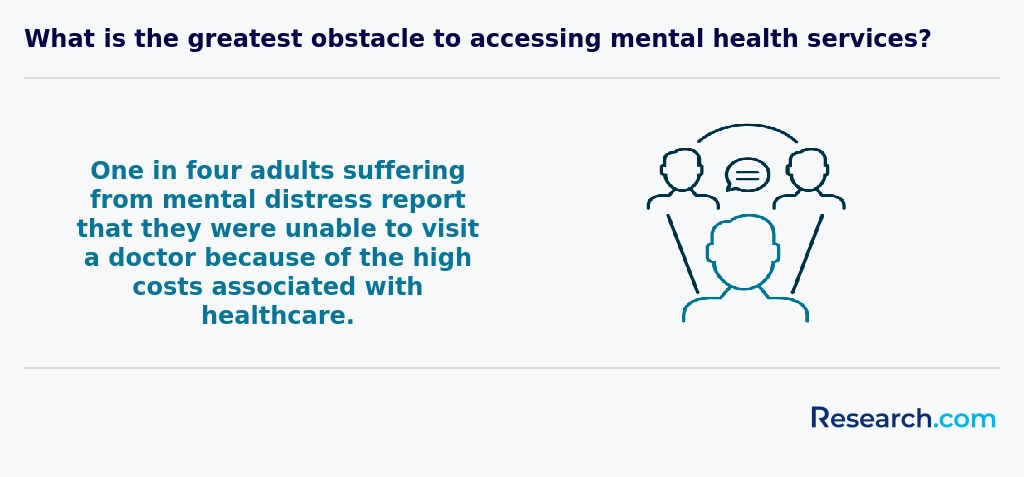
Additionally, students frequently encounter financial barriers. The cost of graduate programs combined with the need for unpaid internships creates economic strain. The Department of Education reports that graduate student debt in New Hampshire averages over $40,000, impacting many counseling candidates.
Finally, balancing rigorous coursework with personal responsibilities is a common struggle, especially since many counseling students juggle work and family commitments.
With a counseling degree in New Hampshire, graduates can pursue several certifications to enhance their professional qualifications. The most common credential is the Licensed Clinical Mental Health Counselor (LCMHC), which allows practice in clinical settings. New Hampshire's Board of Mental Health Practice oversees this licensure, requiring completion of a master's degree, supervised clinical hours, and passing a national exam.
Other certifications include the National Certified Counselor (NCC) through the National Board for Certified Counselors (NBCC), recognized nationwide. Additionally, counselors may pursue specialized credentials like Certified School Counselor, important for those aiming to work in educational settings. According to the New Hampshire Department of Education, school counseling roles are in steady demand due to state initiatives promoting student mental health.
These certifications ensure counselors meet professional standards and can provide quality care, reflecting the growing need for mental health services in New Hampshire.
To write a winning application for a counseling program in New Hampshire, start by thoroughly researching the specific admissions requirements of the schools you are interested in. Most programs require a bachelor's degree in a related field or relevant experience in mental health. Highlight your academic achievements and practical experience clearly.
Strong personal statements are crucial; explain your motivation for pursuing counseling, your goals, and how the program fits your career path. Be specific about why you want to study in New Hampshire, referencing local mental health needs if possible, based on reports from the New Hampshire Department of Health and Human Services.
Letters of recommendation should come from professors or professionals familiar with your skills and character. Maintain clarity, professionalism, and authentic passion throughout your application to meet standards expected by New Hampshire accredited counseling programs.
Counseling as a profession holds a significant place in global health and education systems, reflecting diverse cultural needs and approaches. In the United States, including New Hampshire, counseling careers focus on mental health, substance abuse, and school support services, aligning with international trends that emphasize holistic well-being.
Globally, mental health awareness has surged, increasing demand for trained counselors. The U.S. Bureau of Labor Statistics projects a 22% growth in employment for counselors by 2030, with New Hampshire mirroring this national trend due to heightened state initiatives in mental health services.
Educational standards vary worldwide, but U.S. counseling degrees typically require accreditation by the Council for Accreditation of Counseling and Related Educational Programs (CACREP), ensuring quality and international recognition. New Hampshire institutions maintain these standards, preparing graduates for both local licensure and competitive opportunities abroad.
In New Hampshire, gaining practical experience while studying for a counseling degree is essential for licensure and career readiness. Many accredited programs incorporate internships or practicum placements as part of their curriculum, which allow students to work directly with clients under supervised conditions. These hands-on experiences often take place in community mental health centers, schools, or healthcare settings.
The New Hampshire Board of Mental Health Practitioners requires supervised clinical hours, so choosing a program aligned with state licensure requirements is crucial. Students can also seek volunteer opportunities at local nonprofits or counseling services to broaden their experience.
According to the New Hampshire Department of Employment Security, mental health counseling jobs grew by 12% from 2018 to 2028, making early experience valuable for job market competitiveness.
Choosing the right concentration within a counseling degree program in New Hampshire depends on your career goals and the populations you wish to serve. The state offers concentrations such as clinical mental health, school counseling, and marriage and family therapy. According to the New Hampshire Board of Mental Health Practice, each concentration aligns with specific licensure requirements, so research these carefully.
Consider your interests in areas like addiction, trauma, or child welfare, as well as employment opportunities. The U.S. Bureau of Labor Statistics projects a steady 11% growth for counselors nationwide through 2031. Local demand in New Hampshire favors clinical and school counselors, reflecting community needs.
Speaking with current professionals or academic advisors can clarify which concentration best fits your skills and professional ambitions.
Related Counseling Rankings for Nearby States
- 2027 Most Popular Counseling Degree Programs Ranking in Massachusetts
- 2027 Most Popular Counseling Degree Programs Ranking in New York
- 2027 Most Popular Counseling Degree Programs Ranking in Connecticut
- 2027 Most Popular Counseling Degree Programs Ranking in New Jersey
- 2027 Most Popular Counseling Degree Programs Ranking in Pennsylvania
- 2027 Most Popular Counseling Degree Programs Ranking in Maryland
- 2027 Most Popular Counseling Degree Programs Ranking in Virginia
- 2027 Most Popular Counseling Degree Programs Ranking in Ohio
- 2027 Most Popular Counseling Degree Programs Ranking in West Virginia
- 2027 Most Popular Counseling Degree Programs Ranking in Tennessee
Top Trending Counseling Rankings
See What Experts Have To Say About Studying Counseling
Read our interview with Counseling experts

Meredith A. Rausch
Counseling Expert
Associate Professor
University of Alabama

References
- Creating Your Niche In Counseling Private Practice https://practiceoftherapy.com/creating-niche-counseling-private-practice/
- Study Counseling Abroad - Top Universities for Masters, MBA, PhD Degree Programs https://studee.com/degree/abroad/counseling
- Professional Networking For Psychologists | Psychology.org https://www.psychology.org/resources/professional-networking/
- Networking for Therapists: Building Connections for Career Success & Client Care https://www.mentalyc.com/blog/networking-for-therapists
- 5 Ways Counselling Skills Can Boost Career Prospects - Open Colleges https://www.opencolleges.edu.au/blogs/articles/how-counselling-skills-can-boost-your-employability-and-help-you-excel
- How to Become a Licensed Clinical Mental Health Counselor in New Hampshire https://www.nec.edu/how-to-become-lcmhc-in-new-hampshire
- 6 Therapy Niches to Consider for Your Practice - Talkspace https://www.talkspace.com/blog/therapy-niches/
- Mindful Career : Career Coaching https://mindful-career.com/student-career-guidance
- Know more about thesis vs non- thesis: what is the difference? https://studyfans.com/en/blogs/816
- How To Attract Ideal Therapy Clients - Owl Practice https://owlpractice.ca/blog/therapy-niche-how-to-attract-ideal-clients/