An affordable online counseling degree is only a good deal if its coursework and field training fit the job you want. That matters especially in Pennsylvania, where clinical licensure and school certification follow different rules. This guide compares costs, program types, timelines, and career outcomes so you can identify the questions worth asking before you enroll. It also features the 2027 Most Affordable Online Counseling Degree Programs Ranking in Pennsylvania, created by the Research.com team of data scientists to help students make informed choices about which programs are worth considering.
Key findings about online Counseling degrees in Pennsylvania
For Pennsylvania clinical practice, compare a master's program against state LPC education requirements before comparing tuition. An online degree alone does not confer a license; supervised experience and an examination are separate steps (Pennsylvania State Board of Social Workers, Marriage and Family Therapists and Professional Counselors).
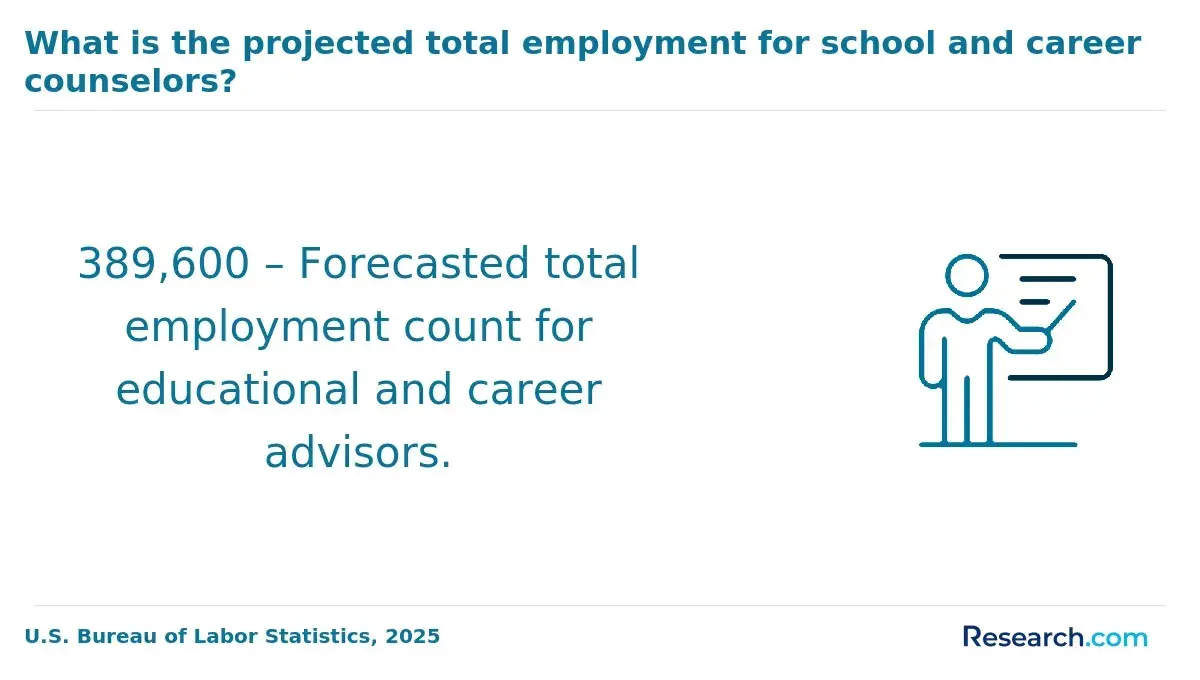
The U.S. median annual pay for substance abuse, behavioral disorder, and mental health counselors was $59,350 in May 2025, with employment projected to grow 18% from 2025 to 2035 (U.S. Bureau of Labor Statistics). Those national figures describe occupations, not a particular program's graduate outcomes.
Calculate the price of the whole credential: required credits, fees, travel or residency, field-placement expenses, available aid, and time away from work. A lower tuition rate may not produce a lower total cost if the program takes longer or requires more travel.
What can I expect from an online Counseling degree in Pennsylvania?
Most readers considering professional counseling are comparing master's degrees, not bachelor's degrees. A bachelor's degree can lead to some human-services roles, but it is not the qualifying degree for Pennsylvania licensed professional counselor (LPC) status. A master's program combines counseling theory, assessment, ethics, and supervised fieldwork; "online" generally describes the academic delivery, not the location of every clinical requirement (Pennsylvania licensing board; program descriptions from PennWest, Geneva College, and Slippery Rock University).
The credential you want should determine the program you compare. Pennsylvania's LPC route, school counselor certification, and doctoral preparation for teaching or supervision are distinct goals (Pennsylvania licensing board; Pennsylvania Department of Education).
Program type
Best fit
Question that changes the decision
Clinical mental health counseling master's
Prospective therapists seeking an LPC pathway
Does the curriculum meet Pennsylvania's current education requirements, and where can you complete fieldwork?
School counseling master's
Applicants seeking school-based counseling roles
Does the program lead to the Pennsylvania certification you need?
Rehabilitation-focused counseling master's
Applicants interested in disability services and vocational or clinical rehabilitation
Which employment settings and credentials does its particular curriculum support?
Counselor education doctorate
Experienced counselors pursuing teaching, research, or supervision
Does the doctorate advance your goal beyond the credential you already hold?
A doctorate is generally not the economical starting point for someone whose immediate goal is entry into clinical practice. Conversely, a prospective faculty member should not choose a cheaper practice-only master's as if it were a substitute for doctoral training.
Where can I work with an online Counseling degree in Pennsylvania?
The answer depends on your concentration and credential. Clinical mental health graduates may seek roles in community behavioral-health organizations, hospitals, outpatient practices, or substance-use treatment settings, subject to employer and licensing requirements. School counseling graduates should examine Pennsylvania Department of Education certification before planning for K-12 positions. Rehabilitation-focused graduates may consider disability-service agencies, vocational programs, and related healthcare settings (Pennsylvania licensing board; Pennsylvania Department of Education; U.S. Bureau of Labor Statistics).
Location affects access to field placements as well as jobs. If you live far from a program's established placement network, ask whether it will approve a qualified site near you and who arranges supervision. That question may matter more than whether lectures are recorded.
National occupational medians provide a benchmark, not a Pennsylvania starting-salary quote or a prediction of any school's outcomes. The U.S. Bureau of Labor Statistics reports the following May 2025 median annual pay and 2025-2035 projected employment growth for counseling-related occupations. Job definitions differ, so compare the occupation that actually matches your intended role.
Counseling path
U.S. median annual pay, May 2025
Projected U.S. growth, 2025-2035
Clinical mental health or addiction counseling
$59,350
18%
School counseling
$64,330
3%
Marriage, couple, and family counseling
$66,940
14%
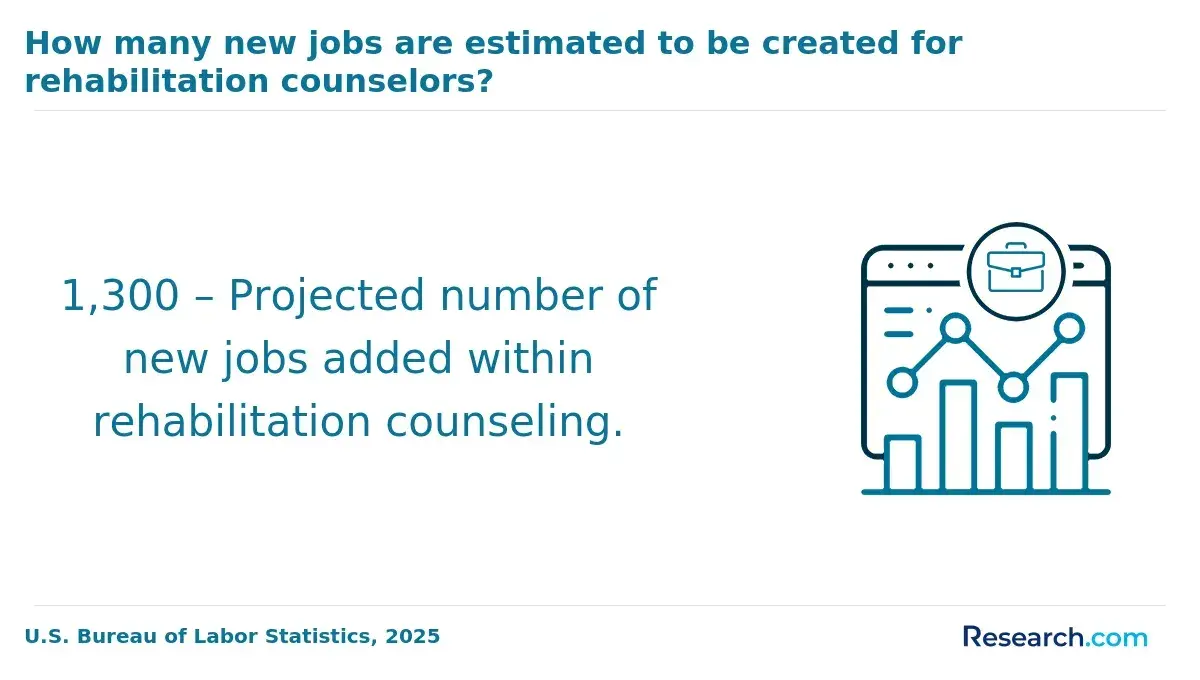
Rehabilitation counseling
$46,850
2%
The school-counseling median is higher than the clinical mental health figure, but that alone does not make a school counseling degree the better investment. Certification, available jobs where you intend to live, benefits, and whether you want to work in schools all change the comparison. For a personal return-on-investment estimate, compare expected post-degree earnings with your current earnings, borrowing costs, lost work time, and the time needed to complete licensing requirements.
The programs below serve different career stages and specialties, so their strongest distinguishing features are not interchangeable. Use these program-level contrasts to decide which offerings deserve a closer check of current tuition, delivery requirements, accreditation, and outcomes; program descriptions should not be read as promises of licensure (PennWest University; Geneva College; Shippensburg University; University of Scranton; Waynesburg University; Slippery Rock University; Lebanon Valley College).
Pennsylvania Western University - school counseling: Its dedicated school-counseling graduate pathway is a more direct comparison for a prospective K-12 counselor than the clinical mental health options in this group. Confirm the Pennsylvania certification route and school-placement arrangements before choosing it on price.
Pennsylvania Western University - clinical mental health counseling: This distinct graduate pathway targets clinical counseling rather than school certification. It is the relevant PennWest option to investigate if your goal is Pennsylvania LPC eligibility; ask for a current course-by-course licensure review.
Geneva College - graduate counseling: Geneva offers a counseling graduate pathway at a private Christian college, a different institutional setting from the public-university options here. Applicants should decide whether its educational approach and net cost suit them, rather than assuming institution type predicts value.
Geneva College - counseling program: The program-specific curriculum is the place to check how Geneva connects academic study with supervised preparation. Request the current handbook and placement policy so you can compare actual requirements with another master's program.
Geneva College - credential fit: Geneva's counseling offering warrants a track-specific review rather than a comparison based on the college name alone. Verify which Pennsylvania credential your chosen track supports; different counseling credentials are not interchangeable.
Shippensburg University of Pennsylvania - counselor education and supervision EdD: The EdD's counselor-education-and-supervision focus distinguishes it from the entry-to-practice master's degrees listed here. It makes more sense for an already-qualified counselor considering advanced teaching or leadership than for someone seeking their first clinical credential.
University of Scranton - clinical rehabilitation counseling: Its named clinical rehabilitation specialization offers a more focused option for students interested in counseling people with disabilities than a general clinical mental health pathway. Check the specific credential and placement settings it prepares students to pursue.
Waynesburg University - counselor education PhD: A PhD in counselor education is a research-oriented degree choice rather than a shorter route to entry-level practice. Compare its research and dissertation expectations with Shippensburg's EdD if doctoral study is your goal.
Slippery Rock University of Pennsylvania - clinical mental health counseling: Its graduate program is a direct alternative for applicants seeking clinical mental health preparation at a Pennsylvania public university. Compare its current field-placement support and complete program cost with PennWest's clinical pathway, not just their advertised online formats.
Lebanon Valley College - clinical mental health counseling: Its master's program offers a clinical mental health route at a private college rather than a doctoral or school-certification pathway. Request a net-price estimate and Pennsylvania licensure-alignment statement to determine whether its particular support and structure justify the cost for you.
These distinctions help narrow a shortlist, but they do not replace current program handbooks. For a broader comparison that weighs outcomes and fit alongside price, see the best counseling programs.
A counseling master's commonly takes about two to three years of full-time study; part-time study can take longer. Doctoral timelines vary more because advanced coursework, research, and dissertation or applied-project requirements depend on the program and the student's progress. Ask each school for its published sample sequence rather than assuming that an online format is accelerated.
Fieldwork can control the calendar even when coursework is flexible. Before choosing among the fastest counseling programs, check when practicums begin, whether internship courses are offered every term, and whether an approved local site is required before enrollment. Completing the degree and completing Pennsylvania's post-degree LPC requirements are separate timelines (Pennsylvania licensing board).
Online study can reduce commuting and make coursework easier to combine with employment. It does not remove supervised practice, placement approvals, or any scheduled in-person requirements. An on-campus program may be preferable if you want regular face-to-face instruction or access to a nearby placement network; the better choice depends on the specific program, not the delivery label.
Ask for a written breakdown of live class times, campus visits, fieldwork location rules, and who finds supervisors. A low-priced online offer is less practical if you must travel frequently or secure a placement the school cannot help you arrange. For Pennsylvania LPC or school-certification goals, verify the same credential alignment regardless of format (Pennsylvania licensing board; Pennsylvania Department of Education).
There is no single dependable statewide price for the mix of counseling master's, specialized master's, and doctorates considered here. Published tuition may be quoted per credit, per term, or for an academic year, while required credits and fees differ. Without a comparable, current program-level dataset, a claimed "average online counseling degree cost" would be less useful than a full estimate for each program on your shortlist.
Request the total price for your expected course load, including mandatory fees, any residency travel, placement-related expenses, and likely annual tuition changes. Check whether a public university charges online students differently by residency. Then subtract grants, scholarships, and employer assistance to compare net cost; do not treat federal loans as a discount. The most valuable counseling programs offer another lens if you want to weigh cost against other program measures.
Eligible students can start with the FAFSA and ask each school about federal Direct Unsubsidized Loans, institutional scholarships, assistantships, and payment plans. Working students should also check employer tuition assistance. Eligibility depends on the student, institution, program, and enrollment status; being online does not by itself rule out federal aid (Federal Student Aid).
Graduate PLUS rules changed for new graduate borrowers beginning July 2026. New borrowers generally should not budget for a Graduate PLUS loan; certain continuing students who borrowed a qualifying Direct Loan for the same program before the change may have limited transitional eligibility. Confirm your individual status and current borrowing limits with the financial-aid office and Federal Student Aid before accepting an offer (Federal Student Aid).
Ask whether fieldwork terms maintain the enrollment level required for your aid. A scholarship that applies only during classroom terms may leave an expensive gap near graduation. Pennsylvania-specific grants often have distinct eligibility rules, so have the school identify any state aid that actually applies to your graduate program rather than assuming undergraduate awards carry over (Pennsylvania Higher Education Assistance Agency).
View the chart data as a table
Pay vs projected growth by counseling career path (U.S., BLS) (Source: BLS)
Name
Median annual wage (USD/year)
Projected growth (%)
Mental Health Counselors
59,350
18
School & Career Counselors
64,330
3
Rehabilitation Counselors
46,850
2
Marriage & Family Therapists
66,940
14
Psychologists
99,110
6
Postsecondary Teachers
85,330
7
Master's applicants typically need a completed bachelor's degree and the materials specified by the school, which may include transcripts, recommendations, a statement of purpose, an interview, or prerequisite coursework. A doctorate in counselor education ordinarily targets applicants with graduate counseling preparation. Admissions eligibility is separate from eventual professional licensure (institutional admissions requirements; Pennsylvania licensing board).
Before paying an application fee, send admissions staff your transcripts and ask three specific questions: which prerequisites remain, whether any prior graduate credits can transfer, and whether your intended track is designed for the Pennsylvania credential you want. Transfer approval may reduce tuition, but it can also affect course sequencing and financial-aid eligibility. If you are comparing admissions policies, the easiest counseling programs can be a starting point - not a substitute for checking professional fit.
A clinical counseling curriculum typically covers counseling techniques, human development, assessment, diagnosis, ethics, research, and supervised practicum or internship. School counseling adds coursework and field experiences suited to student development and school systems; rehabilitation programs place greater emphasis on disability and vocational concerns. Exact course titles and requirements vary by program (program curricula from PennWest University, University of Scranton, and Slippery Rock University).
For a Pennsylvania LPC goal, do not judge a transcript by course titles alone. Ask the program to document how its credits and content meet the state board's current education standards and how it supports placement approval. This is particularly important if you might later move: another state's licensing board can evaluate the same degree differently (Pennsylvania licensing board).
The most consequential choice in this group is often clinical mental health versus school counseling: one points toward clinical licensure review, while the other should be evaluated against school certification requirements. Clinical rehabilitation counseling offers a disability-focused alternative. Counselor education and supervision is an advanced doctoral direction, not simply another entry-level master's concentration (Pennsylvania licensing board; Pennsylvania Department of Education; program descriptions from PennWest University, University of Scranton, Shippensburg University, and Waynesburg University).
Choose a specialization by working backward from the position you would apply for. If the employer requires school certification, a less expensive clinical mental health track may be the wrong purchase. If your goal is independent clinical practice, ask whether a school-focused track satisfies the LPC education rules before assuming that "counseling" in the degree title is sufficient.
Start with the credential, then test affordability and feasibility. A program is a stronger investment when you can finish it, secure appropriate fieldwork, and use the resulting education toward your intended job.
Identify the exact target role - such as LPC, certified school counselor, or counselor educator - and check its current Pennsylvania requirements with the responsible board or agency.
Verify institutional accreditation and any claimed programmatic CACREP accreditation in the accreditor's directory; ask how the program documents licensure or certification alignment (CACREP; U.S. Department of Education; Pennsylvania licensing board).
Get a written total-cost and completion plan covering credits, fees, aid, travel, fieldwork, and likely time away from paid work.
Ask who approves and helps secure local placements, what happens if a site falls through, and whether required live sessions fit your schedule.
Request recent program-level completion, examination, and employment information where available, along with its reporting period and the number of students represented.
A common mistake is choosing the lowest tuition before checking whether the track serves the desired credential. Another is treating a ranking or national median salary as an individual return-on-investment forecast. Compare likely debt and post-degree earnings with your current pay, completion probability, time to licensure, and how long you expect to work in the field.
View the chart data as a table
Programs by specialization (Source: Research.com)
Category
Value
Clinical Mental Health Counseling
7
School Counseling
4
Marriage, Couple, and Family Counseling
2
Counselor Education and Supervision
2
Clinical Rehabilitation Counseling
1
A clinical mental health master's may support progression from supervised practice toward LPC-eligible roles after the state's additional requirements are met. A school counseling pathway is more directly suited to certified K-12 positions. Rehabilitation-focused study can support disability and vocational-service careers, while doctoral education can be relevant to counselor teaching, research, or supervision (Pennsylvania licensing board; Pennsylvania Department of Education; U.S. Bureau of Labor Statistics).
If you want to enter the workforce quickly rather than pursue clinical licensure, compare the cost of a counseling master's with roles available through your existing degree. Some human-services jobs have different credential requirements. Paying for graduate study makes more sense when the target position requires or materially rewards the particular qualification you will earn.
View the chart data as a table
Reported total program cost distribution across ranked programs (Source: Research.com)
Category
Value
$40,000-$41,999
5
$42,000-$43,999
1
$44,000-$45,999
2
$46,000-$47,999
2
$48,000-$49,999
5
$50,000-$51,999
0
$52,000-$53,999
1
The national outlook is strongest among the paths compared here for substance abuse, behavioral disorder, and mental health counselors: the U.S. Bureau of Labor Statistics projects 18% employment growth from 2025 to 2035. That projection signals demand across the United States, not a guarantee of openings in a particular Pennsylvania county or for new graduates without the required credential.
Evaluate the market where you intend to complete fieldwork and seek employment. Search current postings for the credential, supervision status, setting, and schedule they require; then ask programs where their recent students found placements and what support was available. This matters especially if you cannot relocate or commute: a suitable local clinical site can be as important to completing an online degree as access to online classes.
2027 Most Affordable Online Counseling Degree Programs Ranking in Pennsylvania
Investing in a counseling degree is a consequential financial decision. Research.com's team developed this ranking to help readers compare affordability while considering the evidence behind each program, rather than treating a low advertised tuition rate as the whole story. The team draws on the following sources to support the ranking's quality, credibility, and accuracy:
IPEDS database: institutional reporting on programs, enrollment, completion, and published costs.
Peterson's database: program and institution information used to check comparable offerings.
Across Research.com's counseling rankings, the underlying assessment considers program completion, employment or doctoral admission, applicable licensure-exam results, CACREP programmatic accreditation, federal Title IV eligibility, and cost. The Most Affordable ranking orders programs by its affordability dimension; a low-cost position should therefore be read alongside accreditation, outcomes, and fit for the intended credential. Readers can review more detail about Research.com's approach on its methodology page.
# 1 position
Pennsylvania Western University
Master
Counseling, MS - School Counseling
Delivery mode: online
81.60
/ 100
Final score
Program length
full-time (including the summer months) ... 2 ½ years
Specialization
School Counseling
Required credits
60 semester credits
GPA range
3.00 - 4.00
Application process
direct
GRE
Conditional: GRE required if undergraduate GPA is below 3.0
Prerequisites
12 semester hours (4 courses) of undergraduate psychology including abnormal psychology/psychopathology; Prerequisite Form; two professional letters of recommendation and assessment rubric; 750-1,000 word admissions essay in APA 7th format.
Additional requirements
3.0 undergraduate GPA (preferred); two professional letters of recommendation and student assessment rubric; Admissions Essay – Goals and Objectives; current Resume/CV; transcript (most recent degree); GRE if UG GPA below 3.0
Accreditation
Accredited by the Council for Accreditation of Counseling and Related Educational Programs (CACREP), with institutional accreditation from the Middle States Commission on Higher Education (MSCHE).
Pennsylvania Western University earned a Research.com Affordability Score of 81.6/100, supported by $41,524 total cost (tuition and fees) and 60 semester credits. The program is CACREP-accredited, valid through 2033-03-31.
# 2 position
Pennsylvania Western University
Master
M.S. in Counseling - Clinical Mental Health Counseling
Delivery mode: online
81.60
/ 100
Final score
Program length
full-time (including the summer months) ... 2 ½ years
Specialization
Clinical Mental Health Counseling
Required credits
60 semester credits
GPA range
3.00 - 4.00
Application process
direct
GRE
Conditional: GRE required if undergraduate GPA is below 3.0
Prerequisites
12 credit hours (4 courses) of psychology including one course in abnormal/psychopathology; Prerequisite Form; two professional letters of recommendation and student assessment rubric; Admissions Essay (750-1,000 words, APA 7th edition format).
Additional requirements
3.0 undergraduate GPA (preferred); two professional letters of recommendation and student assessment rubric; admissions essay (goals and objectives); current resume/CV; transcript (most recent degree); GRE required only if UG GPA below 3.0
Accreditation
Accredited by the Council for Accreditation of Counseling and Related Educational Programs (CACREP), with institutional accreditation from the Middle States Commission on Higher Education (MSCHE).
Pennsylvania Western University earned a Research.com Affordability Score of 81.6/100, supported by $41,524 total cost (tuition and fees) and 60 semester credits. The program is CACREP-accredited, valid through 2033-03-31.
# 3 position
Geneva College
Master
M.A. in Counseling - Marriage, Couple, and Family Counseling
Delivery mode: hybrid
81.30
/ 100
Final score
Program length
two years for a full-time student
Specialization
Marriage, Couple, and Family Counseling
Required credits
60 semester credits
GPA range
3.00 - 4.00
Application process
direct
GRE
no
Prerequisites
Bachelor's degree with GPA of 3.0+ expected (provisional admission possible below 3.0); basic statistics competency via CNS 504, an approved statistics course (B- or better within 5 years), or 80%+ on a statistics exam.
Additional requirements
Official transcripts from all colleges/universities attended, a typed academic essay describing career goals and reasons for applying, three professional recommendations, and a resume
Accreditation
Accredited by the Council for Accreditation of Counseling and Related Educational Programs (CACREP), with institutional accreditation from the Middle States Commission on Higher Education (MSCHE).
Geneva College earned a Research.com Affordability Score of 81.3/100, supported by $41,940 total tuition and 60 semester credits. The program is CACREP-accredited, valid through 2033-04-30.
# 4 position
Geneva College
Master
Master of Arts in Counseling
Delivery mode: hybrid
81.30
/ 100
Final score
Program length
two years for a full-time student
Specialization
Clinical Mental Health Counseling
Required credits
60 semester credits
GPA range
3.00 - 4.00
Program completion rate
50% (2023-24)
Employment or doctoral admission
100% (2023-24)
Licensure exam pass rate
76% (2023-24)
Application deadline
Spring 2027: Nov 30, 2026
Application process
direct
GRE
no
Prerequisites
Basic statistics competency
Additional requirements
Program requirement: one 5-day (one-week) residency in late August on the Beaver Falls, PA campus, year 1 (may postpone to year 2).
Accreditation
Accredited by the Council for Accreditation of Counseling and Related Educational Programs (CACREP), with institutional accreditation from the Middle States Commission on Higher Education (MSCHE).
Geneva College earned a Research.com Affordability Score of 81.3/100, supported by $41,940 total tuition and 60 semester credits. The program is CACREP-accredited, valid through 2033-04-30.
# 5 position
Geneva College
Master
M.A. in Counseling – School Counseling
Delivery mode: hybrid
81.30
/ 100
Final score
Program length
two years for a full-time student
Specialization
School Counseling
Required credits
60 semester credits
GPA range
3.00 - 4.00
Program completion rate
0% (2023-24)
Employment or doctoral admission
100% (2023-24)
Licensure exam pass rate
0% (2023-24)
Application deadline
rolling
Application process
direct
Prerequisites
Bachelor's degree with GPA of 3.0+ (provisional admission possible below 3.0); basic statistics competency for CNS 505/512 via CNS 504, prior statistics course (B- or better within 5 years), or 80%+ exam score.
Additional requirements
Official transcripts from all colleges/universities attended, a typed academic essay on career goals and reasons for applying to a Christian faith-based counseling program, three professional recommendations, and a resume
Accreditation
Accredited by the Council for Accreditation of Counseling and Related Educational Programs (CACREP), with institutional accreditation from the Middle States Commission on Higher Education (MSCHE).
Geneva College earned a Research.com Affordability Score of 81.3/100, supported by $41,940 total tuition and 60 semester credits. The program is CACREP-accredited, valid through 2033-04-30.
# 6 position
Shippensburg University of Pennsylvania
Doctor
Counselor Education and Supervision, EdD
Delivery mode: hybrid
80.00
/ 100
Final score
Program length
3.5 years to graduate
Specialization
Counselor Education and Supervision
Required credits
60 semester credits
Application deadline
Application opens Summer 2027 and closes February 2028 (next cohort Fall 2028)
Application process
direct
Prerequisites
An already conferred master's degree in counseling or a related field; stated in the 2017-18 doctoral handbook.
Additional requirements
Online application and official transcripts from every college or university attended, plus a resume; three recommendations from current or former instructors, university staff, or employment supervisors;
Accreditation
Accredited by the Council for Accreditation of Counseling and Related Educational Programs (CACREP), with institutional accreditation from the Middle States Commission on Higher Education (MSCHE).
Shippensburg University of Pennsylvania earned a Research.com Affordability Score of 80.0/100, supported by $43,740 total cost (tuition and fees, estimated) and 60 semester credits. The program is CACREP-accredited, valid through 2027-10-31.
# 7 position
University of Scranton
Master
Master of Science in Clinical Rehabilitation Counseling
Delivery mode: hybrid
78.80
/ 100
Final score
Program length
2.5 - 3 years
Specialization
Clinical Rehabilitation Counseling
Required credits
60 semester credits
GPA range
3.00 - 4.00
Program completion rate
81% (2021-22)
Employment or doctoral admission
83% (2021-22)
Licensure exam pass rate
86% (2021-22)
Application deadline
Priority: March 1; Regular: July 15 (for fall admission)
Application process
direct
GRE
no
Prerequisites
A bachelor's degree from a regionally accredited U.S. college or university (or international equivalent); undergraduate GPA of 3.0 on a 4.0 scale (probationary acceptance possible below 3.0)
Additional requirements
Official transcripts from all previously attended institutions; two professional letters of recommendation; personal statement; resume; personal interview (group interview) with program faculty; no application fee
Accreditation
Accredited by the Council for Accreditation of Counseling and Related Educational Programs (CACREP), with institutional accreditation from the Middle States Commission on Higher Education (MSCHE).
University of Scranton earned a Research.com Affordability Score of 78.8/100, supported by $45,420 total tuition (estimated) and 60 semester credits. The program is CACREP-accredited, valid through 2031-10-31.
# 8 position
Waynesburg University
Doctor
Doctor of Philosophy in Counselor Education and Supervision (Ph.D.)
Delivery mode: online
78.70
/ 100
Final score
Program length
3-5 years
Specialization
Counselor Education and Supervision
Required credits
54 semester credits
GPA range
3.50 - 4.00
Program completion rate
77% (2024-25)
Employment or doctoral admission
100% (2025-26)
Class size
10
Application process
direct
GRE
yes
Prerequisites
Master's degree in counseling or a related field from a regionally accredited institution, with a minimum GPA of 3.5.
Additional requirements
Application; undergraduate and graduate transcripts verifying the qualifying master's degree; resume; personal statement; Admissions Committee interview; MAT or GRE scores (waived with NCE scores); writing sample; TOEFL for non-native speakers.
Accreditation
Accredited by the Council for Accreditation of Counseling and Related Educational Programs (CACREP), with institutional accreditation from the Middle States Commission on Higher Education (MSCHE).
Waynesburg University earned a Research.com Affordability Score of 78.7/100, supported by $45,630 total tuition and 54 semester credits. The program is CACREP-accredited, valid through 2029-10-31.
# 9 position
Slippery Rock University of Pennsylvania
Master
Clinical Mental Health Counseling, Master of Arts (MA)
Delivery mode: hybrid
78.20
/ 100
Final score
Program length
First Year Fall/Spring ... Third Year Fall/Spring (12-12-12-12-6/9-3/6 credits)
Specialization
Clinical Mental Health Counseling
Required credits
60 semester credits
GPA range
3.00 - 4.00
Program completion rate
90% (2024-25)
Employment or doctoral admission
100% (2024-25)
Licensure exam pass rate
100% (2025)
Application deadline
rolling
Application process
direct
GRE
no
Prerequisites
Official transcripts; minimum 3.0 GPA for unconditional admission; personal statement of interest, experience and career goals; two recommendation forms from faculty or a supervisor; interview. No prerequisite courses beyond a bachelor's.
Additional requirements
Official transcripts, minimum 3.0 undergraduate GPA for unconditional admission, personal statement, two recommendation forms from faculty or a recent employer/supervisor, online application and fee, and an interview.
Accreditation
Accredited by the Council for Accreditation of Counseling and Related Educational Programs (CACREP), with institutional accreditation from the Middle States Commission on Higher Education (MSCHE).
Slippery Rock University of Pennsylvania earned a Research.com Affordability Score of 78.2/100, supported by $46,209 total cost (tuition and fees, estimated) and 60 semester credits. The program is CACREP-accredited, valid through 2030-10-31.
# 10 position
Lebanon Valley College
Master
Master of Science in Clinical Mental Health Counseling
Delivery mode: hybrid
77.80
/ 100
Final score
Program length
2 years full-time
Specialization
Clinical Mental Health Counseling
Required credits
60 semester credits
GPA range
3.00 - 4.00
Licensure exam pass rate
100%
Application deadline
Spring 2027: Nov 30, 2026; Fall 2027: Aug 2, 2027
Application process
direct
GRE
optional
Prerequisites
Bachelor's degree from a regionally accredited U.S. college or university (any bachelor's degree); no specific counseling prerequisite coursework stated.
Additional requirements
Online application; official transcript with minimum 3.00 GPA; 500-word personal statement on counseling goals; professional resume; 2 professional/academic references; GRE optional; personal interview by invitation.
Accreditation
Accredited by the Council for Accreditation of Counseling and Related Educational Programs (CACREP), with institutional accreditation from the Middle States Commission on Higher Education (MSCHE).
Lebanon Valley College earned a Research.com Affordability Score of 77.8/100, supported by $46,860 total cost (tuition and fees) and 60 semester credits. The program is CACREP-accredited, valid through 2034-04-30.
# 11 position
Messiah University
Master
Master of Arts in Counseling – School Counseling
Delivery mode: online
76.10
/ 100
Final score
Program length
2-year completion
Specialization
School Counseling
Required credits
60 semester credits
GPA range
3.00 - 4.00
Program completion rate
81.6% (2024-25)
Employment or doctoral admission
100% (2024-25)
Application deadline
rolling
Application process
direct
GRE
no
Prerequisites
At least 6 credits in social, behavioral, applied, or life sciences courses with a grade of C or higher (e.g., psychology, human development and family science, sociology, anthropology, early childhood studies, social work).
Additional requirements
Messiah application; official transcripts; cumulative GPA 3.0 or higher (below 3.0 reviewed case by case); 300–500 word statement of purpose; contact for one reference; resume/CV; Zoom interview with faculty.
Accreditation
Accredited by the Council for Accreditation of Counseling and Related Educational Programs (CACREP), with institutional accreditation from the Middle States Commission on Higher Education (MSCHE).
Messiah University earned a Research.com Affordability Score of 76.1/100, supported by $49,200 total cost (tuition and fees) and 60 semester credits. The program is CACREP-accredited, valid through 2028-10-31.
# 12 position
Messiah University
Master
M.A. in Counseling – Marriage, Couple and Family Counseling
Delivery mode: online
76.10
/ 100
Final score
Program length
2-year completion
Specialization
Marriage, Couple, and Family Counseling
Required credits
60 semester credits
GPA range
3.00 - 4.00
Program completion rate
72.6% (2024-25)
Employment or doctoral admission
100% (2024-25)
Licensure exam pass rate
100% (2024-25)
Application deadline
rolling
Application process
direct
Prerequisites
At least 6 credits in social, behavioral, applied, or life sciences courses (e.g., psychology, sociology, social work) with a grade of C or higher
Additional requirements
Messiah application; official transcripts; cumulative GPA 3.0 or higher (below 3.0 reviewed case by case); 300–500 word statement of purpose; one reference contact; resume/CV; interview with faculty via Zoom
Accreditation
Accredited by the Council for Accreditation of Counseling and Related Educational Programs (CACREP), with institutional accreditation from the Middle States Commission on Higher Education (MSCHE).
Messiah University earned a Research.com Affordability Score of 76.1/100, supported by $49,200 total cost (tuition and fees) and 60 semester credits. The program is CACREP-accredited, valid through 2028-10-31.
# 13 position
Messiah University
Master
M.A. in Counseling – Clinical Mental Health Counseling
Delivery mode: online
76.10
/ 100
Final score
Program length
2-year completion
Specialization
Clinical Mental Health Counseling
Required credits
60 semester credits
GPA range
3.00 - 4.00
Program completion rate
70.3% (2024-25)
Employment or doctoral admission
100% (2024-25)
Licensure exam pass rate
90% (2024-25)
Application process
direct
Prerequisites
At least 6 credits in social, behavioral, applied, or life sciences courses (e.g., psychology, sociology, social work) with a grade of C or higher
Additional requirements
Application; official transcripts; cumulative GPA 3.0 or higher; 300–500 word statement of purpose; one reference; resume/CV; interview via Zoom
Accreditation
Accredited by the Council for Accreditation of Counseling and Related Educational Programs (CACREP), with institutional accreditation from the Middle States Commission on Higher Education (MSCHE).
Messiah University earned a Research.com Affordability Score of 76.1/100, supported by $49,200 total cost (tuition and fees) and 60 semester credits. The program is CACREP-accredited, valid through 2028-10-31.
# 14 position
Gwynedd Mercy University
Master
M.S. in School Counseling
Delivery mode: hybrid
75.80
/ 100
Final score
Program length
2.5 years
Specialization
School Counseling
Required credits
60 semester credits
GPA range
3.00 - 4.00
Application deadline
rolling
Application process
direct
GRE
Conditional: GRE (combined 292+ plus analytical writing) required if GPA is below 3.0, unless applicant holds a graduate degree
Prerequisites
3 credits in General Psychology, Developmental Psychology, Theory or another foundational course; 3 credits in Research Methods or Statistics
Additional requirements
Accredited bachelor's; transcripts; minimum 3.0 GPA (GRE 292+ required below 3.0 unless holding a graduate degree); two letters of recommendation (one academic, one professional); 3-5 page personal statement; group faculty interview.
Accreditation
Accredited by the Council for Accreditation of Counseling and Related Educational Programs (CACREP), with institutional accreditation from the Middle States Commission on Higher Education (MSCHE).
Gwynedd Mercy University earned a Research.com Affordability Score of 75.8/100, supported by $49,654 total cost (tuition and fees, estimated) and 60 semester credits. The program is CACREP-accredited, valid through 2032-10-31.
# 15 position
Gwynedd Mercy University
Master
M.S. in Counseling
Delivery mode: hybrid
75.80
/ 100
Final score
Program length
2.5 years
Specialization
Clinical Mental Health Counseling
Required credits
60 semester credits
GPA range
3.00 - 4.00
Application process
direct
GRE
Conditional: GRE (combined 292+ plus analytical writing) required if GPA is below 3.0, unless the applicant holds a graduate degree
Prerequisites
3 credits in General Psychology, Developmental Psychology, Theory or another foundational course; 3 credits in Research Methods or Statistics; baccalaureate degree from an accredited institution.
Additional requirements
Official transcripts; minimum 3.0 GPA (or GRE 292+ with analytical writing if below 3.0); graduate application; two recommendation letters (one academic, one professional); 3-5 page personal statement; group faculty interview.
Accreditation
Accredited by the Council for Accreditation of Counseling and Related Educational Programs (CACREP), with institutional accreditation from the Middle States Commission on Higher Education (MSCHE).
Gwynedd Mercy University earned a Research.com Affordability Score of 75.8/100, supported by $49,654 total cost (tuition and fees, estimated) and 60 semester credits. The program is CACREP-accredited, valid through 2032-10-31.
# 16 position
Neumann University
Master
Master of Science in Clinical Mental Health Counseling
Delivery mode: hybrid
73.20
/ 100
Final score
Program length
3 years (full-time)
Specialization
Clinical Mental Health Counseling
Required credits
60 semester credits
GPA range
3.00 - 4.00
Program completion rate
100% (2024-25)
Employment or doctoral admission
80% (2023-24)
Application deadline
rolling
Application process
direct
GRE
no
Prerequisites
Baccalaureate degree from a regionally accredited, degree-granting institution with a 3.00 GPA.
Additional requirements
Official transcripts from all institutions attended, graduate writing prompt, two (2) letters of recommendation, and graduate student application.
Accreditation
Accredited by the Council for Accreditation of Counseling and Related Educational Programs (CACREP), with institutional accreditation from the Middle States Commission on Higher Education (MSCHE).
Neumann University earned a Research.com Affordability Score of 73.2/100, supported by $53,225 total cost (tuition and fees, estimated) and 60 semester credits. The program is CACREP-accredited, valid through 2033-10-31.
Frequently asked questions about online Counseling degree in Pennsylvania
Can I become a licensed counselor with an online degree?
Potentially, but online delivery does not establish eligibility. Verify the master's curriculum against Pennsylvania LPC education rules and plan for the separate supervised-experience and examination requirements (Pennsylvania licensing board).
Are online counseling programs entirely remote?
Not necessarily. Supervised fieldwork must occur at an approved site, and some programs may require live classes or campus visits. Request the current schedule and placement policy before enrolling.
Do I need a master's degree to become a school counselor?
Check the Pennsylvania Department of Education's current certification requirements and confirm that the specific program supports the school counseling credential you seek. A clinical counseling track is not automatically a school-certification track.
Is CACREP accreditation required?
CACREP is programmatic accreditation, separate from an institution's accreditation. Check the Pennsylvania board's current rules and the specific program's accreditation status rather than assuming that every accredited college has a CACREP-accredited counseling degree (CACREP; Pennsylvania licensing board).
What makes an affordable program worth choosing?
A manageable net price matters, but so do credential alignment, placement access, completion time, and likely borrowing. Compare written total-cost estimates and program requirements before treating the lowest advertised tuition as the best value.
See What Experts Have To Say About Studying Counseling
Geneva College - M.A. in Counseling - Marriage, Couple, and Family Counseling Official program page (curriculum, tuition, admissions). https://www.geneva.edu/graduate/counseling/