Research.com is an editorially independent organization with a carefully engineered commission system that’s both transparent and fair. Our primary source of income stems from collaborating with affiliates who compensate us for advertising their services on our site, and we earn a referral fee when prospective clients decided to use those services. We ensure that no affiliates can influence our content or school rankings with their compensations. We also work together with Google AdSense which provides us with a base of revenue that runs independently from our affiliate partnerships. It’s important to us that you understand which content is sponsored and which isn’t, so we’ve implemented clear advertising disclosures throughout our site. Our intention is to make sure you never feel misled, and always know exactly what you’re viewing on our platform. We also maintain a steadfast editorial independence despite operating as a for-profit website. Our core objective is to provide accurate, unbiased, and comprehensive guides and resources to assist our readers in making informed decisions.

2027 Best Online Master's in Counseling Degree Programs Ranking in Texas

Imed Bouchrika, PhD

by Imed Bouchrika, PhD

Co-Founder and Chief Data Scientist

What can I expect from online counseling degree in Texas?

The average cost of an online counseling degree in Texas typically ranges from $15,000 to $30,000 for completing a master's program. This varies depending on the institution, with public universities often offering more affordable tuition compared to private colleges. For instance, graduates from well-known public universities in Texas frequently highlight the value of accessible tuition combined with strong accreditation, which supports their licensure and career goals.

Many students appreciate that their investment covers not only comprehensive coursework but also coordinated supervised clinical experiences, often arranged locally. This practical training is crucial for meeting Texas Behavioral Health Executive Council (BHEC) requirements for Licensed Professional Counselors.

Students from popular counseling programs in Texas often share how the balance of flexible online learning and interactive sessions helped them manage studies alongside work or family. These programs' alignment with state regulations and their CACREP accreditation reinforce confidence in the degree's professional credibility and return on investment.

Where can I work with online counseling degree in Texas?

Graduates holding an online counseling degree in Texas commonly find rewarding careers across diverse professional settings, including community health centers, schools, hospitals, private practices, and specialized treatment facilities. For instance, those completing their degrees from prominent institutions such as the University of Texas or Texas A&M often secure roles in community health organizations, where they provide critical mental health services to underserved populations. Working as a licensed professional counselor (LPC), they engage in therapy, crisis intervention, and case management, experiences that many describe as fulfilling and impactful.

School counseling positions are another frequent path for Texas graduates, with jobs available in public and private schools requiring state licensure. These roles allow counselors to support students' social, emotional, and academic growth, an aspect graduates find deeply meaningful. Hospitals and outpatient clinics also hire counseling degree holders to assist in psychiatric evaluations and addiction treatment, which brings collaboration with interdisciplinary teams into focus.

Furthermore, after meeting licensure requirements through Texas's Behavioral Health Executive Council, graduates sometimes pursue private practice, offering flexible and personalized therapeutic services. Vocational rehabilitation and substance abuse treatment agencies also present viable career opportunities, helping individuals rebuild their lives-work that former students often describe as profoundly motivating.

How much can I make with online counseling degree in Texas?

Graduates with an online counseling degree in Texas typically begin their careers earning between $40,000 and $60,000 annually, depending on their specialization and location. For instance, Licensed Professional Counselors (LPCs) often see mean salaries near $52,360, while Licensed Mental Health Counselors earn around $60,080 per year. Marriage and Family Therapists enjoy higher earnings, with an average annual wage of approximately $68,730.

Many graduates from universities such as the University of Texas at Austin or Texas A&M University report satisfaction with salaries in metropolitan areas like Dallas and Houston, where demand and wages tend to be higher. These professionals often benefit from the ability to increase income through private practice or advanced certifications.

Substance Abuse Counselors in Texas earn similarly to mental health counselors, averaging $60,080 annually. Experienced clinical supervisors can earn significantly more-up to $134,440-reflecting advanced roles and responsibilities in healthcare or counseling organizations.

While entry-level salaries might start near $40,000, graduates who actively pursue continuing education and certifications frequently observe faster income growth and job stability within Texas's expanding counseling sector.

Table of Contents

2027 Best Online Master's in Counseling Degree Programs Ranking in Texas

# 1 position

College logo

Prairie View A & M University offers a Master's program focused on Counseling and Education with an 18-month duration. The program has an open admission policy with a 79% acceptance rate, making it accessible to many applicants. The average total cost is $191,815. About 88% of students receive high levels of financial aid. The graduation rate is 43%, reflecting the percentage of students completing the program successfully.

Program Length
18
Financial Aid for online learning
Yes
% of students receiving financial aid
88
Cost per credit
3996
Required Credits to Graduate
Data not available
Accreditation
CACREP

# 2 position

College logo

East Texas A& M University offers a master's program focused on Counseling and Psychology. The program has an open admission policy with a 92% acceptance rate, making it accessible to many applicants. Students benefit from high financial aid levels, with 95% receiving support. The average total cost is $7,272. The university enrolls 4,677 online students, yet the graduation rate remains moderate at 43%.

Program Length
Data not available
Financial Aid for online learning
Yes
% of students receiving financial aid
95
Cost per credit
202
Required Credits to Graduate
Data not available
Accreditation
Data not available

# 3 position

College logo

LeTourneau University offers a Master's program focused on Counseling and Psychology with a moderately selective acceptance rate of 38%. The program has a graduation rate of 59%, indicating a solid completion level. Nearly all students (99%) receive high levels of financial aid, making it financially accessible for many. The average total cost is $40,590. The program serves a sizable online student body, with 1,884 enrolled learners.

Program Length
Data not available
Financial Aid for online learning
Yes
% of students receiving financial aid
99
Cost per credit
615
Required Credits to Graduate
Data not available
Accreditation
Data not available

Texas A& M University-Kingsville offers a Master's program focused on Counseling and Education with an open admission policy, accepting 91% of applicants. The program maintains a 42% graduation rate. A high level of financial aid is available to 96% of students. There are 897 online students currently enrolled, indicating a significant online presence within the program.

Program Length
Data not available
Financial Aid for online learning
Yes
% of students receiving financial aid
96
Cost per credit
Data not available
Required Credits to Graduate
Data not available
Accreditation
Data not available

What online counseling degree graduates have to say

  • Maria: Studying my online counseling degree at the University of Texas was life-changing. The flexible schedule allowed me to balance work and family, while the interactive courses prepared me exceptionally well. I felt supported throughout, gaining both knowledge and confidence to start my career in mental health counseling.
  • David: Texas A&M's online counseling program offered a perfect blend of rigorous academics and practical experience. Their expert faculty truly care, and the technology made learning engaging and accessible. I'm proud to say this degree empowered me to make a real difference in my community.
  • Jasmine: Pursuing counseling online through Baylor University was a rewarding journey. The program's emphasis on ethics and multicultural competence deeply resonated with me. The cohort's supportive network and the university's reputation in Texas gave me a strong foundation for success in this meaningful profession.

How long does it take to complete online counseling degree in Texas?

Completing an online counseling degree in Texas typically takes between two and three years for most master's programs. Graduates from popular institutions such as the University of Texas or Texas A&M often report finishing in about two years when enrolled full-time, balancing a course load of 9 to 12 credit hours per semester, alongside practicum or internship commitments. These structured programs align with CACREP requirements, ensuring both academic rigor and professional preparedness.

Many students juggling work and family opt for part-time study, extending the timeline to three years or more. These flexible pacing options reflect real-life situations where professionals can progress steadily without sacrificing personal responsibilities, instilling a sense of achievement throughout their journey.

Some accelerated tracks in Texas offer completion within 18 to 24 months, demanding intensive schedules that challenge even the most dedicated learners. Overall, the program length is influenced by individual pace, program design, and licensure requirements, making the experience both manageable and rewarding for Texas students.

Licensing and Certification Process in Texas

Becoming a Licensed Professional Counselor (LPC) in Texas involves meeting specific education, supervision and exam requirements set by the Texas Behavioral Health Executive Council (BHEC). Follow these key steps:

  1. Earn a CACREP-accredited or BHEC-approved master’s degree in counseling.
  2. Complete 3,000 supervised clinical hours under a board-approved supervisor.
  3. Pass the National Counselor Exam (NCE) and the Texas Jurisprudence Exam.
  4. Submit your LPC application, official transcripts and supervisor verification to BHEC.
  5. Renew your license with 24 continuing education hours every two years.

Counselors interested in relational therapy may also explore marriage and family therapy masters programs online that meet Texas standards.

What's the difference between online and on-campus counseling degree?

Online and on-campus counseling degree programs in Texas differ mainly in delivery, flexibility, and student engagement. Graduates from the University of Houston often appreciate online formats for their convenience, allowing them to balance coursework with full-time jobs or family life through video lectures and virtual discussions. This flexibility is invaluable for adult learners seeking a graduate degree without relocating or altering their schedules.

Conversely, students at institutions like Texas State University frequently highlight the benefits of on-campus programs, such as direct interaction with faculty and peers, access to counseling labs, and easily arranged internships through university partnerships. These tangible experiences foster a sense of community and immediate support that many find motivating and enriching.

Both modalities adhere to CACREP accreditation standards critical for Texas licensure, including completing about 3,000 supervised practicum and internship hours. However, online students typically need to secure local clinical sites themselves, which can be challenging but also encouraging in building professional networks within their communities.

Cost considerations also play a role; University of Houston's in-state tuition for counseling is around $11,000 annually, often lower than on-campus due to eliminated commuting and housing expenses, making online degrees a financially attractive option.

What is the average cost of online counseling degree in Texas?

The average cost of an online counseling degree in Texas reflects a significant investment, with the median total cost near $31,491. Graduates from well-regarded public institutions like Texas State University or the University of North Texas often note that tuition rates for Texas residents typically fall closer to the lower end of this spectrum, offering more affordable access to quality education. These programs usually require around 36 to 48 credit hours, translating into manageable semesterly expenses, especially for in-state students. However, for those outside Texas, the cost can increase substantially, underscoring the importance of residency status when considering Texas online master's counseling program tuition fees.

Private universities or providers offering online counseling degrees in Texas tend to charge higher tuition fees, sometimes exceeding $700 per credit hour. Despite the higher costs, graduates appreciate the smaller class sizes and enhanced flexibility that these programs offer, which supports a work-life balance during their studies. Many students find that the investment leads to fulfilling careers where they help others while experiencing personal growth and satisfaction.

Other cost factors include fees for textbooks, licensure exam preparation, and technology support. Students exploring programs are encouraged to consider the full financial picture and look for opportunities such as scholarships or payment plans that ease the burden. For those seeking accelerated career paths, it's worthwhile to explore options like best 6 month certifications that pay well, which can complement or enhance traditional degree pathways in counseling.

What is the average cost of online counseling degree in Texas?

Licensure Requirements in Texas

To legally practice as a Licensed Professional Counselor (LPC) or Marriage and Family Therapist in Texas, graduates must meet state licensing standards before beginning independent work.

  1. Earn a CACREP-accredited master’s degree in counseling
  2. Apply for LPC Associate status through the Texas Behavioral Health Executive Council
  3. Complete 3,000 hours of supervised post-graduate experience (including at least 1,500 direct client hours and 100 supervision hours)
  4. Pass the National Counselor Examination (NCE) administered by the National Board for Certified Counselors
  5. Submit the full LPC license application and required fees to the Texas Behavioral Health Executive Council
  6. Renew your license every two years with 40 hours of approved continuing education

For guidance on marriage and family therapy licensure, see how to become a licensed marriage and family therapist.

What financial aid is available to online counseling degree students in Texas?

Students pursuing an online counseling degree in Texas commonly access federal financial aid by completing the Free Application for Federal Student Aid (FAFSA), unlocking options like Graduate PLUS Loans, which provide competitive borrowing terms. While Pell Grants are not available for graduate studies, many graduates from institutions such as Texas A&M and the University of Texas report that federal loans and work-study positions have significantly alleviated their financial burdens.

State programs, though limited for graduate students, can still offer support through scholarships and loan repayment plans especially for those committed to working in underserved Texas communities. Graduates from Texas Tech University describe how state-funded initiatives made their advanced degrees more affordable while enabling them to serve local populations.

Professional organizations like the Texas Counseling Association and the American Counseling Association provide scholarships and awards that reward academic excellence and financial need, often enhancing the opportunities available through institutional aid. At schools like Baylor University, students frequently supplement their funding with merit-based scholarships and assistantships, which offer tuition remission alongside practical experience.

Employment benefits such as tuition reimbursement from healthcare and education employers across Texas further assist many students. Additionally, programs like Public Service Loan Forgiveness motivate graduates dedicated to public mental health roles by providing eventual federal loan cancellation after consistent service and payments.

What are the prerequisites for enrolling in online counseling degree program in Texas?

Applicants aiming to enroll in online counseling degree programs in Texas typically must hold a bachelor's degree from an accredited institution. Graduates from universities such as the University of Texas or Texas State University often recall that having an academic background in psychology, education, or social work eased their transition into graduate studies. However, many programs accept degrees from various disciplines if applicants complete prerequisite coursework to build necessary foundational knowledge.

Minimum GPA standards usually range between 2.5 and 3.0 on a 4.0 scale, reflecting institutional rigor. Most applicants share that submitting official transcripts from all prior post-secondary schools is a critical step, as well as providing two to three letters of recommendation. These letters, often from professors or supervisors, reinforce the student's readiness and passion for counseling.

Successful candidates generally prepare a compelling personal statement outlining their motivation and career goals. Some programs also value relevant volunteer or professional experience in counseling, which many students find rewarding and confidence-building before starting their degree.

What are the prerequisites for enrolling in online counseling degree program in Texas?

What courses are typically in online counseling degree programs in Texas?

Online counseling degree programs in Texas offer a comprehensive curriculum designed to equip students with essential skills and knowledge for diverse counseling careers. Graduates from popular Texas institutions often highlight courses such as Human Growth and Development, which deepen understanding of psychological changes throughout life, helping future counselors connect empathetically with clients across all ages.

Core classes in Counseling Theories and Techniques introduce therapeutic models widely used in practice, allowing students to confidently apply different approaches tailored to unique client needs. Assessment and Testing courses build competence in using standardized tools crucial for diagnosing mental health conditions, a key requirement for Texas licensure.

Many students appreciate the practical focus of Group and Family Counseling and Ethics and Professional Issues, which clarify real-world challenges like confidentiality laws specific to Texas. Supervised practicum and internship experiences provide invaluable hands-on training, enabling students to navigate actual client scenarios under expert guidance, often praised by those attending leading Texas universities for the supportive and enriching environment.

What types of specializations are available in online counseling degree programs in Texas?

Online counseling specializations in Texas cater to varied career paths within mental health and social services. Among the most sought-after is Clinical Mental Health Counseling, where graduates from prominent Texas universities express fulfillment in helping clients manage mental health challenges. These programs align closely with Texas Behavioral Health Executive Council (BHEC) licensure standards, ensuring graduates are ready for immediate professional practice. Another prevalent focus area is School Counseling, designed for those aspiring to support students' academic and personal growth within Texas schools, adhering to Texas Education Agency certification protocols. Graduates often share rewarding experiences of positively impacting youth in K-12 settings.

Texas master's counseling degree focus areas also include Substance Abuse Counseling, offering rigorous training compliant with Texas Department of State Health Services certification. Students find this specialization deeply meaningful as they assist individuals navigating recovery journeys. Additional options such as Marriage and Family Therapy and Rehabilitation Counseling provide comprehensive skills for diverse client needs. Prospective students interested in exploring advanced research might also consider phd programs without dissertation, offered by several Texas institutions, expanding career and academic horizons.

How do you choose the best online counseling degree in Texas?

To choose the best online counseling degree in Texas, begin by prioritizing programs accredited by CACREP, as Texas graduates from these programs typically benefit from a streamlined LPC licensure process with fewer supervised hours. Graduates from well-regarded Texas universities often share how this accreditation expedited their entry into counseling careers, allowing them to embrace their roles with confidence and competence.

Affordability plays a significant role; many affordable counseling programs Texas online offer competitive tuition, often supported by public institutions, balancing cost with quality. Graduates recall feeling relieved by lower expenses, especially when factoring in savings from reduced commuting and housing costs.

Consider program flexibility, including course delivery and practicum placements within Texas, which are vital for earning licensure and gaining hands-on experience. Consulting resources like the colleges with open admissions can broaden your options if open enrollment fits your timeline and goals.

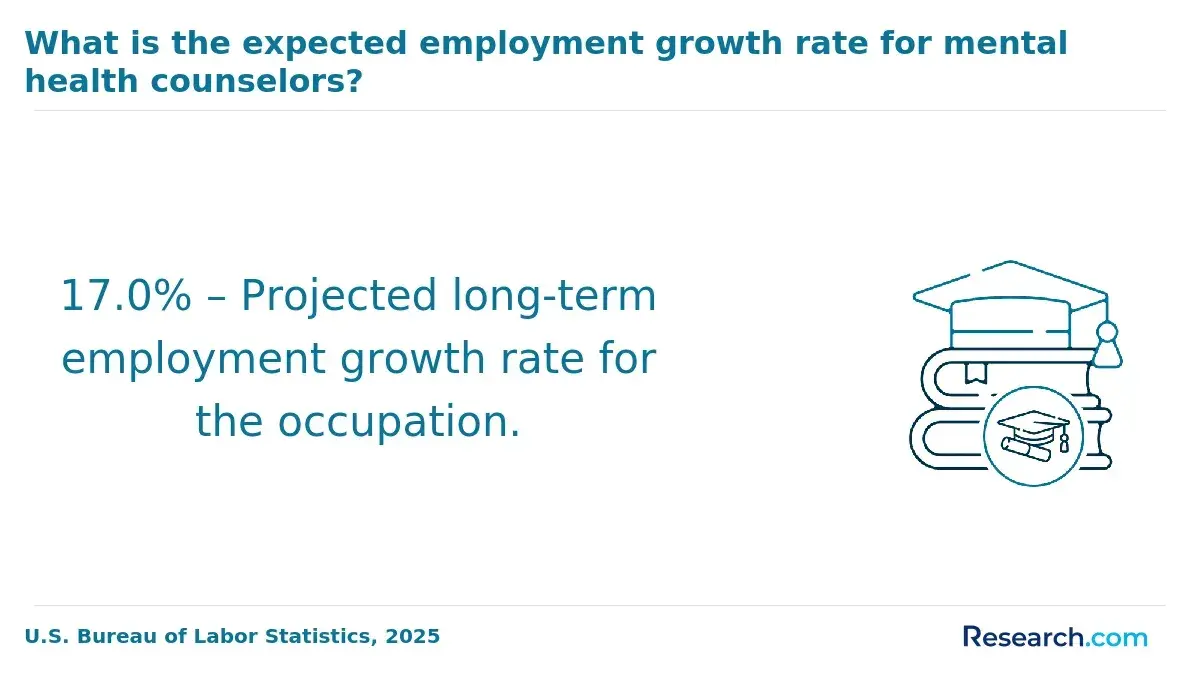
Lastly, reflect on specializations that align with Texas workforce needs, such as school or addiction counseling, where graduates report high job satisfaction and optimism about the growing 17% demand projected by the Texas Workforce Commission.

How do you choose the best online counseling degree in Texas?

What career paths are available for online counseling degree students in Texas?

Graduates with an online counseling degree in Texas benefit from diverse career options that align with the state's growing needs. Many alumni from well-regarded institutions like the University of Texas and Texas A&M University have found fulfilling roles as Licensed Professional Counselors (LPCs), providing therapy to individuals and families. These positions often involve supervised clinical hours, giving graduates meaningful, hands-on experience addressing mental health challenges.

School counseling is another popular path, with Texas online counseling degree job opportunities including roles as Licensed Specialists in School Psychology (LSSP) or certified public school counselors. Graduates frequently share how rewarding it is to support students' academic and emotional growth, a vital service urged by the Texas Education Agency's push for lower student-to-counselor ratios.

Those focused on family dynamics pursue certification as Marriage and Family Therapists (LMFT), helping clients strengthen relationships. Substance abuse counseling also attracts graduates passionate about community impact, responding to high demand for Certified Substance Abuse Counselors (CSAC) across rehabilitation centers. For further advancement, some consider a phd in one year, accelerating specialized expertise and career prospects.

What is the job market for online counseling degree in Texas?

The job market for online counseling degree graduates in Texas is strengthening, driven by increasing demand across diverse settings such as schools, healthcare facilities, and private practice. Graduates from well-regarded universities in Texas report smooth transitions into roles like school counselors or mental health counselors, benefiting from the state's expanded access to behavioral health services. This dynamic is particularly encouraging for those pursuing online counseling jobs in Texas, where a 15% projected employment growth signals robust opportunities ahead.

Many Texas-based counseling graduates appreciate the flexibility of online degree programs offered by renowned institutions, which also provide competitive tuition. This affordability often compares favorably with other regions, making the state an appealing choice for prospective students. Those considering where to study may explore options through resources like the cheapest regionally accredited online colleges to find programs that balance cost and quality effectively.

Graduates frequently highlight the rewarding nature of their careers, noting median salaries around $49,000 for behavioral health counselors and $58,000 for school counselors in Texas. Opportunities are generally more abundant and lucrative in urban centers such as Houston and Dallas, reinforcing the positive Texas counseling degree career outlook for motivated individuals ready to serve their communities.

Frequently Asked Questions About counseling

How can online counseling degree students in Texas maximize their learning experience?

Students pursuing online counseling degrees in Texas can enhance their learning by actively engaging with course materials and participating in virtual discussions. Research from the Texas Higher Education Coordinating Board underscores the importance of consistent interaction with instructors and peers for academic success. Utilizing available digital resources and counseling simulations helps develop practical skills crucial for licensure.

Joining local or state counseling organizations, such as the Texas Counseling Association, provides networking opportunities and professional development. Students should also seek internships or practicum placements within Texas to gain supervised, hands-on experience required by the Texas State Board of Examiners of Professional Counselors.

What are the emerging niches within the counseling field?

Emerging niches within the counseling field reflect the evolving needs of diverse populations and new social challenges. In Texas, specialties such as telehealth counseling have expanded rapidly, driven by increased demand following the COVID-19 pandemic. According to the Texas Behavioral Health Executive Council, teletherapy services increased by over 35% between 2020 and 2023.

Other growing areas include trauma-informed counseling and addiction recovery, responding to rising substance use rates in the state. School counseling with a focus on mental health also remains critical as Texas schools address student well-being post-pandemic. Additionally, career counseling integrating digital skills guidance is gaining traction due to the evolving job market.

Online counseling degrees now often offer specializations in these emerging fields, enabling students to meet Texas's specific workforce needs effectively.

How to prepare for the job market after completing online counseling degree in Texas?

After completing an online counseling degree in Texas, job market preparation is essential to ensure a smooth transition into the profession. First, obtaining licensure from the Texas Behavioral Health Executive Council (BHEC) is crucial. Most counseling roles require the Licensed Professional Counselor (LPC) credential, which involves passing the National Counselor Examination and completing supervised clinical hours.

Networking is also vital. Joining state associations like the Texas Counseling Association provides valuable connections and job leads. Additionally, gaining experience through internships or volunteer work enhances practical skills and employability.

Staying informed about Texas-specific salary trends is helpful. According to the U.S. Bureau of Labor Statistics, the average annual wage for counselors in Texas is around $50,000, with demand expected to grow by 21% through 2031.

What are the top skills employers look for in counseling degree graduates in Texas?

Employers in Texas consistently seek counseling graduates who demonstrate strong interpersonal and communication skills. These skills enable counselors to build trust and effectively engage with diverse clients. According to the Texas Behavioral Health Executive Council, cultural competency is particularly valued due to Texas's diverse population, ensuring counselors can address various backgrounds respectfully.

Critical thinking and ethical decision-making are also essential, as counselors must navigate complex client situations while adhering to state regulations. Familiarity with evidence-based practices and treatment planning enhances a candidate's appeal, aligning with standards from the National Board for Certified Counselors. Finally, proficiency in telehealth technologies is increasingly important given the rise of online and remote counseling services in Texas.

How to find internships in Texas relevant to a counseling degree?

Finding internships in Texas relevant to a counseling degree involves several strategic steps. Start by connecting with your university's career services and counseling department, which often have partnerships with local clinics and mental health organizations. Texas boasts a strong community mental health system, providing many internship opportunities geared toward counselors in training.

Online platforms like Handshake and USAJOBS list internships and entry-level counseling positions. Additionally, exploring the Texas Counseling Association's resources can help identify internships aligned with state licensure requirements. Texas law mandates specific supervised experience hours, so securing internships through accredited programs is crucial.

Finally, networking at state conferences and reaching out to licensed counselors in Texas increases chances of finding quality placements.

How does a online counseling degree influence career mobility and advancement in Texas?

Obtaining an online counseling degree in Texas significantly enhances career mobility and advancement opportunities. The Texas Workforce Commission reports that employment for mental health counselors in Texas is projected to grow by 19% from 2020 to 2030, faster than the average for all occupations.

Graduates with an online counseling degree are eligible for licensure as Licensed Professional Counselors (LPCs) in Texas, a crucial credential for career progression. This licensure allows counselors to practice independently, open private practices, or pursue leadership roles in agencies.

Additionally, online programs often incorporate flexible scheduling, enabling working professionals to advance without interrupting their current careers. Accredited online degrees from Texas institutions are widely recognized by employers, improving job prospects across various settings such as schools, hospitals, and community organizations.

How does studying for a counseling degree in Texas prepare for interdisciplinary roles?

Studying for a counseling degree in Texas equips students with skills relevant to various interdisciplinary roles by emphasizing collaboration across healthcare, education, and social services. Texas counseling programs accredited by the Council for Accreditation of Counseling and Related Educational Programs (CACREP) integrate coursework in psychology, human development, and crisis intervention, preparing graduates to work alongside professionals such as social workers, educators, and medical staff.

Texas ranks among the states with a growing demand for mental health professionals, as reported by the Texas Workforce Commission. This trend encourages programs to incorporate training in diverse settings, fostering adaptability. Additionally, clinical practicum experiences often occur in multidisciplinary environments, strengthening students' abilities to communicate and coordinate care effectively.

Overall, Texas online counseling degrees focus on comprehensive education, reflecting regional workforce needs, and facilitating readiness for teamwork within complex systems.

How to choose between a thesis and a non-thesis counseling degree program in Texas?

When choosing between a thesis and a non-thesis online counseling degree in Texas, consider your career goals first. Thesis programs typically focus on research, preparing students for doctoral studies or roles in academic and clinical research environments. Non-thesis programs emphasize practical skills and field experience, aligning more closely with immediate clinical practice.

Texas has strict licensing requirements for Licensed Professional Counselors, which both paths can fulfill if the program is accredited. According to the Texas State Board of Examiners of Professional Counselors, completing 60 semester hours including supervised practicum is required for licensure regardless of program type.

Cost and time are also factors; thesis programs often take longer due to research demands. Check specific program details to ensure they meet Texas licensing and education standards.

What options do students based in Texas have for studying counseling abroad?

Students based in Texas seeking online counseling degrees from foreign institutions face limited direct options due to accreditation and licensure requirements. Most counseling programs recognized in Texas must comply with the Texas State Board of Examiners of Professional Counselors standards, which typically favor regionally accredited U.S. schools.

For studying abroad online, Texas students often enroll in American universities offering international online programs or participate in exchange programs with foreign universities that align with U.S. licensure standards. This ensures credits can transfer and meet licensure criteria.

According to the Texas Higher Education Coordinating Board, counseling degrees must meet specific supervised practice hours and curriculum guidelines to qualify for Texas licensure. Hence, students should carefully verify any foreign program's eligibility before enrolling.

What part-time job opportunities in Texas can complement counseling degree education?

In Texas, several part-time job opportunities can enhance your education while pursuing an online counseling degree. Roles such as mental health technician, behavioral health aide, or case manager assistant enable students to gain hands-on experience. These positions often involve working directly with clients under supervision, which aligns well with coursework and practicum requirements.

According to the Texas Workforce Commission, the demand for mental health professionals is growing rapidly, with a 15% increase expected through 2030. Part-time work in community health centers or nonprofit organizations also provides valuable exposure to diverse client populations, strengthening essential counseling skills.

What are the networking opportunities for online counseling students in Texas?

Online counseling students in Texas have various networking opportunities to enhance their professional growth. Many Texas universities offering online degrees provide virtual events, webinars, and discussion boards where students connect with peers and faculty. These platforms allow sharing experiences and resources in real time.

In addition, students can join state-level professional groups such as the Texas Counseling Association (TCA), which offers conferences and workshops in both in-person and virtual formats. Membership in TCA facilitates networking with licensed professionals and supervisors across Texas.

Local chapters of national groups like the American Counseling Association also provide online forums and mentorship programs accessible to students throughout Texas. These opportunities help build professional relationships crucial for licensure and employment.

How do alumni networks benefit online counseling degree students in Texas?

Alumni networks play a significant role in supporting online counseling degree students in Texas by providing valuable professional connections. Graduates often share job leads, internship opportunities, and advice on licensure requirements specific to Texas, such as LPC (Licensed Professional Counselor) criteria set by the Texas Behavioral Health Executive Council.

These networks foster mentorship, allowing students to connect with experienced counselors who understand the local job market and regulatory environment. According to the Texas Counseling Association, such mentorship can increase employment chances and professional growth.

Moreover, active alumni groups often hold workshops and networking events online, which helps students develop practical skills and stay informed about industry trends within Texas.

How can I customize my online counseling degree program in Texas to fit my career goals?

Customizing an online counseling degree in Texas mainly involves selecting electives and specializations that align with your career goals. Many Texas universities offer options such as clinical mental health, marriage and family therapy, or school counseling tracks. Choosing accredited programs recognized by the Texas State Board of Examiners of Professional Counselors is essential for licensure and career mobility.

Texas requires 48 to 60 credit hours for a master's in counseling, often including supervised internships. Students can tailor these practicum experiences to work with populations or settings they wish to join, such as substance abuse or child counseling.

Additionally, flexible course schedules and online formats allow working professionals to balance study with employment.

What are the typical challenges that online counseling students in Texas are facing?

Online counseling students in Texas often face significant challenges balancing coursework with personal and professional responsibilities. Many programs require rigorous study alongside practicum hours under supervision, which can be difficult to arrange remotely. According to the Texas Board of Examiners of Professional Counselors, securing local internships that meet state licensure requirements is a common hurdle for distance learners.

Technical issues also pose challenges. Reliable internet access is essential for participating in live lectures and submitting assignments on time. Students in rural Texas may experience connectivity problems, affecting their engagement and performance.

Moreover, the lack of in-person interaction can limit peer support and networking opportunities, impacting skill development and professional relationships. Mental health concerns have reportedly increased among online students during their studies, emphasizing the need for accessible counseling and academic support services.

What professional certifications can I pursue with a online counseling degree?

With an online counseling degree in Texas, graduates can pursue several professional certifications to advance their careers. One common credential is the Licensed Professional Counselor (LPC) license, which requires completing supervised clinical hours and passing the National Counselor Examination. According to the Texas Behavioral Health Executive Council, LPCs provide mental health counseling statewide.

Other certifications include the Licensed Marriage and Family Therapist (LMFT) and Licensed Psychological Associate (LPA). These credentials also require specific education, supervision, and exams. Various certification options exist depending on specialization, such as substance abuse counseling or school counseling.

Obtaining these licenses generally enhances job prospects and credibility in Texas's growing counseling industry.

How to write a winning application for a online counseling program in Texas?

Writing a winning application for an online counseling program in Texas requires careful preparation and attention to detail. Start by thoroughly researching programs accredited by the Council for Accreditation of Counseling and Related Educational Programs (CACREP), as Texas licensing authorities recognize this credential.

Highlight relevant experience in helping professions and demonstrate your understanding of counseling ethics, especially Texas-specific rules found through the Texas State Board of Examiners of Professional Counselors. Personal statements should clearly convey your motivation for counseling and commitment to serving diverse populations.

Strong letters of recommendation from supervisors or professors familiar with your work add credibility. Finally, meet all deadlines and submit transcripts from accredited U.S. institutions to ensure your application is complete and competitive.

What are the global perspectives on a counseling career?

Globally, counseling is recognized as a vital profession supporting mental health and well-being. In the United States, including Texas, the demand for qualified counselors continues to grow due to increasing awareness of mental health issues. According to the Texas Workforce Commission, counseling jobs in Texas are expected to grow by 22% through 2030, reflecting national trends.

Mental health standards and licensure differ internationally, but the core skills of active listening and empathy remain universal. Texas online counseling degrees prepare students to meet U.S. licensure requirements, ensuring they are competitive both statewide and within the broader American healthcare system.

International perspectives encourage culturally competent counseling, which is increasingly important in Texas's diverse populations. Students trained in Texas gain relevant skills to address multicultural and global mental health challenges.

How can I gain practical experience while studying for a online counseling degree in Texas?

Gaining practical experience while pursuing an online counseling degree in Texas is essential for licensure and skill development. Most accredited programs incorporate supervised internships or practicum hours, which can be completed in local clinics, schools, or community agencies. The Texas Behavioral Health Executive Council requires at least 3,000 supervised hours post-degree for Licensed Professional Counselors (LPC). However, students begin accumulating hours during their studies under qualified supervisors.

Many universities collaborate with Texas-based counseling centers to place students nearby. In addition, telehealth internships have grown, allowing remote supervised practice, which is often approved by licensing boards.

Networking with local professionals through organizations such as the Texas Counseling Association can also help secure fieldwork opportunities.

How do I choose the right concentration within a online counseling degree program in Texas?

Choosing the right concentration in an online counseling degree program in Texas depends on your career goals and interests. Common concentrations include clinical mental health, school counseling, marriage and family therapy, and substance abuse counseling.

Texas requires specific credentials for each counseling role, regulated by agencies like the Texas State Board of Examiners of Professional Counselors. For example, school counselors must meet standards set by the Texas Education Agency.

Consider job demand: Texas Workforce Commission reports a strong need for mental health counselors, especially in urban and rural areas. Align your concentration with growing fields for better employability.

Research licensure requirements carefully, as Texas mandates supervised hours varying by focus. Ensure the program offers courses approved for Texas licensing to avoid extra hurdles.

See What Experts Have To Say About Studying Counseling

Read our interview with Counseling experts

Meredith A. Rausch

Meredith A. Rausch

Counseling Expert

Associate Professor

University of Alabama

Charles Figley

Charles Figley

Counseling Expert

Kurzweg Distinguished Chair in Disaster Mental Health

Tulane University

Do you have any feedback for this article?

Related Articles
2026 Fastest Way To Become a Counselor in New York thumbnail
Careers AUG 19, 2026

2026 Fastest Way To Become a Counselor in New York

by Imed Bouchrika, PhD
2026 How to Become a Licensed Counselor (LPC) in Massachusetts thumbnail
Careers AUG 19, 2026

2026 How to Become a Licensed Counselor (LPC) in Massachusetts

by Imed Bouchrika, PhD
2026 LPC Counseling Licensure Requirements in Arkansas thumbnail
Degrees AUG 20, 2026

2026 LPC Counseling Licensure Requirements in Arkansas

by Imed Bouchrika, PhD
2026 How to Become a Licensed Therapist (LPC) in Richmond, VA thumbnail
Careers AUG 19, 2026

2026 How to Become a Licensed Therapist (LPC) in Richmond, VA

by Imed Bouchrika, PhD
2026 How to Become a Substance Abuse Couselor in Boise, ID: Requirements & Certification thumbnail
2026 Most Affordable Online Master’s in Substance Abuse Counseling Degrees thumbnail