2027 Most Affordable Counseling Degree Programs Ranking in Dallas

Co-Founder and Chief Data Scientist
If you're thinking about starting a counseling degree in Dallas, this article is here to help. The 2027 Most Affordable Counseling Degree Programs Ranking in Dallas was carefully created by the Research.com team of data scientists to guide you through your options.
Choosing the right program can feel overwhelming, but understanding affordability alongside quality makes the decision easier. A counseling degree opens doors to meaningful careers helping others, and this ranking highlights programs worth considering. Dive in to find a program that fits your goals and budget, setting you up for success in a rewarding field.
Key benefits of getting counseling degree in Dallas
- Counseling degree graduates in Dallas can expect competitive salaries, such as Addiction Counselors earning about $60,080 annually, Rehabilitation Specialists around $48,430, and Community Outreach Coordinators approximately $54,020.
- Graduates from Dallas colleges often pursue varied careers including family support work, addiction counseling, and community outreach, allowing for meaningful work that positively impacts lives.
- Online counseling degrees from Dallas universities offer flexibility for busy students, enabling them to balance work and study while gaining skills that open doors to rewarding careers.
- Key benefits of getting counseling degree in Dallas
- What can I expect from counseling degree in Dallas?
- Where can I work with counseling degree in Dallas?
- How much can I make with counseling degree in Dallas?
- 2027 Most Affordable Counseling Degree Programs Ranking in Dallas
- Key Findings
- How long does it take to complete counseling degree in Dallas?
- What's the difference between online and on-campus counseling degree?
- What is the average cost of counseling degree in Dallas?
- What financial aid is available to counseling degree students in Dallas?
- What are the prerequisites for enrolling in counseling degree program in Dallas?
- What courses are typically in counseling degree programs in Dallas?
- What types of specializations are available in counseling degree programs in Dallas?
- How do you choose the best counseling degree in Dallas?
- What career paths are available for counseling degree students in Dallas?
- What is the job market for counseling degree in Dallas?
- Top Trending Counseling Rankings
- See What Experts Have To Say About Studying Counseling
What can I expect from counseling degree in Dallas?
Students pursuing counseling degrees in Dallas often wonder about the financial investment involved. On average, a master's degree in counseling here can cost between $15,000 and $35,000 in tuition, depending on whether you choose a public institution like the University of Texas at Dallas or a private school such as Dallas Baptist University. Many graduates recall balancing part-time jobs or securing scholarships to manage expenses, making their journey feel both challenging and rewarding.
For those eager to embrace hands-on learning, the cost also includes practical experiences-supervised clinical hours required for licensure-that add immense value beyond the classroom. The excitement of applying theory to real-world situations with diverse clients in Dallas's vibrant communities often makes these costs feel like worthwhile investments.
Additionally, graduates often highlight the supportive networks found within local organizations and campuses, making the financial commitment feel like part of an adventure toward a meaningful career. This blend of cost and opportunity creates a dynamic path uniquely suited for counselors ready to engage with the rich cultural tapestry of Dallas.
Where can I work with counseling degree in Dallas?
With a counseling degree in Dallas, the career paths feel like an open map full of exciting destinations. Graduates from institutions like the University of North Texas at Dallas or Southern Methodist University often find themselves stepping into mental health clinics or hospital settings, such as Baylor Scott & White Health, where they guide individuals through personal challenges-sometimes in group therapy sessions that transform lives.
Others discover the rewarding world of school counseling within Dallas Independent School District, helping students navigate their academic and emotional journeys. Imagine supporting a high schooler managing stress or guiding a college student at Dallas College through career decisions-the impact is deeply fulfilling.
Community nonprofits also call to graduates passionate about making a difference, offering roles in agencies supporting veterans or survivors of trauma. Those adventurous counselors often say that working in corporate wellness programs at giant Dallas companies like AT&T brings an exciting, fresh way to promote mental health in professional environments.
For those drawn to independence, earning a Licensed Professional Counselor credential means opening a private practice door-creating a direct, personal space to offer support and witness transformations firsthand.
How much can I make with counseling degree in Dallas?
Graduates with counseling degrees from institutions like the University of Texas at Dallas or Dallas Baptist University often find themselves navigating a landscape filled with promising salary opportunities. For instance, a Rehabilitation Specialist in Dallas earns around $48,430 annually, which reflects the practical skills and dedication honed during their studies. Imagine stepping into a community outreach role, where the mean annual wage is about $54,020-this career path brings not only financial stability but also a heartfelt connection to the people you serve.
For those drawn to specialized roles, becoming an Addiction Counselor offers an even more rewarding prospect, with average salaries near $60,080. Many graduates recall their clinical experiences, where they realized how vast the field is and how these numbers represent meaningful impacts on others' lives.
Meanwhile, Family Support Workers also earn roughly $54,020 per year, combining fulfilling work with a dependable income. These figures mirror what many Dallas counseling graduates experience as they embrace their roles, confident that their degree opens doors to both personal growth and financial rewards.
2027 Most Affordable Counseling Degree Programs Ranking in Dallas
How do we rank schools?
Investing in your education is a significant decision that can shape your future, and the Research.com team understands the importance of making informed choices. To assist prospective students in Dallas, we have meticulously crafted the "2027 Most Affordable Counseling Degree Programs Ranking in Dallas." Our commitment to quality, credibility, and accuracy is reflected in the extensive research and analysis conducted to compile this ranking.
We utilized the following reputable data sources to ensure a comprehensive evaluation of counseling programs:
By exploring this ranking, readers will gain valuable insights into the most affordable and credible counseling degree programs available in Dallas, empowering them to make well-informed decisions about their educational journeys. For more details on our methodology, please visit our Research.com methodology page.
# 1 position
University of North Texas at Dallas
Master of Science in Clinical Mental Health Counseling


# 5 position
Dallas Theological Seminary
Master of Arts in Counseling (MAC)

Key Findings
- Counseling degrees in Dallas typically take two to three years of graduate study, including supervised clinical practice.
- Public universities charge between $10,000 and $20,000 per year for in-state graduate students, while private schools can cost over $25,000 annually.
- Students should expect to spend around $30,000 to $60,000 for a full counseling degree.
- Entry-level counselors earn about $45,000 to $50,000 annually, with mid-career salaries ranging from $55,000 to $70,000.
- Dallas has a higher-than-average demand for mental health counselors, with job growth above the national average.
- Counseling programs accredited by CACREP help meet licensure requirements in Texas, including supervised hours and state exam completion.
How long does it take to complete counseling degree in Dallas?
If you're setting out on the exciting path to a counseling degree in Dallas, expect your journey to unfold over several vibrant stages. Many students begin with a bachelor's degree, typically at universities like the University of Texas at Dallas or Dallas Baptist University, investing around four years to build a solid foundation in psychology and counseling basics.
Graduates describe the master's degree experience as an intense yet rewarding adventure-lasting from 2 to 3 years, depending on if you choose a full-time schedule or a part-time route to balance life commitments. CACREP-accredited programs here often include hands-on practicum, where you start testing your counseling skills in real-world settings, which might extend your studies but enrich your growth. Some peers who are eager to dive deeper have found accelerated options shaving this time to as little as 18 months, fueling their passion faster.
After the degree, the real-world magic begins with about two years of supervised clinical hours-3,000 hours to be exact-where alumni feel their skills blossom through practical experience, preparing for licensure.
For those ready to push boundaries, pursuing a doctoral degree in Dallas can be a thrilling 4 to 7-year commitment, opening doors to academic or advanced clinical roles.
What's the difference between online and on-campus counseling degree?
Choosing between online and on-campus counseling degrees in Dallas feels like stepping into two distinct yet equally rewarding worlds. Graduates from Southern Methodist University recall the energizing pulse of in-person classes, the quick feedback from professors, and spontaneous hallway chats that spark fresh ideas. On-campus life offers the thrill of face-to-face networking and immediate immersion in campus culture.
Meanwhile, graduates of Texas Woman's University treasure the flexibility of online programs, balancing family, work, and study with ease. For them, logging into virtual lectures from home means carving out their own rhythm-a freedom many find empowering. Yet, both paths share the excitement of clinical placements, where students dive into real-world practice. Online learners arrange local internships, discovering new communities across Dallas, while on-campus peers benefit from university-facilitated clinical sites close by.
Whether navigating campus corridors or digital platforms, Dallas students embrace distinct experiences shaped by their lifestyles and aspirations.
What is the average cost of counseling degree in Dallas?
Curious about the average counseling degree cost in Dallas? Prospective students embarking on this journey often encounter a median total tuition around $58,926, with in-state residents benefiting from slightly lower costs near $40,190. Graduates from popular Dallas universities often share stories about balancing these expenses with the excitement of hands-on practicum experiences and the rewarding connections made along the way.
Exploring affordable counseling programs Dallas Texas reveals a variation influenced by residency and program level. Bachelor's degrees at local public universities might hover between $9,000 and $12,000 annually for Texas residents, making them accessible entry points. Master's degree seekers, particularly those aiming for Licensed Professional Counselor certification, typically see total tuition investments ranging from $15,000 to $30,000, depending on the institution and course length.
A master's graduate from Texas A&M University-Commerce recalls how the tuition aligned closely with state averages, highlighting that financial aid and scholarships can significantly lighten the financial load. Across Dallas, doctoral counseling candidates may face tuition costs climbing anywhere from $30,000 to $60,000 in total, but they also enjoy profound academic and personal growth opportunities.
Students ready to dive into their counseling education will find that extra expenses like textbooks and licensing exams also frame the full picture. For those weighing options, considering the best accelerated associates degree routes might open new pathways to funding and completing their degrees faster, amplifying both savings and excitement on this educational adventure.
What financial aid is available to counseling degree students in Dallas?
Imagine walking through the halls of a Dallas university known for its counseling program, where many graduates share how federal student aid transformed their journey. By completing the FAFSA, students unlock Pell Grants-sometimes covering up to $7,395 annually-lifting a heavy financial weight off their shoulders. This grant, perfect for undergraduates juggling costs in Texas, is a lifeline that many find truly empowering.
At institutions like those in Dallas, state aid through THECB's TEXAS Grant also plays a starring role. Qualifying residents can receive up to $6,000 a year, which means more time focusing on studies and less on bills. Graduates often recall how these funds felt like a personal partnership with the state, supporting their ambitions.
Beyond government help, scholarships abound from Dallas colleges rewarding passion and excellence, especially for mental health and social services majors. Graduate assistantships, offering tuition waivers and stipends, bring not only financial relief but also enriching teaching experiences, a combo many students found thrilling.
Professional groups like the Texas Counseling Association add another layer of support-scholarships acknowledging dedication and need. For those balancing jobs and classes, flexible study options offered by Dallas schools create the perfect space for growth without financial strain.
What are the prerequisites for enrolling in counseling degree program in Dallas?
To dive into a counseling degree in Dallas, you'll need to start with the basics: a high school diploma or GED opens the door for undergraduate programs. Many graduates from places like the University of North Texas Health Science Center recall how having that foundational credential made their journey feel both exciting and possible.
For those embarking on a master's adventure, holding a bachelor's degree from an accredited university is essential. It doesn't always need to be psychology, but graduates often found that having related coursework helped them connect theory to real people's stories faster. Imagine walking into your first graduate seminar at a Dallas college feeling prepared because of those prior classes-that confidence really sets you apart.
Dallas universities typically ask for standardized test scores like the SAT or ACT for undergraduates, though many are embracing test-optional policies, adding a fresh breeze of openness to the process. On the graduate side, some programs ask for the GRE, yet they sometimes waive it if your GPA or experience shines brightly.
Maintaining a GPA around 2.5 to 3.0 is common; graduates from popular programs often recall how a 3.0 minimum gave them a solid platform to grow intellectually and spiritually. Alongside grades, personal statements, recommendation letters, and meaningful volunteer work in counseling environments really bring applications to life, painting a picture of your passion and readiness.
To top it off, some Dallas schools require background checks and fingerprinting, especially for hands-on clinical experiences-a small step that many found reassuring as it reinforced their commitment to ethical counseling practice.
What courses are typically in counseling degree programs in Dallas?
Diving into a counseling degree in Dallas means exploring a rich variety of courses designed to shape compassionate, skilled professionals. Graduates from popular local colleges often recall their immersive journey through foundational subjects like Introduction to Counseling Theory and Practice and Human Growth and Development, where they began understanding client needs from a deeply human perspective.
Many students find the course on Multicultural Counseling especially eye-opening, reflecting Dallas's vibrant diversity. This class challenges learners to embrace different cultural backgrounds, making real those moments when they later helped clients from various communities.
Others highlight classes such as Counseling Ethics and Professional Issues, where they confronted real-life dilemmas, preparing them to act responsibly in their future careers. Practical courses like Group Counseling Techniques and Career Development and Counseling allow hands-on practice, simulating scenarios often encountered in Dallas-area schools or clinics.
Internships connected to these courses let students from institutions like Texas Woman's University or the University of North Texas at Dallas earn supervised hours, translating classroom lessons into meaningful client interactions filled with growth and empathy.
What types of specializations are available in counseling degree programs in Dallas?
Students diving into counseling degree specializations in Dallas find an exciting spectrum tailored to various passions and community needs. Imagine walking the halls of a well-known Dallas college, where graduates describe how Clinical Mental Health Counseling prepared them to empathize deeply with clients facing emotional hurdles, while others share the rewarding challenges of School Counseling, guiding K-12 students through their academic and social journeys. Marriage and Family Therapy enthusiasts often recall transformative classroom discussions about relationships and systemic healing that felt instantly applicable to real-world situations around Dallas.
The thrill of tackling substance misuse locally makes Substance Abuse Counseling a sought-after path, reflecting Texas's efforts to heal its communities. Then there's Rehabilitation Counseling, where students witness profound moments as individuals with disabilities regain independence and hope. Dallas counseling graduate program options like these not only broaden skillsets but spark genuine enthusiasm among students eager to make a difference. Many find themselves inspired to explore diverse routes-much like those curious about what's the easiest phd to get-embracing discovery as part of their counseling journey.
How do you choose the best counseling degree in Dallas?
Diving into the journey of choosing the best affordable counseling degrees Dallas has to offer means tuning into the details that make each program unique. Graduates from notable Dallas universities often share how crucial it was for them to confirm program accreditation by CACREP, ensuring their degrees carried weight in real-world licensing and job searches. Imagine stepping into a classroom at a well-known Dallas college where mental health counseling blends seamlessly with immersive fieldwork-this hands-on approach sparks confidence and readiness.
When exploring top counseling programs cost Dallas becomes a lively topic among students balancing tuition fees with the desire for quality education. Some found public universities far friendlier on their wallets, while others embraced the richer specializations at private colleges despite higher tuition. One graduate fondly recalls how a program's internship placement connected them to local Dallas community agencies, turning theory into impactful practice.
For those curious about how earning a counseling degree fits into a broader career and financial plan, exploring what 4 year degree makes the most money offers valuable insight. The adventure of finding your perfect program here in Dallas is fueled by choosing courses that align with licensure standards and your passion for making a difference.
What career paths are available for counseling degree students in Dallas?
Graduates exploring counseling career opportunities in Dallas often find themselves drawn to roles as licensed professional counselors (LPCs) in vibrant clinical settings like private practices or community health centers. Many recall their time studying at popular Dallas universities, where hands-on experiences with local hospitals helped them feel prepared for real-world challenges. These graduates thrive on providing therapy and crisis intervention, witnessing firsthand the positive impact they make in people's lives.
Others discover specializations that align with their passions, such as school counseling or marriage and family therapy, responding to the Dallas Independent School District's growing need for dedicated professionals. Engaging with students to support their social-emotional growth often becomes one of the most rewarding parts of their journey toward Dallas counseling degree job prospects.
Some embrace diverse roles beyond traditional therapy, like rehabilitation counseling or community outreach, fueled by connections made during their studies. For those mindful of education costs, universities here offer economical paths, and reviewing colleges with low tuition programs that accept fafsa has helped many maintain balance while pursuing their dreams.
What is the job market for counseling degree in Dallas?
The job market for counseling degree graduates in Dallas is dynamic and inviting. Many graduates from Dallas universities find themselves stepping into roles within hospitals, schools, and community programs, energized by expanding opportunities. Imagine joining a bustling outpatient mental health center or supporting local schools eager for skilled counselors-this is a common path for those fresh out of programs here.
The Dallas counseling career growth outlook is promising, with job openings fueled by a rising population and increased awareness about mental health. Graduates often share stories of how their education at renowned local colleges prepared them to confidently approach diverse counseling settings, from addiction recovery centers to corporate wellness initiatives. Salary prospects reflect this demand, with local wages slightly higher than many other regions, adding to the excitement of pursuing a counseling path.
Students exploring options might also consider an affordable online bachelor's degree to start their journey without overwhelming costs. The robust job market for counseling degree job opportunities in Dallas makes it a place where commitment and passion meet opportunity, igniting rewarding careers full of real-world impact.
Frequently Asked Questions About counseling
Students pursuing counseling degrees in Dallas can enhance their learning by engaging in hands-on experiences such as internships and practicum placements. Many Dallas universities partner with local clinics and community organizations, providing opportunities to apply theoretical knowledge in real-world settings. According to the Texas Workforce Commission, practical experience significantly improves employment outcomes for counseling graduates.
Active participation in study groups and professional counseling associations, like the Texas Counseling Association, also supports skill development and networking. Dallas hosts regular workshops and seminars tailored to mental health professionals, which can broaden students' understanding beyond textbooks.
Furthermore, taking advantage of Dallas's diverse population allows students to gain culturally competent counseling skills, a key criteria highlighted by the American Counseling Association for effective practice.
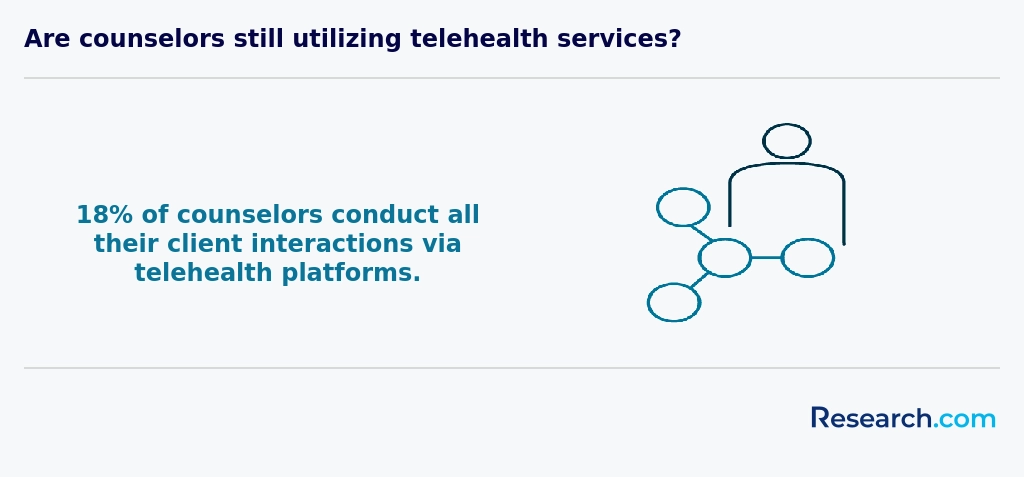
The counseling field is evolving with new specialties that reflect changing societal needs. In Dallas, emerging niches include teletherapy counseling, which has grown by over 30% nationally since 2020, allowing counselors to reach clients remotely. Another fast-growing area is trauma-informed counseling, responding to increased awareness of mental health post-pandemic. Career counseling focused on workforce changes and digital skills is also gaining importance, reflecting shifts in the Dallas job market.
Moreover, substance abuse counseling remains critical, particularly with rising opioid-related issues in Texas. Finally, multicultural counseling is expanding, given Dallas' diverse population, emphasizing culturally competent care. These niches offer promising career paths for Dallas-based counseling students. (Sources: Bureau of Labor Statistics, Texas Department of State Health Services)
Preparing for the job market after completing a counseling degree in Dallas involves several key steps. First, obtaining the Licensed Professional Counselor (LPC) certification is essential to practice independently in Texas. This requires passing the National Counselor Examination and completing supervised hours, typically around 3,000.
Networking is also crucial. Joining local professional organizations like the Texas Counseling Association can connect graduates with job opportunities in the Dallas-Fort Worth area, where counseling jobs are projected to grow by 18% through 2030 (BLS data).
Additionally, gaining practical experience through internships or volunteer work enhances a resume significantly. Dallas hosts many mental health agencies where candidates can build relevant skills.
Employers in Dallas seek counseling degree graduates who demonstrate strong communication and active listening skills. These abilities are essential for building trust with clients and understanding their needs. According to the Texas Workforce Commission, interpersonal skills rank among the top attributes for mental health professionals in the region.
Problem-solving and critical thinking are also highly valued, enabling counselors to develop personalized treatment plans. Familiarity with ethical guidelines and confidentiality practices is mandatory, ensuring compliance with state and federal laws.
Additionally, cultural competence is increasingly important in Dallas's diverse population, helping counselors provide sensitive and effective care to all clients.
Finding counseling internships in Dallas involves several strategic steps tailored to the local healthcare and educational landscape. Begin by exploring partnerships between universities and community organizations, as many counseling programs in Dallas have established connections with hospitals, schools, and nonprofit agencies.
Check listings on platforms like Handshake or Indeed, focusing on internships labeled for counseling or mental health students. The Texas Counseling Association and Dallas County Behavioral Health also provide resources and internship opportunities specific to the region.
Networking through local professional groups can further enhance chances, as Dallas hosts multiple counseling-related events and workshops annually, which are ideal for meeting supervisors and securing placements.
Universities often require students to complete internships to fulfill degree requirements, so coordinating with an academic advisor remains vital to align practical experiences with educational goals.
A counseling degree in Dallas significantly enhances career mobility and opportunities for advancement within the mental health sector. According to the Texas Workforce Commission, the Dallas metropolitan area has seen a 12% growth in demand for licensed professional counselors over the past five years, reflecting a strong job market.
Professionals with a master's or higher in counseling often qualify for licensure as Licensed Professional Counselors (LPCs), a requirement for many specialized roles. This credential opens doors to positions in schools, healthcare facilities, and private practice.
Higher qualifications also typically lead to increased salaries. The U.S. Bureau of Labor Statistics reports that counselors in Texas earn a median annual wage of approximately $50,000, with Dallas offering competitive salaries and advancement paths in clinical and administrative roles.
Strong professional networks and continuing education opportunities in Dallas further support career growth, making a counseling degree a valuable investment for both entry-level and experienced professionals.
Studying for a counseling degree in Dallas equips students with skills necessary for interdisciplinary roles by emphasizing collaboration across various health and social service fields. Dallas programs often include coursework in psychology, social work, and healthcare systems, preparing graduates to work alongside professionals such as medical providers, educators, and social workers.
According to the Texas Higher Education Coordinating Board, several Dallas institutions integrate field experiences that expose students to diverse settings, fostering adaptability and teamwork. This approach aligns with national trends advocating for counselors who can navigate complex care environments. Graduates are therefore ready to address multifaceted client needs in community agencies, schools, and healthcare facilities.
When choosing between a thesis and a non-thesis counseling degree program in Dallas, consider your career goals and learning preferences. A thesis program typically involves conducting original research, ideal for students interested in academic or clinical research careers. In contrast, non-thesis programs focus more on practical skills and coursework, which suits those aiming to enter counseling practice more quickly.
Dallas offers diverse counseling programs accredited by the Council for Accreditation of Counseling and Related Educational Programs (CACREP), ensuring quality education. According to the Texas Higher Education Coordinating Board, nearly 60% of counseling graduates in Dallas opt for non-thesis tracks due to their applied nature and faster completion times.
Cost and time commitment also matter. Thesis options may take longer and require more resources. Conversely, non-thesis programs often appeal to working professionals balancing study with employment.
Students based in Dallas who want to study counseling abroad have several pathways through U.S.-accredited exchange programs and partnerships with international universities. Texas universities often collaborate with institutions in Europe and Asia, allowing students to complete part of their counseling coursework overseas. This option benefits students by exposing them to diverse counseling techniques and cultures.
It is important to choose programs accredited by bodies like CACREP, ensuring that credits transfer back to Dallas institutions. According to the Texas Higher Education Coordinating Board, such programs help maintain licensure eligibility in Texas after graduation. Additionally, many Dallas students pursue study abroad during their master's degrees to gain global perspectives.
Financial aid and scholarships may be available for these international experiences, though students should research options early. Overall, studying counseling abroad can broaden practical skills while aligning with local licensure requirements.
Students pursuing counseling degrees in Dallas can benefit from part-time jobs that offer practical experience and relevant skills. Roles such as peer counselor, mental health technician, or case management assistant provide exposure to client interaction and support techniques. These positions often exist within universities, community centers, or nonprofits focused on mental health services.
The Dallas-Fort Worth area has a growing need for mental health professionals, with agencies like Metrocare Services frequently hiring part-time workers to support their programs. According to the U.S. Bureau of Labor Statistics, counseling job growth in Texas is projected at 22% from 2020 to 2030, reflecting strong local demand.
Additionally, working as a crisis hotline volunteer or in school counseling support can develop communication and assessment skills important for counseling careers. These roles complement educational learning by integrating theory with real-world challenges.
Counseling students in Dallas benefit from diverse networking opportunities essential for career growth. Many universities in the area, such as the University of Texas at Dallas and Southern Methodist University, host regular events and workshops that connect students with licensed professionals and alumni.
Local chapters of national organizations like the American Counseling Association (ACA) offer conferences and meetups in Dallas, fostering connections among students and practicing counselors. Additionally, Dallas houses multiple counseling centers and mental health clinics where internships and volunteer roles help students gain practical experience and professional contacts.
According to the Texas Counseling Association, Dallas has seen a 12% increase in counseling professionals over recent years, further enriching networking possibilities. These resources combined create strong community ties for aspiring counselors in the city.
Alumni networks play a crucial role in supporting counseling degree students in Dallas by providing valuable professional connections. Many Dallas-based counseling programs have active alumni groups that facilitate mentorship opportunities, helping current students navigate early career challenges.
These networks often share job leads and internship openings through organized events or online platforms. According to the Texas Counseling Association, Dallas alumni connections contribute significantly to graduate employment rates within six months post-graduation.
Additionally, alumni can offer guidance on local certification requirements and continuing education resources unique to Texas. This peer support helps students build confidence and stay informed about regulatory changes affecting counseling practice in Dallas.
Customizing a counseling degree program in Dallas allows students to align their education with specific career goals. Many universities offer concentrations such as marriage and family therapy, school counseling, or substance abuse counseling. This specialization can help tailor skills to local community needs.
Students can also choose elective courses focused on Dallas's diverse population, improving cultural competence. Practical experience options like internships or practicum placements at Dallas-area clinics or schools provide hands-on training vital for licensure.
Additionally, flexible program formats-online, evening, or hybrid classes-help working professionals balance study with other responsibilities while pursuing Texas state licensure requirements. Always verify program accreditation by CACREP to ensure quality education and eligibility for certification.
Counseling students in Dallas often face several challenges during their academic journey. One common issue is balancing rigorous coursework with required practicum or internship hours, which can reach 700+ clinical hours depending on the program. This demands significant time management skills, especially for those working part-time or managing family responsibilities.
Another challenge is financial strain. According to the Texas Higher Education Coordinating Board, the average graduate tuition for counseling programs in Dallas-area universities ranges from $10,000 to $20,000 annually, which can be burdensome without scholarships or financial aid.
Additionally, students encounter emotional stress due to exposure to clients' traumatic experiences during clinical placements. Programs emphasize self-care and supervision, but this remains a notable hurdle.
With a counseling degree in Dallas, graduates can pursue several key professional certifications to enhance their careers. The most common credential is the Licensed Professional Counselor (LPC), required to practice independently in Texas. This certification involves completing a master's degree, 3,000 hours of supervised experience, and passing the National Counselor Examination.
Other notable certifications include Certified Rehabilitation Counselor (CRC) and Licensed Marriage and Family Therapist (LMFT). According to the Texas Behavioral Health Executive Council, LPC holders in Dallas can expect strong employment growth projected at 23% through 2030, reflecting local demand.
Additional certifications vary by specialization, such as Substance Abuse Counselor certifications offered through Texas-specific programs.
Writing a successful application for a counseling program in Dallas requires careful preparation and clear presentation. Start by thoroughly researching programs accredited by the Council for Accreditation of Counseling and Related Educational Programs (CACREP), as many Dallas institutions, including University of North Texas at Dallas, offer these.
Highlight relevant experience and skills, such as volunteer work or internships in mental health settings, which strengthen your application. A well-written personal statement should clearly convey your motivation for pursuing counseling and your career goals, reflecting familiarity with the field.
Include strong letters of recommendation from professionals who know your academic or work performance. Pay attention to standardized test requirements-some Dallas programs may require GRE scores, while others do not.
Finally, meet all deadlines and double-check that your application materials align with the specific program's criteria to increase your chances of admission.
Counseling careers are increasingly recognized worldwide for their vital role in mental health and community support. In the United States, including Dallas, counseling professionals face growing demand, with the U.S. Bureau of Labor Statistics projecting a 22% growth rate for mental health counselors through 2031.
Globally, counseling standards vary, but U.S. degrees, especially those from accredited Dallas institutions, are highly respected. Many countries model their credentialing systems on U.S. practices, emphasizing licensed clinical counselors with master's degrees as the entry point. This creates opportunities for Dallas graduates to engage in international work or collaborations.
Furthermore, local organizations such as the Texas Counseling Association provide resources and certifications that align with global competencies. Students in Dallas benefit from training that addresses not only regional needs but also cross-cultural communication and ethical practices relevant worldwide.
In Dallas, gaining practical experience while pursuing a counseling degree is essential for career readiness and licensure. Many universities in the area incorporate supervised clinical practicum and internship opportunities as part of their counseling programs. These placements often occur in community mental health centers, schools, or hospitals, allowing students to apply theory to real-world situations.
The Texas Behavioral Health Executive Council requires counseling licensure candidates to complete at least 3,000 hours of supervised experience, with a portion obtained during graduate training. Local agencies such as the Dallas County Mental Health Authority frequently partner with universities to provide internships.
Additionally, students can engage in volunteer work or research projects affiliated with their schools to broaden their practical skills. Consulting university career services and academic advisors helps identify suitable placements aligned with state requirements and individual career goals.
Choosing the right concentration within a counseling degree program in Dallas depends on your career goals and interests. Common concentrations include clinical mental health, school counseling, and marriage and family therapy. Each focuses on different populations and settings.
Dallas has diverse needs; for example, school counselors are in demand due to growing student populations. According to the Texas Workforce Commission, counseling jobs in the Dallas area are projected to grow 16% by 2030, especially in mental health fields.
Consider accreditation and licensure requirements in Texas. Different concentrations lead to specific licenses, such as LPC (Licensed Professional Counselor) or LSSP (Licensed Specialist in School Psychology).
Research potential internship and practicum opportunities in your chosen field within Dallas to gain relevant experience before graduation.
Related Counseling Rankings for Nearby Cities
- 2027 Most Affordable Counseling Degree Programs Ranking in Denton
- 2027 Most Affordable Counseling Degree Programs Ranking in Houston
- 2027 Most Affordable Counseling Degree Programs Ranking in San Antonio
- 2027 Most Affordable Counseling Degree Programs Ranking in Lubbock
- 2027 Most Affordable Counseling Degree Programs Ranking in Springfield
- 2027 Most Affordable Counseling Degree Programs Ranking in New Orleans
- 2027 Most Affordable Counseling Degree Programs Ranking in Kansas City
- 2027 Most Affordable Counseling Degree Programs Ranking in Saint Louis
- 2027 Most Affordable Counseling Degree Programs Ranking in Montgomery
- 2027 Most Affordable Counseling Degree Programs Ranking in Nashville
Top Trending Counseling Rankings
See What Experts Have To Say About Studying Counseling
Read our interview with Counseling experts

Charles Figley
Counseling Expert
Kurzweg Distinguished Chair in Disaster Mental Health
Tulane University

References
- How to Find Therapist Jobs https://agentsofchangeprep.com/blog/how-to-find-therapist-jobs/
- Bringing the benefits of career counselling/guidance to youth https://euroguidance.eu/to-bring-the-benefits-of-career-counseling-guidance-to-the-youth
- Internship Opportunities | PCS https://pacounseling.com/internships/
- For Students - CACREP https://www.cacrep.org/for-students/
- 6 Therapy Niches to Consider for Your Practice - Talkspace https://www.talkspace.com/blog/therapy-niches/
- Where therapists work and what they do https://www.bacp.co.uk/careers/counselling-and-therapy-as-a-career/where-therapists-work-and-what-they-do/
- Counselor Salary https://onlinecounselingprograms.com/become-a-counselor/salary/
- Utilize Your Alumni Networks https://www.keg.com/news/ways-to-use-your-alumni-networks-for-the-better
- How Much Does a Therapist Cost in Dallas? - Noyau Wellness Center https://www.noyauwellnesscenter.com/news/how-much-does-a-therapist-cost-in-dallas
- Counseling Jobs in Texas: Your Guide to High-Paying Mental Health Jobs - Counseling Texas https://counselingtexas.org/jobs/