2027 Most Popular Computer Science Degree Programs Ranking in Hawaii

Co-Founder and Chief Data Scientist
Choosing the right computer science program can shape your future in exciting ways. For students in Hawaii, having clear guidance makes this decision easier and more confident.
This article introduces the 2027 Most Popular Computer Science Degree Programs Ranking in Hawaii, created by the Research.com team of data scientists. This ranking presents insightful data to help you discover which programs stand out and deserve your attention.
Reading this article will empower you to make informed choices, opening doors to rewarding career possibilities in technology.
Key benefits of getting computer science degree in Hawaii
- Salary benefits: Graduates with a computer science degree in Hawaii can expect competitive salaries like software engineers earning about $138,110 annually and web developers around $95,570, offering strong financial stability.
- Diverse career paths: A graduate from a popular Hawaii university can pursue roles in software development, IT support, or data analysis, opening many doors in the growing tech industry.
- Online degree advantages: Earning a computer science degree online provides flexibility and accessibility, allowing Hawaii students to balance studies with work or family while gaining valuable skills from a respected program.
- 2027 Most Popular Computer Science Degree Programs Ranking in Hawaii
- What can I expect from computer science degree in Hawaii?
- Where can I work with computer science degree in Hawaii?
What can I expect from computer science degree in Hawaii?
The average cost of obtaining a computer science degree in Hawaii can vary notably depending on the institution, with the University of Hawaii at Manoa being one of the most prominent choices. For in-state students, tuition and fees typically range around $12,000 to $14,000 per year, making it a relatively accessible option compared to many mainland universities. Graduates recall balancing tuition costs with the valuable faculty interaction fostered by a student-to-faculty ratio near 18:1, which enhances learning and mentorship opportunities.
Additional expenses such as housing and materials naturally factor into the overall investment, especially given Hawaii's higher cost of living. However, many students find that the unique Pacific region focus and robust internship pipelines through Honolulu's tech sector justify these costs. Alumni frequently express satisfaction with how their educational investment translated into meaningful career opportunities in cybersecurity, renewable energy tech, and healthcare innovation within the state's thriving startup environment.
Where can I work with computer science degree in Hawaii?
Graduates with a computer science degree from institutions like the University of Hawaii at Manoa often find rewarding career opportunities within the state's diverse economic sectors. Many secure stable roles in government agencies where they contribute to enhancing cybersecurity protocols, managing digital infrastructure, and developing software systems that support public services. These positions offer not only competitive benefits but also a strong sense of community impact.
Defense-related employment is another prominent path, especially given Hawaii's pivotal military installations. Graduates frequently join defense contractors or military IT departments, applying skills in network security and systems engineering-roles that demand precision and foster professional growth.
Additionally, emerging technology startups across Honolulu attract computer science alumni eager to innovate, working on projects like sustainable tourism apps or healthcare data platforms. This dynamic environment encourages creativity and real-time problem solving, creating fulfilling job experiences.
Healthcare systems such as Hawaii Pacific Health also hire graduates to develop electronic health records and data analytics solutions, demonstrating how technology improves patient outcomes locally.
Finally, academia and educational technology provide paths for graduates passionate about research or teaching, often at local colleges where their expertise supports evolving digital learning environments.
Graduates with a computer science degree in Hawaii typically enter the workforce with promising salary prospects reflective of both local industry demand and regional living costs. For example, entry-level IT Support Specialists can expect mean annual salaries around $63,640, while more advanced roles such as Software Engineers and Developers command significantly higher earnings, averaging $138,110 per year.
Data Analysts, another common career path for Hawaii-based graduates, earn approximately $119,040 annually. Web Developers in the state have mean salaries near $95,570, offering competitive pay within Hawaii's evolving tech sector. Graduates from well-regarded programs like the University of Hawaii at Manoa often secure positions locally or with mainland employers, benefiting from remote work flexibility that can increase earnings further.
Many graduates find satisfaction working on innovative projects in cloud computing or cybersecurity, where sustained employment growth and specialized skillsets translate to financial rewards and professional fulfillment in Hawaii's unique technology landscape.
- The University of Hawaii at Manoa is the main institution offering accredited computer science programs focused on software development, data structures, algorithms, and emerging technologies.
- In-state tuition and fees range from $12,000 to $14,000 per year, while out-of-state students pay more than double that amount.
- Living expenses in Hawaii are significantly higher than mainland states, increasing the overall cost of education.
- Starting salaries for computer science graduates average about $65,000 per year, with median earnings rising to $95,000-$110,000 after five to ten years.
- The job market is competitive due to the state's smaller size, with key employers including defense contractors, aerospace, healthcare tech, and local startups.
- Internships and connections with local businesses are important for gaining experience and improving job prospects in Hawaii's tech industry.
Completing a computer science degree in Hawaii typically requires about four years of full-time study at accredited institutions such as the University of Hawai'i at Mānoa. Graduates often reflect on a balanced academic journey that combines rigorous coursework with engaging campus experiences unique to Hawai'i's environment.
Students attending community colleges like Hawai'i Community College or Honolulu Community College may first earn an associate degree in approximately two years. Many find this pathway beneficial, as it allows them to build foundational skills before transferring to a four-year university, often reducing overall costs and easing the transition.
For those pursuing graduate studies, a master's degree in computer science generally takes around two years to complete. Some students balancing work and family responsibilities extend this to three or more years, appreciating flexible program structures designed to accommodate professional commitments.
Graduates consistently highlight the supportive academic culture and the relevance of their education to Hawaii's technology sector, which makes the duration and effort invested well worthwhile.
Below are the leading computer science programs based on popularity, outcomes, and industry connections:
- University of Hawaii at Mānoa: Offers a BS in Computer Science with dedicated research labs in artificial intelligence and cybersecurity.
- Hawaii Pacific University: Private program featuring small class sizes, mentorship from industry professionals, and strong internship pathways.
- Kapi‘olani Community College: Affordable two-year associate degree designed for seamless transfer into UH Mānoa’s four-year CS program.
- Chaminade University of Honolulu: Focuses on hands-on team projects, STEM scholarship opportunities, and close faculty support.
- Leeward Community College: Flexible scheduling, foundational coursework in programming and algorithms, plus transfer agreements with in-state universities.
For students interested in expanding their digital design skills, consider a game design bachelor degree online.
Online and on-campus computer science degrees in Hawaii differ mainly in learning environment and student experience. On-campus programs, such as those at the University of Hawaii at Manoa, provide hands-on access to computer labs, face-to-face faculty interactions, and a structured schedule that many graduates find helps maintain discipline and motivation. These students often value the vibrant campus life, including networking through clubs and research opportunities, which fosters a strong sense of community.
In contrast, online learners appreciate the flexibility to study remotely, balancing work or family commitments with coursework. Universities offering online computer science programs ensure access to video lectures, virtual labs, and interactive discussion boards, replicating classroom dynamics digitally. Graduates frequently highlight the convenience of saving on housing and commuting costs while still earning an accredited degree recognized in Hawaii's growing tech sector.
Cost-wise, both modes tend to be similarly priced in Hawaii, making the choice more about personal scheduling needs and learning preferences rather than finances. Each format aligns with industry standards, equipping students with relevant skills for the local job market.
Hawaii’s computer science programs maintain robust partnerships with industry leaders and local tech firms, ensuring students gain hands-on experience and professional mentorship before graduation. At the University of Hawaii at Manoa, for example, collaborations with companies like Boeing, Google Cloud, and Hawaiian Telcom support capstone projects and summer internships, with over 70% of undergraduates securing paid placements. Hawaii Pacific University’s career center works closely with startups in Honolulu’s innovation hub, organizing biannual career fairs that attract recruiters from cybersecurity, web development, and data analytics firms. Key benefits of these partnerships include:
- Structured Co-op Programs: Paid, credit-bearing co-ops lasting one to two semesters, often leading to full-time job offers.
- Research Internships: Opportunities to assist faculty on funded projects in areas such as machine learning and IoT, enhancing both technical skills and publication credentials.
- Mentorship Networks: Access to industry mentors through alumni associations and professional chapters like the Hawai‘i Tech Council, which facilitate mock interviews and resume reviews. To maximize internship success, students are encouraged to:
- Attend on-campus career workshops and hackathons.
- Leverage the university’s online portals for resume submission and interview scheduling.
- Engage with professional societies (e.g., ACM Hawaii, IEEE Hawaii Section) for networking events. For those exploring flexible, cost-effective routes to internships and professional growth, consider reviewing the Inexpensive Online Computer Science Degree Programs Ranking in Virginia, which highlights programs with strong industry ties and virtual internship placements.
The average cost of a computer science degree in Hawaii reflects both tuition and living expenses, which tend to be higher than the national average. For in-state students attending public universities like the University of Hawaii, the median total cost is approximately $12,186. Graduates often recount managing these costs alongside the demanding curriculum, appreciating the balance between quality education and Hawaii's unique lifestyle. Out-of-state students face considerably higher expenses, with median total costs around $53,169, demonstrating a substantial difference tied to residency status.
Hawaii computer science tuition and fees are influenced by factors such as program specialization and university type. Private institutions in the state may charge more, but they usually offer smaller class sizes and specialized tracks, which many students find advantageous for personalized learning. Alumni report that despite the upfront costs, investing in a computer science degree locally provides valuable connections within Hawaii's growing tech sector and opportunities geared toward STEM careers.
These financial demands are complemented by living expenses, which are some of the highest in the U.S., compelling students to budget carefully. Students considering affordability often research options like the cheapest computer science school in Hawaii, scholarships, and state-based aid programs available for Hawaii residents pursuing computer science degrees, ensuring access to quality education without excessive debt.
Hawaii’s computer science programs offer vibrant campus life and robust student support services, ensuring you thrive academically and socially. At the University of Hawaii at Mānoa, state-of-the-art computing labs and dedicated innovation hubs host weekly hackathons, coding clubs, and AI research seminars. Hawaii Pacific University complements its rigorous curriculum with mentorship programs, pairing freshmen with upper-class CS majors for peer tutoring and project collaboration. Brigham Young University-Hawaii emphasizes community through student organizations like Women in Tech and Cybersecurity Club, which organize guest lectures, workshops, and networking events. Beyond clubs, career centers across these institutions provide one-on-one résumé reviews, mock interviews, and internship placements with local tech firms. Many students have leveraged these resources to secure competitive jobs coding immediately after graduation. Academic advising offices guide course selection, helping you balance core requirements with specializations such as data science or game development. Counseling services and mindfulness programs support mental health, fostering resilience in high-pressure courses. Research opportunities are plentiful: faculty-led labs in machine learning and cybersecurity welcome undergraduates to contribute to grants and publications, while summer programs collaborate with Hawaii’s Department of Defense and biotech startups. On-campus tech incubators often award seed funding to student startups, blending entrepreneurship with practical coding experience. Additionally, community service initiatives let you apply programming skills to local challenges-developing mobile apps for nonprofit organizations or data-driven solutions for environmental conservation. By engaging with campus life and student support services, you’ll build strong technical skills, professional networks, and a supportive community-key ingredients for success in Hawaii’s dynamic computer science landscape.
Students pursuing a computer science degree in Hawaii benefit from a variety of financial aid options tailored to regional costs and educational goals. Federal aid, including Pell Grants up to $7,395 for the 2023-2024 academic year, provides vital support without repayment obligations, helping cover tuition costs at institutions such as the University of Hawaii system. Graduates recall how these grants eased their financial burden, allowing focus on challenging coursework and research.
State-specific programs, like the Hawaii Promise Program, offer need-based scholarships that substantially reduce tuition for residents attending local colleges. Many students have shared how these awards made elite programs at community colleges and four-year universities more accessible.
Institutional aid plays a crucial role too; merit-based scholarships reward academic excellence and leadership, while special funds support computing students showing potential. Work-study opportunities provide practical experience and income, often enabling students to remain engaged on campus without financial stress.
Furthermore, scholarships aimed at underrepresented groups and fellowships sponsored by the National Science Foundation encourage diversity and innovation in Hawaii's computer science community, reflecting a growing, supportive environment for future tech leaders.
Immersing yourself in the vibrant culture of Hawaii goes far beyond the classroom. For many computer science students, the overall campus experience-from engaging student organizations to networking events and community projects-plays a pivotal role in personal and professional growth. Institutions in Hawaii not only focus on rigorous academics but also foster a supportive environment where technology enthusiasts connect, collaborate, and celebrate the island’s rich cultural tapestry. Students frequently participate in hackathons, tech meetups, and cultural festivals, which provide practical insights and help build lasting professional networks. Moreover, those seeking budget-friendly options can explore programs like the cheapest computer science school in hawaii, where affordability meets quality education without compromising on campus engagement opportunities. This well-rounded approach ensures that graduates not only excel in technical skills but also develop the interpersonal and leadership abilities necessary for today's dynamic tech industry.
Applicants aiming to enroll in computer science degree programs in Hawaii must meet several important prerequisites to ensure readiness for the academic rigor. Most universities, including those within the University of Hawaii system, require a high school diploma or equivalent. Graduates often recall that a solid foundation in mathematics-particularly algebra and geometry-proved critical for success, with coursework in calculus frequently recommended to build problem-solving skills essential in programming and algorithms.
Science background, especially in physics, further enhances logical reasoning abilities, a trait many students found invaluable when tackling challenging coursework at well-known campuses like the University of Hawaii at Manoa. Additionally, prior exposure to basic programming or information technology can ease the transition into college-level classes.
Standardized tests such as the SAT or ACT may be requested, though numerous institutions have shifted to test-optional policies, making strong math scores an advantage rather than a strict requirement. Consistent academic performance demonstrated through transcripts is also crucial; for instance, meeting a minimum GPA of about 2.5 to 3.0 is common at leading public universities.
International and non-native English speakers must prove language proficiency via exams like TOEFL or IELTS to fully engage with coursework. Meeting these criteria creates a pathway for motivated students to thrive in Hawaii's dynamic computer science programs, fostering confidence and excitement about their academic journey.

Graduates often join leading organizations across public and private sectors:
- U.S. Department of Defense and military installations (Pearl Harbor, Pacific Command): roles in cybersecurity, systems engineering, and IT support
- Major airlines and hospitality groups (Hawaiian Airlines, Marriott International): positions in e-commerce platform management, mobile app development, and network administration
- Healthcare systems (Hawaii Health Systems Corporation, Queen’s Health Systems): opportunities in health informatics, telemedicine technology, and database management
- Energy and sustainability tech firms (Energy Excelerator, local cleantech startups): projects focused on renewable energy data analysis and software solutions
- AI and machine learning startups: local companies specializing in data-driven applications and predictive modeling, where students often pursue an ai degree online to gain relevant skills
Computer science degree programs in Hawaii, such as those at the University of Hawaii at Manoa, include core courses that build a strong foundation in essential concepts. Students engage with subjects like Introduction to Programming, using languages such as Python and Java, which empower them to create practical applications early in their studies.
Data Structures and Algorithms teach students how to solve complex problems efficiently, while Computer Systems and Architecture reveal how hardware and software interact-knowledge that graduates find invaluable during internships and hands-on projects.
Operating Systems courses cover resource management and software functionality, preparing students for real-world environments where managing system performance is critical. Software Engineering classes emphasize best practices in designing and maintaining reliable applications, a skill graduates often highlight as crucial when contributing to tech teams locally and beyond.
Students also study Database Management Systems to effectively organize data, and Theory of Computation to understand the mathematical underpinnings of computing. Many graduates appreciate how these classes combine theoretical knowledge with projects that simulate genuine industry challenges encountered in Hawaii's evolving tech scene.
Computer science specializations in Hawaii commonly include Software Engineering, Data Science and Analytics, Cybersecurity, Artificial Intelligence and Machine Learning, and Networking and Telecommunications. These focus areas allow students at institutions such as the University of Hawaii to tailor their education to hands-on, industry-relevant skills. Graduates often express satisfaction with these programs, highlighting how real-world projects and internships with local tech firms help bridge classroom learning with practical application, making their degrees highly valued in Hawaii's growing technology sector.
Students pursuing Hawaii computer science degree focus areas benefit from a curriculum reflecting current national trends while addressing the state's unique technological needs. For instance, cybersecurity specialists report strong job placement rates due to increased demand for information security in both government and private sectors. Those passionate about data science appreciate the ability to work on analytics projects that impact Hawaii's environmental and business challenges directly. Many graduates find that choosing the right specialization improves their chances at securing competitive roles in the local market, fueling enthusiasm for career growth and innovation in technology.
Exploring jobs coding related to these specializations reveals diverse opportunities, inspiring students to pursue areas where they can excel and contribute meaningfully to Hawaii's tech landscape.
Choosing the best computer science degree programs in Hawaii involves evaluating accreditation, curriculum, and career support. Graduates from the University of Hawaii at Manoa highlight how ABET accreditation assures that their education matches industry standards. This accreditation is crucial for ensuring the program's technical rigor and relevance.
Affordability is another pivotal concern. Prospective students should compare tuition rates, keeping in mind that living costs in Hawaii are relatively high. Many students find that affordable computer science colleges in Hawaii offer competitive in-state rates at public institutions without compromising quality. Additionally, researching programs that include internships or partnerships with Hawaii's growing tech sectors enhances both learning and job prospects.
Graduates often emphasize the value of small class sizes and faculty with strong industry ties, which foster engaging, hands-on experiences. For those seeking flexible, budget-conscious options, exploring rankings such as the Inexpensive Online Computer Science Degree Programs Ranking in Virginia can provide valuable insights even beyond Hawaii's borders.

Graduates with a computer science degree in Hawaii find a diverse range of technology jobs for computer science graduates Hawaii, spanning software development, cybersecurity, and data science. At institutions such as the University of Hawaii, graduates often share how hands-on projects during their studies build confidence in designing scalable applications that serve local businesses and tourism-related enterprises.
The cybersecurity field stands out prominently due to Hawaii's multiple military installations, creating demand for specialists protecting critical infrastructure. Many graduates appreciate the practical experience gained through internships with government agencies, which enhances their readiness for roles like information security analyst.
Data science professionals also play a crucial role in areas like environmental conservation and urban planning, leveraging analytics to address local challenges. Graduates from Hawaii's colleges frequently express enthusiasm about applying machine learning techniques to real-world problems, contributing directly to community well-being.
Several graduates highlight expanding opportunities in healthcare IT, where digital health innovations require skilled developers for telemedicine platforms. Prospective students seeking accelerated education options can explore a 1 year masters degree to advance rapidly in these growing sectors.
The computer science job outlook in Hawaii is promising, with employment expected to grow by approximately 13% from 2022 to 2032. This surpasses the national average and signals strong opportunities for graduates from institutions like the University of Hawaii at Manoa and Hawaii Pacific University. Graduates often find rewarding roles in software development, cybersecurity, and IT support, reflecting the state's evolving technology sector that supports both private companies and government agencies.
Many graduates experience positive outcomes by engaging in internships and cooperative education provided through their local universities, gaining hands-on experience that employers highly value. The job market in Hawaii, while smaller than mainland tech hubs, is closely knit, enhancing professional networking and career advancement. Students exploring easy associate degrees that pay well often consider these pathways as entry points to build their careers in Hawaii's tech scene.
Hawaii technology employment opportunities are supported by firms like Hawaiian Telcom and emerging startups, driving demand for specialized skills in artificial intelligence and data science, which elevates earning potential and job security in the region.
2027 Most Popular Computer Science Degree Programs Ranking in Hawaii
Investing in your education is a significant decision that can shape your future, and the Research.com team understands the importance of making informed choices. To assist prospective students in Hawaii, we have meticulously crafted the "2027 Most Popular Computer Science Degree Programs Ranking in Hawaii." Our commitment to quality, credibility, and accuracy is reflected in the extensive research and analysis conducted to compile this ranking.
We utilized the following reputable data sources to ensure a comprehensive evaluation of computer science programs:
By exploring this ranking, readers will gain valuable insights into the most popular computer science programs available in Hawaii, helping them make informed decisions about their educational paths. For more details on our methodology, please visit our Research.com methodology page.


Frequently Asked Questions About computer science
Students pursuing computer science degrees in Hawaii can maximize their learning by engaging in practical experiences alongside their coursework. Hawaii's universities, such as the University of Hawaii at Manoa, offer internship opportunities with local tech companies and defense contractors, providing valuable hands-on skills.
Participating in coding clubs and hackathons helps reinforce classroom knowledge and encourages collaboration. According to the U.S. Bureau of Labor Statistics, Hawaii's growing tech sector requires adaptable software developers, so students should focus on current programming languages and technologies in demand.
Utilizing online resources and certification programs can supplement formal education, ensuring students stay up to date with industry trends and tools relevant in Hawaii's unique market.
The field of computer science is rapidly evolving, with several emerging niches gaining prominence, especially relevant for students in Hawaii. Areas like artificial intelligence (AI) and machine learning are expanding quickly, driven by advances in data analytics and automation. Cybersecurity is another critical focus, as protecting digital infrastructure becomes increasingly important nationally and regionally.
Hawaii's growing tech sector also emphasizes environmental informatics, where computer science supports sustainability and oceanic research. Additionally, blockchain technology attracts interest, with applications in finance and supply chain management. According to the National Science Foundation, U.S. universities, including those in Hawaii, are increasingly offering specialized courses reflecting these trends.
Preparing for the job market after earning a computer science degree in Hawaii involves several strategic steps. Graduates should focus on gaining practical experience through internships or cooperative education programs offered by local tech companies. The Hawaii Department of Labor reports that technology jobs in the state are growing steadily, with software developers earning a median salary of approximately $100,000 annually.
Networking is crucial; attending events like the Hawaii Tech Council meetings or workshops enhances professional connections. Additionally, students should develop skills in emerging areas such as cybersecurity and cloud computing, which are in demand across Hawaii's industries.
Building a strong online portfolio and mastering interview techniques also increase employment opportunities.
Employers in Hawaii seeking computer science graduates prioritize both technical and soft skills. According to the Hawaii Department of Labor and Industrial Relations, programming proficiency in languages like Python, Java, and C++ remains essential. Skills in cloud computing and cybersecurity have seen increasing demand due to the state's growing tech sector.
Problem-solving abilities and experience with software development life cycles are highly valued. Employers also emphasize communication skills, as teamwork and collaboration are critical in tech workplaces.
Data from the National Center for Education Statistics shows that graduates who combine coding expertise with strong analytical thinking have better job prospects in Hawaii's competitive market.
Finding internships in Hawaii relevant to a computer science degree involves utilizing several local resources. Many Hawaii-based tech companies and startups offer internship programs, particularly around Honolulu, which is the state's tech hub. According to the Hawaii Department of Labor, there has been a growing demand for IT professionals, which increases internship opportunities.
Students should engage with university career centers, such as those at the University of Hawaii, which often partner with local employers to provide internships, and attend job fairs focused on technology careers. Online platforms targeting Hawaii's job market, like Hawaii Career Connect, also list internships.
Networking with local professional organizations, such as the Pacific Telecommunications Council, can further connect students to internship openings in fields like software development and cybersecurity. Planning early and applying during the academic year boosts chances for summer internships.
A computer science degree significantly enhances career mobility and advancement in Hawaii's growing tech industry. According to the U.S. Bureau of Labor Statistics, employment for software developers in Hawaii is projected to grow 11% from 2022 to 2032, faster than average. This demand creates numerous opportunities for graduates to enter fields such as software development, cybersecurity, and data analysis.
Locally, companies in Honolulu and other urban areas increasingly seek skilled professionals to support technological innovation. A computer science degree provides foundational knowledge and practical skills valued by employers, facilitating promotions and career shifts within the tech sector.
Additionally, Hawaii's emphasis on remote work and tech startups broadens access to diverse roles beyond the state. Graduates may leverage their credentials to work for national or international companies while residing in Hawaii, supporting career growth without relocation.
Studying for a computer science degree in Hawaii offers unique interdisciplinary opportunities due to the state's diverse industries. Programs often integrate technology with fields like marine biology, environmental science, and tourism, reflecting local economic priorities. According to the University of Hawaii system, many computer science curricula emphasize collaboration across disciplines, preparing students to work in varied sectors.
This approach equips graduates with skills to address complex problems, such as data analysis for ecological studies or software development for hospitality management. The 2023 Bureau of Labor Statistics data shows growing tech roles in Hawaii's cross-sector markets, underscoring the practicality of an interdisciplinary education for career readiness.
Hands-on projects and internships with local businesses enrich learning by linking theory with real-world challenges. These experiences help students develop adaptable skill sets valuable beyond traditional tech roles.
Choosing between a thesis and a non-thesis computer science degree program in Hawaii depends largely on your career goals and learning preferences. Thesis programs emphasize research, requiring students to design, conduct, and present original work. This path is ideal for those considering a future in academia or research-driven roles.
Non-thesis programs focus more on coursework and practical skills, offering flexibility for students aiming at industry jobs. According to the National Center for Education Statistics, many Hawaii universities offer both options with similar curriculum rigor but different emphasis.
Students should consider whether they prefer hands-on projects or in-depth research. Additionally, thesis programs may take longer to complete, often 2-3 years versus 1.5-2 years for non-thesis, which can affect cost and timing.
Students based in Hawaii looking to study computer science abroad have several avenues within the US higher education system. Many mainland universities offer exchange programs or study-abroad opportunities that Hawaii students can access through articulation agreements. For example, the University of Hawaii system facilitates partnerships allowing students to spend a semester or more at institutions renowned for computer science, such as those in California or the Pacific Northwest.
Additionally, Hawaii students can enroll directly in online computer science programs from accredited universities outside the state. These programs often provide the flexibility needed by students in remote locations, and some may offer hybrid models combining online and occasional on-site sessions.
According to the National Center for Education Statistics, STEM fields like computer science are growing rapidly across the US, with many universities increasing their intake of out-of-state students, including those from Hawaii.
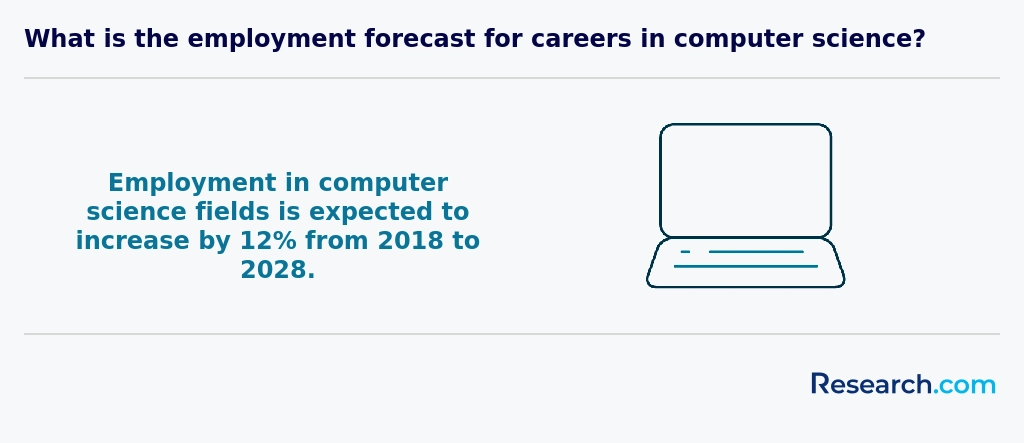
Part-time job opportunities in Hawaii that complement a computer science degree include roles such as software developer interns, IT support technicians, and web developers. Many local tech companies and startups in Honolulu seek students to assist with coding, testing, and system maintenance. According to the Hawaii Department of Labor, the technology sector in Hawaii is growing steadily, with an expected 12% increase in computer and information technology jobs through 2028.
Positions like teaching assistant in university computer labs and freelance programming projects also help students build practical skills. These jobs reinforce concepts learned in coursework and improve portfolios for future careers in tech.
Additionally, part-time roles in cybersecurity firms and data analysis are becoming more common as businesses in Hawaii emphasize digital security and data-driven decision-making.
Computer science students in Hawaii have several networking opportunities through local universities and industry events. The University of Hawaii system, including UH Manoa, hosts tech clubs and career fairs that connect students with regional employers in software, cybersecurity, and telecommunications.
Hawaii's growing tech sector benefits from partnerships between schools and companies like HPE and Boeing. These collaborations often offer internships and mentorships, essential for building professional networks early.
Students can also join organizations such as the Hawaii Technology Development Corporation (HTDC), which regularly organizes meetups and workshops focused on innovation and entrepreneurship. According to HTDC reports, tech events in Hawaii attract over 1,000 participants annually, providing valuable networking spaces.
Additionally, statewide conferences like the Hawaii Cybersecurity Conference offer chances to engage with professionals and recruiters.
Alumni networks play a crucial role for computer science students in Hawaii by providing access to mentorship, job opportunities, and industry connections. Universities like the University of Hawaii at Manoa have active alumni associations that connect graduates with local tech companies and startups. This network enhances students' chances of internships and employment in Hawaii's growing tech sector, which the Hawaii Technology Development Corporation reports is expanding by 4% annually.
These connections help students gain insights into the job market and emerging technologies. Furthermore, alumni often participate in campus events and workshops, offering guidance on career paths. Studies show that students engaged with alumni networks have a 20% higher employment rate within six months after graduation in Hawaii-based tech roles.
Customizing a computer science degree in Hawaii allows students to align their education with specific career ambitions. Many universities and colleges offer elective courses, concentrations, and minor programs that enable students to focus on areas such as cybersecurity, software development, or data science.
Students can also engage in internships or cooperative education programs with local tech companies in Honolulu and elsewhere, gaining hands-on experience tailored to their goals. Hawaii's growing tech sector emphasizes skills in cloud computing and networking, which are increasingly integrated into curricula.
According to the National Center for Education Statistics, over 30% of Hawaii's computer science graduates choose specialized tracks, increasing their employment prospects.
Advisors can help students select relevant coursework and research opportunities, ensuring their degree fits evolving industry demands.
Computer science students in Hawaii often face several unique challenges during their studies. One significant issue is the limited number of local internship and job opportunities in the tech industry compared to mainland states. According to the Hawaii Technology Development Corporation, the state's tech sector is growing but remains smaller, which can affect practical experience availability.
Additionally, Hawaii's geographic isolation increases costs for attending conferences, workshops, and networking events often held on the mainland. This can limit students' exposure to the latest industry trends and professional connections.
Moreover, access to specialized faculty and advanced research facilities is less abundant than in larger tech hubs, impacting some students' learning and project opportunities. These factors contribute to a distinct educational environment for computer science students in Hawaii.
A computer science degree from Hawaii prepares graduates for various professional certifications that enhance their career prospects. Popular certifications include the Certified Information Systems Security Professional (CISSP), which focuses on cybersecurity management, and the Certified Software Development Professional (CSDP) for advanced software engineering skills.
Other valuable credentials are CompTIA Security+, a widely recognized entry-level cybersecurity certification, and Amazon Web Services (AWS) Certified Solutions Architect, reflecting cloud computing expertise.
According to the U.S. Bureau of Labor Statistics, technical certifications can boost IT salaries by up to 10-15%, making them a practical investment for Hawaii's growing tech sector. Local employers, such as firms in Honolulu, often seek candidates with such credentials, enhancing job opportunities statewide.
Applying to a computer science program in Hawaii requires clear demonstration of your skills and commitment. Start by highlighting your academic achievements, especially in math and science courses, as these are key for success in computer science.
Include relevant experience such as internships, coding projects, or participation in tech clubs. Programs in Hawaii often value practical skills and community involvement. For example, the University of Hawaii emphasizes hands-on learning and innovation in its application process.
Strong letters of recommendation from teachers or professionals familiar with your technical abilities can significantly strengthen your application. Also, craft a focused personal statement explaining your interest in computer science and how studying in Hawaii fits your goals.
According to data from the National Center for Education Statistics, computer science enrollments in Hawaii have grown steadily, making programs competitive. Demonstrating passion and preparation can help your application stand out.
The global outlook on a computer science career is very positive, reflecting strong demand for skilled professionals worldwide. In the United States, including Hawaii, computer science roles are among the fastest-growing occupations. According to the U.S. Bureau of Labor Statistics, employment in computer and information technology fields is projected to grow 15% from 2021 to 2031, much faster than the average for all jobs.
Hawaii benefits from its strategic Pacific location, fostering connections with Asia-Pacific tech markets. Local universities, such as the University of Hawai'i, offer accredited computer science programs preparing students for global opportunities.
Globally, expertise in areas like artificial intelligence, cybersecurity, and software engineering remains in high demand, offering graduates versatility in career paths. Salary prospects also remain competitive, encouraging more students to pursue degrees in this field.
Gaining practical experience while studying for a computer science degree in Hawaii involves several effective approaches. Many universities, such as the University of Hawaii system, offer co-op programs and internships with local tech companies, which help students apply classroom knowledge in real-world settings. These opportunities often pay and provide valuable networking connections within the Hawaiian tech industry.
Students can also participate in research projects guided by faculty, especially since Hawaii has growing initiatives in cybersecurity and software development. Additionally, engaging with local tech meetups and hackathons frequently hosted in Honolulu promotes skill development and collaboration.
According to the Hawaii Technology Development Corporation, internships in Hawaii's tech sector have increased by 15% over recent years, reflecting expanding practical training opportunities.
Choosing the right concentration within a computer science degree in Hawaii involves evaluating your interests and career goals alongside local industry demands. Hawaii's tech sector emphasizes areas such as cybersecurity, software development, and data analysis due to growing defense and tourism technology needs, according to the Hawaii Technology Development Corporation.
Consider concentrations that offer strong internship opportunities in Honolulu or nearby tech hubs to gain practical experience. Additionally, review course offerings carefully; some programs focus more heavily on theoretical foundations, while others emphasize applied skills.
It is helpful to consider national trends too, as fields like artificial intelligence and cloud computing see rapid growth nationwide.
- 2027 Most Popular Computer Science Degree Programs Ranking in California
- 2027 Most Popular Computer Science Degree Programs Ranking in Washington
- 2027 Most Popular Computer Science Degree Programs Ranking in Arizona
- 2027 Most Popular Computer Science Degree Programs Ranking in Idaho
- 2027 Most Popular Computer Science Degree Programs Ranking in Montana
- 2027 Most Popular Computer Science Degree Programs Ranking in Colorado
- 2027 Most Popular Computer Science Degree Programs Ranking in Oklahoma
- 2027 Most Popular Computer Science Degree Programs Ranking in Minnesota
- 2027 Most Popular Computer Science Degree Programs Ranking in Iowa
- 2027 Most Popular Computer Science Degree Programs Ranking in Missouri
See What Experts Have To Say About Studying Computer Science
Read our interview with Computer Science experts

Elan Barenholtz
Computer Science Expert
Associate Professor
Florida Atlantic University

Kathleen M. Carley
Computer Science Expert
Professor of Computer Science
Carnegie Mellon University

Martin Kang
Computer Science Expert
Assistant Professor
Loyola Marymount University

Derek Riley
Computer Science Expert
Professor, Program Director
Milwaukee School of Engineering

- Why your computer science degree won't get you an IT job https://targetjobs.co.uk/careers-advice/information-technology/why-your-computer-science-degree-wont-get-you-it-job
- Bachelor of Science in Computer Science https://www.alfabetaglobal.com/schools/hawaii-pacific-university/programs/bachelor-of-science-in-computer-science-42a601c6-e412-4757-b39f-b7509ba5f335
- Computer Science Programs: Cost, Types, What to Expect https://www.computerscience.org/degrees/
- Essential Skills Every Computer Science Graduate Needs | LSBF https://lsbf.edu.my/blog/11-essential-skills-every-computer-science-graduate-needs/
- Computer Science students create live network in simulated scenario https://www.stmartin.edu/news-and-stories/stories/computer-science-students-create-live-network-simulated-scenario
- Top 12 Global Careers For Computer Science Degree Graduates https://womeninstemnetwork.com/careers-for-computer-science-degree/
- 5 Challenges in Teaching Computer Science & Solutions https://www.computingolympiad.org/post/top-5-challenges-in-teaching-computer-science-in-schools-and-how-to-overcome-them
- How AI Is Transforming Computer Science Careers | Role of AI https://www.gisma.com/blog/how-ai-is-transforming-computer-science-careers
- Study Computer Science Abroad | Go Overseas https://www.gooverseas.com/study-abroad/computer-science
- Challenges That Frustrate Computer Science Teachers https://codeeasy.io/blog/challenges-that-frustrate-computer-science-teachers