2027 Most Affordable Online Master's in Computer Science Degree Programs Ranking in the South

Co-Founder and Chief Data Scientist
For students in the South seeking an affordable path to advance their careers, choosing the right online master's program in computer science can be overwhelming. The 2027 Most Affordable Online Master's in Computer Science Degree Programs Ranking in the South offers a clear, data-driven guide to help you explore quality options within your budget.
Compiled by the Research.com team of data scientists, this ranking highlights programs that balance cost and educational value. Whether you're looking to upskill or pivot your career, earning a computer science degree can open doors to exciting opportunities and growth.
Reading this article will empower you to make smart, confident decisions that align with your goals and lifestyle.
Key benefits of getting online computer science degree in the South
- Graduates with a computer science degree in the South can expect competitive salaries, such as $119,040 for Machine Learning Engineers and $180,720 for IT Managers, offering strong financial rewards.
- Career paths include roles like Software Architect or Research Scientist, providing exciting opportunities for growth and innovation after graduation from popular regional universities.
- Completing an online computer science degree offers flexibility and convenience, allowing students to balance work and life while gaining the same respected qualifications as traditional programs.
- 2027 Most Affordable Online Master's in Computer Science Degree Programs Ranking in the South
- What can I expect from online computer science degree in the South?
- Where can I work with online computer science degree in the South?
What can I expect from online computer science degree in the South?
The average cost of an online computer science degree in the South typically ranges between $15,000 and $30,000, a figure that surprises many prospective students balancing ambition with budget constraints. Graduates from institutions like the University of North Carolina or Texas A&M describe their investment as more than just tuition-it's the value of flexibility, allowing them to work full-time while advancing their skills. These programs don't just deliver theory; they emphasize hands-on projects and virtual labs that mirror challenges in Atlanta's bustling tech startups or Austin's innovation hubs.
One graduate recounted how managing coursework alongside a full-time job became feasible thanks to the Southern schools' understanding of real-world demands. Students benefit from acess to professors deeply engaged in current research, ensuring that their learning aligns with evolving industry standards. The cost, then, is not merely dollar signs but a gateway into thriving job markets where practical expertise is prized, challenging the notion that expensive degrees always guarantee better outcomes.
Where can I work with online computer science degree in the South?
Graduates from online computer science programs at universities like the University of North Carolina or Georgia Tech often find themselves immersed in rapidly evolving tech hubs throughout the South. Rather than being confined to traditional software roles, many leverage their degree to break into industries such as healthcare IT in Florida or finance technology in Texas. One graduate shared how studying remotely from Florida enabled her to secure a cybersecurity analyst position with a leading Miami healthcare provider, blending technical skills with a passion for improving patient data security.
Another common path is joining Atlanta's booming startup scene, where skills in data science and machine learning unlock creative entrepreneurial opportunities. Graduates frequently highlight the flexibility their online degree provided, allowing them to balance work and study while building portfolios that attract companies like NCR Corporation. This regional diversity challenges students to rethink where and how their degree can take them, proving that an online education in the South doesn't limit career growth but instead opens doors across multiple dynamic sectors.
Earning potential for graduates with an online computer science degree in the South challenges many assumptions about tech salaries in the region. Graduates from universities like Georgia Tech or the University of Texas often find themselves stepping into roles like software architects earning an average of $138,110 annually, or machine learning engineers making around $119,040. These figures rival national trends and reflect the South's evolving tech landscape.
Consider the graduate who transitioned from a metropolitan area near Raleigh into a data science manager role; the average salary there hovers near $119,040. It's not surprising that experience in cybersecurity or cloud computing can push earnings beyond $120,000, especially in thriving hubs like Dallas or Atlanta. Even entry-level roles here start at an encouraging $60,000 to $70,000, a positive landing spot for those investing in an online degree.
IT managers, often former online degree holders from schools like Virginia Tech, exceed $180,000 annually, embodying how flexible Southern education paths can lead to powerful, high-paying positions. These numbers emphasize that Southern graduates are not just participants but are shaping the future of tech careers in the region.
- Online bachelor's degrees in computer science in the South typically cost between $15,000 and $30,000, while master's programs range from $20,000 to $40,000.
- Entry-level salaries average around $65,000 per year, with higher wages available in tech hubs like Austin, TX, and Raleigh, NC.
- Experienced computer scientists in the region can earn median salaries near $105,000 annually.
- Demand for computer science jobs in the South is growing, driven by technology companies, startups, and corporate expansions.
- Online programs cover core topics like algorithms and programming, as well as newer fields such as artificial intelligence and cloud computing.
- Total costs may include additional fees and hardware, and students should check for virtual internships and networking opportunities.
Completing an online computer science degree in the Southern United States can defy the typical four-year expectation. Many students at popular Southern universities find themselves finishing bachelor's programs in as few as three years by leveraging accelerated courses and summer sessions. For example, graduates from institutions like the University of Florida or Georgia Tech have shared how flexible pacing allowed them to juggle work and family while still progressing steadily.
Master's degrees often take two years full-time, but part-time learners at schools such as North Carolina State University frequently extend their studies to three or four years, embracing manageable timelines rather than rushing. This approach fosters a rewarding sense of balance and accomplishment, as students can focus deeply on mastering challenging content without burnout.
Credit transfer policies also ease the journey. Students transferring from community colleges or completing prior coursework often shave months off their programs, motivating many to enroll in Southern online degrees that respect prior learning.
Such adaptability and affordability make Southern online computer science degrees uniquely student-centered experiences.
Embarking on an online Master’s in Computer Science degree in the South promises a multifaceted experience that blends rigorous academics with real-world application. From day one, students can expect an engaging curriculum that fuses theoretical foundations with practical projects, often mirroring industry challenges while encouraging collaborative problem-solving. Faculty members, seasoned in both research and professional practice, provide timely and constructive feedback on coursework, ensuring that each lesson not only builds your technical acumen but also hones critical soft skills such as communication and teamwork. This learning journey is designed with flexibility at its core, accommodating diverse schedules while delivering high-quality education. You will have access to virtual labs, interactive discussion boards, and networking opportunities, where you can connect with peers and industry experts. Moreover, many programs emphasize career support services-ranging from resume workshops to interview preparation-to smoothly transition you from academic projects to a successful career. For students considering regional advantages, exploring valuable computer science programs in georgia can provide unique insights into how program strengths align with local market opportunities. Advanced projects, capstone experiences, and research initiatives further enhance your learning by offering in-depth exposure to emerging technologies and trends in the tech landscape. Ultimately, this section prepares you for a dynamic academic environment where personal growth, professional readiness, and lifelong learning are at the forefront, ensuring you are well-equipped to excel in today’s competitive tech industry.
Graduates from universities in the South, such as Georgia Tech and the University of Florida, often reflect on the real tension between online and on-campus computer science degrees. Online programs provide unmatched flexibility-imagine balancing a full-time job in Atlanta's tech scene while studying at your own pace. This freedom can empower students who otherwise couldn't afford to pause life for classes.
However, those who chose the on-campus path at places like the University of North Carolina cite the vibrant, immersive environment as unforgettable. The instant feedback from professors during lab sessions and spontaneous peer discussions often trigger creative breakthroughs that Zoom can't replicate. The physical presence creates a richer, more visceral learning experience.
Financially, southern public universities show tuition ranges between $7,000 and $12,000 for in-state students. Online degrees can cut hidden costs on commuting or housing but may lack some hands-on access to facilities-critical for mastering complex systems.
Ultimately, accreditation is a non-negotiable baseline; both online and traditional formats can open doors if backed by recognized standards. Your choice hinges on whether flexibility or immersive interaction fuels your passion best.
Accreditation signals a program’s quality, rigor, and industry acceptance.
- Regional accreditation by SACSCOC confirms institutional standards for governance, faculty, and student support.
- ABET accreditation evaluates computer science curricula, faculty qualifications, and laboratory resources.
- Employer recognition reflects graduate success, hiring rates, and industry partnerships.
- National and specialty rankings offer additional insights into program outcomes and value.
For more program comparisons and rankings, visit gaming schools online.
The average cost of an online computer science degree in the South hovers around $23,322, though this figure masks a significant divide between in-state and out-of-state students. Those with in-state residency often pay closer to $18,504, making programs at public universities notably more affordable. Graduates from institutions such as the University of Florida and Georgia Tech often describe their investments as reasonable, especially given the flexibility and career advancement opportunities these online programs provide. It's a powerful reminder that cost doesn't always equate to value in the digital learning era.
Considering affordable online computer science master's programs Southwide, many students find that selecting a public university can dramatically reduce their financial burden. Out-of-state tuition, averaging around $23,724, can feel daunting but is sometimes justified by the broader network and resources available at larger universities. A graduate from a private Southern university recounted feeling the impact of tuition fees stretching from $30,000 to $40,000, a steep but rewarding price when weighed against the prestige and specialized training offered.
It's crucial to factor in not just tuition but also ancillary expenses like tech fees and course materials, though online delivery alleviates costs such as commuting and housing. Curious students might explore more about valuable computer science programs in Georgia, a regional hub for tech education, to align their budget with their goals without compromising quality.

Enrolling in an affordable online master’s in computer science program in the South means balancing flexibility with rigor. Most programs require 30–36 credit hours, typically completed in 1.5 to 2 years of full-time study. Coursework is delivered through a mix of asynchronous video lectures, live virtual seminars, and interactive labs. Expect to spend 15–20 hours per week on readings, coding assignments, and group projects. You will use learning platforms like Canvas or Blackboard for discussion boards, peer reviews, and submission of coding assignments. Regular feedback from instructors and classmates keeps you on track-many graduates credit this iterative process for their readiness to step into real-world roles immediately after graduation. Collaboration is central: small teams tackle capstone projects that simulate industry workflows, from requirements gathering to deployment. These projects often mirror the challenges you’ll face in computer science coding jobs, giving you practical experience and portfolio pieces to showcase to employers. Technical support and student services are built into most programs. You’ll have access to virtual office hours, tutoring centers, and career coaches who can help refine your résumé, prepare you for interviews, and connect you with internships. This level of support ensures you’re never learning in isolation. By understanding these program components-credit requirements, delivery formats, collaboration tools, and support services-you can set realistic expectations and maximize your success in an online master’s in computer science.
Many students pursuing an online computer science degree in the South find that financial aid is not just a hopeful idea but a tangible lifeline. Graduates from universities like the University of Texas at Austin and Georgia Tech often share how federal aid through FAFSA grants and loans provided essential support, making a rigorous program feel within reach rather than out of financial grasp. Despite the common assumption that scholarships only favor traditional students on campus, Southern schools actively offer merit-based scholarships and assistantships specifically tailored for online learners, easing the burden for those balancing work and study.
Take, for example, the experience of a student in North Carolina who found state grants pivotal in managing tuition, benefiting from initiatives designed to retain residents in the region's growing tech economy. Meanwhile, professionals already in tech fields frequently tap into employer tuition reimbursement, transforming their career investment into a deeply personal story of resilience and advancement. These layered opportunities reveal a financial ecosystem far richer than stereotypes suggest.
When evaluating the true cost of an online master’s in computer science, it’s valuable to compare tuition rates beyond the South. While Southern programs average around $22,212 in total expenses, Midwest institutions-particularly those in Minnesota-often present even more competitive pricing. For example, in the South, out-of-state students pay a median tuition of $21,977, whereas many public universities in Minnesota offer in-state graduate rates well below $15,000 per year for online CS courses. These savings can translate into thousands of dollars over the span of a two-year program. Moreover, the cost differential isn’t the only factor: differences in state-funded scholarships, student support services, and regional job markets can influence return on investment. Prospective students seeking the most cost-effective pathways should explore our Cheapest Computer Science Degree Programs Ranking in Minnesota, which highlights institutions offering high-quality curricula at remarkably low tuition rates. By contrasting Southern and Midwestern offerings, applicants can determine which combination of affordability, academic reputation, and post-graduate employment outcomes best aligns with their career goals.
Enrolling in an online computer science degree in the South often begins with more than just transcripts; it reflects a commitment to growth and adaptability. Many graduates from notable Southern institutions recall how meeting prerequisites like a high school diploma or GED was just the start. Solid foundations in math and science-algebra and basic programming, for example-are essential not as gatekeepers but as springboards that unlock deeper critical thinking skills necessary for success.
Graduate students from popular regional colleges frequently reflect on how their prior degrees in diverse fields still required bridging coursework in data structures or algorithms, emphasizing the program's focus on comprehensive readiness rather than rigid entry barriers. This flexible yet firm approach echoes the reality many face balancing work, life, and study.
Technical readiness is another pillar; reliable internet and capable computers aren't luxuries but enablers, turning a bedroom or local coffee shop into a dynamic classroom. Such prerequisites don't limit but empower students to thrive in a Southern educational landscape that values affordability, opportunity, and resilience.

Accreditation confirms program rigor and employer recognition. When evaluating affordable online master’s in computer science, verify each school holds:
- Regional accreditation (e.g., SACSCOC, HLC) to ensure institutional quality
- Programmatic accreditation (such as ABET) for computing-specific standards
- Industry partnerships (like collaborations with major tech firms) that enhance curriculum relevance
- Transparent graduation and job placement statistics demonstrating real-world outcomes
Cross-checking these factors lets you balance cost savings with a credential respected by employers. For insights on specialized artificial intelligence tracks, compare options in our ai degrees.
Online computer science degrees in the South challenge the notion that tech education is uniform by integrating a mix of core and regionally relevant courses. Graduates from universities like Georgia Tech or the University of Texas often recall hands-on experiences with foundational subjects such as programming in Python or Java, where early mistakes turned into breakthroughs. Data structures and algorithms aren't just abstract concepts; they become tools for solving challenges like optimizing apps designed for bustling Southern tech startups.
Courses in computer architecture and operating systems ground students in the nuts and bolts of how their code interacts with hardware-knowledge a graduate remembers using while developing energy-efficient software for local industries. Theory of computation offers a deep dive into complexity, which might seem daunting until it underpins innovation in AI electives popular at these schools.
Beyond the essentials, electives like cybersecurity and cloud computing speak directly to the booming tech hubs in places like Austin and Atlanta, where graduates feel empowered to contribute immediately. This tailored curriculum makes studying online in the South both practical and inspiring.
Online computer science specializations in the South defy the one-size-fits-all mindset. Graduates from universities in North Carolina's Research Triangle or Georgia Tech often marvel at how deeply these programs dive into fields like software engineering, cybersecurity, and artificial intelligence. Rather than a generic curriculum, students tailor their education to real-world demands - think tackling cybersecurity challenges in Texas's booming tech sector or mastering data analytics to support healthcare innovations across Florida. These Southern region computer science degree tracks recognize that tech isn't just universal jargon but a reflection of vibrant local industries and emerging opportunities. Alumni frequently share stories of how their AI-focused courses at prominent Southern schools fueled their excitement for automation careers right in their backyard.
Real networks and systems management skills sharpened through focused coursework equip students to protect government infrastructure or corporate data centers. It's no surprise many find themselves ready for computer science coding jobs that bridge theory with tangible regional growth. This pragmatic specialization mix invites students to envision their future in a uniquely Southern technological landscape with affordability and flexibility at its core.
Choosing the best online computer science degree in the South requires more than looking at price tags or rankings. Graduates from well-known Southern universities often emphasize that accreditation, such as from SACSCOC, shaped their confidence in enrolling. It's the assurance that their degree carries real credibility in a competitive job market. Affordability matters too, but focusing solely on tuition without considering state reciprocity agreements or hidden fees can lead to unexpected costs. Many find value in programs that balance tuition with strong curriculum flexibility, enabling working professionals to study asynchronously while managing other responsibilities. Real-life experiences from students across the region show that programs integrating practical electives like AI or cybersecurity provide a career edge.
Metrics like graduation rates and post-grad employment are not just numbers. They reflect how connected a university's online program is with local tech hubs or employers, creating pathways to internships and jobs. To explore affordable options amid this complexity, students can consult the Cheapest Computer Science Degree Programs Ranking in Minnesota, offering valuable benchmarks. This approach reveals the best value online computer science programs Southern US students can realistically succeed in, blending cost, quality, and support.
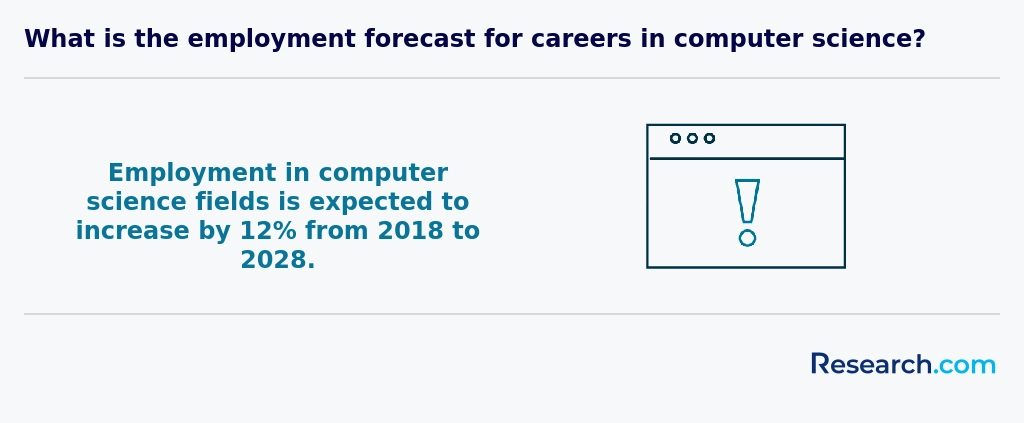
Graduates with an online computer science degree in the South often discover a spectrum of career paths beyond the obvious roles. While software development and data analysis are common, the region's growth in cybersecurity and AI offers dynamic alternatives that reflect real-world demands. Graduates from universities like the University of Texas or Georgia Tech recall how their flexible programs allowed them to pivot into cybersecurity roles paying over $90,000 annually, driven by active job markets in Texas and Florida. Such roles challenge traditional expectations, offering both stability and innovation.
Many embrace careers in systems architecture or network administration, managing the foundational IT structures that keep businesses running smoothly across the South's expanding tech hubs like Raleigh and Atlanta. These roles often go unnoticed but provide critical impact, blending technical skill with strategic thinking. For students seeking swift entry into the workforce, exploring a 6-month online certification program that pays well can amplify their prospects in this competitive landscape, reinforcing the best computer science careers in the South.
Emerging specialties such as artificial intelligence engineering, championed by research universities across the South, highlight the innovative pulse driving economic sectors from aerospace to finance. Online computer science job opportunities South are not confined to tech firms but flow into diverse industries, reflecting the region's adaptable and growing economy.
The job market for online computer science degree graduates in the South defies the common perception that success requires relocation to traditional tech centers. In cities like Atlanta, Austin, Raleigh, and Nashville, graduates from well-known programs at universities such as the University of Texas at Austin or Georgia Tech have shared how quickly they secured roles in software development or cybersecurity after completing flexible online courses. This illustrates a robust job outlook for online computer science graduates in the South, where tech firms and startups actively seek skilled professionals ready to work remotely or onsite.
Employers increasingly value the convenience and affordability of online education, especially when degrees come from accredited Southern institutions. Graduates often highlight improved work-life balance and cost savings in this region, making the career transition smoother and more sustainable. For those juggling jobs or family commitments, online pathways can be a game changer. Combining this with rising tech employment in Southern metro areas offers a distinctive advantage over the national average for bachelor degree computer science employment opportunities southern US.
For students exploring options, comparing costs, and career outcomes with those interested in the best online degrees for seniors underscores the strategic appeal of Southern online education. The intertwined growth of online degrees and regional demand creates an inspiring environment for launching tech careers without uprooting one's life.
2027 Most Affordable Online Master's in Computer Science Degree Programs Ranking in the South
Investing in your education is a significant decision that can shape your future, and the Research.com team is keenly aware of the importance of making well-informed choices. To support prospective students seeking affordable online master's degrees in computer science in the South, we have carefully assembled the "2027 Most Affordable Online Master's in Computer Science Degree Programs Ranking in the South." Our dedication to quality, credibility, and accuracy is demonstrated through thorough research and rigorous analysis.
We utilized the following reputable data sources to ensure a comprehensive evaluation of programs:
By consulting this ranking, readers will gain valuable insights into affordable, high-quality online computer science programs tailored to their needs, helping them make confident and informed educational decisions. For more information about how this ranking was created, please visit our Research.com methodology page.


# 6 position
University of Maryland Global Campus
Master of Cloud Computing Systems

# 7 position
University of Management and Technology
Master of Computer Science


Frequently Asked Questions About computer science
Online computer science degree students in the South can maximize their learning by actively participating in virtual study groups and forums. Studies show collaboration improves retention and problem-solving skills. Utilizing career services at Southern institutions, like resume workshops and internship placements, enhances practical experience.
Students should take advantage of accredited programs recognized by the Southern Association of Colleges and Schools Commission on Colleges (SACSCOC) to ensure quality education. According to the National Center for Education Statistics, Southern states have seen a 20% increase in tech job growth, making tailored local networking valuable.
Investing time in online coding labs and virtual hackathons, often offered by Southern universities, also bolsters technical skills. Finally, balancing coursework with self-paced coding practice enhances understanding and prepares students for a competitive market.
The computer science field is rapidly evolving, with several emerging niches gaining prominence, especially among online degree programs in the South. Areas like artificial intelligence (AI) and machine learning are expanding quickly due to growing demand in industries such as healthcare and finance. Cybersecurity remains crucial, with a 30% projected growth rate in the Southeast region through 2030, according to the U.S. Bureau of Labor Statistics. Data science is another key niche, as organizations increasingly rely on data-driven decisions. Additionally, cloud computing and Internet of Things (IoT) technologies are becoming vital as businesses embrace digital transformation.
Many Southern universities now offer specialized tracks within their online computer science master's degrees to address these trends.
After completing an online computer science degree in the South, preparing for the job market involves strategic steps to enhance employability. Building a strong portfolio with practical projects and internships is essential since employers in the region value hands-on experience. Networking through local tech meetups and Southern-focused career fairs can open doors; organizations like the Technology Association of Georgia and the North Carolina Technology Association are valuable resources.
According to the U.S. Bureau of Labor Statistics, computer and IT jobs in Southern states such as Texas, Florida, and Georgia are projected to grow faster than the national average through 2030.
Additionally, earning certifications in trending areas like cloud computing and cybersecurity can boost your marketability in the Southern tech job market.
Employers in the Southern U.S. highly value computer science graduates who demonstrate strong programming skills, particularly in languages like Python, Java, and C++. According to the National Center for Education Statistics, proficiency in software development and data structures remains critical. Analytical thinking and problem-solving abilities are also essential, as many Southern tech companies focus on innovative solutions.
Communication skills are increasingly important, especially for remote collaboration, which has grown by over 30% in Southern tech firms since 2020, per a Southeast Tech Employment Report. Additionally, knowledge of cybersecurity and cloud computing are top priorities due to rising demand in industries like finance and healthcare.
Finding internships in the South relevant to a computer science degree involves leveraging regional resources and networks. Many southern states, like Georgia and Texas, host thriving tech hubs with companies seeking interns. Websites such as Handshake and Internships.com list opportunities tied to universities and local employers.
Students should contact career services at their schools for local internship programs. According to the National Association of Colleges and Employers (NACE), over 60% of computer science students secure internships through university connections.
Additionally, professional organizations like the ACM Southeast regional chapter offer networking events that can lead to internships.
An online computer science degree offers significant career mobility and advancement opportunities in the South, where technology sectors are rapidly expanding. According to the U.S. Bureau of Labor Statistics, employment of computer and information research scientists in Southern states is expected to grow by over 15% from 2022 to 2032, outpacing many other regions. This growth creates demand for skilled professionals, making an advanced degree a valuable asset.
Online programs allow working professionals to upskill without relocating, enhancing their qualifications while maintaining employment. Graduates often access higher-paying positions in software development, cybersecurity, and data analysis, fields prominent in Southern tech hubs like Atlanta and Raleigh.
Furthermore, many Southern employers recognize accredited online degrees, supporting career progression. This flexibility and regional job growth combine to improve professional advancement prospects for online degree holders in the South.
Studying for a computer science degree online in the South offers strong preparation for interdisciplinary roles by combining technical skills with knowledge from fields like business, healthcare, and engineering. Southern universities often emphasize collaborative projects, allowing students to apply computing to real-world challenges across industries.
Programs frequently include courses in data analytics, artificial intelligence, and cybersecurity, with opportunities to work alongside students from diverse academic backgrounds. According to the Southern Regional Education Board, about 35% of computer science graduates enter interdisciplinary fields, benefitting from regional industry demands.
Additionally, the South's growing tech hubs foster internships and networking, reinforcing cross-disciplinary expertise crucial for today's job market.
Choosing between a thesis and a non-thesis computer science degree program in the South depends largely on your career goals and interests. Thesis programs focus on research and are ideal if you plan to pursue a PhD or a career in academia. These programs typically involve completing a substantial research project and can take longer to finish.
Non-thesis programs emphasize practical skills and coursework, appealing to professionals seeking advancement in industry roles. The Southern Regional Education Board notes many Southern universities offer flexible online options tailored to working adults.
Consider job market demands in the South, where tech sectors often favor practical experience. Research from the National Center for Education Statistics shows over 60% of Southern computer science master's graduates choose non-thesis routes for faster entry into the workforce.
Students based in the South who wish to study computer science abroad have several online options from U.S.-accredited institutions offering global coursework. Many Southern universities partner with international schools to provide virtual exchange programs, allowing students to experience diverse teaching styles and global perspectives without leaving the country. According to the National Center for Education Statistics (NCES), Southern states have seen a 12% increase in enrollment for online computer science programs over the past five years, facilitating access to worldwide learning environments.
Additionally, some online programs include international internships or project collaborations, enhancing cross-cultural skills critical in global tech industries. For instance, the University of Florida and Georgia Tech offer online master's pathways with international faculty and study abroad components, reflecting a growing trend in globalized digital education.
Part-time job opportunities in the South that complement an online computer science degree often center on tech-related roles. Positions such as software developer intern, IT support technician, and web developer are common choices. According to the U.S. Bureau of Labor Statistics, the tech sector in Southern states like Texas and Georgia is among the fastest-growing, offering nearly 15% job growth annually in software development roles.
Many companies seek part-time employees skilled in programming languages like Python and Java, which align well with computer science degree curricula. Internships at regional technology firms or remote freelance coding jobs are also popular among students.
Local community colleges and universities often partner with businesses in cities like Raleigh and Atlanta to provide part-time technical roles, giving students practical experience alongside their studies.
Online computer science students in the South have growing networking opportunities through regional tech organizations and university-affiliated events. Many Southern universities with online programs, such as Georgia Tech and University of Florida, host virtual career fairs and alumni mixers that help students connect with local employers.
Professional groups like the Southern Fried Agile community and regional chapters of the Association for Computing Machinery (ACM) offer online meetups and workshops. According to the Computing Research Association, Southern states have seen a 15% increase in tech job openings since 2021, making networking especially valuable for job placement.
Additionally, platforms like LinkedIn host groups specifically for Southern tech professionals, enabling students to engage with industry experts regionally despite studying remotely.
Alumni networks provide crucial support for online computer science students in the South by offering access to experienced professionals and job opportunities. Many Southern universities maintain active alumni associations that host virtual events, mentoring programs, and career workshops. According to the Southern Regional Education Board, 70% of graduates from Southern public universities find their first job through alumni connections.
These networks help online students overcome geographical barriers by connecting them with local tech industries in hubs like Atlanta, Austin, and Raleigh. Alumni often share insights on industry trends and regional salary benchmarks, aiding students in making informed career choices.
Strong alumni networks also foster collaboration on projects and research, enhancing learning beyond the classroom and expanding professional networks within the competitive Southern tech market.
Customizing an online computer science degree in the South allows students to align their studies with specific career ambitions. Many Southern universities offer flexible curriculum options, including electives in cybersecurity, artificial intelligence, data science, and software engineering. This helps tailor the degree to growing job markets; for instance, the Bureau of Labor Statistics highlights that computer and information technology occupations in Southern states are projected to grow by approximately 15% over the next decade.
Additionally, some programs provide opportunities to choose capstone projects or internships focused on regional industries like healthcare, finance, or energy. This practical experience enhances job readiness. Online students can often select part-time or accelerated tracks to fit personal schedules while maintaining progress toward career goals. Regional accreditation and faculty expertise also play roles in ensuring the program's relevance and quality.
Online computer science students in the South often face challenges related to technology access. According to the Federal Communications Commission, nearly 25% of rural Southern households lack reliable high-speed internet, making it difficult to participate in live lectures or download large files.
Another common issue is the limited availability of local technical support or study groups, which can affect student motivation and understanding. Many Southern students also report balancing education with full-time jobs and family responsibilities, complicating their study schedules.
Additionally, adjusting to the rapid pace and complex content of computer science courses without in-person guidance can be daunting. The Southern Regional Education Board (SREB) highlights these obstacles as critical factors that affect retention rates in online STEM programs in the region.
With an online computer science degree, professionals in the South can pursue several industry-recognized certifications to boost their careers. Popular options include the Certified Information Systems Security Professional (CISSP), valuable for cybersecurity roles, and the Certified Software Development Professional (CSDP), which demonstrates advanced software engineering skills. According to CompTIA, over 30% of tech employers in Southern states prefer candidates with certifications alongside degrees.
Other notable certifications are Certified Ethical Hacker (CEH) and Project Management Professional (PMP), both enhancing marketability in tech project leadership. These certifications often require continuing education, encouraging lifelong learning in a rapidly evolving field.
Applying to an online computer science program in the South requires a clear, focused approach. Start by tailoring your personal statement to highlight your passion for technology and relevant experience. Many Southern universities, like those in Texas and Georgia, emphasize practical skills and problem-solving abilities.
Strong letters of recommendation from professionals who understand your technical aptitude can significantly boost your application. Ensure your résumé reflects any programming projects or internships, as 70% of Southern employers value hands-on experience, according to a 2023 Brookings report.
Finally, submit official transcripts showcasing strong math and science backgrounds and check each program's specific prerequisites carefully. Thorough preparation demonstrates commitment and readiness for rigorous study.
The global demand for computer science professionals continues to rise, reflecting the growing role of technology in every sector. In the United States, and particularly in the South, this trend is strong due to expanding tech industries and investments in innovation. According to the Bureau of Labor Statistics, software development jobs are projected to grow 22% from 2020 to 2030, much faster than the average for all occupations.
Internationally, computer science skills are highly sought after, providing opportunities for remote work and collaboration across borders. Graduates with an online degree from Southern universities benefit from programs designed with both regional industry needs and global market trends in mind.
Moreover, Southern states like Texas and Georgia are rapidly growing tech hubs, attracting companies that offer competitive salaries and career advancement. This regional surge aligns with increasing global integration in technology roles, making it advantageous for students to pursue accredited online degrees based in the South.
Gaining practical experience while studying for an online computer science degree in the South is crucial for career readiness. Many Southern universities offer virtual labs and coding platforms integrated into their curricula, allowing students to build real-world skills. Students can also seek internships with local tech companies, especially in Southern hubs like Austin, Atlanta, and Raleigh, known for their growing tech industries. According to the Southern Regional Education Board, about 45% of computer science students in the region participate in internships or cooperative education programs. Additionally, joining regional coding bootcamps and tech meetups can provide hands-on projects and networking opportunities.
Choosing the right concentration within an online computer science degree program in the South involves aligning your interests and career goals with regional industry demands. Key areas such as cybersecurity, data science, and software engineering are prominent in Southern tech hubs like Atlanta and Austin, which have seen a 16% growth in tech jobs from 2019 to 2023, according to the U.S. Bureau of Labor Statistics.
Students should evaluate course offerings, faculty expertise, and how specializations match local employer needs. For instance, cybersecurity programs may partner with government agencies in states like Virginia and Texas, providing practical experience opportunities.
Review accreditation and program flexibility to ensure quality and fit for your lifestyle.
See What Experts Have To Say About Studying Computer Science
Read our interview with Computer Science experts

Elan Barenholtz
Computer Science Expert
Associate Professor
Florida Atlantic University

Imed Bouchrika, Phd
Computer Science Expert
Professor of Computer Science
National Higher School of Artificial Intelligence

Kathleen M. Carley
Computer Science Expert
Professor of Computer Science
Carnegie Mellon University

Derek Riley
Computer Science Expert
Professor, Program Director
Milwaukee School of Engineering

- Study Computer Science Abroad | Go Overseas https://www.gooverseas.com/study-abroad/computer-science
- 5 Challenges in Teaching Computer Science & Solutions https://www.computingolympiad.org/post/top-5-challenges-in-teaching-computer-science-in-schools-and-how-to-overcome-them
- How AI Is Transforming Computer Science Careers | Role of AI https://www.gisma.com/blog/how-ai-is-transforming-computer-science-careers
- Letter of Motivation for applying Computer Science related fields https://essayforum.com/letters/motivation-applying-computer-science-related-11858/
- Best Online Computer Science Bachelor's Degrees of 2025 https://www.computerscience.org/degrees/bachelors/online/
- 8 Reasons to study computer science at university https://students.studygroup.com/blog/why-study-computer-science-in-the-usa
- Getting the Most Out of a Computer Science Degree https://robkokochak.com/blog/getting-the-most-out-of-a-cs-degree/
- Top 12 Global Careers For Computer Science Degree Graduates https://womeninstemnetwork.com/careers-for-computer-science-degree/
- 557 Computer Science Internships https://internshala.com/internships/computer-science-internship/
- Ada Computer Science https://adacomputerscience.org/student_challenges