
2027 Best Online Clinical Mental Health Counseling Degree Programs Ranking in the Northeast

Co-Founder and Chief Data Scientist
Choosing the right clinical mental health counseling degree program can be a challenging journey, especially for students in the Northeast seeking flexible online options. This article introduces the 2027 Best Online Clinical Mental Health Counseling Degree Programs Ranking in the Northeast, developed by the Research.com team of data scientists. It aims to guide you through trustworthy, data-driven insights to help you find programs that truly fit your goals.
Exploring this ranking can empower your decision-making, highlighting valuable opportunities for professional growth. Earning a degree in clinical mental health counseling opens doors to meaningful careers helping others while offering personal fulfillment and stability.
Key benefits of getting online clinical mental health counseling degree in the Northeast
- Salary data for clinical mental health counseling graduates in the Northeast is limited, but related US jobs often offer median annual wages around $48,000 to $55,000, providing a stable and rewarding income.
- Graduates from Northeastern universities often pursue careers as licensed counselors, social workers, or school therapists, showing the degree's versatility in multiple engaging mental health roles.
- Online degrees from respected Northeast institutions offer flexible schedules, letting students balance work and life while earning their credentials, making it a convenient path for busy adults seeking advancement.
What can I expect from online clinical mental health counseling degree in the Northeast?
The average cost of an online clinical mental health counseling degree in the Northeast generally ranges from $15,000 to over $40,000, depending on the institution and program length. Graduates from well-known universities in the region often share how investing in these programs felt worthwhile due to comprehensive support like in-person practicum placements and faculty mentorship, which enhanced their hands-on experience.
Many students find that choosing a program with flexible tuition or installment plans helps manage expenses while maintaining access to quality training that meets state licensure requirements. For example, those attending popular colleges appreciated the balance of online coursework paired with local internships, which made fulfilling the 2,000 to 4,000 supervised hours more feasible without relocating or adding extra costs.
Prospective students should also consider additional expenses such as materials or exam fees but can feel optimistic knowing their financial investment aligns with strong licensure preparation and career prospects in a growing field. Graduates often emphasize the value of cultural competency training included in Northeastern programs, which equips them to serve diverse communities effectively.
Where can I work with online clinical mental health counseling degree in the Northeast?
Graduates with an online clinical mental health counseling degree in the Northeast often find rewarding opportunities in community health centers and outpatient care facilities. For example, graduates from well-known institutions like Boston University frequently share how working at local clinics allows them to provide vital support to underserved populations facing addiction or trauma. The flexibility of private practice is another popular path, especially for those who seek autonomy and more control over their schedules, although it requires proper licensure obtained through state-specific exams.
Many graduates secure positions in hospitals and multidisciplinary clinic teams in cities such as New York and Philadelphia, where their skills are crucial in managing acute behavioral health crises. Others work in school systems or universities, focusing on behavioral interventions and crisis response, providing positive impacts on student well-being. Correctional and rehabilitation centers also actively hire mental health counselors, offering a meaningful chance to support recovery and mental health improvement within these communities.
Graduates consistently express optimism about strong job growth in the Northeast and recommend leveraging connections made during studies at respected regional colleges to navigate licensure and employment pathways efficiently.
How much can I make with online clinical mental health counseling degree in the Northeast?
Graduates with an online clinical mental health counseling degree in the Northeast typically see starting salaries around $50,000 in urban centers like Boston or New York City. Over time, with licensure and experience, earnings can climb to between $70,000 and $80,000 annually. Many graduates from recognized institutions such as Boston University or New York University share that focusing on specialties like marriage and family therapy or substance abuse counseling often leads to higher pay and more fulfilling career paths.
Hospital and government agency roles tend to offer better wages compared to nonprofit or school settings, which graduates find encouraging as they explore job options post-graduation. Those who pursued degrees online appreciate the flexibility to gain clinical hours locally while still accessing Northeast-based program resources that support licensure requirements, a key factor in boosting earning potential.
Success stories from recent graduates often highlight that earning licenses and building private practice connections in the Northeast region help maximize income, with some counselors achieving salaries exceeding $90,000 within a few years.
- Key benefits of getting online clinical mental health counseling degree in the Northeast
- What can I expect from online clinical mental health counseling degree in the Northeast?
- Where can I work with online clinical mental health counseling degree in the Northeast?
- How much can I make with online clinical mental health counseling degree in the Northeast?
- How do we rank schools?
- 2027 Best Online Clinical Mental Health Counseling Degree Programs Ranking in the Northeast
- What online clinical mental health counseling degree graduates have to say
- Key Findings
- How long does it take to complete online clinical mental health counseling degree in the Northeast?
- What's the difference between online and on-campus clinical mental health counseling degree?
- What is the average cost of online clinical mental health counseling degree in the Northeast?
- What financial aid is available to online clinical mental health counseling degree students in the Northeast?
- What are the prerequisites for enrolling in online clinical mental health counseling degree program in the Northeast?
- What courses are typically in online clinical mental health counseling degree programs in the Northeast?
- What types of specializations are available in online clinical mental health counseling degree programs in the Northeast?
- How do you choose the best online clinical mental health counseling degree in the Northeast?
- What career paths are available for online clinical mental health counseling degree students in the Northeast?
- What is the job market for online clinical mental health counseling degree in the Northeast?
- Frequently Asked Questions About clinical mental health counseling
- Top Trending Clinical Mental Health Counseling Rankings
How do we rank schools?
Investing in your education is a significant decision that can profoundly impact your future, and the Research.com team recognizes the importance of providing reliable guidance. To support prospective students interested in clinical mental health counseling, we have carefully developed the "2027 Best Online Clinical Mental Health Counseling Degree Programs Ranking in the Northeast." Our dedication to quality, credibility, and accuracy is demonstrated through thorough research and analysis behind this ranking.
We utilized the following reputable data sources to ensure a comprehensive evaluation of the programs:
By reviewing this ranking, readers will gain valuable insights into the best online clinical mental health counseling programs in the Northeast, enabling them to make well-informed educational choices. For more information about how this ranking was created, please visit our Research.com methodology page.
2027 Best Online Clinical Mental Health Counseling Degree Programs Ranking in the Northeast
# 1 position
Mercy University
Master
Mercy University offers a Master's program focused on Clinical Mental Health Counseling, Counseling, and Healthcare, with an open admission policy indicated by its 86% acceptance rate. The program serves 2,057 online students, reflecting its accessibility. The average total cost amounts to $56,580. Nearly all students-99%-receive financial aid, demonstrating high aid availability. The graduation rate stands at 46%, giving insight into student success outcomes.
# 2 position
PennWest California
Master
PennWest California offers a Master's program focusing on Clinical Mental Health Counseling, Counseling, and Healthcare. The program has an open admission policy with a 94% acceptance rate and a graduation rate of 52%. It serves a large online student body of 7,973 and features a high level of financial aid, with 98% of students receiving support. The average total cost of the program is $30,960.
# 3 position

The University of Massachusetts Boston offers a Master's program focused on Clinical Mental Health Counseling, Counseling, and Healthcare. This program has an open admission policy with an acceptance rate of 84%. The graduation rate stands at 49%, reflecting program completion outcomes. Approximately 92% of students benefit from high levels of financial aid. The average total cost for completing the degree is $34,500, with 3,650 students enrolled online.
# 4 position
Thomas Edison State University
Bachelor
Thomas Edison State University offers a Bachelor program focused on Clinical Mental Health Counseling, Counseling, and Healthcare. The university enrolls 10,632 online students, providing a substantial remote learning community. Specific details regarding graduation rate, program length, total cost, financial aid availability, and acceptance rate are not provided, limiting a comprehensive assessment of admissions competitiveness or financial support. This program appeals to those seeking online education in mental health and healthcare counseling fields.
What online clinical mental health counseling degree graduates have to say
- Jenna: Pursuing my online Clinical Mental Health Counseling degree at Boston University was transformative. The flexible schedule allowed me to balance work and study seamlessly, and the supportive faculty truly cared about my growth. I gained practical skills and confidence to excel in my counseling career in the Northeast.
- Marcus: The University of Pennsylvania's online program offered rigorous coursework with real-world applications. I appreciated the interactive webinars and personalized feedback, which made learning engaging. This program's reputation in the Northeast opened doors to excellent internship opportunities, fueling my passion to help others.
- Olivia: Studying online at New York University gave me access to top-tier resources and a diverse student community. The collaborative projects and attentive professors made distance learning feel personal and enriching. Completing the Clinical Mental Health Counseling degree here was a rewarding and empowering experience.
Key Findings
- Most online clinical mental health counseling programs in the Northeast require about 60 credit hours and take two to three years of full-time study.
- Tuition ranges from $15,000 to $40,000 total, with public universities costing less for in-state residents compared to private or out-of-state students.
- Entry-level salaries are typically between $45,000 and $55,000 annually, increasing to $65,000-$85,000 with five to ten years of experience.
- Projected job growth is about 22% nationwide through 2032, with strong demand particularly in New York, Massachusetts, and New Jersey.
- Licensure requires passing a National Counselor Examination and completing 2,000 to 4,000 supervised practice hours, depending on the state.
How long does it take to complete online clinical mental health counseling degree in the Northeast?
Completing an online clinical mental health counseling degree in the Northeast typically takes about two to three years for full-time students. For example, graduates from well-known programs at universities like Boston University or New York University often finish within this timeframe while balancing coursework and supervised clinical hours. Many students appreciate the flexibility these programs offer, allowing them to extend their study period to three to five years if working or managing family commitments.
Most programs require between 48 and 60 credits, along with around 600 hours of supervised clinical practicum. Students from institutions in Massachusetts and Pennsylvania find this structure manageable by pacing their semesters or quarters to fit personal schedules.
Graduates frequently express relief and pride in completing their degrees despite the challenges of juggling work and study. The ability to tailor the pace helps maintain motivation and mental well-being while progressing steadily toward licensure.
What's the difference between online and on-campus clinical mental health counseling degree?
Online clinical mental health counseling degrees in the Northeast offer busy professionals and parents the flexibility to juggle work and family without sacrificing quality education. For example, graduates from well-known universities like Fordham or Boston College appreciate the asynchronous classes that let them study evenings after work or weekends, unlike on-campus students who must attend scheduled sessions in places like Penn State or the University of Connecticut.
Both formats require CACREP accreditation and supervised clinical practicums, essential for licensure in states like New York or Massachusetts. However, on-campus students enjoy immediate access to campus resources such as counseling labs and in-person peer networking, which some find invaluable. Conversely, online students rely on video conferencing and virtual discussions, creating a different but still supportive learning community.
Graduates often mention the cost savings of online programs, with lower tuition and no commuting expenses, freeing up time and money to focus on clinical hours in local Northeast settings. Planning carefully around required practicum transportation helps balance these savings with real-world experience.
What is the average cost of online clinical mental health counseling degree in the Northeast?
The average cost of an online clinical mental health counseling degree in the Northeast typically centers around $34,500. This figure reflects a balance between more affordable in-state tuition rates and the higher prices often faced by out-of-state students. Graduates from well-known universities in New York or Massachusetts report that while the investment is significant, it feels worthwhile given the practical skills and career opportunities gained through their programs.
For many students, tuition ranges from approximately $30,960 for in-state residents to about $31,560 for those coming from other states. These median totals help clarify what to expect when budgeting. Since the Northeast has several highly regarded programs, students often find that spending on a degree there can align well with their long-term professional goals.
Real-life stories shared by graduates highlight how some chose public universities to benefit from lower tuition fees, while others found value in private institutions offering specialized resources. A common challenge is factoring in additional expenses like technology fees and course materials, which can add a few thousand dollars to the overall cost. Many future counselors seek financial aid or scholarships to ease this burden.
Those aiming to pursue an online clinical mental health counseling degree should thoroughly research programs across local universities and consider how residency status influences tuition. Exploring options such as a online masters degree in mental health counseling is also a practical step toward finding a cost-effective and flexible path.
Understanding the average cost clinical mental health counseling degree northeast helps prospects prepare financially and choose programs that match their budgets without compromising quality.

What financial aid is available to online clinical mental health counseling degree students in the Northeast?
Students pursuing online clinical mental health counseling degrees in the Northeast can tap into multiple financial aid options to ease tuition costs, which often range between $10,000 and $25,000 annually. Graduates from top programs at universities like Boston University or Fordham University often highlight federal aid as their starting point. Completing the FAFSA unlocks access to Federal Direct Unsubsidized Loans and Graduate PLUS loans, essential for covering both tuition and living expenses.
Many Northeastern states also provide grants and scholarships tailored for in-state students. For instance, New York's Tuition Assistance Program (TAP) significantly reduced expenses for graduates attending institutions like Columbia University. Massachusetts and Pennsylvania offer similar state-level scholarships targeting healthcare professionals, further lightening the financial burden.
Institutional scholarships and assistantships are another valuable resource. Students from prominent counseling programs have described receiving merit-based scholarships that made their education affordable without sacrificing quality. Additionally, employer tuition reimbursement programs are prized by those working in healthcare settings, as having tuition covered after course completion brings both relief and motivation.
Professional groups such as the American Mental Health Counselors Association (AMHCA) offer competitive grants and scholarships, providing both financial support and encouragement through community connections, which many graduates find inspiring throughout their journey.
What are the prerequisites for enrolling in online clinical mental health counseling degree program in the Northeast?
To enroll in an online clinical mental health counseling degree program in the Northeast, you generally need a bachelor's degree from an accredited institution, preferably in psychology, social work, or a related field. Graduates from well-known universities in the region often mention how completing prerequisite courses like abnormal psychology and human development gave them a solid foundation before starting the program.
A minimum GPA of around 3.0 is commonly expected, reflecting your ability to manage rigorous coursework. Many students highlight that maintaining strong academic records made applications to competitive programs at popular colleges in the Northeast less stressful and more rewarding.
Professional experience in mental health settings or social services also strengthens your application. Applicants recall that recommending letters from supervisors added credibility, showcasing their real-world skills and passion for counseling.
Though the GRE is often waived, programs emphasize holistic review of your academic achievements, work experience, and alignment with CACREP accreditation, which is crucial for licensure in the Northeast region.
What courses are typically in online clinical mental health counseling degree programs in the Northeast?
Online clinical mental health counseling degrees in the Northeast typically include core courses like human growth and development, which helped many graduates from well-known regional schools understand how psychological changes impact clients across their lifespan. For instance, a graduate recalled applying these lessons when working remotely with clients facing midlife transitions during internship.
Abnormal psychology courses focus on diagnosing and treating mental health disorders, a foundation students from popular Northeast colleges found essential for identifying complex cases in real-world settings. Counseling theories and techniques classes build critical skills in assessment and treatment planning, enabling graduates to confidently develop effective interventions regardless of their client's background.
- Ethics and professional issues in counseling, which prepares students to navigate legal scenarios they might encounter in states like New York or Massachusetts
- Group counseling methods, useful for facilitating virtual group therapy sessions
- Multicultural counseling, helping students connect with diverse populations common in Northeast urban centers
- Psychopathology, deepening understanding of mental illness symptoms
Hands-on practicum and internship experiences, often completed remotely, allow students to accumulate critical clinical hours required for LCMHC licensure, a milestone many graduates proudly mention as a turning point in their career confidence.
What types of specializations are available in online clinical mental health counseling degree programs in the Northeast?
Online clinical mental health counseling specializations Northeast programs commonly include Marriage and Family Therapy, Substance Abuse Counseling, School Counseling, Trauma and Crisis Counseling, and Gerontological Counseling. Graduates from well-known Northeast colleges often share how focusing on Marriage and Family Therapy helped them confidently navigate complex family dynamics in their community practices. Others have highlighted the practical benefits of specializing in Substance Abuse Counseling, especially given local demands and licensing preferences in states like Massachusetts and New York. These specialized counseling degree programs Northeast online allow students to directly align their training with regional licensure pathways and career opportunities.
Many students appreciate that these specializations come with tailored internship placements, providing invaluable real-world experience in settings like local schools, rehabilitation centers, or community health organizations. For instance, some graduates mention how trauma-focused internships prepared them to support clients recovering from PTSD, making their learning feel immediately relevant and impactful. If you want to explore flexible routes while maintaining strong licensure prospects, check out LPC masters programs online that offer these specialized tracks.
How do you choose the best online clinical mental health counseling degree in the Northeast?
Choosing the best online clinical mental health counseling degree in the Northeast means prioritizing CACREP accreditation to meet state licensure needs, especially in states like New York and Pennsylvania. Graduates from popular universities there often praise the blend of rigorous coursework and localized practicum placements, which help fulfill strict state requirements and build confidence through real-world experience.
Look for programs offering flexible schedules with asynchronous classes or part-time options, as many current students juggle work and family. Completing the degree within 2 to 3 years, as some regional programs allow, keeps motivation high while supporting personal commitments. Cost is another crucial factor; public universities generally provide some of the most affordable clinical mental health counseling degrees Northeast residents find, with financial aid available for online learners.
To strengthen licensure exam readiness and job prospects, select programs offering targeted guidance on the NCMHCE and strong career services. Students who took advantage of these resources at well-known Northeast colleges reported feeling hopeful and prepared entering the workforce. For those seeking less intensive programs, exploring easiest counseling degrees can provide additional paths tailored to your schedule and goals.
What career paths are available for online clinical mental health counseling degree students in the Northeast?
Graduates of online clinical mental health counseling degree programs in the Northeast often pursue licensing as Licensed Professional Counselors (LPC) or Licensed Mental Health Counselors (LMHC), tailoring their career paths to meet the region's specific requirements. For example, those studying at well-known Northeast institutions find value in understanding that states like New York require 3,000 hours of supervised post-graduate experience, while Massachusetts requires 700 hours, influencing where they may choose to practice. This licensure enables employment in hospitals, schools, private practices, and community centers, offering graduates diverse settings to apply their skills.
Many graduates enjoy rewarding roles such as mental health counselors in outpatient clinics offering individual and group therapy or as substance abuse counselors working within addiction recovery programs. Those interested in education often become school counselors, helping students' emotional development, while others work as case managers or clinical supervisors. Students often seek programs with a strong emphasis on practical experience to prepare for these varied roles, reflecting the promising online counseling degree job opportunities Northeast graduates report.
A specific path some graduates follow includes specializing further by pursuing the best online substance abuse counseling degree, enhancing their ability to support clients with addiction challenges effectively.
What is the job market for online clinical mental health counseling degree in the Northeast?
The job market for online clinical mental health counseling jobs northeast is strong, driven by growing demand in urban centers like Boston, New York City, and Philadelphia. Graduates from well-known universities in the region report finding roles quickly in hospitals, community centers, and private practices. Many describe a sense of fulfillment working directly with diverse populations, benefiting from progressive state policies that support mental health care access. Licensure requirements in states such as Massachusetts and New York emphasize earning accredited degrees, which enhances graduates' competitiveness.
Salary prospects are encouraging, with many counselors in the Northeast earning above the national average, reflecting higher living costs and local demand. Graduates highlight the value of choosing online programs accredited by CACREP, which align with licensure needs. The balance between quality education and cost is critical, and programs usually range between $15,000 and $35,000 in tuition. For those considering related fields, exploring an MFT degree may also be advantageous for expanding career options in the region.
Frequently Asked Questions About clinical mental health counseling
Students pursuing online clinical mental health counseling degrees in the Northeast can enhance their learning by actively engaging with interactive course materials and regularly participating in virtual discussions. Accredited programs, such as those recognized by the Council for Accreditation of Counseling and Related Educational Programs (CACREP), often incorporate practical components essential for licensure.
Networking with peers and faculty via online forums and regional professional associations can provide valuable insights into local counseling practices. Additionally, gaining supervised internships or practicum experiences within the Northeast helps contextualize theoretical knowledge with real-world application.
According to the New England Board of Higher Education, students who utilize academic support services and set structured study schedules report higher retention and success rates. Monitoring state licensing requirements for clinical hours and continuing education ensures students remain aligned with professional standards in states like New York, Massachusetts, and Pennsylvania.
The clinical mental health counseling field in the Northeast is expanding into several specialized niches. One notable area is trauma counseling, which addresses the increasing demand for professionals trained to support veterans and survivors of abuse. According to the National Board for Certified Counselors, this specialization is growing faster than general counseling. Another emerging niche is substance use disorder counseling, driven by the opioid crisis affecting many Northeastern states.
Additionally, telehealth counseling has gained prominence, especially through online degree programs that prepare counselors for remote therapy services. This mode enhances access for rural and underserved communities. Gerontological counseling, focusing on aging populations, is also rising due to the Northeast's expanding senior demographic.
Graduates with an online clinical mental health counseling degree in the Northeast should focus on licensure, as each state requires specific credentials such as the Licensed Clinical Mental Health Counselor (LCMHC) or Licensed Professional Counselor (LPC). Gaining supervised clinical experience, typically 2,000-4,000 hours, is crucial before applying for full licensure. Networking through local professional associations like the Massachusetts Mental Health Counselors Association or the New York State Mental Health Counselors Association can open job opportunities. Additionally, staying current with continuing education and specialized certifications enhances employability. The U.S. Bureau of Labor Statistics projects a 22% growth for counselors through 2030, highlighting strong demand in the region.
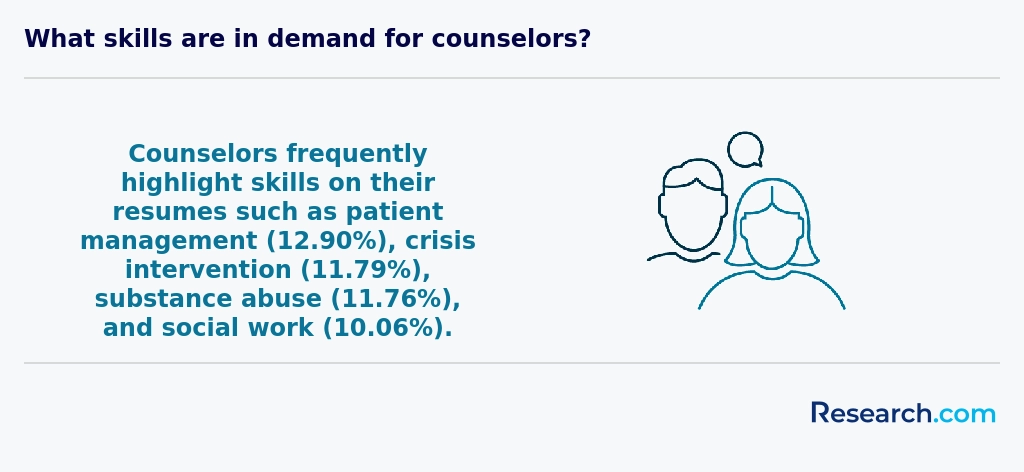
Employers in the Northeast seeking graduates with clinical mental health counseling degrees prioritize strong communication skills. Effective verbal and written communication is essential for building trust and understanding with diverse clients. According to the National Board for Certified Counselors, empathy and active listening rank highly among top competencies.
Additionally, professionals must demonstrate cultural competence to address the region's diverse populations, including urban and rural communities. The U.S. Bureau of Labor Statistics notes that problem-solving and ethical decision-making are critical skills due to complex mental health challenges in this area.
Familiarity with telehealth technologies also remains important as online counseling grows, especially after pandemic-driven shifts in service delivery.
Finding internships in the Northeast for clinical mental health counseling students involves a strategic approach. Start by exploring university affiliations; many accredited online programs in this region partner with local hospitals, community mental health centers, and private practices to facilitate placements. According to the New England Mental Health Counselors Association, active networking within regional professional groups increases opportunities significantly.
Use resources like the National Board for Certified Counselors' directory to identify approved supervisors and sites that meet licensure requirements. Additionally, internships often require 600-plus hours; check state-specific guidelines, especially in New York, Massachusetts, and Pennsylvania, which have distinct mandates for clinical experience.
Contact your program's internship coordinator early to discuss potential sites. Many programs maintain databases of approved local internships to help students in these states. Patience and persistence are key, as popular internship sites may have competitive application processes.
Online clinical mental health counseling degrees provide significant career mobility and advancement opportunities in the Northeast. Graduates gain licensure eligibility across states such as New York, Massachusetts, and Pennsylvania, where demand for licensed counselors is projected to grow by 15% through 2030, according to the U.S. Bureau of Labor Statistics. This degree also facilitates entry into specialized roles like substance abuse or school counseling, boosting salary potential. Many employers in the region value the flexibility and updated skills that online programs offer, especially those accredited by CACREP. As a result, professionals can advance into supervisory or clinical director positions more swiftly.
Studying for a clinical mental health counseling degree in the Northeast equips students with skills essential for interdisciplinary collaboration. Programs often integrate coursework that covers psychology, social work, and healthcare, reflecting the complex needs of clients. This approach aligns with guidelines from the Council for Accreditation of Counseling and Related Educational Programs (CACREP), which many Northeast schools follow.
Students learn to work alongside professionals from medicine, education, and social services, enhancing communication and referral abilities. For instance, New York and Massachusetts report growing demands for counselors who understand diverse systems, increasing job opportunities.
Online programs in the region also emphasize evidence-based practices and ethical standards, which are critical in interdisciplinary settings.
When choosing between a thesis and a non-thesis online clinical mental health counseling degree in the Northeast, consider your career goals and learning preferences. A thesis option typically requires original research, which suits students interested in academic careers, research, or doctoral studies. Non-thesis programs often emphasize practical skills and internships, ideal for those focused on immediate clinical work.
In the Northeast, programs accredited by CACREP follow similar standards, but thesis requirements vary. According to the Council for Accreditation of Counseling & Related Educational Programs, about 40% of regional online counseling programs offer thesis options.
Cost and time commitments also differ; thesis tracks may extend your study by a semester or require more faculty involvement.
Review specific school policies and speak with advisors to align your choice with professional licensure requirements and personal circumstances.
Students based in the Northeast interested in clinical mental health counseling degrees have limited direct options for studying abroad through U.S. institutions. Generally, accredited online programs in this field focus on domestic licensure requirements, which vary state-by-state and often require supervised clinical hours completed within the United States. According to the Council for Accreditation of Counseling and Related Educational Programs (CACREP), most Northeast counseling programs prioritize U.S.-based practicum and internship experiences.
While some U.S. universities offering online degrees may have partnerships with international institutions, these are uncommon for clinical mental health counseling. Instead, students often pursue study abroad options in related fields or elective courses rather than full clinical counseling training. The New England Board of Higher Education notes that few Northeast institutions support clinical placements overseas due to licensure complexities.
Therefore, for students set on studying clinical mental health counseling abroad, alternative pathways might include enrolling in local programs overseas or completing prerequisite coursework abroad, then returning to accredited U.S. online programs for clinical training and licensure fulfillment.
Students pursuing online clinical mental health counseling degrees in the Northeast can benefit from part-time roles that provide practical experience and financial support. Common opportunities include working as behavioral health technicians or psychiatric aides in hospitals or community mental health centers. According to the U.S. Bureau of Labor Statistics, these roles often offer flexible shifts compatible with academic schedules.
Additionally, peer counseling or academic coaching positions at universities allow students to develop communication and interpersonal skills. Social service aides supporting non-profits or youth programs in states like New York and Massachusetts frequently seek part-time help, offering relevant exposure.
Such roles align well with degree requirements and enhance readiness for clinical internships later in the program.
Online clinical mental health counseling students in the Northeast benefit from diverse networking opportunities despite their remote status. Many regional universities offer virtual meetups, webinars, and forums that connect students with faculty and licensed professionals. According to the American Counseling Association, active participation in these events can enhance practical knowledge and future job prospects.
Professional organizations such as the New York Mental Health Counselors Association and Massachusetts Mental Health Counselors Association provide discounted memberships to students, facilitating access to local conferences and workshops.
Additionally, field placement and internship sites in the Northeast often foster direct professional networking, essential for licensure and employment.
Alumni networks play a crucial role for students pursuing online clinical mental health counseling degrees in the Northeast. These networks provide access to professional connections that can help with internships, job placements, and guidance during licensure processes. According to the National Board for Certified Counselors, strong networking often improves employment outcomes for counseling graduates.
In the Northeast, where competition for clinical positions is high, alumni can offer region-specific advice on state licensure requirements and employer expectations. Networking events and mentorship programs enhance learning beyond the virtual classroom, helping students build practical skills.
Furthermore, alumni groups facilitate sharing of job openings and collaborative research opportunities, enriching the overall educational experience in this growing field.
Customizing an online clinical mental health counseling degree in the Northeast allows students to tailor their education to meet specific career goals. Many programs offer elective courses in specialties such as substance abuse, trauma, and family therapy, enabling focused expertise. Students often choose practicum sites in settings that align with their interests, such as hospitals or community mental health centers.
Some schools provide flexible scheduling to accommodate working professionals. Accredited programs in the Northeast, like those recognized by CACREP, ensure quality training that meets licensure requirements across states such as New York and Massachusetts, which are among the region's largest employers in mental health counseling, according to the Bureau of Labor Statistics (2024).
Additionally, students can engage in research projects or dual degree options to broaden their skills. These options help align education with evolving career opportunities in clinical mental health counseling.
Online clinical mental health counseling students in the Northeast face several common challenges. One major issue is balancing coursework with personal and professional responsibilities, as many students work full-time while studying. According to a 2023 report by the Council for Accreditation of Counseling & Related Educational Programs (CACREP), nearly 60% of online counseling students nationwide struggle with time management.
Technical difficulties also pose a barrier. Some students in rural or underserved areas of the Northeast may experience limited internet connectivity, affecting participation in synchronous sessions and access to digital resources.
Another challenge involves securing quality clinical practicum sites. Licensing boards in states like New York and Massachusetts have strict regulations, making it harder for online students to complete required in-person hours. The State Board of Mental Health Counseling Professionals in New Jersey reported a 15% increase in practicum placement delays in 2023.
Graduates with an online clinical mental health counseling degree in the Northeast can pursue several key professional certifications to advance their careers. The most common credential is the Licensed Professional Counselor (LPC), which is required in most Northeastern states for independent practice. Requirements typically include completing a master's degree, supervised clinical hours, and passing a licensing exam.
Other certifications include the National Certified Counselor (NCC) credential, offered by the National Board for Certified Counselors, which enhances professional credibility. Some states in the region, like New York, also offer an Licensed Mental Health Counselor (LMHC) designation.
Holding these certifications can improve job prospects and earning potential significantly in the competitive mental health field.
When applying to an online clinical mental health counseling program in the Northeast, a strategic approach is crucial. Start by thoroughly researching the program's accreditation-look for CACREP accreditation, which ensures quality education and is often required for licensure.
Craft a compelling personal statement that highlights your motivation, relevant experience, and understanding of the mental health field. Use clear examples that connect your background to counseling goals.
Strong letters of recommendation from academic or professional sources are essential. According to the Council for Accreditation of Counseling and Related Educational Programs (CACREP), applicants from the Northeast benefit from endorsements reflecting regional clinical experience.
Also, ensure your resume demonstrates any hands-on or volunteer work related to mental health. Meeting prerequisite coursework and submitting all documents by stated deadlines strengthens your application's competitiveness.
The clinical mental health counseling profession is increasingly recognized worldwide, reflecting a growing demand for mental health services. In the United States, particularly in the Northeast, this career is valued for its strong emphasis on evidence-based practices and licensure standards. According to the Bureau of Labor Statistics (2023), employment of mental health counselors is projected to grow 22% nationally through 2031, outpacing many other health professions.
Globally, many countries look to U.S. counselor education models, especially those accredited by the Council for Accreditation of Counseling and Related Educational Programs (CACREP), as a benchmark for training quality. This positions graduates from online Northeast programs competitively for international collaboration and employment opportunities.
Salaries in the Northeast tend to be higher than the national average due to regional demand and living costs, with median wages ranging from $50,000 to $65,000 annually (U.S. Bureau of Labor Statistics, 2023). This regional strength supports the perception of the Northeast as a leading area for clinical mental health counseling careers.
Gaining practical experience while studying for an online clinical mental health counseling degree in the Northeast is essential for licensure and career readiness. Many accredited programs in this region require supervised internships or practicum placements as part of the curriculum. These opportunities often take place in local community health centers, hospitals, or private practices, allowing students to apply theoretical knowledge in real-world settings.
Students typically complete between 600 and 1,000 hours of supervised clinical work, meeting requirements set by licensing boards such as the New York State Board for Mental Health Practitioners. Additionally, schools assist with placement logistics to align experiences with each student's location and career goals.
Participation in regional professional organizations or workshops also enhances hands-on skills and networking.
Choosing the right concentration within an online clinical mental health counseling degree in the Northeast depends on your career goals and interests. Common concentrations include addiction counseling, trauma, or marriage and family therapy. According to the New England Board of Higher Education, programs often tailor these tracks to meet regional needs, reflecting higher demand for addiction counselors in states like Massachusetts and New York.
Consider licensure requirements in your state, as concentrations may affect eligibility for specialized credentials. For example, trauma counseling certifications are growing in demand nationwide, with the Substance Abuse and Mental Health Services Administration (SAMHSA) noting increased funding for trauma-informed care programs.
Research the faculty expertise and practicum opportunities offered online. Programs affiliated with accredited institutions in the Northeast provide supervised clinical hours essential for state licensure. Aligning your concentration with workforce trends in mental health, such as increased focus on rural or underserved populations in states like Vermont, can also enhance job prospects.
Top Trending Clinical Mental Health Counseling Rankings
References
- 8 In-Demand Career Paths for a Master's Degree in Counseling https://paloaltou.edu/resources/blog/8-demand-career-paths-masters-degree-counseling
- Mental Health, Counseling & Therapy Internships https://www.counselingschools.com/blog/preparing-for-a-mental-health-internship
- Study Abroad Counseling https://professionaladvancement.mercer.edu/academic-programs/graduate-and-professional/counseling-programs/study-abroad/
- How Long Does It Take to Become a Licensed Counselor? https://onlinecounselingprograms.com/become-a-counselor/how-long-does-it-take/
- Apply https://www.amhca.org/career/credential/apply
- How Alumni Networks Enhance Mental Health and Organizational Culture – Alumni Reach https://alumnireach.com/how-alumni-networks-enhance-mental-health-and-organizational-culture/
- The 9 Fastest Online Mental Health Counseling Programs in NY for 2026 - Counseling Degrees New York https://counselingnewyork.org/masters-programs/fastest-online-mental-health-counseling/
- Networking for Therapists: Building Connections for Career Success & Client Care https://www.mentalyc.com/blog/networking-for-therapists
- Clinical Mental Health Counseling Master’s Online https://www.baypath.edu/academics/graduate-programs/clinical-mental-health-counseling-ms/
- 9 Mental Health Careers You Can Pursue with a BA https://www.nec.edu/news/9-mental-health-careers-you-can-pursue-with-a-ba


