
2027 Best Free Online MBA Courses

Co-Founder and Chief Data Scientist
A free online MBA course can be a smart first step if you want business training without committing to the cost, admissions process, or time demands of a full MBA degree. It can help you test whether graduate business education fits your goals, strengthen specific skills such as finance or leadership, and add evidence of continuous learning to your resume.
It is not the same as earning an MBA degree. A free course usually covers one subject within an MBA curriculum, while a degree includes a full sequence of graduate-level coursework, faculty assessment, academic credit, and a recognized credential. That distinction matters because employers, licensing bodies, and graduate schools may treat courses, certificates, and degrees differently.
This guide explains what free MBA online courses can and cannot do, how employers may view them, what costs may still appear, how to compare free and paid options, and which free MBA-style courses are worth considering in 2027. It is designed for working professionals, career changers, entrepreneurs, and students who want practical business education before deciding whether to pursue a formal MBA degree online.
Free MBA Online Table of Contents
- Can you get a free MBA online?
- Will employers take my free MBA online course seriously?
- Are free MBA courses online recognized all over the world?
- Paid vs. Free Online MBA Courses
- Are there additional costs for free MBA courses?
- What are the requirements for free MBA online courses?
- How to Choose the Right Free MBA Online Course for Your Career Goals
- How Can Free MBA Online Courses Bridge the Skills Gap?
- Can Free MBA Online Courses Boost Your Earnings?
- Things to Look for in Free MBA Online Courses
- What are the potential challenges of free MBA online courses?
- 2027 Best Free MBA Online Courses
- What networking opportunities can free online MBA courses provide?
- Can Free MBA Online Courses Prepare You for Executive Leadership?
- How Can Free MBA Online Courses Supplement Your Academic Journey?
- Will Free MBA Online Courses Provide Long-Term Career Benefits?
- How Do Free MBA Online Courses Compare to Accelerated Degree Options?
Quick Answer: Can You Really Get a Free MBA Online?
No, a fully free accredited MBA degree is generally not available. What you can find are free online MBA courses, audit tracks, open-learning modules, and MOOCs that teach individual business topics such as finance, strategy, marketing, leadership, accounting, operations, or project management.
These courses can be useful for skill building, career exploration, and professional development. However, they usually do not provide graduate credit, a complete MBA credential, admission into an MBA alumni network, or the same employer signaling value as a degree from an accredited business school.
Can you get a free MBA online?
A free online MBA degree is not the same thing as a free online MBA course. A degree requires admission, credit-bearing coursework, faculty evaluation, institutional oversight, and formal conferral by a college or university. Free courses, by contrast, are usually open-access learning experiences offered through universities, MOOC platforms, or professional education marketplaces.
Many free MBA-style courses are built from subjects commonly found in a business administration degree or graduate business curriculum. They may cover leadership, finance, accounting, entrepreneurship, marketing, organizational behavior, or strategy. Some are designed as introductory previews of formal graduate programs, while others are standalone professional development courses.
The value is real, but the credential is limited. Course videos, readings, quizzes, discussion boards, and case-based activities can help learners understand MBA concepts without paying full tuition. Research on online teaching presence has also emphasized the role of well-designed instructional videos in supporting learning and engagement in online courses (Banerjee et al., 2020).
Some accredited universities make individual business courses or course materials available through open-learning environments. Florida International University, for example, has offered free online MBA courses through its open-learning community marketplace. For learners considering consulting careers, a free course in finance, strategy, or analytics can also help them evaluate whether a formal program from a list of MBA programs that prepare future management consultants is worth pursuing later.
Will employers take my free MBA online course seriously?
Employers may take a free online MBA course seriously when it is relevant, recent, skills-based, and offered by a credible institution or platform. It is strongest as supporting evidence of initiative, not as a substitute for an MBA degree.
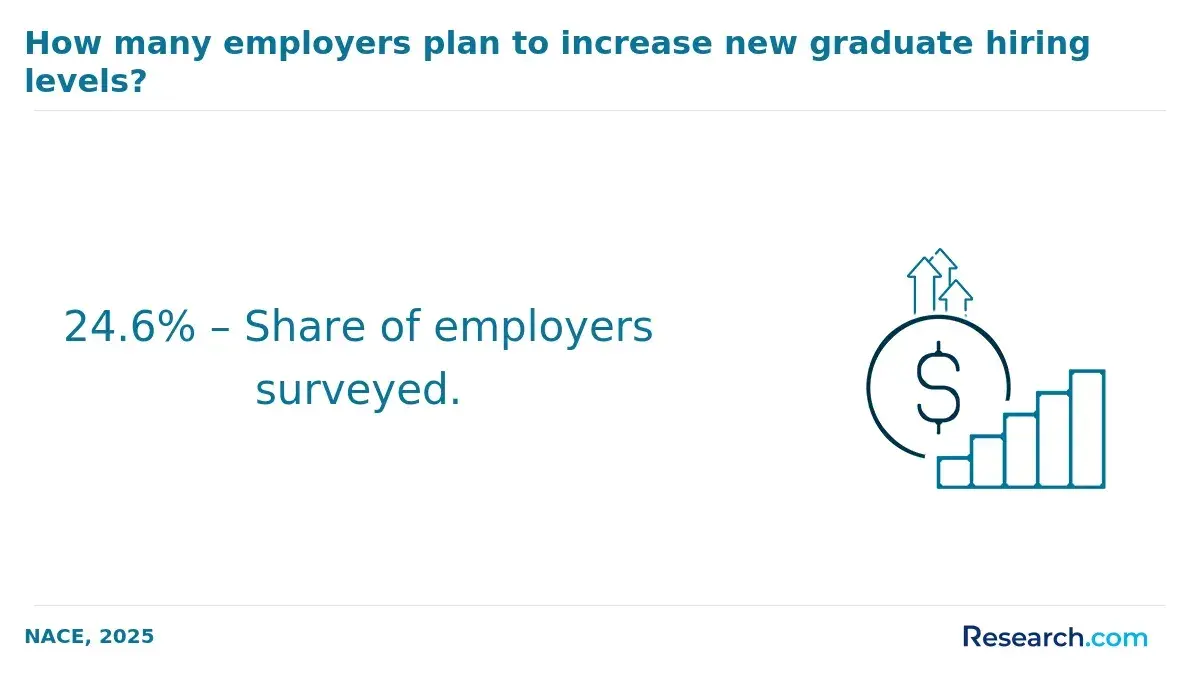
The Graduate Management Admission Council (GMAC) reported that 37% of corporate recruiters intended to hire more MBA graduates in 2025. GMAC also reported that 55% of global employers consider online credentials equivalent to credentials earned in person. Those figures suggest that online learning has become more acceptable, but they do not mean every free course carries the same weight as a graduate degree.
Employer response depends on four factors: the reputation of the provider, the relevance of the course to the job, whether the learner completed assessments or earned a certificate, and how clearly the learner can connect the course to workplace outcomes. A free finance course, for example, is more persuasive for an analyst role if the candidate can discuss capital budgeting, valuation, or financial decision-making in an interview.
Accreditation also matters. Business schools accredited by organizations such as the Association to Advance Collegiate Schools of Business (AACSB), AMBA, or EQUIS generally have stronger academic recognition. Institutions such as Imperial College London, the University of California, and the Indian Institute of Management offer business-related learning through MOOCs and university platforms, and their institutional reputation can strengthen the credibility of an individual course.
| How to list it | When it helps | What to avoid |
| “Completed Finance Essentials, Imperial College London” | Shows targeted skill development in finance or business analysis | Calling it an MBA if it was only one course |
| “Certificate in Ethical Leadership Through Giving Voice to Values” | Supports leadership, ethics, management, or nonprofit roles | Implying it was a credit-bearing graduate credential unless it was |
| “Relevant coursework: marketing management, organizational leadership, IT project management” | Useful for career changers building a business profile | Listing too many unrelated courses without explaining their value |
Are free MBA courses online recognized all over the world?
Free MBA online courses can have international visibility, especially when they come from well-known universities or major MOOC platforms. Recognition, however, is not automatic. A course may be respected by one employer and ignored by another depending on the role, country, hiring norms, and whether the credential includes verified completion.
Research on MOOCs has found that MOOC credentials may improve labor market outcomes compared with having no credential at all, particularly when employers can see a clear connection between the course and the job (Rivas et al., 2020). The global shift toward remote and digital learning has also made online certificates more familiar to recruiters.
Still, global recognition is strongest when the course provider is recognizable and academically credible. Business accreditation from AACSB, IACBE, EQUIS, or AMBA can signal quality at the institutional level. Learners should verify the institution and avoid assuming that a free course from a university automatically carries graduate credit or formal MBA status.
If your goal is international mobility, use free courses strategically. Choose subjects that translate across markets, such as finance, analytics, marketing, leadership, and operations. If your long-term goal requires a formal graduate credential, compare free courses with accredited degree pathways before investing time in a large number of noncredit classes.
Paid vs. Free Online MBA Courses
Free and paid online MBA courses serve different purposes. A free course is best for exploring a subject, learning a specific skill, or testing whether graduate business study fits your goals. A paid course or full MBA program is usually better when you need academic credit, graded work, faculty feedback, career services, a formal credential, or access to a structured curriculum.
| Factor | Free online MBA course | Paid course or MBA program |
| Credential | Often audit access only; certificate may cost extra | May include verified certificates, credit, or a degree |
| Scope | Usually one topic, such as finance, leadership, or marketing | Broader curriculum across core and elective business areas |
| Faculty interaction | Limited or unavailable in many courses | More likely to include instructor feedback, office hours, or advising |
| Assessment | Quizzes may be free; graded assessments may require payment | Typically includes graded assignments, exams, projects, or capstones |
| Flexibility | Often self-paced and low commitment | May follow academic terms, cohorts, or structured deadlines |
| Best for | Skill refresh, career exploration, resume support | Career transition, promotion requirements, graduate credentialing, alumni access |
Comprehensiveness
Paid MBA programs usually provide a complete graduate business sequence, while free courses tend to focus on a narrow area. A free course may teach the basics of accounting or leadership, but it will not normally include the full progression of economics, finance, statistics, marketing, operations, strategy, ethics, electives, and capstone work found in an MBA.
Content
Free courses can be academically strong, especially when created by respected universities. Paid options, however, often include more extensive cases, simulations, assignments, faculty-designed assessments, career resources, and access to specialized electives. Students comparing paid options can also review affordable online MBA programs if cost is the main barrier.
Instructor Involvement
Many free courses rely on recorded lectures, automated quizzes, and peer discussion. That format works for motivated learners but can be difficult for students who need feedback or accountability. Research on instructor-led online learning has noted that learners may face barriers when support, interaction, or guidance is limited (Kamble et al., 2021).
Personalization
Free MOOCs are typically designed for large audiences. They rarely adapt to a learner’s career goal, background, or skill level. Paid courses and degree programs may provide electives, advising, analytics, tutoring, specialization tracks, and faculty input that make the learning path more tailored.
Access
Free access may expire, exclude graded assignments, or limit downloadable materials. Paid learners are more likely to receive extended access, official certificates, transcripts, or verified records of completion. Before enrolling, check whether you can revisit the course later or whether access ends after the audit period.
Are there additional costs for free MBA courses?
“Free” usually means you can view course materials without paying. It does not always mean every feature is free. Many providers charge for certificates, graded assessments, extended access, or full enrollment.
- Certification. A certificate can help document completion for employers, LinkedIn, or a promotion file. Many free courses allow auditing at no cost but require payment for an official certificate. If the certificate is important to your career plan, confirm the price before starting.
- Graded Assessments. Some platforms charge for graded quizzes, assignments, exams, or projects. This matters because feedback and assessment can strengthen learning; research has linked formative assessment and self-regulated learning with online learner performance and confidence (Broadbent et al., 2021).
- Extended Access. Audit access may be temporary. If you want to revisit lectures, download materials, or use the course as a workplace reference, you may need to pay for an upgrade or subscription.
- Enrollment Fees. Some “free” courses provide sample materials at no cost but require payment to unlock the full learning path. Others may offer financial aid or reduced-cost options, so review the platform’s payment and aid policies before deciding.
| Possible cost | Question to ask before enrolling | When paying may be worthwhile |
| Verified certificate | Will my employer, school, or professional profile benefit from proof of completion? | When the course directly supports a promotion, job application, or career change |
| Graded work | Do I need feedback or proof that I mastered the material? | When the subject is technical, such as finance, accounting, analytics, or project management |
| Extended access | Will I need to review the materials after the course ends? | When the course includes frameworks, templates, cases, or tools you will reuse at work |
| Full enrollment | What features are locked behind payment? | When the paid version includes assessments, instructor input, or a credential you can verify |
What are the requirements for free online MBA courses?
Most free online MBA courses have few formal admission requirements. Learners usually do not need recommendation letters, essays, standardized test scores, transcripts, or professional experience. This open-access model supports lifelong learning and wider participation in higher education (Ossiannilsson, 2021).
That does not mean every course is beginner-friendly. A finance course may assume comfort with basic math, spreadsheets, or accounting terms. A leadership course may be easier for learners who already understand organizational behavior or business fundamentals. Students who want a broader foundation before taking specialized MBA-style courses may compare options such as the best online business program rankings.
Before enrolling, check the stated learner level, estimated weekly time commitment, language of instruction, platform requirements, access length, and whether the course offers free auditing. If you might upgrade later, review the certificate cost, graded-assessment policy, and financial aid requirements at the start rather than after you have already invested time.
How to Choose the Right Free MBA Online Course for Your Career Goals
The best free MBA online course is not necessarily the most famous one. It is the course that fills a specific gap between your current skills and your next career move. Start with your goal, then work backward to the course content, provider, format, and credential.
- Define the career outcome first. If you want to move into management consulting, prioritize strategy, finance, analytics, and problem-solving. If you want a finance role, look for accounting, corporate finance, valuation, or investment topics. If you want to lead teams, choose organizational behavior, leadership, ethics, and communication.
- Verify the provider’s credibility. Courses from universities, accredited business schools, or established platforms such as Coursera and edX usually carry more credibility than unknown providers. Look for institutional accreditation from AACSB, AMBA, EQUIS, or IACBE when possible.
- Read the syllabus carefully. Do not enroll based only on the title. Confirm that the course covers practical business concepts, not just broad motivational content. Useful MBA-style courses often include case studies, applied exercises, frameworks, calculations, or decision-making tools.
- Match the format to your schedule. Self-paced courses are better for working professionals with irregular schedules. Instructor-paced courses can create accountability but may be harder to complete during busy work periods.
- Check whether networking exists. A course with active forums, group work, Q&A sessions, or LinkedIn communities can provide more value than a course that only offers videos.
- Decide whether you need a certificate. If you want to show the course on your resume or LinkedIn profile, a verified certificate may be worth the fee. If you only need the knowledge, free auditing may be enough.
| Your goal | Best course focus | What to look for |
| Move into management | Leadership, organizational behavior, strategy | Case discussions, decision frameworks, team management examples |
| Build financial confidence | Accounting, corporate finance, budgeting | Problem sets, spreadsheet examples, valuation or capital budgeting modules |
| Start or grow a business | Entrepreneurship, marketing, operations | Customer research, pricing, go-to-market strategy, business model exercises |
| Enter consulting or strategy roles | Business strategy, analytics, finance | Case-based learning, market analysis, structured problem-solving |
| Lead technology projects | IT project management, operations, business value | Project governance, risk planning, stakeholder management |
If business management is not the right direction, flexible career-focused education may still be useful. For example, learners considering skilled trades instead of business school can compare online trade schools as a different path to workforce training.
How Can Free MBA Online Courses Bridge the Skills Gap?
Free MBA online courses can help professionals close targeted skills gaps without pausing their careers. This is especially useful when a job begins to require business language, financial literacy, project leadership, data-informed decision-making, or cross-functional collaboration.
The strongest courses connect theory to workplace application. Look for modules that include real business cases, scenario-based decisions, budget analysis, marketing plans, organizational challenges, or project management tools. Courses created with universities, including accredited public and non-profit universities, may offer stronger academic structure than informal business tutorials.
Free courses are most effective when used as part of a skills plan. For example, a technical employee who wants to become a manager might take leadership, finance, and strategy courses over several months, then apply those concepts in team meetings, project proposals, and performance reviews.
Can Free MBA Online Courses Boost Your Earnings?
A free MBA online course can support earning growth, but it does not guarantee a raise or promotion. It may help by improving job performance, strengthening a resume, preparing you for higher-responsibility work, or helping you decide whether to invest in a formal MBA.
The financial impact depends on your field, employer, current role, and how you use the learning. A course in finance may help a manager make stronger budget decisions. A marketing course may help an entrepreneur improve customer acquisition. A leadership course may help a supervisor manage conflict or communicate strategy more clearly.
For some learners, free MBA courses work best when paired with another credential or career path. Students comparing business courses with shorter job-focused routes may also explore 2-year degrees that make 100k, while recognizing that pay outcomes vary by occupation, location, experience, and employer demand.
Things to Look for in Free MBA Online Courses
Choosing a free MBA online course should involve more than scanning the title. Review the provider, access rules, workload, content depth, learner level, and whether the course produces evidence you can use professionally.
- Availability by location. Some platforms restrict access in certain regions. edX, for example, has restrictions for learners in Iran, Cuba, and Crimea. Regional availability can also matter for university-based programs or employer-sponsored learning. If location-specific MBA options interest you, you can review examples such as MBA programs in Michigan.
- Included materials. Confirm whether readings, videos, cases, datasets, or templates are included. A free course is less useful if core materials require separate purchases or paid access.
- Teaching method. Self-paced courses offer flexibility. Instructor-paced courses provide structure and deadlines. Choose the format that matches your work schedule and learning habits.
- Institutional reputation. A course from a recognized university, business school, or major platform is easier to explain to employers than a course from an unknown provider.
- Accreditation. Check whether the institution is accredited by a recognized business education body such as AACSB, IACBE, or EQUIS. Accreditation does not turn a free course into an MBA degree, but it can strengthen confidence in the provider.
- Hidden costs. Review certificate fees, graded-assessment charges, subscription requirements, access limits, and any enrollment fees. Also check whether financial aid is available if you need the paid version.
- Support services. Free learners may receive limited technical help, advising, or instructor support. If you are new to online education, review guidance on learning online before choosing a demanding course.
- Start and end dates. Some courses let you begin immediately. Others follow scheduled cohorts with enrollment windows, audit deadlines, or fixed completion dates.
- Learner level. Beginner, intermediate, and advanced labels matter. A course that assumes prior accounting, statistics, or management experience may be frustrating if you are starting from scratch.
Common mistakes to avoid
| Mistake | Why it causes problems | Better approach |
| Assuming “free MBA” means a free degree | Most free options are noncredit courses, not accredited MBA programs | Confirm whether the course offers credit, a certificate, or audit-only access |
| Choosing only by university name | A famous provider does not guarantee the course matches your goal | Read the syllabus and compare outcomes to your career plan |
| Ignoring certificate costs | You may need to pay if you want proof of completion | Check all upgrade fees before starting |
| Taking too many unrelated courses | A scattered course list can look unfocused to employers | Build a coherent learning path around finance, leadership, marketing, or strategy |
| Relying only on rankings | Rankings cannot know your schedule, background, or employer expectations | Use rankings as a shortlist, then evaluate fit and credibility yourself |
What are the potential challenges of free MBA online courses?
Free MBA online courses are accessible, but they come with trade-offs. The most common limitations are shallow coverage, limited feedback, few networking features, no academic credit, and less career support than formal MBA programs.
Learners also need discipline. Without a cohort, advisor, tuition investment, or instructor deadlines, it is easy to start several courses and finish none. Free courses may also lack personalization, so you may need to supplement them with books, workplace projects, peer feedback, or paid assessments.
If you need a broader academic foundation, a free MBA-style course may not be enough. Some learners may benefit from starting with undergraduate options, including flexible programs sometimes described in guides to the easiest degrees, while others may be ready for a full MBA or executive program.
2027 Best Free MBA Online Courses
For 2027, the following free MBA-style courses stand out because they are connected to recognized institutions and cover practical business topics commonly found in MBA curricula. Use this list as a starting point, then verify current access rules, certificate fees, and enrollment availability directly with the provider.
| Course | Provider | Best for | Length | Accreditation listed |
| Finance Essentials | Imperial College London | Finance fundamentals | 6 weeks at 2 to 4 hours per week | Association of MBAs (MBA), AACSB, and EQUIS |
| Managing the Organization | University of Illinois at Urbana-Champaign | Leadership and organizational management | 12 hours | AACSB |
| Ethical Leadership Through Giving Voice to Values | University of Virginia | Ethical decision-making and leadership | 10 hours | AACSB |
| Strategic Applications of IT Project and Program Management | University of Washington | IT project management and business value | 6 weeks at 2 to 5 hours per week | AACSB |
| Marketing Management | Indian Institute of Management Bangalore | Marketing fundamentals and customer strategy | 8 weeks at 3 to 4 hours per week | EQUIS |
1. Imperial College London’s Finance Essentials
Imperial College London’s Finance Essentials introduces core financial concepts used in business decision-making, including capital budgeting, equity, bonds, correlations, diversification, and asset allocation. It is a strong option for learners who want to understand the financial language used by managers, analysts, entrepreneurs, and consultants.
- Program Length: 6 weeks at 2 to 4 hours per week
- Tracks and Concentrations: Business and Management
- Accreditation: Association of MBAs (MBA), AACSB, and EQUIS
Learners who are still deciding whether business is the right major or career direction can also review what a business administration degree is good for.
2. University of Illinois at Urbana-Champaign’s Managing the Organization
University of Illinois at Urbana-Champaign’s Managing the Organization is part of the school’s online business offerings, including its iMBA and iMSM. The course covers management theory, leadership, organizational culture, and the application of organizational management concepts. Its flexible schedule makes it useful for professionals balancing work and study.
- Program Length: 12 hours
- Tracks and Concentrations: Strategic Leadership and Management Specialization, Business Value and Project Management Specialization
- Accreditation: AACSB
3. University of Virginia’s Ethical Leadership Through Giving Voice to Values
University of Virginia’s Ethical Leadership Through Giving Voice to Values focuses on values-based leadership and ethical action in business settings. It examines the challenges managers may face when personal or organizational values are tested and helps learners practice communicating those values in professional situations.
- Program Length: 10 hours
- Tracks and Concentrations: Entrepreneurship
- Accreditation: AACSB
If your goal is to launch or scale a venture, compare this course with formal options such as the best online MBA in entrepreneurship programs.
4. University of Washington’s Strategic Applications of IT Project and Program Management
University of Washington’s Strategic Applications of IT Project and Program Management is a self-paced course for learners interested in the connection between technology projects and business outcomes. It introduces project and program management methods, explains related roles, and links project execution to organizational value.
- Program Length: 6 weeks at 2 to 5 hours per week
- Tracks and Concentrations: Business and Management, IT Project Management
- Accreditation: AACSB
5. Indian Institute of Management Bangalore’s Marketing Management
Indian Institute of Management Bangalore’s Marketing Management teaches marketing from a business and customer perspective. The course introduces foundational marketing concepts, including the 4Ps, and can help entrepreneurs, managers, and career changers understand how businesses identify, reach, and serve target markets.
Learners considering a marketing leadership path can also evaluate whether an MBA in marketing is worth it.
- Program Length: 8 weeks at 3 to 4 hours per week
- Tracks and Concentrations: Business and Management, Entrepreneurship, Marketing
- Accreditation: EQUIS
What networking opportunities can free online MBA courses provide?
Free online MBA courses rarely match the networking depth of a full MBA program, but they can still help learners meet peers, exchange ideas, and become visible in professional communities. The value depends on how active the platform, cohort, instructor, and learner community are.
- Discussion forums and peer boards. Platforms such as edX and Coursera often include spaces where learners ask questions, discuss cases, and share workplace perspectives. Consistent participation can lead to useful professional contacts.
- Collaborative assignments. Some courses include optional group work or peer-reviewed projects. These activities can expose learners to people in different industries, countries, and roles.
- LinkedIn and alumni groups. Universities and course providers may host public or private communities where learners continue discussions after the course ends. Joining these groups can help with mentoring, job leads, or industry insight.
- Live webinars or Q&A sessions. When available, live events provide a chance to ask instructors questions and connect with other motivated learners.
- Certificates on digital profiles. A verified certificate from a respected provider can make your profile more discoverable to classmates, recruiters, alumni, and colleagues in your field.
Can Free MBA Online Courses Prepare You for Executive Leadership?
Free MBA online courses can help build leadership foundations, but they are not usually enough on their own for executive preparation. Executive roles require strategic judgment, financial fluency, organizational influence, people leadership, communication, and experience making high-stakes decisions.
A free course can strengthen one part of that skill set. For example, ethical leadership, finance, strategy, or project management courses can help a mid-career professional become more effective in meetings, planning sessions, and team leadership. However, senior leadership development often also requires mentorship, executive coaching, stretch assignments, peer networks, and deeper study.
Professionals preparing for senior roles may use free courses as a low-cost starting point, then compare more comprehensive options such as affordable online executive MBA programs.
How Can Free MBA Online Courses Supplement Your Academic Journey?
Free MBA online courses can help students preview graduate business study before applying to a formal program. They allow learners to test subjects such as finance, marketing, leadership, or operations without paying full tuition or committing to a degree.
They can also help applicants strengthen academic readiness. A student with little business background might complete introductory courses before starting an MBA, while a working professional might use them to identify which specialization fits best. Learners still choosing an undergraduate or graduate direction can compare business with other options in guides to the best degrees to get.
Will Free MBA Online Courses Provide Long-Term Career Benefits?
Free MBA online courses can provide long-term value when they are part of a deliberate learning plan. The benefit is strongest when the course teaches a skill you use at work, supports a career transition, or helps you decide whether to pursue a formal credential.
The main long-term advantage is momentum. Professionals who continue learning are better positioned to adapt as business tools, employer expectations, and market conditions change. A course in project management today may improve how you lead cross-functional work; a finance course may help you make better budget decisions later.
That said, free courses should not be oversold. They are not a guaranteed path to promotion, executive roles, or higher pay. For learners considering advanced academic routes outside business, options such as short online doctoral programs may represent a different kind of long-term investment.
How Do Free MBA Online Courses Compare to Accelerated Degree Options?
Free MBA online courses and accelerated degrees solve different problems. Free MBA-style courses are best for fast, low-risk skill development. Accelerated degree programs are better for learners who need a formal academic credential on a shorter timeline.
| Option | Best for | Main advantage | Main limitation |
| Free MBA online course | Learning one business skill or testing MBA interest | Low cost and flexible access | Usually no degree, limited feedback, and optional certificate fees |
| Paid MBA course or certificate | Documented professional development | More assessment and stronger proof of completion | Costs more than free auditing |
| Online MBA degree | Career advancement requiring a graduate credential | Structured curriculum, faculty evaluation, and degree recognition | Higher cost and longer commitment |
| Accelerated degree | Earning a formal credential quickly | Condensed academic pathway | Intensive workload and less flexibility for some learners |
For students who need a bachelor’s credential before graduate business study, an accelerated online bachelor's program may be more appropriate than taking multiple noncredit MBA-style courses.
Professional Development and Lifelong Learning
Free MBA online courses are best viewed as practical building blocks. They can sharpen business judgment, introduce MBA-level topics, and help you decide whether a paid certificate, formal MBA, executive MBA, or another degree path is worth the investment.
The smartest approach is selective. Choose courses tied to a clear goal, verify the provider, check accreditation and costs, finish what you start, and apply the concepts at work. A completed course with a clear workplace application is more valuable than a long list of unfinished or unrelated classes.
Key Insights
- A free online MBA course is not a free MBA degree. Most free options are noncredit courses or audit tracks covering one business topic, not full accredited graduate programs.
- Employer value depends on relevance and credibility. GMAC reported that 55% of global employers consider online credentials equivalent to those earned in person, but a course is strongest when it directly supports the role you want.
- Cost can still appear. Certificates, graded assessments, extended access, and full enrollment may require payment even when course auditing is free.
- Accreditation strengthens trust. Courses from institutions connected to AACSB, AMBA, EQUIS, or IACBE accreditation are generally easier to position professionally.
- Free courses work best for targeted skills. Finance, marketing, leadership, ethics, strategy, and project management are practical areas where learners can apply concepts quickly.
- Paid programs offer more structure. If you need graduate credit, faculty feedback, career services, alumni access, or an MBA credential, a paid accredited program is usually the more appropriate route.
- Use free courses before making a major investment. Given that Harvard Business School can have a total cost of $157,400 for a two-year program, free courses can help you test interest and fit before committing to an expensive degree.
- Finish strategically. One completed, relevant course with a verified certificate or clear workplace application is more useful than several unfinished courses with no coherent career purpose.
References:
- Banerjee, M., Wolf, J., Chalasani, S., Dhumal, P., & Gee, M. (2020). Creating teaching presence in online courses through videos. Business Education Innovation Journal, 12(1), 190-198. Retrieved from: http://www.elmstreetpress.com/images/V12_N1_draft_8_28.pdf#page=196
- Broadbent, J., Sharman, S., Panadero, E., & Fuller-Tyszkiewicz, M. (2021). How does self-regulated learning influence formative assessment and summative grade? Comparing online and blended learners. The Internet and Higher Education, 50. Retrieved from: https://static1.squarespace.com/static/58be0566579fb3f6f0eb581b/t/6074c44b627c631116360105/1618265167069/Broadbent+et+al.%2C+2021.pdf
- Graduate Management Admission Council (GMAC). (2025). GMAC Corporate Recruiters Survey 2025. https://www.gmac.com/market-intelligence-and-research/research-library/employment-outlook/2025-corporate-recruiters-survey-report
- Gray, K. (2025, April 21). Hiring Projections Level Off for the College Class of 2025. NACEWeb. https://www.naceweb.org/job-market/trends-and-predictions/hiring-projections-level-off-for-the-college-class-of-2025
- Kamble, A., Gauba, R., Desai, S., & Golhar, D. (2021). Learners’ perception of the transition to instructor-led online learning environments: Facilitators and barriers during the COVID-19 pandemic. International Review of Research in Open and Distributed Learning, 22(1), 199-215. Retrieved from: https://files.eric.ed.gov/fulltext/EJ1289837.pdf
- MIT Sloan School of Management. (2025, December). 2025-2026 MBA Employment Report. https://mitsloan.mit.edu/sites/default/files/2025-12/2025-2026-MBA-Employment-Report.pdf
- Ossiannilsson, E. (2021). MOOCS for lifelong learning, equity, and liberation. MOOC (Massive Open Online Courses). Retrieved from: https://www.intechopen.com/chapters/78156
- Rivas, M. J., Baker, R. B., & Evans, B. J. (2020). Do MOOCs make you more marketable? An experimental analysis of the value of MOOCs relative to traditional credentials and experience. AERA Open, 6(4). Retrieved from: https://doi.org/10.1177/2332858420973577
- UC Berkeley. (2025). Full-Time MBA Employment Report. https://mba.haas.berkeley.edu/
- U.S. Bureau of Labor Statistics. (2025). Occupational Outlook Handbook: Business and Financial Occupations. https://www.bls.gov/ooh/business-and-financial/
Other Things You Should Know About Free Online MBA Courses
No, you cannot get a completely free MBA degree online. However, you can take free MBA courses online offered by universities and organizations through platforms like MOOCs. These courses can significantly enhance your skills and knowledge base.
Yes, many employers take online credentials seriously. According to GMAC, 55% of employers consider online credentials equivalent to those earned in person. Accredited institutions offering these courses further enhance their credibility.
Yes, free MBA courses online are increasingly recognized worldwide. Employers and universities are more accepting of online credentials, with a significant rise in the acceptance of online MBA programs by global recruiters.
Requirements for free online MBA courses vary by program. Generally, you need a stable internet connection and a device for accessing course materials. Some platforms may require registration. Though prior academic qualifications aren't always needed, having a bachelor's degree or relevant work experience can be beneficial.
Factors to consider include the location and accessibility of the course, teaching method (instructor-paced vs. self-paced), reputation and accreditation of the offering institution, potential hidden costs, support services, relevant dates, and the learner level required.
Yes, free MBA courses online can help in career advancement by providing valuable knowledge and skills that are recognized by employers. They also demonstrate a commitment to continuous learning and professional development.





