
2027 Paying for an MBA: Financial Aid, Scholarships & ROI Guide

Co-Founder and Chief Data Scientist
An MBA can be a powerful career investment, but it is also one of the most expensive graduate education decisions many professionals will make. Before you apply, you need a clear answer to a practical question: how will you pay for the degree without taking on more debt than your career goals can reasonably support?
This guide is for working professionals, full-time applicants, career changers, entrepreneurs, and part-time students comparing MBA funding options in 2026. It explains the major cost drivers, how to evaluate the return on an MBA, which financial aid sources to pursue first, when loans make sense, and how to avoid common financing mistakes. If you are still comparing graduate business pathways, it may also help to review how an MBA fits within broader master’s degree options.
Quick Answer: How Should You Pay for an MBA?
The best way to pay for an MBA is usually a layered funding plan: apply for school scholarships and grants first, ask your employer about tuition assistance, use savings or current income when possible, and borrow only after comparing federal and private loan terms. Full-time students often rely more on scholarships, fellowships, assistantships, and loans, while part-time students may be able to reduce borrowing through employer reimbursement and pay-as-you-go tuition payments.
An MBA can be worth the cost when the program’s career outcomes, network, curriculum, and brand align with your goals. However, the degree is not automatically profitable for every student. The right decision depends on the total cost of attendance, lost income if you study full time, the strength of career placement, your expected post-MBA role, and how much debt you would need to repay after graduation.
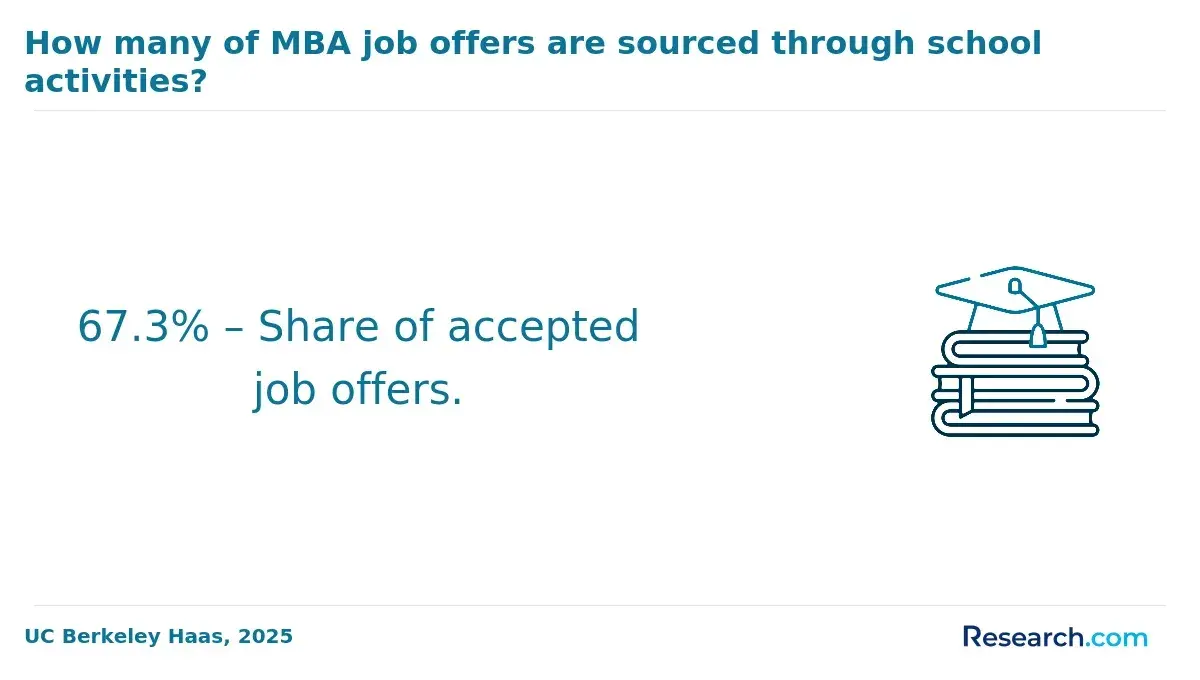
Recent employment data show why many professionals still consider the degree. According to MIT Sloan, 91.0% of MBA job seekers received an offer of employment by 3 months after graduation, with most offers sourced through school-facilitated activities; more than 270 companies hired Sloan MBAs across sectors (MIT Sloan, 2025-2026). These outcomes are encouraging, but they should be evaluated in context: results vary by school, industry, location, work experience, and economic conditions.
Paying for an MBA Table of Contents
- Is an MBA worth the cost?
- How much does an MBA cost?
- What financial aid can MBA students use?
- What other financing options can help pay for an MBA?
- How can part-time students manage MBA costs effectively?
- Are SoFi loans a viable option for MBA financing?
- What specialized career services are available for MBA graduates?
- How can creative financing reduce MBA costs?
- What emerging MBA specializations can support future leadership roles?
- Are there accessible alternatives to an MBA for career advancement?
- How can I access the lowest student loan rates for my MBA?
- How can an MBA prepare professionals for remote and digital work?
- Are online MBA programs as credible as campus-based programs?
- How does an MBA compare with other high paying master degrees?
- What are the long-term financial risks of pursuing an MBA?
- What are the MBA career placement and advancement trends?
Is an MBA Worth the Cost?
An MBA is most worthwhile when it helps you reach a career outcome that would be difficult to achieve through work experience alone. Common examples include moving into management, switching into consulting or finance, advancing in corporate strategy, building a stronger executive network, or gaining the business foundation needed to launch or scale a company.
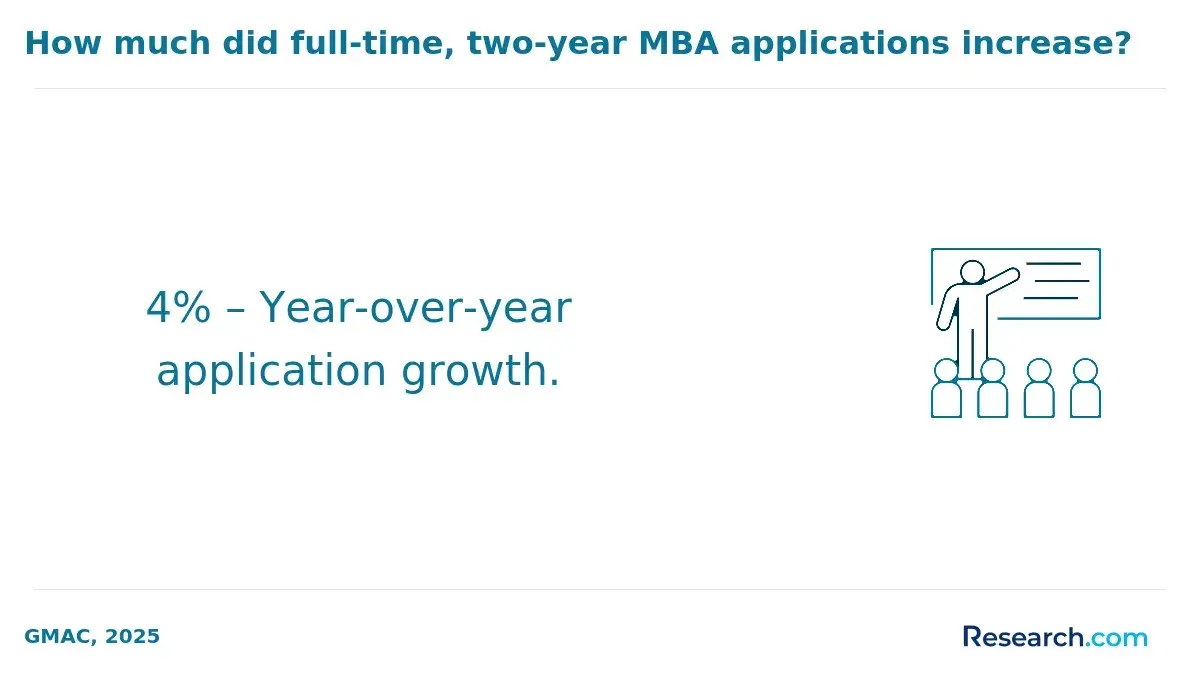
Employer demand remains an important part of the value calculation. In 2025, 72% of employers said they planned to hire the same number or more MBA graduates than in 2024 across industries (GMAC, 2025). In the same period, 90% of graduates from top programs seeking employment had received offers within three months of graduation, compared with 81-82 percent hiring rates at many top programs in 2024.
Those figures are useful, but they do not mean every MBA produces the same return. Outcomes can differ sharply by school reputation, specialization, prior experience, geography, career services, internship access, and the student’s ability to use the network. Before choosing a program, review its employment report, recruiter list, internship outcomes, and salary data for your target function rather than relying only on broad MBA averages.
The non-financial value also matters. Strong MBA programs develop skills in leadership, finance, strategy, marketing, operations, analytics, negotiation, and entrepreneurship. They also create structured access to classmates, alumni, faculty, recruiters, and mentors. This network can be one of the degree’s most durable benefits, especially at schools with active alumni communities and strong employer relationships.
Accreditation and reputation should be evaluated carefully. Completing one of the MBA accredited programs can strengthen employer confidence in the credential, while a general business degree may be a better fit for students who need foundational business training before pursuing graduate study. Applicants should also prepare early for admissions and recruiting by building a focused MBA resume that clearly connects their experience to their post-MBA goals.
| Question to Ask | Why It Matters | Stronger Decision Signal |
| Will the MBA help me enter a specific role or industry? | A clear target makes it easier to judge program fit and expected return. | The school has strong placement in your target field, not just broad business outcomes. |
| How much debt will I need after scholarships and employer support? | The sticker price is less important than your actual net cost and repayment burden. | You can project manageable monthly payments under realistic income scenarios. |
| Does the program’s network match my geography and career goals? | MBA value often comes from relationships, referrals, and recruiter access. | Alumni and employers are active in your intended market. |
| Can I keep working while enrolled? | Lost income can be a major hidden cost for full-time students. | The format lets you balance learning, work, and career transition needs. |
How Much Does an MBA Cost?
MBA costs vary widely because programs differ in format, school type, location, length, fees, and living expenses. Tuition is usually the largest published cost, but it is not the full cost of attendance. Students should also budget for housing, food, transportation, health insurance, books and materials, technology, travel for residencies or recruiting, professional clothing, test preparation, and application expenses.
Program format can change the total price. A full-time MBA may require leaving the workforce or reducing work hours, which adds opportunity cost. A part-time, executive, hybrid, or online format can allow students to keep earning income, although the degree may take longer and require careful scheduling. Students comparing digital options may want to review the best online MBA courses and lower-cost choices such as affordable online MBA programs.
Published tuition examples show how large the range can be. The cost of a full-time MBA program at the University of California, Berkeley ranges from about $76,788 to $89,033, depending on student residency (University of California, Berkeley, 2025-2026). These figures do not include other expenses such as housing, food, transportation, and more. At Harvard Business School, the cost of attending the MBA program starts at around $88,000 (Harvard Business School, 2025), before additional fees and personal expenses are added.
| MBA Cost Category | What to Include in Your Budget | How to Control the Cost |
| Tuition and mandatory fees | Base tuition, university fees, program fees, technology fees, and administrative costs. | Compare net price after scholarships, not only published tuition. |
| Living expenses | Rent, food, transportation, utilities, health insurance, and personal expenses. | Choose a lower-cost location, online format, or part-time schedule if appropriate. |
| Opportunity cost | Income you may lose if you leave work for a full-time program. | Estimate foregone wages and compare them with expected career gains. |
| Career transition costs | Travel for interviews, networking events, conferences, internships, and relocation. | Use school career resources early and prioritize events tied to your target employers. |
| Debt costs | Interest, origination fees, repayment length, and refinancing risk. | Borrow last, compare federal and private terms, and model repayment before enrolling. |
How to Calculate Your Real MBA Price
- Start with the school’s official cost of attendance. Include tuition, fees, estimated living expenses, and required materials.
- Subtract guaranteed funding. Count confirmed scholarships, grants, fellowships, assistantships, and employer reimbursement only when you understand the conditions.
- Add opportunity cost. If you will stop working, include the income and benefits you are giving up during enrollment.
- Estimate borrowing costs. Use loan calculators to compare repayment under federal and private loan options.
- Compare outcomes by program. Review placement reports for your target function, not just overall employment percentages.
How to Pay for an MBA: Financial Aid Options for Students
The most cost-effective MBA funding strategy starts with aid that does not need to be repaid. Scholarships, grants, fellowships, assistantships, employer support, and government programs should be reviewed before taking out loans. Because many awards have separate deadlines, applicants should create a funding calendar at the same time they prepare admissions materials.
Scholarships and Grants for MBA Programs
Scholarships and grants can reduce the net cost of an MBA significantly. Some awards are offered directly by business schools, while others come from foundations, employers, professional associations, nonprofit organizations, and industry groups. Research.com’s guide to the best scholarship programs can help students identify broader funding opportunities beyond their target schools.
- Merit-based scholarships: Business schools often use these awards to attract applicants with strong academic records, leadership experience, professional achievements, entrepreneurial accomplishments, or unusual talents. Ask each school whether you are automatically considered or whether a separate application is required.
- Need-based scholarships and grants: These awards are based on financial circumstances such as income, assets, family responsibilities, and existing obligations. Some programs require tax records or financial aid forms. For example, the INSEAD Diversity Scholarships consider financial need as one factor.
- Industry-specific scholarships: Professional associations and industry groups may fund students entering fields such as entrepreneurship, technology, healthcare, consulting, finance, sustainability, or nonprofit leadership. These awards are especially useful when your post-MBA direction is already clear.
- Diversity scholarships: Many schools and organizations offer funding to expand access for underrepresented groups, including women, ethnic minority students, LGBTQ+ students, students with disabilities, and first-generation graduate students. The Anita Borg Systers Pass It On Awards, for example, support women pursuing computing-related education, including technology-focused business pathways.
Fellowships and Assistantships for Funding an MBA
Fellowships and assistantships can combine financial support with professional development. They may be more competitive than standard scholarships, but they can also provide mentoring, leadership training, research experience, and direct access to faculty or industry partners.
- Fellowships: MBA fellowships are often awarded to applicants with exceptional academic, leadership, entrepreneurial, public service, or industry backgrounds. Some include tuition support, networking events, mentorship, and specialized programming tied to a sector or leadership theme.
- Graduate assistantships: Assistantships may involve research, teaching support, administrative work, or program support. In return, students may receive a stipend, salary, tuition remission, or a combination of benefits. These roles can be especially valuable for students building expertise in a specific field; for example, healthcare-focused students may compare outcomes with an MBA healthcare management salary guide.
- Industry-sponsored assistantships: Some programs work with employers that support students financially in exchange for future employment commitments, internships, or project work. Read the terms carefully so you understand any required post-graduation obligation.
Government-Sponsored Financial Aid Programs for MBA Students
Government aid can be an important funding source, particularly for students who qualify for federal loans, state grants, or military education benefits. The application process and eligibility rules vary, so students should confirm requirements directly with official agencies and school financial aid offices.
- Federal Student Aid through FAFSA: The Free Application for Federal Student Aid (FAFSA) is the starting point for many U.S. students seeking federal loans, work-study eligibility, and other aid options.
- State grant programs: Some states offer grants for residents pursuing graduate education, including business degrees. Eligibility, award levels, and deadlines differ by state.
- Military and veterans benefits: Active-duty service members, veterans, and eligible dependents may qualify for education benefits through the U.S. Department of Veterans Affairs. The Post-9/11 GI Bill can help cover MBA-related expenses such as tuition, fees, and living allowances for eligible students.
| Funding Source | Best For | Important Caution |
| Scholarships and grants | Students with strong merit, financial need, diversity eligibility, or industry-specific goals. | Deadlines may come before admission decisions or require separate essays. |
| Fellowships | Applicants with strong leadership, academic, service, or professional records. | Some fellowships include participation requirements or specific career themes. |
| Assistantships | Students willing to work for the school while enrolled. | Workload can affect study time, recruiting, and personal commitments. |
| Employer sponsorship | Working professionals whose MBA supports their current employer’s needs. | Reimbursement may require grades, continued employment, or repayment if you leave. |
| Federal loans | Students who want fixed rates and federal borrower protections. | Borrowing still increases total cost through interest and fees. |
| Private loans | Borrowers with strong credit or co-signers who can secure favorable terms. | Private loans may not offer the same protections as federal loans. |
How to Afford an MBA: Other Financing Options
After pursuing scholarships, grants, fellowships, assistantships, and government aid, students may still need additional funding. The remaining gap can sometimes be covered through savings, employer assistance, part-time work, private loans, federal loans, or a combination of sources. The key is to compare options based on total repayment cost, flexibility, and risk—not just how quickly the money becomes available.
Federal and Private MBA Loans
Federal loans are often the first borrowing option students review. The U.S. Department of Education offers Direct Unsubsidized Loans and Grad PLUS Loans for eligible graduate students. Federal loans typically include fixed interest rates and access to borrower protections such as income-driven repayment, deferment, forbearance, and potential forgiveness programs when requirements are met.
Private loans are offered by banks, credit unions, and other financial institutions. They may use fixed or variable interest rates, and approval often depends on credit history, income, debt-to-income ratio, and sometimes a co-signer. Private loans may provide competitive rates for some borrowers, but students should compare fees, repayment terms, hardship options, and co-signer release policies before committing.
Pros and Cons of Borrowing for an MBA
| Potential Benefit | Potential Risk | How to Decide |
| Loans can make enrollment possible before you have the full cost saved. | Debt can limit flexibility after graduation, especially if your career transition takes longer than expected. | Borrow only after estimating payments under conservative income assumptions. |
| An MBA may support advancement into higher-responsibility roles. | Interest increases the total amount you repay over time. | Compare total repayment cost, not just the monthly payment. |
| Federal loans include repayment protections that can help during financial hardship. | Private loans may have fewer protections and variable-rate risk. | Understand what happens if your income drops, you change jobs, or rates rise. |
Loan Repayment Plans and Strategies
Students using loans should create a repayment plan before enrolling, not after graduation. For federal loans, common repayment structures include Standard Repayment, Graduated Repayment, Income-Driven Repayment, and Extended Repayment. Standard Repayment plans require fixed monthly payments over a set period, usually ten years. Graduated Repayment starts with lower payments that increase over time, while Income-Driven Repayment ties monthly payments to income and family size. Extended Repayment spreads payments over a longer period but may increase total interest paid.
Private loan repayment options vary by lender. Some lenders offer fixed monthly payments, interest-only payments while in school, deferred payments, or graduated repayment schedules. Read the promissory note carefully and ask the lender how hardship options, late payment policies, refinancing, and co-signer release work.
A practical repayment strategy should include expected income, target industry, living costs, existing debt, emergency savings, and long-term goals such as buying a home, starting a business, or saving for retirement. If you expect uneven income after graduation, avoid building a plan that only works under the most optimistic salary scenario.
How Can Part-Time Students Manage MBA Costs Effectively?
Part-time MBA students often have an advantage: they may be able to keep earning income while earning the degree. The trade-off is time. Balancing work, classes, family responsibilities, and recruiting can be demanding, so the financing plan should reduce stress rather than create it.
- Use employer tuition assistance first: Ask whether your company offers reimbursement, direct billing, professional development funds, or sponsorship for graduate business education.
- Compare part-time loan options carefully: If you need to borrow while working, evaluate part time student loans by interest rate, repayment flexibility, fees, and whether payments begin during enrollment.
- Search for working-professional scholarships: Some schools and outside organizations reserve awards for part-time students, executive students, or applicants with strong professional records.
- Consider paying by term: Using current income to pay part of each semester’s bill can reduce the amount borrowed and the interest that accrues later.
- Review possible tax benefits: Some students may qualify for education-related tax benefits, such as the Lifetime Learning Credit, depending on current tax rules and personal eligibility.
- Protect your workload: Avoid taking on so much paid work that your academic performance, health, or career search suffers.
Will Companies Pay for Your MBA?
Some employers help pay for MBA study because they see business education as a way to strengthen leadership, strategy, finance, operations, and management skills inside the organization. Support may come as tuition reimbursement, partial sponsorship, direct payment to the school, professional development funding, or a formal leadership development program.
Employer support is not always free of conditions. Companies may require employees to stay for a certain period after graduation, maintain a minimum grade, choose an approved school, study part time, or repay funds if they leave the company early. Read the policy before counting employer assistance as guaranteed funding.
Benefits of Employer Sponsorship
- Lower out-of-pocket cost: Employer support can reduce how much you need to borrow or pay from savings.
- Stronger internal advancement path: Sponsorship may signal that the company sees you as a candidate for larger responsibilities.
- Immediate application of coursework: Working students can often apply finance, strategy, analytics, and leadership concepts directly to current projects.
- Improved retention for employers: Companies may use sponsorship to develop and retain high-potential employees.
How to Ask Your Employer for MBA Funding
- Review the policy first. Check human resources documents for tuition reimbursement rules, annual limits, eligible programs, grade requirements, and repayment clauses.
- Build a business case. Explain how the MBA will help you solve specific company problems, lead teams, improve processes, manage clients, or support growth.
- Choose a program that fits the company’s needs. A program aligned with your current role or future internal role is easier to justify.
- Prepare a written proposal. Include program cost, schedule, format, expected skills, and how you will manage work responsibilities.
- Offer measurable value. Suggest projects, knowledge-sharing sessions, or leadership responsibilities that allow the company to benefit from your coursework.
- Clarify the terms. Ask what happens if you change roles, leave the company, pause enrollment, or fail to meet academic requirements.
Are SoFi Loans a Viable Option for MBA Financing?
Private lenders can be part of an MBA financing plan, especially for borrowers with strong credit profiles who qualify for competitive terms. Options such as SoFi loans may appeal to students comparing private loan rates, repayment structures, and borrower features. However, private loans should be evaluated against federal loans before you borrow.
When reviewing any private MBA loan, compare the annual percentage rate, fixed versus variable rate options, origination or late fees, in-school payment choices, hardship options, co-signer requirements, and refinancing rules. A lower advertised rate is not automatically the best deal if the loan lacks flexibility during unemployment, career transition, or economic uncertainty.
What Specialized Career Services Are Available for MBA Graduates?
Career services are a major part of MBA value because they connect academic training with job opportunities. Strong business schools do more than post openings; they help students clarify goals, prepare for competitive interviews, build networks, and access recruiters.
- Individual career coaching: Advisors help students define target roles, revise resumes and cover letters, build a search strategy, and prepare for offer negotiations.
- Recruiting events and job fairs: Many programs host employer presentations, campus interviews, networking receptions, and industry-specific recruiting sessions.
- Mock interviews and workshops: Students may practice behavioral interviews, case interviews, public speaking, salary negotiation, and networking conversations.
- Industry-focused programming: Schools often organize events for consulting, finance, technology, healthcare, entrepreneurship, operations, sustainability, and other fields.
- Exclusive job portals: MBA students may receive access to employer postings, internships, alumni referrals, and roles targeted specifically to graduate business candidates.
- Alumni networks: Alumni can provide informational interviews, referrals, mentorship, and insight into companies or industries that are difficult to access from public job boards.
How Can Creative Financing Reduce MBA Costs?
Creative financing can help students reduce borrowing, but it should be used carefully. Crowdfunding, family support, side income, employer reimbursement arrangements, and strategic use of loans for non-tuition expenses can all play a role. The best approach is transparent, realistic, and documented.
Some students use crowdfunding to explain their career plans and request support from personal networks. This can work best when the student has a clear story, a defined funding gap, and a credible plan for using the degree. Others use student loans to cover living expenses while enrolled full time. If you are considering that route, Research.com’s guide to using student loans for living expenses explains how these funds may be applied beyond tuition.
Employer reimbursement can also be negotiated creatively. For example, an employee might agree to remain with the company after graduation in exchange for tuition support, or propose applying MBA projects directly to company priorities. Students who need a planning checklist before enrolling can review what to consider in what to do before starting MBA.
If scholarships are a major part of your plan, compare award types carefully. A full-ride award and a full-tuition award are not the same because living costs and fees may still remain. Research.com’s guide to our guide about full-ride and full-tuition scholarships explains the difference.
Common MBA Financing Mistakes to Avoid
| Mistake | Why It Can Hurt You | Better Approach |
| Choosing a program based only on prestige. | A famous name may not justify the cost if it does not place graduates in your target role. | Compare employment reports, recruiter access, alumni strength, and net cost. |
| Looking only at tuition. | Fees, living expenses, travel, and lost income can substantially change the real price. | Build a full cost-of-attendance budget before applying. |
| Borrowing before applying for aid. | You may take on debt that scholarships, grants, or employer support could have reduced. | Pursue gift aid and reimbursement options first. |
| Assuming online programs are automatically cheaper or less credible. | Quality, cost, accreditation, and career support vary widely by school. | Check accreditation, faculty, curriculum, student support, and outcomes. |
| Ignoring repayment scenarios. | A repayment plan that works only with a best-case salary can create financial strain. | Model conservative, moderate, and optimistic post-MBA income outcomes. |
| Overlooking employer conditions. | Some tuition benefits require staying with the company or repaying funds if you leave. | Read sponsorship agreements before accepting funds. |
What Emerging MBA Specializations Can Support Future Leadership Roles?
MBA specializations are evolving as employers look for leaders who can manage technology, data, global teams, sustainability priorities, and organizational change. Common high-interest tracks include digital transformation, data analytics, entrepreneurship, healthcare management, finance, supply chain management, sustainability, global business, and innovation.
A specialization can be useful when it builds credibility for a specific field. For example, a student targeting technology strategy may benefit from analytics and digital transformation coursework, while a student seeking healthcare leadership may prioritize operations, regulation, and health systems management. Students who need a faster undergraduate route before future graduate study may also explore accelerated bachelor degree programs online.
Are There Accessible Alternatives to an MBA for Advancing Your Career?
An MBA is not the only graduate pathway for business advancement. Some professionals may be better served by a specialized master’s degree, graduate certificate, professional certification, bootcamp, employer leadership program, or targeted coursework. The right alternative depends on whether you need broad management training or a narrower skill set.
A specialized master’s degree may be more efficient for students focused on analytics, accounting, finance, supply chain, human resources, information systems, or public administration. These programs can sometimes be shorter, more technical, or more directly aligned with a specific role. If accessibility and program difficulty are major concerns, reviewing what is the easiest masters degree to get may help you compare graduate options, though ease should never be the only selection factor.
| Option | When It May Make Sense | Possible Limitation |
| MBA | You want broad leadership training, a business network, and career mobility across functions. | Can be expensive and may require significant time away from work or personal commitments. |
| Specialized master’s degree | You want deeper technical expertise in one business-related field. | May offer less general management training and a narrower alumni network. |
| Graduate certificate | You need targeted skills without committing to a full degree. | May not carry the same market signal as a full master’s degree. |
| Professional certification | Your target industry values a specific credential or technical competency. | May not replace the leadership, strategy, and networking benefits of an MBA. |
How Can I Access the Lowest Student Loan Rates for My MBA?
To find competitive MBA loan rates, compare multiple lenders, review federal loan options, and evaluate the full cost of borrowing. Factors such as credit score, income, co-signer strength, fixed or variable rate choice, fees, and repayment term can affect the offer you receive. Research.com’s guide to the lowest student loan options can help borrowers start that comparison.
Do not focus only on the lowest advertised rate. Ask whether the loan includes origination fees, interest capitalization, hardship protections, prepayment penalties, co-signer release, and flexible repayment options. A slightly higher rate with stronger protections may be safer than a lower rate with limited borrower support.
How Can an MBA Prepare Professionals for Remote and Digital Work?
MBA programs increasingly reflect how business is conducted across hybrid, remote, and technology-enabled teams. Relevant coursework may include digital strategy, analytics, virtual collaboration, organizational change, innovation, cybersecurity awareness, and data-driven decision-making. Team projects can also help students practice communication and leadership when classmates are spread across locations and time zones.
For professionals targeting remote-friendly careers, the MBA should be evaluated alongside other academic routes. Some students may find that analytics, information systems, management, or technology-focused degrees align better with their work model. Research.com’s guide to the best degrees for remote work offers additional context.
Are Online MBA Programs as Credible as Campus-Based Programs?
Online MBA credibility depends on the school, accreditation, curriculum, faculty, admissions standards, student support, and career outcomes. A well-designed accredited online MBA can be respected by employers, particularly when it comes from a recognized institution and provides strong academic and career support. A weak or unaccredited online program, however, may provide limited value regardless of convenience.
Students comparing online programs should confirm institutional accreditation, business school accreditation when applicable, faculty qualifications, live versus asynchronous learning expectations, networking opportunities, residency requirements, and access to career services. Many applicants begin by reviewing non-profit regionally accredited online colleges to understand quality indicators in online education.
How Does an MBA Compare With Other High Paying Master Degrees?
An MBA is different from many high-earning graduate degrees because it emphasizes leadership, strategy, management, finance, operations, and networks rather than a single technical discipline. That breadth can be useful for professionals who want to manage teams, change industries, move into executive roles, or build companies.
Other graduate degrees may be stronger for students who want specialized technical expertise in fields such as engineering, computer science, finance, accounting, data science, or healthcare. The better choice depends on your target role, admissions background, cost, employer expectations, and tolerance for debt. Research.com’s guide to high paying master degrees can help compare broader graduate education options.
What Are the Long-Term Financial Risks of Pursuing an MBA?
The main financial risk of an MBA is borrowing more than your future income can comfortably support. This risk increases when students choose expensive programs without strong placement in their target field, underestimate living expenses, leave the workforce without accounting for lost income, or rely on optimistic salary assumptions.
Interest rate risk also matters. Variable-rate private loans can become more expensive if rates rise, while long repayment periods can increase total interest even when monthly payments are lower. Students comparing private lenders should review detailed comparisons such as Sallie Mae vs Discover student loans and confirm how each lender handles deferment, hardship, refinancing, and co-signer release.
Questions to Ask Before You Commit to MBA Debt
- What is the total cost of attendance after scholarships and employer support?
- How much income will I lose if I study full time?
- What percentage of graduates enter my target industry or function?
- How strong is the school’s alumni network in my preferred city or region?
- What monthly payment would I owe under federal and private loan scenarios?
- Can I still meet emergency savings, retirement, family, and housing goals after graduation?
- What is my backup plan if recruiting takes longer than expected?
What Are the MBA Career Placement and Advancement Trends?
MBA career placement is increasingly shaped by specialized career coaching, employer partnerships, alumni networks, and industry-focused recruiting. Strong programs help students move from general interest to a targeted career strategy early, often before the first recruiting cycle begins. This is especially important for students pursuing consulting, finance, technology, healthcare, entrepreneurship, or leadership development programs.
Flexible study options are also changing how working adults evaluate career support. Online and part-time students should ask whether they receive the same access to coaching, job portals, alumni events, and recruiter engagement as full-time students. Students balancing affordability, flexibility, and career outcomes may find it useful to review the best online colleges for working adults.
Key Insights
- Start with net cost, not sticker price: MBA tuition can be substantial, but the decision should be based on total cost of attendance after scholarships, grants, fellowships, employer support, and realistic living expenses.
- Use free and subsidized funding before loans: Scholarships, grants, fellowships, assistantships, military benefits, and employer reimbursement should be explored before borrowing.
- Employment outcomes are strong at many leading programs, but not guaranteed: MIT Sloan reported that 91.0% of MBA job seekers received an offer of employment by 3 months after graduation, but results vary by school, industry, economy, and student background.
- Employer sponsorship can reduce debt, but read the conditions: Tuition assistance may require continued employment, approved programs, minimum grades, or repayment if you leave early.
- Online MBAs can be credible when properly accredited: Evaluate accreditation, faculty, curriculum, networking, and career services rather than assuming all online programs are equal.
- Debt should be stress-tested: Before borrowing, model repayment under conservative career outcomes, not just ideal post-MBA salary expectations.
- An MBA is not the only path: Specialized master’s degrees, certificates, and professional credentials may be better for students who need focused technical skills rather than broad management training and a business network.
References:
- Graduate Management Admission Council. (2025). Application Trends Survey. https://www.gmac.com/
- Gray, K. (2026, January 26). Class of 2026 Salary Projections Are Promising. NACEWeb. https://www.naceweb.org/job-market/compensation/class-of-2026-salary-projections-are-promising
- Master of Business Administration (MBA) salary | PayScale. (2025). https://www.payscale.com/research/US/Degree=Master_of_Business_Administration_(MBA)/Salary
- MIT Sloan School of Management. (2025, December). 2025-2026 MBA Employment Report. https://mitsloan.mit.edu/sites/default/files/2025-12/2025-2026-MBA-Employment-Report.pdf
- UC Berkeley Haas. (2025). Full-Time MBA Employment Report, Class of 2025. https://mba.haas.berkeley.edu/hubfs/Website%20Pages/Full-Time/Graphics/Employment%20Report/Haas%20FTMBA%202025%20Employment%20Report%20Tables%20FINAL-s.pdf
Other Things You Should Know About Paying for an MBA
Before committing to an MBA in 2027, consider tuition costs, potential scholarships or financial aid, and post-graduation salary increase. Evaluate the return on investment (ROI) by comparing the total program costs against projected career advancements and salary increases. Assess the long-term impact on career growth and personal financial stability.
The cost of an MBA can vary significantly depending on the institution and program. Tuition fees for full-time MBA programs at top universities range from about $67,000 to $86,000, not including additional expenses such as housing, food, and transportation. Researching and comparing programs can help prospective students understand the overall cost and plan accordingly.
There are several ways to finance an MBA, including scholarships, grants, fellowships, assistantships, and loans. Merit-based scholarships, need-based grants, and industry-specific scholarships are common options. Fellowships and graduate assistantships provide financial support and valuable professional experience. Government-sponsored financial aid programs and employer sponsorships are also viable options.
Many companies offer financial support for employees pursuing an MBA. Employer sponsorship can cover tuition, fees, and even living expenses. This support is often seen as an investment in the employee's professional growth and can lead to career advancement opportunities within the company. Approaching employers with a well-prepared proposal outlining the benefits of an MBA can increase the chances of securing sponsorship.
Yes, online MBA degrees from accredited and reputable institutions are increasingly recognized and valued by employers. The COVID-19 pandemic has further normalized online education, and many employers now have firsthand experience with remote work and training. As long as the program is accredited and meets industry standards, an online MBA can be as valuable as a traditional on-campus degree.
MBA program requirements typically include a bachelor's degree, a competitive GPA, and GMAT or GRE scores. Many programs also consider professional experience, letters of recommendation, and a personal statement or essay. Some programs may offer waivers for standardized test scores based on professional achievements or academic performance.
Choosing the right MBA program involves considering factors such as accreditation, program format (full-time, part-time, or online), curriculum, faculty expertise, networking opportunities, and cost. Prospective students should research and compare programs based on their career goals, financial situation, and personal preferences. Visiting campuses, attending information sessions, and speaking with current students or alumni can provide valuable insights.
The duration of an MBA program varies depending on the format. Full-time MBA programs typically take two years to complete, while part-time programs can take three to five years. Accelerated programs may be completed in one year, and online programs often offer flexible scheduling, allowing students to complete their degrees at their own pace.
An MBA provides numerous benefits, including enhanced leadership and strategic thinking skills, increased earning potential, and diverse career opportunities. MBA graduates often have access to a robust professional network, valuable mentorship, and specialized knowledge in areas such as finance, marketing, and entrepreneurship. The degree also offers personal growth and development, preparing individuals to navigate and succeed in a dynamic business environment.
In an MBA program, you will have access to a wide range of networking opportunities designed to connect you with industry professionals and peers. These opportunities include attending guest lectures and seminars by business leaders, participating in networking events and business conferences, and engaging in alumni meetups. Many programs also offer mentorship opportunities, where you can receive guidance from experienced professionals in your field. Additionally, collaborative projects and group assignments allow you to build relationships with fellow students, fostering a strong professional network. These networking experiences are invaluable for career advancement and professional growth in the business world.





