
2027 How to Become a Mental Health Counselor in Wisconsin

Co-Founder and Chief Data Scientist
Becoming a mental health counselor in Wisconsin means preparing for a licensed clinical role in a state where access to care still does not meet community need. Wisconsin has improved its mental health workforce coverage, meeting 41.20% of mental health Health Professional Shortage Area needs in 2024, compared with 38.5% in 2022, according to the Health Resources and Services Administration. Even so, many communities continue to face provider shortages, long wait times, rural access barriers, and stigma around care.
This guide explains how to become a Licensed Professional Counselor (LPC) in Wisconsin, what education and supervised experience you need, which exams are accepted, how long the process may take, and what career options are available after graduation. It is designed for students comparing counseling programs, career changers considering graduate school, and current behavioral health workers deciding whether LPC licensure is worth the investment.
Quick Answer: How do you become a mental health counselor in Wisconsin?
To become a mental health counselor in Wisconsin, you generally need to earn a bachelor’s degree, complete a qualifying master’s or doctoral degree in counseling, obtain a Professional Counselor Training license, complete 3,000 hours of post-graduate supervised experience with 1,000 hours of direct client contact, pass an approved exam, and apply for full Professional Counselor licensure through the Wisconsin Department of Safety and Professional Services. Wisconsin accepts the National Clinical Mental Health Counselor Examination (NCMHCE), the National Counselor Examination (NCE), or the Certified Rehabilitation Counselor (CRC) Exam.
Key Things You Should Know About Becoming a Mental Health Counselor in Wisconsin
- Wisconsin requires 3,000 hours of post-graduate supervised experience before full licensure, including 1,000 hours of direct client contact.
- Applicants must pass an approved licensing exam, which may be the NCMHCE, NCE, or CRC Exam.
- Students should choose a counseling graduate program that supports Wisconsin licensure requirements, supervised fieldwork, and career goals.
- The demand for mental health counselors in Wisconsin is projected to grow by 19% from 2020 to 2030.
- Mental health counselors in Wisconsin earn an average annual salary of approximately $66,230, though pay varies by setting, city, specialization, and experience.
- Telehealth, school-based services, crisis stabilization, and community-based care are changing how counselors reach clients across Wisconsin.
- What does a mental health counselor do in Wisconsin?
- What are the steps to become a mental health counselor in Wisconsin?
- How should Wisconsin students prepare for a counseling career?
- Why does practicum and internship experience matter?
- Which counseling specializations are available in Wisconsin?
- Is Wisconsin a good state for mental health counselors?
- What is the job demand for mental health counselors in Wisconsin?
- What jobs can mental health counseling graduates pursue in Wisconsin?
- What Wisconsin mental health initiatives and resources should counselors know?
- What challenges do Wisconsin mental health counselors face?
- Can substance abuse counseling expand counseling opportunities in Wisconsin?
- How can additional education strengthen a counseling career?
- What self-care strategies help counselors avoid burnout?
- Are online substance abuse counseling programs a practical option?
- How does school psychology connect with mental health counseling?
- What salary expectations should Wisconsin counselors have?
- What financial aid options can help pay for counseling education?
- How can you move faster toward a counseling career in Wisconsin?
- How do you become a school counselor in Wisconsin?
- How do changing rules affect LPC licensure in Wisconsin?
- What specialized counseling careers are available in Wisconsin?
- What trends are changing mental health counseling in Wisconsin?
- How do you choose the right counseling degree program in Wisconsin?
- What are the licensure and continuing education requirements for marriage and family therapists in Wisconsin?
What does a mental health counselor do in Wisconsin?
A mental health counselor in Wisconsin helps clients understand, manage, and recover from emotional, behavioral, and psychological concerns. Counselors may work with individuals, couples, families, or groups, depending on their training, license, employer, and scope of practice. Common concerns include anxiety, depression, trauma, grief, relationship conflict, stress, substance use, and life transitions.
The need for counseling services is substantial. In 2023, 26.2% of adults in Wisconsin experienced symptoms of mental health illness, according to KFF. Counselors are part of the behavioral health workforce that helps residents access assessment, treatment planning, therapy, referral support, and continuity of care.
Typical responsibilities of a Wisconsin mental health counselor
- Conduct intake interviews and clinical assessments to understand a client’s needs, risks, strengths, and goals.
- Develop treatment plans that outline therapeutic objectives, interventions, and progress markers.
- Provide individual, group, family, or relationship-focused counseling within the counselor’s legal and professional scope.
- Document sessions, maintain ethical records, and coordinate care when appropriate.
- Refer clients to psychiatrists, social workers, crisis teams, primary care providers, or community resources when needs fall outside the counselor’s role.
- Support prevention, early intervention, and mental health education in schools, clinics, community agencies, or private practice settings.
Wisconsin-specific issues counselors often encounter
| Issue | How it affects counseling work | What counselors should consider |
| Rural access barriers | Clients outside major metro areas may have fewer local providers and longer travel times. | Telehealth competence, referral networks, and knowledge of regional resources are important. |
| Economic stress | Financial pressure can worsen anxiety, depression, family conflict, and treatment dropout risk. | Counselors may need to coordinate with social services and discuss affordable care options. |
| Stigma | Some clients delay treatment because they fear judgment or misunderstand counseling. | Clear education, trust-building, and culturally responsive communication can improve engagement. |
| Workforce shortages | Provider gaps can increase caseloads and waitlists. | Boundary-setting, supervision, and burnout prevention become especially important. |
One Wisconsin counselor described the work this way: after graduating from the University of Wisconsin-Madison and moving to Milwaukee, he found that many clients arrived feeling isolated and reluctant to seek help because of stigma. He recalled working with a young adult who felt stuck by his circumstances and gradually developed a clearer path forward through counseling. For him, the most meaningful part of the job was not only providing therapy but earning trust and helping people regain a sense of agency.
What are the steps to become a mental health counselor in Wisconsin?
The Wisconsin LPC pathway is structured but not instant. You need graduate education, supervised clinical practice, an approved exam, and state licensure. The table below summarizes the major steps and why each one matters.
| Step | Requirement | Why it matters |
| 1. Earn a bachelor’s degree | Complete a four-year undergraduate program in counseling, psychology, social science, human services, or a related area. | This prepares you for graduate admission and introduces core concepts in human development, research, and helping relationships. |
| 2. Complete a graduate counseling degree | Earn a master’s or doctoral degree in counseling that meets Wisconsin licensing expectations. | Graduate study provides the clinical theory, ethics, assessment, diagnosis-related training, and supervised field preparation needed for professional practice. |
| 3. Complete required practicum and internship | Wisconsin requires a minimum of 100 hours of supervised practicum and 700 hours of internship experience as part of the counseling degree. | Fieldwork helps students move from classroom learning to supervised client-facing counseling practice. |
| 4. Obtain the Professional Counselor Training license | Apply for the training license through the Wisconsin Department of Safety and Professional Services. | This credential allows graduates to complete the post-degree supervised experience required before full licensure. |
| 5. Complete supervised post-graduate experience | Accumulate 3,000 hours of supervised clinical experience, including 1,000 hours of direct client contact. Doctoral degree holders must complete at least 1,000 clinical experience hours. | This is where candidates build independent clinical judgment under qualified supervision. |
| 6. Pass an approved exam | Wisconsin accepts the NCMHCE, NCE, or CRC Exam. | The exam requirement verifies professional knowledge before full licensure. |
| 7. Apply for full Professional Counselor licensure | Submit the required application and documentation to the Wisconsin Department of Safety and Professional Services. | Full licensure is required to practice independently as a Professional Counselor in Wisconsin. |
If you are still completing undergraduate coursework, an affordable online counseling bachelor's degree can be one possible starting point, but the bachelor’s degree alone is not enough for LPC practice. Wisconsin mental health counseling licensure requires qualifying graduate-level preparation.
Students who may eventually move should also compare requirements across states. Reviewing how another state structures licensure, such as this guide on how to be an LPC in Alabama, can help you understand why education, supervision, exams, and portability rules matter before you choose a program.
How should Wisconsin students prepare for a counseling career?
Preparation should begin before graduate school. The strongest applicants and future clinicians usually think about accreditation, field placement quality, licensure fit, cost, and professional networking early in the process.
Preparation checklist for Wisconsin counseling students
- Confirm program alignment with licensure: Choose a graduate program that clearly prepares students for Wisconsin Professional Counselor licensure. CACREP accreditation can be an important quality signal, but students should still verify state-specific requirements with the school and the Wisconsin Department of Safety and Professional Services.
- Look beyond course titles: Ask whether the program includes ethics, assessment, counseling theory, human development, group counseling, multicultural counseling, career development, research, and supervised clinical training that supports LPC preparation.
- Evaluate field placement support: A counseling program is only as practical as its clinical training network. Ask where students complete practicum and internship placements, how sites are approved, and whether placements are available near your location.
- Join professional networks: Organizations such as the Wisconsin Counseling Association can help students access professional development, policy updates, mentoring, and employer connections.
- Attend career fairs and behavioral health events: Wisconsin mental health initiatives, school partnerships, community agencies, and crisis programs can create useful entry points for students seeking field experience or post-graduate supervision.
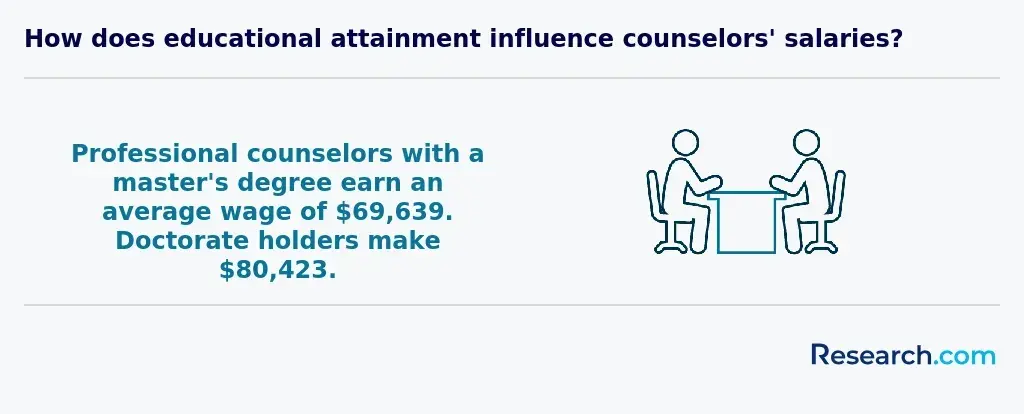
- Compare earning potential carefully: According to the American Counseling Association, those with a master’s degree can earn up to $69,639, while doctoral degree holders may earn as much as $80,423. These figures can help with planning, but individual outcomes are not guaranteed.
| Question to ask a counseling program | Why it matters |
| Does the curriculum meet Wisconsin LPC educational requirements? | A program that does not align with state licensure can delay or complicate your path. |
| How are practicum and internship sites assigned? | Field placement access affects graduation timelines and clinical readiness. |
| Are online students eligible for the same placement support as campus students? | Flexible programs can still create problems if students must find clinical sites alone. |
| What is the typical time to completion for full-time and part-time students? | Program length affects cost, work schedules, and when you can begin post-graduate supervision. |
| What support is available for licensing exam preparation? | Exam preparation resources can reduce uncertainty after graduation. |
Why does practicum and internship experience matter?
Practicum and internship are not just graduation requirements. They are the first structured opportunities to practice counseling skills with supervision, feedback, documentation, case conceptualization, and ethical decision-making. In Wisconsin, counseling students must complete a minimum of 100 hours of supervised practicum and 700 hours of internship experience as part of the counseling degree.
What strong clinical fieldwork should provide
- Direct client exposure: Students learn how to conduct sessions, build rapport, respond to difficult disclosures, and adjust interventions based on client needs.
- Supervision: Effective supervision helps students identify blind spots, manage countertransference, understand ethical obligations, and strengthen clinical judgment.
- Documentation practice: Counseling students need to learn treatment planning, progress notes, risk documentation, and professional recordkeeping.
- Professional identity development: Fieldwork helps students decide whether they prefer community mental health, schools, hospitals, substance use treatment, private practice, or another setting.
- Job connections: Internship sites often become references, supervision opportunities, or first employers after graduation.
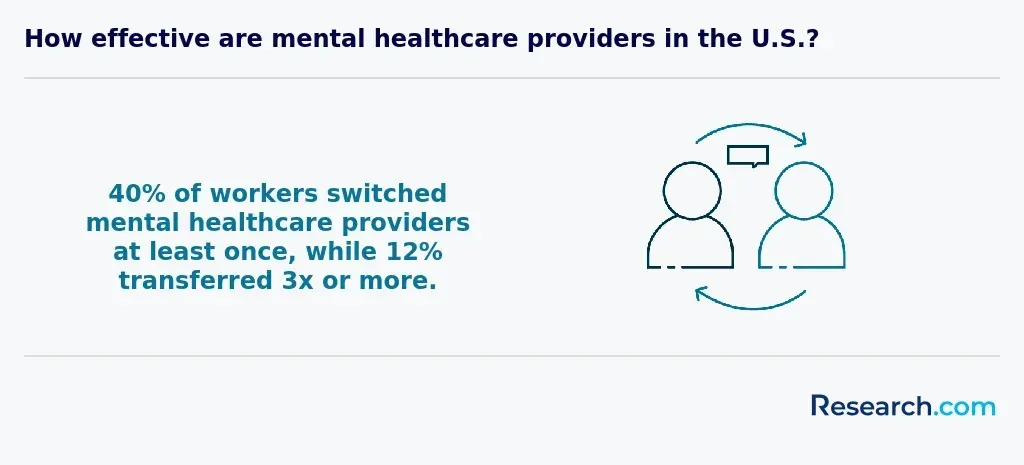
Practical experience matters in nearly every state. Whether you are comparing Washington LPC careers or planning to stay in Wisconsin, supervised work helps bridge the gap between theory and real client care. A Lyra survey found that 40% of workers have switched mental health providers at least once, which shows why consistency, competence, and fit are important in the client experience.
A Milwaukee counselor who completed a Wisconsin university practicum described the experience as difficult but formative. She said client work brought emotional intensity that could not be fully understood in the classroom, but supervision helped her learn how to stay present, respond professionally, and develop confidence. She also noted that the relationships formed during fieldwork helped when she began searching for her first counseling job.
Which counseling specializations are available in Wisconsin?
Counseling is not a single career track. Wisconsin counselors may focus on clinical mental health, substance use, families, schools, older adults, trauma, rehabilitation, or counselor education. The right specialization depends on the population you want to serve, the settings where you want to work, and whether additional licensure or credentials are required.
| Specialization | Primary focus | Salary information stated in the source article | Good fit for students who want to... |
| Mental Health Counseling | Assessment and treatment of emotional, behavioral, and mental health concerns. | The average annual wage for clinical mental health counselors in Wisconsin is approximately $69,167. | Provide therapy in clinics, community agencies, hospitals, or private practice settings. |
| Marriage and Family Therapy | Relationship patterns, family systems, couple conflict, and family-based treatment needs. | The average salary for marriage and family therapists in Wisconsin is around $44,220 annually. | Work with couples, families, and relational dynamics. |
| Substance Abuse Counseling | Addiction, recovery support, relapse prevention, treatment planning, and co-occurring concerns. | The average annual wage for substance abuse counselors in Wisconsin is about $52,872. | Support clients affected by substance use disorders and related behavioral health needs. |
| School Counseling | Academic, social, emotional, and career development for students. | The average salary for school counselors in Wisconsin is $61,610 per year. | Serve children and adolescents in K–12 education settings. |
| Counselor Education | Teaching, supervision, research, and preparation of future counseling professionals. | In the U.S., they earn as much as $77,171. | Move into higher education, supervision, or counselor training roles. |
Before choosing a specialization, confirm whether the role requires a different license, certification, endorsement, or supervised experience pathway. Researching other states can also clarify how different counseling specialties are regulated. For example, this Massachusetts LPC guide can help you compare licensure structures and workforce expectations outside Wisconsin.
The chart below compares the average wages of LPCs and Counselor Educators.
Is Wisconsin a good state for mental health counselors?
Wisconsin can be a strong state for mental health counselors who want to work in community care, school-connected services, rural access initiatives, crisis response, or private practice. The state has documented workforce need, multiple public mental health initiatives, and participation in interstate practice developments. However, shortages, high caseloads, insurance limits, and burnout risks should be weighed before entering the field.
Advantages and trade-offs of practicing in Wisconsin
| Factor | Potential advantage | Possible concern |
| Salary | Mental health counselors in Wisconsin earn slightly more than the national average wages of LPCs, which is $60,080. In Appleton, LPCs earn $71,960 each year, and in Milwaukee and Racine, they make around $67,000. | Actual earnings depend on employer type, caseload, benefits, credentials, specialization, and location. |
| Licensing reciprocity | Wisconsin offers pathways for licensed counselors from other states to seek recognition if requirements are met. | Applicants should not assume automatic approval; documentation and state-specific standards still matter. |
| Interstate practice | Wisconsin is a member of the Counseling Compact, which can support licensed counselors who want to practice across state lines under compact rules. | Counselors must follow compact procedures and all applicable practice requirements. |
| Community resources | Nonprofits, schools, government programs, and clinics can offer collaboration opportunities. | Resource availability varies between urban, suburban, and rural areas. |
| State investment | Wisconsin has supported crisis stabilization facilities and allocated a budget of $30 million to support collaboration between schools and mental health providers. | Public funding and program availability can change, so counselors should monitor state updates. |
For many counselors, Wisconsin is a good fit if they value community impact and are prepared for the realities of a high-need behavioral health system. It may be less ideal for those who want a low-stress caseload, immediate independent practice, or a short training timeline.
What is the job demand for mental health counselors in Wisconsin?
Wisconsin’s job outlook for mental health counselors reflects increased attention to behavioral health needs and ongoing gaps in care. ONET OnLine data from 2024 show that Wisconsin had approximately 6,440 mental health counselors employed in 2020, with projected employment of around 7,630 by 2030. That represents a projected 19% increase from 2020 to 2030.
The state is also expected to have about 770 job openings for mental health counselors each year. These openings may come from new jobs as well as replacement needs when professionals retire, relocate, change roles, or leave the field.
Where Wisconsin mental health counselors may find opportunities
- Community mental health centers
- Hospitals and integrated health systems
- Private practices and group practices
- Substance use treatment programs
- School-linked mental health programs
- Crisis stabilization and intervention services
- Nonprofit family service agencies
- Employee assistance programs
- Telehealth providers serving Wisconsin residents
If you are comparing licensing routes across states, career resources such as Oklahoma LPC career advice can help you understand how Wisconsin’s demand, supervision structure, and exam requirements compare with other markets.
What jobs can mental health counseling graduates pursue in Wisconsin?
A graduate degree in clinical mental health counseling can lead to several types of behavioral health roles, although some positions require separate licenses, certifications, or credentials. Students should read job descriptions carefully and confirm whether the role requires LPC licensure, a training license, a school credential, substance abuse certification, or another professional designation.
| Career path | What the role may involve | Important licensing note |
| Mental Health Counselor | Provides counseling services to individuals, groups, or families in clinical settings. | Full independent practice generally requires Wisconsin Professional Counselor licensure. |
| Substance Abuse Counselor | Supports clients with addiction, recovery planning, relapse prevention, and co-occurring needs. | Additional substance abuse counseling credentials may be required depending on the position. |
| Geriatric Counselor | Works with older adults on grief, health transitions, family changes, isolation, and adjustment concerns. | Specialized training in aging and later-life mental health can strengthen qualifications. |
| Employee Assistance Program Counselor | Helps workers address stress, workplace conflict, family concerns, grief, substance use, or crisis needs. | Employers may prefer licensed clinicians with short-term counseling and referral experience. |
| Family and Relationship Therapist | Works with couples, families, and relational systems to improve communication and reduce distress. | Marriage and family therapy may involve a distinct licensure pathway. |
| Social Worker | Connects clients to services and may provide counseling if properly licensed. | Social work has its own education and licensure requirements. |
National treatment-use patterns also show why these roles matter. In the U.S., 13% of adults have sought counseling, while 23% have utilized counseling and/or medication. That does not mean every graduate will have the same job outcome, but it does show that counseling is one part of a broader mental health treatment system.
A Wisconsin counselor who graduated from the University of Wisconsin described the first career decision as challenging because Milwaukee’s client needs were so varied. She considered substance abuse counseling and family therapy before choosing a community health center, where she could work directly with clients facing complex barriers. She described the early months as emotionally demanding but said watching clients make progress confirmed that the work was worth the effort.
This chart shows the share of adults who received some type of mental health treatment.
What Wisconsin mental health initiatives and resources should counselors know?
Wisconsin’s mental health system includes public agencies, school partnerships, crisis response efforts, professional associations, and provider networks that can support both clients and counselors. These resources matter because counselors often work across systems rather than in isolation.
Resources and initiatives that may affect counseling work
- Wisconsin Department of Safety and Professional Services: This is the key licensing resource for Professional Counselor requirements, applications, renewals, and rule updates.
- Wisconsin Department of Health Services: DHS provides information on behavioral health programs, crisis services, workforce reports, and mental health initiatives.
- School-based mental health collaboration: Wisconsin has allocated a budget of $30 million to support collaboration between schools and mental health providers.
- Crisis stabilization expansion: The state has supported the opening of five crisis stabilization facilities.
- Professional associations: Counseling organizations can provide networking, continuing education, advocacy updates, and peer consultation.
- Regional referral networks: These are especially valuable in rural communities where one counselor may need reliable referral options for psychiatry, substance use treatment, family services, housing support, or crisis care.
Students and professionals who want a state-specific overview of requirements can also review Research.com’s guide on how to become a therapist in Wisconsin. Use it alongside official Wisconsin licensing sources, because state boards are the final authority on licensure decisions.
What challenges do Wisconsin mental health counselors face?
Mental health counseling can be meaningful work, but it is not an easy profession. Wisconsin counselors must navigate shortages, documentation demands, insurance limitations, emotional strain, and evolving regulatory expectations.
| Common challenge | Why it matters | How future counselors can prepare |
| Provider shortages | Wisconsin has 171 mental health HPSAs, which can mean long waitlists and heavy caseloads. | Develop strong triage, referral, and boundary-setting skills. |
| Licensure complexity | Education, supervision, exams, and applications can take time and careful documentation. | Track requirements early and keep copies of supervision and fieldwork records. |
| Client affordability barriers | Insurance limits and out-of-pocket costs may affect treatment access and continuity. | Learn referral options, sliding-scale resources, and community support systems. |
| Burnout risk | High emotional demand can affect counselor well-being and effectiveness. | Use supervision, peer support, realistic caseload planning, and personal boundaries. |
| Ongoing professional development | Ethical, clinical, telehealth, and documentation expectations continue to evolve. | Build continuing education into your annual professional plan. |
Understanding these challenges before entering graduate school can help students choose better programs, better internships, and better first jobs.
Can substance abuse counseling expand counseling opportunities in Wisconsin?
Yes. Substance abuse counseling can broaden a mental health professional’s career options, especially for counselors who want to work with clients experiencing addiction, recovery challenges, relapse risk, or co-occurring mental health concerns. Many clients do not present with only one issue, so training in substance use assessment and treatment can make a counselor more useful in community clinics, hospitals, correctional settings, residential programs, and integrated behavioral health teams.
Students should not assume that an LPC credential automatically covers every substance abuse counseling role. Depending on the employer and services provided, additional certification or specialized training may be expected. For a focused overview of the state pathway, see how to become a substance abuse counselor in Wisconsin.
How can additional education strengthen a counseling career?
Supplemental education can help counselors understand clients in a broader social context. Courses or credentials in social work, trauma, addiction, family systems, school mental health, public health, or case management may improve collaboration with other professionals and expand employment options.
For example, studying social work can deepen a counselor’s understanding of poverty, housing insecurity, family systems, disability services, child welfare, and community resources. Students who want that broader human services perspective can explore a social work degree online, while remembering that social work and professional counseling have separate licensure pathways.
What self-care strategies help counselors avoid burnout?
Counselor self-care is a professional responsibility, not a luxury. When counselors ignore burnout, client care, ethical judgment, documentation quality, and personal health can all suffer. Wisconsin’s workforce shortages and high-need settings make sustainable practice habits especially important.
Practical self-care strategies for Wisconsin counselors
- Use supervision and consultation consistently: Discuss complex cases, ethical questions, emotional reactions, and treatment uncertainty before they become bigger problems.
- Set caseload limits when possible: More sessions do not always mean better care. Sustainable workloads help counselors remain effective.
- Protect non-work time: Define when you respond to messages, complete notes, and handle emergencies so work does not consume every evening.
- Build peer support: Rural and solo practitioners may be especially vulnerable to isolation, making professional peer groups valuable.
- Maintain physical health: Sleep, movement, nutrition, and medical care affect emotional resilience and clinical presence.
- Use mindfulness or stress-management practices: Meditation, breathing exercises, yoga, walking, or reflective journaling can help counselors transition out of emotionally intense sessions.
- Keep learning without overloading yourself: Continuing education should improve skill and confidence, not become another source of unsustainable pressure.
Are online substance abuse counseling programs a practical option?
Online substance abuse counseling programs can be useful for Wisconsin students who need flexibility because of work, caregiving, geography, or transportation limits. The key is not whether the coursework is online; the key is whether the program is accredited, respected by employers, aligned with Wisconsin credentialing expectations, and able to help students complete required field experience.
Before enrolling, ask where Wisconsin students complete practicum or internship hours, whether the school has placement partners in the state, and whether graduates have successfully pursued relevant credentials. Cost-conscious students can compare options through Research.com’s ranking of most affordable online substance abuse counseling degree programs.
How does school psychology connect with mental health counseling?
School psychology and mental health counseling overlap in their concern for children, adolescents, families, learning environments, behavior, crisis response, and early intervention. A counselor who understands school psychology concepts may communicate more effectively with educators, IEP teams, administrators, and parents.
This background can be especially helpful for counselors working in school-linked mental health, youth therapy, trauma-informed education, or family services. If you are comparing the school psychology route with counseling, Research.com’s guide, How long does it take to become a school psychologist in Wisconsin?, explains the education and timeline for that profession.
What salary expectations should Wisconsin counselors have?
Mental health counselor pay in Wisconsin depends on location, setting, license level, specialization, experience, supervision responsibilities, and whether the counselor works for an employer or operates in private practice. The source figures in this article report that mental health counselors in Wisconsin earn an average annual salary of approximately $66,230. The article also notes that Wisconsin mental health counselors earn slightly more than the national average wages of LPCs, which is $60,080.
Location can matter. Appleton LPCs earn $71,960 each year, while LPCs in Milwaukee and Racine make around $67,000. These figures should be treated as planning information, not salary guarantees.
Factors that can affect compensation
- Full licensure versus training license status
- Years of clinical experience
- Urban, suburban, or rural location
- Employer type, such as hospital, school, nonprofit, group practice, or private practice
- Specialized training in substance use, trauma, couples and families, crisis care, or geriatric counseling
- Benefits, paid supervision, continuing education support, and productivity expectations
Students comparing related helping professions may also want to review social worker education requirements in Wisconsin to understand how training, licensure, and salary expectations differ across behavioral health roles.
What financial aid options can help pay for counseling education?
Graduate counseling education can be expensive, so students should compare total cost rather than tuition alone. Fees, books, technology costs, commuting, unpaid internship hours, exam fees, application fees, and lost work time can all affect affordability.
Funding sources to investigate
- Federal financial aid through the FAFSA
- Institutional scholarships from the college or university
- Graduate assistantships or tuition discounts when available
- Employer tuition assistance for students already working in human services or healthcare
- State or local workforce programs tied to behavioral health shortages
- Scholarships for counseling, psychology, social services, or rural health students
- Loan repayment programs, if available and applicable to the student’s future employment setting
When comparing schools, look at academic quality and student support in addition to cost. Research.com’s overview of the best psychology schools in Wisconsin can help students begin comparing institutions, though counseling licensure fit should always be verified separately.
How can you move faster toward a counseling career in Wisconsin?
The fastest realistic path is not the same as the easiest path. Wisconsin LPC licensure still requires graduate education, supervised experience, an approved exam, and state approval. However, students can reduce delays by choosing a program that is clearly aligned with licensure, transferring eligible credits when allowed, studying full time if feasible, arranging field placements early, and keeping supervision documentation organized from the beginning.
Ways to reduce avoidable delays
- Choose a graduate program that explicitly prepares students for Wisconsin LPC licensure.
- Ask about part-time, full-time, evening, hybrid, and online formats before applying.
- Confirm field placement availability before enrolling, especially if you live in a rural area.
- Prepare for the NCMHCE, NCE, or CRC Exam while completing supervision rather than waiting until the last moment.
- Keep detailed records of practicum, internship, post-graduate supervision, and direct client contact hours.
- Review application instructions early so missing paperwork does not slow down licensure.
For a focused discussion of expedited routes, see Research.com’s guide to the quickest path to becoming a counselor in Wisconsin.
How do you become a school counselor in Wisconsin?
School counseling is related to mental health counseling, but it is not identical to LPC practice. Wisconsin school counselors typically prepare through a school counseling graduate program and complete supervised training in a K–12 setting. Their work focuses on academic development, career planning, social and emotional support, crisis response, and collaboration with educators and families.
If your main goal is to work in elementary, middle, or high schools, review the specific school counseling pathway rather than assuming an LPC program will meet all school credential requirements. Research.com’s guide on how to become a school counselor in Wisconsin explains this route in more detail.
How do changing rules affect LPC licensure in Wisconsin?
Licensing rules affect what counselors can do, how they document care, who can supervise them, how they renew credentials, and whether they can provide services across state lines. Wisconsin counselors should monitor updates from the Wisconsin Department of Safety and Professional Services and professional associations rather than relying only on old program materials or informal advice.
Regulatory changes may affect supervision requirements, telehealth expectations, documentation practices, continuing education, compact privileges, and application procedures. For more detail, review Research.com’s guide to LPC license requirements in Wisconsin, then confirm current details with the official licensing board.
What specialized counseling careers are available in Wisconsin?
Specialized counseling careers can help professionals serve specific populations and stand out in the labor market. Options may include substance abuse counseling, grief counseling, trauma counseling, school counseling, geriatric counseling, rehabilitation counseling, marriage and family therapy, and crisis counseling.
Marriage and family therapy is one distinct route for students interested in couples, family systems, parent-child dynamics, and relational patterns. To compare that pathway with LPC preparation, read Research.com’s guide on how to become a marriage and family therapist in Wisconsin.
What trends are changing mental health counseling in Wisconsin?
Several trends are shaping how Wisconsin counselors train, practice, and reach clients. These shifts do not eliminate the need for strong clinical fundamentals, but they do change what employers and clients may expect.
Telehealth is now part of routine behavioral health care
Telehealth can help counselors reach clients who face transportation barriers, rural access gaps, health limitations, or scheduling constraints. Counselors should understand telehealth ethics, privacy, emergency planning, documentation, and cross-jurisdiction rules.
Technology is changing care coordination
Digital scheduling, secure messaging, electronic health records, measurement-based care tools, and online screening instruments are increasingly part of counseling workplaces. Counselors should use technology carefully and avoid tools that create privacy, bias, or scope-of-practice problems.
Trauma-informed care remains a priority
Many clients seek counseling after exposure to trauma, family disruption, violence, loss, discrimination, substance use in the family, or chronic stress. Trauma-informed practice helps counselors avoid retraumatization and support client safety, choice, collaboration, and empowerment.
Community-based and school-connected care are expanding
Wisconsin’s investment in school and mental health provider collaboration reflects a broader move toward earlier intervention and easier access. Counselors who can work across systems may find more opportunities.
Specialized services are becoming more visible
Clients often seek counselors with expertise in grief, addiction, family conflict, trauma, or youth mental health. Students interested in grief-focused practice can review How long does it take to become a grief counselor to understand common training considerations.
Policy and workforce initiatives continue to matter
Funding decisions, crisis stabilization programs, compact participation, and workforce reports can influence where counseling jobs appear and which populations receive better access to care.
How do you choose the right counseling degree program in Wisconsin?
The counseling program you choose can affect your licensure timeline, debt, clinical confidence, internship quality, and job options. Do not choose based only on convenience, rankings, or tuition. The best program for you is one that meets Wisconsin licensure expectations, fits your schedule, supports field placement, and prepares you for the clients you want to serve.
Key factors to compare before enrolling
| Selection factor | What to check | Common mistake to avoid |
| Accreditation and licensure alignment | Confirm that the curriculum supports Wisconsin LPC requirements and ask how the school tracks licensing changes. | Assuming every counseling degree automatically qualifies you for Wisconsin licensure. |
| Program format | Compare campus, online, hybrid, full-time, part-time, and evening options. | Choosing an online program without confirming field placement support in Wisconsin. |
| Clinical placements | Ask where students complete the 100 hours of supervised practicum and 700 hours of internship experience. | Waiting until the last minute to find a practicum or internship site. |
| Specializations | Look for coursework or faculty expertise in substance use, trauma, school mental health, family systems, or other areas that match your goals. | Selecting a general program when your target career requires specialized preparation. |
| Cost | Calculate tuition, fees, books, technology, travel, internship-related costs, and reduced work hours. | Comparing only per-credit tuition and ignoring the full cost of attendance. |
| Faculty and supervision culture | Ask about faculty experience, supervision style, student support, and advising access. | Ignoring whether the program’s culture fits your learning needs. |
| Career outcomes | Ask about licensure exam support, employer relationships, alumni networks, and job search services. | Assuming a degree alone will produce a specific job or salary outcome. |
Students who need a flexible format can explore online counseling options, but they should still check licensure and clinical training carefully. If ease of access is a major concern, Research.com’s guide to what is the easiest counseling degree to get online can help you compare flexible routes while keeping licensure requirements in mind.
What are the licensure and continuing education requirements for marriage and family therapists in Wisconsin?
Marriage and family therapists in Wisconsin follow a distinct professional pathway from Licensed Professional Counselors. The work focuses on couples, families, relational systems, and interaction patterns, so the educational and supervised clinical requirements are not always interchangeable with LPC preparation.
Students interested in this route should review marriage counselor education requirements in Wisconsin before choosing a graduate program. The pathway generally involves specialized coursework, supervised clinical practice related to marital and family dynamics, and continuing education to maintain professional competence and comply with state expectations.
What do Wisconsin mental health counselors say about the career?
- "Building a counseling career in Wisconsin has given me the chance to work closely with communities that truly need support. The most rewarding moments come when clients begin to recognize their own progress and feel less alone in the process." - Abigail
- "My work as a counselor in Wisconsin connects my commitment to helping people with the strong community networks across the state. Local organizations and growing mental health awareness have made it easier to reach clients and build trust." - Hana
- "Wisconsin’s diverse communities have taught me to stay humble, curious, and collaborative. I learn from clients every day, and the professional support among counselors helps me keep improving." - Vivian
Other questions about mental health counseling in Wisconsin
How long does it take to become a mental health counselor in Wisconsin?
The full path commonly takes about six to eight years, depending on your pace. A bachelor’s degree usually takes four years. A counseling master’s degree generally adds two to three years. After graduate school, candidates must complete 3,000 hours of supervised clinical practice, which can take about two years. Exam preparation and licensing paperwork may add several additional months.
Can you work as a counselor in Wisconsin without a license?
You cannot legally practice independently as a mental health counselor in Wisconsin without the proper license. Providing therapy, creating treatment plans, or holding yourself out as a licensed counselor without authorization can create serious legal and professional consequences. Students and graduates should understand the difference between training roles, supervised roles, and fully licensed practice.
Can Wisconsin counselors diagnose clients?
The diagnostic authority of LPCs in Wisconsin is not explicitly stated in the profession’s statute and rules. Wisconsin State Legislature 457.01 identifies diagnosing clients within the practices of clinical social workers and marriage and family therapists. Counselors should consult the Wisconsin Department of Safety and Professional Services and current legal guidance to understand scope of practice and documentation expectations.
What is the highest-paying type of counselor in Wisconsin?
The highest-paying counseling path can vary by employer, city, experience level, specialization, and whether the counselor is in private practice, leadership, supervision, or education. The figures cited in this article show different salary points across roles, including approximately $69,167 for clinical mental health counselors in Wisconsin, $61,610 per year for school counselors in Wisconsin, and as much as $77,171 for counselor educators in the U.S. Students should compare role requirements and long-term fit rather than choosing a specialization based only on pay.
Related Articles for Nearby States
- 2027 How to Become a Mental Health Counselor in Minnesota
- 2027 How to Become a Mental Health Counselor in Iowa
- 2027 How to Become a Mental Health Counselor in Illinois
- 2027 How to Become a Mental Health Counselor in Michigan
- 2027 How to Become a Mental Health Counselor in Indiana
- 2027 How to Become a Mental Health Counselor in Missouri
- 2027 How to Become a Mental Health Counselor in Ohio
- 2027 How to Become a Mental Health Counselor in South Dakota
- 2027 How to Become a Mental Health Counselor in Nebraska
- 2027 How to Become a Mental Health Counselor in Kentucky
References:
- American Counseling Association. (2024). Counseling Workforce Survey Report. https://www.counseling.org/resources/research-reports/counseling-workforce-report
- Health Resources and Services Administration. (2024, June 30). Third Quarter of Fiscal Year 2024 Designated HPSA Quarterly Summary. https://data.hrsa.gov/topics/health-workforce/shortage-areas
- KFF. (2023). Mental Health in Wisconsin. https://www.kff.org/statedata/mental-health-and-substance-use-state-fact-sheets/wisconsin
- Lyra. (2024). Mental Health in the Workplace. https://www.lyrahealth.com/resources/mental-health-in-the-workplace
- ONET OnLine. (2024, August 9). Wisconsin Employment Trends. Retrieved August 2024, from https://www.onetonline.org/link/localtrends/21-1014.00?st=WI
- U.S. Bureau of Labor Statistics. (2024, April 3). May 2023 state occupational employment and wage estimates - Wisconsin. Occupational Employment and Wage Statistics. https://www.bls.gov/oes/current/oes_wi.htm
- Wisconsin Department of Health Services. (2024). Governor's Task Force on the Healthcare Workforce Report. https://www.dhs.wisconsin.gov/hc-workforce/gov-taskforce-hcwf-report-2024.pdf
- Wisconsin Department of Safety and Professional Services. (n.d.). Professional Counselor. Retrieved August 2024, from https://dsps.wi.gov/Pages/Professions/LPC/Default.aspx
- Wisconsin State Legislature. (n.d.). Chapter 457: Marriage and Family Therapy, Professional Counseling, and Social Work. Retrieved August 2024, from https://docs.legis.wisconsin.gov/statutes/statutes/457
Key Insights
- Wisconsin’s LPC pathway requires graduate counseling education, a Professional Counselor Training license, supervised post-graduate experience, an approved exam, and final state licensure.
- The most important number to plan around is 3,000 supervised post-graduate hours, including 1,000 hours of direct client contact.
- Program choice matters. Before enrolling, confirm accreditation, Wisconsin licensure alignment, field placement support, total cost, and exam preparation resources.
- Wisconsin’s projected 19% growth from 2020 to 2030 suggests continued need for counselors, but individual job outcomes depend on location, specialization, license status, and employer demand.
- Salary can be competitive in some Wisconsin markets, but students should evaluate benefits, supervision support, caseload expectations, and burnout risk along with pay.
- Telehealth, school-based mental health partnerships, crisis stabilization, and substance abuse treatment are important areas for future counseling opportunities in Wisconsin.
- Do not assume all counseling-adjacent roles use the same license. LPCs, school counselors, social workers, substance abuse counselors, school psychologists, and marriage and family therapists may follow different credentialing rules.
- The best next step is to compare Wisconsin-approved counseling programs, contact admissions and licensing advisors, and map your timeline from graduate school through supervised experience before committing.
Other Things You Should Know About Mental Health Counseling in Wisconsin
In 2027, to become a mental health counselor in Wisconsin, candidates must complete a Master’s degree in counseling or a related field from an accredited institution. The program should include coursework and supervised practical experience to meet state licensure requirements.
To maintain a mental health counselor license in Wisconsin in 2027, counselors must complete 30 hours of continuing education during each two-year licensure period, including 4 hours in professional ethics and boundaries. Renewal of the license must also be filed before the expiration date.





