2027 Best Jobs for MBA Graduates

Co-Founder and Chief Data Scientist
Choosing an MBA career path is no longer just about getting a management credential and hoping it leads to a better title. Employers now expect MBA graduates to show measurable business judgment, data fluency, leadership readiness, and a clear understanding of how their specialization fits the market. The strongest MBA outcomes usually come from matching your experience, concentration, network, and target industry before you graduate.
This guide explains the best jobs for MBA graduates, where MBAs are most commonly hired, how salaries and job outlook vary by role, what employers think about online MBA programs, and how to position your degree for consulting, finance, marketing, operations, healthcare, technology, entrepreneurship, and other business careers.
Quick answer: What are the best jobs for MBA graduates?
The best MBA jobs are usually roles that combine business strategy, leadership, financial decision-making, analytics, and cross-functional management. Common high-value paths include business consulting, marketing management, financial management, operations management, human resources leadership, project management, entrepreneurship, product management, and business analytics. According to Flynn, the average starting salary for MBA graduates was 76% higher than for bachelor’s degree holders, but actual earnings depend heavily on industry, prior experience, school reputation, location, specialization, and role.
Key things you should know about MBA jobs
- Employers often value MBA graduates for strategic thinking, analytical ability, leadership potential, and broad business knowledge.
- Consulting, finance, marketing, operations, project management, human resources, technology, and entrepreneurship are among the most common MBA career directions.
- Specialized MBA programs can lead to strong compensation, but salary outcomes are not guaranteed and vary by market, experience, and employer.
- Online MBA acceptance has improved, especially when the program is offered by a reputable and accredited institution.
- Consulting firms remain major MBA recruiters, while technology and finance/accounting employers also report strong demand.
- An MBA can support career advancement, career switching, network expansion, income growth, and leadership development when the program aligns with a clear career plan.
- What career paths make sense for MBA graduates?
- What are the best jobs for MBA graduates?
- How much can MBA graduates earn?
- What career benefits can an MBA provide?
- Do employers value online MBA degrees?
- What skills do employers expect from MBA graduates?
- Can MBA graduates get good jobs without prior work experience?
- Which employers are hiring MBA graduates for 2027?
- How can an accelerated MBA affect your career timeline?
- How can you get hired after earning an MBA?
- What challenges should MBA applicants prepare for?
- How should you compare MBA cost with career value?
- Which MBA specializations offer flexibility and growth?
- What are the benefits of a dual MSN/MBA degree?
- Can an MBA support healthcare leadership careers?
- Should MBA graduates add healthcare credentials?
- Why do accreditation and rankings matter for MBA value?
- How can MBA graduates use networking opportunities for 2027?
- What alternatives exist outside a traditional MBA?
- How can an MBA help with an industry change?
- How do online MBA costs compare with traditional programs?
- What alternative careers can MBA graduates pursue?
What career paths make sense for MBA graduates?
MBA graduates can pursue many career opportunities in business administration, but the best path depends on your pre-MBA background, target industry, specialization, and appetite for risk. Some graduates use the degree to move up within the same company, while others use it to switch industries, enter consulting, launch a company, or qualify for leadership roles.
Management consulting remains one of the most visible MBA destinations because it rewards structured problem-solving, client communication, market analysis, and executive-level recommendations. Firms such as McKinsey & Company and Boston Consulting Group hire MBAs to evaluate business problems, redesign operations, improve growth strategies, and advise clients across industries.
Finance is another major pathway for MBA graduates with strong quantitative skills. Investment banking, private equity, asset management, corporate finance, and financial planning roles often require valuation, forecasting, risk analysis, capital allocation, and strategic decision-making. These roles can be demanding, but they may offer strong compensation for graduates with the right experience and technical preparation.
Marketing and brand management are strong choices for MBAs who understand customers, positioning, digital channels, and competitive strategy. These roles may involve market research, product launches, pricing decisions, campaign planning, brand development, and revenue growth across technology, consumer goods, retail, healthcare, media, and business services.
| Career path | Best fit for | Common MBA value | Important trade-off |
| Consulting | Analytical problem-solvers who like client-facing work | Strategy, structured analysis, executive communication | Travel, long hours, and intense deadlines may be common |
| Finance | Graduates with quantitative strength and comfort with risk | Financial modeling, valuation, investment strategy | Entry can be competitive and may depend on internships and school recruiting |
| Marketing | Professionals interested in customers, growth, and brand strategy | Consumer insight, market analysis, pricing, campaign leadership | Performance is often tied to measurable revenue, growth, or market outcomes |
| Operations | Process-focused leaders who enjoy systems and efficiency | Supply chain, workflow improvement, cost control | Roles may require hands-on management of people, vendors, and logistics |
| Entrepreneurship | Graduates who want to build or scale ventures | Business planning, financing, marketing, operations | Income and job stability vary widely by business model and market conditions |
What are the best jobs for MBA graduates?
MBA graduates are often strong candidates for business career options that require strategy, leadership, financial judgment, and cross-functional coordination. Using U.S. Bureau of Labor Statistics (BLS) information cited in the original guide, the following roles stand out for salary potential, employment outlook, and relevance to MBA training.
| MBA job | Median salary | Projected job outlook | Why the MBA helps |
| Business Consultant/Analyst | $95,290 | 10% through 2032 | Supports data-backed recommendations, operational improvement, and strategy work |
| Marketing Manager | $140,040 | 7% growth rate | Builds skills in market research, brand strategy, customer analysis, and campaign planning |
| Financial Manager | $139,790 | 16% through 2031 | Develops budgeting, forecasting, investment analysis, and risk management capabilities |
| Operations Manager | $98,100 | 4% through 2032 | Strengthens process improvement, supply chain, resource allocation, and cost-control skills |
| Human Resources Manager | $130,000 | 5% through 2032 | Combines people strategy, leadership, organizational design, and workforce planning |
| Entrepreneur/Startup Founder | Varies by industry, market conditions, and individual circumstances | Varies by industry, economic conditions, and individual capabilities | Provides grounding in finance, marketing, operations, leadership, and venture strategy |
| Project Manager | $95,370 | 6% through 2032 | Prepares graduates to lead teams, manage budgets, control timelines, and deliver outcomes |
Business Consultant/Analyst
Business consultants and analysts help organizations diagnose performance problems, evaluate data, improve processes, and recommend strategic changes. MBA graduates often fit this role because they can connect financial analysis, operations, customer behavior, and organizational goals.
Job Outlook: As companies place more emphasis on data-informed planning and performance improvement, the BLS projects that employment for skilled business consultants/analysts will grow by 10% through 2032.
Median Salary: $95,290
Marketing Manager
Marketing managers lead the work of understanding customers, positioning products, building demand, and measuring campaign performance. MBA graduates can be especially competitive when they combine marketing strategy with analytics, finance, and digital channel knowledge.
Job Outlook: The BLS reports that employment for marketing managers is expected to grow faster than the average for all occupations, with a 7% growth rate. Demand is influenced by competitive markets and the expanding role of digital marketing strategies.
Median Salary: $140,040
Financial Manager
Financial managers oversee the financial condition of an organization. Their work may include budgeting, forecasting, investment analysis, financial reporting, cash flow planning, and risk management. An MBA in finance can help graduates move from technical analysis into broader decision-making roles.
Job Outlook: Financial managers who can deliver clear, accurate, and useful financial recommendations remain in demand. BLS reports cited here project 16% growth for this role through 2031.
Median Salary: $139,790
Operations Manager
Operations managers focus on how work gets done. They improve production systems, allocate resources, manage supply chains, monitor quality, and reduce inefficiencies. MBA training can be useful because operations leaders must balance cost, speed, quality, people, and customer expectations.
Job Outlook: Employers continue to need operations managers who can improve supply chains, increase efficiency, and control costs. The BLS projects 4% employment growth for operations managers through 2032.
Median Salary: $98,100
Human Resources Manager
Human resources managers lead recruiting, compensation, employee relations, training, compliance, workforce planning, and leadership development. MBA graduates who specialize in HR can bring a broader business view to people strategy and organizational performance.
Job Outlook: Recent BLS data cited in the original article indicates that employment for human resources managers will rise by 5% through 2032. Demand is connected to recruitment strategy, employee retention, and the need to compete for qualified talent.
Median Salary: $130,000
Entrepreneur/Startup Founder
Some MBA graduates use the degree to start a company, buy a business, join an early-stage venture, or scale an existing idea. MBA coursework can help founders understand business models, customer acquisition, financing, hiring, pricing, operations, and growth planning.
Job Outlook: Entrepreneurial outcomes vary widely. Industry conditions, access to capital, timing, market demand, competition, and founder execution all affect whether a venture succeeds. Strong economic conditions may create more opportunity, while downturns can make funding and customer growth more difficult.
Median Salary: Varies by industry, market conditions, and individual circumstances.
Project Manager
Project managers plan, coordinate, and deliver work across teams. They manage scope, schedules, budgets, risks, vendors, and stakeholder expectations. MBA graduates with strong communication and organization skills may use project management roles as a bridge into operations, technology, consulting, or executive leadership.
Job Outlook: As companies continue digital transformation efforts, project managers with experience in software development, cybersecurity, data analytics, artificial intelligence, and other technology-related initiatives are especially valuable. The job outlook for this role is projected to rise by 6% through 2032.
Median Salary: $95,370
What do MBA graduates say about the degree?
"I had a clear concept for a sustainable apparel business, but I needed stronger business training before launching it. The online MBA helped me understand marketing, finance, and operations, so I now feel better prepared to build the company and pursue impact in fashion." - Dana
"After 10 years in teaching, I wanted to move into business without walking away from my job immediately. The online MBA gave me the schedule flexibility I needed while helping me build skills in marketing and finance. I am now moving toward a business analyst role and feel ready for that transition." - Sarah
"I was working full time in sales and knew that leadership roles would require broader business knowledge. The online format let me study in the evenings and on weekends. The coursework was demanding, but the support helped me take on more responsibility at work and prepare for larger leadership challenges." - Michael
How much can MBA graduates earn?
MBA compensation varies widely, but roles that require strategic decision-making, financial accountability, leadership, and specialized business expertise often pay competitively. The degree alone does not determine salary; employers also weigh prior work history, industry, location, school reputation, internships, technical skills, and leadership experience.
Specialization can also affect earning potential. As reflected in the chart below, the highest-paying master’s degrees in business include MBA pathways in entrepreneurship, economics, and finance, which often connect to six-figure compensation. By comparison, MBAs with general specializations earn about $93,000 on average.
Experience is one of the biggest salary differentiators. New MBA graduates may enter at strong starting salaries, but senior managers, directors, vice presidents, and executives often earn more because they manage larger budgets, teams, risks, and strategic decisions.
What career benefits can an MBA provide?
GMAC survey findings show that graduate business education often produces professional, personal, or financial benefits. The most important question is not whether an MBA can help, but whether the program you choose is aligned with your target role, timeline, and budget.
| MBA benefit | What it can look like | How to evaluate it before enrolling |
| Career advancement | Promotion, larger responsibilities, management-track roles, or a move into leadership | Ask the school for employment outcomes by program format, specialization, and industry |
| Leadership development | Better decision-making, team leadership, communication, and strategic planning | Review whether the curriculum includes case work, team projects, simulations, or experiential learning |
| Network expansion | Access to classmates, alumni, faculty, recruiters, mentors, and industry events | Compare alumni engagement, employer partnerships, career services, and cohort interaction |
| Specialized business knowledge | Deeper preparation in finance, analytics, marketing, consulting, supply chain, or entrepreneurship | Check whether electives match your target jobs and whether faculty have relevant industry expertise |
Career Advancement Opportunities
An MBA may help professionals compete for promotions, leadership-track roles, and positions that require stronger business judgment. GMAC reports that common outcomes of graduate business education include new jobs (61%), increased income (51%), and promotions (57%).
Leadership and Management Skills
MBA programs typically emphasize decision-making, communication, problem-solving, team leadership, strategy, and organizational management. These skills matter because many MBA-level jobs require graduates to guide people, manage uncertainty, and make decisions with financial consequences.
Expanded Network
The MBA network can be valuable if you use it actively. Classmates, professors, alumni, guest speakers, career coaches, and employer events may lead to referrals, mentorship, market insight, and job opportunities. Nearly half (45%) of graduate business students surveyed by GMAC said their programs helped them strengthen their networks.
Specialized Expertise
Concentrations allow MBA students to build focused expertise in areas such as finance, consulting, entrepreneurship, analytics, marketing, or supply chain management. GMAC found that 42% of graduate business students reported gaining business knowledge as a goal for enrollment, while 46% reported achieving that goal.
Do employers value online MBA degrees?
Employer acceptance of online MBA programs has improved, but reputation and accreditation still matter. GMAC found that in 2025, nearly two-thirds (66%) of corporate recruiters considered degrees from online and flexible programs equal in value to degrees earned through traditional in-person delivery. Students comparing online MBA programs should pay close attention to the institution behind the degree, not just the delivery format.
Recent industry reports for 2025 also indicate that 89% of hiring managers view an online degree from a regionally accredited institution as equivalent to a traditional degree. This does not mean every online MBA has the same labor-market value. Employers may still consider school brand, accreditation, admissions standards, curriculum rigor, alumni outcomes, and whether the program provides networking and career support.
What skills do employers expect from MBA graduates?
The strongest MBA candidates do more than list business courses on a resume. Employers usually look for evidence that graduates can analyze data, lead teams, communicate clearly, and make practical business decisions under pressure.
- Leadership and Management: MBA graduates should be able to guide teams, manage projects, resolve conflict, communicate priorities, and make decisions that affect people and budgets.
- Analytical and Critical Thinking: Employers value candidates who can gather information, interpret data, identify patterns, test assumptions, and make evidence-based recommendations.
- Strategic Planning: MBA-level roles often require professionals to evaluate markets, identify opportunities, assess risks, and develop plans that support growth or operational improvement.
- Business Acumen: A useful MBA education gives graduates fluency across finance, marketing, operations, management, and other business functions, allowing them to work across departments.
- Communication and Presentation Skills: MBA graduates need to explain complex ideas clearly, write persuasive recommendations, present findings, and influence stakeholders.
- Technology and Data Comfort: As business decisions become more data-driven, MBA graduates who understand analytics tools, digital transformation, automation, and artificial intelligence can be more competitive.
Can MBA graduates get good jobs without prior work experience?
It is possible to find a good role after earning an MBA without extensive prior work experience, but expectations should be realistic. The Bureau of Labor Statistics reports that the median work experience for management occupations is five years. Many employers still prefer candidates who have managed projects, worked with clients, handled budgets, or solved real business problems before entering a graduate program.
That said, the best online MBA programs can help students build a foundation in finance, marketing, analytics, leadership, and problem-solving. For candidates with limited experience, the key is to produce evidence of readiness through internships, consulting projects, case competitions, capstone work, volunteer leadership, part-time roles, or measurable work achievements.
If you lack prior work experience, prioritize MBA programs with experiential learning, employer projects, internship support, and career coaching. Without those elements, the degree may be harder to translate into a strong first post-MBA job.
Which employers are hiring MBA graduates for 2027?
MBA hiring remains strongest in sectors that need advanced business analysis, leadership, strategy, and cross-functional management. According to a 2025 GMAC survey, over 95% of corporate recruiters planned to hire MBA graduates in the upcoming year, showing continued demand for the credential.
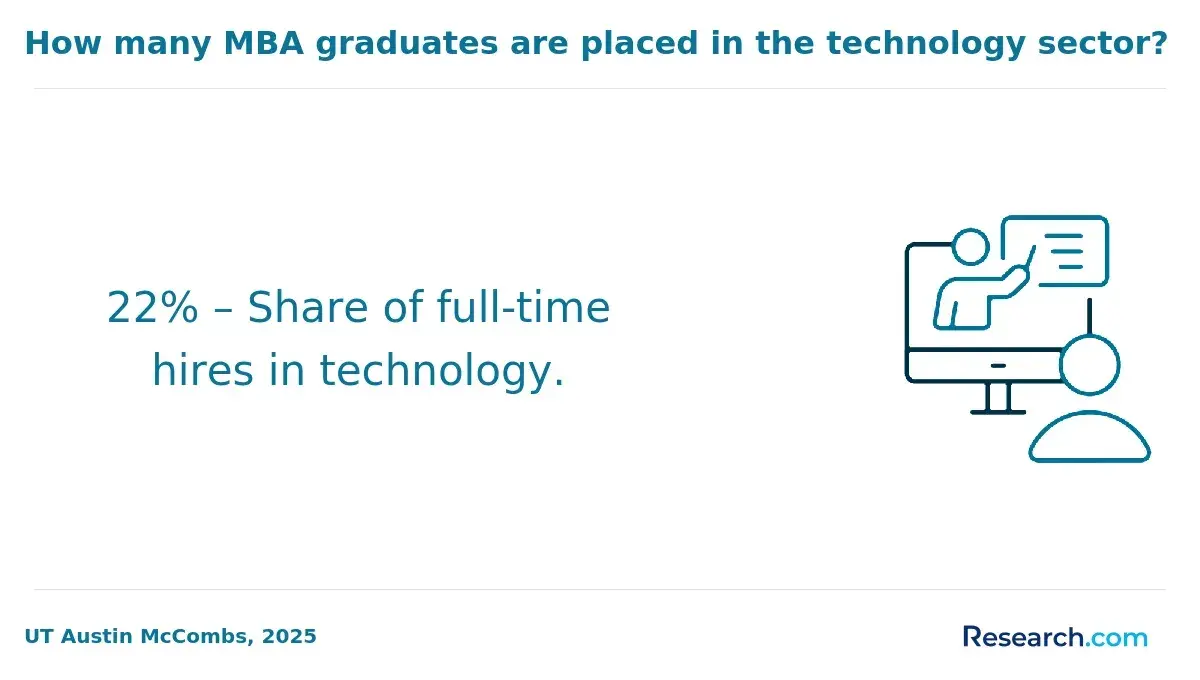
Consulting firms remain among the most active MBA employers, with 94% of companies in that sector planning to hire graduates in 2025. Technology and finance/accounting also remain important destinations, with most companies in the technology (82%) and finance/accounting sectors (81%) reporting that they hired MBAs over applicants with other graduate business degrees.
| Employer sector | Why MBAs are attractive | Roles to consider |
| Consulting | Firms need structured problem-solvers who can analyze client problems and recommend change | Consultant, business analyst, strategy associate, operations consultant |
| Technology | Technology employers value business leaders who can connect products, data, customers, and revenue | Product manager, program manager, business operations manager, growth strategist |
| Finance/accounting | Employers need professionals who can evaluate capital, risk, performance, and investment decisions | Financial manager, corporate finance associate, investment analyst, finance strategy manager |
| Healthcare | Healthcare organizations need leaders who understand cost, operations, regulation, and patient-centered delivery | Healthcare administrator, operations director, healthcare consultant |
| Startups and entrepreneurship | Early-stage companies need adaptable leaders who can build systems and manage growth | Founder, operations lead, growth manager, chief of staff |
How can an accelerated MBA affect your career timeline?
An accelerated MBA can shorten the time between enrollment and career application. Programs such as a fast track MBA 6 months online may appeal to professionals who want to build business skills quickly, reduce time away from work, or move faster toward promotion or career change.
The main advantage is speed. A shorter format can help motivated students return to the job market sooner or apply new skills while continuing to work. This may be useful for professionals in fast-moving fields such as technology, consulting, supply chain management, entrepreneurship, fintech, and data-driven business roles.
The trade-off is intensity. Accelerated MBA students may have less time for internships, networking, reflection, and career exploration. This format is usually best for students who already know their target outcome, can manage a heavy academic pace, and do not need a long runway to build experience.
How can you get hired after earning an MBA?
An MBA can improve your competitiveness, but it does not replace a focused job search strategy. The most successful graduates usually begin career planning early, align coursework with target roles, build proof of skills, and use the MBA network before graduation.
Practical steps for landing an MBA job
- Define your target role early. Decide whether you are aiming for consulting, finance, marketing, product, operations, healthcare, entrepreneurship, or another path before choosing electives and projects.
- Build a role-specific resume. Place your MBA in the education section and highlight relevant coursework, concentrations, capstone projects, internships, and measurable achievements. Reviewing MBA resume examples can help you understand how to present the degree effectively.
- Translate MBA coursework into employer language. Instead of saying you completed strategy coursework, describe how you analyzed markets, built forecasts, reduced costs, evaluated risks, or developed recommendations.
- Use internships and experiential learning. Practical experience can make the difference between being academically qualified and being job-ready.
- Show industry-specific expertise. If you specialized in analytics, finance, healthcare, marketing, supply chain, or entrepreneurship, tailor your applications to roles where that expertise matters.
- Document leadership evidence. Employers want examples of times you influenced teams, managed conflict, led projects, improved a process, or delivered results.
- Practice case, behavioral, and technical interviews. Consulting, finance, analytics, product, and leadership roles often require different interview preparation.
What challenges should MBA applicants prepare for?
An MBA can create real opportunity, but it also comes with risk. Tuition, fees, lost income, loan repayment, time commitment, family responsibilities, and job-market competition can all affect the return on investment. Before enrolling, applicants should compare program cost, accreditation, employer relationships, curriculum quality, alumni outcomes, and career support.
Online programs require especially careful review. A flexible format can be valuable, but students should ask whether the program provides strong advising, faculty access, networking, internships or projects, and recruiting support. If you are evaluating whether online MBAs are worth it, focus on outcomes and credibility rather than convenience alone.
Common MBA mistakes to avoid
- Choosing a program without checking accreditation and institutional reputation.
- Comparing only tuition instead of total cost, lost income, fees, and financing terms.
- Assuming every MBA leads automatically to a higher salary or management role.
- Selecting a specialization before researching target jobs and employer demand.
- Waiting until the final semester to use career services or build a network.
- Ignoring whether online, part-time, executive, or accelerated formats fit your goals.
How should you compare MBA cost with career value?
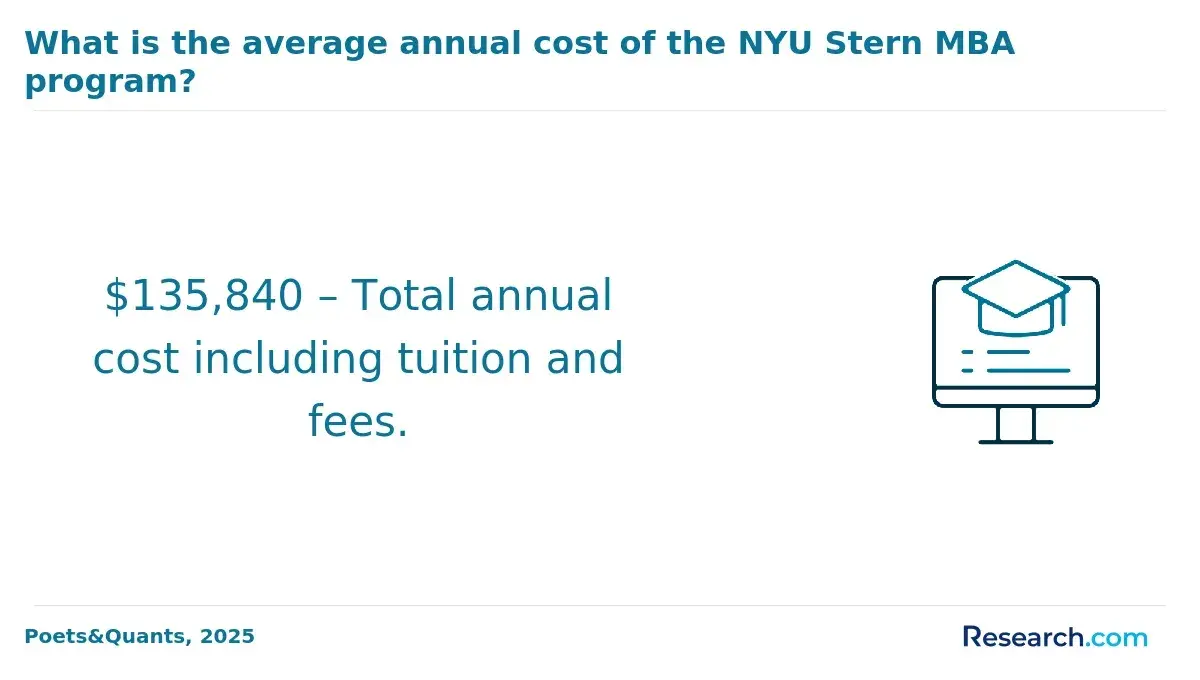
Evaluating MBA cost requires more than looking at tuition. Students should consider fees, books, travel, residency requirements, technology costs, loan interest, reduced work hours, and the opportunity cost of time spent in school. The career side of the equation should include likely job options, realistic salary growth, promotion potential, alumni outcomes, and how quickly the degree can be used.
For working professionals, affordability and format can make a major difference. Reviewing details such as online executive MBA cost can help students compare the financial commitment with possible career benefits without assuming that the most expensive program is always the best choice.
| Cost or value factor | Question to ask before enrolling |
| Tuition and fees | What is the full program cost after fees, materials, residencies, and technology expenses? |
| Opportunity cost | Will I need to reduce work hours, pause employment, relocate, or delay income? |
| Career support | Does the program provide coaching, employer access, interview preparation, and alumni connections? |
| Employment outcomes | Are job placement and salary outcomes reported by format, specialization, and student background? |
| Program credibility | Is the institution accredited, respected by employers, and transparent about outcomes? |
Which MBA specializations offer flexibility and growth?
The best MBA specialization is the one that supports your target role while keeping enough flexibility for future career changes. Some concentrations prepare students for specialized roles, while others develop broad management skills that apply across many sectors.
| MBA specialization | Best for | Career flexibility |
| General Management | Students seeking broad leadership preparation | Useful across finance, healthcare, technology, operations, and corporate management |
| Business Analytics | Students who want to turn data into business decisions | Applies to finance, marketing, operations, artificial intelligence, machine learning, and strategy roles |
| Finance | Students interested in capital, investment, budgeting, and risk | Relevant in investment banking, corporate finance, financial planning, and many industry finance teams |
| Marketing | Students focused on customers, growth, brand, and digital strategy | Valuable in technology, consumer goods, startups, retail, media, and multinational companies |
| Entrepreneurship | Students planning to launch, buy, or scale a business | Supports founders, startup leaders, innovation teams, and growth-focused roles |
| Operations Management | Students interested in systems, supply chains, logistics, and process improvement | Strong fit for manufacturing, healthcare, retail, logistics, and product-based businesses |
What are the benefits of a dual MSN/MBA degree?
A dual MSN/MBA degree combines advanced nursing knowledge with business leadership preparation. This pathway can be useful for healthcare professionals who want to move into executive, administrative, operational, or strategic roles while maintaining credibility in clinical environments.
The combined curriculum typically connects nursing practice with management, finance, operations, and entrepreneurship. Graduates may be better prepared to improve care delivery, manage teams, evaluate budgets, and lead organizational change. Professionals considering this route can compare the best MSN/MBA programs to see whether the dual credential fits their career plans.
Can an MBA support healthcare leadership careers?
An MBA can help healthcare professionals understand financial management, strategic planning, operations, and organizational leadership. These skills matter in hospitals, clinics, health systems, insurance organizations, healthcare consulting, and clinical operations, where leaders must balance cost, quality, access, regulation, and patient outcomes.
Business training is most useful when paired with an understanding of healthcare delivery. Professionals who need additional clinical context may explore options such as easy nursing programs, but they should verify admissions requirements, licensure implications, clinical expectations, and accreditation before enrolling.
Should MBA graduates add healthcare credentials?
MBA graduates targeting healthcare administration, hospital operations, healthcare consulting, or clinical business leadership may benefit from additional healthcare credentials. The right credential can strengthen credibility with clinical teams and help business-trained professionals understand care delivery, compliance, and patient-centered operations.
However, healthcare credentials should be chosen carefully. Some pathways require clinical placements, licensure eligibility, state approval, or prior healthcare experience. MBA professionals exploring options such as the easiest online RN-to-BSN programs should confirm whether the program fits their background and career goals before assuming it will improve job prospects.
Why do accreditation and rankings matter for MBA value?
Accreditation and rankings can influence how employers, students, and alumni perceive an MBA, but they should not be the only factors in your decision. Accreditation indicates that a program or institution has gone through a quality review process. Rankings may reflect reputation, selectivity, faculty strength, student outcomes, or other methodology-specific factors.
Applicants should look beyond ranking position and ask practical questions: Is the school accredited? Are employment outcomes transparent? Does the program serve your target industry? Are alumni active? Is the curriculum current? Does the format fit working professionals? A well-designed online executive MBA may offer strong value if it combines credibility, flexibility, career support, and relevant coursework.
How can MBA graduates use networking opportunities for 2027?
Networking is one of the highest-value parts of an MBA, but it only works when students treat it as an ongoing career strategy rather than a last-minute job search tactic. Strong networks can lead to referrals, interviews, industry insight, mentorship, and access to roles that are not widely advertised.
- Use alumni networks intentionally: Contact alumni in your target roles for informational interviews, hiring advice, and industry perspective. Be specific about your goals and respectful of their time.
- Strengthen your professional profile: Use LinkedIn and other professional platforms to share relevant projects, connect with recruiters, and participate in industry conversations.
- Attend events tied to your target industry: Conferences, webinars, employer panels, case competitions, and workshops can expose you to hiring managers and current business problems.
- Build relationships with faculty and advisors: Professors and career advisors may know employers, alumni, and industry partners who align with your goals.
- Stay connected with your cohort: Classmates often become future colleagues, clients, founders, hiring managers, or referral sources.
- Use virtual networking tools: Online career fairs, employer meetups, video interviews, and digital alumni events can be especially important for students in one year MBA programs online.
What alternatives exist outside a traditional MBA?
A traditional MBA is not the only route to business advancement. Some professionals may be better served by shorter, cheaper, or more specialized options, especially if they already know the exact skill they need. For example, easiest online graduate certificate programs may help students build focused knowledge in areas such as data analytics, digital marketing, entrepreneurship, finance, or management without committing to a full degree.
Other options include professional certifications, employer-sponsored training, online courses, executive education, boot camps, and industry-specific credentials. These alternatives may be useful for targeted upskilling, but they may not provide the same network, recruiting access, leadership curriculum, or broad business foundation as a full MBA.
How can an MBA help with an industry change?
An MBA can help professionals move from one field to another by building transferable business skills and creating access to new networks. This is especially useful for people moving from technical, educational, military, nonprofit, clinical, or operational backgrounds into management, consulting, finance, analytics, technology, or entrepreneurship.
Ways an MBA can support an industry transition include:
- Transferable Skills: Leadership, strategy, financial analysis, communication, and problem-solving apply across many industries.
- Industry-Specific Electives: Courses in healthcare, technology, marketing, analytics, or operations can help students build knowledge for a new field.
- Internships and Networking: Employer projects, internships, alumni contacts, and industry events can help career switchers gain credibility and market insight.
- Career Services and Coaching: MBA career teams can help students reposition resumes, prepare interview stories, and explain the logic behind a career change.
- Global Perspective: Exposure to international business issues can help students target consulting, multinational firms, global supply chains, or cross-cultural leadership roles.
For example, a finance professional might use an affordable online MBA in data analytics to move into data-focused roles in healthcare, technology, e-commerce, or financial services. The most successful transitions usually combine the MBA with projects, internships, or work samples that prove readiness for the new field.
How do online MBA costs compare with traditional programs?
Online MBA programs often have a different cost profile from campus-based programs. Students may save on relocation, commuting, housing, and schedule disruption, especially if they can keep working while enrolled. However, tuition, fees, books, technology expenses, residency requirements, and lost time still matter.
The right comparison is total cost versus likely career value. Prospective students should review tuition and fees alongside graduation requirements, career services, employer access, alumni outcomes, and flexibility. For a deeper cost breakdown, review the average online MBA cost.
What alternative careers can MBA graduates pursue?
MBA graduates are not limited to traditional corporate management. The degree can support careers in mission-driven organizations, technology, public service, analytics, product strategy, and entrepreneurial settings. The best alternative path depends on how well your MBA skills connect to the problems an employer needs solved.
- Nonprofit and Social Impact: MBA graduates can use financial management, strategy, fundraising, operations, and measurement skills in nonprofits, foundations, social enterprises, and impact investing.
- Product Management: Product roles often need people who can connect customers, engineering, design, data, revenue, and market strategy.
- Data Analytics: MBA graduates with quantitative preparation can pursue business intelligence, marketing analytics, operations analytics, or data-informed strategy roles.
- Public Policy and Government: Skills in budgeting, analysis, leadership, and organizational management can translate to agencies, policy organizations, and regulatory environments.
- Chief of Staff or Business Operations: These roles can be strong fits for MBAs who enjoy cross-functional work, executive support, process improvement, and strategic execution.
Key Insights
- The best MBA jobs usually require a combination of strategy, leadership, analytics, communication, and business judgment.
- Consulting, finance, marketing, operations, HR, project management, technology, healthcare leadership, and entrepreneurship are among the strongest MBA career paths.
- Salary potential varies by role, specialization, experience, employer, location, and school reputation; the MBA itself does not guarantee a specific income.
- Online MBAs can be respected by employers when they come from credible, accredited institutions with strong outcomes and career support.
- Students with limited work experience should prioritize internships, applied projects, networking, and measurable achievements to compete for post-MBA roles.
- Before enrolling, compare total cost, accreditation, curriculum fit, networking access, career services, and realistic employment outcomes.
- The highest-value MBA is the one connected to a clear career target, not simply the fastest, cheapest, or highest-ranked option.
References:
- Association to Advance Collegiate Schools of Business. (2025). MBA education and career pathways. https://www.aacsb.edu
- AACSB International. (2025). The business school job market in 2025. https://www.aacsb.edu/insights/articles/2025/10/the-business-school-job-market-in-2025
- Brookings Institution. (2025). The future of management and business careers. https://www.brookings.edu
- Federal Reserve Bank. (2025). Labor market trends and business leadership roles. https://www.federalreserve.gov
- Graduate Management Admission Council. (2025). 2025 Corporate Recruiters Survey Report. https://www.gmac.com/market-intelligence-and-research/research-library/employment-outlook/2025-corporate-recruiters-survey-report
- National Bureau of Economic Research. (2025). MBA returns and labor market outcomes. https://www.nber.org
- O*NET Online. (2025). Summary report for chief executives. https://www.onetonline.org/link/summary/11-1011.00
- O*NET Online. (2025). Summary report for human resources managers. https://www.onetonline.org/link/summary/11-3121.00
- O*NET Online. (2025). Summary report for financial managers. https://www.onetonline.org/link/summary/11-3031.00
- Organisation for Economic Co-operation and Development. (2025). Skills outlook for business graduates. https://www.oecd.org
- Society for Human Resource Management. (2025). The evolving perception of online credentials in the global workforce. https://www.shrm.org/resourcesandtools/hr-topics/talent-acquisition/pages/perceptions-of-online-degrees-2025.aspx
- U.S. Bureau of Labor Statistics. (2025). Operations research analysts. https://www.bls.gov/ooh/math/operations-research-analysts.htm
- U.S. Bureau of Labor Statistics. (2025). Medical and health services managers. https://www.bls.gov/ooh/management/medical-and-health-services-managers.htm
- U.S. Bureau of Labor Statistics. (2025). Human resources managers. https://www.bls.gov/ooh/management/human-resources-managers.htm
Other Things You Should Know About Jobs for MBA Graduates
In 2027, MBA graduates seeking to transition to new industries should focus on honing analytical thinking, adaptability, and digital literacy. These skills are crucial for navigating diverse business environments and leveraging technology-driven solutions to innovate effectively across sectors.
Yes. Finance roles often prefer CFA or CPA credentials, while consulting firms value project management or analytics certifications such as PMP or SQL training. Many employers also expect strong Excel, PowerPoint, and data analysis skills, plus internship experience from a recognized MBA program.
In 2027, the tech and healthcare industries are projected to hire the most MBA graduates. With the growth in data-driven technologies and health management, these sectors seek professionals with strong analytical and leadership skills to adapt to rapid industry changes.