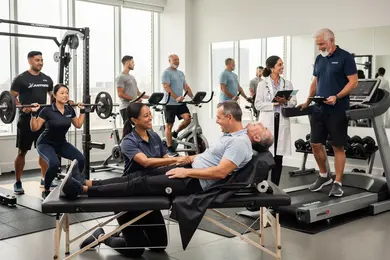
2027 State Licensing Differences for Exercise Science Degree Graduates

Co-Founder and Chief Data Scientist
Exercise science graduates often face a practical question that is easy to underestimate: which credential is actually required for the job they want, and does that requirement change if they move to another state? The answer depends on the role. Some careers connected to exercise science, such as physical therapy or athletic training, are regulated by state licensure boards. Other roles, including many fitness, wellness, strength and conditioning, and exercise physiology positions, often rely on professional certifications rather than a state-issued license.
This distinction matters because employers, insurers, clinical facilities, and state agencies may use different standards. A credential that helps you qualify for one position may not be enough for another. A graduate planning to work in cardiac rehabilitation, sports performance, corporate wellness, personal training, or a medical fitness setting should verify the requirements before paying for exams, applications, or continuing education.
This guide explains the major licensing and certification options available to exercise science graduates, how state requirements can differ, what documentation is commonly requested, and how to plan for costs, exams, field experience, renewal, and relocation. Use it as a decision framework, then confirm current rules with the licensing board, certifying organization, or employer in the state where you intend to practice.
Key Points About State Licensing Differences for Exercise Science Graduates
- States vary widely in licensure prerequisites, with some requiring specific accredited degrees and supervised internships, making applications more rigorous in states like California compared to others.
- Certain states require additional exams beyond national certification, increasing difficulty and length of obtaining licensure for graduates in those regions.
- Renewal processes differ considerably, with a few states mandating continuing education every year, while others have unique reporting or renewal fees, influencing professional maintenance efforts.
What licenses or certifications are available to Exercise Science graduates?
Exercise science graduates typically pursue professional certifications rather than a single universal state license. The right credential depends on the work setting: clinical exercise physiology, strength and conditioning, personal training, corrective exercise, corporate wellness, or community health. Before choosing an exam, compare the credential’s eligibility rules, recognition by employers, renewal requirements, and fit with your target job.
One of the most widely recognized credentials for exercise science graduates is the Certified Exercise Physiologist (CEP) credential awarded by the American College of Sports Medicine (ACSM). It is research-based and emphasizes applied exercise physiology, which can be valuable in clinical, wellness, and fitness environments. According to data published in 2025, more than 40,000 professionals currently hold the ACSM CEP credential.
Other credentials may be more appropriate depending on your career path:
- Certified Strength and Conditioning Specialist (CSCS): Offered by the National Strength and Conditioning Association (NSCA), this certification requires a bachelor's degree and a certification exam. It is commonly valued for roles involving athletic performance, strength training, and program design for competitive or physically active populations.
- Certified Personal Trainer (CPT): Provided by the National Academy of Sports Medicine (NASM) and other organizations, this credential focuses on individualized fitness programming, client assessment, exercise instruction, and goal-based training.
- Corrective Exercise Specialist (CES): Also associated with NASM, the CES credential focuses on identifying movement limitations and designing strategies that support improved movement quality, injury prevention, and performance readiness.
- Certified Clinical Exercise Physiologist (CEP): Administered by the American Council on Exercise (ACE), this license serves those working in medical fitness, highlighting clinical applications of exercise science.
- Certified Health Fitness Specialist (HFS): Another ACSM credential, the HFS focuses on professionals involved in corporate wellness and community health initiatives that promote general fitness and health improvement.
When comparing credentials, start with the job description rather than the certificate name. Clinical employers may expect a different background than gyms, athletic departments, sports performance centers, or wellness companies. If you are still choosing an education route, an online degree in exercise science can be worth considering if it meets your career goals, accreditation expectations, and any future certification prerequisites.
Exercise science also overlaps with regulated healthcare fields, where licensure rules can be more formal and state-specific. For comparison, students exploring healthcare education models can review RN to BSN online programs without clinicals, which illustrate how different professions handle education, clinical preparation, and credentialing.
Is a professional license legally required or voluntary for Exercise Science graduates?
For many exercise science graduates, certification is voluntary but strongly preferred by employers. However, some exercise science-related careers are legally regulated. Physical therapists and athletic trainers, for example, must hold state licenses to practice. Those licenses usually require specific accredited education, exams, supervised experience, and renewal. Working in a regulated profession without the required license can lead to penalties, job loss, or disqualification from practice.
By contrast, roles such as personal trainer, fitness coach, wellness coordinator, exercise specialist, or strength and conditioning professional may not require a state-issued license in many jurisdictions. Even when the law does not require certification, employers may require or prefer credentials from recognized organizations. Liability insurers, medical facilities, collegiate athletic programs, and corporate wellness providers may also set their own standards.
How to decide whether you need a license or certification
- Check the job title: Regulated titles are often protected by state law. Do not assume that an exercise science degree alone allows you to use titles tied to licensed healthcare professions.
- Review state board rules: If the role involves rehabilitation, patient care, or clinical decision-making, confirm whether a license is required in that state.
- Read employer requirements: A certification may be “voluntary” legally but mandatory for hiring.
- Consider professional credibility: A respected certification can help demonstrate baseline competence, especially for new graduates without extensive work experience.
The safest approach is to treat licensure and certification as separate decisions. Licensure answers the legal question: “Am I allowed to practice this regulated profession in this state?” Certification answers the professional question: “Can I show employers and clients that I meet a recognized standard?”
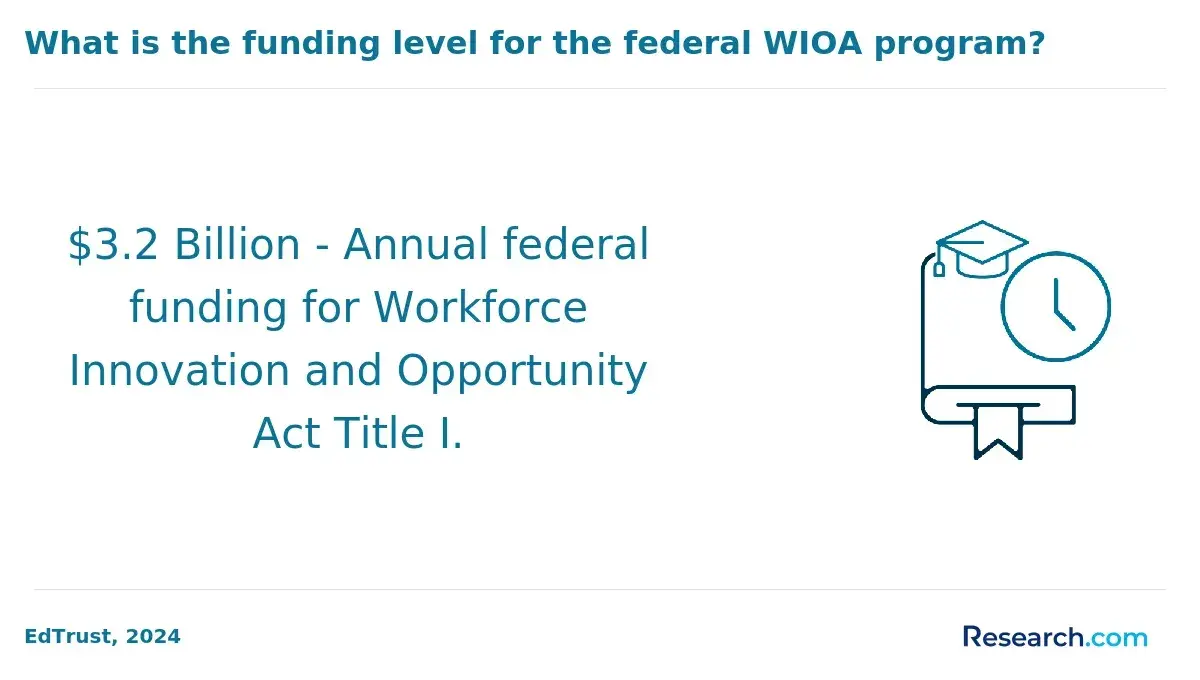
How do licensure requirements for Exercise Science careers differ by state?
State differences matter most when an exercise science graduate enters a regulated or clinical-adjacent role. Requirements may affect when you can apply, which documents you must submit, whether you need an exam first, and how long approval may take. Because rules can change, applicants should verify requirements directly with the relevant state board before enrolling in a program, choosing a certification, or accepting a job offer.
Common areas where state requirements may differ include:
- Educational verification: Many states accept degrees from both on-campus and accredited online programs, but some require extra verification for online credentials. For example, California may ask for additional documentation to prove the legitimacy of an online program, while Texas tends to accept standard transcripts without issue.
- Certification exams: While most states mandate passing a standardized exam such as the Certified Exercise Physiologist test, the timing and specific testing bodies recognized can vary. Florida might require exam completion before application, whereas New York allows conditional licensure pending exam results.
- Document submission: States differ in how they collect supporting documents. Some, like Illinois, require notarized certification copies, while others, including Georgia, accept electronic submissions to streamline processing.
- Interviews and recommendations: Several states conduct in-person interviews or require letters of recommendation to assess applicant suitability. For instance, Virginia requests a personal interview, whereas Oregon relies purely on paperwork review.
- Background checks: Nearly all states mandate background screening, but the processes can vary in depth and timing, with some states completing checks upfront and others post-approval.
Practical planning tip
If you may relocate, compare the requirements of more than one state before you choose internships, electives, or certification exams. It is easier to meet a stricter requirement while you are still in school than to fill gaps after graduation.
What are the educational prerequisites for Exercise Science licensure?
Educational prerequisites depend on the profession and the state. For many exercise science jobs, a degree plus a professional certification may be enough. For regulated roles, boards may require a specific degree level, coursework, accreditation status, supervised experience, and official documentation. Applicants should not assume that every exercise science, kinesiology, or human performance program automatically satisfies licensure-related expectations.
Common educational prerequisites include:
- Bachelor's degree or higher: Most states require a minimum of a bachelor's degree in exercise science or a closely related field such as kinesiology or human physiology. This degree serves as the foundational qualification demonstrating essential discipline knowledge.
- Credit hour requirements: States frequently mandate a minimum number of exercise science-related credit hours. For example, California may require over 60 credits focused on this subject, whereas others like Texas accept as few as 30 credits to qualify for licensure.
- Accredited preparation programs: Several states specify that the degree program must be accredited by nationally recognized agencies or approved preparation programs. This ensures the program meets quality standards, with states like New York emphasizing nationally accredited coursework more than others.
- Documentation and verification: Licensure boards differ in how candidates must submit proof of education. Some require official transcripts and sealed certificates, while others accept digital verification directly from institutions. Navigating these varying documentation standards can be challenging as noted in a 2025 survey of exercise science graduates.
Before applying, request official transcripts, keep course descriptions or syllabi for major prerequisites, and confirm whether the board requires documents to be sent directly from the school. This is especially important if you completed transfer credits, online coursework, prior learning credits, or a degree from an institution outside the state where you plan to work.
Students comparing broader healthcare education pathways may also review DNP programs to understand how advanced clinical programs handle accreditation, documentation, and professional preparation.
Understanding licensing prerequisites for exercise science graduates in the US is essential because the wrong assumption can delay eligibility, increase costs, or require additional coursework after graduation.
Are there differences in policies for Exercise Science licensure exams across states?
Yes. Even when states recognize a national exam, they may set different rules for when the exam must be taken, how scores are submitted, how many retakes are allowed, and whether alternative credentials can satisfy the requirement. A 2025 industry report found that 62% of states incorporate competency-based assessments instead of solely multiple-choice formats.
Key exam policy differences may include:
- Exam format: Some states, like California, emphasize practical skill evaluations alongside written tests, whereas others, such as Texas, use primarily computer-based multiple-choice exams with few hands-on components.
- Attempt limits: The number of exam attempts allowed before additional remediation varies; Florida permits up to four attempts, but New York caps retakes at two, requiring extra coursework if candidates fail repeatedly.
- Waiver policies: Several states waive the exam for candidates with advanced certifications or graduate degrees-Virginia and Washington are notable for more flexible policies-while states like Ohio maintain strict exam requirements regardless of credentials.
- Testing locations and methods: Some states have adopted digital proctoring and remote testing availability, expanding accessibility; Illinois and Colorado have implemented these technologies, unlike others that still require in-person exams.
What to verify before registering for an exam
- whether the state requires board approval before testing;
- whether scores must be sent directly from the testing organization;
- whether the exam must be completed before the application is filed;
- whether a failed attempt triggers a waiting period or remediation requirement;
- whether remote proctoring is accepted by the state board.
Graduates should review state-specific exercise science licensure exam requirements before paying testing fees. If you are also considering faster education-to-career pathways, accelerated career programs can provide a useful comparison point for how different programs structure timelines and credential preparation.
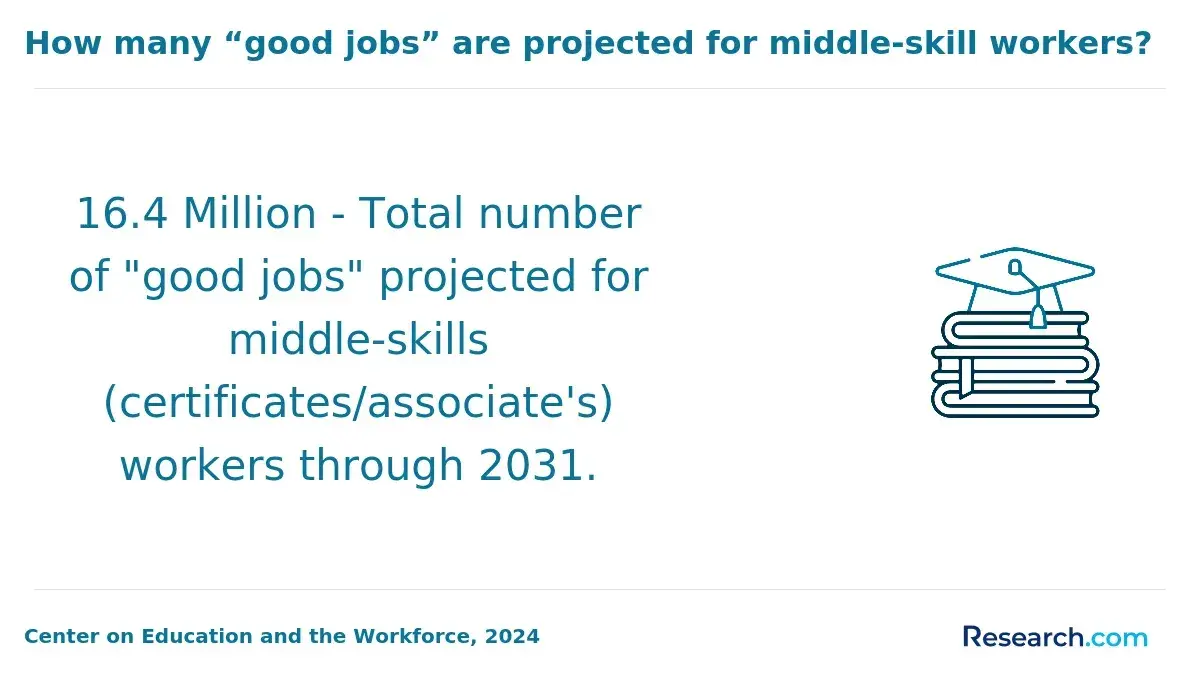
How do minimum clinical or field experience hours vary by state for Exercise Science graduates?
Clinical or field experience requirements can vary substantially by state and by role. Some states set a minimum of 200 to 300 hours of practical experience, while others demand over 500 hours before candidates can qualify for licensure. A recent analysis showed that most states requiring licensure expect between 300 and 450 hours of hands-on experience, although notable exceptions exist.
The type of experience may matter as much as the number of hours. Some boards emphasize clinical rehabilitation settings, where candidates gain exposure to patient assessment, monitored exercise, and medical documentation. Others may accept hours from fitness evaluations, sports performance environments, wellness coaching, or community health programs.
Experience requirements may differ in four main ways
- Setting: Clinical rehabilitation, hospital wellness, sports performance, private fitness, community health, or corporate wellness may not be treated equally.
- Supervisor qualifications: One state may require direct supervision by a licensed professional, while another may permit oversight by a credentialed exercise science practitioner in a wellness center.
- Documentation: Some states require signed hour logs, official internship forms, or supervisor attestations. Others may ask for job descriptions or verification letters.
- Timing: Certain boards may accept only post-degree experience, while others may count supervised internships completed during an academic program.
Students should plan fieldwork backward from the strictest state where they might practice. If a program’s internship does not clearly document hours, supervisor credentials, setting, and duties, graduates may struggle to prove eligibility later.
Are there states that require specific coursework requirements for Exercise Science careers?
Yes. Many state licensing boards require exercise science graduates to complete specific coursework beyond a general major curriculum. Around 62% of states with licensure for exercise science professionals mandate formal coursework, making transcript planning important before graduation.
Common required or recommended subject areas include:
- Anatomy and physiology: These courses establish the foundation for understanding human structure, function, and safe exercise programming. States like California require detailed anatomy coursework before certification, while others may accept broader health science classes.
- Kinesiology and biomechanics: These subjects focus on movement mechanics, joint action, force, posture, and physical performance. Texas often mandates comprehensive kinesiology classes, emphasizing practical application, whereas some states allow certificate supplements.
- Exercise physiology: This coursework examines how the body responds and adapts to physical activity. Licensing boards in states such as Florida may require passing a national exam instead but still recommend coursework completion for licensure.
- Nutrition: Nutrition knowledge can support general wellness education and exercise programming, although scope of practice limits still apply. Requirements vary, with some allowing board-approved professional development certificates to partially fulfill this subject.
How to avoid coursework gaps
Do not rely only on course titles. A board may review content, credit hours, lab components, or whether the course was completed at an accredited institution. Keep syllabi for anatomy, physiology, biomechanics, exercise testing, nutrition, research methods, and clinical practicum courses. If you are still enrolled, ask your academic advisor to map your transcript against the requirements in the state where you plan to work.
For students comparing allied health training models, best online medical assistant programs can offer additional context on how career-focused healthcare programs organize required coursework and financial aid considerations.
What is the cost of licensure application for Exercise Science across states?
Licensure application costs can affect a new graduate’s budget, especially when fees are combined with exam registration, background checks, transcript requests, fingerprinting, renewal fees, and continuing education. The figures below illustrate how application fees may differ by state.
- California: The application fee is around $250, covering background checks, verification, and initial registration for licensure as an exercise physiologist.
- Florida: Florida charges approximately $100, primarily supporting processing and exam administration costs for exercise science professionals.
- Texas: With a fee of about $150, Texas includes both application and state exam fees in the licensure cost.
- New York: New York's fee stands near $200, which also incorporates professional liability insurance verification.
- Ohio: Ohio offers a more affordable licensure fee of $75, focusing on basic credential review and registration.
- Illinois: Illinois charges $125, typically covering both the application and renewal procedures.
- Colorado: The fee is near $180 and includes a fingerprint background check along with initial licensure.
According to a national workforce report, 62% of states with regulated exercise science professions have licensure fees ranging from $100 to $200. These costs help fund administrative processing, background checks, and ongoing regulatory compliance.
Costs to budget for beyond the application fee
- certification or licensure exam registration;
- official transcript orders;
- fingerprinting or background check services;
- notarization, document mailing, or electronic verification fees;
- liability insurance, if required by the employer or state;
- continuing education for renewal.
Those exploring healthcare education alongside exercise science may also compare options such as the easiest RN to BSN program online to understand how credentialed fields can differ in cost, completion requirements, and professional expectations.
Is there a license reciprocity or compact agreement for Exercise Science careers?
At present, exercise science does not have a broad interstate compact or universal license reciprocity system comparable to some regulated healthcare fields. No active interstate compact or license reciprocity arrangement currently exists for the exercise science sector. This means a credential accepted in one state may not automatically authorize practice in another state.
Unlike nursing or physical therapy, exercise science careers lack a unified framework that allows licensed professionals to move easily across jurisdictions. Each state’s board or regulatory authority can set its own standards for education, exams, supervised hours, documentation, and renewal. This can create delays for graduates who relocate or pursue jobs across state lines.
Some boards may offer licensure by endorsement. This pathway typically allows an applicant who already holds a valid license in one state to apply in another state without starting completely over. However, endorsement is not automatic. The receiving state may review whether the original license is “equivalent” based on education, clinical or field experience, examination results, background checks, and continuing education compliance.
A 2025 industry survey indicated that only 18% of exercise science graduates experienced seamless licensure transfer, highlighting how inconsistent state-to-state recognition can be. Applicants should expect to provide detailed documentation and should avoid resigning from a current position or relocating before confirming eligibility in the new state.
Relocation checklist
- Contact the receiving state board before moving.
- Ask whether endorsement is available and what “equivalent” means.
- Request official transcripts and exam score reports early.
- Gather proof of supervised hours, job duties, and supervisor credentials.
- Confirm whether you may work while the application is pending.
How does Exercise Science licensure renewal vary across states?
Exercise science licensure renewal requirements vary by state, but renewal commonly occurs every two years. Some states allow three or four years between renewals. Fees generally range from $50 to $150, though they can be higher depending on the state’s regulatory structure.
Continuing education is also common. The majority of states require professionals to complete between 20 and 40 hours of approved courses or activities during each renewal cycle. Many states accept online learning, while a few require in-person attendance or verified coursework from accredited programs.
States also differ in what counts as continuing education. Some may accept teaching, research publication, conference attendance, professional workshops, or approved online modules. Others limit credit to formal coursework or board-approved activities. Professionals should keep certificates of completion, course descriptions, dates, and provider information in case of audit.
Late renewal can be expensive
Penalties for late renewal vary widely. Many states charge a late fee equaling 25% to 50% of the original renewal cost, while some impose fines over $200 or require a full reapplication. One particular state requires a license holder whose certification has been expired for over a year to undergo a review and potential retraining before renewing.
The best renewal strategy is simple: track the expiration date, complete continuing education early, and save documentation in one place. Waiting until the final month can create problems if a course is rejected, a provider does not issue proof quickly, or the state requires manual review.
What Graduates Say About the Licensing Process in the Exercise Science Industry
-
: "Going through the licensure process in exercise science was initially daunting because requirements varied across states, but it helped me understand how closely credentials can be tied to regional health standards. Learning the exam content and required clinical hours early made preparation much smoother. Having my certification opened doors in my career and helped me work more confidently with diverse client populations.
— Arthur"
-
: "Looking back, I wish I had researched renewal timelines and continuing education requirements before choosing a certification. The administrative side can feel overwhelming, but it also keeps professionals accountable and current. For me, holding a license improved my credibility with employers and clients, so the investment was worthwhile.
— Roger"
-
: "The licensure path in exercise science is not the same everywhere, so my advice is to plan ahead for paperwork, field experience, and state-specific requirements. Certification affected more than job eligibility; it improved my confidence and helped me build a stronger professional network. The structure gave me a clearer path as I grew in the field.
— Miles"
Other Things You Should Know About Exercise Science Degrees
Many states mandate criminal background checks as part of the licensure process for exercise science-related professions. The specific requirements vary, with some states requiring fingerprinting, while others accept state police reports. These checks ensure applicant suitability for working with vulnerable populations.
Yes, several states require licensed exercise science professionals to complete continuing education credits periodically to maintain their license. The number of hours and approved educational activities can differ by state, often including courses related to ethics, safety, or new techniques in the field.
Certain states have regulations on where and with whom newly licensed exercise science professionals may complete supervised practice hours. These can include restrictions on supervision by licensed healthcare providers or limitations on clinical site types to ensure proper oversight and training quality.
References
- 5 Certifications in Sports Science https://www.sports-management-degrees.com/lists/5-certifications-in-sports-science/
- Empowering Exercise Professionals Through Registration https://usreps.org/
- Updated ACSM-EP and ACSM-CEP Certifications Requirements and Accreditation https://acsm.org/updated-acsm-ep-and-acsm-cep-certifications-requirements-and-accreditation/
- Application & Instructions for Initial Licensure - Clinical Exercise Physiology https://www.lsbme.la.gov/content/application-instructions-initial-licensure-clinical-exercise-physiology
- Choosing the Right Certification - NSCA https://www.nsca.com/certification/Choose-Certification/
- Physical Therapist Licensing Requirements by State | Vivian Community Hub https://www.vivian.com/community/allied-health/physical-therapist-licensing-requirements-by-state/
- Best Exercise Therapy Certifications for Professionals https://www.ptpioneer.com/personal-training/certifications/best-exercise-therapy-certification/
- Occupational licenses for Exercise Physiologists in US | CareerOneStop https://www.careeronestop.org/toolkit/Training/find-licenses.aspx
- CSCS Degree Requirements: Eligibility & 2026 May — With E... https://practicetestgeeks.com/cscs/state-requirements
- Physical Therapy Continuing Education Requirements: By State https://www.ptprogress.com/physical-therapy-continuing-education-requirements-by-state/