2027 Exercise Science Programs With Placement Support for Practicum or Clinicals

Co-Founder and Chief Data Scientist
Choosing an exercise science program is not only a coursework decision. If the degree requires a practicum, internship, clinical rotation, or supervised field experience, the quality of placement support can determine whether you graduate on time, meet certification or licensing expectations where applicable, and gain experience employers recognize.
This issue is especially important for online and hybrid students. Some programs maintain formal clinical networks, dedicated coordinators, liability processes, and supervisor vetting. Others expect students to find sites with little more than a list of possible contacts. That difference matters: 67% of graduates with comprehensive practicum support pass certification exams on the first attempt, compared to 48% from less structured programs.
This guide explains how exercise science programs define practicum and clinical requirements, what placement support should include, how online and campus-based options differ, and what questions to ask before enrolling. The goal is to help you identify programs that provide real fieldwork infrastructure—not just attractive admissions language.
Key Things to Know About Exercise Science Programs With Placement Support for Practicum or Clinicals
- Effective placement support includes personalized site matching, ongoing mentorship, and established partnerships with accredited clinics-ensuring practicum experiences meet professional standards for licensure preparation.
- Programs differ by format-on-campus offerings often provide direct access to local healthcare networks, while some online programs rely on students to secure placements, impacting quality and consistency.
- Robust placement infrastructure correlates with higher licensing exam pass rates and improved employment outcomes, making it a critical factor when evaluating Exercise Science graduate programs.
What Are Exercise Science Programs With Placement Support for Practicum or Clinicals, and Why Do They Matter?
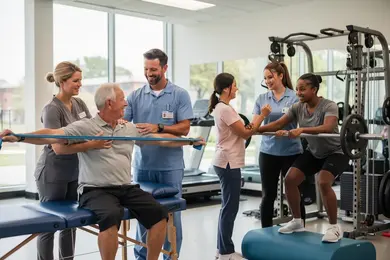
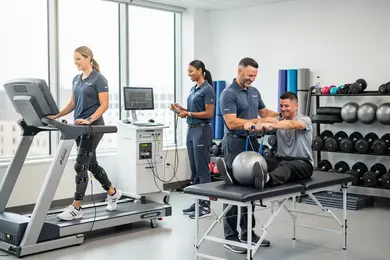
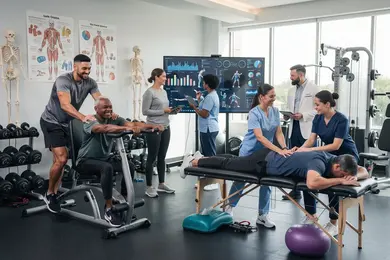
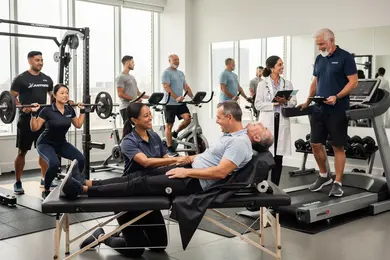
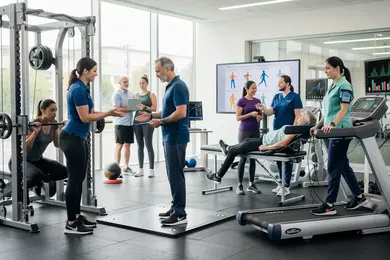
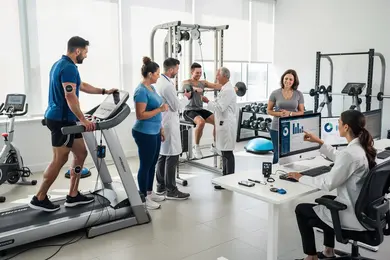
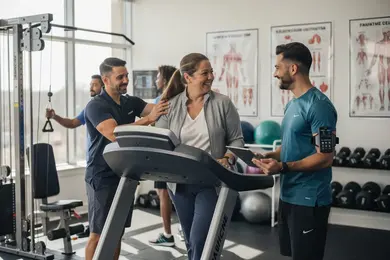
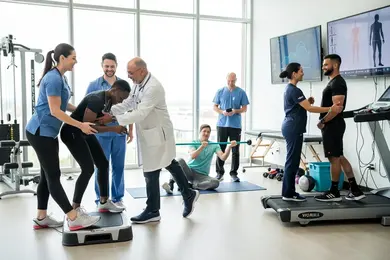
Exercise science programs with placement support help students secure approved practicum, internship, or clinical training sites instead of leaving the process entirely to the student. The strongest programs do more than suggest local gyms or clinics. They maintain formal site agreements, verify supervisor qualifications, manage required paperwork, track hours, and intervene if a placement becomes unsuitable.
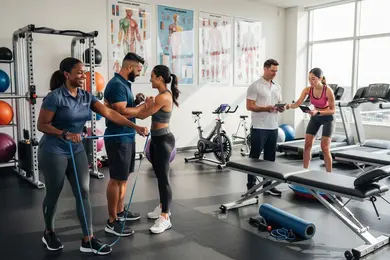
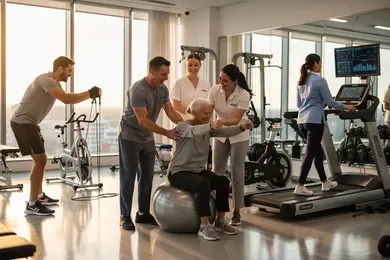
This support matters because exercise science is applied. Students need supervised practice in assessment, exercise prescription, rehabilitation support, performance testing, health promotion, and professional communication. A weak or poorly supervised placement can delay graduation, fail to meet program requirements, or provide experience that does not align with the student’s career goal.
The difference is most visible in online and hybrid programs. A campus-based student may have access to nearby university clinics, hospitals, labs, or athletic facilities. An online student may live far from the institution and need the program to help identify approved sites in another region. Without a clear process, students may spend months cold-contacting organizations, negotiating paperwork, and trying to confirm whether hours will count.
What real placement support usually includes
- Approved site networks: The program has existing relationships with clinics, fitness facilities, hospitals, rehabilitation centers, labs, or wellness organizations.
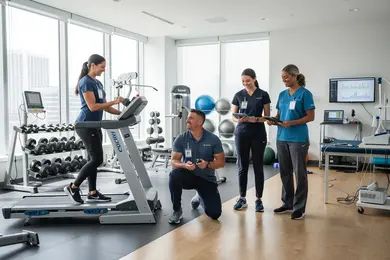
- Placement coordination: A staff member or faculty coordinator helps match students with appropriate sites and explains the timeline.
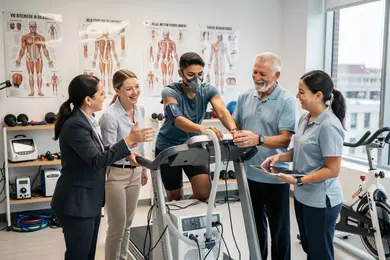
- Supervisor verification: The program checks whether the site supervisor has the required credentials, experience, or licensure where applicable.
- Documentation support: The school manages affiliation agreements, liability insurance requirements, learning contracts, and hour logs.
- Ongoing monitoring: Faculty or coordinators review student progress and address problems before they threaten completion.
Placement infrastructure also affects how employers view the experience. A graduate who completed documented, supervised work in a credible setting is easier to evaluate than one whose experience was loosely arranged and inconsistently tracked.
Industries offering the highest mean and median starting salaries for exercise science graduates include:
- Healthcare: Clinical rehabilitation, physical therapy, and occupational therapy settings.
- Sports Medicine: Athletic training, performance analysis, and injury prevention roles.
- Research Institutions: Laboratories and universities conducting applied physiology and biomechanics studies.
- Corporate Wellness: Employee health programs and ergonomics consulting.
Students comparing health programs should apply the same placement-quality lens across fields. For example, a 1 year MSN to DNP program online may advertise flexibility, but clinical coordination and licensure alignment still need close review.
The practical takeaway: a program that “requires” a practicum is not the same as a program that “supports” a practicum. Before enrolling, ask who finds the site, who approves it, who verifies the supervisor, and what happens if a placement falls through.
How Do Exercise Science Programs Define Practicum or Clinical Requirements, and What Counts Toward Completion?
Exercise science programs define practicum and clinical requirements through a mix of required hours, approved site types, supervision standards, documentation, and competency outcomes. The exact rules vary by degree level, specialization, accreditor, and career pathway. Students should review these requirements before enrolling because not every hands-on experience will count toward completion.
Common requirement areas
- Clock Hours: Students must complete a required minimum of supervised practicum or clinical hours—often between 300 and 500+—depending on the program and accrediting standards.
- Supervised Experience: Hours generally need to be completed under qualified supervision, such as certified exercise physiologists, licensed clinicians, approved faculty, or other professionals recognized by the program.
- Site Types: Approved sites may include hospitals, outpatient clinics, rehabilitation facilities, fitness centers, university clinics, athletic departments, research labs, community health organizations, and corporate wellness programs.
- Competency Outcomes: Completion usually requires more than showing up for scheduled hours. Students may need documented competency in client assessment, exercise programming, ethical practice, safety, documentation, communication, and professional behavior.
- Accreditation Standards: Exercise science programs often look to discipline-specific guidance such as the Commission on Accreditation of Allied Health Education Programs (CAAHEP). National standards from CACREP, CSWE, ACEN, and CCNE govern other fields such as counseling, social work, and nursing, and they illustrate why students should always match placement requirements to the correct profession.
What usually does not count
Students often assume any health, fitness, or volunteer activity can be applied toward practicum hours. That is risky. Programs commonly reject:
- Observation-only experiences without active learning responsibilities.
- Unpaid volunteer hours that lack approved supervision.
- Work completed before formal site approval.
- Hours at sites without an affiliation agreement when one is required.
- Experience supervised by someone who does not meet program credential standards.
- Activities that do not connect to the program’s required competencies.
The safest approach is to get written approval before starting. Students should ask whether employment hours can count, whether remote or telehealth-related work is allowed, how hours are documented, and whether the program has different rules for clinical, performance, wellness, or research placements.
The same scrutiny applies in other health education pathways. Applicants researching a nursing school that does not require TEAS test should still examine clinical placement standards, supervision, and eligibility for licensure-related requirements.

What Types of Placement Support Do Exercise Science Programs Actually Provide, and How Extensive Is It?
Placement support ranges from minimal guidance to a highly managed placement system. The most important question is not whether a program says it offers support, but what the school is contractually and operationally prepared to do for students.
| Support Level | What the Program Provides | Risk to the Student |
| Minimal support | A list of possible sites, general instructions, and student-led outreach. | High risk of delays, rejected sites, incomplete paperwork, or poor supervision. |
| Moderate support | Site approval process, coordinator guidance, templates, and some existing local or regional contacts. | Manageable risk if the student is proactive and the region has enough approved sites. |
| Strong support | Dedicated coordinator, formal affiliation agreements, supervisor vetting, liability processes, student-site matching, and ongoing monitoring. | Lower risk of placement failure, though timing and site availability can still vary. |
Core services to look for
- Site identification: The program maintains a database or network of approved or previously used sites.
- Pre-approval of partner organizations: Sites are reviewed before students begin hours, reducing the chance that a placement is rejected later.
- Student-site matching coordination: Staff consider location, career goals, schedule constraints, and site capacity when helping students secure placements.
- Liability insurance coverage: The school clarifies whether students are covered through institutional policies or must purchase separate coverage.
- Supervisor credentialing: The program verifies that supervisors meet professional and educational requirements.
- Placement monitoring: Faculty or coordinators collect evaluations, check progress, and help resolve problems.
Students considering an exercise science degree should pay particular attention to whether the program has a documented process for securing placements in their state or region.
A useful admissions question is: “What exactly happens if I cannot find an approved site by the deadline?” Strong programs can explain escalation steps, alternate sites, coordinator involvement, and realistic timelines. Weak programs often respond with vague assurances that students are “responsible for identifying opportunities.”
One recent exercise science graduate described initial anxiety about securing a practicum but said the program’s coordinator reduced much of the uncertainty. The coordinator helped identify a clinic close to home, handled insurance paperwork, verified the supervisor, and monitored the approval process. The student still had to complete applications and wait for confirmation, but the process felt structured rather than improvised.
How Does Placement Support Differ Between Online and On-Campus Exercise Science Programs?
On-campus programs and online programs can both offer strong placement support, but they face different logistical challenges. Campus-based programs often rely on local relationships built around the university’s region. Online programs must support students who may live across multiple states, time zones, and regulatory environments.
On-campus programs
On-campus exercise science programs often have easier access to nearby university clinics, athletics departments, hospitals, laboratories, rehabilitation centers, and community partners. Faculty may know site supervisors personally, and students may be able to interview or complete onboarding in person. This can make placement coordination more predictable, especially when the program has used the same sites for multiple cohorts.
The limitation is geography. If most placement partners are local, students who need to relocate, commute long distances, or complete hours near home may have fewer options.
Online programs
Online programs need a broader and more flexible placement model. The best ones do not simply tell students to find a local site. They build systems for distance placement and state-by-state coordination.
- National Partnerships: Online exercise science programs may create national agreements with clinical, wellness, or performance sites across many states to serve geographically dispersed students.
- Regional Placement Coordinators: Some programs use regional coordinators who understand local site availability, state-specific requirements, and common placement barriers.
- Reciprocal Placement Agreements: Online institutions may use reciprocal arrangements with affiliated clinics or organizations that accept students from outside the institution’s immediate area.
- Licensing Limitations: Students should verify whether out-of-state clinical placements create issues for certification or licensing where applicable. Some pathways are more regulated than others.
- Essential Admissions Questions: Ask how many students have been placed in your state or region, whether the program already has sites near you, and what happens if a local partner declines to participate.
Online study can work well for working adults and place-bound students, but only if the fieldwork system is realistic. If a program says it is flexible, ask whether that flexibility extends to practicum scheduling, evening or weekend hours, supervisor approvals, and backup placements.
Students comparing flexible academic formats can use resources such as the cheapest self-paced online college as a reminder to evaluate more than convenience. In applied health and fitness fields, placement access can be just as important as course delivery.
What Accreditation Standards Govern Practicum and Clinical Placement in Exercise Science Programs?
Accreditation affects practicum quality because it influences how programs document outcomes, evaluate sites, define supervision, and protect students. However, students need to distinguish institutional accreditation from programmatic or discipline-specific expectations.
Regional accrediting bodies—such as the Higher Learning Commission (HLC), Middle States Commission on Higher Education (MSCHE), and Southern Association of Colleges and Schools Commission on Colleges (SACSCOC)—evaluate institutions as a whole. They review broad academic quality, governance, student support, and institutional effectiveness. They may consider experiential learning, but they usually do not provide detailed exercise science practicum rules.
More specific expectations often come from programmatic accreditors, professional organizations, certification bodies, or state requirements where applicable.
- Commission on Accreditation of Allied Health Education Programs (CAAHEP): As a programmatic accreditor, CAAHEP establishes requirements for some exercise science-related programs, including supervised clinical or practicum expectations. Minimum supervised clinical or practicum hours may often fall between 200 and 400, varying by specialty. Programs must also consider appropriate supervision, student evaluation, safety, and site suitability.
- National Strength and Conditioning Association (NSCA) and American College of Sports Medicine (ACSM): These organizations are not accrediting agencies, but their certification frameworks influence how many programs design coursework, competencies, and applied learning expectations.
Accreditation does not guarantee that every student will receive an ideal placement. It does, however, make it more likely that the program has formal processes for approving sites, evaluating supervisors, tracking outcomes, and responding to problems. Programs without appropriate accreditation or with unclear practicum policies may create avoidable risk for students pursuing certification, graduate study, or regulated roles.
How to verify accreditation and placement alignment
- Confirm institutional accreditation directly with the accreditor or official school disclosures.
- Ask whether the specific exercise science program has programmatic accreditation or follows recognized professional standards.
- Request written practicum requirements, including hours, site approval rules, and supervisor qualifications.
- Check whether the program’s requirements align with the certification or licensing pathway you intend to pursue.
- Ask how often placements are reviewed and whether students can see examples of approved site categories.
One graduate who moved into a clinical role said the placement process felt demanding at first because of scheduling and paperwork. The difference, she explained, was that the program had a structured approval process and assigned qualified supervisors who provided regular evaluations. That structure helped her build confidence and prepare for certification expectations.
What Is the Minimum GPA Requirement for Exercise Science Program Admission?
Exercise science graduate programs commonly require a minimum undergraduate GPA between 2.75 and 3.0 on a 4.0 scale, though requirements vary by institution and program design. Large public universities often set the minimum around 3.0. Private nonprofit schools may expect 3.25 or above, especially when clinical placements are competitive or cohort sizes are limited. Accredited online programs often use similar thresholds but may offer conditional admission for applicants below the stated minimum.
The published minimum is not always the true competitive benchmark. A program may list 2.75 as the minimum but admit a cohort with an average GPA near 3.2. Applicants should ask admissions offices for the average GPA of recently admitted students if that information is available.
How GPA can affect placement readiness
GPA is not a perfect measure of professional potential, but programs may view it as an indicator of academic preparation for anatomy, physiology, biomechanics, exercise testing, statistics, and evidence-based practice. Stronger academic preparation can matter in clinical or performance settings where students must interpret data, follow safety protocols, and communicate clearly with clients or patients.
Students with a GPA below the preferred range can still strengthen an application through relevant work experience, certifications, prerequisite coursework, strong recommendations, and a clear career statement. If conditional admission is available, ask what grades must be earned during the first term and whether conditional status affects practicum eligibility.
Questions to ask before applying
- What is the minimum GPA, and what was the average admitted GPA for the latest cohort?
- Are applicants reviewed holistically if they fall below the minimum?
- Does GPA influence access to selective practicum or clinical sites?
- Are prerequisite grades reviewed separately from the cumulative GPA?
- Can students begin placement planning while completing conditional requirements?
Are GRE or Other Standardized Test Scores Required for Exercise Science Programs With Placement Support?
Many exercise science graduate programs have moved toward test-optional or test-free admissions since 2020. This shift reflects a broader change in health, education, and social science programs that increasingly rely on GPA, prerequisite performance, experience, recommendations, and career fit rather than a single standardized test score.
That said, GRE policies vary. Research-intensive universities and highly selective programs may still require or recommend GRE scores, particularly when they want a standardized way to compare applicants from different undergraduate institutions.
How to interpret testing policies
- Required: You must submit scores for the application to be considered complete. If this applies, ask whether there are minimum section scores or preferred ranges.
- Recommended: Scores are not mandatory, but strong results may help demonstrate quantitative, verbal, or analytical readiness.
- Optional: You may choose whether to submit scores. Submit them only if they strengthen the application.
- Not accepted: The program does not use standardized test scores in admissions review.
When submitting scores may help
- Your GPA is below the program average, but your test scores are strong.
- You are applying to a research-heavy track that values quantitative preparation.
- Your undergraduate transcript is older or from a less familiar institution.
- You want to offset weaker performance in a specific prerequisite area.
When scores may not be worth submitting
- The program clearly states that scores are not considered.
- Your scores are below the program’s advised range.
- Your application is stronger through clinical experience, certifications, research, or strong recent coursework.
Testing policies usually do not determine placement support by themselves. However, selective programs with strong practicum networks may use admissions review to build cohorts they believe are prepared for demanding sites. Applicants should ask whether admissions status, academic performance, or prerequisite completion affects when they become eligible for placement.
How Long Does It Take to Complete a Exercise Science Program With Practicum or Clinical Requirements?
The time required to complete an exercise science program depends on degree level, enrollment status, course sequencing, and practicum scheduling. Full-time bachelor’s students typically finish in around four years. Part-time students generally need twice as long, especially if they must balance coursework with employment and supervised field hours.
Practicum requirements can add complexity because students may need to complete supervised hours—often between 300 and 600—at approved sites. Even when coursework is available every term, placement capacity, onboarding requirements, background checks, health documentation, supervisor availability, and site schedules can affect graduation timing.
Typical timeline factors
- Course sequencing: Some programs require students to finish core courses before beginning fieldwork.
- Placement start dates: Sites may accept students only at certain points in the year.
- Hour intensity: Completing more hours per week can shorten the practicum period, but may be unrealistic for working students.
- Approval paperwork: Affiliation agreements, liability documentation, and supervisor approvals can delay the start date if not handled early.
- Program support: Strong placement coordination can reduce gaps between coursework and fieldwork.
Accelerated tracks may condense coursework and practicum into 18 to 24 months by allowing clinical or field hours to run alongside academic study. This can work well when the program has established sites and a clear scheduling model. It can become difficult when students must locate their own sites while taking intensive courses.
Students who are responsible for finding their own placements face greater risk of timeline slippage. A site may decline after weeks of discussion, a supervisor may not meet credential rules, or required paperwork may take longer than expected. A delay of one semester can affect graduation, certification timing, and job entry.
Applicants considering other accelerated health pathways, such as 1 year radiology tech programs online, should make the same distinction between fast coursework and feasible clinical scheduling.
What Does Tuition and Financial Aid Look Like for Exercise Science Programs With Strong Placement Infrastructure?
Exercise science programs with strong placement infrastructure may cost more because they employ placement coordinators, maintain site agreements, manage compliance paperwork, and support supervisors. Annual tuition can range widely from $15,000 to over $40,000, depending on institution type, residency status, delivery format, and location.
The lowest sticker price is not always the lowest total cost. A program with weak placement support can become more expensive if students need extra terms to complete fieldwork, pay additional fees, travel farther for approved sites, or delay employment after graduation.
Common financial aid options
- Federal Loans: Direct Unsubsidized and Grad PLUS loans tailored for graduate programs.
- Graduate Assistantships: Opportunities providing tuition remission in return for research or departmental responsibilities.
- Employer Tuition Benefits: Support offered to professionals employed in health or fitness sectors.
- Discipline-Specific Scholarships: Awards from organizations like the American College of Sports Medicine or the National Strength and Conditioning Association.
How to evaluate net cost
Students should calculate the full cost of attendance, not only tuition. Include fees, technology costs, books, transportation, immunizations or health documentation if required, background checks, liability insurance if not covered, and possible lost work hours during practicum. Then subtract grants, scholarships, assistantships, employer benefits, and other aid that does not need to be repaid.
Return on investment considerations
Programs with enhanced placement infrastructure typically report graduate employment rates exceeding 85% within six months, which correlates with stronger starting salaries. Students should review those outcomes carefully and ask how the data are collected, which job types are included, and whether outcomes are reported specifically for the exercise science program rather than the entire department.
A practical cost-benefit comparison should include:
- Tuition and required fees.
- Placement coordination quality.
- Likelihood of graduating on time.
- Alignment with certification or licensing goals where applicable.
- Access to sites in the student’s preferred specialty or region.
- Career outcomes for recent graduates.
Students comparing advanced clinical programs, including online Psych NP programs, should use the same approach: flexible delivery is valuable only when clinical placement support is strong enough to keep students progressing.
What Kinds of Sites or Settings Are Available Through Exercise Science Program Placement Networks?
Exercise science placement networks can include healthcare, performance, wellness, research, education, and public health settings. The right site depends on the student’s career goal. A future clinical exercise physiologist may need a different environment than a student focused on strength and conditioning, corporate wellness, or graduate study in rehabilitation.
- Healthcare Facilities: Hospitals, outpatient clinics, rehabilitation centers, and private physical therapy practices can provide exposure to therapeutic exercise, chronic disease management, injury prevention, and interdisciplinary care.
- Sports Medicine and Performance Settings: Athletic departments, sports performance centers, strength and conditioning facilities, and injury prevention programs may suit students interested in athletes or tactical populations.
- Research Institutions: University labs and applied physiology, biomechanics, or human performance research centers can help students build data collection, testing, and analysis skills.
- Community and Mental Health Centers: These settings may emphasize wellness, prevention, behavioral health support, and work with diverse populations.
- Educational Institutions: Schools, colleges, and universities may offer experience in youth fitness, athletics, health promotion, or research support.
- Corporate Wellness Programs: Workplace health promotion, ergonomics, fitness screening, and employee wellness initiatives can prepare students for occupational health and wellness roles.
- Government and Public Health Agencies: These placements may involve population health, community fitness initiatives, prevention campaigns, or policy-related work.
Site variety matters because practicum experience often shapes early career direction. A student interested in cardiac rehabilitation should not settle for a general fitness placement if the program can provide a more clinically relevant option. Likewise, a student aiming for strength and conditioning should look for supervised performance-based experience rather than a loosely related wellness role.
Questions to ask about site networks
- Which site types are available for my concentration or career goal?
- Does the program have approved sites in my city, state, or region?
- How many students compete for the same placements each term?
- Can students request a new site, and how long does approval take?
- Are evening, weekend, or part-time practicum schedules available?
- What percentage of students receive one of their preferred placement types?
Well-established programs should be able to describe their partner categories, placement process, and common student outcomes without overpromising a specific site. Be cautious of any program that guarantees a prestigious placement without explaining capacity, eligibility, and approval requirements.
How Are Clinical Supervisors Vetted and Supported in Exercise Science Programs With Placement Support?
Clinical and practicum supervisors play a central role in the quality of field training. A strong site is not enough if the supervisor lacks the credentials, time, or structure needed to mentor students. Programs with meaningful placement support verify supervisors before approving a placement and continue monitoring the experience after it begins.
How strong programs vet supervisors
- Credential Verification: Programs may require supervisors to hold relevant credentials associated with organizations such as the Commission on Accreditation of Allied Health Education Programs (CAAHEP) or the American College of Sports Medicine (ACSM), depending on the placement type.
- Experience Review: Programs assess whether the supervisor has enough professional experience to guide student learning safely and effectively.
- Site Approval Audits: The school reviews whether the setting offers appropriate equipment, client or patient exposure, safety procedures, and learning opportunities.
- Scope Alignment: The supervisor’s work must align with the student’s required competencies and the program’s practicum objectives.
- Documentation Requirements: Supervisors may need to complete evaluations, verify hours, review learning goals, and report concerns.
How supervisors should be supported
Good programs do not simply assign students to supervisors and disappear. They provide orientation materials, evaluation rubrics, program contacts, reporting procedures, and expectations for feedback. Some also offer supervisor training or regular check-ins to make sure the placement remains educational rather than simply observational or administrative.
This oversight protects students. Inadequate supervision can lead to rejected hours, weak skill development, unsafe practice, or problems with certification eligibility. Students should know how to report concerns if a supervisor is unavailable, asks them to perform inappropriate duties, or does not provide the required learning experience.
Questions students should ask
- What credentials must a supervisor hold?
- Who verifies supervisor qualifications?
- How often are supervisors evaluated?
- What training or guidance does the program provide to supervisors?
- Can a student change sites if supervision is inadequate?
- How are student complaints handled and documented?
The quality of supervision is one of the clearest differences between a real practicum and a placement that exists only to satisfy an hour requirement.
What Graduates Say About the Exercise Science Programs With Placement Support for Practicum or Clinicals
- : "The placement support provided in my exercise science program was truly exceptional. Faculty worked closely with us to find clinical sites that matched our interests and career goals. I found that programs offered online often struggled with this level of personalized support, but my in-person institution really excelled at ensuring quality placements. This hands-on experience not only boosted my confidence but was crucial for meeting licensing requirements. —Arthur"
- : "Reflecting on my journey in exercise science, the varied approaches to placement support really stood out. Universities emphasized connections with leading hospitals, whereas colleges were more regionally focused with athletic clinics. This difference shaped my preparedness for licensing. Those well-established partnerships provided smooth transitions into clinical hours. In the end, having strong placement backing meant better job prospects and a clearer career path in sports rehabilitation. —Roger"
- : "From a professional standpoint, placement support in exercise science programs is the backbone of readiness for the workforce. Without it, the theoretical knowledge alone falls short. My program's structured practicum options allowed me to experience diverse settings, each enhancing my skillset differently. This comprehensive support was indispensable for securing my first position in a competitive healthcare environment. —Miles"
Other Things You Should Know About Exercise Science Degrees
Exercise science programs typically have contingency plans in place to address placement conflicts or site failures. If a practicum or clinical site becomes unavailable, programs work quickly to reassign students to alternate approved locations. These processes ensure students can complete their required hours without delays, maintaining compliance with accreditation and licensing standards.
Students should evaluate placement support by reviewing the program's network of clinical sites, the availability of placement coordinators, and reported success rates in securing practicum positions. Additionally, inquiry into backup options for site challenges and the degree of personalized assistance offered during placement processes can reveal program quality. Alumni feedback on placement experiences and career outcomes offers valuable insight for informed comparisons.
Programs accredited by recognized bodies such as the Commission on Accreditation of Allied Health Education Programs (CAAHEP) often demonstrate robust placement support. Institutions with established partnerships across diverse clinical settings and dedicated placement staff consistently report higher student satisfaction and graduation success. These programs focus on seamless integration between coursework and fieldwork, which is critical for professional development.
References
- Sport and Exercise Science / Clinical Exercise Physiology - Placement https://www.unisc.edu.au/current-students/work-integrated-learning-wil/sport-and-exercise-science-clinical-exercise-physiology-placement
- Admissions Requirements https://campus.kennesaw.edu/colleges-departments/wellstar/degrees-programs/graduate/master-exercise-science/admission.php
- Why Choose LVC for Your Master’s in Clinical Exercise Physiology? | Lebanon Valley College https://www.lvc.edu/news/why-choose-lvc-for-your-masters-in-clinical-exercise-physiology/
- Exercise Science | Pensacola State College https://pensacolastate.edu/academic-programs/hprex-aa/
- Admission Process https://ahn.mnsu.edu/academic-programs/exercise-science/exercise-physiology/admission-process/
- 2027 ACSM-EP and ACSM-CEP Accreditation and Certification Requirements https://acsm.org/2027-acsm-ep-and-acsm-cep-accreditation-and-certification-requirements/
- GRE Scores for Healthcare Programs https://magoosh.com/gre/gre-scores-for-healthcare-programs/
- Exercise Science https://www.commonwealthu.edu/academics/programs/exercise-science-bs
- Exercise Science at Cal Lutheran https://www.callutheran.edu/academics/majors/exercise-science/
- What can you do with a Diploma of Clinical Exercise Science qualification https://www.think.edu.au/blog/what-can-you-do-with-a-diploma-of-clinical-exercise-science-qualification