2027 Exercise Science Clinical Hours Requirements: What Counts and How to Complete Them

Co-Founder and Chief Data Scientist
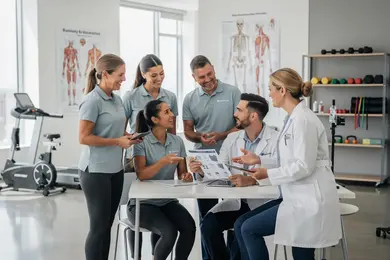
Exercise science clinical hours can shape whether a student graduates on time, qualifies for internships, and leaves school with enough supervised experience to work safely with clients, athletes, or patients. The main challenge is that “clinical hours” does not mean the same thing in every program. One school may count fitness assessments and wellness coaching, while another may require hours in rehabilitation, sports performance, or a medical setting.
According to recent data, 68% of accredited Exercise Science programs mandate a minimum of 200 supervised clinical hours for graduation. Many programs require more, and the details usually depend on the degree level, accreditation standards, site availability, and the student’s career goals. This guide explains what commonly counts, where students complete hours, how placements are assigned and verified, and what students can do to avoid delays or rejected hours.
Key Things to Know About Exercise Science Clinical Hours Requirements
- Clinical hours provide supervised, hands-on experience, helping students apply exercise science theories in real-world settings essential for skill development and professional readiness.
- Approved clinical placements vary by program, often requiring students to complete hours in healthcare, fitness, or rehabilitation environments meeting institutional and accreditation standards.
- Successful completion depends on proper documentation, supervision by qualified professionals, and formal evaluations ensuring competency and adherence to clinical hour requirements.
What Are the Clinical Hours Requirements for Exercise Science Programs?
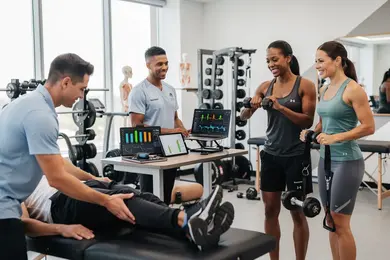
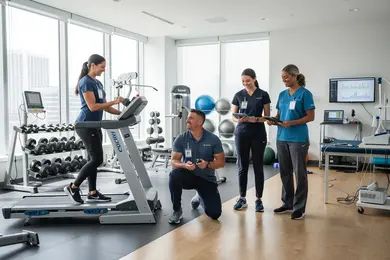
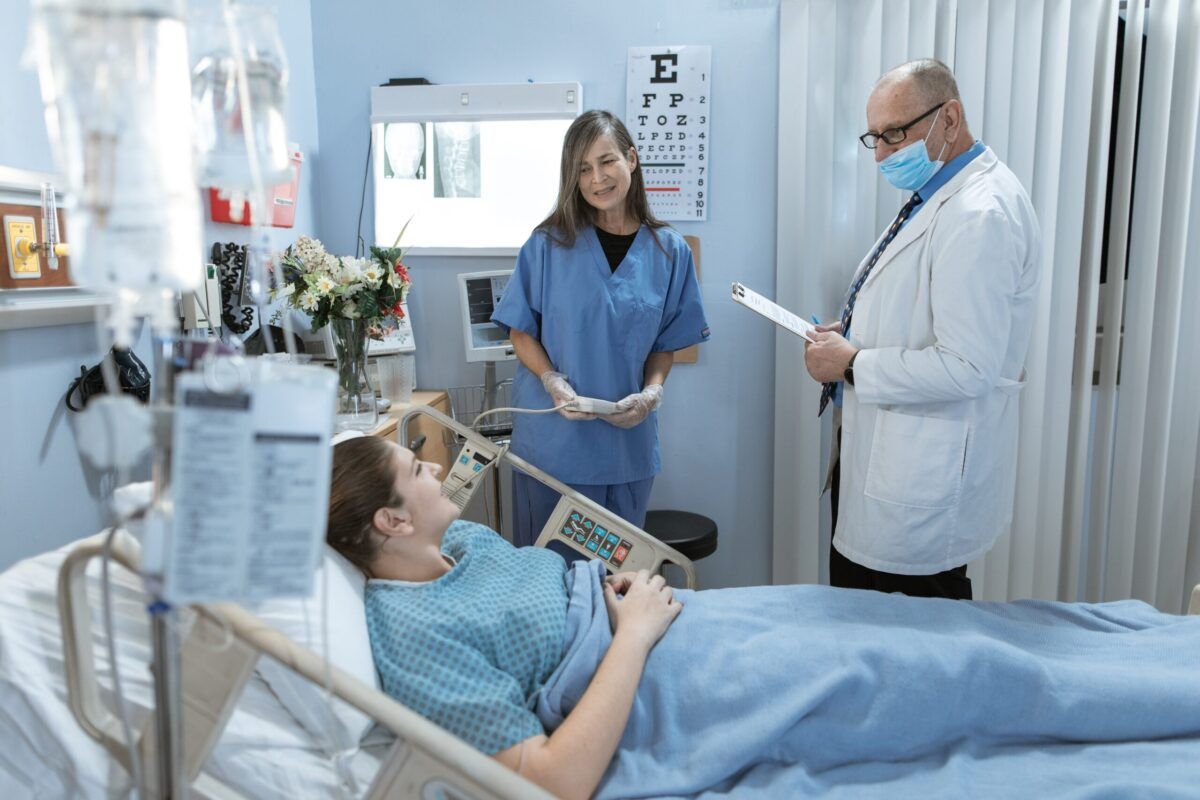
Clinical hour requirements in exercise science programs in the United States typically range between 400 and 600 hours, although some programs set lower minimums and others build in more extensive fieldwork. These hours are supervised, documented experiences designed to help students apply classroom knowledge in real settings such as rehabilitation centers, fitness facilities, athletic departments, wellness programs, and sports medicine clinics.
Studies show that students who complete 500 or more hours of clinical education demonstrate significantly enhanced professional confidence and readiness for workplace demands. That does not mean every student needs the same number of hours for every career path, but it does show why many programs treat supervised experience as more than a graduation checkbox. Students learn how to assess clients, communicate professionally, follow safety procedures, adapt exercise plans, and respond when a session does not go as expected.
The exact requirement should be verified in three places: the program handbook, the internship or practicum syllabus, and the clinical agreement or approval form used by the department. Students should not rely only on informal advice from classmates because programs may change site rules, supervisor qualifications, or documentation standards from year to year.
For comparison, some health-related degrees offer different clinical structures, including RN to BSN online programs without clinicals. Exercise science programs are different because direct observation, client interaction, movement assessment, and supervised exercise delivery are usually central to the degree.
What Counts as Clinical Hours in Exercise Science Programs?
Clinical hours usually count when the activity is supervised, tied to exercise science learning outcomes, documented correctly, and approved by the program before or during the placement. Research indicates that experiential learning, including clinical hours, can boost skill retention and mastery by up to 75%. The key is not simply being present at a facility; students must perform or observe tasks that build professional competence.
Common activities that may qualify
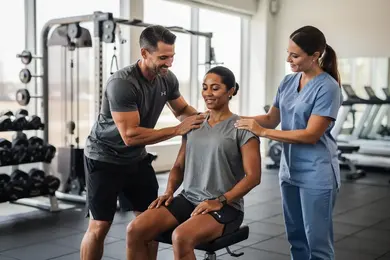
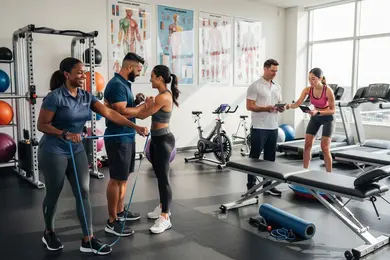
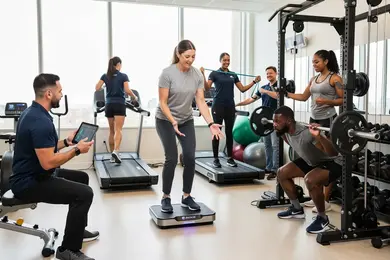
- Fitness assessments: Measuring body composition, cardiovascular endurance, flexibility, muscular strength, or movement capacity under supervision. These experiences help students learn how to collect data, explain results, and identify when a client may need referral or modification.
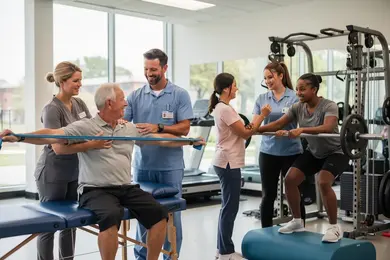
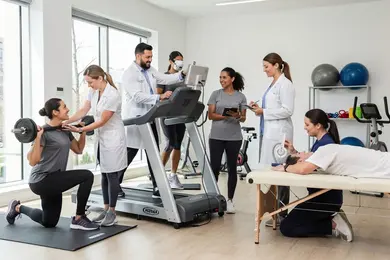
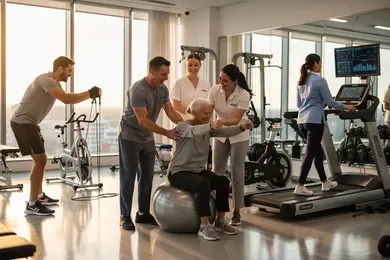
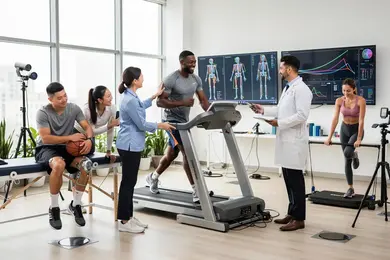
- Rehabilitation assistance: Supporting therapeutic exercise sessions under qualified supervision in a rehabilitation, physical therapy, or sports medicine environment. Students may help set up equipment, observe treatment progress, or assist with prescribed exercise routines within their permitted role.
- Exercise programming: Developing or helping implement exercise plans for clients with different goals, fitness levels, ages, or health considerations. Programs often look for evidence that the student is applying principles of progression, overload, recovery, and safety.
- Movement screening: Observing or assisting with biomechanical, postural, gait, or functional movement assessments. These hours are especially relevant for students interested in corrective exercise, athletic training support, rehabilitation, or performance coaching.
- Health education: Providing supervised instruction on wellness, injury prevention, physical activity habits, and lifestyle behavior change. This can count when it is part of an approved clinical, community, or wellness placement and is properly documented.
Activities that may not count
Programs often reject hours that are mostly administrative, sales-based, unsupervised, unrelated to exercise science, or completed before the site was approved. Examples may include front-desk work, cleaning equipment, social media tasks, general gym membership duties, or shadowing that is not documented with learning objectives. Students should ask the program coordinator whether observation hours, paid work, volunteer shifts, or prior experience can be counted before logging them.
One graduate described the experience clearly: “It was not just about clocking hours. The useful part was learning how classroom concepts changed when I was working with real clients who had different goals, limitations, and confidence levels.” That is the practical standard students should use: if the experience does not strengthen assessment, communication, programming, safety, or professional judgment, it may not satisfy the requirement.

Do Clinical Hour Requirements Vary by State?
Yes. Clinical hour expectations can vary by state, especially when a program is connected to state authorization rules, licensure preparation, certification pathways, or institutional agreements with approved sites. Reported clinical hour requirements span from 200 to over 600 hours depending on the state, program design, and intended professional outcome.
Exercise science is not regulated in the same way in every state, and many roles in fitness, performance, and wellness do not follow one universal state licensing model. However, students should still pay close attention to state-level rules if they plan to work in clinical exercise physiology, cardiac rehabilitation, allied health support, school or community wellness, or another setting where employer or credentialing expectations may be specific.
- Hour minimums: Some states, institutions, or affiliated programs may require a specific minimum number of supervised hours for degree completion, internship approval, or eligibility for certain professional pathways.
- Approved experiences: A placement that counts in one program may not count in another. Some schools accept community wellness, corporate health, or strength and conditioning sites, while others prioritize clinical rehabilitation or medical fitness settings.
- Setting-specific requirements: Certain programs may require students to complete hours in particular environments, such as rehabilitation, outpatient clinics, sports performance facilities, or community health programs.
- Post-graduate hours: Some career paths may require additional supervised experience after graduation before a graduate is considered fully prepared for credentialing or employment in specialized roles.
- Verification protocols: Documentation rules differ. A state, program, or site may require signed forms, digital logs, supervisor evaluations, competency checklists, or proof that the supervisor holds specific credentials.
The safest approach is to confirm requirements with the academic department, the internship coordinator, and any credentialing body relevant to the student’s target career. Students who plan to move after graduation should ask whether their clinical hours will be recognized outside the state where they completed the program.
Where Do Students Complete Exercise Science Clinical Hours?
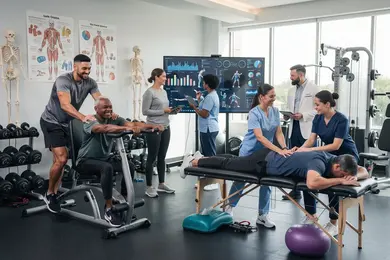
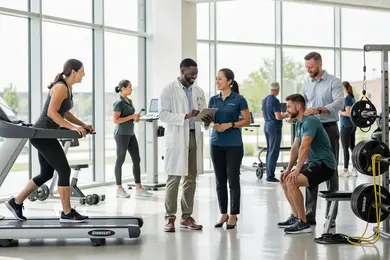
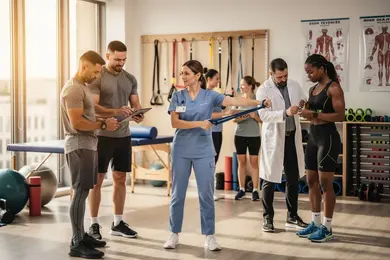
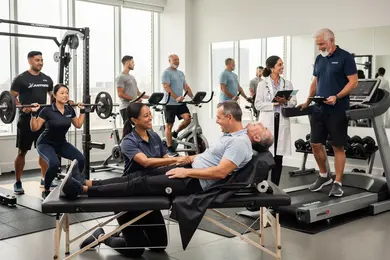
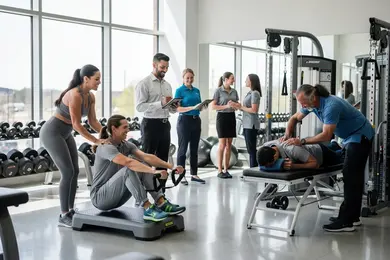
Exercise science students complete clinical hours in settings where they can practice assessment, exercise instruction, rehabilitation support, performance training, wellness education, or research-related skills under supervision. Experiential learning is essential in health-related fields, with over 80% of students completing clinical placements that build their practical skills and readiness for career roles.
| Clinical setting | What students may do | Best fit for students interested in |
| Hospitals and rehabilitation centers | Observe or assist with patient assessments, therapeutic exercise, recovery plans, and supervised activity progression. | Clinical exercise physiology, cardiac rehabilitation, physical therapy preparation, rehabilitation support. |
| Fitness and wellness centers | Conduct fitness assessments, support exercise programs, coach clients, and help monitor safe technique and progression. | Personal training, wellness coaching, health promotion, community fitness. |
| Sports performance facilities | Assist with conditioning, performance testing, warmups, injury prevention routines, and sport-specific training support. | Strength and conditioning, athletic performance, coaching support. |
| Research laboratories | Support biomechanical, physiological, or exercise testing studies and learn how data collection informs evidence-based practice. | Graduate study, research, biomechanics, exercise physiology. |
| Community and corporate health programs | Help deliver wellness screenings, group exercise, prevention programs, and physical activity education. | Public health, workplace wellness, chronic disease prevention, health education. |
Students should choose sites based on more than convenience. The strongest placement is one that matches career goals, provides qualified supervision, offers meaningful tasks, and has a clear process for logging and approving hours. A site with fewer hours but better mentoring may be more valuable than a site that allows many hours with little feedback.
How Are Clinical Placements Assigned in Exercise Science Programs?
Clinical placements are usually assigned through a structured process managed by the exercise science department, internship coordinator, or practicum faculty. Research shows that approximately 65% of professional healthcare education occurs through experiential placement learning. Because sites have limited capacity and must agree to supervise students, placement planning often begins well before the term in which the hours are completed.
- Faculty coordination: A coordinator may match students to approved sites based on career interests, completed coursework, schedule availability, transportation, academic standing, and site requirements.
- Student selection: Some programs allow students to propose a site, contact a supervisor, or apply independently, but the department typically must approve the placement before hours begin.
- Competitive applications: Popular hospitals, rehabilitation centers, sports performance facilities, or professional team environments may require resumes, interviews, references, background checks, or proof of certifications.
- Rotation systems: Some programs rotate students through multiple environments so they gain exposure to different populations, assessment methods, and professional roles.
- Established partnerships: Many schools maintain agreements with healthcare systems, clinics, fitness centers, athletic departments, and community organizations to create predictable placement options.
How students can improve their placement options
- Meet with the coordinator early, especially if work, athletics, caregiving, or transportation limits availability.
- Complete prerequisite courses, CPR or first aid requirements, background checks, immunization documentation, or liability forms on time.
- Prepare a resume that highlights coursework, certifications, volunteer work, coaching, lab experience, and client-facing skills.
- Ask whether paid employment can count before assuming a current job qualifies.
- Confirm who signs off on hours and how often logs must be submitted.
Students comparing health education pathways may also see different placement systems in a nursing school that does not require TEAS test, but exercise science placements are usually evaluated around movement assessment, exercise prescription, supervision, and applied wellness or performance competencies.
Can Exercise Science Clinical Hours Be Completed Online or Part-Time?
Exercise science clinical hours generally cannot be completed fully online because the core purpose is hands-on, supervised practice. Around 40% of health education programs have integrated hybrid or flexible formats, but that flexibility usually applies more to lectures, assignments, advising, or didactic coursework than to clinical skill development.
Some programs offer hybrid structures in which students complete academic coursework online and then complete approved clinical hours at a local site. Students comparing flexible formats can review exercise science degrees online while paying close attention to how each program handles in-person practicum, internship, or field experience requirements.
Part-time completion is more common than fully online completion. A program may allow students to spread hours across a longer period, complete fewer shifts per week, or schedule hours around work. However, this depends on site availability and program rules. Rehabilitation centers, clinics, sports performance facilities, and wellness programs often operate on fixed schedules, so students may need daytime, weekday, weekend, or seasonal availability.
A graduate described the trade-off this way: “Balancing clinical hours with part-time work was difficult because the in-person schedule was not optional. But that is where I learned how to assess clients safely, adjust exercises, and respond in real time.” Students who need flexibility should ask these questions before enrolling or before the clinical term begins:
- Can clinical hours be completed near the student’s home, or only near campus?
- Are evening, weekend, or summer placements available?
- Can the requirement be completed over more than one term?
- Does the program approve paid positions, remote coaching, telehealth observation, or simulated experiences?
- What happens if a site cancels hours or cannot provide enough supervised time?
What Supervision Is Required During Exercise Science Clinical Hours?
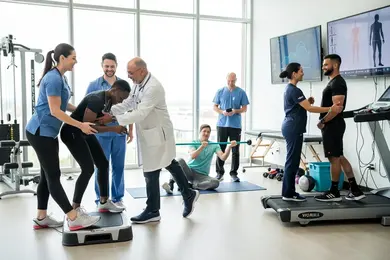
Exercise science clinical hours must be supervised by a qualified professional who can oversee student activity, protect client safety, provide feedback, and verify hours. Common supervisors may include licensed exercise physiologists, certified strength and conditioning specialists, clinical instructors, rehabilitation professionals, experienced fitness directors, or other approved professionals with relevant education and credentials in exercise science, kinesiology, health, rehabilitation, or performance.
Research from healthcare education indicates that students receiving consistent professional supervision demonstrate up to 30% greater proficiency in clinical skills. In practical terms, supervision should be active enough that students are not left to make decisions beyond their training. A supervisor may demonstrate procedures, observe student performance, correct technique, review documentation, discuss client modifications, and evaluate professional behavior.
What supervisors usually verify
- The dates, times, and total number of completed hours.
- The type of activities performed or observed.
- The student’s professionalism, communication, punctuality, and reliability.
- Competencies such as assessment, exercise instruction, safety awareness, and ability to apply feedback.
- Whether the experience met program expectations and site policies.
Students should clarify supervision rules before beginning a placement. Important questions include whether remote supervision is allowed, whether multiple supervisors can sign off, whether group instruction counts, and what credentials the supervisor must hold. If a supervisor leaves the site or changes roles, students should notify the program immediately so their hours are not placed at risk.
How Are Exercise Science Clinical Hours Tracked?
Exercise science clinical hours are tracked through formal documentation that shows when, where, and under whose supervision the hours were completed. Research shows that programs with structured experiential learning documentation achieve compliance rates over 90%, which is why most departments require more than a simple personal spreadsheet.
- Digital logging systems: Students enter hours, activities, site information, and reflections into an online platform. Supervisors or faculty can review and approve entries electronically.
- Supervisor verification forms: A site supervisor signs forms confirming completed hours, dates, duties, and performance. These are common when programs use paper or PDF documentation.
- Attendance documentation: Sign-in sheets, swipe systems, or site attendance records may support the student’s hour log, especially in clinics, gyms, laboratories, or athletic facilities.
- Progress reports: Students or supervisors may submit periodic summaries describing completed tasks, skills practiced, competencies achieved, and areas for improvement.
- Academic tracking platforms: Some universities connect hour tracking to the student portal, internship course, advising system, or learning management platform.
How to avoid rejected hours
- Get the site approved before starting unless the program explicitly allows retroactive approval.
- Log hours immediately or weekly rather than reconstructing them at the end of the term.
- Record activities in enough detail to show they relate to exercise science competencies.
- Keep copies of submitted forms, emails, and supervisor approvals.
- Ask for corrections early if a supervisor disputes hours or a log entry is incomplete.
Clinical documentation is also important in other health-related degrees, including programs such as a doctor of nursing practice online, where students must prove that supervised experience meets program standards. Exercise science students should treat their clinical records with the same seriousness because missing signatures or unclear logs can delay graduation.
What Challenges Do Students Face During Clinical Training?
Clinical training can be one of the most demanding parts of an exercise science program. Nearly 70% of health sciences students report significant stress from workload and hands-on learning challenges. Students are not only completing hours; they are also adapting to professional environments, managing feedback, applying technical knowledge, and learning how to work with people whose needs may be complex or unpredictable.
- Balancing academic workload: Students often complete clinical hours while taking courses, preparing for exams, working part time, or participating in athletics. Without a realistic weekly schedule, hours can pile up near the end of the term.
- Adapting to professional settings: Clinics, fitness centers, hospitals, and performance facilities have different expectations for communication, dress, confidentiality, punctuality, and initiative.
- Managing irregular schedules: Placements may require early mornings, evenings, weekends, or seasonal availability. This can affect commuting, study routines, work shifts, and rest.
- Handling emotional stress: Students may encounter clients recovering from injury, dealing with chronic conditions, or feeling discouraged about physical limitations. Professional empathy is important, but students also need boundaries.
- Building hands-on skills: It is normal to feel uncertain when first conducting assessments, coaching movement, correcting technique, or explaining exercise plans. Confidence usually develops through repeated supervised practice.
- Covering extra costs: Transportation, parking, uniforms, background checks, certifications, immunizations, or missed work hours may create financial pressure.
Students can reduce these challenges by planning clinical terms early, keeping communication open with supervisors, and asking the program what support is available if a placement becomes unworkable. Similar workload issues appear in other health administration and clinical education pathways, including the top online MHA programs, where students must balance academic expectations with field-based or professional learning requirements.
What Strategies Help Students Succeed in Clinical Environments?
Students succeed in clinical environments when they treat the placement like a professional role, not just a course requirement. Studies show that students who participate in active experiential learning achieve approximately 40% greater competency in practical skills than those who rely only on theory. The best students prepare before each shift, ask thoughtful questions, accept correction, and document their work carefully.
- Communicate clearly: Confirm schedules, expectations, dress code, documentation rules, and scope of duties. If a student is unsure whether a task is allowed, asking first is safer than guessing.
- Manage time deliberately: Map out required hours across the term and build in a buffer for illness, site closures, weather, exams, or supervisor availability. Waiting until the last few weeks creates unnecessary risk.
- Show professionalism every day: Arrive on time, follow site rules, protect client privacy, use respectful language, and respond well to feedback. Supervisors often evaluate reliability as closely as technical skill.
- Practice active learning: Observe how professionals explain exercises, modify plans, motivate clients, and handle safety concerns. Take notes after sessions and connect what happened in the field to coursework.
- Seek feedback early: Do not wait for the final evaluation to learn that a skill needs improvement. Ask supervisors what to keep doing, what to change, and what competencies to prioritize next.
- Protect personal well-being: Clinical training can be tiring. Sleep, nutrition, transportation planning, and reasonable workload management affect performance and safety.
Students who want to broaden their preparation may also consider related study areas, such as a nutritionist bachelor degree online, because nutrition, behavior change, and exercise programming often overlap in wellness and performance careers.
What Graduates Say About Exercise Science Clinical Hours Requirements
- : "Completing the clinical hour requirements for my exercise science degree was both challenging and rewarding. The hands-on experience solidified my understanding and allowed me to apply classroom theory to real patients. Although the costs associated with travel and specialized programs were significant, the value it added to my career was undeniable. — Arthur"
- : "Reflecting on my exercise science clinical hours, I realize they were essential in shaping my professional skills. The time commitment was intense, but it prepared me to confidently handle various client needs. While funding those hours put some strain on my budget, the practical knowledge gained made it worth every penny. — Roger"
- : "From a career standpoint, the clinical hour requirements in exercise science were pivotal. Not only did they provide crucial networking opportunities, but the experience also boosted my credibility in the field. The financial investment required was something I had to plan for carefully, but it ultimately opened doors I hadn't anticipated. — Miles"
Other Things You Should Know About Exercise Science Degrees
Many exercise science programs require students to complete certain foundational coursework before starting clinical hours. These prerequisites often include anatomy, physiology, and basic kinesiology to ensure students have the necessary knowledge for applied experiences. Meeting these requirements helps prepare students for safe and effective participation in clinical settings.
Approved clinical settings typically include hospitals, rehabilitation centers, fitness facilities, and outpatient clinics where students can observe and assist with patient assessments and exercise prescriptions. Settings must provide relevant professional supervision tied to the exercise science discipline to qualify as valid clinical experience.
Some programs allow clinical hours completed through internships or employment to count toward graduation requirements, provided the experience aligns with program objectives and is supervised by qualified professionals. Students usually need to submit documentation and obtain approval from their academic advisors for these experiences to qualify.
After completing clinical hours, 2027 exercise science students must submit a verified log of hours, supervisor evaluations, and any required reflection papers to their program coordinator. This ensures compliance with program and accreditation standards. Documentation should be kept for personal records and possible future verification.
References
- Exercise science: What exactly is it? https://www.scienceforsport.com/exercise-science/
- Online Exercise Science Program https://stmary.edu/online-programs/exercise-science.html
- Sport and Exercise Science / Clinical Exercise Physiology - Placement https://www.unisc.edu.au/current-students/work-integrated-learning-wil/sport-and-exercise-science-clinical-exercise-physiology-placement
- Clinical Exercise & Rehabilitation (VUCER) placements https://www.vu.edu.au/current-students/your-course/placements-work-integrated-learning/clinical-exercise-rehabilitation-vucer-placements
- Clinical Exercise Science | Master/Ph.D. https://www.uni-potsdam.de/en/studium/what-to-study/master/clinical-exercise-science
- What can you do with a Diploma of Clinical Exercise Science qualification https://www.think.edu.au/blog/what-can-you-do-with-a-diploma-of-clinical-exercise-science-qualification
- Exercise Science B.S. https://catalog.csustan.edu/preview_program.php
- Exercise Science Student Placement | Base Physio + Performance https://basepp.com/education/exercise-science-student-placement/
- How to Help Students Navigate the Transition From the Classroom to Clinical Learning - Osmosis Blog https://www.osmosis.org/blog/how-to-help-students-navigate-the-transition-from-the-classroom-to-clinical-learning
- The Challenges of Exercise Science https://www.ksep-es.org/journal/view.php