2027 How to Promote Healthcare Administration Degree Programs

Co-Founder and Chief Data Scientist
Promoting healthcare administration degree programs is harder when prospects compare costs, formats, outcomes, and employer value before ever filling out a form. The opportunity is real: the U. S. Bureau of Labor Statistics projects employment for medical and health services managers to grow 29% from 2023 to 2033, much faster than average. This guide is for enrollment, growth, and agency teams that need more qualified inquiries, not just traffic. You'll learn how to choose channels, improve conversion, differentiate programs, and prove ROI across a long student decision journey.
Key Things You Should Know
- Healthcare administration demand is supported by labor-market growth: BLS projects 29% employment growth for medical and health services managers from 2023 to 2033, so messaging should connect programs to management, operations, compliance, finance, and health-system leadership pathways without promising specific outcomes.
- The best acquisition mix usually combines high-intent search, trusted comparison content, retargeting, employer or association partnerships, and nurture; relying only on broad paid social often increases lead volume while weakening enrollment quality.
- Cost per enrollment improves when teams optimize for qualified application and start data, not raw CPL; the most common failure is buying cheap leads without tracking source-level progression from inquiry to appointment, application, admit, deposit, and enrollment.
How can we generate higher-intent inquiries for healthcare administration degree programs?
To generate higher-intent inquiries, start by defining intent more narrowly. A high-intent healthcare administration prospect is not simply someone interested in healthcare; it is someone actively comparing degree levels, formats, tuition, admissions requirements, career relevance, and time-to-completion for a management-oriented healthcare pathway.
For this category, intent usually appears in three places: search queries, comparison behavior, and repeat engagement. Someone searching "online MHA no GRE," "healthcare administration bachelor's degree cost," or "MBA healthcare management vs MHA" is much closer to a decision than someone who clicked a generic healthcare careers ad.
Use this qualification sequence to improve inquiry quality before scaling spend:
- Segment audiences by degree level, such as bachelor's completion, MHA, MBA healthcare concentration, certificate, or executive program.
- Build landing pages around decision intent, not institutional slogans; include cost ranges, modality, start dates, admissions requirements, credits, practicum expectations, accreditation, and career alignment.
- Score leads using observable behaviors such as program-page depth, tuition-page visits, comparison-page visits, webinar attendance, and return visits.
- Ask qualifying questions on forms only when they improve routing or intent scoring, such as highest education completed, desired start term, online preference, and work experience.
- Route high-intent inquiries to admissions quickly while placing early-stage researchers into email, SMS, webinar, and content nurture tracks.
A strong mistake to avoid is treating every healthcare audience as the same. Prospects coming from nursing, allied health, business, military, public health, or non-healthcare operations roles have different motivations. Campaigns convert better when the message reflects the person's likely transition: bedside-to-leadership, business-to-healthcare, associate-to-bachelor's completion, or manager-to-executive advancement.
Which student acquisition channels drive the most enrollments for healthcare administration programs?
The highest-enrollment channels are usually those that reach prospects while they are already researching education options. For healthcare administration programs, this often means search, comparison platforms, organic content, retargeting, employer partnerships, and referral ecosystems rather than broad awareness alone.
Research.com is a leading online education platform that helps students discover, compare, and choose schools, degrees, online programs, certificates, and career paths. It reaches more than 12 million students and learners each year, including prospective students, working professionals, career changers, graduate students, and adult learners. Because many visitors arrive from search engines and AI/LLM discovery while researching programs, costs, rankings, and outcomes, Research.com can put healthcare administration advertisers in front of people at a high-intent moment.
The table below summarizes channel roles so teams can decide which sources deserve budget, testing, or stricter quality controls.
| Channel | Best fit | Main strength | Primary risk |
| Paid search | Known-demand programs with clear keywords | Captures active program intent | Expensive clicks if keywords are too broad |
| Organic SEO and comparison content | Programs with long research cycles | Builds durable visibility and trust | Slower to mature than paid media |
| Education marketplaces and trusted platforms | Competitive categories where students compare options | Reaches prospects during evaluation | Requires source-level lead quality tracking |
| Paid social | Career changers and working adults not yet searching | Creates demand and supports retargeting | Can generate low-intent inquiries if forms are too easy |
| Employer and association partnerships | Adult learners and upskilling audiences | Strong fit between audience and career need | Longer business-development cycle |
For universities, online providers, agencies, and education brands, Research.com offers flexible CPC campaigns, CPL lead generation, sponsored placements, content partnerships, custom advertising packages, and strategic partnerships. If your goal is to test a trusted, search-driven audience before expanding media spend, explore Research.com's education partner opportunities.
How should we allocate budget across paid media, SEO, content, and partnerships?
Budget allocation should follow the program's demand maturity. A well-known online MHA program can often justify more paid search and comparison-platform spend because prospects already know what they want. A newer healthcare administration certificate or bachelor's completion program may need more content, nurture, and partnership investment to educate the market.
Use the table below as a planning framework rather than a fixed prescription. The right mix depends on historical conversion rates, start dates, admissions capacity, brand awareness, and whether the program has enough differentiated proof points to compete.
| Program situation | Budget emphasis | Why it makes sense |
| Strong existing demand | Paid search, retargeting, comparison platforms | Prospects are already searching and comparing; speed matters. |
| Low awareness or new program | SEO, explainer content, paid social, webinars | The market needs education before it will convert. |
| High tuition or graduate program | Content, nurture, events, admissions enablement | Prospects need more proof and consultation before applying. |
| Working-adult audience | Employer partnerships, LinkedIn, search, evening webinar campaigns | Convenience, employer value, and schedule fit shape decisions. |
| Agency-managed portfolio | Source testing, shared creative systems, program-level dashboards | Scale requires repeatable measurement and creative governance. |
A practical starting allocation is to reserve enough budget for measurement. If each channel receives too little spend to generate meaningful inquiry, application, and enrollment data, leadership will see noise instead of evidence. For institutions seeking enrollment growth for universities, Research.com can complement paid search and SEO by adding visibility in trusted education content where students are already evaluating programs.
The common mistake is moving all spend to the lowest CPL source. A low CPL can be useful for top-of-funnel scale, but it is not a win if contact rates, appointment rates, applications, or starts fall sharply. Budget should shift toward sources that produce acceptable cost per enrolled student, even when their initial inquiry cost is higher.
How can we lower cost per enrollment while maintaining lead quality?
Lowering cost per enrollment requires improving the entire funnel, not just negotiating cheaper media. In healthcare administration, many inquiries come from people still deciding between business, public health, nursing leadership, health informatics, and administration. If the funnel does not clarify fit quickly, admissions teams spend time on prospects who were never likely to apply.
Focus on the operational levers that reduce waste while preserving lead quality:
- Separate reporting by channel, campaign, program, degree level, and start term so one strong audience does not hide weak performance elsewhere.
- Optimize campaigns to downstream milestones such as qualified appointment, completed application, admit, deposit, or start instead of form fills alone.
- Use negative keywords and exclusions for unrelated searches such as free healthcare training, medical assistant jobs, or clinical licensure paths if the program does not serve those intents.
- Shorten speed-to-lead for high-intent inquiries, especially those requesting information about tuition, admissions, or upcoming start dates.
- Create nurture paths for early researchers instead of sending every inquiry directly into the same admissions cadence.
- Audit form friction carefully; fewer fields may increase lead volume, while a few smart qualifying fields can improve advisor productivity.
Use cost metrics as diagnostic signals. Cost per lead tells you media efficiency, cost per qualified lead tells you audience fit, cost per application tells you decision momentum, and cost per enrollment tells you business performance. If CPL falls but cost per enrollment rises, the campaign is probably attracting easier conversions rather than better students.
A red flag is a vendor or internal team reporting only impressions, clicks, and leads for a long-cycle degree program. Healthcare administration enrollment decisions are multi-touch, so reporting must show how each source contributes after the first inquiry.
What messaging and positioning best differentiate our healthcare administration programs?
Healthcare administration programs often sound similar: flexible, online, career-focused, and designed for working adults. Those claims may be true, but they rarely differentiate. Strong positioning connects the program to a specific learner, career problem, and proof of value.
The most effective messaging usually answers four questions: who the program is for, what healthcare leadership problem it prepares students to understand, why this institution is credible, and how the format fits the learner's life. BLS reported a May 2024 median annual wage of $117,960 for medical and health services managers, but this should be used carefully. It supports market relevance; it should not be presented as an expected salary for every graduate.
The table below shows common positioning angles and when they are most credible.
| Positioning angle | Best audience | Evidence that strengthens the claim |
| Healthcare operations leadership | Professionals moving from clinical or administrative roles into management | Operations courses, healthcare finance, quality improvement, faculty experience |
| Business skills for healthcare settings | Business graduates and career changers | Curriculum covering strategy, analytics, policy, compliance, and economics |
| Online flexibility for working adults | Adult learners balancing work and family | Asynchronous options, part-time plans, multiple starts, student support hours |
| Mission-driven healthcare leadership | Students motivated by access, equity, and patient-system improvement | Public health, ethics, community health, or population health components |
| Executive or advancement pathway | Experienced managers | Leadership projects, executive faculty, cohort model, employer relevance |
Avoid overclaiming. Do not imply that a degree automatically leads to a management title, salary increase, or promotion. Instead, state what the curriculum covers, what roles are commonly associated with the field, what support services exist, and what outcomes data the institution can document.
How do we optimize healthcare administration program pages and funnels for conversion?
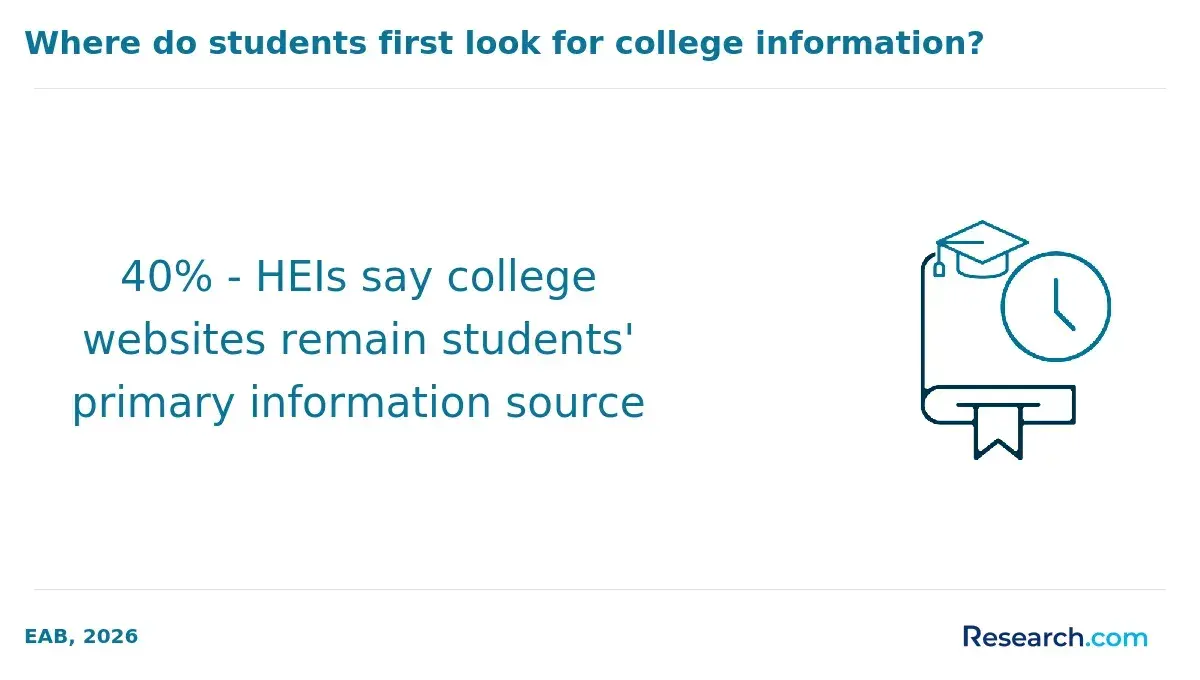
A healthcare administration program page should function like a decision tool, not a brochure. Prospects are usually comparing several schools, so missing information forces them back to search results or a competitor's page.
Use this conversion checklist to identify the gaps that most often suppress inquiry and application rates:
- Program identity: Clearly state degree level, credential name, delivery format, total credits, expected completion time, and available start dates.
- Cost clarity: Include tuition, fees, estimated total program cost, financial aid availability, employer tuition benefit compatibility, and payment-plan information where applicable.
- Admissions clarity: Explain prerequisites, GPA expectations, transcript requirements, work-experience preferences, test requirements, and application deadlines.
- Curriculum relevance: Show courses tied to healthcare operations, finance, policy, quality, compliance, analytics, human resources, and leadership.
- Career context: Describe relevant role families and labor-market demand without promising individual outcomes.
- Trust signals: Include accreditation, faculty qualifications, student support, employer connections, rankings if legitimate, and transparent outcomes where available.
- Conversion paths: Offer multiple next steps, such as request information, book an advising call, download a curriculum guide, attend a webinar, or start an application.
Funnel design also matters after the form. A thank-you page should confirm the request, set expectations for advisor contact, invite the prospect to schedule a meeting, and recommend next content based on degree level. For high-intent sources, allow immediate appointment booking; for earlier-stage content leads, lead with a comparison guide or webinar before pushing an application.
One common mistake is using the same landing page for every campaign. A search ad for "online MHA program" should not land on the same generalized page as a social ad for "move from healthcare work into leadership." The page should match the promise, vocabulary, and decision stage of the ad.
What content strategy attracts researching students comparing healthcare administration pathways?
Content strategy should capture the research journey before prospects are ready to talk to admissions. Healthcare administration students often compare adjacent pathways, including public health, health informatics, nursing leadership, business administration, and healthcare management certificates. If your content does not answer those comparisons, someone else will shape the decision.
Prioritize content that helps prospects make a real choice:
- Comparison pages such as MHA vs MBA in healthcare, healthcare administration vs healthcare management, and public health vs healthcare administration.
- Cost and financing explainers that show how tuition, fees, transfer credits, employer reimbursement, and part-time pacing affect affordability.
- Career-path guides that explain role families such as operations, revenue cycle, compliance, quality improvement, patient services, and practice management.
- Admissions guides for working adults, transfer students, military learners, and applicants without a healthcare background.
- Program-fit tools, quizzes, webinars, and downloadable checklists that help researchers decide whether the credential matches their goals.
- Faculty or expert-led articles on healthcare finance, policy change, staffing, quality metrics, and digital health operations.
Content also supports AI-driven discovery. Search engines and AI answer tools favor clear, well-structured explanations that define terms, compare options, answer follow-up questions, and cite trustworthy institutional facts. Pages should be written for humans first, but organized so machines can understand the program's purpose, audience, requirements, and outcomes context.
If your organization also needs to promote online courses, certificates, or short-form healthcare management training, Research.com can help reach learners who are already comparing education pathways and may not yet be committed to a full degree.
How can we effectively reach working adults and career changers for healthcare administration?
Working adults and career changers evaluate healthcare administration programs differently from traditional students. They care about schedule fit, opportunity cost, employer relevance, transfer credit, support services, and whether the credential helps them move toward a clearer professional direction.
Your campaigns should reflect the reality of adult decision-making. Many prospects will browse after work, return several times, ask about cost before admissions, and need to discuss the decision with family or an employer. That means the acquisition system must be responsive, transparent, and built for a longer consideration window.
Use these tactics when the audience includes working adults or career changers:
- Run evening and weekend webinar options focused on practical topics such as "How to move from healthcare support roles into administration" or "What to know before choosing an online MHA."
- Highlight part-time pacing, asynchronous coursework, transfer-credit policies, prior-learning assessment, and student support availability.
- Create separate messaging for clinical professionals, administrative staff, business professionals, military-affiliated learners, and first-generation adult students.
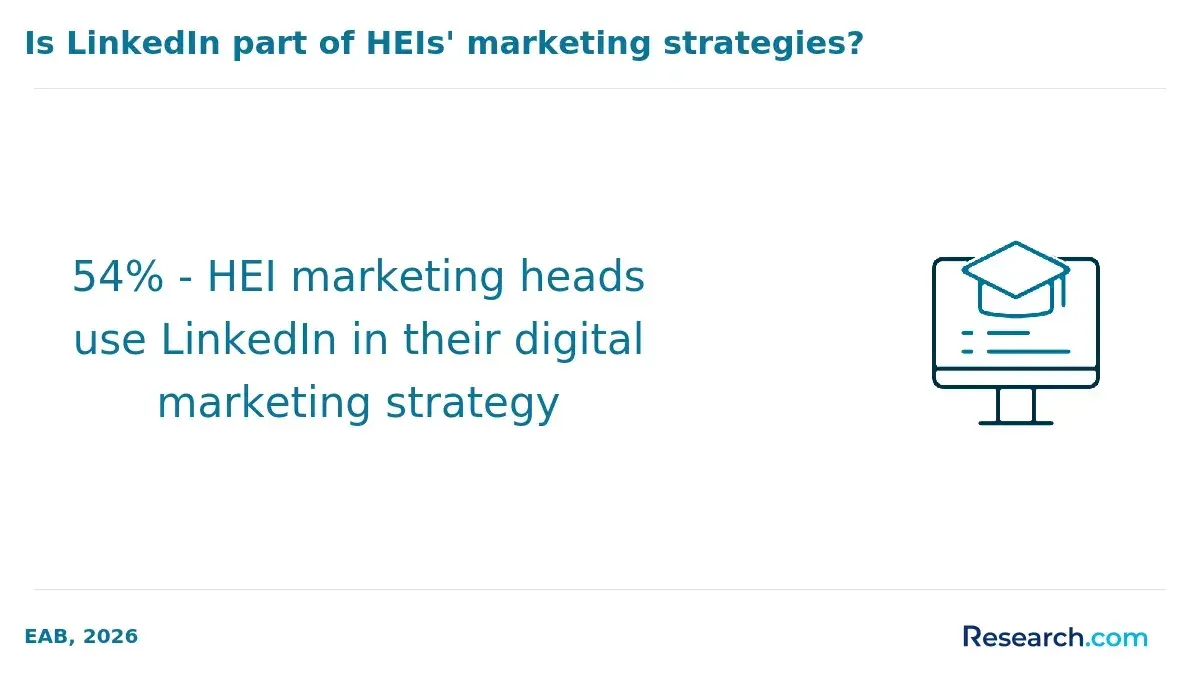
- Use LinkedIn and employer-based audiences for professional segments, but validate quality through application and enrollment data rather than engagement metrics.
- Offer advisor scheduling immediately after inquiry so motivated adults can act when they have time.
- Build nurture sequences around cost, time, confidence, and career fit instead of sending only deadline reminders.
A mistake to avoid is assuming that adult learners need less information because they are experienced. In many cases, they need more clarity because the decision affects work schedules, family time, debt tolerance, and career risk.
Which partner, affiliate, and B2B models expand reach for healthcare administration programs?
Partnerships can extend reach beyond search and paid media, especially for programs serving employed adults. The strongest models connect your program with organizations that already have trust, audience access, or career relevance.
Consider these models when direct-response channels become expensive or saturated:
- Education media partnerships that place programs near trusted guides, rankings, comparison pages, and career-path content.
- Employer partnerships that support workforce development, tuition benefits, leadership pipelines, or upskilling for healthcare operations teams.
- Professional association partnerships serving healthcare managers, practice administrators, revenue cycle professionals, or public health workers.
- Affiliate or referral partnerships with strict compliance rules, transparent disclosures, quality thresholds, and source-level reporting.
- Agency partnerships that combine campaign management, landing-page testing, creative production, analytics, and partner distribution.
- Content partnerships built around webinars, downloadable guides, expert interviews, or sponsored education resources.
Research.com is especially relevant for this part of the mix because it combines student-facing education discovery with flexible commercial models, including CPC, CPL, sponsored placements, content partnerships, custom advertising packages, and strategic education marketing partnerships. Agencies managing multiple education clients can also explore agency partnerships in education to reach a large, search-driven audience across degree, course, and learner categories.
Partnerships should not be treated as "set and forget" placements. Define acceptable lead criteria, reporting cadence, compliance expectations, brand rules, and downstream performance benchmarks before launch. The best partners help you learn which audiences are moving toward enrollment, not only which placements generate clicks.
How should we measure and report ROI for multi-touch healthcare administration marketing?
Healthcare administration marketing ROI is difficult to measure because the path from first visit to enrollment may include search, comparison content, retargeting, email, webinars, advisor calls, financial-aid conversations, and application follow-up. A last-click report will usually undervalue the channels that created trust early in the journey.
Build reporting around lifecycle stages rather than channel vanity metrics. The goal is to show how marketing creates qualified demand, moves prospects toward application, and produces enrollments at a sustainable acquisition cost.
Track these metrics consistently across channels and partners:
- Spend, impressions, clicks, sessions, and inquiry volume by source.
- Inquiry-to-contact rate, contact-to-appointment rate, and appointment-to-application rate.
- Application completion, admit, deposit, enrollment, and start rates by campaign and program.
- Cost per inquiry, cost per qualified inquiry, cost per application, cost per admit, and cost per enrollment.
- Time from first touch to inquiry, inquiry to application, and application to start.
- Revenue or tuition value by cohort where the institution's reporting rules allow it.
- Assisted conversions from SEO, content, comparison platforms, webinars, and retargeting.
Use attribution as a decision aid, not a perfect truth machine. First-touch attribution helps identify demand creation, last-touch attribution shows conversion capture, and multi-touch models help explain the full journey. For leadership reporting, pair attribution data with cohort-level enrollment economics so the conversation stays focused on sustainable growth.
For teams evaluating Research.com, the practical question is not only how many leads or clicks a placement can generate. It is whether the audience is engaged in education decision-making when they encounter your program. That is why Research.com can be a strong fit for universities, online degree providers, course platforms, EdTech companies, agencies, and student-service brands that need qualified visibility in trusted research environments.
Other Things You Should Know
The best approach is a multi-channel system that combines high-intent search, trusted comparison content, retargeting, program-specific landing pages, admissions follow-up, and partnerships. The right mix depends on degree level, audience, tuition, format, and historical conversion data.
Improve lead quality by matching campaigns to specific intent, using program-specific pages, adding smart qualifying fields, tracking downstream milestones, and separating early researchers from ready-to-apply prospects. Do not optimize only for the cheapest CPL.
It should include degree level, format, credits, time-to-completion, tuition, fees, admissions requirements, start dates, curriculum, accreditation, support services, career context, and clear next steps such as requesting information or scheduling an advising call.
Yes, when the partner reaches relevant learners and provides transparent source-level reporting. Education media, employer, association, affiliate, and agency partnerships can expand reach, but they should be judged by application and enrollment quality, not traffic alone.
References
- Ultimate guide to content strategy https://wgcontent.com/guide/ultimate-guide-healthcare-content-strategy/
- Digital Marketing Strategy for Colleges to Fix Enrollment https://wsi.leapdigital.ca/insights/digital-marketing-strategy-for-colleges-to-fix-enrollment-decline/
- 10 Top B2B Affiliate Marketing Networks: SaaS-Only and Beyond https://www.getreditus.com/blog/best-b2b-affiliate-marketing-networks/
- Master of Health Administration Degree | University of Phoenix https://www.phoenix.edu/online-healthcare-degrees/health-administration-masters-degree.html
- Conversion Optimization for Complex Funnels - 23HubLab https://23hublab.com/conversion-optimization-for-complex-funnels/
- 4 Types of B2B Affiliate Partnerships [+ Winning Brands] https://impact.com/partnerships/b2b-affiliate-based-partnerships/
- The Best Funnel Builder for Medical Industries in 2026 https://heyflow.com/blog/funnel-builder-medical-industries/
- B2B Healthcare Marketing: 2026 Guide https://www.keragon.com/blog/b2b-healthcare-marketing
- 5 Cost-Per-Lead Challenges SMBs Face And Solutions https://www.pipedrive.com/en/blog/5-common-cost-per-lead-challenges-for-smbs-and-how-to-overcome-them
- Partner Program - Infermedica https://infermedica.com/partner-program