2027 Industries Hiring Graduates With an Exercise Science Degree

Co-Founder and Chief Data Scientist
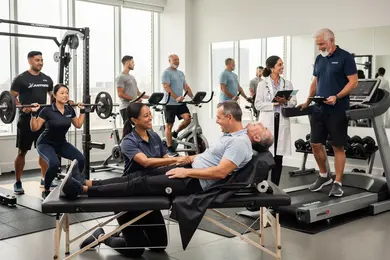
An exercise science degree can lead to more than personal training or coaching. The bigger decision for graduates is where their knowledge of movement, physiology, behavior change, and performance fits best: healthcare, rehabilitation, sports, wellness, research, corporate health, or technology-supported fitness. With a 10% projected growth in employment for exercise physiologists and related professions over the next decade, employers are looking for graduates who can help people move safely, recover effectively, prevent injury, and build healthier routines.
This guide explains which industries hire exercise science graduates, where demand is strongest, which entry-level roles are realistic, and how salary, certification, flexibility, and promotion potential differ by field. It is designed for students comparing career paths, recent graduates planning a first job search, and professionals considering how to use an exercise science background in a more specialized or higher-growth setting.
Key Benefits of Industries Hiring Graduates With an Exercise Science Degree
- Industries hiring graduates with an exercise science degree offer diverse career paths, increasing employment flexibility across healthcare, sports, wellness, and rehabilitation sectors.
- High industry demand supports long-term career stability, with U.S. Bureau of Labor Statistics projecting 11% growth for related health specialties through 2031.
- Cross-industry work promotes development of transferable skills such as data analysis, client management, and program design, broadening professional expertise and opportunities.
What industries have the highest demand for exercise science majors?
The highest demand for exercise science majors is concentrated in industries that need professionals who understand human movement, safe exercise prescription, injury prevention, and health behavior. Demand is especially strong where employers serve aging adults, athletes, patients recovering from injury, workers in wellness programs, or clients using digital health tools.
The fitness and wellness sector expects a 19% growth in employment for fitness trainers and instructors from 2022 to 2032, showing that traditional fitness roles remain important. However, many exercise science graduates also find strong opportunities in clinical, corporate, research, and performance-focused environments.
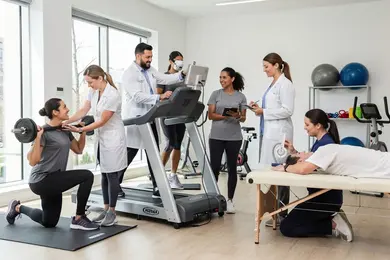
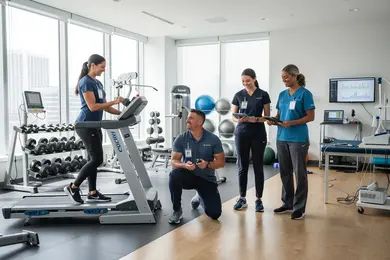
- Healthcare: Hospitals, outpatient clinics, and medical wellness programs hire exercise science graduates to support rehabilitation, chronic disease management, mobility improvement, and preventive care. Graduates may work alongside physicians, physical therapists, occupational therapists, and exercise physiologists, but they should understand that some clinical roles require additional licensure, certification, or graduate education.
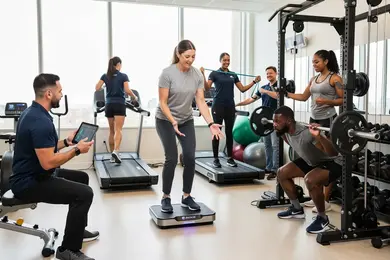
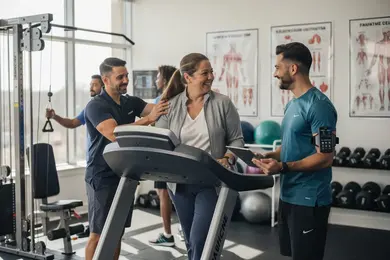
- Fitness and Wellness: Gyms, training studios, wellness centers, and virtual coaching companies rely on exercise science graduates to conduct assessments, develop safe exercise plans, coach clients, and track progress. Some professionals broaden their health education background through an online nutrition degree, especially when pursuing roles that combine exercise guidance with general wellness programming.
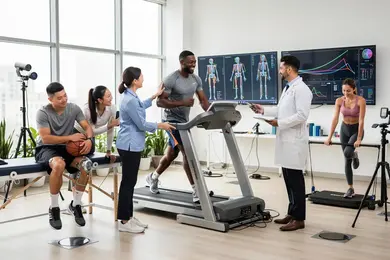
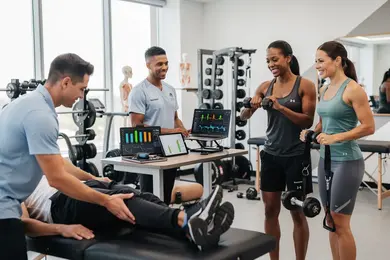
- Sports and Athletics: Collegiate athletic departments, sports performance facilities, sports medicine clinics, and private training organizations use exercise science knowledge to improve conditioning, reduce injury risk, monitor workload, and support return-to-play planning. These roles can be competitive and often reward internships, sport-specific experience, and recognized credentials.
- Corporate Wellness: Employers use wellness programs to support employee health, reduce preventable health risks, and improve engagement. Exercise science graduates may design fitness challenges, lead workshops, conduct ergonomic education, analyze participation data, or coordinate wellness vendors.
- Research and Academia: Universities, laboratories, public health teams, and clinical research organizations hire graduates for research assistance, participant testing, data collection, exercise intervention support, and literature review. These roles are a strong fit for students considering graduate study or evidence-based program design.
Which industries have the strongest job outlook for exercise science graduates?
The strongest job outlook for exercise science graduates is generally found in industries tied to preventive health, rehabilitation, wellness technology, and population health. The U.S. Bureau of Labor Statistics forecasts an 11% employment growth from 2022 to 2032 for exercise science-related professions, well above the average for all occupations. That growth reflects the broader shift toward prevention, active aging, chronic disease management, and measurable wellness outcomes.
- Healthcare and Rehabilitation: This sector has a strong outlook because more patients need support with mobility, recovery, strength, balance, and long-term health management. Entry-level graduates may begin in assistant or technician roles, while advanced clinical responsibilities often require graduate training, licensure, or specialized credentials.
- Fitness and Wellness: Public interest in healthier lifestyles continues to support demand for trainers, wellness coaches, group fitness instructors, and exercise program coordinators. Wearable devices, virtual coaching, and app-based programs have also expanded the ways graduates can deliver services.
- Sports and Athletics: Teams and training facilities increasingly use data, testing, and performance monitoring to improve athletic outcomes. Graduates who understand biomechanics, conditioning, recovery, and injury prevention may find opportunities in sports performance, especially when they build practical experience early.
- Research and Academia: Exercise science is closely tied to questions about chronic disease prevention, aging, public health, and physical activity behavior. Research roles may not always be the easiest to enter immediately after graduation, but they can offer strong long-term value for graduates planning master’s, doctoral, or clinical pathways.
For most graduates, the best outlook is not only about industry growth. It also depends on credentials, local hiring patterns, willingness to work with specific populations, and whether the role is clinical, coaching-based, administrative, or research-oriented.

What entry-level jobs are available for exercise science graduates?
Common entry-level jobs for exercise science graduates include fitness trainer, rehabilitation assistant, strength and conditioning assistant, health coach, wellness coordinator, exercise technician, and research assistant. About 60% of graduates find related roles within a year, but the quality of those opportunities often depends on internships, certifications, networking, and how clearly candidates connect classroom knowledge to practical work.
- Fitness Trainer: Fitness trainers assess client goals, teach exercise technique, build progressive workout plans, and monitor safety. This is one of the most accessible first roles, especially for graduates with strong communication skills and a recognized training certification.
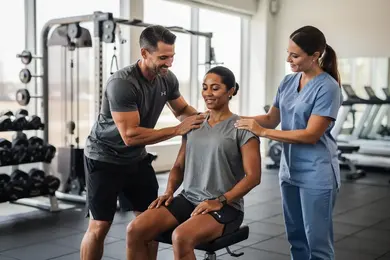
- Rehabilitation Assistant: Rehabilitation assistants support physical therapists, occupational therapists, or clinical staff by preparing equipment, guiding patients through prescribed activities, documenting basic progress, and maintaining a safe treatment environment. These roles are useful for graduates considering physical therapy, occupational therapy, or other clinical graduate programs.
- Strength and Conditioning Assistant: These assistants support athletic training sessions, help track performance metrics, set up equipment, and coach athletes under supervision. The role can be competitive, so internship experience with teams, weight rooms, or performance facilities is valuable.
- Health Coach: Health coaches help clients set goals, build routines, improve accountability, and make behavior changes related to movement, nutrition awareness, stress, and general wellness. Scope of practice matters: graduates should avoid presenting themselves as licensed dietitians, therapists, or medical providers unless they hold the required credentials.
- Wellness Coordinator: Wellness coordinators help organize fitness events, educational campaigns, employee challenges, and health screenings for employers, universities, or community organizations. This role suits graduates who enjoy planning, communication, and program management.
- Research Assistant: Research assistants help with participant recruitment, testing protocols, data entry, literature searches, and laboratory procedures. This is a strong option for students who enjoyed statistics, physiology labs, or evidence-based practice.
Students who are still choosing a program format may find that an online bachelor's degree in exercise science can be a practical route if it includes rigorous science coursework, applied learning opportunities, and preparation for internships or certifications.
One exercise science graduate described the first job search as more complex than expected: “Navigating job applications was overwhelming at first. The roles differed more than I expected, so understanding what each entailed took time.” The same graduate said internships made the transition easier: “Those opportunities made a huge difference in feeling confident and prepared to help clients effectively.”
The lesson is clear: entry-level hiring is strongest when graduates can show supervised experience, professional communication, and realistic expectations about role scope.
What industries are easiest to enter after graduation?
The easiest industries to enter after graduation are usually those with steady entry-level hiring, broad job titles, and fewer licensure barriers. According to recent labor statistics, fields connected to health and fitness have seen a 12% increase in hiring at the entry level, driven by a growing focus on preventive care.
- Fitness and Wellness Centers: Gyms, studios, recreation centers, and personal training companies often hire recent graduates because they need staff who can coach clients, demonstrate exercises, lead classes, and support memberships. The trade-off is that pay, schedules, and benefits can vary widely, especially in commission-based or part-time roles.
- Rehabilitation and Physical Therapy Clinics: Clinics may hire graduates as aides, technicians, or assistants. These jobs are accessible because they rely on foundational anatomy, exercise, and patient interaction skills, but they may have limited clinical independence. They are often best used as stepping stones toward graduate or licensed healthcare roles.
- Corporate Wellness Programs: Employers, benefits vendors, and wellness contractors may hire graduates for program support, workshop delivery, health promotion, and employee engagement. These roles can be a good fit for graduates who enjoy education and organization rather than one-on-one training all day.
- Community Health Organizations: Nonprofit organizations, public agencies, schools, and local health initiatives use exercise science knowledge in outreach, physical activity promotion, and prevention programs. These jobs may value communication, cultural awareness, and program coordination as much as technical exercise knowledge.
The easiest industry is not always the best long-term match. Graduates should compare schedule stability, supervision, training, advancement, and whether the role builds experience toward their next credential or career goal.
What industries offer the best starting salaries for exercise science graduates?
The best starting salaries for exercise science graduates are usually found in industries that require technical skill, clinical exposure, performance expertise, data ability, or business-facing program management. Entry-level professionals in sectors like sports medicine often earn between $45,000 and $55,000, though actual pay depends on location, employer type, credentials, schedule, and whether the job is full-time, part-time, salaried, hourly, or commission-based.
- Sports Medicine and Athletic Training: Sports medicine settings may offer stronger starting pay when roles involve injury prevention, testing, performance monitoring, or support for competitive athletes. Graduates should note that athletic trainer roles typically have specific education, certification, and state practice requirements.
- Physical Rehabilitation and Healthcare Services: Healthcare settings may provide steadier full-time opportunities, benefits, and structured supervision. Entry-level roles can be a strong foundation, but higher-paying clinical positions often require additional degrees, licensure, or advanced credentials.
- Corporate Wellness Programs: Corporate wellness can offer competitive starting salaries when graduates manage programs, analyze participation, communicate with leadership, or coordinate vendors. These positions often reward professionalism, writing ability, presentation skills, and comfort with data.
- Biotechnology and Research Firms: Companies working in human performance, health technology, wearable devices, or product testing may pay well for graduates who can assist with research protocols, usability testing, exercise data, or applied physiology. These roles may require stronger technical, statistical, or laboratory skills than standard fitness jobs.
Those exploring pathways to enhance their credentials may also consider affordable RN to BSN online programs to broaden their healthcare expertise and career prospects.
Which skills do industries expect from exercise science graduates?
Industries hiring exercise science graduates expect a mix of science knowledge, coaching ability, professionalism, and judgment. Over 70% of exercise science-related employers prioritize interpersonal and analytical capabilities when selecting new talent. In practical terms, employers want graduates who can assess needs, communicate clearly, adapt safely, and work well with clients, patients, coaches, clinicians, or program managers.
- Analytical Skills: Graduates need to interpret fitness assessments, movement observations, heart rate responses, performance metrics, and client progress. Strong analysis helps professionals adjust plans based on evidence rather than guesswork.
- Communication Skills: Exercise science work requires explaining technical information in language clients or patients can use. Good communication also includes listening, documenting accurately, giving constructive feedback, and coordinating with supervisors or healthcare providers.
- Anatomy and Physiology Knowledge: Employers expect graduates to understand muscles, joints, energy systems, cardiovascular response, injury risk, and basic movement mechanics. This knowledge supports safer exercise selection and better program design.
- Problem-Solving Abilities: Clients miss sessions, injuries occur, motivation changes, and progress stalls. Graduates must know how to modify exercises, adjust intensity, recognize red flags, and refer out when an issue falls beyond their scope.
- Teamwork and Interpersonal Skills: Many roles involve working with clinicians, coaches, managers, athletic staff, researchers, or community partners. Reliability, humility, and follow-through can matter as much as technical knowledge in early-career roles.
- Professional Boundaries: Employers also expect graduates to understand scope of practice. Exercise science professionals should not diagnose medical conditions, prescribe medical treatment, or provide regulated nutrition or therapy services unless they hold the appropriate credentials.
A professional with an exercise science degree described learning this lesson early when client injuries disrupted planned programs: “It wasn't just about having textbook knowledge; I had to quickly analyze new data and communicate changes to my clients in a way that kept them motivated.” She added, “Knowing when to ask for input and how to tackle problems creatively really made a difference in building trust and achieving results.”
Which industries require certifications for exercise science graduates?
Certifications are most commonly required or strongly preferred in fitness, wellness, sports performance, rehabilitation, and healthcare-adjacent roles. Many employers use certifications to verify baseline competence, reduce risk, meet insurance requirements, and show that a candidate understands safety standards. Surveys show that over 70% of employers prefer candidates with relevant certifications in addition to their academic qualifications.
- Healthcare: Hospitals and outpatient clinics may require specific credentials depending on the role, patient population, and state rules. Exercise science graduates working in clinical environments should carefully distinguish between support roles and licensed healthcare roles.
- Fitness and Wellness: Gyms, studios, and training companies commonly expect personal training, group exercise, CPR, first aid, or specialty fitness certifications. A degree helps, but many employers still want a recognized credential tied to hands-on practice and client safety.
- Sports Performance: Strength and conditioning, athletic performance, and team settings often prefer certifications that show competence in programming, testing, speed and power development, and injury risk reduction. Competitive employers may also value internship hours and experience with athletes.
- Rehabilitation: Rehabilitation centers may require certifications related to patient safety, basic life support, therapeutic exercise support, or specialized populations. Graduates should confirm whether a role is a non-licensed support position or a regulated clinical position before applying.
Before paying for a certification, graduates should review job postings in their target industry. The best credential is the one employers in that specific market repeatedly request, not necessarily the one with the broadest marketing claims.
Which industries offer remote, hybrid, or flexible careers for exercise science graduates?
Remote and hybrid options are growing for exercise science graduates, but flexibility depends heavily on the role. Hands-on positions in rehabilitation, testing, coaching, and clinical support usually require in-person work. Roles involving education, wellness programming, virtual coaching, data analysis, content development, or research coordination are more likely to offer flexible arrangements. Recent reports show that nearly 58% of professionals engage in some form of remote or hybrid work.
- Healthcare: Telehealth and remote monitoring have created opportunities for virtual exercise guidance, follow-up education, and wellness support. However, clinical care rules, supervision requirements, and licensure boundaries still matter.
- Corporate Wellness: Corporate wellness roles are among the more flexible options. Graduates may run virtual workshops, create wellness materials, analyze participation data, coordinate online challenges, or support employees across multiple locations.
- Fitness Technology: Digital fitness platforms, apps, wearable device companies, and online coaching businesses may hire exercise science graduates for programming, content review, user education, testing, or virtual coaching. These roles often require comfort with technology and clear written communication.
- Academic Research: Literature reviews, data cleaning, grant support, survey administration, and manuscript preparation may be remote or hybrid, although laboratory testing and participant assessments usually require in-person work.
- Public Health: Public health programs may offer hybrid roles in campaign planning, community outreach coordination, digital education, and program evaluation. Graduates who understand both physical activity and population-level behavior change can be strong candidates.
For those interested in related career flexibility topics, insights about medical coder salary trends highlight the broader impact of remote and hybrid work arrangements in health services.
What industries have the strongest promotion opportunities?
The strongest promotion opportunities are usually found in industries with clear job ladders, larger organizations, recurring program budgets, and demand for experienced supervisors. Studies indicate that employers who prioritize internal promotion have 15% higher employee retention rates, which is why graduates should look beyond first-job title and ask how advancement works inside the organization.
- Healthcare: Hospitals, outpatient networks, and rehabilitation organizations may offer progression from aide or technician roles into coordinator, supervisor, program manager, or advanced clinical pathways. Some advancement may require graduate education, licensure, or specialized certification.
- Fitness and Wellness: Large fitness companies and wellness organizations may promote trainers into lead trainer, fitness manager, program director, general manager, or regional roles. Advancement often depends on client outcomes, retention, revenue, leadership, and staff development.
- Sports Performance and Athletics: Sports settings may offer movement from intern or assistant roles to lead strength coach, performance director, or athletics administration. These paths can be rewarding but competitive, and early-career roles may involve irregular hours.
- Corporate Health: Corporate wellness teams can provide promotion opportunities into senior health promotion, benefits strategy, employee well-being leadership, and vendor management. Graduates who can connect wellness activities to measurable business goals are often better positioned for advancement.
- Academic Research: Research settings may allow growth from research assistant to coordinator, lab manager, faculty track, or principal investigator roles. Long-term advancement commonly requires graduate education, publication experience, grant involvement, and methodological expertise.
Exercise science graduates exploring career advancement pathways in exercise science-related industries may benefit from comparing sectors that prioritize leadership development. For additional guidance on related fields, consider programs listed among the best online registered dietitian programs, which can complement an exercise science background.
How do you choose the best industry with an exercise science degree?
To choose the best industry with an exercise science degree, start with the work you want to do every week: coaching clients, supporting patients, testing athletes, managing wellness programs, analyzing data, conducting research, or developing digital fitness content. Then compare that preference with salary potential, certification requirements, advancement, schedule, and the amount of additional education needed.
Considering workforce trends, the employment of exercise physiologists is projected to grow 10% from 2022 to 2032, indicating strong opportunities in related fields. Still, the “best” industry is personal. A graduate who wants clinical work may choose rehabilitation even if it requires more credentials. A graduate who wants faster entry may choose fitness or wellness. A graduate who wants long-term leadership may target corporate health, healthcare systems, or research administration.
- Clarify your target population: Decide whether you want to work with athletes, older adults, patients, employees, children, general fitness clients, or research participants.
- Check credential requirements early: Review job postings and state rules before assuming a bachelor’s degree alone is enough for a role.
- Compare entry access with long-term growth: Some industries are easy to enter but have limited advancement unless you add certifications, sales ability, management skills, or graduate education.
- Evaluate work environment honestly: Fitness roles may involve evenings and weekends. Clinical roles may involve documentation and patient volume. Research roles may require precision and patience. Corporate wellness may involve presentations and program metrics.
- Use internships strategically: Internships, volunteer work, and shadowing can quickly reveal whether a setting matches your strengths and expectations.
This process ensures choices are based on more than salary or job availability alone, supporting better long-term growth and satisfaction. Some may also explore specialized paths, such as accelerated MSN psychiatric NP programs, to complement their exercise science background and expand career options.
What Graduates Say About Industries Hiring Graduates With an Exercise Science Degree
- : "Starting my career in the exercise science field opened my eyes to a wide range of industries where graduates are in high demand, from sports performance to rehabilitation settings. The practical skills I developed, such as biomechanical analysis and client communication, became invaluable as I progressed professionally. This foundation has truly empowered me to make meaningful contributions in healthcare and wellness sectors. —Arthur"
- : "Reflecting on my journey, entering the exercise science industry taught me the importance of adaptability and continuous learning, especially since employers seek versatile candidates who can integrate knowledge across fitness, nutrition, and therapy. The hands-on experience helped me sharpen my problem-solving skills and built my confidence to lead teams. Professionally, having an exercise science background has positioned me as a trusted expert in improving patient outcomes and optimizing physical health programs. —Roger"
- : "When I graduated, I found that the exercise science industry offered a unique blend of challenges and opportunities unlike any other health-related career path. Being immersed in this sector accelerated my critical thinking and data interpretation abilities, essential for evidence-based practice. As a professional, I now appreciate how impactful this degree is-not only in advancing my own career but also in positively influencing community health and athletic performance. —Miles"
Other Things You Should Know About Exercise Science Degrees
Networking is crucial for graduates aiming to enter exercise science industries. In 2027, strong professional connections can significantly enhance job prospects, as networking helps candidates access hidden job markets and gain insights into cutting-edge industry trends, boosting employment opportunities in this competitive field.
Continuing education is essential for career growth in exercise science-related fields. Staying current with the latest research, techniques, and certifications helps graduates maintain credibility and enhances their qualifications. Many employers value ongoing professional development as it demonstrates commitment and adaptability.
Internships and practical experience are highly valued by employers in exercise science industries. Hands-on experience allows graduates to apply academic knowledge in real-world settings and develop essential skills. Candidates with relevant internships often have an advantage when competing for jobs, as they require less training.
Graduates often stay informed through professional journals, industry newsletters, and attendance at workshops or seminars. Membership in professional organizations also provides access to updated resources and networking events. Constant learning helps them adapt to changes and incorporate evidence-based practices in their work.
References
- 8 Rewarding Careers for Aspiring Exercise and Sport Scientists https://www.sacredheart.edu/news-room/news-listing/8-rewarding-careers-for-aspiring-exercise-and-sport-scientists/
- ESSA's career guide for Accredited Exercise Scientists https://www.essa.org.au/Web/Web/Resources/Tools-and-templates/ESSA-AES-Guide.aspx
- What you can do with a degree in Exercise and Sport Science: careers and opportunities in Australia today https://www.curtin.edu.au/news/advice/exercise-sport-science-careers-australia/
- Best Exercise Science Careers - Let's Find out! https://www.ptpioneer.com/personal-training/exercise-science-careers/
- University of Central Arkansas | UCA https://uca.edu/exss/careerprospects/