2027 Return on Investment of an Online Astronomy & Space Studies Bachelor's Degree: Salary vs Cost

Co-Founder and Chief Data Scientist
Considering an online astronomy & space studies bachelor's degree often raises the question: does the salary potential justify the cost and time investment? Many working professionals aim to shift careers but worry about long-term financial returns. The median annual wage for astronomers is approximately $125,000, yet the path to this salary typically requires advanced degrees beyond a bachelor's.
With tuition for online programs varying widely, potential students face uncertainty about whether the degree's cost aligns with industry earning potential. This article analyzes salary trends versus education expenses to clarify the return on investment and guide informed decision-making for career-switchers.
Key Things to Know About the Return on Investment of an Online Astronomy & Space Studies Bachelor's Degree
- Average online astronomy & space studies bachelor's degree tuition ranges from $15,000 to $40,000-significantly lower than traditional programs, making cost control feasible for budget-conscious students.
- Graduates report median annual salaries between $60,000 and $85,000, aligning with STEM fields and offering strong salary growth potential over time.
- Non-financial benefits include enhanced job security, access to specialized career paths in aerospace and research, and ongoing professional development opportunities supporting long-term advancement.
What Is the True Cost of Earning an Online Astronomy & Space Studies Bachelor's Degree From Enrollment to Graduation?
Costs for earning an online Astronomy & Space Studies bachelor's degree extend beyond tuition to include several direct and indirect expenses. These affect the total investment and should factor into any evaluation of return on investment for an online astronomy & space studies bachelor's degree cost.
- Tuition Sticker Price: Published tuition rates vary widely, typically ranging from $15,000 to $45,000 for the full degree. Costs depend on whether the institution is public or private and the residency policies for online students.
- Net Price After Aid: Financial aid often lowers expenses substantially. IPEDS data show that average net prices after scholarships and grants hover between $20,000 and $25,000 at public institutions, while private schools may average above $30,000.
- Technology Fees and Software: Online learners face yearly technology fees from $200 to $600. Specialized astronomy software and digital resources can add $300 to $700 over the entire program.
- Textbooks and Course Materials: Due to the specialized nature of astronomy content, textbook costs commonly range from $1,000 to $2,000. Utilizing digital or rental options may reduce this amount.
- Proctoring and Exam Fees: Some programs charge between $30 and $60 per online exam for secure proctoring, which can total $120 to $480 for 4 to 8 exams.
- Indirect Costs: Essential considerations include stable internet access, time investment, and a conducive study environment. Opportunity costs for working students and potential technology upgrades should also be acknowledged.
The total estimated cost of completing an online Astronomy & Space Studies bachelor's degree typically falls between $22,000 and $48,000-figures that prospective students can use as a baseline against expected career returns. Exploring various educational options, including a degree in 6 months online, may offer accelerated or cost-saving alternatives. When weighing the tuition and fees breakdown for online astronomy & space studies bachelor's programs in the US, it is crucial to balance these expenses with verified salary outcomes and non-financial benefits such as career advancement and job security.
How Does the Starting Salary for Astronomy & Space Studies Bachelor's Degree Graduates Compare to the Total Cost of the Degree?
The starting salary for graduates with a bachelor's degree in Astronomy & Space Studies varies widely by job type and location. According to the Bureau of Labor Statistics (BLS), entry-level positions such as physicists and astronomers typically earn median annual salaries between $65,000 and $75,000.
More common early roles in science and research support start closer to $50,000 annually. The average total cost of an online degree in Astronomy & Space Studies ranges from about $20,000 in low-tuition programs with substantial financial aid to around $60,000 for higher-priced programs without significant assistance.
Comparing these figures reveals that graduates who pay $20,000 in tuition and earn $65,000 annually can recoup their investment in roughly four to five months of starting salary. By contrast, at a $60,000 tuition cost coupled with a $50,000 starting salary, it may take over a year-about 14 to 15 months-to recover the initial expense. This underlines the importance of selecting affordable programs and seeking aid to maximize return on investment.
It is important to recognize that starting salary represents only part of the financial picture. BLS employment projections show salary growth in Astronomy & Space Studies-related fields tends to outpace average rates as demand for specialized STEM skills rises. Over five to ten years, professionals often experience significant income gains, increasing the long-term value of their degree.
- Starting Salary Range: Entry-level astronomers and physicists earn median salaries between $65,000 and $75,000, while science support roles may start near $50,000 annually.
- Tuition Cost Variation: Online degree costs vary from $20,000 to $60,000 depending on program affordability and aid availability, influencing payback time.
- Return Timeline: Best-case tuition recovery occurs in under six months of salary, while the higher-cost scenario takes over a year.
- Salary Growth Potential: Expected salary increases in the field typically accelerate ROI beyond the starting salary stage.
- Financial Planning Importance: Choosing a cost-effective program paired with opportunities for career advancement optimizes long-term value.
For those considering a career shift or advancement, exploring a fast track social work degree online can sometimes offer alternative pathways in related areas, but for a focused return on investment, the financial context of Astronomy & Space Studies remains critical for decision-making.
What Is the Average Return on Investment (ROI) for an Online Astronomy & Space Studies Bachelor's Degree Over a 10-Year Career?
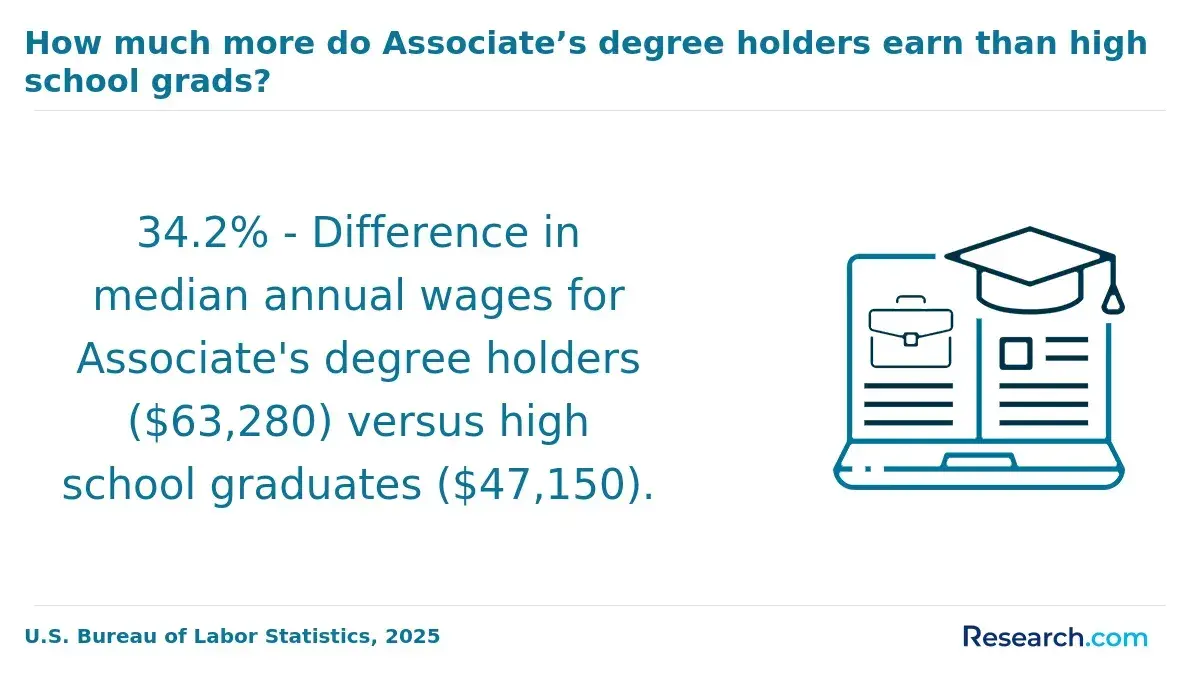
Return on investment (ROI) in higher education measures the financial advantage of earning a degree by subtracting the total cost of the program from the additional earnings gained over a 10-year period compared to someone with only a high school diploma or an associate degree in a similar field. Data from sources like the Georgetown University Center on Education and the Workforce and PayScale's College ROI Report guide this evaluation.
The U.S. Bureau of Labor Statistics (BLS) reports a median annual wage near $120,000 for careers in astronomy & space studies. Assuming a steady 3% yearly raise, total earnings across a decade can approach $1.3 million. In contrast, individuals without a bachelor's degree typically earn about $700,000 in the same timeframe. After accounting for estimated tuition costs between $40,000 and $60,000, this degree offers a substantial net gain.
- Clear Definition: ROI quantifies the gap between extra lifetime earnings from an astronomy & space studies bachelor's degree and the full cost of obtaining it, providing a monetary measure of value.
- 10-Year Earnings Projection: Based on BLS figures, graduates' earnings with typical annual raises can total $1.3 million, substantially outpacing those without a degree.
- Affordability: Tuition for this online degree ranges from $40,000 to $60,000, a reasonable investment compared to the increased earning potential.
- Above-Average Returns: This ROI generally exceeds the national average for all bachelor's degrees, where net earnings often fall between $300,000 and $400,000 over ten years.
A professional who enrolled in the online astronomy & space studies bachelor's degree program shared that before committing, he carefully analyzed how tuition expenses matched anticipated salary gains. Balancing course workloads with full-time employment presented challenges, but the flexible online format helped him stay on track.
"I was anxious about the upfront cost, but seeing the potential earnings spelled out made it a calculated risk worth taking," he said. His experience highlights that while the financial commitment is significant, aligning it with clear career and income goals can make the investment rewarding over time.
How Do Online Astronomy & Space Studies Program Tuition Rates Compare Across Public, Private, and For-Profit Institutions?
Tuition is only part of choosing an online astronomy or space studies program. Public, private nonprofit, and for-profit schools differ in cost, resources, and career outcomes. Comparing them helps students balance affordability with long-term earning potential and job prospects in STEM fields.
Public Institutions: Public universities usually provide the most budget-friendly tuition rates for online astronomy and space studies programs, especially for in-state students. Many use flat-rate tuition, making it cost-effective for those enrolling in multiple courses each semester. Although out-of-state fees are higher, they often remain below private nonprofit tuition. These schools tend to have solid accreditation and better graduation rates compared to for-profit colleges, which benefits long-term return on investment.
Private Nonprofit Institutions: Tuition at private nonprofit colleges is generally higher than at public universities but often comes with enhanced resources, smaller class sizes, and stronger reputations among academic and employer circles. These attributes can lead to greater career advancement and higher earnings, improving return on investment despite the steeper upfront cost.
For-Profit Colleges: For-profit schools may list the lowest tuition prices for online astronomy and space studies bachelor's degrees, attracting students on a tight budget. However, lower graduation rates and employer skepticism about for-profit credentials can limit job opportunities and salary growth, negatively impacting overall ROI.
Cost alone doesn't guarantee the best value-career outcomes are crucial. Comparing tuition rates for online astronomy and space studies programs at public vs private colleges helps students balance affordability with earning potential and job security. For those considering degree options in STEM fields, exploring programs like the online MS data science can also provide perspective on investment in education.
What Long-Term Salary Growth Can Astronomy & Space Studies Bachelor's Degree Holders Expect Over a 20- to 30-Year Career?
Salary progression for astronomy & space studies bachelor's degree holders tends to rise steadily across a 20- to 30-year span, shaped by growing expertise and evolving responsibilities. Initial wages usually start near $60,000 annually, reflecting entry-level technical roles where graduates build foundational skills.
- Early Career Growth: The first five years bring moderate increases as professionals develop technical competencies and engage in research or project support, with pay reflecting incremental skill gains.
- Mid-Career Acceleration: Between 5 and 15 years, wage growth accelerates notably. During this phase, individuals often advance to roles like junior scientist or mission specialist and may obtain advanced certifications or graduate degrees, pushing median salaries to the $85,000-$100,000 range according to sources such as PayScale and the American Community Survey.
- Senior Level and Specialization: Beyond 15 years, earnings rise more gradually as professionals take on leadership or specialized positions-such as project management, astrophysics research, or aerospace instrumentation-with salaries often exceeding $110,000.
- Cumulative Earnings Premium: Over a full career, the lifetime earnings advantage for those holding this bachelor's degree can total between $500,000 and $1 million compared to similar roles without the degree, driven by compounded raises tied to career advancements and expertise.
A professional who built her career after completing an online astronomy & space studies bachelor's degree shared that early challenges included balancing coursework with work commitments and mastering technical subjects remotely. She found that persistence and practical application of skills during internship opportunities were critical for overcoming obstacles.
Reflecting on salary growth, she noted that each promotion brought renewed motivation and validated the time invested, emphasizing that the degree opened doors to specialized roles that steadily enhanced her earning potential and job satisfaction.
How Does the ROI of an Online Astronomy & Space Studies Bachelor's Degree Compare to an Associate Degree or a Professional Certificate?
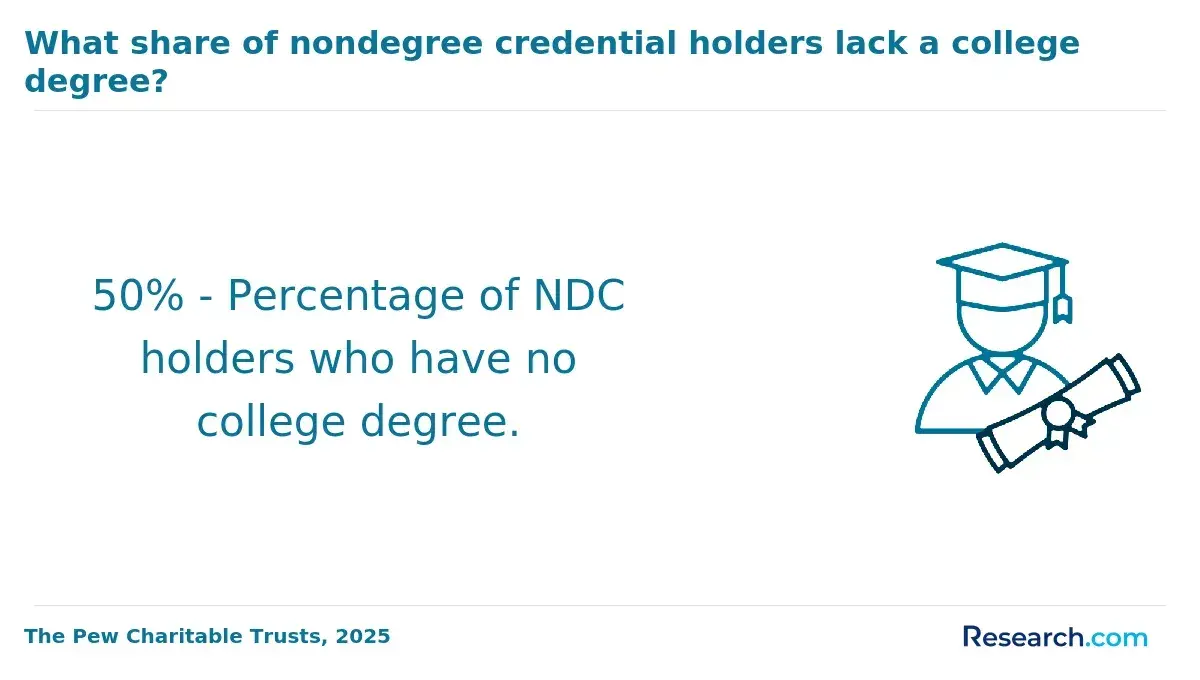
Choosing the right credential in astronomy and space studies requires balancing cost, time, and long-term career goals. Certificates and associate degrees offer quicker, lower-cost entry into the workforce, while bachelor's degrees typically lead to higher salaries, career advancement, and leadership opportunities. Understanding the financial and professional trade-offs helps students make informed decisions that align with both immediate needs and future growth.
- Median Salary: The Bureau of Labor Statistics indicates that those holding bachelor's degrees in related sciences tend to earn salaries 20% to 30% higher than associate degree holders. Certificate recipients usually access entry-level roles with lower pay that rarely exceed associate degree earnings.
- Short-Term ROI: For individuals seeking rapid workforce entry or facing budget limits, certificates or associate degrees may represent a more practical choice. These pathways require less time and financial investment upfront and typically qualify graduates for roles like lab technicians or space operations assistants.
- Cost Per Credential: Online astronomy & space studies bachelor's degrees generally range from $30,000 to $60,000, varying by school, length, and transfer credits. Associate degrees typically fall between $10,000 and $25,000, while professional certificates often cost less than $5,000.
- Long-Term ROI: Over a professional lifespan, bachelor's degree holders in astronomy & space studies often experience greater cumulative income and enhanced career progression. Positions in fields such as research, astrophysics, or space policy generally require a bachelor's degree, offering more stable employment and growth prospects.
- Non-Financial Benefits: Bachelor's graduates benefit from expanded professional networks and development opportunities. They are more likely to occupy leadership spots and engage in innovative research projects, improving job satisfaction beyond mere salary figures.
- Decision Framework:
- Consider your career timeline-immediate employment needs may favor certificates or associates.
- Evaluate financial resources-those able to invest more initially often gain higher long-term rewards with a bachelor's degree.
- Reflect on professional ambitions-a bachelor's degree unlocks access to specialized roles that certificates or associate degrees cannot provide.
Which Online Astronomy & Space Studies Specializations or Concentrations Yield the Highest Earning Potential After Graduation?
Specializing within online astronomy & space studies bachelor's programs can notably impact salary outcomes after graduation, according to Bureau of Labor Statistics (BLS) data and higher education research. Certain concentrations offer a salary premium of 15-25% compared to generalist degrees, providing a stronger financial return on investment for students balancing cost and career goals.
- Astrophysics: Graduates pursuing astrophysics frequently secure roles in research institutions, aerospace companies, and observatories. Median salaries often reach about $95,000 annually, surpassing generalists by up to 25%. However, this path usually requires further graduate education or certifications, adding to overall costs and time before full return on investment.
- Space Mission Operations: This track prepares students for engineering and technical positions at space agencies and private space exploration firms, earning median salaries between $90,000 and $100,000. Certifications in project management or systems engineering can increase earnings but involve additional investment.
- Astronomical Instrumentation and Data Science: Combining optics, sensor technology, and data analytics, this specialization leads to jobs in tech companies and research labs with starting salaries near $85,000 and growth potential around 20% higher than generalists. Continuous learning in software and analytics tools is often necessary.
- Planetary Science and Geology: Focused on planetary environments, this field supports careers in space agencies and environmental consulting with salaries typically ranging from $80,000 to $90,000. Additional geological certifications may be required.
- Education and Public Outreach: Graduates targeting teaching or science communication generally see lower salaries-about $55,000 to $65,000-but benefit from greater job security and fewer costly certification demands beyond initial teaching credentials.
The choice depends on one's prior experience and career aspirations. Astrophysics and space mission tracks offer higher salary premiums yet require more financial and time investment for certifications or advanced degrees. In contrast, data science and education paths often ensure faster return on investment with lower upfront costs. Incorporating verified salary outcomes, tuition costs, and certification expenses into decision-making helps students select the best online astronomy & space studies program aligned with their financial and professional goals.
How Do Employer Tuition Reimbursement and Financial Aid Reduce the Net Cost of an Online Astronomy & Space Studies Bachelor's Degree?
Employer tuition reimbursement programs can dramatically reduce the out-of-pocket cost of earning an online astronomy & space studies bachelor's degree. Under IRS Section 127, many employers provide up to $5,250 annually in tax-free tuition assistance, directly lowering education expenses without creating additional tax liability.
According to the Society for Human Resource Management (SHRM), about 56% of U.S. employers offer tuition benefits, with especially strong participation in industries aligned with astronomy and space studies careers. These benefits are a crucial element for students exploring employer tuition reimbursement benefits for online astronomy & space studies degree programs.
Beyond employer contributions, students should also consider federal financial aid options to lower cost of online astronomy & space studies bachelor's programs, including Pell Grants, scholarships, and subsidized loans.
Grants and scholarships do not require repayment, effectively reducing the sticker price, while subsidized loans delay interest accumulation, easing immediate financial pressure. Colleges often supplement this aid with merit- or need-based institutional assistance tailored to online learners, further decreasing tuition burdens.
Consider a working professional paying $20,000 annually in tuition. By combining an employer's $5,250 tuition reimbursement with a $4,000 Pell Grant and $3,000 in institutional scholarships, their out-of-pocket cost drops to around $7,750 per year before loans. Spread over four years, this significantly reduces debt and improves return on investment.
Those evaluating their options should also explore related fields for comparative insights, such as online real estate degree programs, which can offer different affordability and career outcome profiles. More details can be found at real estate degree costs and options.
- Employer Tuition Reimbursement: Many employers offer up to $5,250 per year in tax-free tuition benefits under IRS Section 127, directly lowering education costs without increasing taxable income.
- Prevalence of Tuition Assistance: Over half of U.S. employers provide tuition reimbursement, with higher rates in sectors related to astronomy and space careers, reflecting strong industry support.
- Federal Financial Aid: Grants, scholarships, and subsidized loans reduce net tuition by covering a portion of costs without repayment or by deferring interest accumulation for borrowers.
- Institutional Aid: Postsecondary institutions frequently award merit- or need-based aid to online students, helping to make astronomy & space studies programs more accessible.
- Combined Impact: Using employer tuition reimbursement alongside federal and institutional aid can cut the effective cost of an astronomy & space studies degree by more than half, enhancing affordability and return on investment.
What Hidden Costs Should Students Factor Into the Total Investment of an Online Astronomy & Space Studies Bachelor's Degree?
When evaluating the return on investment of an online astronomy & space studies bachelor's degree, students often overlook hidden costs that extend beyond tuition. These additional expenses can add 10% to 20% to the overall financial commitment and delay the break-even timeline for recouping their investment. For many, particularly those budgeting tightly, understanding these costs is essential to avoid unexpected debt.
Technology fees, required by many online programs, typically range from $200 to $600 annually and support essential learning platforms. Proctoring services ensure exam integrity but can add $30 to $50 per exam, increasing expenses over multiple courses. Graduation fees, usually $100 to $300, cover administrative charges related to diploma processing and commencement participation.
Course-specific software licenses or access to specialized astronomical databases often cost between $150 and $500 per semester. Additionally, joining professional organizations like the American Astronomical Society can require fees from $50 to $150 annually, offering valuable networking and career development opportunities. These recurring costs contribute significantly to the total investment in an online astronomy & space studies degree.
Students should request a comprehensive cost-of-attendance breakdown that includes all non-tuition charges before enrolling. This practice supports informed decision-making and better financial planning, especially for those balancing study with work.
Additional expenses beyond tuition for online astronomy & space studies students frequently impact how soon graduates experience positive financial returns, sometimes extending the break-even period by months or years.
- Technology Fees: Online programs often charge annual fees ranging from $200 to $600 to maintain learning platforms and software essential for coursework.
- Proctoring Costs: Exams typically require paid proctoring services costing $30 to $50 each, which accumulate across multiple courses.
- Course-Specific Software: Licenses for specialized astronomy software or databases may add $150 to $500 per semester to overall expenses.
- Graduation Fees: Administrative charges for diploma processing and ceremonies usually range from $100 to $300, representing a one-time cost near program completion.
- Professional Memberships: Joining organizations like the American Astronomical Society can cost $50 to $150 annually but offers career development benefits.
How Does the Accreditation Status of an Online Astronomy & Space Studies Program Affect Graduate Salary and Employability?
Regional accreditation evaluates entire colleges or universities, ensuring they meet high academic and operational standards, while programmatic accreditation focuses on specific fields to confirm curriculum quality and relevance. For astronomy & space studies graduates, the accreditation type directly influences employability and salary potential.
According to the National Association of Colleges and Employers (NACE), hiring managers view degrees from regionally accredited institutions as more credible and trustworthy than those from nationally accredited or unaccredited schools. This perception strengthens graduates' negotiating power, often leading to higher starting salaries and better job offers.
Attending an institution lacking proper accreditation can block access to essential licensure exams, reduce eligibility for graduate programs, and limit career options in sectors like government or healthcare. Prospective students should always verify a program's accreditation status through the U.S. Department of Education's database and the Council for Higher Education Accreditation (CHEA) to avoid costly missteps.
- Accreditation Types: Regional accreditation covers whole institutions and is widely recognized; programmatic accreditation targets specific disciplines for curriculum quality assurance.
- Employer Preferences: Hiring professionals prioritize candidates from regionally accredited schools, associating these degrees with stronger academic rigor and reliability.
- Career Limitations: Without appropriate accreditation, graduates may face barriers to licensure, advanced education, and certain job sectors requiring verified credentials.
- Salary Advantages: Graduates from accredited programs often secure better-paying jobs and have improved prospects for raises and promotions.
- Verification Recommendations: Checking accreditation through official government and CHEA resources helps ensure enrollment in legitimate and valued programs.
What Entry-Level Job Titles and Salary Ranges Are Available to Graduates of Online Astronomy & Space Studies Bachelor's Programs?
Graduates with a bachelor's degree in astronomy & space studies commonly enter roles with diverse starting salaries and industry settings. For example, Astrophysics Technician positions-mostly in government and research institutions-offer entry pay from $45,000 to $60,000, often boosted by internships at space agencies.
- Data Analyst (Space Science): Working primarily in technology and government sectors, these roles start between $50,000 and $65,000. Earning certifications in data science or programming can raise early earnings.
- Observatory Assistant: Typically found in universities and private observatories, starting pay ranges from $40,000 to $55,000, with education-focused organizations sometimes paying more.
- Space Research Assistant: Common in labs and government agencies, salaries usually run from $48,000 to $62,000. Relevant internships improve placement and wages.
- Science Communicator: Roles in museums, media, and education start at $38,000 to $50,000, with specialties like public outreach enhancing income.
- Satellite Operations Specialist: Aerospace and tech firms offer starting salaries around $52,000 to $68,000. Technical certifications can increase pay ceilings.
- Planetarium Technician: Positions in educational centers and museums begin at $37,000 to $48,000, with multimedia skills positively impacting earning potential.
- Environmental Analyst (Space-related): Salaries range from $45,000 to $60,000 in government and environmental organizations, and advanced certifications push wages higher.
Internships, certifications, and focused concentrations enable graduates to access higher entry-level salaries, accelerating return on investment. Government and technology sectors generally provide the most competitive pay, helping graduates recover educational costs faster than roles centered on public education or outreach.
What Graduates Say About the Return on Investment of Their Online Astronomy & Space Studies Bachelor's Degree
- Dante: "Choosing the online astronomy & space studies bachelor's degree was a decision heavily influenced by its clear return on investment versus traditional programs. The cost savings combined with the flexibility allowed me to continue working while advancing my education. Beyond the financial aspect, the degree opened doors to specialized roles in research and technology-opportunities I hadn't anticipated."
- Collin: "Reflecting on my journey, the online astronomy & space studies program offered more than just financial savings-it gave me job security in a competitive field. The comprehensive curriculum and access to industry professionals boosted my confidence and prepared me for leadership roles. The ROI here wasn't just numbers but the professional growth and career stability I achieved."
- Dylan: "Professionally, earning my astronomy & space studies degree online transformed my career trajectory. The balance of in-depth coursework with real-world applications made me a standout candidate for advanced positions. While the cost was manageable, the true return on investment has been the expanded network and the accelerated career advancement opportunities."
Other Things You Should Know About Astronomy & Space Studies Degrees
On average, graduates of an online astronomy & space studies bachelor's degree can expect to recoup their educational costs within 5 to 10 years, depending on tuition paid and starting salary. Those entering high-demand sectors or geographic areas with strong aerospace industries may recover costs more quickly due to higher initial earnings. However, students attending more expensive programs or living in regions with lower average salaries might experience a longer payback period.
Geographic location plays a significant role in salary variation, with graduates in metropolitan areas near space research centers, such as Houston or Cape Canaveral, typically earning higher wages. Industry sectors like aerospace, defense, and government research agencies often offer better compensation than education or nonprofit organizations. Salary outcomes also depend on the concentration of employers and cost of living in a given region, which can impact take-home earnings despite a degree.
Labor market data from the Bureau of Labor Statistics and employer surveys indicate strong demand for graduates with astronomy & space studies degrees, particularly in STEM-related research and technology roles. Employers regard this degree as valuable for roles requiring analytical skills, scientific knowledge, and technical expertise. While some positions may require advanced degrees, a bachelor's degree often serves as a solid foundation for entry-level roles and continued career growth.
In 2027, the average salary increase for graduates with an online Astronomy & Space Studies bachelor's degree typically ranges from $50,000 to $70,000 annually. When compared to the tuition cost, which averages around $40,000, graduates can expect a favorable return on investment within a few years based on increased earnings.
References
- Study Astronomy - Experience, Job Opportunities, Salary + Survey https://jobtensor.com/uk/Studies/Astronomy-Planetary-Science
- Online college courses are popular, why do they still cost so much? https://hechingerreport.org/as-online-higher-education-hits-a-milestone-why-does-it-still-cost-so-much/
- Employer Tuition Assistance Program / Employee Tuition Reimbursement - Finance | Learn & Work Ecosystem Library https://learnworkecosystemlibrary.com/topics/employer-tuition-assistance-program-employee-tuition-reimbursement-finance/
- As enrollment in online college grows, students wonder: Why does it cost more? https://www.npr.org/2025/03/15/nx-s1-5311603/why-does-online-college-cost-more
- Is College Worth it? | Return on Investment Analysis of College Degree https://educationdata.org/college-degree-roi
- Surprise, Surprise! Hidden Expenses in Online College - Bachelors Degree Center https://www.bachelorsdegreecenter.org/hidden-expenses-online-college/
- Astronomy And Astrophysics Career Pathways & Earnings https://collegeroi.org/roi/major/astronomy-and-astrophysics/
- Which College Degrees Have the Best Return on Investment? https://www.visualcapitalist.com/which-college-degrees-have-the-greatest-return-on-investment/
- ISU’s New Master of Science (MSc): Space Studies, Accredited by ASIIN https://spacenews.com/isus-new-master-of-science-msc-space-studies-accredited-by-asiin/
- This website is not available in your country https://www.space-careers.com/article/769/educational-requirements-for-careers-in-the-space-industry