2027 Online Astronomy & Space Studies Bachelor's Degree Program Costs: Tuition & Fees

Co-Founder and Chief Data Scientist
Many students hesitate to enroll in an online astronomy & space studies bachelor's degree program due to uncertainty about the total cost. Tuition rates, varying fees, and hidden expenses can make budgeting difficult. Studies show that over 45% of online college enrollees cite cost concerns as a primary barrier to degree completion.
This financial ambiguity can discourage potential students from pursuing careers in space science despite growing industry demand. This article will break down typical tuition and associated fees for online astronomy & space studies bachelor's programs, providing clear data to help prospective students plan their educational investment wisely.
Key Things to Know About Online Astronomy & Space Studies Bachelor's Degree Program Costs
- Tuition structures vary widely, often based on credit hours with some programs offering flat rates for full-time enrollment, affecting overall flexibility and total cost.
- Additional fees can include technology, lab access, and course materials, which may add 10-20% to the base tuition cost.
- Financial planning should account for scholarships, loans, and employer tuition assistance, crucial for managing expenses across a multi-year program.
What Is the Average Cost of an Online Astronomy & Space Studies Bachelor's Degree?
The average tuition for online Astronomy & Space Studies bachelor's degree programs in the U.S. varies widely but typically falls between $40,000 and $90,000 for the entire course of study. Most programs require around 120 to 130 credit hours for completion, with tuition charged per credit hour. On average, tuition per credit hour for these online courses ranges from $300 to $700, with a median figure near $450 per credit, which aligns with the typical cost for STEM-related degrees.
These figures offer prospective students a solid baseline for estimating overall educational expenses in this field. Online Astronomy & Space Studies bachelor's degree programs generally structure their costs based on credit requirements and pricing models. Two common approaches prevail: charging a flat rate per credit hour or offering bundled tuition packages that cover either a full academic year or a set number of credits.
Understanding this pricing framework is essential for financial planning. For students exploring degree options and considering factors like the fastest degree to get, resources like fastest degree to get programs can provide valuable context. The typical credit hour costs for online astronomy & space studies degrees in America highlight the importance of carefully evaluating tuition rates when selecting the best program to fit budgetary and educational goals.
What Factors Affect the Cost of an Online Astronomy & Space Studies Bachelor's Degree?
The total cost of an online Astronomy & Space Studies bachelor's degree varies based on several significant factors. These influences affect how students budget for their education and compare programs. Prospective students should carefully consider key elements that contribute to overall tuition fees before enrolling.
- Credit Requirements: Bachelor's programs typically require 120 to 130 semester credits, although some may require additional credits for electives or general education. Since tuition often depends on credit hours, programs with higher credit demands usually cost more.
- Program Length: Most degrees take about four years to finish, but accelerated or part-time options can change the timeline. Longer programs tend to increase total tuition, while accelerated paths may reduce costs by shortening the duration.
- Tuition Models: Institutions may charge fixed tuition per semester or per credit hour. Fixed rates benefit full-time students taking extra courses, while pay-per-credit models are often better for part-time learners and those with variable course loads.
- Residency Status: Public universities generally offer lower tuition for in-state residents; out-of-state students face higher fees. Although some online degrees waive residency differences, many maintain distinct pricing for resident and non-resident students.
- Additional Fees: Beyond tuition, students often pay technology, lab, equipment, and library fees. Astronomy & Space Studies programs may have higher ancillary costs due to specialized software and virtual labs compared to other fields.
For more information on related fields, consider exploring trusted resources like CACREP accredited programs. Students seeking the average tuition costs for online astronomy and space studies degrees in the US alongside these factors will gain a clearer picture of true expenses.
2026 Update: Payment Timing and Budget Planning
For 2026, this section adds a closer look at when online astronomy and space studies costs are due, not just how much students may pay overall.
- Check whether tuition is billed per course, per credit, term, or semester.
- Review payment deadlines for astronomy labs, simulation tools, and online course access.
- Ask if installment plans are available and whether they include setup charges.
- Confirm refund deadlines if you drop a course before completing the term.
- Plan for costs that may arrive before financial aid is disbursed.
- Review how part-time enrollment affects billing, aid eligibility, and graduation pace.
Understanding the timing of charges helps students avoid surprise cash-flow problems and choose a program that fits both their academic goals and monthly budget.
Online astronomy & space studies bachelor's degrees often cost less than traditional on-campus programs, though savings depend on various elements. According to a 2023 report from the National Center for Education Statistics, online tuition rates for comparable undergraduate degrees may be 15% to 30% lower than those of in-person programs. Several factors contribute to this difference in overall affordability.
- Reduced Campus Fees: Online students typically face fewer charges related to campus amenities such as technology, library access, and student activities, trimming extra costs common in on-site education.
- Lower Commuting Expenses: Studying remotely eliminates daily travel costs, which can save substantial money depending on how far a student lives from campus.
- Housing Savings: Since online learners often remain in their current homes, they avoid the added expense of relocating or paying for campus housing.
- Flexible Course Loads: The ability to take classes part-time or spread courses across more terms can lessen immediate financial strain by distributing expenses over time.
- Digital Materials Access: Course resources may be provided online, reducing or removing the need to buy expensive textbooks or pay lab fees tied to physical attendance.
When discussing affordability, a graduate of an online Astronomy & Space Studies bachelor's degree shared that financing his education involved careful budgeting and balancing part-time work alongside studies. He noted, "While tuition was definitely less than traditional programs I looked at, the challenge was managing living expenses without campus support services." He emphasized that the flexible pacing helped ease financial pressure but cautioned that some fees still applied, depending on residency or specific program requirements. His experience highlighted that although online options often reduce costs, students should weigh all factors to understand true affordability.
Tuition rates for online astronomy & space studies bachelor's degrees vary considerably, typically falling into fixed or variable categories. Fixed tuition charges a consistent rate per term or year regardless of course load, providing budgeting ease. About 30% of U.S. colleges with online bachelor's programs use flat-rate tuition, while most apply a per-credit billing system, affecting the overall cost of earning the degree.
- Per-Credit Billing: The most common approach involves paying for each credit hour taken, which fluctuates as students adjust their enrollment. This variable tuition model can make it harder to predict total expenses but offers flexibility.
- Flat-Rate Term Pricing: Some programs offer a set tuition fee per semester, benefiting students who take the maximum allowed credits since the cost doesn't rise with additional classes.
- In-State vs. Out-of-State Rates: Public universities often charge more for out-of-state students, though some online programs standardize tuition regardless of residency, simplifying cost expectations.
- Potential Changes Over Time: Tuition fees can increase annually, even under fixed-rate structures, so initial tuition rates may not remain constant throughout the program's duration.
Students seeking an astronomy & space studies bachelor's degree should assess these pricing variations carefully to manage their education budget. For those exploring accelerated degree paths, options like accelerated MBA programs provide a reference point for flexible tuition models and fast-track scheduling.
Technology fees are a frequent part of online bachelor's degree programs, helping to fund the digital resources necessary for students to complete their coursework. Studies show these fees generally fall between $100 and $300 each semester for online bachelor's degrees in the U.S. Below are some typical components covered by these fees in astronomy & space studies programs.
- Learning Management Systems: Platforms like Blackboard, Canvas, and Moodle provide centralized access to lectures, assignments, exams, and communication tools, making it easier to manage course activities remotely.
- Virtual Labs and Simulations: These fees support software that enables students to explore astronomical data and conduct experiments virtually, offering interactive experiences that replicate hands-on learning outside the classroom.
- Specialized Software: Required for analyzing data and performing complex astronomical calculations, tools such as star chart programs or astrophysics modeling environments are included to ensure students have the technical resources needed for study.
- Video Conferencing Tools: Platforms like Zoom and Microsoft Teams facilitate live instruction, group discussions, and virtual office hours, allowing real-time interaction between students and faculty despite physical distance.
- Research Databases and Libraries: Access to digital libraries and scientific databases is covered, enabling students to retrieve current scholarly articles and research essential for informed learning in astronomy & space studies.
Textbook and course material expenses represent a significant portion of the overall cost for students pursuing an online astronomy & space studies bachelor's degree. While tuition fees often dominate discussions, many students report spending an average of around $1,200 annually on textbooks and supplies in various bachelor's programs. These costs can vary based on several important factors related to course requirements and material formats.
Key considerations that influence textbook expenses include:
- Required Course Materials: Some courses mandate specific textbooks or specialized lab manuals that tend to be expensive, especially those covering advanced astrophysics or space science topics with updated editions.
- Digital vs. Print Formats: E-books and online materials often come at a lower cost than physical textbooks. Many programs offer digital-only access or rental options, which can significantly reduce overall spending.
- Bundled Resources: Textbooks frequently include additional components such as software licenses, workbooks, or access codes needed for practical labs and simulations, potentially increasing total costs.
- Supplemental Learning Tools: Extra resources like study guides, virtual labs, or online tutorials may be required or recommended, adding another layer of expense beyond the basic textbooks.
Careful evaluation of these aspects can help students better plan and manage textbook costs as part of their overall budget for an online astronomy & space studies bachelor's degree program.
Many students enrolled in online astronomy & space studies bachelor's degree programs in the US have access to various financial aid options to help offset tuition and fees. Federal financial aid is the primary source, with about 60% of distance education students receiving some form of federal support. State and institutional aid may also be available depending on location and school policies.
Below are key points to consider when exploring financial aid options for online astronomy and space studies degrees in the US.
- Federal Aid Eligibility: Completing the Free Application for Federal Student Aid (FAFSA) is essential to qualify for federal grants, loans, and work-study programs. Pell Grants offer need-based funding that does not require repayment, while federal loans provide flexible repayment plans but should be borrowed cautiously.
- State Assistance: State financial aid programs vary widely by state and often require enrollment in in-state institutions or specific program criteria. Students should check their state's higher education agency guidelines to fully understand their options.
- Institutional Aid: Many colleges offer scholarships, grants, or tuition payment plans through their financial aid offices. These resources can provide targeted support tailored to individual circumstances of students pursuing online astronomy & space studies degrees.
- Academic and Enrollment Requirements: Maintaining satisfactory academic progress and meeting minimum enrollment criteria, usually half-time status, are critical for continued eligibility. Ensuring the program's accreditation is also vital for qualifying for federal financial aid.
- Scholarship Qualification: Knowing how to qualify for scholarships for online astronomy bachelor's programs involves researching opportunities and adhering to specific deadlines. Additional insights can complement federal and institutional aid.
Students interested in accelerating their education might explore accelerated masters psychology programs as an example of how financial aid can support fast-tracked degree completion in related STEM fields.
Online Astronomy & Space Studies bachelor's degree programs typically cost less than traditional on-campus options, but students can take additional steps to reduce their overall expenses. Nearly 60% of undergraduates transfer previous college credits to accelerate degree completion and lower costs. Implementing smart strategies beyond just choosing an online format can make a significant difference in affordability.
To help manage tuition, fees, and related expenses, consider the following approaches:
- Transfer Credits: Bringing in credits from prior college coursework or AP exams can allow students to skip introductory courses, which shortens time to graduation and reduces tuition payments.
- Digital Textbooks: Opting for digital or open-source textbooks instead of expensive printed versions can save hundreds of dollars per course, making study materials much more affordable.
- Course Load Management: Balancing full-time and part-time semesters helps avoid overload fees and prevents extending the time needed to finish the degree, controlling overall costs.
- Utilize Campus Resources: Access online campus resources such as libraries and licensed software instead of purchasing them independently, cutting down on extra expenses.
- Flexible Scheduling: Enrolling in asynchronous courses lets students learn at their own pace, reducing the risk of paying for additional semesters or repeating classes.
For U.S. students researching financial aid options for online Astronomy & Space Studies degrees, these cost-saving strategies complement aid to minimize debt and expenses. Exploring affordable educational paths can also include considering the quickest cheapest masters degree options related to this field for advanced study opportunities.
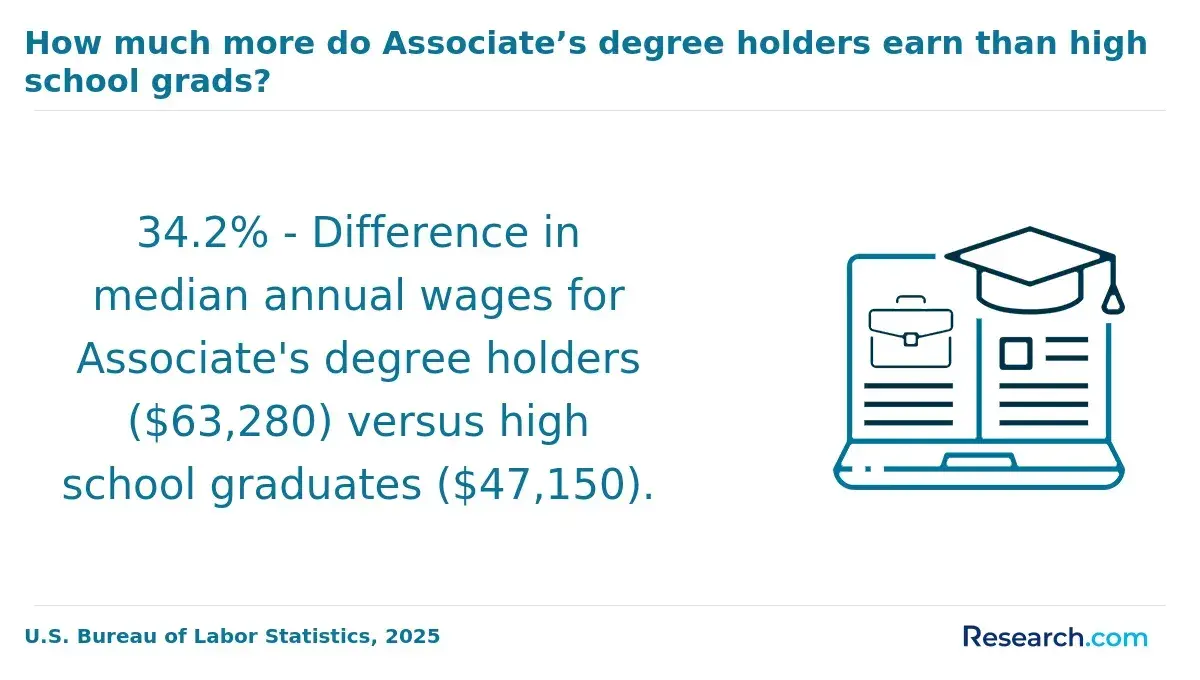
Online astronomy & space studies bachelor's degree programs provide notable accessibility and flexibility, allowing learners to study from virtually anywhere and often on their own schedules. This convenience helps reduce expenses tied to relocation or daily commuting. Graduates with degrees in related physical sciences fields typically earn a median annual wage near $65,000, which surpasses the average income across all occupations.
Additionally, employment in STEM areas like astronomy and aerospace is expected to expand faster than average, indicating a potentially strong return on investment for these graduates. Whether this degree proves worthwhile largely depends on individual career objectives, learning styles, and dedication to long-term professional growth. Those interested in research, aerospace engineering, or space policy may find the specialized expertise gained essential for success.
In contrast, students uncertain about committing to these specialized fields should weigh the cost against realistic job prospects and income expectations. The demands of online learning also require self-motivation and discipline, making it important for prospective students to assess if this mode suits their study preferences for optimal outcomes.
What Graduates Say About Online Astronomy & Space Studies Bachelor's Degree Program Costs
- Naomi: "Choosing to pursue an online astronomy & space studies bachelor's degree was largely influenced by the manageable tuition compared to traditional universities. The flexibility of the program allowed me to balance work and study, which justified the initial cost in my eyes. Looking back, the affordable pricing and quality instruction gave me a strong foundation that significantly boosted my career opportunities."
- Collin: "The decision to enroll in an online astronomy & space studies bachelor's degree came after carefully weighing the benefits and expenses. While the program's cost was reasonable, I also considered the potential limitations of distance learning, like fewer networking chances. Despite these challenges, gaining specialized knowledge remotely has opened doors in research roles, proving that the investment was worthwhile."
- Dylan: "As a professional, I found that pursuing an online astronomy & space studies bachelor's degree was a smart financial choice that aligned with my career goals. The lower tuition fees and absence of commuting costs reduced the overall burden, making it accessible. This degree has not only expanded my understanding of the field but also enhanced my credentials, helping me advance within aerospace consultancy."
Other Things You Should Know About Astronomy & Space Studies Degrees
Yes. Many 2027 online astronomy & space studies bachelor's degree programs add separate technology fees, often charged per credit hour or per term. These fees commonly cover the learning platform, proctoring tools, and student support services, and they are listed apart from tuition and standard enrollment charges.
Most online astronomy & space studies bachelor's degrees include virtual labs, but some programs may charge additional fees for specialized equipment or data access. These fees can vary widely depending on the curriculum and whether physical kits or software licenses are needed. It's important to review program details to identify any such charges upfront.
In 2027, the average annual tuition and fees for online astronomy & space studies bachelor's degree programs range from $10,000 to $30,000. Costs can vary based on the institution, with some universities offering lower rates for in-state students. Consider additional expenses such as digital resources and access fees.
Most accredited online astronomy & space studies programs charge the same tuition rates for in-state and out-of-state students. However, some public universities may impose higher fees for non-resident learners. Prospective students should verify residency policies with the school to understand the exact cost implications.
- Blast Off for Space Studies in Community College! https://www.communitycollegereview.com/blog/blast-off-for-space-studies-in-community-college
- The Price and Cost of Science Degrees Series | American Institutes for Research https://www.air.org/project/price-and-cost-science-degrees-series
- Tuition fees and costs - Master Astronomy and Astrophysics (Physics and Astronomy) https://www.uva.nl/shared-content/programmas/en/masters/physics-and-astronomy-astronomy-and-astrophysics/tuition-fee-and-costs/tuition-fees-and-costs.html
- Books in Astronomy astrophysics space science https://shop.elsevier.com/books/subjects/physical-sciences-and-engineering/astronomy-astrophysics-space-science
- 2025 Astronomy Tuition https://www.collegetuitioncompare.com/majors/40.0201/astronomy/
- Distance Learning Courses - Physics, Space Science and Theories - Stargazers Lounge https://stargazerslounge.com/topic/341445-distance-learning-courses/
- The value of space studies programs in higher education https://www.thespacereview.com/article/5031/1
- Bachelor's Degree Astronomy https://www.bircham.edu/bachelor-s-degree-astronomy.html
- Astronomy Textbooks https://nseaa.ca/astronomy-textbooks/
- Cost of an Online Degree: Calculate the Cost of Your Higher Education https://www.edumed.org/articles/cost-of-an-online-degree/