2027 Online Astronomy & Space Studies Bachelor's Degree Programs With No Prerequisites

Co-Founder and Chief Data Scientist
Many career changers with unrelated undergraduate degrees hesitate to pursue astronomy & space studies due to prerequisite barriers. These requirements often discourage capable applicants eager to work in aerospace, research, or education sectors. Yet, the U. S. Bureau of Labor Statistics projects a 7% growth in physical scientists, including astronomers, through 2032, highlighting rising demand.
Online bachelor's programs with no prerequisites offer a flexible solution, removing common entry obstacles. This article examines accredited, accessible online degree paths designed to help professionals transition efficiently into astronomy & space studies careers without prior specialized coursework.
Key Benefits of Online Astronomy & Space Studies Bachelor's Degree Programs With No Prerequisites
- Online astronomy & space studies programs with no prerequisites allow working professionals to balance education with careers through flexible scheduling and remote learning options.
- Such programs offer accelerated pathways that enable students to quickly develop specialized skills valuable in astronomy-related roles and research.
- Students gain accredited credentials on affordable timelines, maximizing financial aid and credit transfer opportunities to fit diverse budgets and life circumstances.
What Does 'No Prerequisites' Mean for Online Astronomy & Space Studies Bachelor's Degree Programs, and Who Benefits Most?
In online astronomy & space studies bachelor's degree programs, the term no prerequisites means students can enroll without having completed any specific prior coursework or formal academic requirements. This is different from open admission, where institutions accept all applicants regardless of their academic history, and low-barrier enrollment, which may still require minimal qualifications such as a high school diploma or equivalent. Programs with no prerequisites open doors for students of diverse backgrounds to begin their degrees without needing prior science or math classes, making them especially suitable for those seeking flexibility.
Career changers, working adults needing adaptable schedules, returning learners restarting education after a break, and first-generation college students often benefit most from no prerequisite online astronomy and space studies degrees. These programs reduce typical barriers related to academic preparation, allowing learners to pursue new scientific careers more easily. Data from the National Center for Education Statistics (NCES) shows a steady rise in enrollment among non-traditional students aged 25 and older, reflecting a heightened demand for flexible degree pathways like these.
This article will explore key aspects to help prospective students make informed choices about no-prerequisite astronomy & space studies bachelor's degrees. It covers:
- Program Accessibility: How removing prerequisites expands opportunities for diverse learners and promotes equity in higher education.
- Admission Policies: Clarifies differences between no-prerequisite programs, open admission, and low-barrier enrollment to set accurate expectations.
- Quality and Accreditation: Guidance on evaluating program credibility despite flexible entry requirements.
- Financial Aid and Support: Overview of aid options and student services supporting success in these programs.
- Career Outcomes: Typical job prospects and industry pathways for graduates leveraging these degrees.
Students interested in accelerated pathways may also explore the best one year masters programs for broader career advancement options within related fields.
Which Accredited Online Astronomy & Space Studies Bachelor's Programs Accept Students With No Prior College Coursework?
Several regionally accredited institutions provide online astronomy & space studies bachelor's degree programs that accept students with no prior college coursework, embracing open admission and low-barrier enrollment policies. These programs are particularly suited for first-generation students, working adults, and career changers seeking flexible academic pathways. The following institutions, verified through NCES College Navigator and College Scorecard data, exemplify accessible, accredited options for learners requiring no prerequisites or alternative foundational courses.
- Fort Hays State University: This institution offers a regionally accredited online bachelor's degree in astronomy & space studies allowing enrollment without previous college credits. Preparatory courses are integrated into the curriculum to support students who need additional academic grounding. Fort Hays State reports an online undergraduate enrollment surpassing 4,000, reflecting strong distance education expertise.
- Western Governors University: Known for a competency-based model, WGU's online astronomy-related programs waive formal college prerequisites. The curriculum combines foundational and core coursework that students progress through at their own pace. Accredited by the Northwest Commission on Colleges and Universities, WGU balances flexible learning with rigorous academic standards.
- Southern New Hampshire University: SNHU's online Bachelor of Science in astronomy & space studies accepts students with a high school diploma or equivalent but no prior college courses. Bridge courses prepare learners in key science and math concepts. SNHU supports one of the largest online student bodies nationally, backed by substantial advising and financial aid resources.
- University of Illinois Springfield: UIS provides an accredited online program with flexible admissions that do not require previous college experience. Students can take foundational science and math courses alongside major requirements. UIS demonstrates steady enrollment growth and emphasizes transfer credit flexibility and comprehensive student support.
- Granite State College (part of NH University System): Offering fully online astronomy & space studies degrees, Granite State employs low-barrier admissions supplemented by developmental coursework. Accredited by the New England Commission of Higher Education, it highlights career services and financial aid tailored for working adults and nontraditional learners.
These accredited online astronomy & space studies degrees with open admission share common features such as institutional accreditation, availability of foundational or bridge courses for those new to college-level science, and strong student support systems. Prospective students should look for clear transfer credit policies, access to financial aid, and transparent admission criteria that maintain academic quality. Choosing a regionally accredited program ensures valued credentials and better post-graduate opportunities in the field.
For those interested in accelerated pathways in related fields, resources like the social work accelerated program may provide insight into comparable flexible online degree options.
2026 Update: Career Fit Checks Before Choosing a No-Prerequisite Space Studies Program
For 2026, this guide was updated to help students look beyond easy entry and evaluate whether a no-prerequisite online astronomy or space studies bachelor’s program supports their long-term career goals.
- Review whether the curriculum includes physics, mathematics, data analysis, or observational astronomy if you plan to pursue technical roles.
- Check if the program is more science-focused, policy-focused, education-focused, or aerospace-oriented.
- Look for required projects, labs, simulations, or capstone work that can help build a portfolio.
- Ask whether graduates commonly continue into graduate school, teaching pathways, aerospace support roles, or science communication.
- Confirm whether advising helps students choose electives aligned with research, industry, or education goals.
- Consider whether the program prepares you for additional study if your target career requires advanced credentials.
These checks help students choose a program that is not only accessible, but also realistic for the astronomy and space-related careers they want to pursue.
How Do Open-Admission Policies in Online Astronomy & Space Studies Programs Differ From Traditional Selective Admissions?
The primary difference between open-admission and selective policies in astronomy and space studies lies in how they measure readiness.
While traditional programs act as "gatekeepers" by filtering applicants based on past performance, open-admission online programs act as "gateways," allowing students to prove their aptitude through the coursework itself.
Open Admission Definition: Open admission policies accept nearly all applicants with a high school diploma or equivalent, eliminating traditional entry barriers like minimum GPA or standardized test results. Universities such as the University of Texas at Arlington and Southern New Hampshire University publicly post these policies for their online astronomy & space studies programs, emphasizing inclusivity and easy access.
Admission Framework Differences: Unlike selective admissions that evaluate academic performance or require interviews, and rolling admissions that continuously screen applicants, open admission offers immediate enrollment without academic filtering. Conditional admissions, which mandate remedial courses to ensure readiness, differ as they still impose eligibility criteria. This openness creates a varied student body in terms of academic preparation.
Academic Preparation Challenges: With students entering from diverse backgrounds, many programs provide foundational courses in math and science or orientation sessions to support academic success. These preparatory steps help bridge knowledge gaps and foster readiness for challenging coursework.
Institutional Prevalence: Data from IPEDS indicates about 25% of online bachelor's programs in STEM fields, including astronomy & space studies, embrace open or nonselective admissions. This approach aligns with growing demand for flexible, accessible degree options catering to adult learners and career changers.
Program Suitability: Prospective students should carefully evaluate their self-motivation, time-management skills, and career goals since open admission programs require discipline to succeed independently. While the lack of barriers broadens opportunity, ensuring the curriculum matches personal and professional objectives remains critical.
One professional who enrolled in an online astronomy & space studies bachelor's degree program with no prerequisites described the transition as both challenging and rewarding. He noted that initially, the absence of traditional admissions stress was a relief, but the real test came with managing coursework independently-balancing study with work and family commitments required significant discipline. He appreciated that the program offered supplemental resources and peer forums, which helped him adapt academically and stay motivated, reinforcing his decision to pursue a career change through this accessible educational pathway.
What Are the Typical Enrollment Requirements for No-Prerequisite Online Astronomy & Space Studies Bachelor's Programs?
While "no-prerequisite" programs in astronomy and space studies sound like they bypass traditional barriers, they still maintain specific structural requirements. Unlike selective universities that require a proven track record in high-level physics and calculus before admission, these programs focus on administrative eligibility and pathway completion.
Proof of High School Completion: Even without formal prerequisite coursework, most programs require official proof of graduating high school or an equivalent certificate like a GED. This baseline credential confirms readiness for college-level study and helps maintain academic standards.
Minimum Age Requirement: Applicants typically must be at least 17 or 18 years old to enroll. This age threshold ensures that students possess the maturity needed for the demands of higher education.
English Proficiency: Non-native English speakers are often asked to demonstrate language skills through standardized exams such as TOEFL or IELTS. This requirement supports successful engagement with coursework delivered in English.
Application Materials: Candidates need to complete basic forms, usually including a personal statement and contact details. Letters of recommendation or resumes may be requested less frequently for no-prerequisite admissions but can enhance an application.
Alternative Pathways: Those lacking a traditional diploma can explore options like obtaining a GED or enrolling in dual-enrollment programs at local colleges. These flexible routes help meet open admission requirements for online astronomy and space studies bachelor's programs, making degree entry accessible.
Preparing transcripts, identification, and language test results early can streamline the admissions process. Checking each institution's accreditation, especially among those offering no-prerequisite degrees, ensures quality education and access to financial assistance. For related low-barrier options, consider exploring easiest msw programs to get into, which follow similar enrollment approaches.
Are No-Prerequisite Online Astronomy & Space Studies Bachelor's Programs Available at Regionally Accredited Universities?
Regionally accredited universities offering online astronomy & space studies programs without prerequisites ensure students receive a degree recognized by employers, other institutions, and financial aid providers. Regional accreditation, verified through the U.S. Department of Education and CHEA directories, sets higher standards than national accreditation, enhancing credit transferability and graduate acceptance nationwide. While vocational or technical institutions often hold national accreditation focused on job training, regionally accredited schools uphold rigorous academic quality, giving learners greater flexibility for future education or careers.
Several schools with open admission policies provide pathways to astronomy & space studies degrees without demanding prior coursework, benefiting working adults, career changers, and first-generation students. Yet verifying accreditation is essential before enrolling to avoid programs with limited recognition or aid options.
- Accrediting Body Verification: Confirm the program's regional accreditation through official U.S. Department of Education or CHEA databases to ensure recognized academic quality.
- Credit Transferability: Assess if completed credits are accepted by other regionally accredited institutions, supporting continuity in further studies or career advancement.
- Financial Aid Eligibility: Check if federal and state financial aid and scholarships are available, as these typically require enrollment in regionally accredited programs.
- Admission Flexibility: Look for programs expressly stating open admissions or no prerequisite requirements to guarantee accessibility regardless of educational background.
One professional, whose career began after completing a no-prerequisite online astronomy & space studies bachelor's from a regionally accredited university, reflected on their experience. They recalled feeling uncertain at first, balancing work and studies without a traditional academic background, but valued the program's support and flexibility. "It was reassuring to know the degree held real weight with employers," they shared, emphasizing how verification of accreditation gave them confidence. Navigating admissions without prior courses felt approachable, allowing a smooth transition into higher education. Their success illustrates the practical benefits regional accreditation offers to students seeking accessible, credible astronomy & space studies degrees online.
How Do Students Without Academic Prerequisites Catch Up in Online Astronomy & Space Studies Bachelor's Courses?
Students entering online Astronomy & Space Studies bachelor's degree programs without prior academic background often benefit from structured supports designed to close knowledge gaps and develop essential skills. Many institutions prioritize early intervention to foster student success and engagement.
- Developmental Courses: Introductory or refresher courses in foundational subjects like mathematics, physics, and scientific communication are commonly offered during early semesters. These classes help students build necessary competencies while maintaining progress toward their degree.
- Personalized Tutoring: One-on-one tutoring, frequently available online through video or chat sessions, assists learners in mastering difficult astronomy topics. Studies indicate this personalized support boosts retention and understanding.
- Peer Mentoring: Connecting new students with experienced peers or ambassadors encourages academic confidence and community involvement-factors linked by NSSE data to improved persistence and graduation rates in online education.
- Foundational Modules: Accredited programs such as those at the University of North Dakota and Oregon State University incorporate bridge modules focused on scientific reasoning and quantitative skills. These prepare students thoroughly before advancing to higher-level coursework.
- Readiness Self-Assessments: Diagnostic quizzes and checklists help prospective students evaluate their preparedness early, prompting timely use of support services and promoting better academic outcomes.
According to the National Survey of Student Engagement, online students with access to comprehensive academic support are up to 20% more likely to complete their degrees within six years compared to those with fewer resources. Proactively engaging with these services-both before and during enrollment-can significantly impact first-generation learners and working adults aiming to succeed in Astronomy & Space Studies.
What Support Services Help No-Prerequisite Students Succeed in Online Astronomy & Space Studies Bachelor's Programs?
Online astronomy & space studies bachelor's degree programs with no prerequisite requirements often provide extensive student success services designed for learners managing work, family, and education simultaneously. Programs recognized by U.S. News Best Online Bachelor's Programs rankings typically illustrate robust support systems proven to enhance retention and completion rates. A recent survey from the Online Learning Consortium found that 72% of online students experienced better academic outcomes when their institutions offered comprehensive support.
- Academic Advising: Tailored academic advising helps students map out degree plans that fit their pace and goals, ensuring credit transfer evaluations reduce redundant coursework and accelerate progression.
- Mental Health Resources: Remote counseling and stress management workshops provide crucial emotional support, especially for learners balancing multiple life demands while studying online.
- Disability Accommodations: Accessibility teams offer customized assistance such as extended exam time and captioned videos, with online platforms integrating assistive technology compatibility for equitable learning experiences.
- Career Counseling: Expert career advisors offer resume critiques, interview prep, and labor market insights specific to astronomy and space industries, preparing students for meaningful post-graduation employment.
- Asynchronous Support: Flexible tutoring, advising, and peer discussion forums let students engage on their own schedules, helping maintain consistent progress without conflicts.
Investing in no-prerequisite astronomy & space studies programs with strong student support infrastructures reduces dropout risks and fosters degree completion. These services provide a vital foundation for first-generation students, career changers, and working adults to succeed in rigorous online learning environments.
Can Transfer Credits or Prior Learning Assessments Replace Prerequisites in Online Astronomy & Space Studies Programs?
Many online astronomy & space studies bachelor's degree programs recognize transfer credits and prior learning assessments (PLAs) as effective substitutes for prerequisite coursework. These options help reduce both time and tuition costs by awarding credit for exams or documented experience instead of retaking fundamental courses. For students wondering if transfer credits can replace prerequisites in online astronomy and space studies programs, many institutions provide flexible policies that allow acceptance of credits from accredited colleges and universities.
- Transfer Credit Flexibility: Policies vary, but several programs accept up to 90 semester credits from previous college coursework, including general education and introductory science courses related to astronomy & space studies. Consulting program-specific credit transfer rules ensures you maximize your accepted credits.
- Prior Learning Assessments: Exams like CLEP (College Level Examination Program) and DSST (DANTES Subject Standardized Tests) enable students to demonstrate proficiency in prerequisite topics such as college algebra, physics, or astronomy fundamentals. Some programs also evaluate military training or professional certifications for potential credit.
- ACE Credit Framework: The American Council on Education (ACE) provides evaluation services for workplace training, military service, and certifications, guiding institutions in credit awarding. This framework supports recognizing relevant non-academic learning in astronomy & space studies bachelor's degree admission.
- Documenting Prior Learning: To secure the most prerequisite waivers, students should gather official transcripts, exam results, military records, and portfolios showcasing relevant skills. Early contact with academic advisors is key for smooth evaluation and application.
- Institutional Leaders: Schools like Thomas Edison State University and Excelsior College are known for their broad acceptance of PLA and transfer credits, benefitting online astronomy & space studies students seeking low-barrier entry.
- Recent Trends: The National Center for Education Statistics (NCES) reports that more than 40% of undergraduates used some form of PLA, demonstrating growing acceptance of competency-based credits in bachelor's degree programs, including online astronomy & space studies.
For career changers or working adults exploring options without prior coursework, using PLA and transfer credits is a strategic way to fulfill prerequisites efficiently. Additionally, comprehensive student support and financial aid often complement these flexible admissions policies. To explore related fields, consider an online project management degree as an alternative path that also values prior learning and flexible credit options.
What Is the Average Time to Completion for No-Prerequisite Online Astronomy & Space Studies Bachelor's Degree Programs?
The average completion time for no-prerequisite online astronomy and space studies degree programs typically follows the standard 120-credit-hour structure common to most bachelor's degrees. However, actual time to completion varies widely depending on enrollment pace, term length, and prior credits earned. Full-time students taking 12-15 credits per term usually finish within four years, while part-time enrollment often extends this time.
- Enrollment Pace: Full-time course loads enable quicker graduation, but flexible schedules allow for part-time attendance, which may add years to completion. This variability is important for working adults balancing education with other responsibilities.
- Term Length: Programs offering accelerated eight-week terms or year-round enrollment shorten degree timelines, allowing faster progress compared to traditional 15-week semesters. For example, universities like Southern New Hampshire University and Western Governors University provide competency-based formats and continuous enrollment models, allowing degree completion in as little as two to three years.
- Prior Credit: Transfer credits from prior college coursework, AP exams, or community colleges can significantly reduce time spent earning the degree. No-prerequisite programs often accept general education credits, helping students focus on astronomy and space studies core courses rather than starting from scratch.
- IPEDS Data Insights: According to IPEDS graduation rate data, open-admission online astronomy and space studies programs tend to have longer average completion times than selective-admission institutions. This reflects differences in student preparedness and the availability of support services.
- Cost and Opportunity: Time to completion directly affects total tuition paid and potential income lost while studying. Carefully considering anticipated duration helps students minimize financial burdens and opportunity costs.
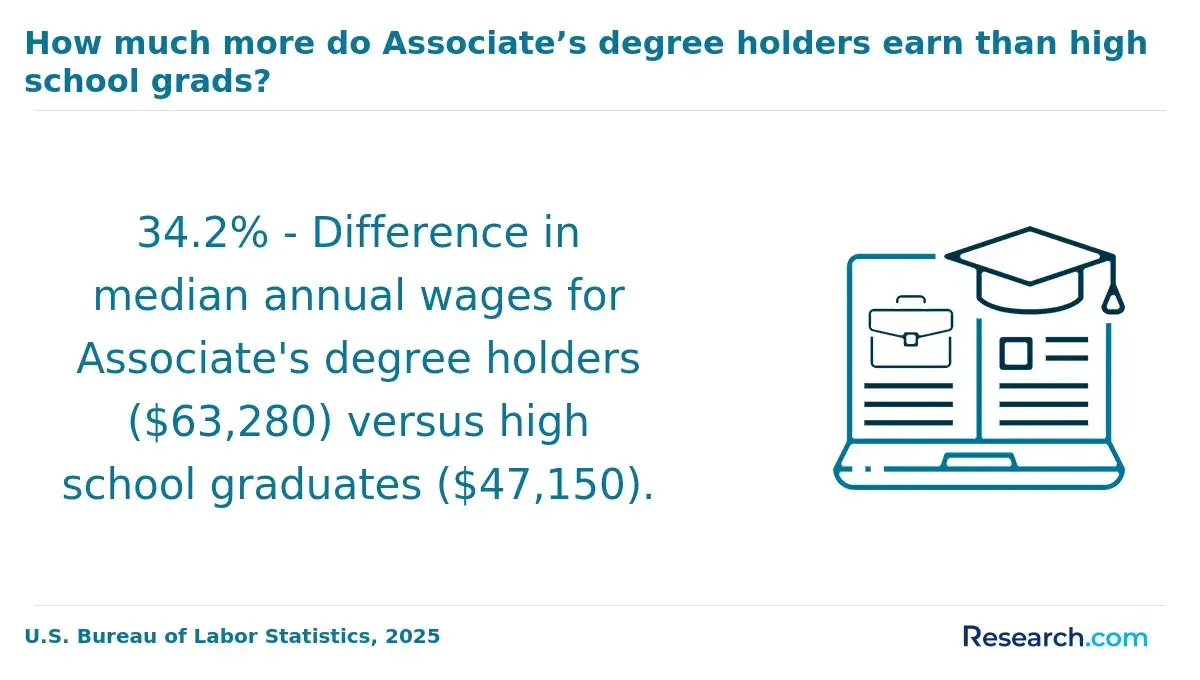
Understanding the typical duration to earn an online astronomy and space studies bachelor's without prerequisites is critical for informed decision-making. Many students benefit from exploring credit transfer options or pursuing an online associate's degree first to accelerate their bachelor's timeline.
How Does Tuition Compare Between No-Prerequisite and Standard Online Astronomy & Space Studies Bachelor's Programs?
Tuition Rates: No-prerequisite online astronomy & space studies bachelor's programs, frequently provided by open-admission institutions, usually charge per-credit-hour tuition fees comparable to or slightly lower than those of selective-admission programs. Public community colleges and regional universities that allow open enrollment tend to offer more affordable rates compared to private or research-focused universities.
Additional Fees: Many open-access programs require students to take developmental or remedial courses, which can add extra fees beyond standard tuition. These costs increase the total price of the degree, unlike selective programs where such requirements are generally absent.
Institutional Type and Funding: Tuition prices reflect how schools are funded. Public institutions benefit from state support, enabling lower tuition charges. In contrast, private universities rely mostly on tuition revenue, resulting in higher costs, especially among selective programs.
Program Delivery Format: No-prerequisite programs often use asynchronous online learning to lower expenses. Selective programs might blend synchronous sessions and more faculty engagement, influencing tuition variations.
Total Cost Considerations: Evaluating only per-credit rates can be misleading. Prospective students should consider all expenses-including fees, materials, and any remedial coursework-to understand the comprehensive cost of earning an astronomy & space studies bachelor's degree.
Which Online Astronomy & Space Studies Bachelor's Programs Allow Students To Start Without A High School Diploma Or GED?
Many accredited online astronomy & space studies bachelor's programs welcome applicants with a GED or HiSET, offering access without a traditional high school diploma. These programs often use open-admission policies, which streamline the application and reduce barriers when equivalency credentials meet basic eligibility.
- Open Admission Policies: Public and community colleges frequently adopt flexible entry standards, allowing GED holders to enroll directly in astronomy & space studies majors without additional prerequisites.
- Conditional Enrollment: Some universities require those with equivalency credentials to complete preparatory courses or developmental education to ensure foundational academic skills before progressing in the major.
- International Applicants: Students educated outside the U.S. must usually provide evaluated foreign secondary credentials to confirm equivalency to a U.S. high school diploma or GED, which can affect admissions decisions.
- Supplemental Requirements: Placement tests, essays, or letters of recommendation may be requested to help assess readiness, particularly for rigorous STEM coursework.
- Financial Aid Eligibility: Learners with GEDs enrolling in accredited programs remain qualified for federal aid and can access dedicated support such as tutoring, advising, and career resources tailored to adult and first-generation students.
- Transfer Credit Options: Students with prior college credits or military training may apply these toward degree requirements, accelerating their progress in astronomy & space studies.
What Graduates Say About Their Online Astronomy & Space Studies Bachelor's Degree Program With No Prerequisites
- Dante: "Choosing an online astronomy & space studies bachelor's with no prerequisites was a game-changer for me since I didn't have a traditional science background. The affordability really stood out, allowing me to invest in my education without overwhelming debt. Now, as I build my career in aerospace, I appreciate how the flexibility enabled me to study alongside my job and gain practical skills directly applicable in the field."
- Collin: "Reflecting on my experience, the no prerequisite structure of the online astronomy & space studies program made it accessible and welcoming. The cost was surprisingly reasonable compared to many specialized degrees, which relieved a lot of pressure. Professionally, completing this degree opened doors to research opportunities I never thought possible, helping me transition into a science communication role that I love."
- Dylan: "From a professional standpoint, pursuing an online astronomy & space studies degree with no prerequisites was a strategic decision to pivot my career towards space exploration. The program's cost efficiency was crucial, enabling me to learn without financial strain. Most importantly, it vastly expanded my technical knowledge and network-both vital as I now collaborate with industry experts on cutting-edge projects."
Other Things You Should Know About Astronomy & Space Studies Degrees
Employers typically assess astronomy & space studies degrees from open-admission online programs based on the program's accreditation and reputation. Graduates from accredited and well-regarded institutions often enjoy positive recognition. However, practical experience and internships can also influence employer perception favorably.
In 2027, when considering online astronomy & space studies programs with no prerequisites, important features include accreditation by recognized bodies, a comprehensive curriculum covering both theoretical and practical aspects, flexible scheduling, and access to virtual labs and experienced faculty. These elements ensure a quality educational experience and better prepare graduates for diverse opportunities in the field.
Quality in these programs is assured through accreditation by recognized regional or national accrediting bodies. Accreditation confirms the program meets established educational standards and ensures transferability of credits. Prospective students should verify that the online program is accredited by agencies such as the Higher Learning Commission (HLC) or other recognized organizations recognized by the U.S. Department of Education.
References
- Astronomy And Space Sciences https://www.gotouniversity.com/programs/bachelors/south-africa/sciences/astronomy-and-space-sciences
- Comparing Student Achievement in Online Versus Traditional Astronomy Classes: A Quantitative Study https://scholarworks.ace.edu/items/e9ffa8ad-f29d-494d-a190-af8e7c269c85
- Study Space Technologies at the AGH University: Zero semester for bachelors! https://innowacyjna.malopolska.pl/en/news/study-space-technologies-at-the-agh-university-zero-semester-for-bachelors
- World's Largest platform as University Common Application https://www.planstudyabroad.uniagents.com/course-details.php
- Open Admission Online Colleges: How Do They Work? https://www.accreditedschoolsonline.org/online-colleges/open-enrollment/
- This website is not available in your country https://www.space-careers.com/article/963/how-to-achieve-a-career-in-space-studies
- 10 Astronomy and Space Science Programs for Teens https://riseglobaleducation.com/blogs/astronomy-and-space-science-programs-for-teens-and-high-school-students
- Is availability of astrophysics/astronomy courses important for an undergrad? https://www.physicsforums.com/threads/is-availability-of-astrophysics-astronomy-courses-important-for-an-undergrad.542957/
- Prior Learning Assessment https://www.asumidsouth.edu/students/prior-learning-assessment/
- Can I Transfer Credits to an Online University? What You Need to Know | University of the People | https://www.uopeople.edu/blog/can-i-transfer-credits-to-an-online-university/