2027 Online Astronomy & Space Studies Bachelor's Degree Programs With Weekly Start Dates

Co-Founder and Chief Data Scientist
Many working professionals with unrelated degrees face challenges when trying to enter the astronomy & space studies field-traditional programs often have rigid start dates or require full-time attendance, limiting flexibility. This rigidity can delay career transitions in a rapidly evolving industry.
Currently, over 30% of students in online astronomy & space studies bachelor's programs choose weekly start dates, reflecting growing demand for flexible entry points. These options allow learners to begin studies promptly without waiting months. This article explores the benefits and considerations of online astronomy & space studies bachelor's degree programs with weekly start dates and guides readers toward informed enrollment decisions.
Key Benefits of Online Astronomy & Space Studies Bachelor's Degree Programs With Weekly Start Dates
- Weekly start dates provide unmatched flexibility-ideal for working professionals and career changers balancing jobs and personal commitments while pursuing a bachelor's degree.
- This enrollment model removes frustrating semester wait times, allowing students to begin coursework within days of acceptance and accelerating progress toward graduation.
- Students earn regionally accredited Astronomy & Space Studies degrees without delay, easing reentry into education and improving job market readiness in a growing scientific field.
What Are Weekly Start Dates in Online Astronomy & Space Studies Bachelor's Programs, and How Do They Differ From Traditional Term-Based Enrollment?
Weekly or rolling start dates in higher education allow students to begin their courses nearly every week, rather than waiting for traditional semester or quarter enrollment periods. This enrollment model contrasts with the fixed schedules of term-based systems, which typically offer just one or two start dates annually.
By removing long waits between application approval and the first day of class, weekly enrollment windows give students more control over their academic timeline and enable faster progress. This approach is increasingly common in accredited online astronomy & space studies bachelor's programs designed for working adults and nontraditional learners.
Institutions such as Western Governors University and Purdue Global exemplify continuous enrollment models by structuring programs into short, competency-based modules that accommodate flexible start dates. Students can register and begin coursework immediately once admitted, creating a seamless learning experience that supports ongoing progress without unnecessary breaks.
Programs with weekly enrollment in astronomy and space studies bachelor's programs often promote personalized academic pacing, which benefits those balancing education with career and family responsibilities. Compared to traditional term enrollment in astronomy and space studies, weekly start dates reduce barriers to entry, improve accessibility, and accelerate degree completion for motivated students.
This flexibility also aligns well with prior learning assessments and extensive transfer credit policies, which many schools use to maximize savings and shorten time to degree. For those seeking specialized degree tracks with minimal clinical requirements, such as an RN to BSN with no clinical hours, adaptable enrollment models offer significant advantages.
- Increased Flexibility: Students can start their degree nearly any week of the year, allowing easy integration of coursework with personal and professional commitments.
- Reduced Wait Times: Weekly start dates eliminate long delays common in semester systems, speeding up access to education and minimizing downtime between terms.
- Continuous Progress: Modular programs support steady advancement, promoting uninterrupted learning as students move through coursework at their own pace.
- Ideal for Adult Learners: This model accommodates the unpredictable schedules of working professionals and returning students, making degree completion more manageable and accessible.
Which Accredited Institutions Offer Online Astronomy & Space Studies Bachelor's Degree Programs With Weekly or Rolling Start Dates?
Several regionally accredited institutions offer online astronomy and space studies bachelor's programs with rolling start dates, allowing students to begin their education on flexible schedules-ideal for working professionals, adult learners, and first-time students. These programs frequently provide weekly enrollment windows, which differ from traditional semester-based formats by enabling continuous course starts and reducing wait times.
- University of Maryland Global Campus: The Bachelor of Science in Astronomy program is regionally accredited by the Middle States Commission on Higher Education. Tuition is approximately $289 per credit, with weekly enrollment windows that support early graduation through generous transfer credit policies and prior learning assessments.
- American Public University System: Offering a Bachelor of Science in Space Studies accredited by the Higher Learning Commission, APU charges around $362 per credit. Weekly enrollment periods and extensive transfer credit acceptance help students complete degrees faster and more affordably.
- Colorado State University Global: CSU Global provides a Bachelor of Science in Space Studies with tuition near $350 per credit. The program emphasizes career-focused skills, operates on weekly start dates year-round, and accepts transfer credits liberally.
- Liberty University: This private institution's online Bachelor of Science in Astronomy and Space Sciences, accredited by the Southern Association of Colleges and Schools Commission on Colleges, costs about $390 per credit. It offers rolling admissions with nearly weekly start dates alongside military discounts and financial aid options.
- Colorado Technical University: The Bachelor of Science in Cybersecurity with a focus on space-related systems includes astronomy and space studies components. Accredited by the Higher Learning Commission, tuition is approximately $440 per credit with flexible pacing, prior learning credits, and near-weekly enrollment options.
Weekly enrollment windows allow students to maintain momentum without waiting for standard semester schedules. Transfer credit acceptance and prior learning assessments maximize speed and savings, particularly helpful for those balancing education with other commitments.
Accredited online astronomy and space studies bachelor's degrees with weekly enrollment represent accessible routes to careers in this expanding STEM field. Students interested in cost-effective options may also want to explore affordable RN to BSN programs, which similarly combine flexible starts with competitive tuition rates.
How Do Weekly Start Dates in Online Astronomy & Space Studies Programs Benefit Working Adults and Non-Traditional Students?
Weekly start dates eliminate the rigid schedules of traditional semester systems, allowing working adults and non-traditional students to begin their astronomy & space studies bachelor's degree programs immediately after acceptance. This approach reduces delays between deciding to pursue a degree and actually enrolling, bridging the gap between career aspirations and academic progress.
Research from the National Center for Education Statistics (NCES) and the Lumina Foundation shows that flexible start times contribute to higher persistence and completion rates by accommodating students' changing personal and professional commitments.
- Scheduling Freedom: Without fixed semester start dates, students can enroll whenever their schedule permits, minimizing conflicts with work and family life and preventing unnecessary procrastination.
- Immediate Engagement: This flexibility ensures learners maintain momentum by starting coursework as soon as they are ready, reducing the risk of losing focus during extended waiting periods.
- Improved Retention: Flexible enrollment supports ongoing participation despite life's unpredictability, helping students stay on track toward graduation.
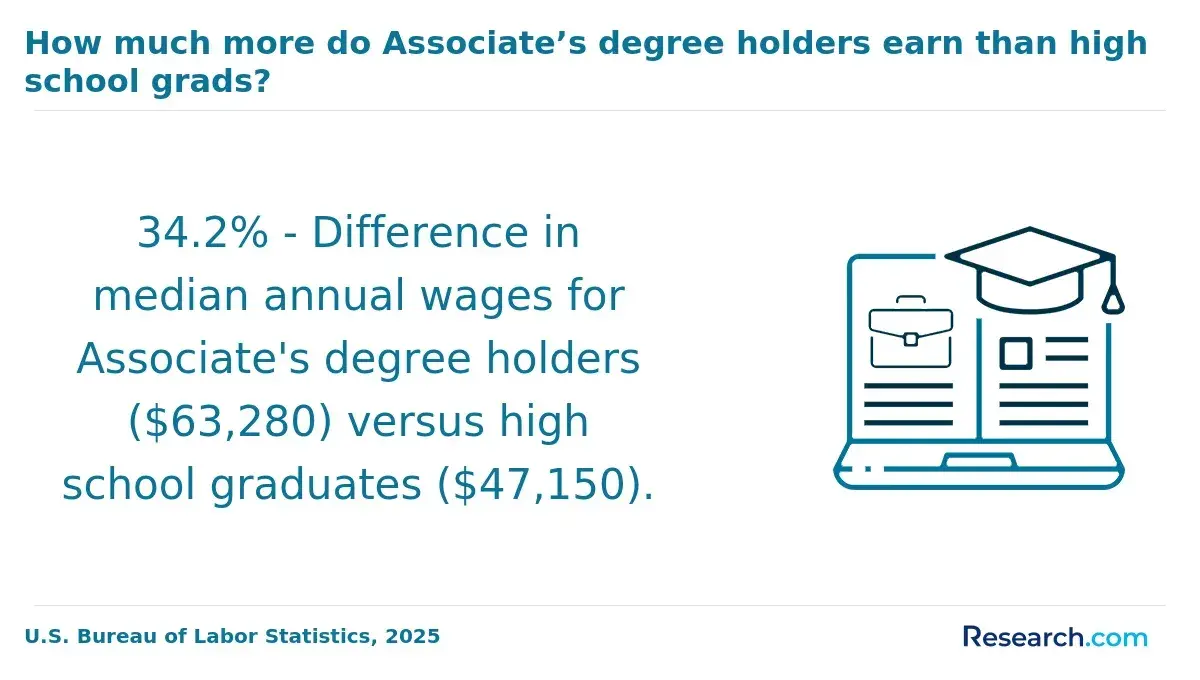
- Financial Advantage: Early enrollment accelerates entry into astronomy & space studies careers, enabling learners to advance professionally and increase earnings sooner than through traditional semester cycles.
One professional who enrolled in an online astronomy & space studies bachelor's degree program with weekly start dates shared that the ability to begin courses right after acceptance eased the anxiety of balancing work and education. He described how fixed semester deadlines in the past forced him to wait months before starting, which often diminished his motivation.
With weekly enrollment, he could jump into his studies during a brief lull at work, keeping his enthusiasm alive. He mentioned, "Being able to start immediately meant I wasn't just planning to go back to school-I was actually doing it." This flexibility helped him manage unexpected work assignments without losing academic progress, making his educational journey more manageable and rewarding.
What Is the Total Tuition Cost for Online Astronomy & Space Studies Bachelor's Programs That Allow Weekly Enrollment?
Costs for online astronomy and space studies bachelor's programs with weekly enrollment vary widely across schools and pricing models. Most follow a 120-credit curriculum, letting students estimate the total tuition by multiplying per-credit rates by required credits. Flat-rate tuition models offer an alternative by charging a fixed fee per term regardless of course load-ideal for accelerating students.
- Per-Credit Charges: Accredited programs typically range from $300 to $600 per credit hour, meaning a full degree might cost between $36,000 and $72,000. Factors such as public versus private institution status and differential rates for in-state or out-of-state learners influence these amounts.
- Flat-Rate Tuition: Some universities cap tuition per term, permitting unlimited courses and potentially lowering per-credit expenses for students enrolling in multiple classes.
- Uniform Online Tuition: A handful of schools adopt one online tuition rate for all students, ignoring residency status; this practice can make programs more affordable and transparent-especially for out-of-state applicants exploring average tuition fees for online astronomy bachelor's degree programs allowing rolling start dates.
- Extra Costs: Tuition often excludes technology fees, lab materials, and course resources, which can add several hundred to thousands of dollars throughout the program.
Students should review official tuition pages carefully and consider how weekly start dates affect budgeting and planning. Those seeking faster completion and cost savings may explore prior learning credits and generous transfer policies, commonly found at colleges with accelerated programs.
How Quickly Can Students Complete an Online Astronomy & Space Studies Bachelor's Degree When Enrolling Through a Weekly Start Option?
Weekly enrollment in online astronomy & space studies bachelor's programs lets students start their education right away-no semester delays-helping reduce downtime and speed up degree completion.
- Credit Load Per Term: Full-time students often finish within three to four years, while part-time learners balancing other commitments may take five to six years, largely depending on the number of credits they take each term.
- Prior Learning Credit Acceptance: Programs frequently accept up to 90 transfer credits or award credit through prior learning assessments, enabling learners to bypass foundational courses and shorten their academic timeline.
- Self-Paced Options: Many institutions offer competency-based elements, allowing students to progress as soon as they demonstrate mastery, which benefits disciplined learners eager to accelerate beyond standard term schedules.
- Multiple Courses Per Term: Some programs enable enrollment in several classes at once per session, helping students fast-track their degrees and potentially lower overall tuition costs.
- Estimated Completion Time: A motivated working adult enrolling via weekly starts can realistically complete their astronomy & space studies bachelor's degree in about three to five years, varying with credit transfer, course load, and personal responsibilities.
A professional who graduated from a self-paced online astronomy & space studies program shared that starting on her own schedule relieved much of the stress tied to traditional semester deadlines. She found the ability to test out of classes rewarding but challenging, as it required strong discipline and proactive study habits.
Although balancing work and family was tough, the flexibility of multiple start dates and self-paced coursework allowed her to maintain momentum. "It wasn't easy, but being able to advance quickly when I was ready made all the difference," she reflected, emphasizing how this model accommodated her unique pace without compromising learning quality.
What Admission Requirements Must Students Meet to Enroll in an Online Astronomy & Space Studies Bachelor's Program With a Weekly Start Date?
Online astronomy & space studies bachelor's programs with weekly start dates typically require applicants to hold a high school diploma or GED equivalency. Many of these programs adopt rolling or open admissions policies, allowing students to enroll without strict deadlines, which lowers the entry barrier compared to traditional semester-based programs.
While some institutions may recommend a minimum GPA of around 2.0, most prioritize accessibility over rigid academic cutoffs. Standardized tests such as the SAT or ACT are often optional or unnecessary, reflecting a nationwide trend toward test-optional admissions, over 60% of STEM online programs followed this approach in recent years.
Choosing between open and selective admissions involves trade-offs. Programs with open enrollment often provide enhanced academic support, such as tutoring and mentoring, to help diverse learners navigate coursework successfully. Conversely, more selective programs might demand higher academic preparedness and offer a more structured, intensive curriculum, but with less flexibility in admissions and scheduling.
Applicants with unconventional academic records or long breaks since last enrollment can improve their chances by submitting detailed personal statements or essays highlighting work experience, self-directed study, and motivation. Including prior coursework and recommendation letters also strengthens the application by demonstrating readiness and commitment to the field.
- Flexible Enrollment: Rolling admissions and weekly start dates reduce wait times, enabling students to commence studies on their own schedules instead of fixed semesters.
- Minimal Academic Barriers: Most programs accept a high school diploma or GED with few GPA restrictions, and many do not require standardized test scores, increasing accessibility.
- Access Versus Rigor: Open-admission programs emphasize support services to help students succeed, while selective schools prioritize foundational knowledge through demanding coursework.
- Helpful Resources: Non-selective schools often provide tutoring, mentoring, and flexible progression paths to accommodate varied student backgrounds.
- Application Strength: Strong personal statements and evidence of relevant experience can offset academic gaps and enhance application competitiveness.
How Do Online Astronomy & Space Studies Programs With Weekly Starts Handle Transfer Credits From Previous College Coursework?
Online astronomy & space studies bachelor's programs with weekly start dates often provide flexible transfer credit options to accommodate students from varied educational and professional backgrounds. These programs typically accept credits from prior college courses, military training, and employer-based learning, helping students reduce both time and tuition costs.
Notably, institutions like Southern New Hampshire University and Western Governors University accept up to 90 transfer credits, particularly for foundational subjects such as math, physics, and general education. The American Council on Education (ACE) credit recommendation system plays a vital role in this process by evaluating non-traditional learning experiences and military training, enabling smooth conversion into transferable academic credits.
This system supports broader recognition of diverse educational pathways, which working adults and veterans greatly benefit from. Prospective students should request a transcript evaluation before enrollment to gain clarity on exactly how many credits will transfer and what remaining coursework is required.
This essential step minimizes unexpected delays and allows for efficient planning, especially when balancing studies alongside employment or family responsibilities. Recent data from the National Center for Education Statistics reveals that over half of online students utilize transfer credits, highlighting a significant trend toward flexible credit acceptance in higher education.
- ACE Credit System: The American Council on Education evaluates military and non-traditional learning for transfer credit, easing acceptance across astronomy & space studies programs.
- High Transfer Limits: Many programs accept up to 90 transfer credits, reducing time to degree completion and lowering tuition costs.
- Military and Employer Credits: Credit awarded for relevant training and professional learning increases accessibility and affordability for veterans and working adults.
- Transcript Evaluation: Obtaining a formal credit review before enrolling helps students understand their remaining academic requirements.
- Cost Savings Trend: Growing transfer credit acceptance has substantially decreased tuition expenses for online learners, enhancing degree completion rates.
What Financial Aid and Scholarship Options Are Available for Students Enrolling in Weekly-Start Online Astronomy & Space Studies Programs?
Students enrolling in weekly-start online astronomy & space studies bachelor's degree programs have access to federal financial aid options comparable to those available in traditional semester formats-although disbursement timing may vary. Federal Pell Grants, awarded based on demonstrated financial need, do not require repayment and are a primary aid source.
Subsidized and unsubsidized Stafford loans offer low-interest borrowing, with subsidized loans based on need. Federal work-study programs provide part-time employment opportunities, though eligibility can be limited for nontraditional calendars such as rolling or weekly starts. Understanding the interplay between weekly enrollment and the academic year financial aid cycle is key to managing aid receipt and planning expenses.
The Free Application for Federal Student Aid (FAFSA) remains essential for accessing federal, state, and many institutional aid programs. Students should apply early since many grants and scholarships, especially those managed by individual schools or private entities, are distributed on a first-come, first-served basis.
Given that weekly starts allow continuous enrollment beyond traditional semester boundaries, students must carefully confirm how their institution processes aid for rolling terms to avoid delays. According to College Board Trends in Student Aid data, the average combined aid package, including grants, loans, and work-study, was about $14,000 annually for undergraduates, though actual amounts depend on enrollment intensity and eligibility.
Scholarships specifically for online astronomy & space studies bachelor's degree students or those enrolled in programs with rolling enrollment can be found through professional organizations like the American Astronomical Society and various nonprofits. Many colleges also offer institutional scholarships targeting online learners demonstrating academic merit or financial need.
- Federal Aid Eligibility: Pell Grants, subsidized and unsubsidized Stafford loans, and federal work-study programs are available to eligible students, but work-study participation may vary with weekly-start and nontraditional term formats.
- FAFSA Application Timing: Applying early on the FAFSA is critical because many grants and institutional scholarships are limited and distributed on a first-come, first-served basis.
- Aid and Weekly Starts: Continuous enrollment through rolling or weekly start dates affects when aid is disbursed-students should verify their institution's aid policies for shorter terms.
- Average Aid Packages: Undergraduate federal aid, combining various sources, averages around $14,000 annually, though amounts vary based on enrollment status, demonstrated need, and eligibility.
- Field-Specific Scholarships: Targeted scholarships from astronomy organizations, nonprofits, and institutions support online astronomy & space studies students, especially those enrolled with rolling enrollment options.
Students pursuing certification or advancement in related fields might consider options such as the Certified Coding Specialist (CCS) credentials to enhance career prospects alongside their degree.
What Accreditation Standards Should a Weekly-Start Online Astronomy & Space Studies Bachelor's Program Meet to Ensure Employer and Transfer Recognition?
Accreditation is essential when selecting an online astronomy & space studies bachelor's program with weekly start dates because it impacts employer recognition and credit transferability. Regional accreditation is the gold standard in U.S. higher education, reflecting rigorous evaluation and widespread acceptance by employers and mainstream colleges. In contrast, national accreditation often applies to vocational or specialized schools and may limit credit transfer and graduate study opportunities.
The U.S. Department of Education recognizes seven regional accrediting bodies: the Middle States Commission on Higher Education (MSCHE), New England Commission of Higher Education (NECHE), Higher Learning Commission (HLC), Northwest Commission on Colleges and Universities (NWCCU), Southern Association of Colleges and Schools Commission on Colleges (SACSCOC), Western Association of Schools and Colleges Senior College and University Commission (WSCUC), and the Accrediting Commission for Community and Junior Colleges (ACCJC). Most online astronomy degree programs with weekly start dates align with HLC, SACSCOC, or WSCUC accreditation.
Before enrollment, verify any program's accreditation status directly through the Department of Education's official accreditation database to ensure the school meets recognized standards. This is crucial for students who may want to transfer credits or pursue advanced degrees in astronomy & space studies. Beware that credits earned from nationally accredited-only institutions often do not transfer to regionally accredited programs, which could affect your academic progress or career advancement.
- Regional Accreditation Importance: It ensures strict quality standards and broad acceptance by employers and other institutions, supporting smooth credit transfers.
- Seven Regional Bodies: These include MSCHE, NECHE, HLC, NWCCU, SACSCOC, WSCUC, and ACCJC, with most weekly-start astronomy programs under HLC, SACSCOC, or WSCUC.
- National vs. Regional: National accreditation might restrict credit transfer options and employer recognition compared to regional accreditation.
- Verification Advice: Always confirm a program's accreditation through the U.S. Department of Education to avoid surprises.
- Transfer Risks: Credits from nationally accredited-only schools are unlikely to transfer to regionally accredited institutions or qualify for graduate studies.
Students exploring specialized fields like astronomy & space studies or even related healthcare fields might also benefit from reviewing options such as psychiatric NP programs, which sometimes share similar accreditation expectations and flexible course start options.
How Is Coursework Structured in Online Astronomy & Space Studies Bachelor's Programs With Weekly Starts Compared to Semester-Based Formats?
Weekly-start astronomy & space studies bachelor's programs commonly feature asynchronous video lectures and digital resources that let students study on their own schedules. Assignments, quizzes, and discussions follow a strict seven-day cycle to keep consistent progress. Online discussion boards and collaboration tools promote connections among students and instructors despite geographic distances.
These programs typically compress courses into terms lasting five to eight weeks, much shorter than traditional 15-week semesters, requiring students to manage time efficiently and stay disciplined. Core skills such as scientific reasoning, data analysis, and practical astronomy techniques adapt well to this faster pace through virtual labs or simulations.
However, the accelerated format can limit deep dives into complex topics and reduce extended collaborative opportunities common in semester-based courses. To thrive, students should establish steady study routines, minimize distractions, and ensure their technology and internet access are reliable.
According to the National Center for Education Statistics, enrollment in accelerated online bachelor's degree programs has grown by 12% annually, reflecting growing demand for flexible education.
- Flexible Course Access: Asynchronous lectures and weekly deadlines allow learners to balance education with work or personal commitments while maintaining momentum.
- Accelerated Term Structure: Condensed timelines foster strong time management skills but require quick mastery of material.
- Essential Skill Emphasis: Programs focus on analytical and practical astronomy abilities, often supported by virtual labs and simulations.
- Limitations of Pace: The fast schedule can restrict comprehensive exploration and limit lengthy group projects typical in semester formats.
- Success Strategies: Regular study habits and reliable technology setup are vital to keeping pace and completing weekly tasks successfully.
Can Students Earn Credit Through CLEP, DSST, or Prior Learning Assessment in Weekly-Start Online Astronomy & Space Studies Programs?
Credit by examination programs like the College Board's CLEP and DSST exams enable students to earn college credit by demonstrating mastery of foundational astronomy & space studies coursework. Passing these standardized tests lets learners bypass introductory classes, saving time and tuition costs. Additionally, Prior Learning Assessment (PLA) offers a pathway to convert real-world experience, military training, or independent study into official academic credit.
Many weekly-start online astronomy & space studies programs embrace PLA policies that accept portfolios and military transcripts, often awarding up to 30 credit hours or more. Institutions following the American Council on Education (ACE) credit recommendation system streamline acceptance of CLEP, DSST, and military training credits, providing widespread recognition and consistency across schools.
Students should prepare comprehensive documentation such as course descriptions, certificates, employer letters, or military transcripts to support their credit requests. These materials are typically submitted to the registrar or admissions office for formal evaluation within specified deadlines.
- Credit by Examination Advantages: CLEP and DSST let students bypass lower-division requirements in astronomy & space studies by proving existing knowledge through testing.
- Flexible PLA Policies: Top weekly-start programs accept portfolios and military records, enabling learners to earn substantial credit for prior experience.
- ACE System Recognition: Many universities rely on ACE for validating standardized exams and military credits, ensuring accepted credits transfer smoothly.
- Documentation Essentials: Detailed records-syllabi, training certificates, transcripts-are crucial for successful credit evaluation.
- Institutional Guidelines: Credit caps and submission procedures vary; early consultation with schools maximizes credit award potential.
What Graduates Say About Online Astronomy & Space Studies Bachelor's Degree Programs With Weekly Start Dates
- Dante: "Choosing an online astronomy & space studies program with weekly start dates was a game-changer for me-it allowed me to begin my studies as soon as I was ready without waiting for traditional semesters. The affordable tuition made it easier to manage financially while working full-time, and the flexibility meant I could absorb complex astronomical concepts at my own pace. Since graduating, I've landed a role at a space observatory where the skills I learned continue to open doors every day."
- Collin: "Reflecting on my experience with the online astronomy & space studies bachelor's degree, the ability to start weekly helped me maintain momentum during a busy life phase. The cost-effectiveness was a major consideration for me, as I wanted to avoid crippling debt yet still receive a quality education. This program truly prepared me for my current position in aerospace research-I feel confident knowing I gained both strong theoretical knowledge and practical applications."
- Dylan: "I was drawn to the online astronomy & space studies program because of its weekly start dates, which gave me incredible freedom to fit education around my unpredictable work schedule. The reasonable tuition was a relief compared to other programs I evaluated, making this path sustainable long-term. Completing the degree has immensely boosted my career trajectory-I now collaborate on projects with leading scientists, something I wouldn't have thought possible before."
Other Things You Should Know About Astronomy & Space Studies Degrees
Online astronomy & space studies bachelor's programs with weekly start dates typically use learning management systems (LMS) such as Canvas, Blackboard, or D2L Brightspace. These platforms support multimedia lectures, discussion forums, and virtual labs. Students need reliable internet access, a modern computer, and updated web browsers. Some courses may require specialized software for data analysis or simulation, but schools usually provide clear guidelines on technical requirements before enrollment.
Graduates with an astronomy & space studies bachelor's degree can pursue careers in research, education, aerospace industries, and science communication. Typical entry-level roles include data technician, science educator, or observatory assistant. Salary expectations generally range from $45,000 to $70,000 annually, depending on the region and specific job sector. Advanced positions or roles in government agencies and private space companies may offer higher compensation.
References
- Struggling with Astronomy Coursework? Get Help Now https://siit.co/guestposts/struggling-with-astronomy-coursework-get-help-now/
- Physics and Astronomy | Fastweb https://scholarshipsfordreamers.org/scholarships-for-physics-and-astronomy-majors.html
- You searched for programs: that have an upcoming deadline https://www.pathwaystoscience.org/programs.aspx
- Distance Learning Courses - Physics, Space Science and Theories - Stargazers Lounge https://stargazerslounge.com/topic/341445-distance-learning-courses/
- Prior Learning Exams https://www.pbsc.edu/testing-center/prior-learning-exams.php
- 1.15 NASA Space Grant Scholarship - Utah System of Higher Education https://ushe.edu/nasa-space-grant-scholarship/
- Astronomy and Astrophysics https://www.fastweb.com/directory/scholarships-for-astronomy-and-astrophysics-majors
- CLEP vs. DSST vs. ECE: Which Credit-by-Exam Option Is Right for You? https://straighterline.com/blog/test-comparison-clep-vs-dsst-vs-ece
- FAQs https://studyastronomy.com/faqs/
- Planetary Science with Astronomy (Certificate in Higher Education) https://www.bbk.ac.uk/courses/undergraduate/planetary-science-with-astronomy-certificate-in-higher-education