2027 Choosing a BS in Business Administration When You Are Choosing Between a Business Minor and a Full Second Degree
Audited and Verified:
Our Editorial and Data Verification Process
Research.com uses government datasets, official education statistics and primary institutional information to support its career and degree guides. Our review process checks factual accuracy, occupational definitions, source dates and the requirements associated with the credentials discussed.
How This Article Was Fact-Checked
Our editorial team verifies salary estimates, employment projections, education requirements and program information against original data providers and official organizations. Salary figures are checked against the relevant occupational definitions and reporting periods. Information about licensure, accreditation and required in-person training is reviewed separately.
Fact-checked and verified on:

Co-Founder and Chief Data Scientist
If you already have a major—or a completed bachelor's degree—adding business education can mean a minor, a second degree, or neither. The choice matters because overlapping courses do not necessarily produce the same credential, skills, or career opportunities.
This guide is for students and career changers deciding whether a BS in Business Administration is worth the additional coursework. It shows how to compare curriculum, credit rules, cost, scheduling, and your target role before committing.
Key Things You Should Know
- Choose a business minor when you are still completing your first bachelor's degree and need complementary business skills, not a second credential.
- Consider a second BS in Business Administration when a target role calls for substantial business preparation and your school confirms how prior credits will apply; a completed minor usually cannot be added retroactively.
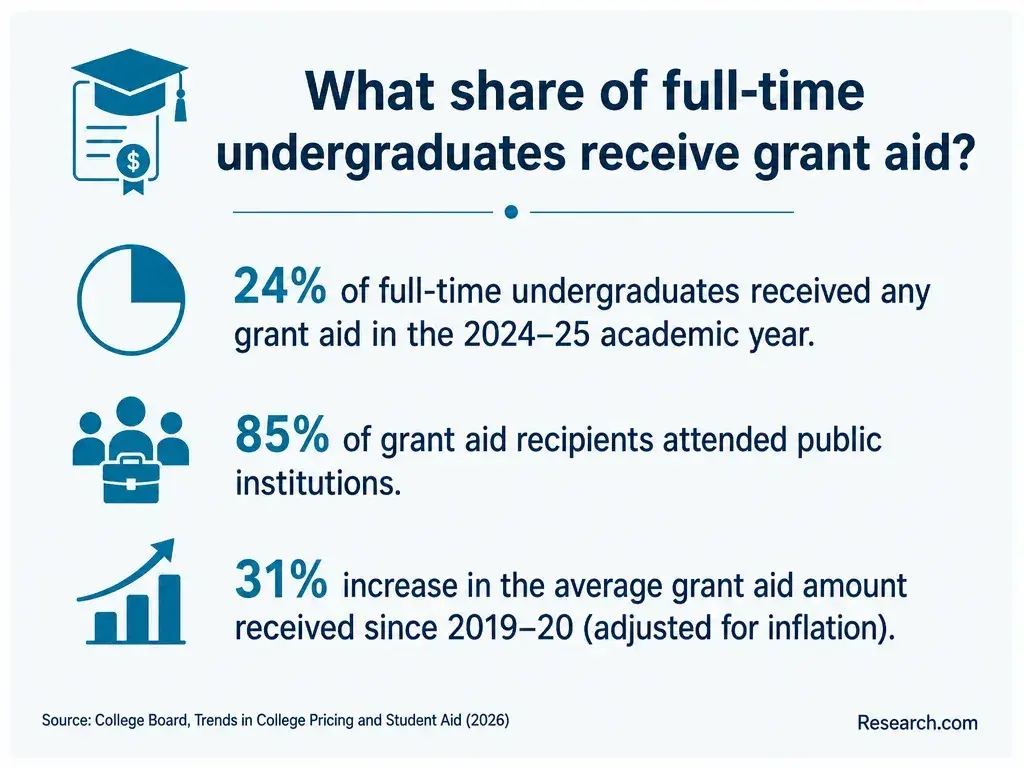
- Compare the remaining requirements and net cost, not degree labels alone: prior bachelor's degree holders are generally ineligible for federal Pell Grants, although other aid may be available.
What Is the Difference Between a Business Minor and a Second Bachelor's Degree?
A business minor is a defined group of undergraduate courses recorded alongside a primary bachelor's degree. It normally covers fewer subjects and offers less depth than a business major. Schools generally require you to declare and complete a minor while pursuing your first degree; enrolling in a few business courses after graduation does not automatically award one.
A second bachelor's degree is another awarded undergraduate degree, such as a BS in Business Administration, earned after—or sometimes alongside—a first bachelor's. It requires the school's business curriculum and second-degree rules, which may include minimum new credits, upper-division courses, and credits earned at that institution. Having enough total college credits does not mean you have satisfied the business major.
If speed is your concern, ranked programs for finishing a business bachelor's sooner can be a starting point. Request a personal degree audit before relying on an advertised completion timeline.
Should You Choose a Business Minor or a Full Second Degree?
Start with the job or responsibility you want, then identify the evidence an employer would need. A psychology student interested in recruiting, for example, might combine a business minor with relevant work experience. A graduate changing fields who needs a broad foundation in accounting, operations, and finance may have a stronger case for a second degree. Neither credential substitutes for experience required by a particular employer.
These decision points help separate a useful credential from additional coursework you may not need:
- Choose the minor if you can complete it within your first degree; it covers the skills missing from your major, and relevant projects or work can provide further evidence.
- Consider the second BS if you already hold a bachelor's, need a sustained business curriculum, and an approved audit shows a manageable path to completion.
- Consider a narrower alternative if your goal is one function or a specific skill: targeted courses, employer training, a certificate, or an entry-level role may be more direct.
For a specific human resources goal, compare the BS with a specialized program and peruse guides on using existing credits in a human resources degree. The better choice depends on the courses you still need, not just which program accepts the most credits.
How Does a BS in Business Administration Compare With a Business Minor?
A BS generally offers broader coverage and more advanced business work; a minor is designed to complement another major. The table compares what each pathway commonly signals, but the catalog and transcript determine what you actually complete:
| Decision factor | Business minor | Second BS in Business Administration |
| Credential | Minor attached to a primary bachelor's | Separately awarded bachelor's degree |
| Typical learning scope | Selected introductory or intermediate business subjects | Business core, upper-division work, and sometimes a concentration or capstone |
| Best fit | Adding business context to another discipline | Building broad undergraduate business preparation after a first degree |
| Main limitation | Limited depth; generally unavailable as a new post-graduation credential | More remaining requirements, expense, and time; no automatic job qualification |
A BS is not inherently better than every alternative. If you already manage projects and chiefly need leadership coursework, compare the BS curriculum with accelerated online organizational leadership school choices. Check whether either degree adds skills your experience does not already demonstrate.
A BS in Business Administration commonly combines accounting, economics, finance, marketing, management, operations, business law, and quantitative work such as statistics or analytics. Upper-division courses may ask students to assess a budget, interpret business data, or make a recommendation in a case or capstone. A minor usually samples fewer of these areas and may leave out advanced requirements.
Compare required courses, not just course titles. A career changer targeting operations should look for process analysis and applied projects; someone targeting financial analysis may need substantially more quantitative preparation than a general business minor provides. A formal concentration requires the school's specified courses—an informal set of electives does not become a transcripted concentration.
If project coordination is your goal, compare the BS's project coursework with a specialized degree and the rules for using prior college credits in a project management bachelor's. An introductory project course alone is not equivalent to the specialized curriculum or professional experience.
There is no reliable universal price or completion time. A minor may fit into unused electives—or delay graduation if required courses are unavailable. A second BS may reuse general education credits yet still require a substantial business core and institution-specific new credits. The table identifies the costs to compare after each school evaluates your record:
| Cost or time factor | Why it changes the comparison |
| Credits applied to requirements | Accepted electives may not replace business core, upper-division, or residency courses. |
| Course scheduling | Prerequisite chains and infrequently offered classes can extend enrollment. |
| Tuition and other charges | Compare tuition, mandatory fees, materials, technology, and travel for the remaining courses. |
| Financial aid and earnings | Confirm aid eligibility and account for borrowing costs or reduced work hours. |
Students who already hold a bachelor's generally cannot receive federal Pell Grants for another undergraduate degree. Federal student loans may remain possible if they meet eligibility rules and have not reached applicable limits; ask the financial-aid office for an individual determination. Use a business degree tuition comparison guide to identify schools to investigate, then compare written estimates based on your remaining courses.
Online study can remove a commute, but it does not necessarily remove scheduled meetings, group work, proctored exams, or fixed deadlines. Campus study may provide easier in-person access to faculty and recruiting events while creating travel and work-schedule conflicts. For an employed student, the better format is the one whose actual course obligations fit the hours available each week.
Ask for a recent course schedule and sample syllabi before enrolling. Check whether the business courses you still need are offered online, whether presentations require live attendance, and whether an internship or capstone has site or employer-approval requirements. If faster completion is attractive, examine faster-paced business degree study options against your work and household commitments; a shorter calendar does not mean less coursework.
First, verify that the institution holds accreditation recognized by the U.S. Department of Education. Then check whether the business school or the specific program falls within any claimed AACSB, ACBSP, or IACBE accreditation. These are different questions: institutional accreditation does not establish business-program accreditation, and a business school's claim should not be assumed to cover every degree it offers.
Accreditation can help you screen programs, but it does not prove that credits will transfer elsewhere or that graduates obtain particular jobs. If you are weighing a specialized project management degree against general business, affordability checks for accredited project management programs can help frame the comparison. Confirm both accreditation scope and remaining cost directly with each school.
Requirements vary for first-degree students, transfer applicants, and people seeking a second bachelor's. A school may require prior transcripts and a minimum academic standing; entry to the business major may have separate prerequisites or an additional application. Mathematics, accounting, economics, or statistics courses can be admission conditions at one institution and graduation requirements at another.
Before applying, send every prior transcript for an official evaluation and request a degree audit showing accepted credits, credits applied to the business major, and courses still required. Ask the admissions office about entry rules, the business department about prerequisites, and the registrar or transfer office about equivalencies and second-degree residency rules. If you are comparing shorter affordable business administration degree pathways, use those answers—not an initial transfer estimate—to judge your likely completion plan.
Business administration can support applications for roles in operations, marketing, human resources, and project coordination. The realistic entry point depends on your prior work and the employer's requirements: a degree may help establish foundational knowledge, while hiring for specialist or management responsibility often requires demonstrated functional experience.
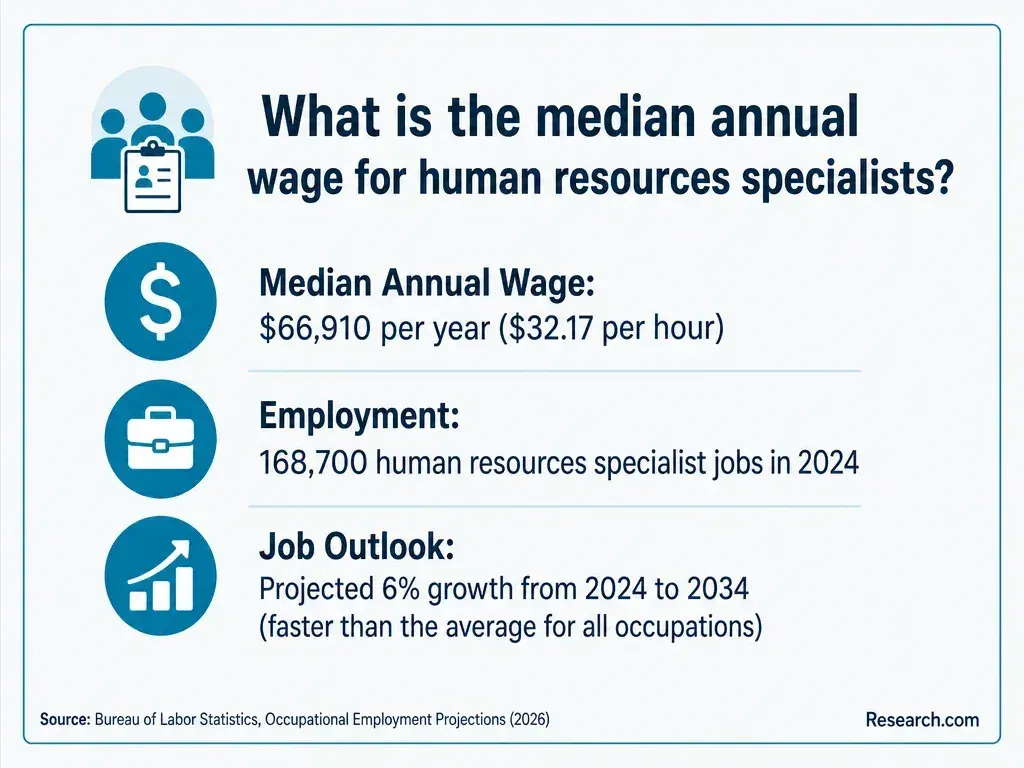
For context, the U.S. Bureau of Labor Statistics reports a May 2025 median annual wage of $75,940 for human resources specialists and projects 6% employment growth from 2025 to 2035. Those are occupation-wide figures, not a starting salary or outcome for BS graduates. An applicant pursuing HR should compare actual job postings for experience, employment-law knowledge, and recruiting or HR-systems skills before deciding whether a broad second degree is necessary.
To assess the potential return, pair local job requirements with your school-specific cost estimate. Business administration online programs with competitive tuition may reduce one cost component, but a lower advertised rate is less useful if more courses remain or the program lacks access to relevant projects and recruiting support.
Which Business Certifications or Licenses May Strengthen Your Career?
A certification can demonstrate a targeted skill, but it serves a different purpose from a business minor or bachelor's degree. HR and project management certifications, for example, have requirements set by their issuing organizations, which may include education, experience, and an exam. A business course or degree does not automatically satisfy those requirements.
Match the credential to the role you want, then check the issuer's current eligibility rules before paying for preparation. Regulated work requires particular care: a general BS in business administration does not itself grant a CPA license or a financial services license. If a specialized project management bachelor's is under consideration instead of a certification or general BS, an online project management undergraduate funding guide can help you identify aid questions to take to the school. Do not assume the same aid is available for a second bachelor's.
Other Things You Should Know About Business Administration
Usually not as a retroactive addition to a completed degree. Ask your former school whether its policy permits post-graduation completion; otherwise, consider individual courses or a separately awarded certificate.
Your first degree remains a separate academic credential. Ask the second institution how it records its awarded degree and transferred coursework, since transcript practices vary.
Only if the institution has an applicable prior-learning or course-substitution policy and approves your evidence. Work experience does not automatically waive major requirements.
Possibly. Some graduate programs accept applicants without a business major but may require preparatory courses. Compare admission rules, curriculum, cost, and your target role before choosing either route.
- Accreditation in the U.S. | ed.gov http://www.ed.gov/laws-and-policy/higher-education-laws-and-policy/college-accreditation/accreditation-in-the-us
- School-Determined Requirements | 2024-2025 Federal Student Aid Handbook https://fsapartners.ed.gov/knowledge-center/fsa-handbook/2024-2025/vol1/ch1-school-determined-requirements
- Types of Financial Aid: Grants, Work-Study, and Loans | studentaid.gov https://studentaid.gov/understand-aid/types
- Types of Business Degrees: Your Complete Guide | UWA Online https://online.uwa.edu/news/types-business-degrees/
- Apply for a Second Bachelor's Degree | csueastbay.edu https://www.csueastbay.edu/admissions/second-baccalaureates.html
- DESIGN & COURSES (BABA) | Milgard School of Business | University of Washington Tacoma https://www.tacoma.uw.edu/business/design-courses-baba
- Double-Counting Courses (Unique Credit Hours) | indiana.edu https://bulletin.college.indiana.edu/policies/
- Business minors policy & FAQs | Cornell SC Johnson College of Business https://business.cornell.edu/admissions/minors/minors-policy/
- Current Business Studies Minor Requirements | nyu.edu https://cas.nyu.edu/business/course-requirements/current-course-requirements.html
- Can I double count classes for both my major and minor? | maryville.edu https://community.maryville.edu/s/article/Can-I-double-count-classes-for-both-my-major-and-minor