2027 Is a BS in Business Administration Useful for Running A Landscaping Business? Degree Fit and Opportunity Cost
Audited and Verified:
Our Editorial and Data Verification Process
Research.com uses government datasets, official education statistics and primary institutional information to support its career and degree guides. Our review process checks factual accuracy, occupational definitions, source dates and the requirements associated with the credentials discussed.
How This Article Was Fact-Checked
Our editorial team verifies salary estimates, employment projections, education requirements and program information against original data providers and official organizations. Salary figures are checked against the relevant occupational definitions and reporting periods. Information about licensure, accreditation and required in-person training is reviewed separately.
Fact-checked and verified on:

Co-Founder and Chief Data Scientist
A landscaping company can win plenty of jobs and still struggle if estimates miss labor costs, crews lose time between sites, or cash runs short before customers pay. A BS in Business Administration can help an owner manage those problems, but completing a degree also takes money and time away from the business. This guide is for prospective owners and working landscapers deciding whether a degree, targeted courses, or hands-on training is the better investment. It connects education choices to the decisions a landscaping operator actually makes.
Key Things You Should Know
- A BS in Business Administration can strengthen pricing, cash-flow, hiring, and operations decisions, but it is not required to own a landscaping company or perform licensed work.
- If the immediate goal is to start a small crew, trade experience, required credentials, and targeted accounting or estimating instruction may offer a more direct route than a full degree.
- The BLS reports a $105,770 median annual wage for general and operations managers in May 2025; that occupation-wide employee figure is not a forecast of landscaping-owner income.
Is a BS in Business Administration useful for running a landscaping business?
Yes - particularly when an owner is moving beyond doing the work personally to pricing multiple crews, managing supervisors, financing equipment, and evaluating which services are profitable. A BS in Business Administration is an undergraduate degree in broad business functions. Its value lies in applying accounting, management, marketing, and operations concepts to recurring decisions, not in the credential itself.
The case for enrolling is weaker if the owner has an immediate technical or compliance gap: a business course will not teach safe pesticide application, diagnose plant problems, or authorize regulated work. It is also weaker when completing the degree would consume cash needed for insurance, equipment, or payroll. Compare programs by the decisions their courses will help you make, not simply by their position in US rankings of online business degree programs.
A useful test: identify a costly decision you expect to make repeatedly - such as setting minimum job prices or deciding whether to add a crew. If you can obtain the necessary skill promptly through a course, mentor, and supervised practice, a full degree may not be the best first investment. If you also want a broadly applicable qualification for future employment or business expansion, the degree has a stronger case.
What business skills does a landscaping company owner need?
The essential skill is turning a quote into a job that covers its costs and contributes to the business. That requires estimating labor and materials, accounting for travel and equipment use, setting a margin, collecting payment, and checking actual results against the estimate. Revenue is not profit, and a profitable-looking job can still create a cash shortage if wages and supplies come due first.
Owners also need to schedule work around weather and seasonality, maintain equipment, document customer scope changes, and hire and supervise crews safely. As the company grows, employment practices become a substantial responsibility. Someone considering a dedicated people-operations role can compare HR degree requirements and job opportunities, but a small-business owner still needs practical guidance on applicable wage, safety, and employment rules.
Start by reviewing a few completed jobs with records you are entitled to use: compare estimated and actual crew hours, materials, travel, and collections. The largest recurring gap points to the first skill worth developing. Protect customer and employee information when using business records for coursework or outside advice.
What degree or training is best for starting a landscaping company?
There is no universally best degree for a landscaping founder. The right preparation depends on whether the main gap is field competence, business control, or the capacity to coordinate a larger operation. The comparison below separates those goals rather than treating every credential as a substitute for experience.
| Pathway | Best fit | Main limitation |
| Field experience plus required licenses and targeted business courses | Someone preparing to launch a small operation soon | Business knowledge may remain uneven without a deliberate learning plan |
| BS in Business Administration or BBA | An owner seeking broad financial, marketing, and management preparation or a transferable bachelor's credential | More time and expense; limited instruction in landscaping techniques |
| Horticulture or landscape-focused education | Someone whose primary gap is plant, site, or production knowledge | May offer less depth in accounting and business operations |
| Operations or supply chain study | Someone focused on purchasing, inventory, fleet coordination, or multi-crew logistics | May be narrower than the owner's overall responsibilities |
A BS and BBA can both be broad business degrees; compare their actual requirements rather than assuming one is inherently better. If logistics is the intended specialty, supply chain degree duration and salary considerations can inform a separate comparison, but a specialized degree is not a prerequisite for operating landscaping crews.
For a new owner, the strongest short-term combination is often supervised field experience, verified local compliance requirements, basic bookkeeping, and practice producing accurate estimates. Reconsider the bachelor's degree when the business is stable enough to support study or when a degree serves a specific longer-term goal.
Prioritize courses that produce usable decisions. Managerial accounting can help allocate crew, equipment, and overhead costs to jobs; finance can support cash planning and equipment-purchase comparisons; operations can improve routing and capacity planning. Marketing is useful for understanding customer acquisition and repeat business, while management and employment-law coursework can inform supervision without replacing legal advice.
Choose assignments as carefully as course titles. An estimating model, seasonal cash budget, or crew-capacity analysis can be more useful than a generic startup presentation - provided the faculty approves the assignment and you have permission to use any company data. If project-management coursework adds credits or expense, consider undergraduate project management grants and scholarship planning before assuming the extra study is affordable.
Check whether a course is required for the business core, available as an elective, or part of an officially named concentration. Taking an elective does not award a concentration, and an entrepreneurship course does not validate a business forecast.
It can be, especially for an owner whose daytime schedule changes with weather and customer demand. Online does not necessarily mean self-paced, though. Live sessions, group presentations, proctored exams, weekly deadlines, and required internships can be difficult to manage during a busy season.
Before enrolling, request sample course schedules and ask which requirements have fixed meeting times, whether any campus visits are required, and how part-time enrollment affects course sequencing. Compare accelerated options through the same lens: US fast-track undergraduate business degree options may shorten the calendar, but they do not remove assignments or make seasonal work less demanding.
A workable plan may involve taking fewer courses during peak months and more during slower periods, if the program offers the needed courses then. Confirm leave, financial-aid, and reentry policies before relying on that approach.
Requirements depend on the state, locality, and services offered. Business registration and local operating rules are separate from occupational permissions. Pesticide application, irrigation work, tree care, and construction-related landscaping may trigger different licensing or certification requirements. An owner should check the relevant state and local agencies before advertising or performing each service.
A business degree does not replace those permissions. Nor does a project-management credential authorize regulated fieldwork: when comparing optional management education, estimate the cost of accredited project management study separately from mandatory licensing, examination, and compliance expenses.
Define the services you intend to sell, then confirm the required business, individual, and employee credentials for each one. Also obtain advice on insurance and worker-safety obligations appropriate to the work. Voluntary industry certifications may help demonstrate expertise, but verify what each certification actually covers before treating it as a license.
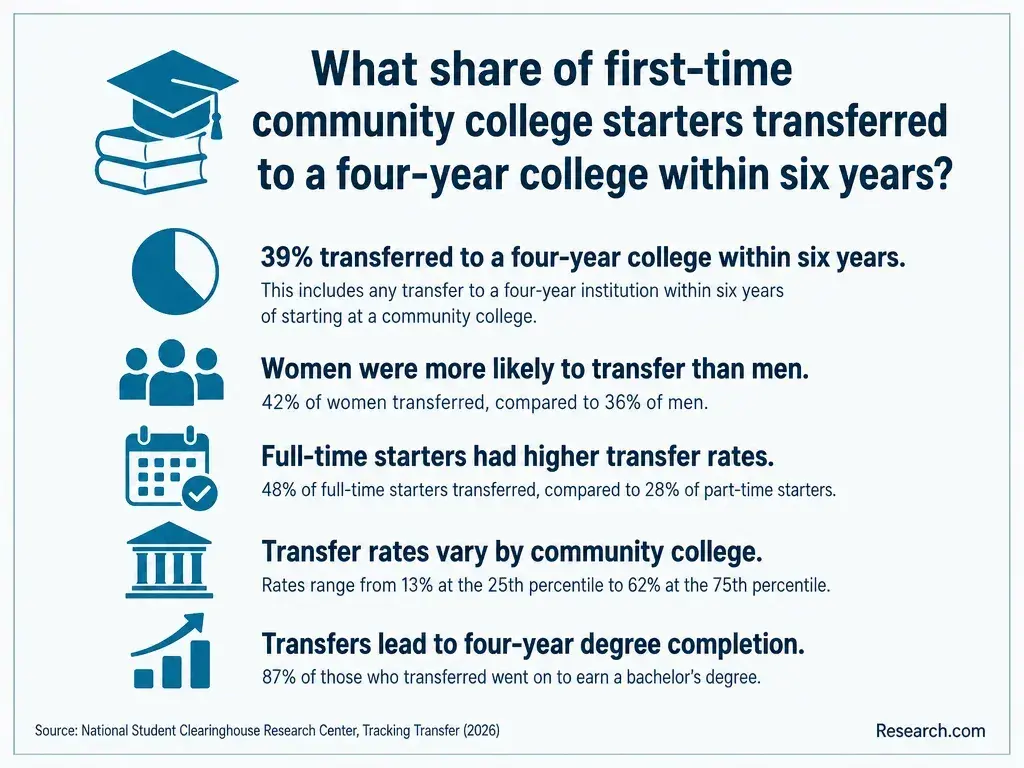
There is no reliable single price or completion time. The total depends on tuition and fees, credits still required, course load, transfer-credit decisions, and whether essential courses run when the student can attend. A full-time bachelor's path is commonly planned across four academic years; an owner studying part time may take longer, while prior applicable credits may shorten the remaining path only after an official evaluation.
The relevant comparison is net education cost plus opportunity cost: tuition and required materials, financing costs if borrowing, and the work or business development forgone while studying. Compare actual remaining-degree estimates at colleges offering economical online business study, rather than comparing advertised tuition rates alone.
Ask each school for a written degree audit and an estimate of remaining tuition and mandatory fees. Check whether accepted transfer credits satisfy business requirements or only electives. Then compare that commitment with a targeted-course plan and the business expenses you would otherwise fund. Do not count a future earnings increase or aid award until its basis is confirmed.
Within a landscaping company, business graduates may pursue estimating, account coordination, scheduling, purchasing, business development, or office operations. With relevant field and supervisory experience, they may progress toward branch or operations management. Employers often need evidence that a candidate can control job costs, communicate with customers, and coordinate crews; graduation alone does not establish that experience.
A growing company may also need a recruiting or HR specialist. An employee considering that transition should examine the role's employment-practice requirements and, if returning to school, compare credit acceptance at online HR schools before assuming an additional degree is necessary or inexpensive.
For an owner seeking an alternative to self-employment, document concrete work: estimates prepared, budgets monitored, schedules coordinated, or purchasing decisions supported. Use records you are permitted to share, and describe your responsibility accurately rather than presenting ownership as proof of every management skill.
Owner income has no dependable national figure comparable to an employee wage. It depends on sales, job margins, overhead, seasonality, debt, taxes, and how much cash the owner retains in the company. An owner's draw is not the same as business profit or a market-rate salary.
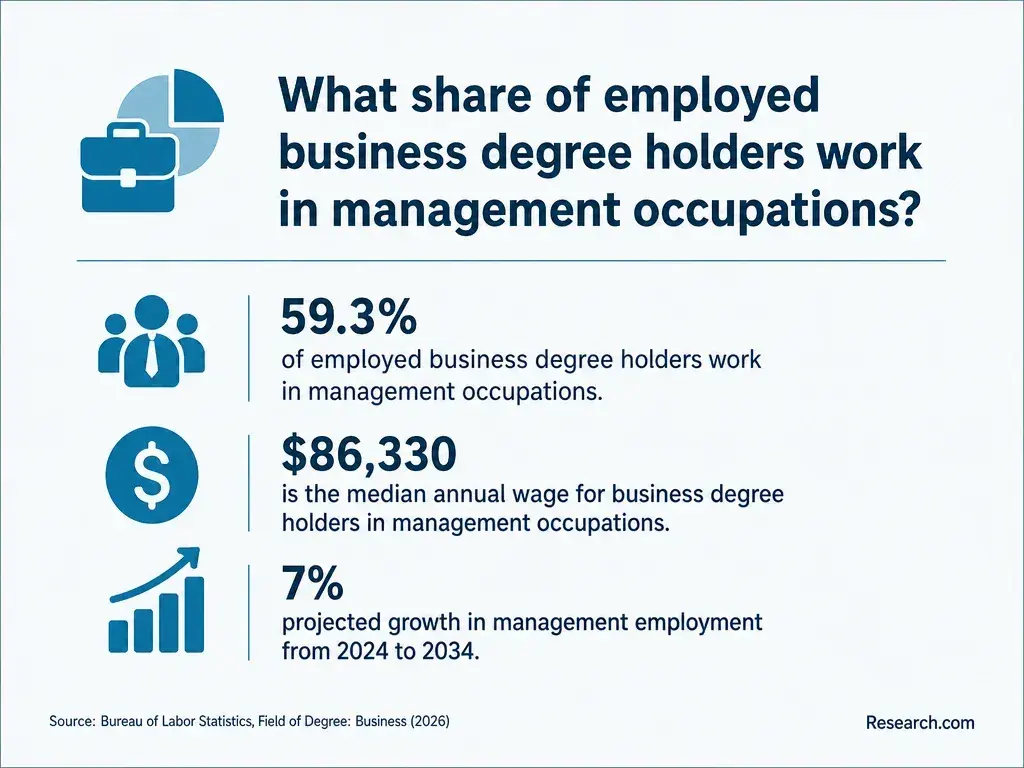
For context, the U.S. Bureau of Labor Statistics reports a $105,770 median annual wage for general and operations managers in May 2025 and projects 5% employment growth for that occupation from 2025 to 2035. Those figures cover managers across industries, not landscaping founders or new business graduates; they are useful as broad career context, not an income target for a startup.
To assess a degree's financial value, compare its likely cost with the specific outcomes you can reasonably pursue: better control of job margins, readiness for a larger operational role, or access to jobs that require a bachelor's degree. If you are comparing operations specializations instead, supply chain degree duration and salary considerations concern a different occupational path, not a prediction of landscaping earnings.
How should you choose an accredited business administration program?
First, confirm that the institution holds recognized institutional accreditation and that its exact business degree can be completed in the format you need. Business-school or programmatic accreditation, such as AACSB, ACBSP, or IACBE, is a separate consideration; verify whether it covers the specific program rather than assuming the institution's accreditation covers every business offering.
Next, obtain the current curriculum, a transfer evaluation if applicable, course schedules, and a written estimate of remaining costs. Ask whether you can use an approved landscaping-business project for an assignment or capstone, what faculty approval it requires, and how confidential records must be handled. Check aid eligibility with the school; a comparison of accredited online business administration study with aid eligibility is a starting point, not confirmation of your personal award.
Choose the program only after it passes three tests: its courses address your actual operating gaps, its schedule works through peak season, and its verified remaining cost is acceptable alongside other business needs. If it fails one of those tests, targeted training or delaying enrollment may be the better decision.
Other Things You Should Know About Business Administration
Often, but ask the instructor what is permitted before using company records. Remove customer and employee identifiers, respect any partners' or clients' data rights, and distinguish a proposed improvement from a measured result.
Not automatically. Some schools assess prior learning, but the institution decides what evidence is required, whether credit is awarded, and which degree requirement - if any - it satisfies.
Compare the actual curricula and remaining requirements. Either title can provide broad business preparation; the useful difference is the school's courses, applied opportunities, schedule, and cost for your goals.
No. Choose a partner for complementary skills, reliability, and clearly defined responsibilities - not a degree title alone. An accountant, mentor, or targeted course may address a specific gap without adding an owner.
- Free small business counseling & local mentoring | Small Business Administration https://www.sba.gov/counseling/
- Types of Financial Aid: Grants, Work-Study, and Loans | studentaid.gov https://studentaid.gov/understand-aid/types
- Landscape and Horticultural Services - Hazards and Solutions | Occupational Safety and Health Administration http://www.osha.gov/landscaping/hazards
- Is Higher Education Worth the Cost? | jstor.org https://www.jstor.org/stable/45178182
- The Benefits of Earning a Degree in Business Administration | The Pennsylvania Institute of Technology https://www.pit.edu/news/the-benefits-of-earning-a-degree-in-business-administration/
- 7 Must-Take Classes for Small Business Management | National https://www.national.edu/2021/05/05/courses-small-business-management/
- Bachelor's Degree in Business: Administration or Accounting? | Bay Path University https://www.baypath.edu/news/bay-path-university-blogs/post/bachelor-s-degree-in-business-administration-or-accounting/
- Types of Business Degrees: Your Complete Guide | UWA Online https://online.uwa.edu/news/types-business-degrees/
- Understanding Opportunity Cost of Attending College | University of Phoenix https://www.phoenix.edu/blog/understanding-opportunity-cost-of-attending-college.html
- Business Administration | Student Success Center Student Success Center https://www.alamancecc.edu/curriculum_programs/business-arts-and-science/business-administration/index.php