2027 Part-Time vs Full-Time Online Astronomy & Space Studies Bachelor's Degree Programs

Co-Founder and Chief Data Scientist
Balancing a full-time job with academic ambitions, a mid-career professional considers pursuing an online bachelor's degree in astronomy & space studies but faces a dilemma: enroll full-time and accelerate graduation or choose part-time study for better work-life harmony. Nearly 45% of online learners in STEM fields juggle employment alongside their education, highlighting the need for flexible scheduling.
This decision impacts not only time management but also financial and career outcomes. This article explores the differences between part-time and full-time online astronomy & space studies bachelor's degree programs to help prospective students select the path aligned with their goals and circumstances.
Key Benefits of Part-Time vs Full-Time Online Astronomy & Space Studies Bachelor's Degree Programs
- Part-time programs offer greater scheduling flexibility, allowing students to study around work and personal commitments, while full-time programs require a more rigid, immersive schedule.
- Full-time students typically complete their Astronomy & Space Studies degree in about four years, whereas part-time students may take six years or more depending on course load.
- Balancing education with career responsibilities is easier in part-time programs, but full-time study may accelerate career advancement in space science fields that value timely degree completion.
What Is the Difference Between Part-Time and Full-Time Online Astronomy & Space Studies Bachelor's Degree Programs?
Choosing between part-time and full-time enrollment in online astronomy & space studies bachelor programs primarily involves differences in workload, pacing, and time commitment. Nearly 40% of online undergraduate students in the United States choose part-time enrollment, highlighting the demand for more adaptable learning options. Recognizing these distinctions can help students manage their schedules and academic responsibilities more effectively.
Part-Time Online Programs
- Course Load: Part-time students typically enroll in fewer than 12 credits per semester, sometimes as low as 6 credits, which allows for a lighter semester workload.
- Scheduling Flexibility: These programs offer greater flexibility in pacing, helping students balance coursework with work or family commitments.
- Study Intensity: The weekly workload tends to be lighter, making it easier to manage alongside other responsibilities, though the overall time to complete the degree may be extended.
Full-Time Online Programs
- Course Load: Full-time students usually take 12 to 15 credits each semester, which concentrates their study efforts.
- Scheduling Structure: These programs generally follow a more consistent and structured schedule, requiring regular engagement throughout each term.
- Study Intensity: Full-time enrollment demands a higher intensity of study, often necessitating daily interaction with course materials.
Students seeking the right balance between flexibility and workload in online astronomy & space studies degrees should consider how each enrollment type aligns with their personal and professional life. For those researching options beyond astronomy-related fields, exploring other college programs can offer additional insights into educational pathways.
How Long Does It Take to Complete Part-Time vs Full-Time Online Astronomy & Space Studies Bachelor's Degrees?
Completion times for part-time versus full-time online astronomy & space studies bachelor's degree programs vary based on enrollment intensity and individual pacing. According to the National Center for Education Statistics, the average time to complete bachelor's degrees at four-year institutions is about 5.1 years, reflecting many students' part-time enrollment or extended study durations. These differences highlight important distinctions in how long it takes to complete online astronomy and space studies bachelor's programs depending on student commitment levels.
Part-Time Online Programs
- Flexibility: Part-time programs often offer flexible course schedules with asynchronous options and extended sessions, allowing students to balance work, family, and studies more easily.
- Course Load: Students typically enroll in 6 to 9 credit hours per semester, which slows their progression compared to full-time students but makes managing outside responsibilities feasible.
- Completion Time: Most part-time students take between five to seven years to graduate, depending on how many courses they can take each term and their personal commitments.
- Structured Pacing: While flexible, part-time programs may not always follow strict semester-based pathways, which can prolong total program duration.
Full-Time Online Programs
- Course Intensity: Full-time students usually take 12 to 15 credit hours per semester, enabling steady progress toward graduation within a traditional four-year timeline.
- Program Structure: These programs often feature structured semester schedules designed to keep students on track for timely completion.
- Faster Completion: Students balancing fewer outside commitments can complete their degree faster due to the heavier course load and regimented pacing.
- Consistency: Full-time study fosters a consistent rhythm in coursework, reducing the likelihood of extended breaks and delays in graduation.
Prospective students comparing part-time vs full-time online astronomy and space studies degree duration should consider these pacing factors alongside personal and professional obligations. For those interested in flexibility without sacrificing program quality, exploring options like the best online business degree programs may offer additional insights into managing workload and progress effectively.
What Is the Workload for a Part-Time vs Full-Time Online Astronomy & Space Studies Bachelor's Degree?
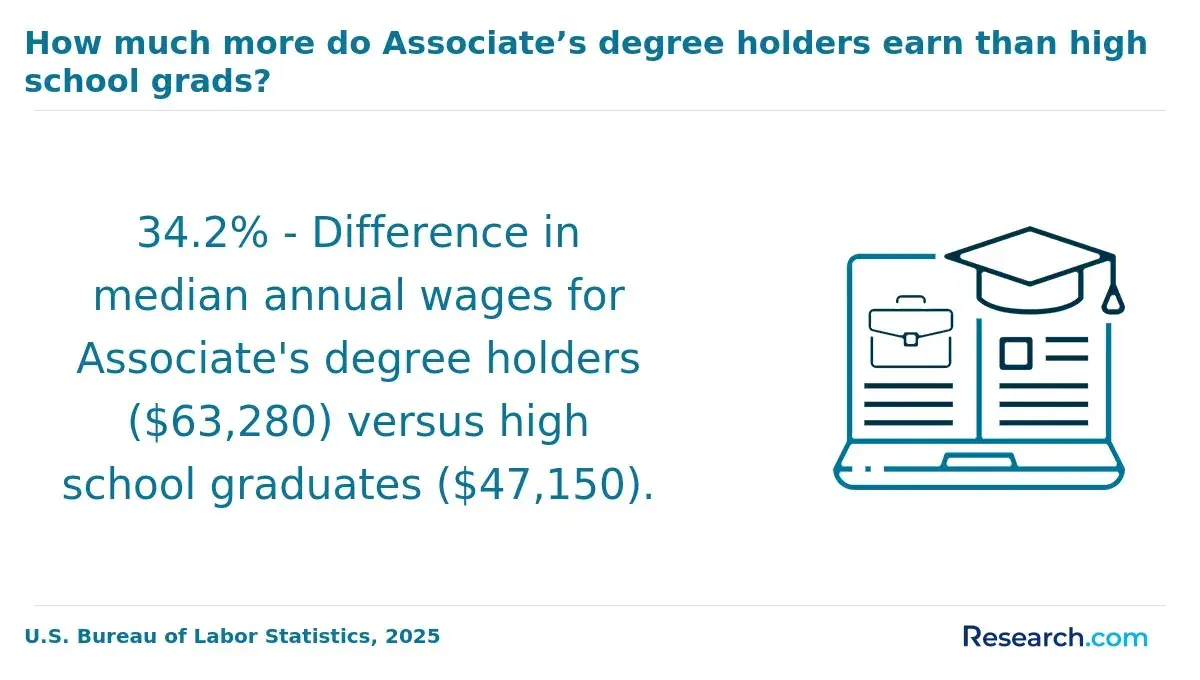
Full-time online astronomy & space studies bachelor's degree students generally enroll in three to five courses per term, equating to about 12 to 15 credit hours and requiring 30 to 40 hours of study weekly. In comparison, part-time learners take one to two courses each term, totaling roughly 3 to 9 credit hours with an expected weekly commitment of 10 to 20 hours.
The faster pace of full-time study means students must keep up with a heavier course load and more frequent academic activities. Part-time students benefit from a slower rhythm, offering greater flexibility to manage other life responsibilities alongside their studies. Both formats demand consistent engagement, but the intensity and pacing vary significantly based on the chosen enrollment status.
The academic demands also differ in assignment frequency and time management. Full-time students face weekly assignments and tighter deadlines that require effective multitasking across multiple courses simultaneously. Part-time students encounter fewer assignments spaced out over time, allowing for more focused attention on each task but requiring long-term discipline to maintain momentum. Adult learners pursuing either path must balance coursework with personal and professional obligations, though the concentrated workload of full-time study calls for sharper organizational skills. Meanwhile, part-time study offers a more manageable schedule but challenges motivation through an extended academic timeline.
Which Option Is Better for Working Adults in an Online Astronomy & Space Studies Bachelor's Degree?
Both part-time and full-time online astronomy & space studies bachelor's programs can fit the needs of working adults, depending on their schedules, personal commitments, and ability to manage workloads. Data from the National Center for Education Statistics shows that nearly 40% of online undergraduates are employed full-time, highlighting the need for flexible options. The following points outline key differences to consider.
- Scheduling Flexibility: Part-time students often benefit from choosing lighter course loads per term, which helps accommodate variable work hours and family duties. Full-time programs usually require a steady weekly time dedication, offering less maneuverability.
- Workload Intensity: Enrolling full-time generally means balancing multiple classes simultaneously, which may speed up degree completion but increases short-term pressure. Part-time students spread out courses over more semesters, easing immediate academic stress.
- Time Management: Full-time learners gain momentum from consistent study routines but juggle more assignments at once, demanding strong organizational skills. Part-time students must maintain self-discipline over longer periods to ensure steady progress.
- Pace of Completion: Full-time study can accelerate graduation timelines, enabling quicker career advancement or further education. Part-time study extends program length, offering greater flexibility but delaying degree completion.
A working professional pursuing an online astronomy & space studies bachelor's shared her reflections. She described the challenge of balancing evening shifts with coursework deadlines and how choosing part-time study allowed her to adapt week by week. "It was tough at times to stay motivated without the daily academic push," she noted, "but spreading out classes helped me remain consistent without feeling overwhelmed." Her experience underscored the personal nature of deciding between part-time and full-time pathways, depending largely on individual rhythms and commitments.
Can I Switch From Part-Time to Full-Time in an Online Astronomy & Space Studies Bachelor's Degree?
Many online astronomy & space studies bachelor's degree programs provide the option to switch between part-time and full-time enrollment as students' schedules, academic progress, or personal commitments evolve. This flexibility supports various learning needs, allowing students to adjust their course loads without pausing their education. Studies reveal that nearly 40% of nontraditional learners adjust their enrollment status at least once, reflecting a broader trend in online education toward adaptable pacing. Such mobility is particularly valuable for those balancing work and family while pursuing degrees. Students considering changing their status should understand program deadlines and requirements tied to these transitions.
Those changing enrollment status in online astronomy and space studies bachelor's programs need to weigh several factors. Moving from part-time to full-time typically means managing a heavier workload and faster study cadence, which could affect daily schedules significantly. Full-time enrollment usually accelerates degree completion but demands greater academic commitment, while program policies may restrict how often students switch between study types. Eligibility often depends on maintaining good academic standing and the availability of required online courses. For additional insights on flexible study options, exploring resources like online PsyD programs may be helpful.
How Does Tuition Differ for Part-Time vs Full-Time Online Astronomy & Space Studies Bachelor's Degrees?
Tuition for online astronomy & space studies bachelor's degree programs varies depending on whether students enroll full-time or part-time, as well as how schools price their courses. On average, tuition rates for these programs can range from $300 to $600 per credit hour, though costs differ widely. Understanding these structures helps students plan financially and choose the best pacing for their education.
Part-Time Online Programs
- Per-Credit Billing: Tuition is generally charged per credit, allowing payments to align closely with the number of courses taken each term, providing flexibility but spreading costs over more months or years.
- Extended Duration Costs: Longer completion times may introduce additional fees or adjustments if tuition rates increase during enrollment, potentially raising the total amount paid.
- Payment Distribution: Costs are distributed over many smaller payments, which can help manage cash flow but might also extend the timeline for satisfying tuition obligations.
- Flexibility Trade-Off: While spreading out coursework lessens immediate expenses, changes in policies or fees could slightly increase long-term outlays compared to upfront payments.
Full-Time Online Programs
- Flat-Rate Tuition: Many schools offer a fixed tuition amount covering a set credit range per term, which often makes full-time enrollment more cost-effective per credit hour.
- Concentrated Payments: Students pay larger lump sums each semester, speeding up degree completion but requiring more substantial financial commitment in shorter periods.
- Faster Progress: Taking more credits per term generally leads to lower overall length of study, which can reduce exposure to tuition increases or additional fees.
- Potential Savings: Flat-rate pricing can make loading up credits a better deal financially versus the incremental cost per credit in part-time models.
A graduate of an online astronomy & space studies bachelor's degree recalled that managing tuition was "a balancing act." He shared that part-time enrollment allowed him to continue working but he had to stay vigilant about fluctuating costs over the years. "It wasn't just about paying per class; I watched for any fee changes and budgeted accordingly." Meanwhile, he observed that full-time peers faced bigger upfront payments but completed their degrees faster, which seemed to simplify their financial planning. He described the choice as "really about matching tuition timing to personal circumstances, not necessarily paying less or more in total."
Which Option Offers Better Financial Aid for an Online Astronomy & Space Studies Bachelor's Degree?
Financial aid availability for online astronomy & space studies bachelor's degree programs often varies based on enrollment status, eligibility criteria, and specific institutional policies. Approximately 40% of part-time online students receive some form of financial aid, demonstrating that while support is accessible, it tends to be less comprehensive compared to full-time students. Here is a comparison of common financial aid types for part-time versus full-time students.
- Federal Pell Grants: Primarily aimed at full-time undergraduates, these grants may be prorated or unavailable for part-time students depending on their credit load, limiting the support for those enrolled less than full-time.
- Federal Student Loans: Both part-time and full-time students can access federal loans, but full-time students generally qualify for higher borrowing limits, which can affect the total financial aid received.
- Work-Study Programs: These programs usually require full-time enrollment and active on-campus participation, making part-time students less likely to be eligible or to benefit significantly.
- Institutional Scholarships: Policies vary widely by institution; some scholarships favor full-time enrollment, while others are designed to assist part-time or nontraditional students, offering flexible opportunities.
- State Grants: Often tied to at least half-time enrollment, some part-time students benefit if they meet this threshold, but those with very low credit hours may be excluded from this aid.
Because aid rules differ considerably across schools, prospective students should consult financial aid offices and review institutional specifics to identify which options best accommodate their status in an online astronomy & space studies bachelor's program.
What Are the Pros and Cons of Part-Time vs Full-Time Online Astronomy & Space Studies Bachelor's Degrees?
Choosing between part-time and full-time online astronomy & space studies bachelor's degree programs involves balancing personal commitments with educational goals. These programs cater to different lifestyles, so understanding their respective advantages and challenges is essential for making the best decision. Below is a comparison of key pros and cons to consider when evaluating part-time versus full-time options for online astronomy & space studies degrees.
Pros
- Flexibility (Part-Time): Part-time study allows students to adapt coursework around work and family responsibilities, promoting a better work-life balance.
- Income Stability (Part-Time): Students can maintain steady income streams due to reduced course loads, which helps ease financial pressures during their studies.
- Faster Completion (Full-Time): Full-time programs typically allow students to graduate in four years or less, accelerating entry into advanced roles or graduate studies.
- Immersive Learning (Full-Time): Full-time study supports deeper engagement with complex topics through a structured and concentrated curriculum, fostering stronger connections with faculty and peers.
Cons
- Extended Duration (Part-Time): Part-time students usually take longer to complete their degree, potentially delaying career advancement in astronomy & space studies.
- Momentum Challenges (Part-Time): The slower pace can make it difficult to maintain academic motivation and engagement with demanding subjects like astrophysics.
- Time Commitment (Full-Time): Full-time programs require significant time investment, which can be difficult for working adults managing family and job duties.
- Financial Pressure (Full-Time): The intensity of full-time study often limits opportunities for paid work, creating potential financial challenges during the program.
For those researching pathways in STEM fields, including astronomy & space studies, it's also worth exploring related programs such as an online MBA no GRE option to diversify career opportunities.
Does Part-Time vs Full-Time Affect Career Outcomes in an Online Astronomy & Space Studies Bachelor's Degree?
Enrollment status-part-time versus full-time-generally does not have a direct impact on career outcomes for graduates of online astronomy & space studies bachelor's degree programs in the US. A 2023 survey by the National Association of Colleges and Employers (NACE) found that 72% of employers prioritize skills-based hiring over traditional degree timelines, highlighting the emphasis on practical abilities. This shift shapes how enrollment status affects job prospects after an online astronomy & space studies degree.
Key elements that influence career success for both part-time and full-time learners include:
- Skill Development: Mastery of core astronomy concepts, data analysis, and technical tools matters more than how quickly the degree is completed. Employers seek graduates who can apply knowledge effectively in STEM roles.
- Work Experience Integration: Part-time students often balance work with study, gaining relevant hands-on experience that enhances their resumes and job readiness in space science fields.
- Degree Credibility: Accreditation of the online program remains critical, regardless of enrollment status, ensuring employers view the qualifications as legitimate and rigorous.
- Networking Opportunities: Full-time students may have easier access to virtual or campus activities that foster professional connections, which can support career advancement.
- Career Progression: Both groups can advance effectively by leveraging internships, research projects, and skill certifications during their studies, aligning with employer expectations for applied competence.
Students weighing part-time vs full-time online astronomy & space studies bachelor's degree options should focus on programs that offer strong accreditation and practical skill-building. For those seeking the best balance of cost and quality, best value online interdisciplinary studies degrees may provide flexible pathways to meet individual career goals.
What Mistakes Should I Avoid in Part-Time vs Full-Time Study?
Deciding between part-time and full-time study in an online astronomy & space studies bachelor's program demands thoughtful preparation. Nearly 40% of online students face challenges with managing their time, which can increase the risk of falling behind or dropping out. Recognizing potential obstacles early helps in creating strategies to stay on track.
Common mistakes to watch for include:
- Underestimating Workload: Full-time students often encounter demanding weekly commitments, while part-time learners might overlook how assignments add up over time, potentially causing burnout in both groups if not monitored.
- Poor Time Management: Balancing study with other responsibilities is tough. Part-time students juggling jobs risk procrastination, and full-time students need disciplined schedules to focus properly amidst intensive courses.
- Misaligned Schedules: Part-time learners frequently struggle with job hours conflicting with deadlines, whereas full-time students may find it difficult to balance family or personal duties alongside a heavy academic load.
- Unrealistic Expectations: Many assume online programs require less effort, especially part-time students who believe flexibility means less rigor, leading to insufficient preparation.
- Lack of Consistent Engagement: Part-time students might fall behind without regular participation in discussions and assignments, while full-time students must avoid isolation despite their busy schedules to maintain motivation.
What Graduates Say About Part-Time vs Full-Time Online Astronomy & Space Studies Bachelor's Degree Programs
- Dante: "Choosing the full-time online astronomy & space studies bachelor's degree was a game-changer for me because it allowed me to fully immerse myself in the coursework while maintaining a flexible schedule. The intensity of the program was challenging but incredibly rewarding, especially as I learned to balance complex simulations and research projects remotely. Graduating has opened doors to advanced internships and gave me a solid foundation to pursue a career in astrophysics."
- Collin: "As a working professional, I opted for the part-time online astronomy & space studies bachelor's degree to continue supporting my family while advancing my education. It wasn't always easy juggling job demands and deadlines, but the program's modular format and supportive faculty helped me stay on track. Earning this degree has boosted my confidence and enabled me to contribute more effectively to my team in aerospace engineering."
- Dylan: "The decision to enroll in a full-time online astronomy & space studies bachelor's program stemmed from my passion for space exploration and my desire for a comprehensive curriculum. Navigating the rigorous coursework without in-person labs required discipline and creative problem-solving, but the interactive virtual tools made learning engaging. This degree has been a crucial stepping stone in launching my career as a data analyst for a space startup, blending my technical skills with my love for the cosmos."
Other Things You Should Know About Astronomy & Space Studies Degrees
Balancing work with a part-time online Astronomy & Space Studies program can be demanding due to flexible but intense study schedules and deadlines. Effective time management is crucial to manage coursework, hands-on projects, and exams while maintaining professional responsibilities. Students must prioritize and adjust their schedules to accommodate both commitments effectively.
Lab components in online Astronomy & Space Studies programs generally remain consistent regardless of part-time or full-time status. Labs may be delivered through virtual simulations or at approved local facilities. Students should confirm with their program how lab requirements are handled, as scheduling may affect how quickly these components are completed.
Enrollment status affects networking in online Astronomy & Space Studies programs by influencing participation in live events and group projects. Full-time students may have more immediate opportunities due to their accelerated schedule, while part-time students may build connections over a longer period. Digital forums and events are available to all students to foster interaction.
References
- BSc (Hons) in Physics with Astronomy & Space Science at the University College Dublin https://www.therightu.com/course/university-college-dublin-physics-with-astronomy-space-science-bsc-hons-dn200-mpg3
- Planetary Science with Astronomy https://www.bbk.ac.uk/courses/undergraduate/planetary-science-with-astronomy
- Full-time, part-time, online - which study mode is right for you? https://www.studentspace.pl/en/blog/post/studia-stacjonarne-zaoczne-wieczorowe---ktory-tryb-wybrac
- 5 Tips for Studying an Online Degree Whilst Working Full Time- Online https://www.ukstudyonline.com/5-tips-for-studying-an-online-degree-whilst-working-full-time/
- Can I change from full time to part time study? https://usqassist.custhelp.com/app/answers/detail/a_id/1447/~/can-i-change-from-full-time-to-part-time-study%3F
- Distance Learning Courses - Physics, Space Science and Theories - Stargazers Lounge https://stargazerslounge.com/topic/341445-distance-learning-courses/
- Is it possible to transfer from full-time to part-time and vice versa? https://bizbase.techinfus.com/en/mojno-li-perevestis-s-ochnogo-na-zaochnoe-i-naoborot.html
- Which college to choose - full-time or part-time? - PJAIT https://pja.edu.pl/en/studia-stacjonarne-dzienne-czy-niestacjonarne-zaoczne-studiuj-na-wlasnych-warunkach