2027 Online Astronomy & Space Studies Bachelor's Degree Programs for Adult Learners Returning to School

Co-Founder and Chief Data Scientist
Many adult learners face the challenge of balancing full-time jobs and family commitments while pursuing a bachelor's degree in astronomy & space studies. The rigid schedules of traditional programs often conflict with these responsibilities, discouraging potential students from returning to school. According to the National Center for Education Statistics, 44% of undergraduate students in the U.S. are age 25 or older, highlighting a growing demand for flexible learning options.
This article explores online astronomy & space studies bachelor's degree programs tailored for adult learners, providing guidance on how these options can accommodate busy lifestyles and support career advancement.
Key Benefits of Online Astronomy & Space Studies Bachelor's Degree Programs for Adult Learners Returning to School
- Flexible scheduling allows working adults to balance studies with professional and personal commitments, with 63% of online learners citing this as a primary reason for enrolling.
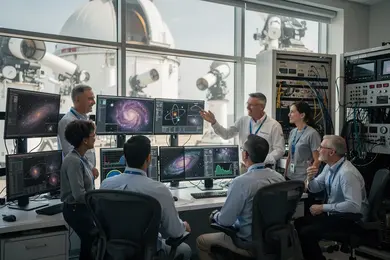
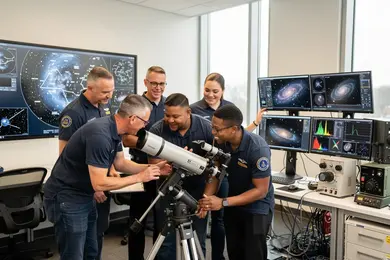
- Programs focus on practical skills like data analysis and telescope operation, enhancing career prospects in STEM and research fields.
- Online platforms foster connections with peers and professionals nationwide, expanding networking opportunities critical for job placement and collaboration.
Who Qualifies as an Adult Learner in an Online Astronomy & Space Studies Bachelor's Degree?
An adult learner in online higher education is generally defined as someone beyond the traditional college age of 18 to 22 who pursues degrees while managing other responsibilities. Nearly 40% of students enrolled in online programs fall into this nontraditional category, underscoring the importance of flexible learning paths. Many adult students explore degrees that fit their schedules and career goals. The following outlines common categories of adult learners eligible for online astronomy & space studies bachelor's degrees.
- Working Professionals: These learners pursue online astronomy & space studies degrees to enhance scientific knowledge or to gain credentials that support their advancement in STEM or technology sectors. They value the ability to study alongside full-time employment.
- Career Changers: Individuals transitioning into astronomy, space science, or related fields represent a significant group. They seek programs that provide foundational knowledge while accommodating their need to balance education with new career exploration.
- Military Veterans: Veterans often utilize flexible online formats to align their prior experience with astronomy and space studies. They benefit from programs designed with adaptability and recognition of life experience in mind.
- Parents and Caregivers: Those returning to school after a family or career break find that online formats offer vital flexibility, allowing them to manage caregiving duties alongside academic progress.
- Returning Students: Individuals with some prior college experience choose to complete their bachelor's degrees in fields they are passionate about, supported by admissions criteria that cater to adults. Prospective students can learn more about the easiest online masters as part of their educational planning.
For adults navigating their options, understanding the criteria for returning adult students to online astronomy & space studies programs helps clarify the path forward. Programs strive to accommodate diverse experiences, making science education more accessible to learners committed to expanding their horizons.
What Are the Admission Requirements for an Online Astronomy & Space Studies Bachelor's Degree for Adult Learners?
Admission requirements for online astronomy & space studies bachelor's programs tailored to adult learners aim to support those with nontraditional educational paths while maintaining academic rigor. These criteria ensure students returning to school are ready to manage the demands of a scientific curriculum and the challenges of remote study. The following are some typical requirements for admission.
- Proof of Prior Education: Applicants usually must provide a high school diploma or equivalent, such as a GED. This verifies foundational knowledge essential for undergraduate coursework, especially in astronomy and space studies.
- Application Submission: A completed program- or university-specific application form is required. It gathers critical personal, academic, and sometimes work-related information to assess the candidate's fit for the program.
- Academic Transcripts: Transcripts from previous schooling, particularly college-level courses, help admissions review academic performance and readiness for advanced math and science topics. Many schools recognize transfer credits and work experience for adult learners in astronomy and space studies, which can strengthen an application.
- Online Learning Readiness: Some programs request evidence of basic preparedness for online study. This might include a written statement, a brief questionnaire, or proof of prior experience with digital platforms and self-guided coursework.
Often, applicants also submit personal statements or letters of intent outlining their motivation and career goals. Adult learners returning to education benefit from knowing that admissions criteria balance flexibility with thorough evaluation to support student success. For those seeking further leadership education opportunities, explore options such as a doctorate in leadership online to advance your career trajectory.
2026 Update: Planning for Online Labs, Observation Work, and Space Science Tools
This 2026 update adds guidance on the practical learning components adult learners should review before enrolling in an online astronomy and space studies bachelor’s program.
- Whether required labs are fully online, completed with home kits, or tied to scheduled virtual sessions.
- Access to astronomy software, simulation platforms, star charts, or data analysis tools used in coursework.
- Any telescope, camera, or observation requirements that may involve extra purchases or local site visits.
- How weather-dependent observation assignments are handled for students with work or family obligations.
- Whether courses use real space mission data, remote observatories, or archived datasets for applied projects.
- Technical requirements, including computer specifications, internet speed, and support for specialized software.
Checking these details helps returning students avoid surprises and choose a program that fits both their schedule and the hands-on nature of astronomy coursework.
Do Adult Learners Need SAT or ACT for an Online Astronomy & Space Studies Bachelor's Degree?
Most online astronomy & space studies bachelor's programs tailored for adult learners do not require SAT or ACT scores for admission, focusing instead on prior academic achievements and overall preparedness for college-level work. Admissions offices often evaluate transcripts and relevant work experience rather than standardized test results, recognizing that such exams may not fairly represent the skills of nontraditional students.
In fact, over 65% of four-year U.S. colleges have embraced test-optional policies in recent years, a shift that benefits adults returning to education after time away. Waiving standardized tests helps reduce barriers to higher education and allows schools to consider diverse academic and professional backgrounds more holistically. This approach supports accessibility and better aligns evaluation with the varied experiences of adult students pursuing astronomy & space studies degrees.
When speaking with an adult learner currently enrolled in an online astronomy & space studies bachelor's program, he emphasized the relief and motivation he felt knowing that submitting SAT or ACT scores wasn't required. "I had been out of school for over a decade and worried that my test-taking skills were rusty," he shared. The application process was straightforward as he could focus on showcasing his past college coursework and career experience. He described feeling more confident about his readiness because the admissions criteria reflected his real-world competencies rather than a timed exam performance, adding that this made returning to school feel less intimidating and more achievable.
How Flexible Are Online Astronomy & Space Studies Bachelor's Degree Programs for Adult Learners?
Flexibility is a cornerstone of online learning, especially vital for adult students balancing education with work and family commitments. Studies indicate that about 72% of online learners select programs for their adaptable scheduling, enhancing the ability to maintain steady progress without overwhelming other life areas. This adaptability plays a key role in supporting persistence and achievement for adult learner-friendly astronomy and space studies online courses. Below are some common features that promote such flexibility.
- Asynchronous Learning: Courses are structured so students can access lectures and submit assignments anytime, allowing adult learners to study around their existing schedules and avoid fixed login times.
- Part-Time Enrollment: Many programs offer part-time options, enabling students to extend their studies over longer periods and better accommodate full-time jobs or family duties.
- Self-Paced Coursework: Certain programs let learners progress through content independently, providing control over how quickly they complete their degree requirements.
- 24/7 Material Access: Resources such as online libraries and discussion forums remain available at all hours, supporting study during evenings, weekends, or other convenient times.
For adults seeking a flexible online astronomy and space studies degree programs for adults, these features can make returning to school more manageable and efficient. To explore various options, consider checking out an accelerated paralegal program online for an example of how online degrees can be structured to support busy adult learners.
Can I Transfer Previous College Credits to an Online Astronomy & Space Studies Bachelor's Degree?
Many online bachelor's degree programs accept transfer credits, helping students accelerate their studies and avoid repeating similar coursework. According to the National Student Clearinghouse Research Center, about 37% of undergraduates transfer credits from other institutions, demonstrating how widespread this option is. Here are some important factors regarding credit transfer in astronomy & space studies programs:
- Evaluation of Prior Coursework: Colleges review previous transcripts thoroughly to ensure transferred courses meet their academic standards and align with program requirements in astronomy, physics, or related fields.
- Credit Limits: Most programs cap the number of transfer credits allowed, generally between 60 and 90 semester hours, requiring students to complete a core portion of their degree at the institution granting the degree.
- Relevance to Program: Transfer credits usually must be directly related to astronomy, mathematics, physics, or other foundational sciences to count toward degree progress.
- Benefits for Adult Learners: Recognizing prior learning enables working adults to save time and tuition costs, making returning to school more manageable alongside personal and professional responsibilities.
- Variation by Institution: Since policies differ widely, prospective students should research individual schools carefully to understand what credits may be accepted.
An adult learner who completed an online astronomy & space studies bachelor's degree shared that navigating credit transfer was initially overwhelming. She recounted spending significant time gathering syllabi and transcripts from prior colleges, then working closely with academic advisors to clarify which courses qualified. "It wasn't always straightforward," she said, "but knowing that some of my past efforts counted gave me the encouragement to keep going." Her experience highlighted the value of persistence and proactive communication in successfully applying transfer credits toward her degree.
Does Work Experience Count Toward an Online Astronomy & Space Studies Bachelor's Degree?
Many online bachelor's degree programs in astronomy & space studies recognize the importance of prior learning and professional experience in evaluating academic credit. Research shows that more than 70% of universities offer credit for prior learning, which can accelerate degree completion for adult learners. Several methods are used to assess how work experience applies to academic requirements.
- Prior Learning Assessments: These evaluations measure a student's experiential knowledge against course objectives, awarding credit when competencies align with academic standards.
- Portfolio Reviews: Learners submit collections of professional work, such as projects and certifications, allowing faculty to assess relevant skills and grant credit accordingly.
- Competency-Based Evaluations: This approach requires students to demonstrate mastery of key astronomy & space studies topics through exams or applied assignments, reflecting their real-world expertise.
- Standardized Exams: Some programs accept results from widely recognized tests like the CLEP, which help validate knowledge obtained outside traditional coursework.
Applying work experience toward degree requirements can reduce unnecessary course repetition and shorten the path to graduation. It also enables adult learners to connect academic theories with practical understanding, enhancing engagement with subjects such as astrophysics, orbital mechanics, and space mission planning. Since policies vary, students should consult individual programs about how their professional backgrounds might translate into credit.
How Much Does an Online Astronomy & Space Studies Bachelor's Degree Cost for Adult Learners?
The cost of earning an online Astronomy & Space Studies bachelor's degree for adult learners depends largely on factors such as program design and how quickly students progress. On average, tuition for online bachelor's degrees in the U.S. ranges between $300 and $600 per credit hour, though actual costs may vary based on the institution and program features. These variables influence how much adult learners should expect to invest in their education.
Key cost components to consider include:
- Tuition Per Credit: Most online programs charge tuition based on credit hours, so part-time students may pay less each term but spend longer completing their degree. This pay-as-you-go model allows flexibility but affects overall duration and total cost.
- Technology Fees: These cover access to online learning platforms, video conferencing software, and technical support essential for remote coursework. Fees vary by institution but are usually charged each term.
- Course Materials: In addition to digital resources, students often need to purchase textbooks, specialized software, or lab kits related to astronomy and space studies. These materials support hands-on learning and can add to the overall expense.
- Lab and Science Fees: Some programs include fees to support virtual labs, simulations, or specialized online equipment necessary for science courses. These costs ensure practical experience in a remote setting.
- Miscellaneous Expenses: Additional costs may include graduation fees, proctoring services for exams, or optional experiential components that enhance learning opportunities.
Are There Financial Aid Options for Adult Learners in Online Astronomy & Space Studies Bachelor's Degrees?
Financial aid plays a vital role for adult learners pursuing online astronomy & space studies bachelor's degrees, helping to make higher education more affordable. National data shows that approximately 85% of adult learners receive some form of financial assistance when returning to school, underscoring the widespread use of these resources. Various aid options exist to support these nontraditional students.
Common financial aid opportunities include:
- Grants: These funds do not require repayment and are often awarded based on financial need. Grants come from federal, state, or institutional sources and provide essential upfront support to reduce tuition expenses.
- Student Loans: Federal and private loans allow learners to spread tuition costs over time. Although repayment with interest is required, loan programs often feature flexible plans suited for working adults balancing education and career.
- Employer Tuition Assistance: Many employers offer partial or full reimbursement for degrees related to an employee's job, including astronomy & space studies. This benefit helps reduce out-of-pocket costs and aligns educational progress with career advancement.
- Payment Plans: Offered by many institutions, these plans divide tuition into smaller installments, easing the financial burden on adult learners juggling family and work commitments.
Adult learners exploring financial aid should also consider scholarships and grants available for nontraditional students in astronomy & space studies programs. Those looking for related graduate programs might explore MBA programs online no GMAT, which often feature flexible admissions standards and financial options as well.
Do Employers Value Online Astronomy & Space Studies Bachelor's Degrees for Adult Learners?
Employers' perceptions of online astronomy & space studies bachelor's degrees for adult learners have shifted considerably in recent years. Increasingly, online degrees are viewed as credible credentials, especially as reputable institutions maintain rigorous standards for their virtual programs. According to a 2023 survey by the National Association of Colleges and Employers (NACE), over 70% of employers regard online degrees as equally valid compared to traditional degrees, reflecting a wider adoption of skills-based hiring. This approach prioritizes what candidates can accomplish, which benefits adult learners pursuing online astronomy & space studies degrees recognized by employers who emphasize technical abilities and practical knowledge.
Several key factors shape employer attitudes toward online graduates. Accreditation remains vital, with degrees from regionally accredited universities or those endorsed by authoritative scientific education bodies providing assurance of quality. The relevance of coursework and hands-on experiences, such as virtual labs and research projects, further strengthens a candidate's profile.
Employers also value how adult learners combine prior work experience with their newly acquired academic know-how, signaling adaptability and dedication. For those interested in supplementing their education or exploring high-return credentials, certificate programs that pay well can complement career advancement with an online astronomy and space studies bachelor's degree.
How Do I Choose the Best Online Astronomy & Space Studies Bachelor's Degree Program for Adult Learners?
Choosing an online astronomy & space studies bachelor's program is a significant decision for adults managing careers and family responsibilities alongside their education. Recent data reveal that 70% of online students emphasize program flexibility and support services as top priorities in their decision-making process. The following factors can help guide your selection.
- Accreditation: Verify that the program holds regional or national accreditation to ensure academic credibility and transferability of credits. This also affects eligibility for financial aid and recognition by employers.
- Program Flexibility: Look for options such as asynchronous coursework, part-time enrollment, and manageable pacing to accommodate your schedule and life commitments.
- Curriculum Quality: The program should cover key subjects like astrophysics, planetary science, and space technology while offering electives that align with your career objectives and interests.
- Student Support: Strong advising, tutoring, and technical assistance are critical to maintaining progress and overcoming challenges in a remote learning environment.
- Tuition and Affordability: Assess total costs, financial aid availability, and scholarships to make the program financially feasible without undue hardship.
- Career Outcomes: Understanding how the degree can open opportunities in research, education, or aerospace fields helps measure the program's return on investment.
What Graduates Say About Online Astronomy & Space Studies Bachelor's Degree Programs for Adult Learners Returning to School
- Dante: "Returning to school as an adult was daunting, but my growing passion for the universe motivated me to pursue an online astronomy & space studies bachelor's degree. The flexibility of the program allowed me to balance work, family, and studies without feeling overwhelmed. Since graduating, I've been able to transition into a science outreach role, connecting communities with the wonders of space."
- Collin: "After years in a career unrelated to science, I realized I wanted to deepen my understanding of the cosmos and challenge myself intellectually. Choosing an online astronomy & space studies degree gave me the chance to study from anywhere while managing my busy schedule. This program has not only expanded my knowledge but also opened doors to advanced research opportunities I hadn't imagined possible."
- Dylan: "My decision to return to school was driven by a lifelong curiosity about space and a desire to build a career that aligned with it. I selected an online astronomy & space studies bachelor's program because it offered both rigorous academics and the convenience needed for my full-time job. Earning this degree has empowered me to engage confidently in the aerospace industry and pursue roles focused on space technology development."
Other Things You Should Know About Astronomy & Space Studies Degrees
In 2027, online astronomy & space studies programs typically provide career support services such as virtual job fairs, resume workshops, and networking opportunities. They also often have partnerships with space industry organizations that can provide adult learners with pathways to internships and job placements.
Yes, several online programs allow students to focus on areas such as astrophysics, planetary science, or space technology. These specializations help tailor the degree to specific career goals or research interests. Availability of concentrations depends on the institution's curriculum structure.
Accredited online astronomy & space studies degrees are generally accepted by graduate programs in astronomy, physics, and related fields. Admissions committees typically look for accredited coursework and demonstrated research experience. It is advisable to verify specific graduate program requirements beforehand.
References
- Florida Space Grant Consortium https://floridaspacegrant.org/program/undergraduate-scholarships/
- Resumed Education for Adult Learning (REAL) https://students.tufts.edu/academic-advising-and-undergraduate-studies/resources/real-students
- Exploring the Universe: The Benefits of Astronomy Education in Summer Learning Programs https://www.slooh.com/post/benefits-of-astronomy-education-in-summer-learning
- A Pilot Study from A Course-Based Undergraduate Research Experience for Online Degree-Seeking Astronomy Students https://astroedjournal.org/index.php/ijae/article/view/87
- World's Largest platform as University Common Application https://www.planstudyabroad.uniagents.com/course-details.php
- A Pilot Study from A Course-Based Undergraduate Research Experience for Online Degree-Seeking Astronomy Students https://www.astroedjournal.org/index.php/ijae/article/view/87
- Options for Financial Aid https://skylinecollege.edu/financialaid/options.php
- Adult Learners https://www.newschool.edu/admission/prospective-undergraduate-students/adult-learners/
- How to Go Back to School as an Adult https://www.callutheran.edu/programs/articles/how-to-go-back-to-school-as-an-adult/