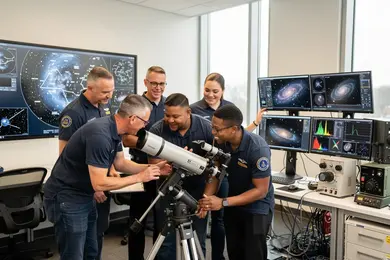
2027 Accredited Online Astronomy & Space Studies Bachelor's Degree Programs: How to Verify Quality

Co-Founder and Chief Data Scientist
Prospective students often face challenges when verifying the quality of accredited online astronomy & space studies bachelor's degree programs-especially given the rise of unaccredited providers. Nearly 35% of students researching online STEM degrees report difficulty distinguishing between recognized accreditation and misleading credentials. This confusion can delay career progress or result in unenforceable qualifications. Understanding how to confirm program accreditation, relevance, and industry acceptance is critical for those seeking a legitimate pathway into this competitive field. This article will clarify key verification steps, accreditation bodies to trust, and indicators of program quality, helping readers make informed decisions and avoid costly mistakes.
Key Benefits of Knowing How to Verify the Quality of Accredited Online Astronomy & Space Studies Bachelor's Degree Programs
- Knowing how to verify accreditation helps students avoid diploma mills that offer illegitimate degrees, which can hinder employment and further education opportunities.
- Understanding recognized credentials allows students to distinguish programs that meet regional accreditation and discipline-specific standards critical for credit transfer and licensure.
- Verifying quality protects against poor-value or fraudulent programs, ensuring students invest in regionally accredited astronomy & space studies degrees with valid industry recognition.
What Accreditation Bodies Are Authorized to Certify Online Astronomy & Space Studies Bachelor's Degree Programs in the United States?
Accreditation is a formal evaluation process verifying that a college or university meets established standards of education and institutional effectiveness. For online astronomy & space studies bachelor's degree programs, both institutional and programmatic accreditation play distinct roles in assuring quality and recognition.
- Institutional Accreditation: This applies to entire colleges or universities and is the most important type for students to verify. Regional and national accreditation for online astronomy degrees is typically granted by regional bodies recognized by the U.S. Department of Education, which oversee a school's overall academic quality.
- Regional Accrediting Bodies: The six principal regional accrediting agencies are the Higher Learning Commission (HLC), Southern Association of Colleges and Schools Commission on Colleges (SACSCOC), New England Commission on Higher Education (NECHE), WASC Senior College and University Commission (WSCUC), Middle States Commission on Higher Education (MSCHE), and Northwest Commission on Colleges and Universities (NWCCU). Each accredits institutions within a specific U.S. geographic region that offer online astronomy & space studies degrees.
- Programmatic Accreditation: Astronomy & space studies programs may sometimes carry specialized accreditation or endorsements from professional organizations. Although less common, this programmatic accreditation can increase employer recognition and eligibility for licenses, making it a valuable consideration for students.
- Verification Resource: The U.S. Department of Education's Database of Accredited Postsecondary Institutions and Programs (DAPIP) is the authoritative source to confirm a program's accreditation status. Students can use this tool to avoid diploma mills and ensure credits earned in online astronomy degrees transfer appropriately.
For those exploring career paths or academic advancement, comparing accredited programs side-by-side might include looking into related options, such as an online EdD, depending on long-term goals.
How Can Prospective Students Verify Whether an Online Astronomy & Space Studies Bachelor's Program Holds Valid, Current Accreditation?
To verify valid accreditation for online astronomy & space studies bachelor's programs, begin with the U.S. Department of Education's Database of Accredited Postsecondary Institutions and Programs (DAPIP) and the Council for Higher Education Accreditation (CHEA) database. These trusted sources provide comprehensive lists of recognized accrediting agencies and accredited institutions nationwide, helping confirm the legitimacy of the program's accreditation claim.
- Use Official Databases: Check DAPIP and CHEA to identify if the institution and its accreditor are recognized. This step is vital for avoiding diploma mills and unrecognized credentials that offer little value.
- Cross-Reference Accreditor's Roster: Visit the accrediting agency's official website to ensure the school appears on their current list of accredited institutions. Look for the institution's exact name and location matching your program, the effective start and expiration dates of accreditation to ensure it is current, and whether the astronomy & space studies program falls within the scope of accreditation.
- Assess Scope and Relevance: Confirm that accreditation covers the bachelor's degree level in astronomy & space studies specifically, not just general institutional accreditation. Some accreditors focus on vocational or religious programs, which may not satisfy academic credential requirements.
- Watch for Red Flags: Avoid institutions citing accreditation from agencies not recognized by the U.S. Department of Education or CHEA. Unrecognized or fake accrediting agencies often have confusing or unofficial names and can jeopardize your degree's legitimacy.
- Contact Accrediting Bodies Directly: If you encounter conflicting or unclear information, reach out by phone or email. Direct communication can verify accreditation status and clarify any complexity in their listings.
- Understand Accreditation Types: Regional accreditation typically ensures broader acceptance for credit transfer, employer recognition, and licensure eligibility, while national accreditation might have limitations. Programmatic accreditation specific to STEM fields may also apply to astronomy & space studies degrees. This understanding is key when checking recognized accreditation agencies for online astronomy & space studies bachelor's degrees.
Students seeking affordable options for advanced education may also explore affordable doctoral programs in leadership, which can complement a career in science education or administration.
What Is the Difference Between Regional and National Accreditation for Online Astronomy & Space Studies Bachelor's Programs, and Which Matters More?
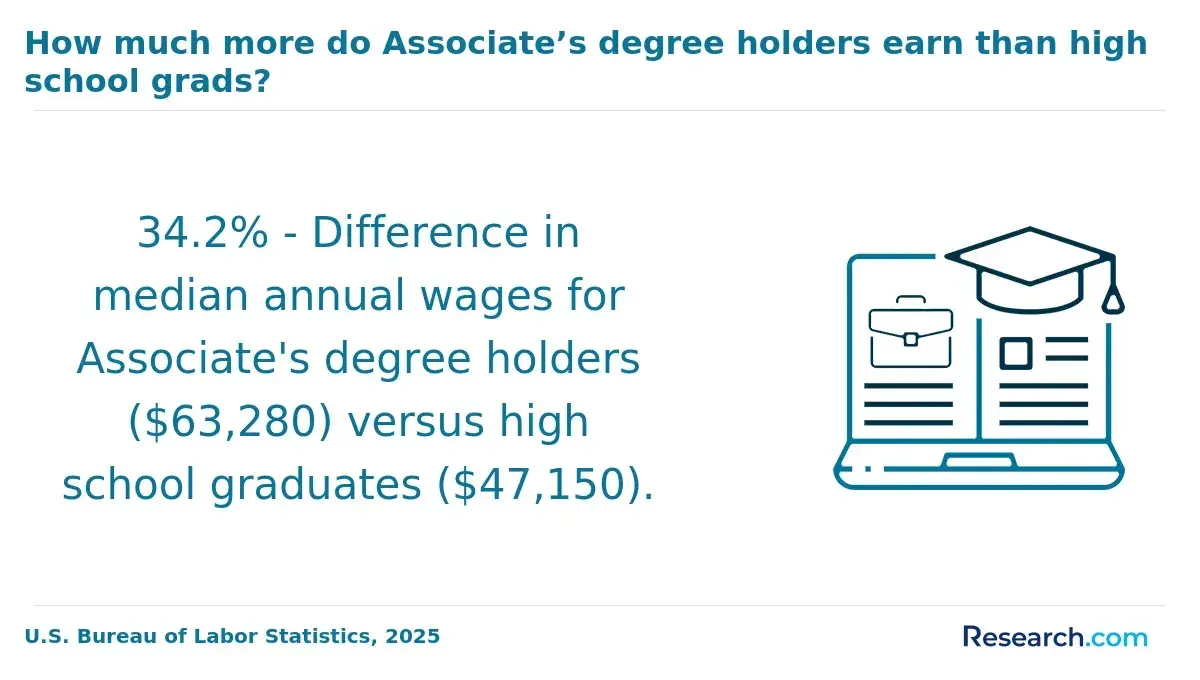
Historically, regional accreditation applied to institutions within specific geographic areas and was seen as a marker of academic rigor. National accreditation tended to cover career-focused and vocational schools with a broader scope across the country. Although the U.S. Department of Education no longer officially distinguishes between these categories, the legacy differences continue to impact credit transfers, employer perceptions, and graduate program admissions in astronomy & space studies.
- Credit Transferability: Credits earned at regionally accredited colleges are more readily accepted by other universities, making it easier for astronomy & space studies students to continue their education. Schools with national accreditation often have stricter transfer policies, which may limit a student's academic flexibility.
- Employer Recognition: Degrees from regionally accredited institutions typically hold greater weight with employers due to their established academic standards. Meanwhile, nationally accredited programs, which often focus on vocational training, may not be as highly regarded in competitive job markets.
- Graduate School Eligibility: Admission to graduate programs in astronomy, astrophysics, and related sciences generally requires a bachelor's degree from a regionally accredited school. Students from nationally accredited colleges may encounter additional challenges when applying for advanced degrees.
- Institution Types: National accreditation often applies to for-profit colleges and online schools offering certificates or associate degrees, whereas regionally accredited schools are usually public or nonprofit institutions providing comprehensive bachelor's programs, including in astronomy & space studies.
A professional who recently completed an online astronomy & space studies bachelor's degree shared his experience after thoroughly verifying the accreditation status of his program. He described feeling overwhelmed initially by the complex accreditation landscape but found that consulting official databases brought clarity. "I wanted to ensure my degree would be recognized by employers and grad schools," he explained. The confidence gained through this research made his educational journey less stressful and more rewarding, reinforcing the importance of choosing a properly accredited program in this specialized field.
Are There Programmatic Accreditation Standards Specific to Online Astronomy & Space Studies Bachelor's Degrees That Students Should Look For?
- Regional Accreditation: This is the cornerstone for verifying the legitimacy of an online astronomy & space studies degree. Regional agencies recognized by the U.S. Department of Education assess institutions as a whole, ensuring quality in academics, faculty, and transferability of credits. Programs with regional accreditation are more likely to gain acceptance from employers and graduate schools, which is crucial for students comparing programs offering programmatic accreditation for online astronomy degree programs.
- Programmatic Accreditation: Unlike some STEM disciplines, astronomy & space studies bachelor's degrees lack a widely recognized, exclusive programmatic accreditor. Instead, endorsements from bodies like the American Astronomical Society (AAS) indicate adherence to industry curriculum standards and faculty expertise but do not equate to formal accreditation. Students should be aware that such programmatic accreditation for astronomy degree programs is uncommon and optional rather than a requirement for licensure or certification.
- Professional Associations: Engagement with organizations such as AAS or the American Institute of Aeronautics and Astronautics (AIAA) helps learners identify programs aligned with evolving career demands. These groups provide valuable guidance on program quality, research involvement, and career readiness, enhancing a graduate's employment prospects.
- Licensing and Certification: In this field, licensure or certification rarely depends on specialized programmatic accreditation. Emphasizing regional accreditation and strong professional ties often holds more weight in career advancement.
- Career Impact: Degrees backed by recognized regional accreditation and professional endorsements tend to be favored by employers and graduate programs. Those without such validation can face hurdles demonstrating program quality, especially when seeking competitive research or technical roles. Prospective students should consult professional associations to determine which programmatic credentials carry the most significance in their target job market.
Students exploring affordable paths in related disciplines may also consider programs in online accounting degrees for comparison on accreditation standards and cost effectiveness.
How Do Online Astronomy & Space Studies Bachelor's Programs Demonstrate Curriculum Quality and Academic Rigor Comparable to On-Campus Peers?
Accrediting agencies require programs to establish clear goals for student knowledge and skills, assessed regularly through exams, projects, and other evaluations. This ongoing measurement ensures programs maintain high academic standards and adapt curricula as needed.
- Faculty Qualification Review: Institutions must demonstrate that instructors possess advanced degrees and professional expertise in relevant fields like astronomy. Qualified faculty help uphold the depth and credibility of the program's instruction.
- Instructional Design Standards: Online courses undergo rigorous evaluation to confirm they follow best practices in digital education, including well-defined objectives, interactive content, and balanced assessments. These criteria guarantee rigorous engagement comparable to traditional classroom settings.
- Student Access to Curriculum Information: Prospective students can review course catalogs, syllabi, and faculty biographies published on university websites to independently gauge course rigor and instructor expertise.
- Third-Party Quality Metrics: Reports from sources like the Integrated Postsecondary Education Data System (IPEDS) provide valuable data on student-to-faculty ratios and graduation rates-indicators often correlated with personalized instruction and successful program completion.
- Direct Verification Steps: Requesting sample syllabi or contacting current students gives insight into real academic demands, helping avoid programs that overpromise and underdeliver.
A professional established in their career after completing an online astronomy & space studies bachelor's program shared that navigating the program initially felt daunting because of balancing work and study. She recalled requesting syllabi and connecting with fellow students to better understand workload expectations, which helped her prepare realistically. "Knowing the faculty were highly qualified and having transparent course materials made me confident the program met the same rigor as on-campus options," she said. Her experience underscores how transparency and structured oversight foster trust in online academic quality.
What Faculty Credentials and Qualifications Should an Accredited Online Astronomy & Space Studies Bachelor's Program Require?
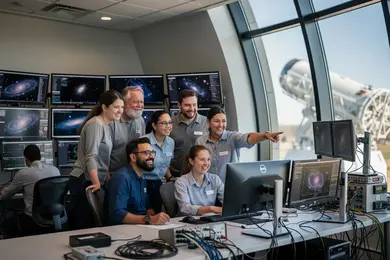
Regional accreditation for online astronomy & space studies bachelor's programs typically requires faculty to hold terminal degrees-usually a doctorate-in fields like astronomy, astrophysics, physics, or related STEM disciplines. This ensures instructors possess deep expertise necessary to deliver rigorous undergraduate education. Beyond academic credentials, relevant professional experience such as research roles or work in space-related industries enhances instructional quality by connecting theory with practical applications.
Prospective students should carefully review faculty qualifications by examining detailed bios on official college websites, which often include degrees earned, research specializations, and career highlights. Supplementing these reviews with faculty LinkedIn profiles provides additional context regarding their professional background and ongoing engagement in the field. Checking for scholarly publications, conference presentations, or memberships in astronomy societies sheds light on their active contributions to scientific progress.
The ratio of full-time to adjunct faculty also plays a crucial role in academic quality. Programs with higher proportions of full-time, credentialed faculty generally offer more consistent student advising, tailored mentorship, and a stable curriculum. Conversely, heavy reliance on adjunct instructors may limit access to faculty support and reduce opportunities for research guidance. To better understand this balance, students should inquire directly with admissions offices about the percentage of astronomy & space studies courses taught by full-time faculty.
How Are Student Learning Outcomes Measured and Reported in Accredited Online Astronomy & Space Studies Bachelor's Programs?
Student learning outcomes (SLOs) are specific statements that describe what graduates of accredited online astronomy & space studies bachelor's degree programs should know, do, and value upon completion. Accreditors require programs to define, assess, and publicly report these outcomes as part of maintaining accreditation to ensure academic quality, transparency, and accountability. Clear SLOs help prospective students and employers verify that programs effectively prepare graduates for careers or further education in the field.
Common assessment methods for these programs include capstone projects integrating critical concepts, standardized exams testing theoretical knowledge, internship evaluations that reflect real-world skills, and licensure or certification pass rates where applicable. These approaches confirm whether students have met core competencies such as analytical thinking, data interpretation, and technical skills essential to astronomy & space studies.
Students should use institutional websites, accreditation self-study reports, and databases like the Integrated Postsecondary Education Data System (IPEDS) to examine graduation rates and learning outcome data. These resources provide a transparent view of program effectiveness and benchmark performance nationally. Programs boasting graduation rates above 60 to 70 percent and positive assessment outcomes typically signify strong student support and curriculum quality. Conversely, significantly lower rates may indicate retention issues or instructional weaknesses worth further investigation.
What Role Does the U.S. Department of Education Play in Overseeing the Accreditation of Online Astronomy & Space Studies Bachelor's Programs?
The U.S. Department of Education plays a critical role in overseeing the accreditation process for online astronomy & space studies bachelor's programs by recognizing accrediting agencies that meet federal standards. This federal recognition is crucial because it determines a program's eligibility for Title IV federal financial aid, which directly affects students seeking grants, loans, or work-study options to help fund their education. For those exploring an affordable path into astronomy & space studies, understanding the federal oversight of quality standards in online astronomy & space studies bachelor's programs is a vital step in verifying program legitimacy and financial aid eligibility.
The National Advisory Committee on Institutional Quality and Integrity (NACIQI) serves as an advisory body that evaluates accrediting agencies on how well they uphold rigorous reviews of academic quality, student outcomes, and institutional support. If NACIQI or the Department of Education finds that an accreditor no longer meets federal criteria, that accreditor can lose its federal recognition. Consequently, schools accredited solely by that agency lose access to Title IV financial aid-a significant setback for students and a red flag regarding program credibility.
Recent federal policy updates have increased scrutiny over distance education, including online astronomy & space studies degrees. These changes enhance oversight requirements to ensure online programs provide strong academic rigor and sufficient student support services. Still, it is important to remember that federal recognition sets only a minimum quality baseline to protect students from diploma mills and fraudulent credentials-it does not guarantee superior program quality or career readiness.
Students should also research factors beyond accreditation, such as curriculum rigor and faculty expertise, for a comprehensive assessment. For more information on affordable program options, students may refer to resources like the online child psychology masters guide, which highlights accessible degree pathways in related fields.
How Can Students Use the College Scorecard and IPEDS to Evaluate the Quality of Affordable Online Astronomy & Space Studies Bachelor's Programs?
Students looking for affordable online astronomy & space studies bachelor's programs can leverage the U.S. Department of Education's College Scorecard and IPEDS Data Center to assess academic quality and program outcomes. The College Scorecard allows filtering by field of study, so users can view graduation rates, median earnings, average student debt, and loan repayment rates specific to astronomy & space studies graduates rather than relying on broad institutional averages. This targeted approach helps identify programs delivering strong career and financial results in the student's chosen discipline.
IPEDS, the Integrated Postsecondary Education Data System, provides detailed metrics that are highly predictive of program quality. Key indicators include retention rates, graduation rates within 150% of the expected program length, and the academic success of Pell Grant recipients. These measures offer insight into how well a program supports student progress and completion, especially for diverse and low-income populations.
Prospective students should conduct a comparative analysis of multiple online astronomy & space studies programs side by side using these free federal tools. This helps to evaluate affordability, academic performance, and career outcomes before making an enrollment decision. Additionally, the most affordable online colleges feature prominently in the College Scorecard and IPEDS databases, enhancing accessibility for working adults and career changers.
Using the College Scorecard to compare online astronomy & space studies bachelor's degree program outcomes empowers informed choices about program value and fit.
IPEDS data for assessing the quality and affordability of regional online astronomy & space studies bachelor's programs provides further depth and clarity.
What Are the Warning Signs That an Online Astronomy & Space Studies Bachelor's Program May Be a Diploma Mill or Lack Legitimate Accreditation?
A diploma mill is an organization that offers degrees with little to no academic study, often using fake or unrecognized accreditation to appear legitimate. These deceptive programs target students seeking an astronomy & space studies bachelor's degree online, promising quick or guaranteed diplomas without fulfilling academic standards.
Accreditation is crucial and should be verified through trusted sources like the Council for Higher Education Accreditation (CHEA) and the U.S. Department of Education's Database of Accredited Postsecondary Institutions and Programs (DAPIP). Many diploma mills claim accreditation from agencies not recognized by these authorities, putting students at risk of earning degrees that employers, licensing boards, and graduate schools do not accept.
Research shows more than 100 diploma mills currently operate online worldwide, jeopardizing educational outcomes and financial investments for many learners.
How Does Accreditation Status Affect Credit Transferability for Students in Online Astronomy & Space Studies Bachelor's Programs?
Credits earned at regionally accredited institutions are commonly accepted by other regionally accredited schools because they adhere to shared academic quality standards. Conversely, credits from nationally accredited or unaccredited astronomy & space studies programs often face rejection, which can impede progress toward a bachelor's degree. This disparity is especially relevant for students beginning at community colleges-predominantly regionally accredited-and intending to transfer to four-year online astronomy & space studies programs. Confirming accreditation alignment before enrollment is crucial to avoid lost credits and wasted tuition.
The State Authorization Reciprocity Agreement (SARA) offers a framework supporting interstate credit recognition, easing credit transfers for online learners. Additionally, articulation agreement databases provide formal records of credit acceptance policies between specific institutions, further clarifying transfer expectations in this field. Even a brief period at a non-accredited college may result in costly obstacles, such as retaking courses or extending study timelines.
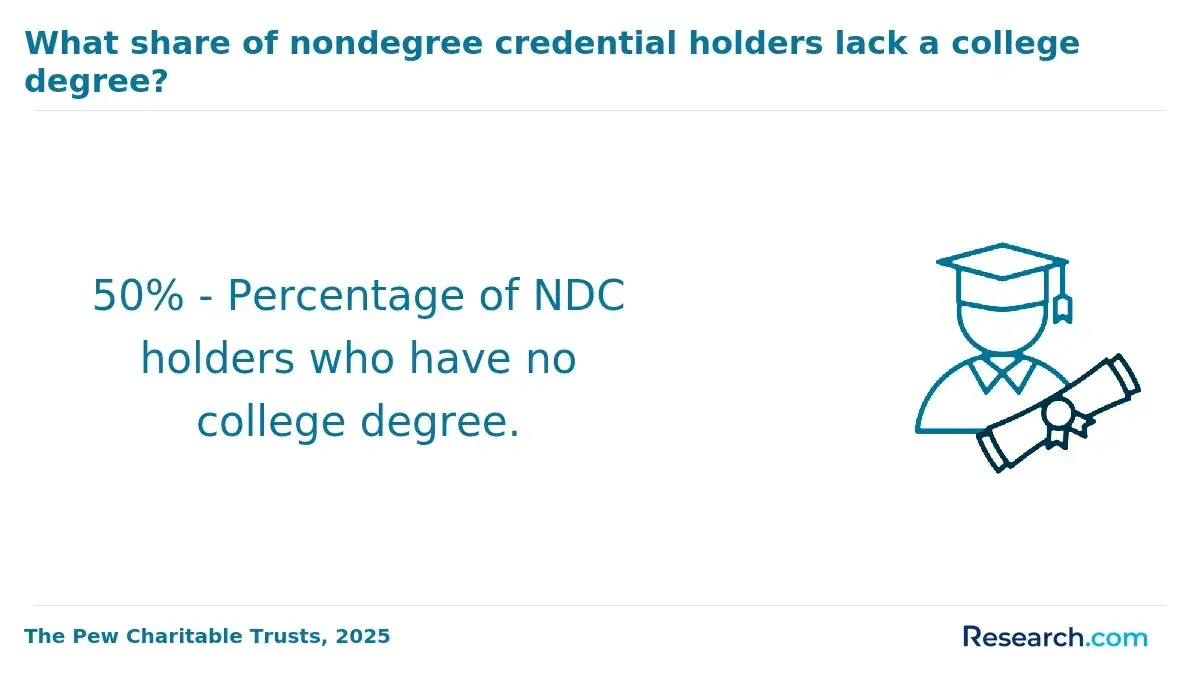
According to the National Student Clearinghouse Research Center, nearly 60% of undergraduates transfer schools at least once, highlighting the importance of planning for credit portability from the start.
What Graduates Say About How to Verify the Quality of Accredited Online Astronomy & Space Studies Bachelor's Degree Programs
- Dante: "Choosing an accreditation-verified online astronomy & space studies bachelor's degree was essential for me-it assured me the program met industry standards and would be recognized by future employers. The cost was surprisingly reasonable compared to traditional universities, which made pursuing my passion more accessible. Earning this degree has opened doors in the aerospace industry, and I feel confident that my education prepared me for real-world challenges."
- Collin: "I decided to enroll in an astronomy & space studies bachelor's program with weekly start dates to fit my unpredictable work schedule. After carefully verifying its accreditation, I knew it was a credible investment despite the careful cost I had to consider. This degree has strengthened my resume significantly and given me the skills I needed to transition into a research analyst role in space technology."
- Dylan: "The affordability of the accreditation-verified online astronomy & space studies bachelor's degree program was a major factor in my decision. I appreciated the clear confirmation of accreditation, which assured me the coursework was rigorous and respected. Since graduating, the knowledge and credentials I gained have allowed me to advance confidently in my career as an astrophysics educator."
Other Things You Should Know About Astronomy & Space Studies Degrees
Students should ask whether the program is accredited by a recognized regional or national agency listed by the U.S. Department of Education. It is also important to inquire about faculty qualifications, the availability of specialized courses in astronomy and space sciences, and opportunities for research or hands-on projects. Additionally, requesting information on graduation and job placement rates can reveal how well the program prepares students for careers or advanced study.
Prospective students should check the accrediting agency listed on the U.S. Department of Education's website and the Council for Higher Education Accreditation (CHEA). Additionally, contacting the school directly to verify their accreditation status can provide confirmation.
Accreditation quality directly affects eligibility for federal financial aid programs, including Pell Grants and Stafford Loans. Only schools accredited by agencies recognized by the U.S. Department of Education can offer access to these financial resources. This means students attending unaccredited or poorly accredited programs may need to rely on private loans or out-of-pocket costs, making affordability a significant concern.
Typically, accreditation reviews occur every five to ten years, depending on the accrediting body's policies. During re-evaluation, programs must demonstrate continued compliance with academic standards, faculty credentials, and student outcomes. If accreditation is revoked, students may lose access to federal aid, face difficulties transferring credits, and find their degrees less recognized by employers or graduate programs.
References
- Why it Matters https://ps.sckans.edu/news/view/109/
- Space-related degrees - Space Training Catalogue https://training.spaceskills.org/degrees
- How Online Diploma Mills Hurt e-Learning https://www.e-mentor.edu.pl/artykul/index/numer/32/id/702
- Study Space Technologies at the AGH University: Zero semester for bachelors! https://innowacyjna.malopolska.pl/en/news/study-space-technologies-at-the-agh-university-zero-semester-for-bachelors
- Why is it important to verify the credibility of online degrees? — AIMSENRICH https://www.aimsenrich.com/blog/why-is-it-important-to-verify-the-credibility-online-degrees
- Credit Recognition https://aero.uvigo.es/en/studies/bachelors-degree-in-aerospace-engineering/entry-and-admission/credit-recognition/
- Importance of Accredited Online Degree Programs | TUW https://www.tuw.edu/school-news/importance-of-accredited-online-degree-programs/
- The Dark Side of Online Education: How to Spot a Diploma Mill https://rmi.com.sg/blog/how-to-spot-a-diploma-mill/
- Frequently Asked Questions (FAQ) for Future Students https://astronomy.swin.edu.au/sao/prospective/FAQ.xml
- Improving Undergraduate Astronomy Students’ Skills with Research Literature via Accessible Summaries: An Exploratory Case Study with Astrobites-based Reading Assignments https://arxiv.org/html/2309.05822v3