Postgraduate Training for Managed Care Pharmacists

Co-Founder and Chief Data Scientist
A Pharm.D. can prepare you to become a pharmacist, but it does not tell you which postgraduate experience will help you enter managed care. If you are considering work with a health plan, pharmacy benefit manager, or specialty pharmacy organization, you need to weigh a residency against a fellowship or a direct-hire role. This guide explains what each route teaches, what employers may require, and how to compare the time, compensation, and career opportunities before you apply.
Key Things You Should Know
- A managed care pharmacy PGY1 residency typically takes one year; it is structured postgraduate training, not a separate pharmacist license or a universal hiring requirement.
- Compare the residency's actual projects and rotations with the jobs you want. A fellowship or direct-hire role may be a better route for some goals.
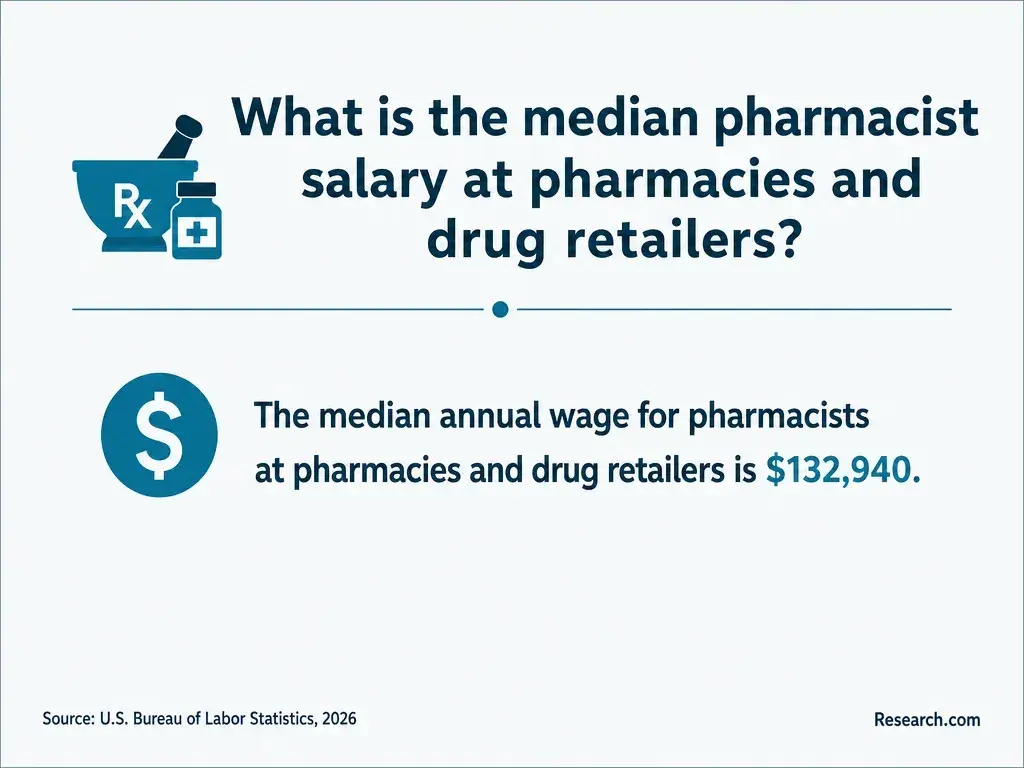
- The median annual pay for pharmacists was $140,910 in May 2025, according to the Bureau of Labor Statistics (BLS), but that figure covers pharmacists across settings - not managed care residents or managed care pharmacists specifically.
What is postgraduate training for managed care pharmacists?
Managed care pharmacy focuses on how organizations evaluate, cover, and support medication use across a population. Postgraduate training gives a Pharm.D. graduate supervised experience with work such as formulary decisions, medication-use data, quality improvement, and benefit design.
A PGY1 residency is first-year postgraduate training; a fellowship usually concentrates on a narrower business, research, or industry function. Neither replaces pharmacist licensure.
Training is useful when you need guided exposure to several managed care functions and documented project experience. It may be less useful if a direct-hire position already offers the responsibilities and mentoring you seek. First establish whether you need a pharmacist career at all: pharmacy degree eligibility requirements concern entry to a professional degree, while some pharmacy-adjacent jobs use different credentials.
What education and licensure are required for managed care pharmacy training?
The usual educational starting point is a Doctor of Pharmacy (Pharm.D.) degree. Undergraduate pre-pharmacy courses are prerequisites, not the professional degree itself. For a U.S. pathway, check that the Pharm.D. program has appropriate Accreditation Council for Pharmacy Education (ACPE) professional-program accreditation; institutional accreditation and authorization to offer online education are separate matters.
Students planning the transition from pre-pharmacy to a Pharm.D. should confirm each school's prerequisites rather than assume a bachelor's degree is universally required.
A Pharm.D. does not issue a pharmacist license. State boards determine licensure requirements, which generally include the North American Pharmacist Licensure Examination (NAPLEX) and may include a jurisdiction-specific law examination and other conditions.
Residency programs commonly require graduates to obtain a pharmacist license in the program's jurisdiction by a stated deadline; check each program's policy and the relevant board. Internationally educated pharmacists have a different eligibility pathway and should verify both board and residency requirements before applying.
What managed care pharmacy residency pathways are available after a PharmD?
The most direct structured route is a PGY1 managed care pharmacy residency. Some graduates instead pursue a fellowship, a PGY1 residency in another practice area, or a managed care job. An additional PGY2 year may suit a specific advanced practice goal, but applicants should verify that a particular program's specialty and training - not merely its host organization - match that goal.
The routes differ most in the breadth of supervision and the kind of work you can demonstrate afterward. This comparison helps narrow which openings deserve a closer look.
| Route | Typical emphasis | Main trade-off |
| PGY1 managed care residency | Structured rotations, practice development, and supervised projects | A training year and residency stipend rather than a regular pharmacist position |
| Fellowship | Program-specific research, industry, policy, or business work | Scope and licensure expectations vary considerably |
| Direct employment | Responsibilities tied to an immediate organizational need | Less guaranteed breadth, supervision, or rotation through functions |
A PGY1 residency generally lasts one year; programs specify their own start dates, licensing deadlines, and application processes. Check ASHP program listings and current PhORCAS and Match instructions where applicable - do not assume every fellowship or job participates. Accelerated Pharm.D. degree options concern reaching the professional degree sooner; they do not replace postgraduate residency training.
A residency is a supervised workplace experience, even when some meetings, coursework, or projects occur online. A remote-friendly posting does not establish that all rotations can be done from home. For each program, compare the required worksite, rotation locations, meeting schedule, travel, and any limits on where a resident may live or hold a license.
Location can change the cost and feasibility of training. The table separates delivery features from the practical commitments that matter when comparing offers.
| Feature | Remote-friendly training | Primarily site-based training |
| Scheduled work | May include virtual meetings and data projects; hours still apply | Usually follows the host organization's onsite schedule |
| Experiential work | May still require visits or local placements | Provides regular in-person access to teams and operations |
| Planning risk | Confirm supervision, travel, and licensure location | Budget for relocation or commuting if necessary |
If you have not yet earned a Pharm.D., leading online pharmacy degree programs are a separate decision. Online instruction in a professional degree does not automatically eliminate hands-on requirements, in-person clinical rotations, or state authorization considerations.
Residencies are better evaluated by their learning experiences than by a classroom course list. Programs may teach formulary management, evidence appraisal, pharmacoeconomics, quality measurement, medication safety, specialty pharmacy, and the use of claims data.
A resident might evaluate a drug for coverage, measure the results of a medication-use initiative, and present findings to a committee. Access to a data system is not the same as demonstrated proficiency with it.
Ask what you will produce, who will review your work, and whether you can discuss the results in future interviews without disclosing confidential information.
If you are still building the degree foundation, review pharmacy program credit acceptance separately: prior undergraduate credit and credit toward a professional Pharm.D. curriculum are not interchangeable, and the receiving school decides what applies.
Requirements vary by program, but applicants should expect a Pharm.D. completion deadline, a licensure deadline, and an assessment of their fit through application materials and interviews.
Some programs use PhORCAS and the ASHP Match; verify each listing before preparing an application. Fellowships and direct-hire roles can have different systems and eligibility rules.
Before ranking opportunities, use these checks to avoid applying to a program you cannot complete or that does not serve your intended career:
- Confirm the program's current degree, graduation-date, work-authorization, and pharmacist-licensure rules.
- Read the rotation schedule and identify the projects, preceptors, and managed care functions you would actually encounter.
- Check application instructions, interview expectations, Match participation where applicable, and each deadline directly with the program.
- Ask whether the position's required location and schedule are workable before committing to it.
If you have not reached the Pharm.D. application stage, pharmacy programs before all requirements are complete address an earlier admissions question. Permission to apply with coursework in progress does not waive a residency's graduation or licensure conditions.
A PGY1 residency is generally a one-year, stipend-supported commitment rather than a tuition-based degree. Fellowship length and compensation vary by employer. Compare the written offer's stipend or salary, benefits, licensing and professional fees, required travel, and relocation needs.
The largest economic trade-off may be taking a training position instead of a regular pharmacist job, but the value of its supervision and projects depends on your target role.
Do not confuse a shorter degree advertisement with a shorter route into managed care practice. Claims about the fastest online pharmacy degree programs must be checked against the credential awarded and the applicant's starting point; an online or accelerated option does not waive pharmacist licensure or turn a postgraduate residency into a degree.
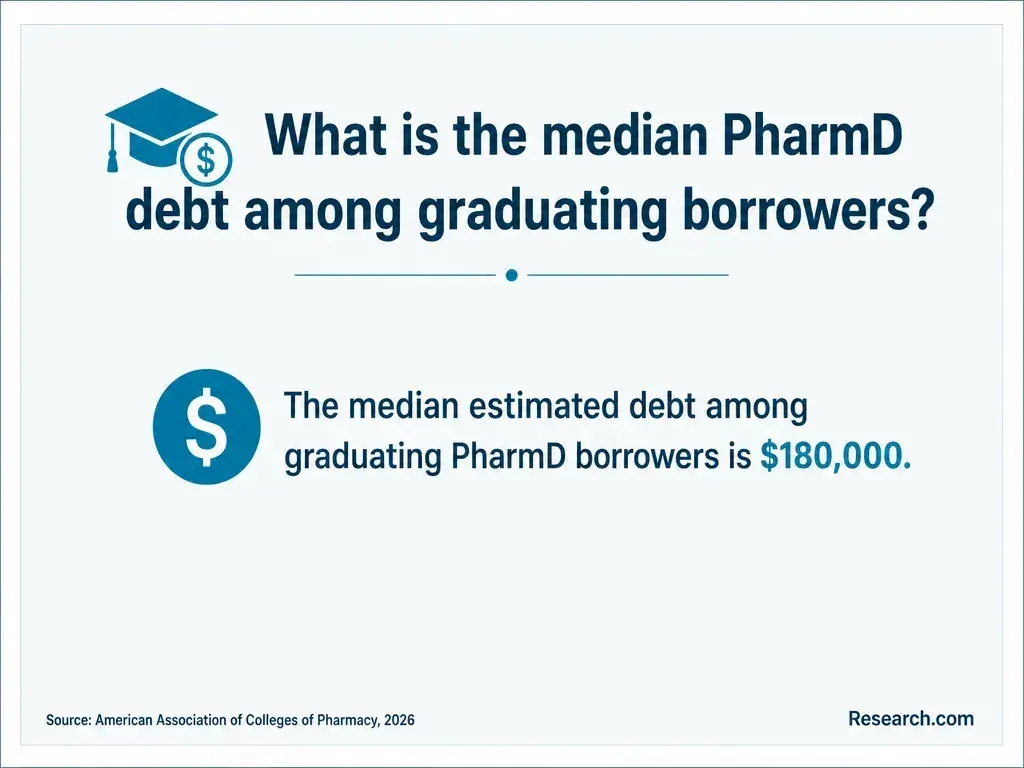
If you still need a Pharm.D., price that decision separately. Include tuition and required fees, prerequisites, rotation travel, and licensure expenses, and obtain current financial-aid terms for your eligibility. Federal borrowing rules changed for many new graduate and professional borrowers beginning July 1, 2026; do not plan on an older loan limit or automatic Grad PLUS access.
Relevant positions include formulary pharmacist, clinical pharmacist for a health plan or pharmacy benefit manager, medication-use or quality-improvement pharmacist, specialty pharmacy pharmacist, and population-health pharmacist.
Duties and hiring standards differ: one role may emphasize evidence reviews for coverage decisions, while another focuses on provider collaboration or analyzing medication-use results. A residency can supply examples of this work, but it does not guarantee a job or promotion.
Direct employment may be preferable when you already meet a role's requirements and it provides useful mentoring. A fellowship may fit a clearly defined research, policy, or industry interest.
If your goal is analytics, administration, or another pharmacy-adjacent function rather than licensed pharmacist practice, compare lower-cost pharmacy degree pathways carefully against the actual job requirements; not every pharmacy-related credential qualifies someone to practice as a pharmacist.
BLS reports median annual pay of $140,910 in May 2025 for pharmacists and projects 5% job growth from 2025-2035, with about 12,500 openings per year. These are occupation-wide figures, not a managed care salary estimate or a resident's expected stipend. Employer, duties, location, experience, and whether a position is a training appointment all affect an individual offer.
To judge whether a residency's lower short-term compensation is worthwhile, compare actual written offers and the responsibilities you could plausibly qualify for afterward - not the occupation-wide median alone.
For someone still choosing a professional degree, Doctor of Pharmacy programs with manageable tuition are relevant to the earlier education-cost decision, not evidence that a particular residency will produce a higher salary.
What certifications and standards support managed care pharmacy careers?
ASHP accreditation standards provide a way to assess an accredited residency's structure and learning expectations; confirm a specific program's current accreditation status rather than assuming all managed care training is accredited.
Board of Pharmacy Specialties (BPS) certifications are separate, optional professional credentials with specialty-specific eligibility and examination requirements. Check the applicable credentialing body before planning around a certification, and do not assume every managed care job requires one.
A certificate, residency, fellowship, or board credential does not issue a state pharmacist license. Likewise, online doctorate programs with shorter timelines may lead to credentials other than a Pharm.D.; their length alone says nothing about pharmacist licensure eligibility.
For a managed care opening, the most useful standards to verify are the employer's stated license requirements, the training program's current status, and any credential's actual eligibility rules.
Other Things You Should Know About PharmD
Yes. Experience resolving coverage issues, counseling patients, and communicating with prescribers can provide relevant examples. Explain the problem you addressed and the outcome without overstating your experience with formulary or population-level decisions.
Some do, especially in medication therapy and specialty pharmacy roles. Others primarily work on coverage policy, data analysis, or provider-facing initiatives. Read the job description rather than assuming every managed care position has the same patient contact.
Ask the program before relying on outside income. Residency schedules can include fixed hours, project deadlines, and travel, while employers may restrict additional work or require approval.
Often you can describe your methods and contributions, but patient information, contract terms, and internal data may be confidential. Ask your preceptor what you may include in presentations, a portfolio, or interviews.
- Barriers and Facilitators of Pharmacoeconomic Studies - PMC https://pmc.ncbi.nlm.nih.gov/articles/PMC9265831/
- 42 CFR Part 438 -- Managed Care | ecfr.gov https://www.ecfr.gov/current/title-42/chapter-IV/subchapter-C/part-438
- Philosophy and Standards - ForHealth Consulting https://forhealthconsulting.umassmed.edu/residency/philosophy-and-standards/
- PGY1 Managed Care - OU College of Pharmacy https://pharmacy.ouhsc.edu/academics-programs/residency-and-fellowship-programs/pgy1-programs/pgy1-managed-care
- Residency Program | Navitus https://navitus.com/our-company/careers/residency-program/
- About Accreditation | AMCP.org https://www.amcp.org/about-accreditation
- Pharmacy Residency at Humana https://careers.humana.com/us/en/pharmacy-residency-program