Oncology Pharmacist Career Path and Residency

Co-Founder and Chief Data Scientist
Choosing oncology pharmacy means deciding whether the time and expense of specialty training match the work you want to do. The path typically starts with a Doctor of Pharmacy (Pharm.D.) degree and state licensure; many competitive clinical roles also favor residency training. This guide explains what oncology pharmacists do, how PGY1 and PGY2 residencies differ, and when direct employment or certification may be a better next step. You can use it to plan your training and evaluate opportunities before committing to another year away from full-time pharmacist earnings.
Key Things You Should Know
- The common clinical route is an accredited Pharm.D., state pharmacist licensure, a one-year PGY1 residency, and a one-year PGY2 oncology residency; residency is an employer preference for many roles, not a universal legal requirement.
- Board Certified Oncology Pharmacist (BCOP) is a specialty credential, not a license. Eligibility depends on current Board of Pharmacy Specialties requirements, including qualifying experience or training.
- The Bureau of Labor Statistics reports $140,910 in median annual pay for pharmacists in May 2025 and projects 5% growth from 2025-2035; those figures cover pharmacists broadly, not oncology specialists alone.
What does an oncology pharmacist do?
An oncology pharmacist helps patients and care teams use cancer medicines safely and effectively. Depending on the setting and applicable practice rules, the work may include reviewing treatment plans, checking doses against laboratory results and organ function, managing interactions and adverse effects, educating patients, and recommending supportive care. Some roles also involve sterile medication preparation oversight, clinical trials, or policies for handling hazardous drugs.
Patient-facing clinical work differs from pharmacy technician work. A technician may prepare or process medications under applicable supervision but does not become a licensed pharmacist through a short pharmacy program. If you are comparing online pharmacy programs under two years, check the credential and intended occupation: that route does not replace the Pharm.D. and licensure needed to practice as a pharmacist.
How do you become an oncology pharmacist?
First, complete the education required for pharmacist licensure, then build oncology experience through rotations, employment, residency, or a combination. For a clinical position managing complex treatment plans, PGY1 followed by PGY2 oncology is a strong route, but it is not the only possible route into oncology pharmacy.
The routes below differ chiefly in how quickly they provide supervised specialty experience and which openings may consider them.
| Route after licensure | Potential fit | Main limitation to check |
| Direct oncology-related employment | Specialty dispensing, infusion, or a role with structured workplace training | Some clinical positions prefer or require residency experience |
| PGY1, then PGY2 oncology | Intensive preparation for specialist clinical practice | Additional training time and competitive selection |
| PGY1, then oncology experience in practice | Pharmacists who find a suitable role without a PGY2 | Training breadth depends on the job and mentorship available |
If you have not started pharmacy school, compare shortened Doctor of Pharmacy pathways against their actual prerequisite, curriculum, and clinical schedules. A shorter degree timeline does not eliminate licensure requirements or make oncology residency shorter.
What education and licensing does an oncology pharmacist need?
U.S.-educated pharmacists generally complete prerequisite undergraduate coursework, then a professional Pharm.D. program accredited by the Accreditation Council for Pharmacy Education (ACPE). Prerequisites are not the Pharm.D. curriculum, and schools differ on whether applicants need a bachelor's degree. Applicants who already hold science credits should ask how those courses satisfy a school's specific prerequisites; pharmacy programs for students with science credits can be a starting point for that comparison.
The degree alone does not authorize practice. A graduate must meet the relevant state board's requirements, which typically include the North American Pharmacist Licensure Examination (NAPLEX) and any applicable law examination, as well as other board conditions. Do not assume every jurisdiction uses the Multistate Pharmacy Jurisprudence Examination (MPJE): exam requirements vary, and some jurisdictions began transitioning to the Uniform Multistate Pharmacy Jurisprudence Examination (UMPJE) in 2026. Internationally educated pharmacists have a separate credential-evaluation and licensure pathway. Verify your intended state's current rules before making a training plan.
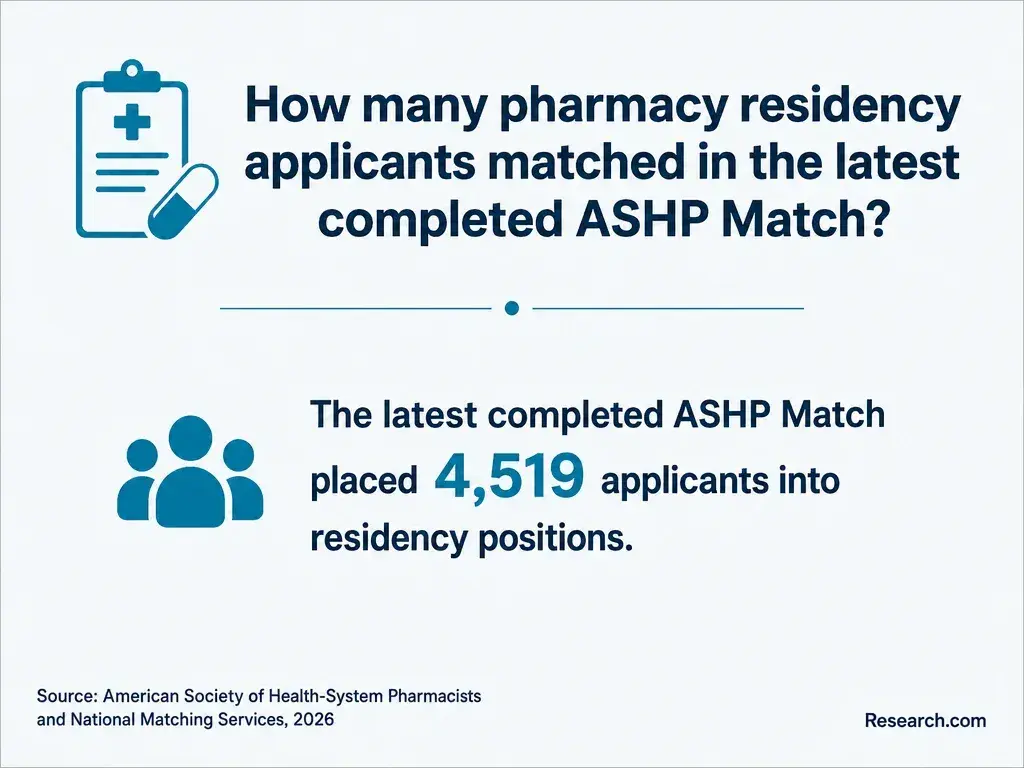
A postgraduate year one (PGY1) residency builds broad pharmacist practice skills; a postgraduate year two (PGY2) oncology residency develops specialty practice. Start researching programs during pharmacy school or PGY1 so application deadlines do not determine your options by default.
Use this sequence to check both your eligibility and whether a program offers the oncology experience you want:
- Complete the Pharm.D. and confirm when you can obtain the pharmacist license required by each residency program.
- Compare PGY1 programs for oncology exposure, preceptors, patient populations, and opportunities to prepare for PGY2 applications.
- Review the current ASHP residency directory, each program's requirements, PhORCAS application instructions, and ASHP Match timelines where applicable.
- Apply and interview; evaluate clinical learning, staffing duties, research expectations, stipend, benefits, and location before ranking programs.
- Complete PGY1, apply to eligible PGY2 oncology programs, and fulfill the selected program's rotations, projects, evaluations, and licensure conditions.
Residency is supervised workplace training, not an online degree. If you plan to choose an online Pharm.D. program before applying, confirm its ACPE status and required in-person labs and clinical rotations; online coursework does not make a future residency remote.
PGY1 applicants generally need a Pharm.D. from an eligible program and must meet the residency's pharmacist-licensure conditions. PGY2 oncology applicants generally need to complete PGY1 before starting PGY2. Individual programs set application documents, interview processes, deadlines, and deadlines for obtaining a license; check each listing rather than treating one hospital's policy as universal.
Admission to pharmacy school is a separate decision from residency selection. Reviewing pharmacy school prerequisite expectations can help prospective students plan entry to the Pharm.D., but satisfying those prerequisites does not establish residency eligibility. For a PGY2 choice, look beyond the oncology label: confirm the mix of inpatient and outpatient care, staffing obligations, preceptor availability, and whether the program is ASHP-accredited or in an accreditation process.
PGY1 typically emphasizes applying clinical judgment across practice areas, communicating with care teams, improving medication-use systems, and managing patients under supervision. PGY2 oncology deepens that work in cancer care, potentially including hematologic malignancies, solid tumors, infusion services, oral anticancer therapies, supportive care, and clinical research. The exact rotations and responsibilities are program-specific.
Ask programs what residents personally assess, document, and present - not just which services appear on a rotation schedule. Pharm.D. experiential credits and residency training serve different purposes: a school decides how prior academic credit applies, while a residency evaluates postgraduate practice performance. Guidance on pharmacy degree programs for transfer students may help with the earlier school decision, but transferring credits does not substitute for PGY1 or PGY2 completion.
After prerequisite study, the professional Pharm.D. commonly takes several years; program structure determines the actual schedule. The standard PGY1-plus-PGY2 route adds two one-year residencies after graduation. Licensure timing can affect when a resident may perform required duties, so ask programs about their license deadlines.
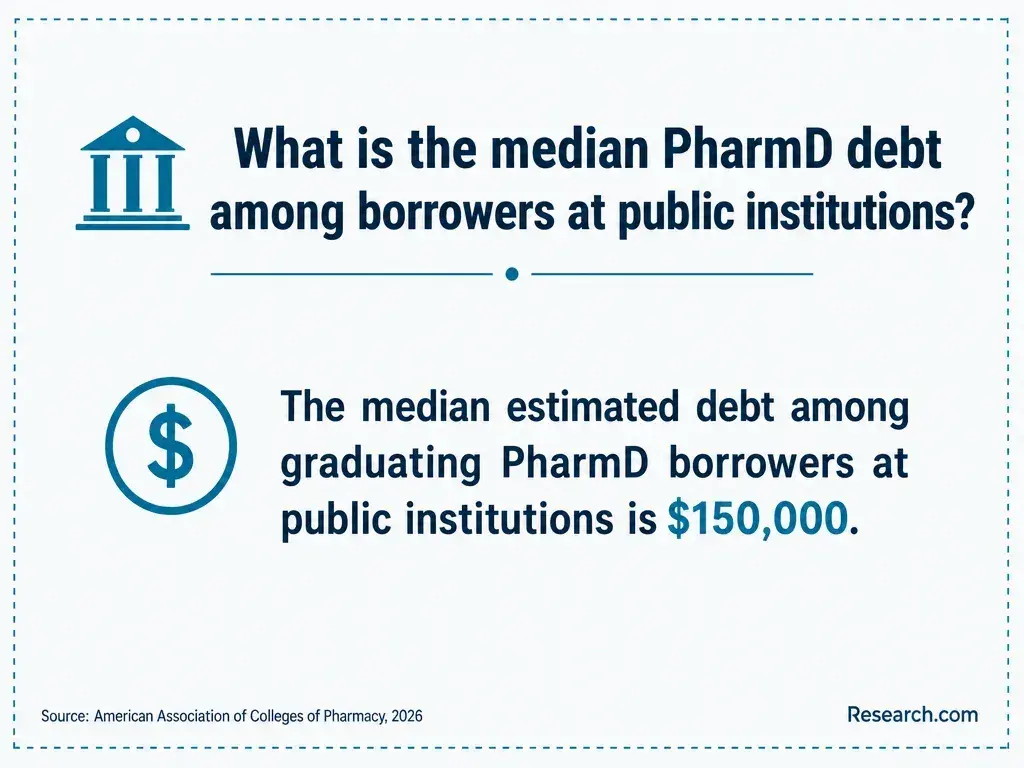
Compare the entire financial path, not tuition alone. The relevant costs can include prerequisite courses, Pharm.D. tuition and fees, clinical-rotation travel, licensing expenses, and relocation. Residents generally receive a stipend, but two training years also carry an opportunity cost compared with accepting a full-time pharmacist position. Published pharmacy program tuition options are useful only when you compare the same cost components and account for required in-person experiences.
For prospective students borrowing to fund a Pharm.D., confirm current aid eligibility with each school. Federal borrowing rules changed for many new graduate and professional borrowers beginning July 1, 2026; older assumptions about loan limits or Grad PLUS access may not fit your start date.
The principal pharmacist specialty credential is Board Certified Oncology Pharmacist (BCOP), awarded by the Board of Pharmacy Specialties (BPS). BPS sets requirements for an active pharmacist license, qualifying specialty practice or training, the certification examination, and maintenance of the credential. A PGY2 can provide an eligibility route, but it does not automatically award BCOP; pharmacists may also have practice-based routes if they meet current BPS criteria.
Employer training certificates and other oncology education can develop skills, but they are not interchangeable with BCOP or state licensure. Likewise, flexible pharmacy degree eligibility options concern entry to an educational pathway, not eligibility for a specialty board examination. Check BPS requirements before choosing a job or residency mainly to qualify for certification.
Oncology pharmacists work in hospitals, cancer centers, outpatient infusion clinics, specialty pharmacies, and health-system medication-use teams. Roles range from dispensing and treatment-verification services to direct patient care, clinical trial support, medication safety, management, and teaching. The amount of patient contact and independent responsibility depends on the employer and applicable state practice rules.
Match training to the job rather than pursuing a credential for its own sake. A patient-care oncology position may strongly favor residency, while another oncology-related role may emphasize operational or specialty-pharmacy experience. A research doctorate follows a different purpose from a clinical Pharm.D.; comparisons of online doctorate program length should not be mistaken for a way to qualify for pharmacist licensure or shorten residency.
How much do oncology pharmacists earn and what is the job outlook?
The Bureau of Labor Statistics reports median annual pay of $140,910 for pharmacists in May 2025 and projects 5% employment growth from 2025-2035, with about 12,500 openings per year. These are figures for the broader pharmacist occupation, not an oncology-specific salary or hiring forecast. Specialty, setting, location, experience, and management duties can change an individual offer.
To judge the financial trade-off, compare actual job offers or posted pay ranges with residency stipends and the costs of the route you would take. A guide to pharmacy degree affordability and completion time can help frame the education decision, but no program price or pharmacist-wide median predicts your oncology earnings. If you already have access to supervised oncology work, ask prospective employers whether that experience could meet your goal without a PGY2.
Other Things You Should Know About PharmD
Possibly, but residency schedules, fatigue-management policies, and outside-employment rules vary. Ask the program director before relying on extra income in your budget.
Expect substantial in-person clinical work. Even if a program includes virtual meetings or projects, confirm its on-site requirements and whether relocation is necessary.
Potentially, if the applicant meets the program's education, work-authorization, and pharmacist-licensure requirements. Ask each program about eligibility well before applying.
Yes. Pharmacy technician and other healthcare roles may involve oncology services, but their education, permitted duties, and supervision differ from those of a licensed pharmacist.
- The Expanding Role of the Oncology Pharmacist - PMC - NIH https://pmc.ncbi.nlm.nih.gov/articles/PMC7557441/
- NYS Pharmacy: License Requirements - Office of the Professions https://www.op.nysed.gov/professions/pharmacist/license-requirements
- Programs | Register https://natmatch.com/ashprmp/programs/register.html
- PGY2 Oncology Pharmacy Residency | Pharmacy Services https://uamshealth.com/pharmacy-services/pharmacy-residencies/pgy2-oncology-residency/
- PGY-2 Oncology Pharmacy Residency: FAQ | Houston Methodist https://www.houstonmethodist.org/education/pharmacy/residency-programs/pgy2-oncology-pharmacy-residency/faq/
- From PGY1 Pharmacy Resident to PGY2 Specialty Resident | ashp.org https://careers.ashp.org/career-resources/on-the-job-3/from-pgy1-pharmacy-resident-to-pgy2-specialty-resident-a-health-system-pharmacy-career-path-103
- PGY2 Competency Areas | ashp.org https://www.ashp.org/Professional-Development/Residency-Information/Residency-Program-Resources/Residency-Accreditation/PGY2-Competency-Areas
- Oncology Pharmacy Specialty Certification | bpsweb.org https://bpsweb.org/oncology-pharmacy/