
2027 Most Affordable Online Colleges Programs Ranking in Vermont

Co-Founder and Chief Data Scientist
Exploring affordable online degree programs in Vermont can feel overwhelming. To help, the Research.com team of data scientists has created the 2027 Most Affordable Online Colleges Programs Ranking in Vermont. This ranking offers clear insights on the best programs that balance quality education with cost-effectiveness.
By reading this article, you'll gain valuable information to make a confident choice about your future. Earning a degree opens doors to new opportunities and personal growth, making your educational journey worthwhile and rewarding.
Key benefits of getting online degrees in Vermont
- Graduates in Vermont with a bachelor's degree earn an average salary of $60,000, while those with a master's can expect around $75,000, showing clear financial benefits of advancing your education.
- A University of Vermont online nursing graduate successfully moved into healthcare management, demonstrating strong career growth opportunities tied to their degree.
- Online degrees from Champlain College offer flexible schedules and lower costs, making it easier for students to balance work and study compared to traditional on-campus programs.
- 2027 Most Affordable Online Colleges Programs Ranking in Vermont
- What can I expect from online degrees in Vermont?
- How much can I make with online degrees in Vermont?
What can I expect from online degrees in Vermont?
Choosing an online degree in Vermont means embracing a flexible learning experience tailored to your lifestyle. Graduates often share how attending institutions like the University of Vermont or Castleton University allowed them to balance coursework with family and work commitments seamlessly. These programs blend rigorous academics with user-friendly virtual platforms, making it feel as if instructors and peers are just a click away, no matter where you are in the state.
Students frequently appreciate how accessible resources-such as academic advising and virtual libraries-create a supportive environment, helping them stay motivated and confident throughout their studies. Hybrid options, especially popular at Northern Vermont University, offer a blend of face-to-face interaction and online flexibility, which graduates find perfect for staying connected while managing busy schedules.
With Vermont's focus on regional accreditation and quality assurance, you can expect your credits to be respected nationally, opening doors for career advancement or further education. Many learners describe a sense of achievement knowing their degree holds value beyond the screen, responding to Vermont's unique geographic challenges with innovative education solutions.
How much can I make with online degrees in Vermont?
Graduates holding an online bachelor's degree from Vermont institutions often see median salaries near $62,000, reflecting a rewarding step up from high school diploma earnings. For example, alumni from popular colleges such as the University of Vermont report landing roles with competitive local employers, often earning notably above the state average. Associate degree holders generally earn around $45,000, while those advancing to master's levels can expect about $80,000 annually, especially in fields like education administration or business management.
Envision a nursing graduate from a Vermont college who online completed their RN degree and now enjoys a median wage close to $70,000-this success story inspires others considering healthcare careers. Similarly, online IT graduates from local institutions are capitalizing on Vermont's tech growth, securing positions that start above $75,000.
Looking ahead, as Vermont's economy continues evolving, online degrees may unlock even greater income potential. Graduates report strong satisfaction knowing their online credentials, earned from respected Vermont schools, resonate with local employers eager to hire skilled talent.
- Vermont offers online degrees from several accredited public and private institutions, covering associate to graduate levels.
- In-state tuition for online programs at public universities ranges from $400 to $600 per credit hour, with bachelor's degrees costing approximately $48,000 to $72,000 total.
- Private colleges may charge over $700 per credit hour but often provide financial aid options to students.
- The average starting salary for Vermont graduates is $40,000 to $45,000, rising to $60,000 to $65,000 with experience.
- Key job sectors for online degree holders include healthcare, education, technology, and environmental sciences, with a current state unemployment rate of about 3.5%.
Completing an online degree in Vermont often fits within a flexible timeline tailored to individual needs. Many graduates from the University of Vermont and Vermont State Colleges share how their journeys ranged from the traditional two years for an associate degree to about four years for a bachelor's, with some finishing faster thanks to heavier course loads or transferring credits.
One graduate described feeling empowered by the option to balance work and study through part-time enrollment, extending their timeline beyond the usual but allowing for a manageable pace. Another appreciated how asynchronous classes enabled acceleration, completing what typically takes four years in less time without sacrificing quality.
As online learning technology evolves, Vermont students can expect even more personalized paths, blending year-round sessions and credit flexibility. This means future students might finish degrees sooner or adjust schedules to fit life changes. The shared excitement around such adaptable programs shows promising growth in Vermont's online education landscape.
Studying for an online degree in Vermont, such as through the University of Vermont, offers unmatched flexibility that fits the busy lives of many students balancing work and family. Graduates often describe a sense of relief knowing they can attend lectures at their own pace, from home or anywhere in the state. This contrasts sharply with the traditional on-campus experience at colleges like Middlebury, where students immerse themselves physically in campus life, creating strong bonds through face-to-face interactions and accessing resources like libraries and labs directly.
While tuition costs are similar for both formats, online learners appreciate the savings on commuting and housing, which eases financial pressures. Many online students find virtual mentoring and tutoring highly effective, though they sometimes miss the spontaneous social moments found in campus clubs and events. Still, these online programs are evolving to better foster community through digital forums and live sessions.
Future trends in Vermont's education landscape suggest increasing integration of hybrid models, where students might enjoy the best of both worlds-balanced schedules and deeper engagement-tailored to their unique needs and ambitions.
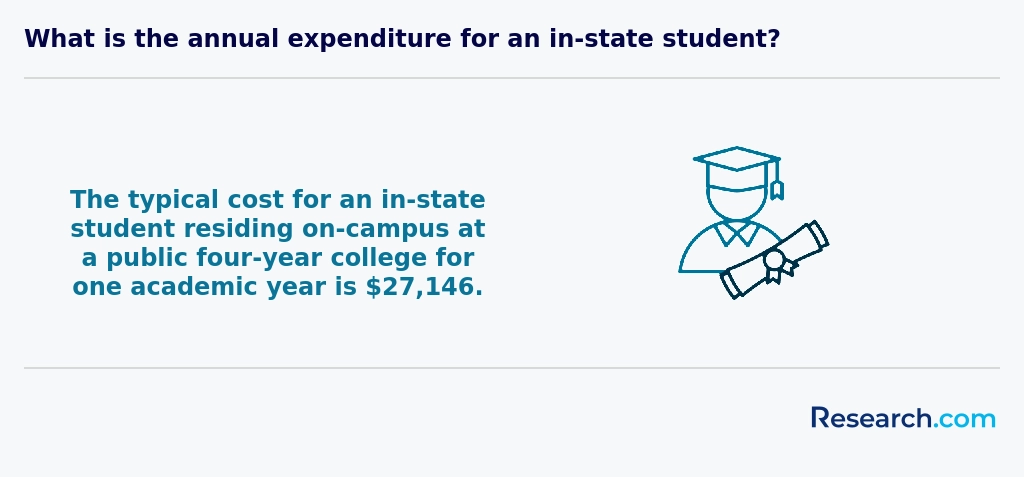
The average cost of an online degree in Vermont generally centers around a median total of about $38,160, making it a relatively accessible option compared to many other states. Graduates from popular institutions like the University of Vermont often share how affordable online college tuition Vermont helped them manage education expenses while balancing work and life. For public institutions, tuition per credit hour tends to stay in the $400 to $550 range, which aligns well with these total cost estimates.
Many students appreciate that Vermont's participation in regional tuition break programs can further lower costs, especially for out-of-state learners who qualify, making the possibility of obtaining an online degree more affordable than previously. This dynamic contributes to a growing trend where more Vermonters are considering online study as a flexible, cost-effective pathway.
Private colleges in Vermont offer more specialized programs but typically come with higher tuition, sometimes reaching over $80,000 for a full degree, which some students justify by the enhanced resources and personalized support. Students often highlight how financial aid, scholarships, and employer tuition reimbursement options helped ease their payment burden, making these choices more viable.
As the market for online education evolves, prospective students may explore emerging, affordable alternatives such as a cheap doctorate degree online, which could inspire comparable cost savings at the undergraduate level and beyond. Overall, staying informed about pricing trends and institutional offerings is key to navigating the average cost of an online degree in Vermont effectively.

Financial aid for online degree students in Vermont is evolving rapidly, offering hopeful paths for aspiring graduates at institutions like the University of Vermont and Champlain College. Many students report feeling relieved as they access federal Pell Grants, which can cover thousands annually without repayment. Imagine a single parent balancing work and studies, enabled by these grants to pursue an online general degree without overwhelming debt.
State programs like those from Vermont's Student Assistance Corporation are increasingly tailored to online learners, providing grants that support both degree and professional development courses. Graduates share how this aid made it possible to upgrade their skills flexibly, fitting learning around busy lives.
Colleges often complement these with merit-based scholarships that reward academic dedication and community contributions, further lightening financial burdens. Veterans in Vermont feel empowered too, as the GI Bill® extends its reach to cover online courses, opening doors once thought closed.
Looking forward, employer tuition reimbursement is a growing trend, inspiring students who work locally to imagine a future where education costs are shared, not shouldered alone.
Across Vermont institutions, meeting minimum GPA requirements or completing specific prerequisite courses can feel challenging but rewarding, especially for those entering fields like nursing or engineering. Many online learners share stories of submitting personal statements or recommendation letters that showcased their passions and ambitions, helping admissions officers see their potential beyond grades.
Graduate hopefuls, often motivated by career advancement, emphasize the value of holding a bachelor's degree and the preparation that comes with crafting meaningful statements of purpose. In the dynamic environment of Vermont's online education, reliable internet and proper technology remain vital, empowering students to embrace flexible learning while pursuing their academic dreams.

Online degree courses in Vermont typically include a strong foundation of general education classes such as English composition, mathematics, social sciences, and natural sciences. Graduates from popular Vermont colleges often describe how these courses gave them the confidence to explore new ideas and develop critical thinking skills essential for their careers. For example, a student pursuing an online bachelor's degree found that the mix of quantitative and humanities coursework helped shape a well-rounded perspective that was immediately applicable in their job.
Many students appreciate the balance of theory and practice Vermont programs offer, with specialized courses tailored to their chosen field. Business students, for instance, enjoy classes in accounting and marketing that connect directly to real-world challenges, reflecting a commitment to affordable Vermont online college programs. These courses often feature dynamic projects and case studies that enhance engagement and career readiness.
Looking ahead, the integration of STEM courses and emerging technologies within these online degree programs offers exciting possibilities. Graduates frequently highlight how programming and data analysis skills acquired through online learning helped them adapt quickly to evolving industries. Prospective students interested in advancing their education might explore options such as the cheapest online masters to further specialize in these high-demand areas.
Choosing the best online degree program in Vermont means looking beyond just cost or convenience. Graduates from the University of Vermont often praise the mix of flexible asynchronous courses paired with strong academic support, which helps balance work and family life seamlessly. Vermont State Colleges highlight programs with hands-on experiences like internships, making degrees feel practical and career-ready.
In the search for the best affordable online degree programs Vermont offers, selecting an accredited institution ensures your degree holds value everywhere. Future students might find that programs anticipating career shifts provide specialized certifications or emerging fields like health sciences and IT, making your education adaptable and forward-focused.
Many appreciate how private and public schools in Vermont now strive to support online learners through personalized advising and tutoring, creating a community feel in virtual classrooms. For those who want flexibility but still crave real-time interaction, synchronous classes offer a vibrant learning atmosphere akin to campus life. Additionally, for ambitions requiring advanced study, exploring options like a phd without dissertation might be a game changer in the Vermont education landscape.
Graduates with an online degree in Vermont find diverse career paths that align with the state's unique economic climate. Healthcare remains a robust sector, with graduates from institutions like the University of Vermont pursuing roles as registered nurses or healthcare managers within local hospitals and community clinics. Many share the rewarding experience of directly impacting public health, reflecting the state's growing emphasis on medical services.
In technology and business, online degree career opportunities in Vermont continue to expand as startups and established firms seek skilled IT specialists and business analysts. Graduates from Champlain College often recount how flexible learning enabled them to swiftly enter Vermont's flourishing tech scene, driven by innovation and collaboration.
For those interested in education or environmental science, Vermont's commitment to sustainability and quality schooling offers hopeful prospects. Online programs prepare graduates to meet licensure requirements and engage in meaningful work promoting conservation or leading educational initiatives.
Students considering these options might explore online degrees that pay well, ensuring their investment aligns with Vermont's evolving job market and personal career ambitions.
Graduates with an online general degree in Vermont find themselves stepping into a robust and evolving job market known for embracing diverse skill sets. Many Vermont graduates from institutions like the University of Vermont or Champlain College share stories of landing roles in healthcare administration or IT support right after completing their online programs. This reflects the state's positive employment outlook for online graduates, where employers value the adaptability and current knowledge that online education fosters.
Increasingly, sectors like education and advanced manufacturing in Vermont seek professionals who can merge traditional expertise with digital fluency. Graduates often describe how an online degree helped them balance work and study while gaining credentials recognized by local employers. The slow but steady growth in technology-related fields, notably IT and cybersecurity, allows online degree holders to pursue expanding opportunities without relocating.
For those considering accelerated paths, there are options to enhance qualifications quickly; many look into 1 year phd programs online to boost their career prospects while continuing to work locally. This dynamic interplay between education and Vermont's employment market points to a future where online degree job opportunities in Vermont are increasingly promising and accessible.
2027 Most Affordable Online Colleges Programs Ranking in Vermont
Investing in your education is a significant decision that can shape your future, and the Research.com team recognizes the importance of providing reliable guidance. To assist prospective students in Vermont, we have carefully developed the "2027 Most Affordable Online Colleges Programs Ranking." Our dedication to quality, credibility, and accuracy is evident in the thorough research and analysis undertaken to create this ranking.
We utilized the following reputable data sources to ensure a comprehensive evaluation of affordable online programs:
By consulting this ranking, readers will gain valuable insights into the most cost-effective online colleges in Vermont, empowering them to make informed educational investments. For further information on how this ranking was developed, please visit our Research.com methodology page.


# 12 position
Vermont State University - Randolph
Bachelor of Nursing
Frequently Asked Questions
Students in Vermont can maximize their online learning experience by taking advantage of flexible schedules offered by the University of Vermont and Vermont State Colleges, which serve thousands of online learners statewide. Setting a dedicated study space and routine helps maintain focus and discipline. Leveraging available resources like virtual tutoring, academic advising, and library access enhances understanding and keeps students engaged.
Connecting with peers through online forums or study groups supports collaborative learning and motivation. According to the Vermont Higher Education Council, 65% of online students who use these support services report higher course completion rates. Finally, balancing coursework with professional and personal commitments by using time-management tools is crucial for success in online degrees.
Preparing for the job market after completing an online degree in Vermont involves strategic planning and awareness of the local employment landscape. Vermont's economy emphasizes healthcare, education, and technology sectors, which account for a significant portion of job openings according to the Vermont Department of Labor. Graduates should research in-demand skills within these industries to align their resumes accordingly.
Networking plays a critical role. Joining Vermont-based professional groups and attending virtual career fairs can connect you with local employers. Additionally, take advantage of career services offered by your online institution, such as resume reviews and interview coaching, which are crucial for job placement success.
Internships or part-time roles related to your field can strengthen practical experience. According to the U.S. Bureau of Labor Statistics, Vermont's unemployment rate was 3.0% as of early 2024, indicating a competitive but favorable market for qualified candidates.
Employers in Vermont prioritize a combination of technical and soft skills in graduates. According to recent surveys by the Vermont Department of Labor, critical thinking and problem-solving rank highly among desired capabilities. Communication skills, both written and verbal, are also essential, as Vermont employers emphasize teamwork and client interaction.
Additionally, digital literacy is increasingly important, with many companies seeking candidates proficient in basic software applications and data analysis. Adaptability and time management are valued for remote and hybrid work environments.
Specific sectors, like healthcare and green technologies, look for specialized skills aligned with industry needs. Overall, Vermont's labor market favors versatile graduates prepared to meet evolving job demands.
Finding internships in Vermont involves a mix of online research, networking, and utilizing local resources. Start by exploring the websites of Vermont-based companies and nonprofits to identify internship openings. The Vermont Department of Labor also offers valuable job and internship listings, specifically geared toward local opportunities.
Many Vermont colleges and universities, such as the University of Vermont, provide career services and online databases that can connect students with internships across the state. Additionally, use platforms like Handshake, which partner with institutions to list regional internships.
Networking is crucial. Attend virtual job fairs and join Vermont professional groups on social media to increase your chances. According to the 2023 Vermont Career Development Report, nearly 45% of internships in Vermont are secured through personal connections and targeted outreach.
In Vermont, earning an online degree can significantly impact career mobility and advancement. According to the Vermont Department of Labor, individuals with a bachelor's degree or higher tend to have lower unemployment rates and higher median incomes compared to those with only a high school diploma. Online degrees provide flexible access to education, which is especially valuable for working adults seeking to upskill without relocating.
The state's key industries, such as healthcare, education, and technology, often require advanced credentials for promotion. Employers increasingly recognize online degrees from accredited institutions, making them a viable path to career growth.
When choosing between a thesis and a non-thesis online degree program in Vermont, consider your career goals and learning style. Thesis programs typically require conducting original research and writing a formal paper, which is ideal for students interested in pursuing doctoral studies or research roles.
Non-thesis programs usually focus more on coursework and practical skills, making them suitable for professionals aiming to enter or advance in the workforce more quickly. According to the Vermont Higher Education Council, over 40% of online graduate programs in the state offer both options to accommodate different student needs.
Cost and time commitment also differ: thesis tracks may extend your study duration, potentially increasing expenses. Evaluating program requirements and available faculty support is essential for a successful decision.
Students based in Vermont who wish to study abroad while pursuing online degrees have several options through U.S. higher education institutions. Many Vermont colleges, including the University of Vermont, offer exchange programs or faculty-led study tours abroad, often coordinated alongside online coursework. According to the Institute of International Education, about 1,000 Vermont residents studied abroad in the 2021-2022 academic year, reflecting growing interest despite the emphasis on virtual learning.
Online degree programs sometimes integrate international internships or research projects, allowing Vermont students to gain global experience without relocating. Additionally, consortiums such as the Vermont State Colleges System cooperate with institutions overseas, providing credit transfer opportunities.
Vermont offers a range of part-time job opportunities that can complement your online degree education. Many students work in healthcare support roles, especially given the state's growing demand for medical assistants and nursing aides. According to the Vermont Department of Labor, healthcare employment is expected to grow by 14% through 2030.
Retail and customer service jobs are also common, allowing students to develop communication and management skills useful for business degrees. The tech sector in Vermont, though smaller, has positions in IT support and software testing that can benefit students pursuing technology-related degrees.
Internships and assistant roles within Vermont's nonprofit organizations provide practical experience for social science or education students.
Online students in Vermont have access to a variety of networking opportunities designed to support professional growth and community engagement. Many Vermont institutions offering online degrees, such as the University of Vermont, facilitate virtual career fairs and online alumni networks. These platforms allow students to connect with peers, faculty, and local employers statewide.
Additionally, state-focused organizations like the Vermont Chamber of Commerce provide virtual workshops and events beneficial for students seeking to build local industry connections. According to the Vermont Department of Labor, online learners who actively engage in these networks tend to experience better job placement outcomes post-graduation.
Moreover, online program cohorts often include group projects and discussion boards, encouraging collaboration and relationship building despite physical distance. These opportunities help replicate the campus networking experience and foster a professional community among Vermont's remote learners.
Alumni networks play a significant role in supporting online degree students in Vermont. They offer opportunities for networking, mentorship, and career development that extend beyond the virtual classroom. According to the Vermont State Colleges system, graduates who engage with alumni associations report higher employment rates within six months of graduation.
For online students, these networks can bridge the gap caused by physical distance, providing access to job leads and professional connections throughout Vermont's diverse economic sectors. Many Vermont institutions host virtual alumni events and forums, enabling remote students to build lasting relationships.
Engaging with alumni also offers students advice on navigating local industries such as technology, healthcare, and education, which are prominent in Vermont's economy. The collective experience of alumni enhances students' confidence and expands their professional reach, crucial for successful career transitions.
Online degree programs in Vermont offer flexibility to tailor your education according to career goals. Many public and private institutions provide customizable majors or concentrations, allowing students to select courses that align with specific industries. For example, the University of Vermont Online permits students to choose electives related to business, technology, or healthcare fields.
Additionally, some programs include certificate options that can be earned alongside the degree, enhancing specialized skills valued in the Vermont job market.
Vermont's Department of Labor highlights growing fields such as healthcare and information technology, which online learners can focus on by selecting relevant coursework. Academic advisors at Vermont colleges guide students in mapping out curriculums compatible with career development plans.
Online students in Vermont often face challenges related to internet access. Although the state has made progress in expanding broadband coverage, rural areas still experience connectivity issues. According to the Vermont Public Utility Commission, about 8% of households lack reliable high-speed internet, which can hinder participation in live classes or download of course materials.
Another common challenge is balancing coursework with personal and professional responsibilities. Many online learners in Vermont are adult students who juggle jobs and family commitments, making time management crucial yet difficult.
Additionally, limited access to on-campus resources can affect student support services. While institutions offer virtual advising and tutoring, some students report feeling isolated or less engaged compared to traditional settings.
To write a winning application for a college or university program in Vermont, start by thoroughly researching the chosen online program's admission requirements. Most Vermont institutions, including the University of Vermont and Vermont State Colleges, value clear, concise personal statements explaining your goals. Highlight your academic achievements and any relevant work or volunteer experience. According to Vermont Agency of Education data, a strong GPA above 3.0 improves your chances significantly.
Include well-prepared recommendation letters that speak to your skills and character. Proofread your application carefully to avoid errors. Tailoring your essay to reflect how the program fits your career plans shows genuine interest and commitment.
Students pursuing online degrees in Vermont can gain practical experience through internships and cooperative education programs offered by many institutions. These opportunities allow students to apply classroom knowledge in real-world settings. According to the Vermont State Colleges system, over 60% of students participate in experiential learning activities before graduation.
Additionally, Vermont's strong local economy supports internships in sectors such as healthcare, technology, and education. Working with Vermont-based companies gives students valuable skills while building professional networks.
Service-learning and research projects are also common, providing hands-on experience tied directly to academic programs.
Choosing the right concentration within an online degree program in Vermont starts with understanding your career goals and interests. According to the Vermont State Colleges system, popular fields for online studies include business, healthcare, and education. Research local labor market trends; for example, Vermont's Department of Labor forecasts steady growth in healthcare and information technology jobs through 2030. It is also helpful to consider the specific skills and certifications required in your desired field. Many online programs offer flexibility to switch concentrations early on, but focusing on high-demand sectors can improve your job prospects.
Next, evaluate program accreditation and faculty expertise. Accredited institutions adhering to regional standards in New England ensure quality education. If possible, review course descriptions and reach out to admissions for detailed concentration content. Comparing concentrations by curriculum rigor, internship opportunities, and alignment with state workforce needs can guide your decision effectively. Data from the Vermont Higher Education Council indicates that students focusing on STEM or health-related concentrations tend to report higher employment rates post-graduation.
- 2027 Most Affordable Online Colleges Programs Ranking in Massachusetts
- 2027 Most Affordable Online Colleges Programs Ranking in New York
- 2027 Most Affordable Online Colleges Programs Ranking in Connecticut
- 2027 Most Affordable Online Colleges Programs Ranking in Maine
- 2027 Most Affordable Online Colleges Programs Ranking in New Jersey
- 2027 Most Affordable Online Colleges Programs Ranking in Pennsylvania
- 2027 Most Affordable Online Colleges Programs Ranking in Maryland
- 2027 Most Affordable Online Colleges Programs Ranking in Virginia
- 2027 Most Affordable Online Colleges Programs Ranking in Ohio
- 2027 Most Affordable Online Colleges Programs Ranking in West Virginia
- Online Degrees in Vermont | College Degrees Online https://www.collegedegreesonline.com/st/vermont
- Best Online Colleges in Vermont - Top Consensus Ranked Online Schools in Vermont https://www.collegeconsensus.com/rankings/best-online-colleges-vermont/
- Why Millions Are Rethinking College: Online Certifications vs Traditional Degrees https://www.thetechedvocate.org/why-millions-are-rethinking-college-online-certifications-vs-traditional-degrees/
- How to Create Your Own College Major https://www.collegexpress.com/articles-and-advice/majors-and-academics/articles/choosing-major/how-create-your-own-college-major/
- DOJ challenges Vermont and New York tuition laws for undocumented immigrants https://www.mynbc5.com/article/doj-vermont-new-york-tuition-lawsuit/73395984
- Online Programs https://vermontstate.edu/academics/programs-courses/online-programs/
- Create Your Own Degree (Disrupt the Job Market!) https://degreefromanywhere.com/create-your-own-degree/
- Top Online Colleges In Vermont | AffordableCollegesOnline https://www.affordablecollegesonline.org/online-colleges/vermont/
- Apply for Financial Aid https://www.vsac.org/pay/applying-online-financial-aid
- Internships https://careers.vermont.gov/content/Internships/


