
2027 Best Online Colleges Programs Ranking in New Hampshire

Co-Founder and Chief Data Scientist
Choosing the right online college program can feel overwhelming, especially with so many options available in New Hampshire. This article introduces the 2027 Best Online Colleges Programs Ranking in New Hampshire, carefully created by the Research.com team of data scientists to guide you toward the best degree paths.
By exploring this ranking, you'll gain clear insights to make informed decisions that match your goals. Earning a degree opens doors to new opportunities, and this guide aims to make your journey smoother and more confident.
Key benefits of getting online degrees in New Hampshire
- Graduates in New Hampshire with a bachelor's degree earn a median salary of around $60,000, while those with a master's degree can see salaries increase to about $75,000, showing clear financial benefits of higher education levels.
- A University of New Hampshire online business graduate often enters diverse fields like marketing or management, enjoying flexible career options and growth opportunities in local and national markets.
- Online degrees from Plymouth State University allow graduates to balance work and study efficiently, offering convenience and saving commuting time compared to traditional programs, which boosts motivation and success.
- 2027 Best Online Colleges Programs Ranking in New Hampshire
- What can I expect from online degrees in New Hampshire?
- How much can I make with online degrees in New Hampshire?
What can I expect from online degrees in New Hampshire?
Choosing an online degree in New Hampshire means stepping into a realm where flexibility meets quality, tailored for those juggling work, family, and ambition. Graduates from institutions like the University of New Hampshire often describe the experience as "seamlessly integrating education with life," allowing them to earn credentials without sacrificing daily responsibilities. The rigor matches on-campus programs, ensuring each course challenges and prepares you for real-world demands.
Expect clear paths across fields vital to the local economy, such as technology, healthcare, and education. Many students find their coursework directly relevant to their jobs, enabling immediate application of new skills. Being part of a community accredited by the New England Commission of Higher Education also means confidence in your degree's recognition by employers and other institutions.
Financial aid options, including Pell Grants and state scholarships, are more than just funding-they represent institutional commitment to your success. Dedicated advisors and tech support create an environment where even those new to online learning feel supported, turning potential isolation into motivation and connection.
How much can I make with online degrees in New Hampshire?
In New Hampshire, earning power with an online degree defies many outdated assumptions about remote education. Graduates from institutions like Southern New Hampshire University or the University of New Hampshire often see median salaries around $65,000 annually for bachelor's degree holders, far surpassing the roughly $40,000 earned by those with only a high school diploma. This gap underscores how higher education fuels not just knowledge but financial stability in the state's job market.
Consider a graduate who completes an online bachelor's in business from SNHU and quickly lands a role paying $55,000-already above many entry-level jobs statewide. Meanwhile, those who pursue in-demand fields like nursing or software development report average salaries hitting $75,000 to $90,000, aligning with the vibrant healthcare and tech sectors growing around New Hampshire.
And it's not just the degree but the discipline gained online that employers appreciate. Graduates share stories of how balancing work and study fosters skills that translate into promotions and raises, often resulting in salary increases up to 40% when advancing to master's level online programs offered by local universities.
- Tuition for online undergraduate programs at the University of New Hampshire is around $14,000 per year for in-state students, though costs vary by program.
- Financial aid options such as federal aid, state grants, and scholarships are available to online students, similar to on-campus learners.
- The average starting salary for recent graduates in New Hampshire is about $46,000 per year, with mid-career salaries rising to around $75,000.
- New Hampshire's job market includes strong sectors like healthcare, technology, education, and manufacturing, supporting demand for graduates.
- The state participates in the New England Board of Higher Education's regional online programs, which facilitates credit transfer and offers access to more courses and degrees.
Completing an online degree in New Hampshire often challenges the traditional four-year timeline many expect. Graduates from institutions like the University of New Hampshire and Manchester Community College share stories of finishing their bachelor's degrees in roughly four years, but many found that flexibility was their greatest asset. One graduate juggled a full-time job and family while taking fewer courses each semester, stretching their timeline to fit their life without sacrificing progress.
Associate degrees, particularly popular at community colleges, typically wrap up in about two years when pursued full-time. Yet, some students reported accelerating their studies by transferring credits from previous coursework, shaving off months from their planned graduation dates.
Master's degree seekers often experience even more variation. A business professional at Southern New Hampshire University described finishing in an intense year due to an accelerated program, while another worked part-time over two years to maintain work-life balance.
This fluidity highlights a powerful truth: in New Hampshire, how long it takes to graduate online is personally defined, creating pathways that reflect ambition, responsibility, and resilience.
Graduates from the University of New Hampshire often reflect on how their choice between online and on-campus degrees shaped their experience. Those who opted for online degrees appreciated the freedom to manage their studies around demanding work schedules or family life, embracing the flexibility that comes with remote learning. This flexibility is not just convenience; it's empowerment, especially when balancing commitments beyond education.
On the other hand, graduates who attended on-campus programs at institutions like Dartmouth College recall the vibrant campus energy-the spontaneous hallway debates, face-to-face mentorship, and instant access to libraries and labs-that enriched their academic journey. These moments foster personal connections and networking that some argue are harder to replicate online.
Yet, in New Hampshire, both routes carry equal academic weight. Accredited programs demand rigorous standards whether studied online or in person. Financially, online degrees can reduce costs by cutting out housing and commuting expenses, a real relief for many. Choosing between these paths is less about quality and more about the lifestyle and learning style that best fits the individual's ambitions and daily realities.
The average cost of an online degree in New Hampshire typically centers around $31,140, but students often find themselves navigating a range of expenses influenced by their residency status and choice of institution. In-state residents usually benefit from lower tuition, as seen at schools like the University of New Hampshire, where online credits cost approximately $400 to $450 each. Graduates from such programs often reflect on their experience with a sense of pride, recognizing how the more affordable New Hampshire online college tuition fees allowed them to invest in their education without overwhelming financial strain.
Community colleges, such as Manchester Community College, offer even more accessible options, often keeping yearly tuition under $5,000. This affordability opens doors for students seeking to start their academic journeys while limiting debt, a reality that resonates deeply for many local learners balancing work and family commitments.
Private colleges, however, paint a different picture. Tuition exceeding $25,000 annually prompts students to weigh the value of prestige and personalized programs against their budget constraints. Many graduates acknowledge the challenge of this decision but find solace in the availability of scholarships, grants, and employer assistance. For those exploring further education opportunities, especially graduate studies, investigating cheap masters programs can reveal unexpected pathways to affordability.
Understanding the complex landscape of the average cost of online degree New Hampshire options reveals the importance of informed choices. This awareness empowers students to tailor their educational investments to personal circumstances while embracing the rewarding potential of flexible, local online education.
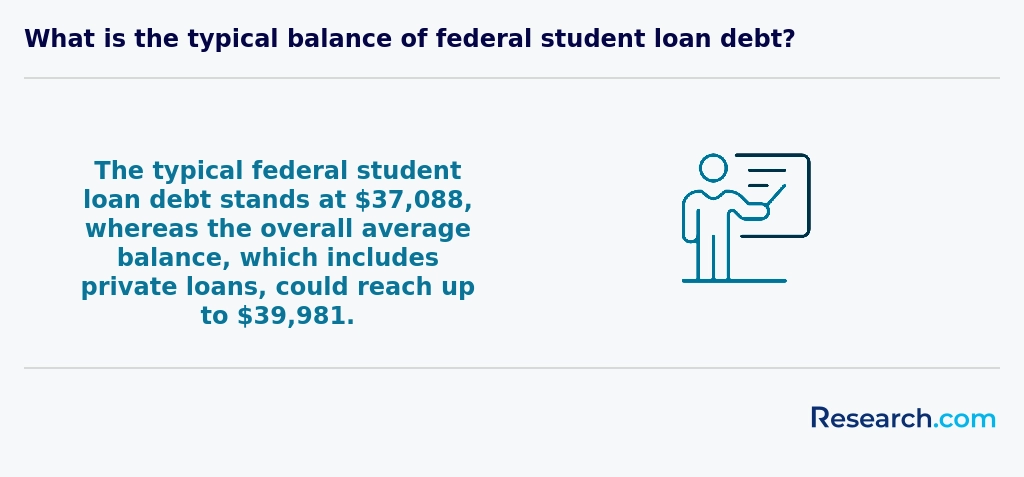
Financial aid for online degree students in New Hampshire often begins with federal support, accessed through the Free Application for Federal Student Aid (FAFSA). Many graduates from institutions like the University of New Hampshire reflect on how the Pell Grant, offering up to $7,395 in the 2023-2024 year, dramatically eased their tuition burden. This need-based grant is a game-changer, especially for those balancing work and study.
State-specific programs, though more limited in merit-based options, still offer valuable scholarships like the New Hampshire Tuition and Fees Waiver Program for Foster Youth, providing crucial relief to eligible learners. Students often share how institutional aid from their colleges, including targeted scholarships for online learners, felt like personalized support-reminding them they weren't just a number in a digital system.
Graduates also highlight the importance of federal Direct Loans for their manageable repayment terms. Many found it reassuring that New Hampshire's average student debt is below the national norm, fostering a sense of control over their financial futures. Additionally, employer tuition assistance is a hopeful resource, encouraging students to pursue online degrees while maintaining career growth.
Envision a graduate from a well-known New Hampshire university recalling the moment they submitted their high school diploma and official transcripts-key gateways to acceptance. Proof of prior education is non-negotiable; institutions like the University of New Hampshire require a completed high school education or a GED for undergraduate programs, while graduate candidates must hold a bachelor's degree. These credentials aren't just paperwork-they represent your readiness to join an academic community.
Imagine sitting down to upload your transcripts, aware that some programs expect a GPA around 2.5 to 3.0, ensuring you're academically prepared. While standardized tests like the SAT become less central, certain graduate programs still request GRE or GMAT results, adding another layer of challenge.
- Residency matters: securing in-state tuition-averaging about $11,000 annually-calls for proof of residency, a significant factor shaping your financial future.
- Completing a detailed application with personal insights allows you to express educational goals, much like past students who found this step energizing rather than obstructive.
- Letters of recommendation or resumes, especially for advanced degrees, connect your past achievements to future ambitions.
Consider everyday readiness too: reliable internet and a compatible computer aren't just technicalities but lifelines to engaging with courses smoothly. Orientation sessions can feel like welcoming conversations rather than tests, preparing you mentally to navigate your program.
Online degree courses in New Hampshire are carefully crafted to blend foundational knowledge with practical skills, often surprising students with their relevance and depth. Graduates from popular New Hampshire accredited online college programs recall tackling courses like Principles of Economics and Business Management and Finance that felt directly connected to the state's economic landscape. These courses don't just deliver theory; they immerse learners in real-world contexts that prepare them for immediate application in local industries.
A graduate from a well-known university in New Hampshire described how courses in Educational Theory and Practice reshaped their approach to teaching, reinforcing the value of instructional technology within state standards. Meanwhile, healthcare-focused students appreciate courses in Foundations of Nursing or Public Health that address New Hampshire's particular workforce needs, helping them feel equipped and confident to contribute meaningfully.
This variety invites deeper reflection on how online degree programs in New Hampshire serve as a gateway to both personal growth and regional development. For those curious about advanced options, exploring a phd without dissertation might also expand their academic horizons.
Choosing the best online degree program in New Hampshire demands more than just picking a school with a good reputation. Graduates from the University of New Hampshire often reflect on how ensuring the institution's accreditation was a pivotal step that boosted their confidence in the value of their diploma. In a state where affordable online colleges in New Hampshire compete, it's easy to get distracted by cost alone, but graduates caution that a program's alignment with your career goals is what truly transforms your experience and future prospects.
Consider real-life challenges faced by online learners at Granite State College who benefit from flexible asynchronous courses but also rely heavily on robust student support services like personalized tutoring and career counseling. These services often make the difference between feeling isolated and thriving. When weighing your options, don't overlook faculty expertise or class size-graduates recall smaller, more engaged classes as key motivators that kept them on track.
Finally, think beyond traditional choices by exploring options such as online degrees that pay well, presenting not just affordable costs but clear outcomes that can powerfully influence your long-term satisfaction.

Graduates holding online degrees in New Hampshire often discover career opportunities that defy traditional expectations. For example, those who earned their degrees from institutions around Manchester have entered healthcare roles not only as nurses but as innovative health information specialists, thriving in a state where healthcare accounts for 15% of the workforce. These graduates feel empowered knowing their skills meet real community needs.
Jobs for online graduates in New Hampshire also flourish in tech sectors concentrated in cities like Nashua. Graduates from local universities share stories of becoming cybersecurity analysts, directly contributing to regional growth and innovation. Their online education provided flexibility and practical training, blending theory with the evolving demands of employers.
Business and education fields remain robust avenues as well. Graduates from New Hampshire's colleges pursuing online degrees in business management describe their positive experiences moving into financial advising or school leadership roles. Some even explore unique paths combining online degrees with certifications mentioned in 1 year phd programs online, pushing the boundaries of conventional career timelines.
Clearly, the landscape for online degree career opportunities New Hampshire offers is diverse, engaging, and full of potential for those willing to explore beyond the obvious paths.
The job market for online degree graduates in New Hampshire defies the outdated view that online education offers limited value. Graduates from well-known local institutions often share how their degrees opened doors within healthcare, IT, and education sectors, despite studying remotely. Many discover that employers here increasingly value accredited online qualifications, especially in a state where the unemployment rate hovers around 2.6%. This makes New Hampshire a fertile ground for those seeking employment opportunities with online degrees in New Hampshire.
Graduates recount balancing family and work commitments while earning their degrees from respected universities, then seamlessly stepping into roles such as nursing administrators or cybersecurity analysts. The state's companies look for critical thinking and adaptability-skills online programs emphasize. For those planning wisely, the pathway can be lucrative; many online degree holders report starting salaries between $50,000 and $70,000, a powerful incentive to pursue flexible schooling options.
Considering the connection between cost and return on investment, students often seek the cheapest online college that maintains strong regional accreditation. When chosen carefully, these programs become springboards into New Hampshire's evolving workforce, challenging the stigma some still harbor about online degrees.
2027 Best Online Colleges Programs Ranking in New Hampshire
Investing in your education is a significant decision that can shape your future, and the Research.com team understands the importance of making informed choices. To assist prospective students, we have meticulously created the "2027 Best Online Colleges Programs Ranking in New Hampshire." Our commitment to quality, credibility, and accuracy is reflected in the thorough research and analysis undertaken to develop this ranking.
We utilized the following reputable data sources to ensure a comprehensive evaluation of online college programs:
By exploring this ranking, readers will gain valuable insights into the best online college programs available in New Hampshire, helping them make confident and informed decisions about their educational journey. For more details on our methodology, please visit our Research.com methodology page.


# 9 position
Antioch University New England
Master of Experienced Educators

# 10 position
Antioch University New England
Master of Dance/Movement Therapy
# 15 position
Antioch University New England
Master of Clinical Mental Health Counseling
Frequently Asked Questions
Students in New Hampshire can maximize their online learning experience by taking advantage of the state's strong higher education resources. Institutions like the University System of New Hampshire (USNH) offer a variety of online degree programs with flexible schedules tailored to working adults and busy students. According to the New Hampshire Department of Education, students should engage actively in virtual discussions and utilize academic support services, such as tutoring and library access, which many schools provide digitally.
Time management is crucial-creating a consistent study schedule helps maintain focus. Additionally, students are encouraged to connect with peers and instructors via online forums and video chats to enhance understanding and collaboration.
Finally, leveraging the state's statewide online library resources and career services can provide practical skills and networking opportunities that support both academic and professional growth.
After completing an online degree in New Hampshire, preparing for the job market requires strategic planning. Graduates should engage with career services offered by their institution, which often include resume reviews, interview practice, and job placement assistance. According to the New Hampshire Department of Employment Security, sectors such as healthcare, technology, and education are experiencing steady job growth in the state. Networking remains crucial; joining local professional organizations and attending virtual or in-person job fairs can help build valuable connections. Additionally, obtaining relevant certifications related to your field can increase employability and salary potential in New Hampshire's competitive market.
Employers in New Hampshire increasingly seek graduates with both technical and soft skills. According to the New Hampshire Department of Labor, critical thinking, communication, and teamwork rank among the top skills desired by local employers. Graduates with strong digital literacy and problem-solving abilities are particularly favored in industries like healthcare, technology, and manufacturing, which dominate the state's economy.
In addition to these skills, adaptability and time management are crucial for remote and hybrid work environments, a trend accelerated by online education. The Granite State's focus on innovation means employers value candidates who can learn continuously and apply knowledge practically.
Finding internships in New Hampshire as an online degree student involves leveraging both local resources and virtual opportunities. Many state colleges offer career services that list internships available in New Hampshire, including at the University of New Hampshire and local community colleges.
The New Hampshire Department of Employment Security provides job boards and internship listings tailored to regional industries like healthcare, technology, and manufacturing. According to their 2023 data, these sectors offer the most openings for students.
Online platforms such as Handshake and LinkedIn also host numerous New Hampshire-based internships. Networking with local professional groups and joining industry associations can increase chances of securing relevant positions.
Students should contact employers directly and participate in virtual career fairs to broaden their search beyond campus.
In New Hampshire, earning an online degree can significantly enhance career mobility and advancement opportunities. According to the New Hampshire Department of Labor, individuals with a bachelor's degree typically earn 65% more than those with only a high school diploma. This pay gap highlights the value of higher education in the state's job market.
Online degrees offer flexible pathways for working adults to gain qualifications without interrupting their careers. Many employers in New Hampshire recognize accredited online programs from state institutions, boosting prospects for promotions and new roles.
Fields such as healthcare, technology, and education-key sectors in New Hampshire-show strong demand for degree holders. The U.S. Bureau of Labor Statistics projects above-average job growth in these areas, further underscoring the benefit of obtaining an online degree for professional growth.
When choosing between a thesis and a non-thesis online degree program in New Hampshire, consider your career goals and learning preferences. Thesis programs typically involve conducting original research and writing a detailed paper, which can be valuable if you plan to pursue a PhD or work in research-focused roles.
Non-thesis programs often emphasize coursework and practical skills, making them well-suited for students aiming to enter or advance in professional fields without a research focus. According to the National Center for Education Statistics, New Hampshire universities offer both options in fields like education, business, and health sciences.
The University System of New Hampshire reports that roughly 40% of graduate students choose thesis programs, highlighting substantial interest in research opportunities.
Evaluate program flexibility, faculty expertise, and how each option aligns with your personal and professional goals before enrolling.
Students based in New Hampshire who pursue online degrees have several options for studying abroad through their institutions' international programs. Many universities in New Hampshire partner with foreign institutions, offering exchange programs or virtual study abroad opportunities. These options allow students to gain global experience without disrupting their online studies.
According to the New Hampshire Department of Education, popular destinations include Europe and Asia, where students can participate in short-term faculty-led trips or remote internships. Additionally, some programs offer language immersion and cultural studies integrated into the curriculum.
Financial aid and scholarships specifically designated for study abroad are often available to New Hampshire students, making international education more accessible.
Students pursuing online degrees in New Hampshire have access to various part-time job opportunities that complement their education. Healthcare roles, such as medical assistants or home health aides, are in high demand due to the state's aging population. According to New Hampshire Employment Security, healthcare occupations are projected to grow by 14% through 2030.
Administrative and customer service positions offer flexible hours and valuable skills related to business or communications degrees. Technology students can find internships and part-time roles in IT support or software development, especially near Manchester and Nashua, hubs for tech companies.
Additionally, education majors may work as tutors or teacher assistants, aligning work experience with academic goals.
Online students in New Hampshire have growing access to various networking opportunities despite studying remotely. Many institutions offer virtual career fairs, webinars, and alumni networking groups to connect students with local professionals and employers. For example, the University of New Hampshire provides online students with access to Handshake, a platform linking students to internships and job openings statewide.
Additionally, New Hampshire's higher education system encourages participation in regional professional organizations and industry-specific groups, often arranged through colleges' online platforms. These connections help students build local networks crucial for career growth after graduation.
According to the New Hampshire Department of Business and Economic Affairs, about 70% of graduates find employment within the state, highlighting the importance of local networking for job placement.
Alumni networks play a vital role for online degree students in New Hampshire by connecting them to a community of graduates who share similar academic experiences. These networks offer valuable opportunities for mentorship, helping current students navigate the job market and career advancement.
Research from the New Hampshire College & University Council shows that active alumni engagement increases job placement rates by up to 15% in the state. They often organize local events and virtual meetups, which are accessible regardless of a student's physical location.
Additionally, alumni can provide internships, job referrals, and insights into industry trends, enhancing a student's professional network and increasing employment prospects.
Customizing an online degree program in New Hampshire allows students to align education with specific career ambitions. Many universities in the state offer flexible curricula with electives or concentrations tailored to industries such as healthcare, technology, or business. For example, Southern New Hampshire University provides options to select specializations within broader degree programs.
Advisors play a key role in helping students design a plan that meets professional goals. They recommend relevant courses, internships, or certifications to enhance job prospects.
Additionally, students can often choose part-time, accelerated, or hybrid formats to match their personal schedules and learning preferences, a benefit highlighted by the New Hampshire Postsecondary Education Commission.
Online students in New Hampshire face several notable challenges unique to the state's educational landscape. Limited high-speed internet access in rural areas remains a significant barrier, affecting nearly 10% of residents according to the New Hampshire Department of Education. This connectivity issue hinders real-time participation in online classes and timely submission of assignments.
Many students also struggle with balancing work, family, and study commitments. Since New Hampshire has a higher-than-average adult learner population, flexible scheduling is critical but not always available. Additionally, some online learners experience a lack of in-person interaction, which can impact motivation and networking opportunities.
Finally, navigating financial aid options tailored to online students can be complex, as some programs have restrictions specific to the mode of study. Understanding and accessing these resources requires careful guidance.
Writing a winning application for an online degree program in New Hampshire begins with thorough research of the institution's specific requirements. Most colleges in the state, including the University of New Hampshire and Granite State College, emphasize clear, concise personal statements that highlight your motivation and career goals. Including relevant work experience or prior education strengthens your case.
Be sure to submit all required documents, such as transcripts and test scores, on time. According to the New Hampshire Department of Education, meeting deadlines significantly improves admission chances. Tailoring your essays to reflect how the program fits your future plans can set you apart from other applicants.
Lastly, request strong letters of recommendation from individuals familiar with your academic or professional abilities. These endorsements help demonstrate your preparedness for online learning environments common in New Hampshire's colleges.
Gaining practical experience while studying online in New Hampshire is essential for career readiness. Many online programs offer internships and cooperative education opportunities, allowing students to work with local businesses or organizations. The state's strong network of small and medium enterprises provides diverse options for remote or in-person experiences.
Additionally, some institutions partner with New Hampshire employers to facilitate work placements tied to coursework. Students can also engage in virtual simulations and project-based assignments that mirror real-world challenges.
According to the New Hampshire Department of Education, participating in experiential learning increases job placement rates by over 20% among college graduates in the state.
Choosing the right concentration within an online degree program in New Hampshire involves assessing your career goals and local job market trends. According to the New Hampshire Department of Employment Security, high-growth sectors include healthcare, technology, and education. Selecting a concentration aligned with these fields may increase employment opportunities after graduation.
It's also important to consider program accreditation and faculty expertise. Accredited programs ensure quality education recognized by employers. Researching faculty backgrounds can provide insight into the specialization's depth and relevance.
Additionally, many New Hampshire institutions offer flexible concentrations tailored to working adults, making it easier to balance studies with other commitments.
- 2027 Best Online Colleges Programs Ranking in Massachusetts
- 2027 Best Online Colleges Programs Ranking in Maine
- 2027 Best Online Colleges Programs Ranking in New York
- 2027 Best Online Colleges Programs Ranking in Connecticut
- 2027 Best Online Colleges Programs Ranking in New Jersey
- 2027 Best Online Colleges Programs Ranking in Pennsylvania
- 2027 Best Online Colleges Programs Ranking in Maryland
- 2027 Best Online Colleges Programs Ranking in Virginia
- 2027 Best Online Colleges Programs Ranking in Ohio
- 2027 Best Online Colleges Programs Ranking in West Virginia
- Thesis vs. Non-Thesis Master's Programs: Which is Right for You? https://potomac.edu/thesis-vs-non-thesis-masters/
- New Hampshire https://projecte3.com/new-hampshire/
- Hiring and Recruiting https://www.usnh.edu/human-resources/hiring-and-recruiting
- Online Colleges in New Hampshire | 25 Best Online Schools in NH https://www.onlinecolleges.net/new-hampshire/
- Best Online Colleges in New Hampshire https://www.onlineu.com/best-online-colleges/new-hampshire
- Internship Opportunities https://nhpbs.org/about/internships.asp
- Online Learning - Community College System of New Hampshire https://www.ccsnh.edu/admissions/online-learning/
- 10 Tips for Getting Your First Job After University https://euroguidance.eu/10-tips-for-getting-your-first-job-after-university
- SNHU Application Form https://form.jotform.com/aceiglobal/snhu-application-form
- Find a Job or Internship in NH - Stay Work Play New Hampshire https://www.stayworkplay.org/work/jobs-and-internships-nh


